Colapasta

Colapasta brings focused Italian pasta craft to Santa Monica's 5th Street, earning back-to-back Michelin Bib Gourmand recognition in 2024 and 2025. Under chef Stefano De Lorenzo, the kitchen applies classical Italian technique to California's produce environment, delivering the kind of precise, ingredient-driven cooking that sits well above its accessible price point..
Pearl is the En Primeur Club membership app — saves, bookings, and concierge access live there. Same editors, same standards.
- Address
- 1241 5th St, Santa Monica, CA 90401, United States
- Phone
- +1 310-310-8336
- Website
- colapasta.com
- Directions
- Get directions
 Saves & bookings on Pearl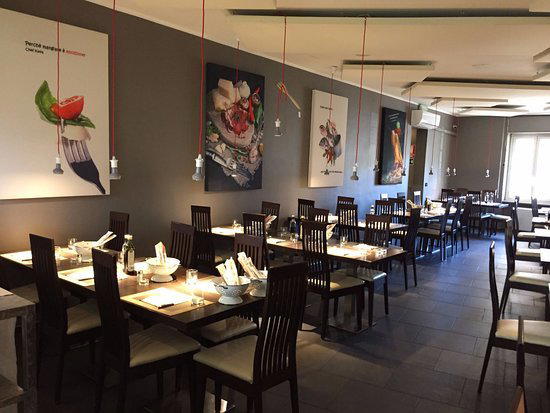
Santa Monica's Italian Pasta Counter and Where It Fits
Santa Monica's dining corridor along 5th Street operates at a different register from the high-gloss Italian that dominates West Hollywood or the theory-heavy tasting menus further east along the Michelin map. The neighbourhood runs closer to neighbourhood confidence than destination spectacle, which makes it a natural address for a pasta-focused room that wants to be taken seriously without performing its own seriousness. Colapasta occupies that position directly. The address is modest, the price range is accessible by Los Angeles standards, and the Michelin Bib Gourmand recognition in 2024 and 2025 signals something the guides reserve specifically for places where quality and value maintain an unusual equilibrium. That distinction matters in a city where the Bib list is shorter and harder-earned than many diners realise.
The Technique Behind the Format
Los Angeles has seen a sustained expansion of Italian cooking across the last decade, but the category fractures sharply by approach. On one side sit the large-format Italian-American rooms that have defined the city's Italian identity since the 1990s, places like Osteria Mozza and Angelini Osteria, which built their reputations on classical regional cooking executed at scale. On the other side, a newer cohort of tighter, more ingredient-focused operations has emerged, including Antico Nuovo and Bianca, which approach Italian tradition through a more considered, pared-down lens. Colapasta fits the latter pattern, with a pasta-centric format that concentrates technical attention rather than spreading it across a broad Italian menu.
The editorial angle worth pressing here is the intersection of imported method and local material. Italian pasta craft in its classical form is a closed technical system: specific hydration ratios, specific dough textures, specific cooking windows. Applying that system faithfully is already a commitment. Applying it to California's produce environment, where the growing season is longer, the vegetable spectrum is wider, and sourcing culture leans toward farmer-market specificity, produces something that neither Italy nor a generic American Italian kitchen would generate on its own. Chef Stefano De Lorenzo operates in that productive tension, and the Bib Gourmand recognition across two consecutive years suggests the kitchen has found a stable, repeatable version of it rather than a novelty position.
This kind of technique-plus-local-produce combination has proven durable elsewhere. At the higher end of the Italian-global spectrum, 8 1/2 Otto e Mezzo Bombana in Hong Kong and cenci in Kyoto demonstrate how Italian classical training translates into entirely different ingredient contexts without losing its structural logic. Colapasta operates at a different price point and scale, but the underlying premise is comparable: that Italian pasta technique is portable and that what it encounters locally shapes the result as much as the method itself.
Price, Awards, and Where This Sits in Los Angeles
The Bib Gourmand designation places Colapasta in a defined tier of the Los Angeles Michelin map. It is not the same conversation as the city's starred Italian or New American tables, including the calibre of Bestia, which operates with a larger format and broader ambition at a higher price point. The Bib category is specifically for places the inspectors regard as delivering high quality at prices below the starred bracket, which in Los Angeles currently means something in the moderate-to-mid range. The double recognition, 2024 and 2025, converts a first-year result into a sustained track record. Single-year Bib awards sometimes reflect novelty; a second confirms the kitchen is delivering consistently rather than peaking once.
For a city that produces Michelin-starred tasting menus at Lazy Bear in San Francisco's price tier, or the benchmark precision of The French Laundry in Napa, Los Angeles has historically been underserved at the quality-accessible middle ground. The Bib Gourmand list here is shorter than those in New York, Paris, or Tokyo, which amplifies what each entry on it represents. Colapasta sits on that list alongside rooms from a wide range of cuisines and price brackets. Its $$-tier pricing makes it one of the more approachable entries on the list, which is part of the point.
To put the broader context in frame: the technical discipline found at Colapasta's price tier is less common in Italian cooking in Los Angeles than it is in, say, Japanese or Taiwanese formats. The city's Michelin map rewards precision pasta work at the starred level through venues in a higher bracket, but accessible execution with Bib-level recognition is a smaller field. That scarcity is part of what the recognition communicates.
The Santa Monica Context
Fifth Street in Santa Monica runs through a neighbourhood that draws a mix of local residents and visitors staying along the coastal strip. The address is walkable from several hotel concentrations and within a short drive of the broader Westside dining corridor. Santa Monica's restaurant ecosystem tends toward the casual-to-midrange segment rather than destination tasting rooms, which means Colapasta's positioning fits the neighbourhood's existing dining logic rather than arriving as an outlier. Ratings in the 4.5-4.7 range at 500-plus reviews typically indicate low variance rather than high-peak performance, suggesting the kitchen's execution is stable across service periods. For those building a Westside dining sequence, the full Los Angeles restaurants guide maps the broader context. The Los Angeles hotels guide, bars guide, wineries guide, and experiences guide cover the rest of the city's premium tier.
Compared to the Wider Italian Category
Italian cooking in Los Angeles now runs from red-sauce neighbourhood rooms through Michelin-starred contemporary operations, and the middle ground is competitive. What separates the Bib Gourmand tier from the general midmarket is the inspectors' direct endorsement of quality-to-price ratio. Among Italian-focused operations at the accessible end of the Los Angeles dining map, Colapasta's back-to-back recognition puts it in a narrow peer group. Other cities with strong pasta-focused independent operations, from Bologna-style fresh pasta counters in New York to the northern Italian rooms in Chicago near Alinea's neighbourhood, demonstrate that the format travels and holds its quality when technique is the organising principle rather than spectacle. Colapasta's California setting adds the produce dimension; the Italian method provides the structural spine.
Know Before You Go
- Address: 1241 5th St, Santa Monica, CA 90401
- Cuisine: Italian, pasta-focused
- Price range: $$ (accessible; Michelin Bib Gourmand value tier)
- Awards: Michelin Bib Gourmand 2024 and 2025 7 from 571 reviews
- Chef: Stefano De Lorenzo
- Booking: walk-in friendly
- Hours: Mon: 5–9 p.m.; Tue: 5–9 p.m.; Wed: 5–9 p.m.; Thu: 5–9 p.m.; Fri: 11 a.m.–2 p.m., 5–9 p.m.; Sat: 11 a.m.–2 p.m., 5–9 p.m.; Sun: Closed
What Regulars Order at Colapasta
The kitchen's pasta-centric format anchors what repeat visitors come back for. In pasta-focused Italian operations at this tier, the guiding principle is usually the same: the pasta itself is the primary event, and the quality of execution across different shapes and preparations is what separates a technically committed kitchen from a competent one. At Colapasta, the consistent. The menu changes with seasonality, particularly in a California sourcing environment where the ingredient calendar shifts more frequently than in a fixed European context. The combination of classical Italian technique and California's seasonal range means the menu's specific offerings are likely to reflect what is current rather than a fixed permanent list.
Where the Accolades Land
Comparable venues nearby, for context on price, style, and recognition.
| Venue | Cuisine | Price | Awards | Notes |
|---|---|---|---|---|
| ColapastaThis venue — the venue you are viewing | House-made Italian Pasta | $$ | Bib Gourmand | Not listed |
| Angelini Osteria | Emilia-Romagna Italian Osteria | $$$ | Michelin Plate | Fairfax |
| Cosa Buona | Chicago-Style Italian Tavern Pizza | $$ | Not listed | Echo Park |
| Maccheroni Republic | Rustic Italian Trattoria | $$ | Bib Gourmand | Gallery Row |
| The Factory Kitchen | Traditional Northern Italian Trattoria | $$ | Bib Gourmand | Arts District |
| Hippo | Modern Cal-Italian | $$$ | Michelin Plate | Highland Park |
Recognition history
Dated appearances from independent guides and award organizations, with the underlying list record or original source where available.
Michelin Bib Gourmand
Michelin
Michelin Bib Gourmand
Michelin
Michelin Bib Gourmand
Michelin
Continue exploring
More in Los Angeles
Restaurants in Los Angeles
Browse all →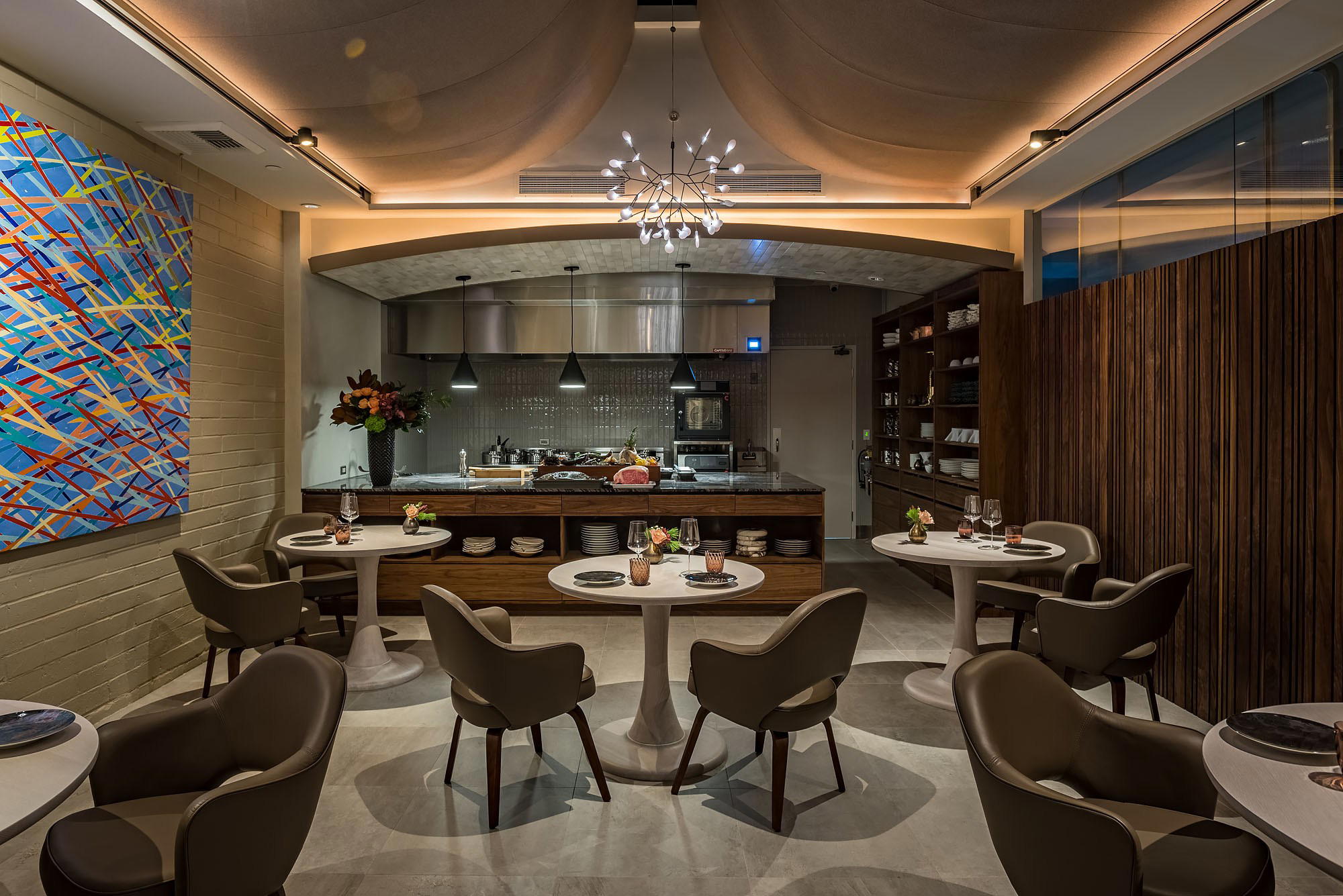
Bars in Los Angeles
Browse all →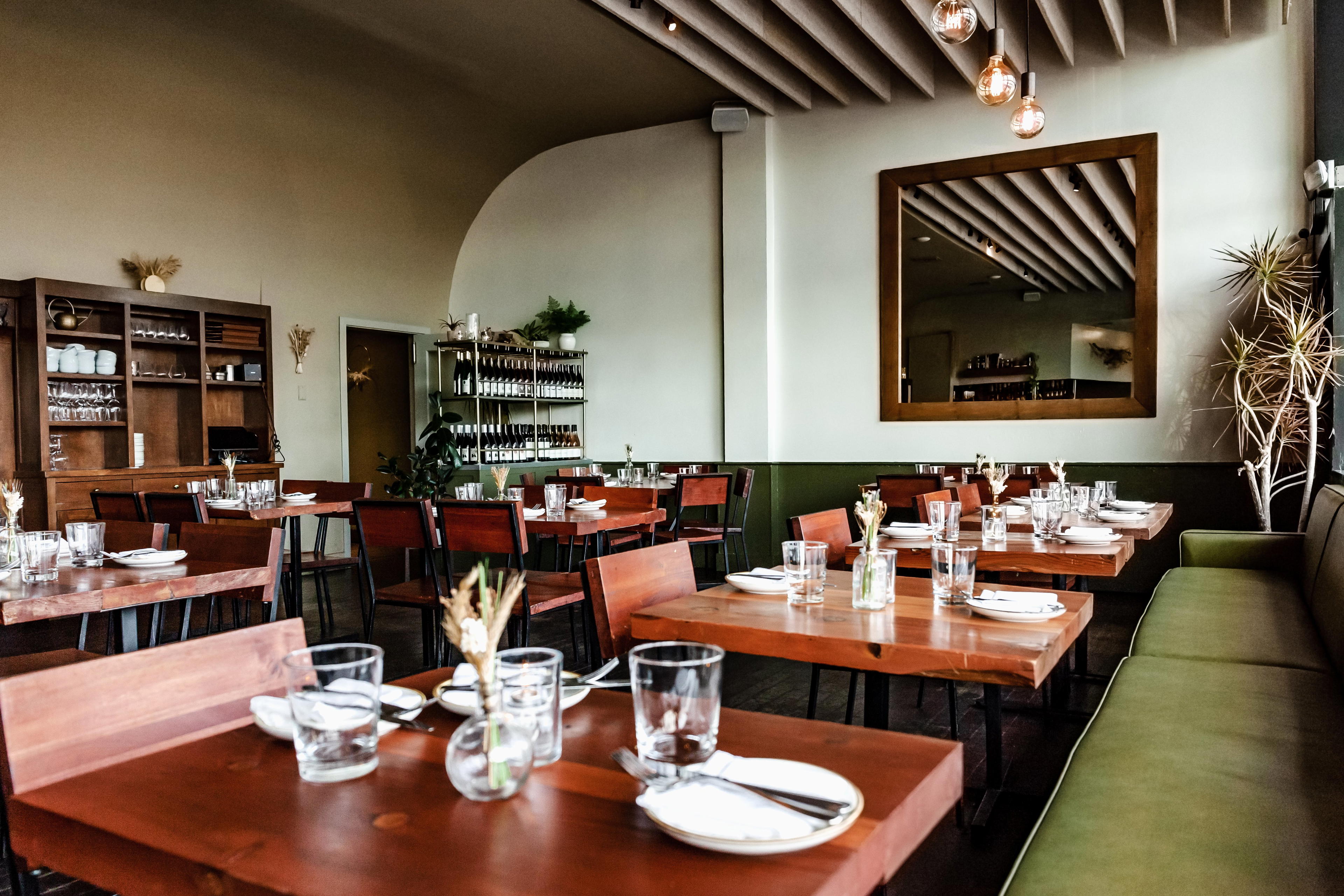
Hotels in Los Angeles
Browse all →
Wineries in Los Angeles
Browse all →
At a Glance
- Cozy
- Modern
- Intimate
- Casual Hangout
- Date Night
- Open Kitchen
- Beer Program
- Organic
- Local Sourcing
Current opening hours
- Monday
- 5–9 p.m.
- Tuesday
- 5–9 p.m.
- Wednesday
- 5–9 p.m.
- Thursday
- 5–9 p.m.
- Friday
- 11 a.m.–2 p.m., 5–9 p.m.
- Saturday
- 11 a.m.–2 p.m., 5–9 p.m.
- Sunday
- Closed
Hours can change for holidays and private events. Last verified .
Flat, unmoody lighting in a small, simple gray-toned space with a front-and-center pasta-making station, creating a casual, neighborhood trattoria feel.