Club 2000
Club 2000 sits on Rayners Lane in the outer London borough of Harrow, at the western edge of the Metropolitan line's reach. In a city where premium dining increasingly clusters in Zone 1 and Zone 2, venues operating further out occupy a distinct position — closer to local communities, further from the tourist circuit, and often more telling about how a neighbourhood actually eats and drinks.
Pearl is the En Primeur Club membership app — saves, bookings, and concierge access live there. Same editors, same standards.
- Address
- 427-431 Rayners Ln, Rayners Lane, Pinner HA5 5ER, United Kingdom
- Phone
- +44 20 8868 2500
- Website
- club2k.co.uk
- Directions
- Get directions
 Saves & bookings on Pearl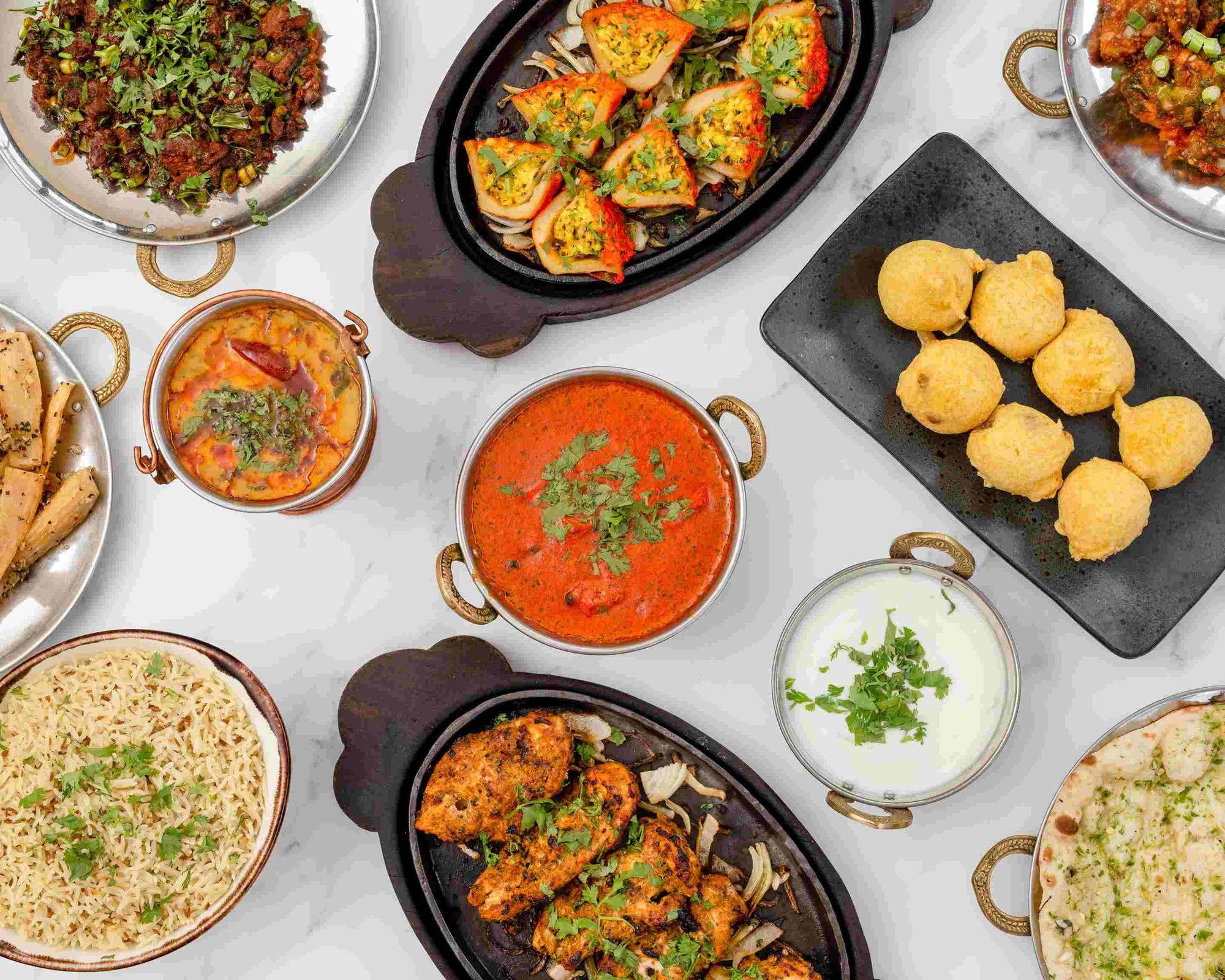
Where Outer London Does Its Own Thing
London's dining conversation rarely pauses at the outer boroughs. The critical apparatus — the award cycles, the press launches, the reservation queues — tends to orbit a tight zone between Mayfair and Notting Hill, with occasional excursions to Bermondsey or Hackney. Venues operating west of that circuit, along the Metropolitan line corridor through Harrow and Pinner, belong to a different register entirely. Club 2000, at 427–431 Rayners Lane, sits in that register: outer suburban, community-facing, and operating at a remove from the machinery that generates column inches about CORE by Clare Smyth or Sketch, The Lecture Room and Library.
That distance is not a deficit. Rayners Lane sits in a part of London where the dining culture is shaped by the South Asian diaspora communities that settled throughout Harrow during the latter half of the twentieth century. Restaurants here answer to a local audience with specific expectations, not to food guides or tasting-menu tourists. That accountability tends to produce a different kind of quality signal than a Michelin star: repeat custom, generational loyalty, and the kind of word-of-mouth that doesn't require a PR firm.
The Sensory Register of Rayners Lane
Approaching Rayners Lane from the tube station, the sensory cues shift quickly. The high street carries the layered atmosphere of a working commercial strip: grocery shops with South Asian produce spilling toward the pavement, the low hum of traffic on a road that connects Harrow to Pinner, and the smell of spiced cooking that drifts from kitchens running across multiple premises. This is not the curated atmosphere of a destination dining neighbourhood, it is the ambient texture of a place that feeds its own residents, without concession to exterior audiences.
Club 2000 occupies a stretch of that street at numbers 427–431, a footprint that suggests a full-service venue rather than a small counter operation. The address places it firmly in the local fabric rather than at its margins. In the context of outer London dining, scale at this level typically signals a function-room format alongside main dining, the kind of space that holds birthday dinners, community gatherings, and events that city-centre venues, priced at the Restaurant Gordon Ramsay tier, cannot accommodate without significant cost to the customer.
The contrast with central London's multi-starred operations is instructive. Where venues like The Ledbury or Dinner by Heston Blumenthal position themselves within an internationally mobile dining circuit, venues at this end of the Metropolitan line serve a geographically bounded community. Neither model is inherently superior, they answer to different needs and operate by different measures of success.
The Broader Context: London Beyond Zone 2
London's outer boroughs contain some of the city's most consistent everyday cooking, precisely because that cooking is not performing for anyone outside the immediate community. The pressure to calibrate for visiting critics or tourist spend does not apply. Harrow, in particular, has a documented density of South Asian restaurants that operate at a standard well above what casual visitors from central London might expect, drawing regulars from across the northwest corridor of the city.
This is the environment in which Club 2000 operates. What the address and the neighbourhood context confirm is the positioning: this is a community venue in a part of London that the premium editorial circuit rarely covers, in a borough where the actual dining culture is more complex than its absence from best-of lists would suggest.
For reference, the venues that receive sustained coverage at the top of the London food conversation, CORE, Sketch, Dinner by Heston Blumenthal, operate at price points and in postcodes that are structurally inaccessible to the majority of Londoners as regular dining. The venues that serve regular Londoners, repeatedly and reliably, are mostly further out. Club 2000 belongs to that majority.
Positioning Against the Wider UK Scene
The pattern repeats across British cities. The venues that attract long-distance travel, The Fat Duck in Bray, L'Enclume in Cartmel, Moor Hall in Aughton, Gidleigh Park in Chagford, are destination operations with national and international audiences. Venues like Hand and Flowers in Marlow or hide and fox in Saltwood occupy a middle tier: regionally recognised, locally embedded, with audiences that extend beyond the immediate neighbourhood. At the base of that pyramid, and this is not a pejorative framing, sit the venues that anchor a specific street, serve a specific community, and are measured by whether the people who live nearby come back. Club 2000 is that kind of venue.
Internationally, the comparison also holds. Acclaimed destination restaurants like Le Bernardin in New York City or Atomix are structurally different operations from community dining rooms in outer urban areas, different economics, different audience, different accountability. Neither tier cancels the other out.
Planning a Visit
Rayners Lane is served directly by the Metropolitan line, making it accessible from central London without a car. The journey from Baker Street takes approximately 30 minutes. The surrounding area has a concentration of South Asian restaurants, grocers, and food shops that make the high street worth exploring as a food destination in its own right, independent of any single venue.
For a full overview of where to eat, drink, stay, and explore across London, the EP Club guides cover the city in depth: our full London restaurants guide, our full London hotels guide, our full London bars guide, our full London wineries guide, and our full London experiences guide provide current, editorially vetted recommendations across the city.
Quick reference: Club 2000, 427–431 Rayners Lane, Pinner HA5 5ER. Nearest tube: Rayners Lane (Metropolitan/Piccadilly lines).
Continue exploring
More in London
Restaurants in London
Browse all →
Bars in London
Browse all →
Hotels in London
Browse all →


At a Glance
- Lively
- Energetic
- Group Dining
- Casual Hangout
- Celebration
- Private Dining
- Beer Program
Current opening hours
- Monday
- 4:30–11 PM
- Tuesday
- 4:30–11 PM
- Wednesday
- 1–11 PM
- Thursday
- 1–11 PM
- Friday
- 1 PM–12 AM
- Saturday
- 1 PM–12 AM
- Sunday
- 1–11 PM
Hours can change for holidays and private events. Last verified .
Warm, relaxed atmosphere with large screens, closely packed tables creating an informal cafe-like setting; can become noisy during peak hours with families and groups.