Clark's Seafood and Chop House
Our verdict
Clark's Seafood and Chop House sits along US-17 in Little River, South Carolina, where the low-country seafood tradition runs deep and the choice between a chop house cut and fresh coastal catch is a nightly negotiation. The dual format reflects a broader pattern in Grand Strand-adjacent dining, where surf-and-turf programming serves a mixed clientele of local regulars and visiting vacationers from the Myrtle Beach corridor.

Pearl is the En Primeur Club membership app — saves, bookings, and concierge access live there. Same editors, same standards.
- Address
- 720 US-17, Little River, SC 29566
- Phone
- (843) 399-8888
- Hours
- Mon–Thu 11 AM–9 PMFri–Sat 11 AM–10 PMSun 11 AM–9 PM
- Directions
- Get directions
- Booking
- Book on OpenTable
The menu
What to order
- Filet Napoleon
- Shrimp Scallops & Grits
- Carolina Crab Cakes
Where the Waccamaw Neck Meets the Dinner Plate
Little River occupies a particular position in South Carolina's coastal dining geography. Sitting at the northern tip of the Grand Strand, just below the North Carolina border, it has long operated as the quieter counterpoint to Myrtle Beach's volume-driven restaurant scene. The town's working waterfront — still active with fishing boats and a small shrimping fleet — gives dining here a grounding that the resort strip to the south rarely achieves. Along US-17, the commercial artery that stitches this stretch of the Carolina coast together, Clark's Seafood and Chop House occupies that intersection between regional seafood tradition and the surf-and-turf format that has defined American coastal casual dining for decades.
The dual-concept framing of "seafood and chop house" carries cultural weight in this part of the South. Low-country South Carolina has one of the more coherent regional seafood identities in the United States: shrimp from local boats, she-crab soup as a near-liturgical starter, fried platters that trace directly back to Gullah Geechee foodways, and grilled whole fish that coastal grandmothers were preparing long before the farm-to-table movement gave it a vocabulary. Pairing that tradition with a steakhouse format is a pragmatic acknowledgment of how dining rooms on this corridor actually function, families with mixed preferences, couples where one person wants flounder and the other wants a ribeye, and a tourist economy that rewards menus broad enough to keep everyone at the same table.
The Surf-and-Turf Tradition in the American South
Nationally, the surf-and-turf restaurant category has split in two directions. At the high end, places like Le Bernardin in New York City and Providence in Los Angeles have pushed seafood into a fine-dining register that bears little resemblance to the regional American steakhouse. At the other end, chain steakhouses append lobster tails as an upsell afterthought. The more interesting middle ground belongs to independently operated seafood-and-chop houses in coastal markets where the seafood supply is genuinely local and the steak program functions as an equal billing rather than a sideline. That format survives leading in places like coastal South Carolina, where the proximity to fresh catch gives the seafood side of the menu a legitimacy that no inland equivalent can replicate.
The Grand Strand corridor has a handful of operators working in this space. Brentwood Restaurant and Wine Bistro approaches Little River dining from a more wine-forward, continental angle, while Hurricane Juel's Restaurant leans into the casual waterfront register. The Parson's Table occupies the upper end of the local market with a more formal dining room format. Clark's sits within that local competitive set as a venue where the seafood-and-steak pairing does the primary work, rather than a distinctive wine list or refined tasting format. For a fuller map of where it fits among Little River's dining options, the EP Club Little River restaurants guide covers the full range.
Low-Country Seafood as a Cultural Argument
South Carolina's coastal seafood culture is one of the few American regional food traditions that has managed to retain genuine local character despite decades of tourism pressure. The she-crab soup that appears on menus throughout the Grand Strand is not a marketing construct, it descends from a specific Lowcountry tradition, made with the roe of female blue crabs, that has been documented in Charleston and the surrounding coastal area since at least the early twentieth century. Similarly, the boiled peanut, the oyster roast, and the shrimp boil that define social eating in this part of the country are expressions of a food culture that predates the resort economy by generations.
Restaurants along the US-17 corridor that draw on this tradition are making a different kind of argument than, say, a destination tasting menu like The Inn at Little Washington or a produce-driven concept like Blue Hill at Stone Barns in Tarrytown. The argument here is one of place and consistency: that a dining room built around what comes off local boats that morning, prepared according to techniques with deep regional roots, offers a form of culinary honesty that destination-dining formats rarely replicate. Clark's Seafood and Chop House operates inside that argument.
Planning a Visit
Clark's is located at 720 US-17 in Little River, South Carolina 29566, on the main commercial corridor that connects the northern Grand Strand to Brunswick County, North Carolina. The address places it in a stretch of US-17 that sees significant traffic during peak summer season and the fall shoulder period, when the Myrtle Beach tourism cycle is either accelerating or winding down. For travelers coming from the Myrtle Beach airport, the drive north on US-17 takes roughly twenty to thirty minutes depending on seasonal traffic. Contact information and current hours change seasonally along this corridor, and peak summer months typically compress table availability across all Little River operators in this category.
The broader context for understanding what Clark's represents sits more clearly when you compare it to the national range of what ambitious American dining looks like in 2024. Venues like Addison in San Diego, Smyth in Chicago, Lazy Bear in San Francisco, and Single Thread Farm in Healdsburg define one pole of American fine dining, where technique, sourcing philosophy, and prix-fixe architecture dominate. Clark's operates at a different register entirely, closer to the regional American tradition where a well-executed piece of local fish or a properly aged cut of beef, served in a room where the atmosphere is defined by the surrounding coast rather than a chef's personal narrative, constitutes a legitimate dining destination in its own right. The same could be said of Emeril's in New Orleans, where regional identity underpins the entire operation. Venues like Frasca Food and Wine in Boulder, The Wolf's Tailor in Denver, Atomix in New York City, and Atelier Moessmer Norbert Niederkofler in Brunico each demonstrate how regional identity, when translated with precision, can carry a dining room beyond its geography. Clark's works within a version of that same logic, at a scale and price register suited to a small coastal town on the Carolina border.
Frequently asked questions
What's the address for Clark's Seafood and Chop House?
Clark's Seafood and Chop House is located at 720 US-17, Little River, SC 29566, Little River.
Does Clark's Seafood and Chop House reflect South Carolina's Low-Country seafood tradition or is it more of a standard American steakhouse?
Clark's operates at the junction of both formats: the 'seafood' half of the name signals engagement with South Carolina's coastal catch culture, while 'chop house' anchors it in the broader American steakhouse tradition. Little River's position at the northern tip of the Grand Strand places it geographically inside Low-Country seafood territory, which shapes what local suppliers can deliver. Whether the kitchen leans harder into regional character or plays the format straight is best assessed in the dining room itself.
What's the best thing to order at Clark's Seafood and Chop House?
Clark's positions itself squarely at the intersection of Low-Country seafood and classic chop house cuts, which means the menu runs from local coastal catches to beef-forward plates. Without current menu documentation, the safest approach is to ask your server what's coming off local boats that week — that's the logic the kitchen is built around. The restaurant sits on US-17 in Little River, placing it close to the waterways that supply the northern Grand Strand's freshest haul.
How hard is it to get a table at Clark's Seafood and Chop House?
Little River draws steady traffic from the broader Grand Strand corridor, particularly during peak summer season when the area north of Myrtle Beach fills with coastal visitors. Weekend evenings along US-17 dining spots tend to move fast in that window. Calling ahead is the practical move; current reservation or walk-in policy isn't documented here, so contacting the restaurant directly at 720 US-17, Little River, SC 29566 is the reliable route.
What's the signature at Clark's Seafood and Chop House?
The name itself is the clearest signal: a dual-format menu that holds both seafood and chop house traditions together rather than choosing between them. That surf-and-turf structure is the defining format at Clark's, placing it in a category that separates itself from purely coastal seafood shacks and from steakhouses that treat fish as an afterthought.
What if I have allergies at Clark's Seafood and Chop House?
A seafood-forward menu in a Low-Country coastal setting means shellfish and fin fish are likely central to much of what's on offer — relevant context for anyone with marine allergens. The chop house side of the menu provides land-based alternatives. Allergy protocols aren't documented here, so speaking directly with staff at 720 US-17, Little River, SC 29566 before visiting is the only way to get confirmed, current information.
Is Clark's Seafood and Chop House overpriced or worth every penny?
Price range data isn't publicly documented for Clark's, which makes a direct value judgment impossible to substantiate. What the location context offers: Little River sits outside the densest part of the Myrtle Beach commercial strip, where overhead tends to be lower and portions in comparable surf-and-turf formats tend to run generous. Checking current pricing before visiting — either via phone or at the door on 720 US-17 — is the only way to set accurate expectations.
Cost and Credentials
Comparable venues nearby, for context on price, style, and recognition.
| Venue | Cuisine | Price | Notes |
|---|---|---|---|
| Clark's Seafood and Chop HouseThis venue — the venue you are viewing | Seafood and Chop House | $30–50 | Not listed |
| The Parson's Table | Southern Farm-to-Table Steakhouse | $50–100 | Little River, Southern Farm-to-Table Steakhouse |
| Brentwood Restaurant & Wine Bistro | Lowcountry French Bistro | $30–50 | Little River, Lowcountry French Bistro |
| Hurricane Juel's Restaurant | Casual Waterfront Seafood | $20–30 | Little River, Casual Waterfront Seafood |
| Boathouse at Breach Inlet | Lowcountry Seafood | $30–50 | Isle of Palms, Lowcountry Seafood |
| Delaney Oyster House | Lowcountry Seafood & Raw Bar | $50–100 | Ansonborough, Lowcountry Seafood & Raw Bar |
Continue exploring
More in Little River
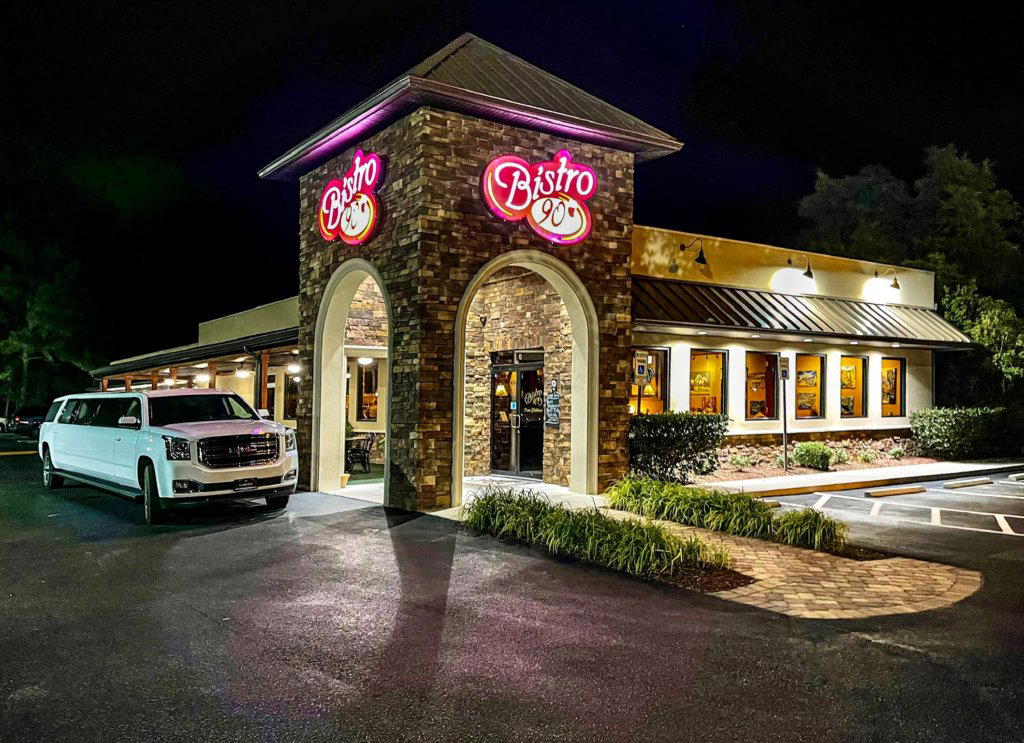
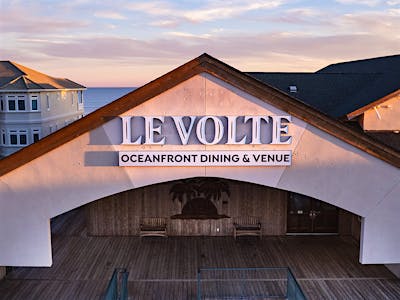
Clark's Seafood and Chop House
The wine
- Wine program
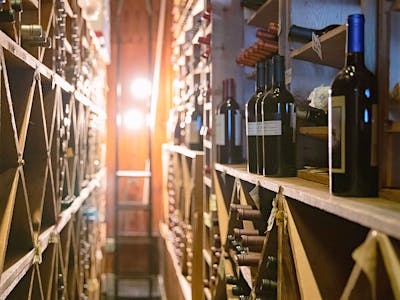
- Curated wine list
Details
- Elegant
- Scenic
- Classic
- Date Night
- Family
- Celebration
- Special Occasion
- Waterfront
- Terrace
- Waterfront
- A La Carte
Current opening hours
- Monday
- 11 AM–9 PM
- Tuesday
- 11 AM–9 PM
- Wednesday
- 11 AM–9 PM
- Thursday
- 11 AM–9 PM
- Friday
- 11 AM–10 PM
- Saturday
- 11 AM–10 PM
- Sunday
- 11 AM–9 PM
Hours can change for holidays and private events. Last verified .
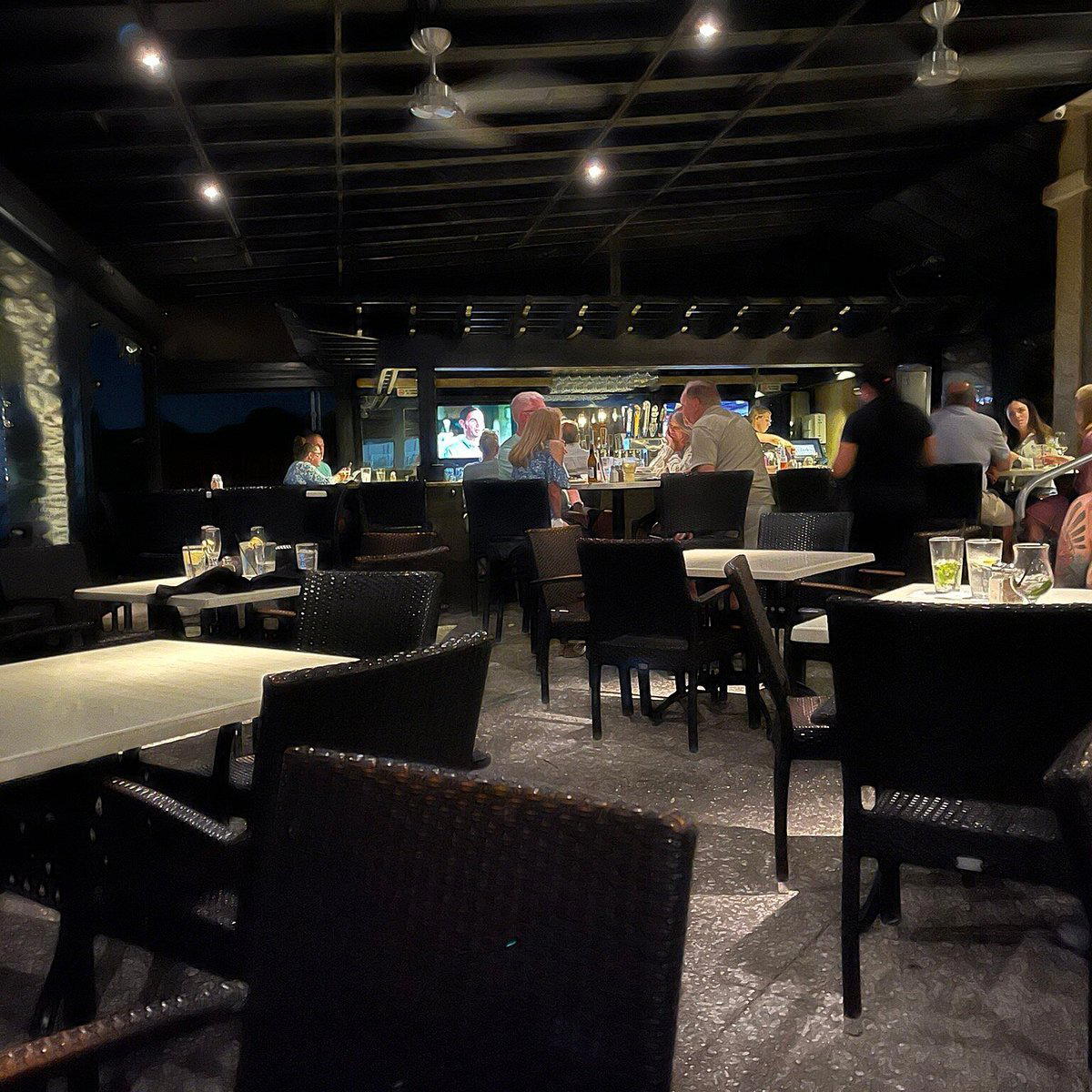
Upscale-casual atmosphere with marina views, suitable for family dining and special occasions.