Cirkulo

Cirkulo holds a Michelin Plate (2026) in the San Lorenzo Village stretch of Makati, operating from the Milky Way Building on Arnaiz Avenue. The restaurant sits in a tier of Makati dining that takes the multi-course format seriously, framing Filipino and Spanish-influenced cooking through a progression that rewards patient attention. Book ahead; the address draws a regular crowd from the surrounding business and residential district.
Pearl is the En Primeur Club membership app — saves, bookings, and concierge access live there. Same editors, same standards.
- Address
- Milky Way Building, San Lorenzo Village, 900 Arnaiz Ave, Corner Paseo de Roxas, Makati City, 1200 Metro Manila, Philippines
- Phone
- +63 2 8810 2763
- Website
- elcirkulo.com
- Directions
- Get directions
 Saves & bookings on Pearl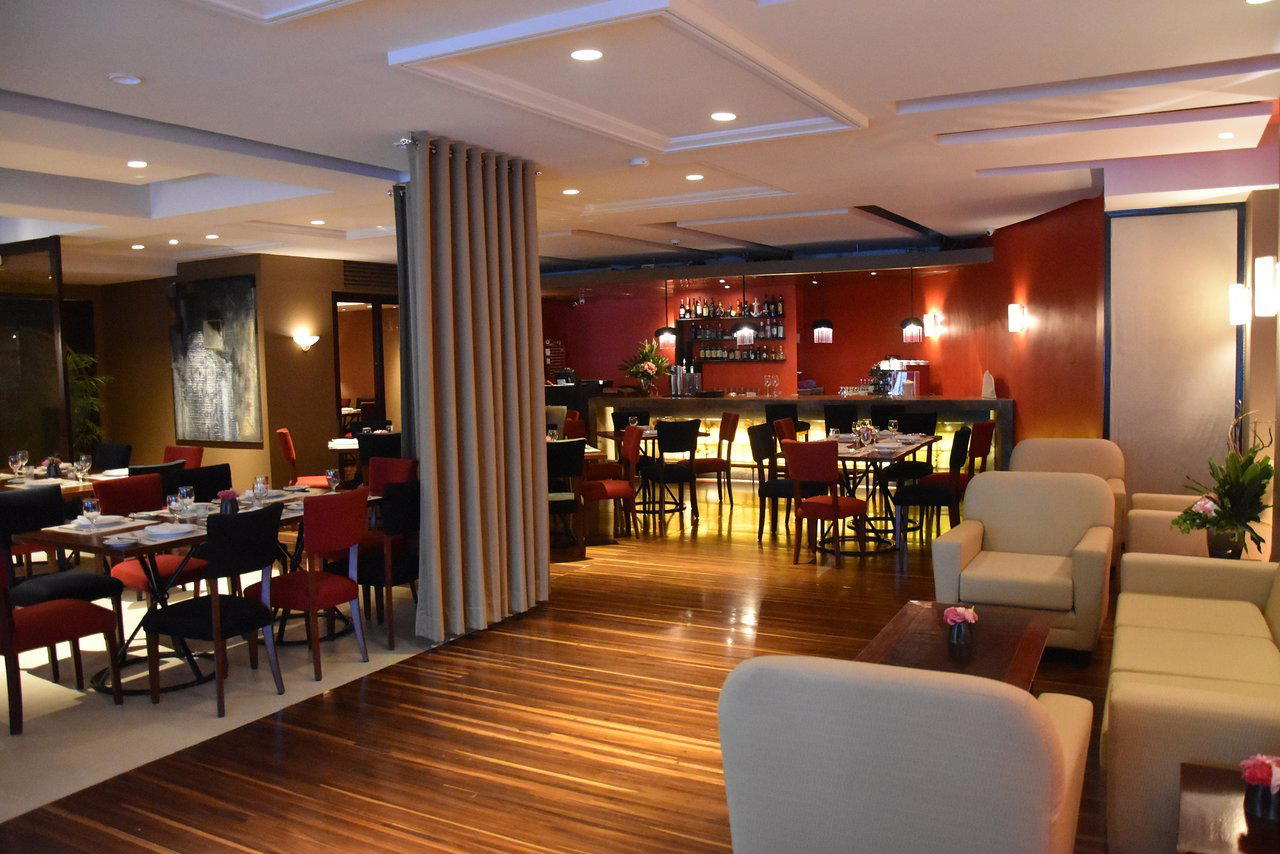
San Lorenzo Village and the Architecture of a Meal
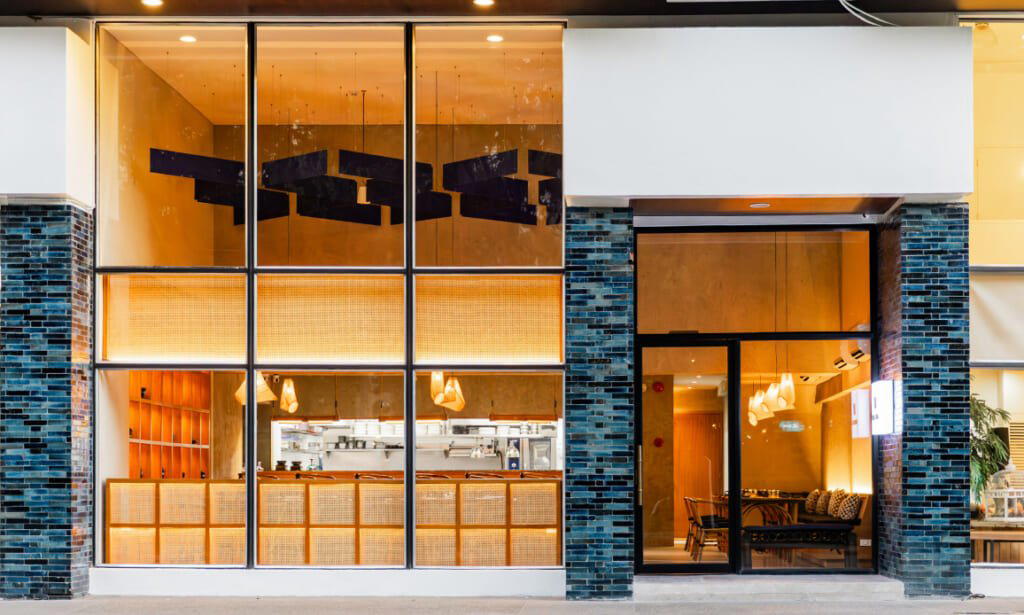
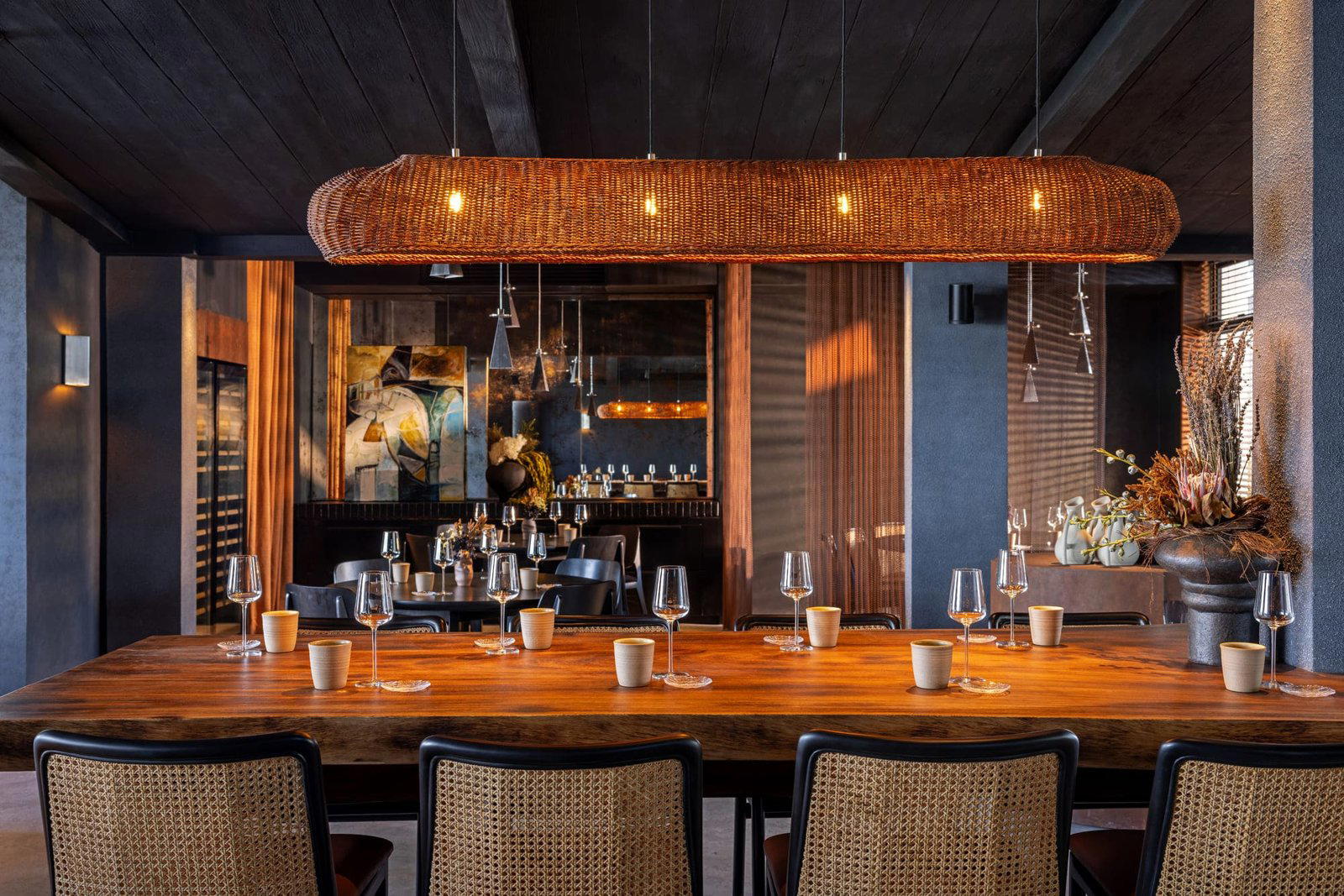
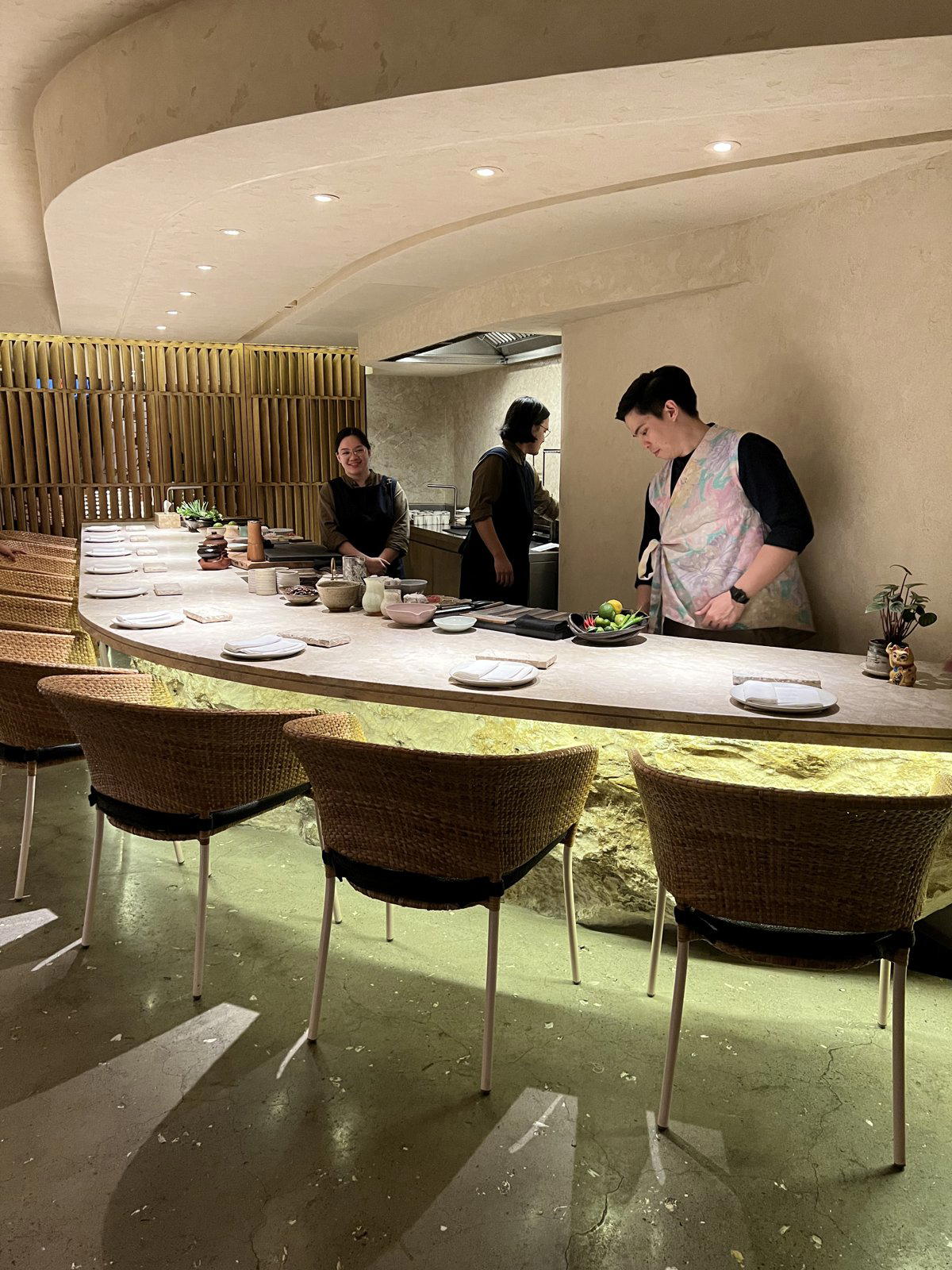
The San Lorenzo Village pocket of Makati operates differently from the EDSA-adjacent restaurant strips. Traffic thins, the building scale drops, and the dining rooms that occupy addresses like the Milky Way Building on Arnaiz Avenue tend to attract guests who have made a deliberate detour rather than a convenient stop. Arriving at Cirkulo, you feel that selectivity in the approach itself: a residential-scale street, a building with some institutional age on it, and a room that signals considered rather than casual dining before you have ordered anything. Cirkulo is a Classic Spanish restaurant in Makati City, with a Michelin Plate in 2026 and a smart casual dress code.
That physical context matters because it sets the terms of the meal. Restaurants in this part of Makati have historically traded on a certain discretion, a preference for the known guest over the walk-in, the long lunch or dinner over the quick table turn. Cirkulo's 2026 Michelin Plate recognition places it formally within a peer group that includes some of the more discussed addresses in Philippine dining, but the setting situates it outside the hotel-restaurant model that dominates parts of the CBD.
The Progression as the Point
In multi-course dining, the sequencing of a meal is never neutral. The decision about what comes first, what follows, and where the kitchen chooses to spend its richest register tells you something about the culinary tradition the kitchen is working inside. Philippine dining has a specific grammar here: the sour, the salty, and the deeply savory tend to arrive earlier and more insistently than in, say, a French tasting menu, where acidity is often held as a palate-reset device between richer courses.
Cirkulo operates in the tradition where Filipino flavor logic and Spanish colonial influence have been in conversation for generations. That conversation is more layered in Makati than the tourist-facing version of Philippine cuisine would suggest. The city's upper-tier restaurants have spent the past decade working out how to present that layering with formal intention, rather than simply as inherited habit. The Michelin Plate in 2026 signals that the inspectors found something coherent in the approach here, a kitchen with a consistent point of view across the meal rather than a collection of individually competent dishes.
What a tasting progression through this kind of kitchen typically asks of the diner is a willingness to let contrasts accumulate. Philippine cooking uses vinegar, fermented shrimp paste, and citrus in ways that keep the palate alert through sequences that might otherwise flatten into richness. When that logic is applied to a structured multi-course format, the meal tends to build through several distinct registers before resolving in something heavier or sweeter at the close. The Spanish strand adds another register: cured and preserved proteins, olive oil, and a tendency toward slow-cooked meat that has more in common with Castilian cooking than with Southeast Asian tradition.
Where Cirkulo Sits in the Makati Tier
Makati's recognized dining addresses now span a meaningful range of formats and price points within the Michelin-acknowledged tier. Hapag holds a full star with a tasting menu format that foregrounds contemporary Filipino technique. Celera and Kása Palma each hold Michelin stars and occupy their own distinct positions in terms of cuisine register and dining format. Helm and Inatô sit within the same broader conversation about what serious Makati dining looks like in the mid-2020s.
The Michelin Plate, unlike a star, does not imply a full tasting-menu format or a particular price ceiling. It signals kitchen competence and consistency. That places Cirkulo in a tier where the meal can be substantial without requiring the extended commitment of a starred omakase or tasting-menu format. For the San Lorenzo Village address specifically, that is a fit: the neighborhood supports long meals, but it also has a tradition of restaurants that function as reliable regulars rather than occasion-only destinations.
Further afield in the Philippine dining context, addresses like Gallery By Chele in Manila and Linamnam in Parañaque represent different approaches to the question of how Philippine ingredients and traditions translate into a formal dining structure. Asador Alfonso in Cavite shows how the Spanish-Philippine lineage reads when the emphasis falls heavily on the Iberian side. Cirkulo's position in Makati keeps it in the same conversation while working from its own geographic and culinary context.
For those mapping Makati's drinking and hospitality scene around a dinner here, cover the surrounding options in detail. Blackbird Makati is another address in the broader Makati dining tier worth tracking. Bolero in Taguig represents the adjacent BGC market for comparison. For a view of how a formal tasting progression operates at the level of Le Bernardin in New York City or Atomix in New York City, those pages offer useful reference points for the structural ambition that formal multi-course dining can carry. Abaseria Deli and Cafe in Cebu shows how Philippine culinary identity is being expressed in a different format elsewhere in the archipelago.
Planning a Visit
Cirkulo is located in the Milky Way Building at 900 Arnaiz Avenue, corner Paseo de Roxas, in San Lorenzo Village, Makati City. The address sits in a part of Makati that rewards arriving by car or booked transport rather than on foot from the main commercial strips. San Lorenzo Village is a contained, low-rise district and the building is a recognizable landmark in that stretch. Given the Michelin recognition and the neighborhood's regular-clientele culture, booking in advance is the sensible approach; walk-in availability depends heavily on the day and time.
For a broader orientation to what the city's dining scene looks like across formats and price points, maps the range from Michelin-starred counters to more casual neighborhood addresses. cover adjacent programming if you are building a full itinerary around the visit.
City Peers
Comparable venues nearby, for context on price, style, and recognition.
| Venue | Cuisine | Price | Notes |
|---|---|---|---|
| CirkuloThis venue — the venue you are viewing | Classic Spanish | $$$ | Not listed |
| The Test Kitchen | Modern European Fine Dining | $$$$ | Rockwell |
| People's Palace | Modern Thai | $$$ | Greenbelt |
| Tsukiji | Authentic Japanese with Fresh Tsukiji Seafood | $$$ | Makati |
| a mano | Fresh and Faithful Italian | $$$ | Rockwell |
| Spices | Southeast Asian and Indian Fusion | $$$ | Makati |
Recognition history
Dated appearances from independent guides and award organizations, with the underlying list record or original source where available.
Michelin Plate
Michelin

At a Glance
- Elegant
- Classic
- Sophisticated
- Date Night
- Group Dining
- Business Dinner
- Special Occasion
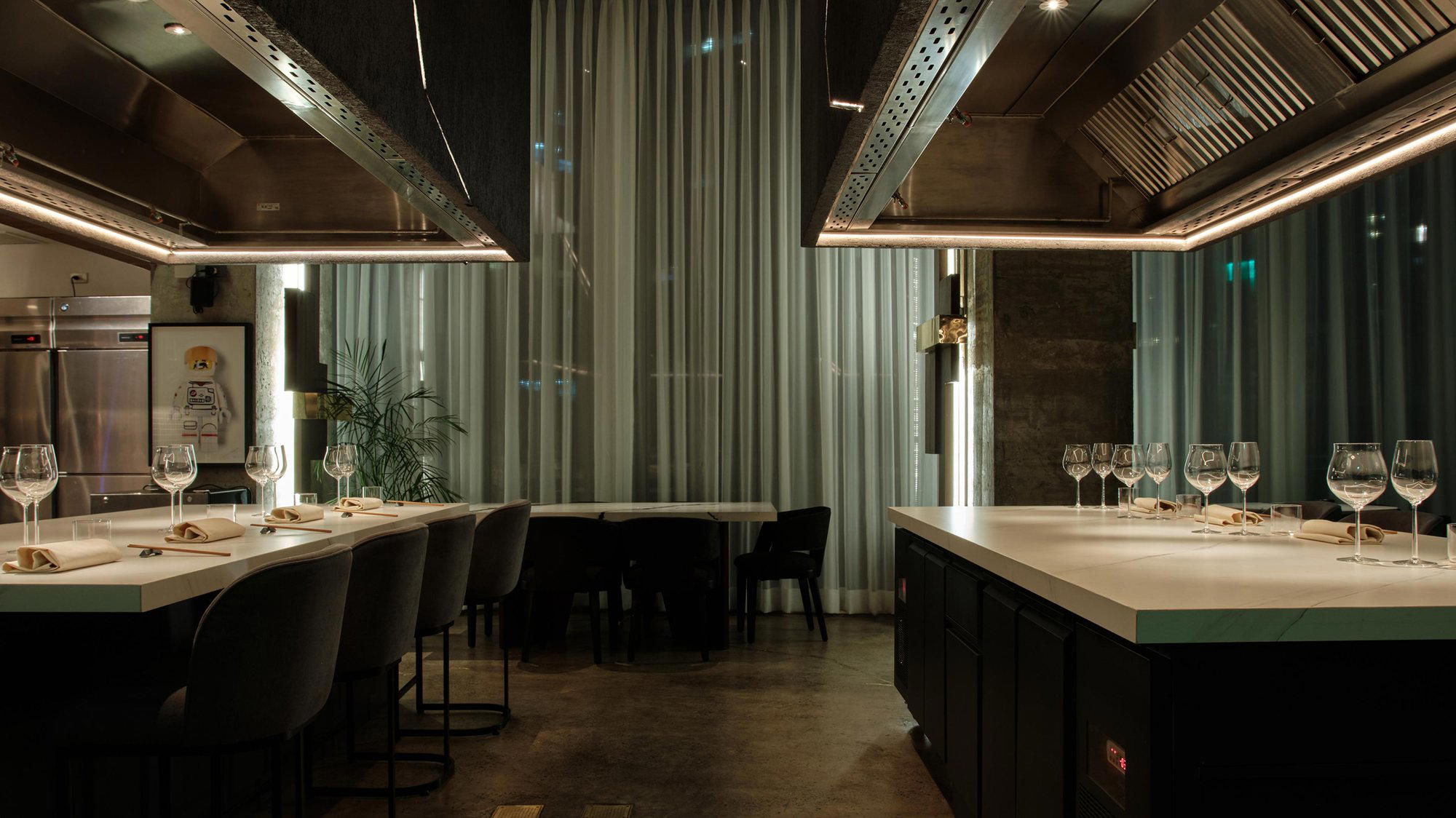
- Open Kitchen
- Extensive Wine List
Current opening hours
- Monday
- 11 AM–2:30 PM, 5–10:30 PM
- Tuesday
- 11 AM–2:30 PM, 5–10:30 PM
- Wednesday
- 11 AM–2:30 PM, 5–10:30 PM
- Thursday
- 11 AM–2:30 PM, 5–10:30 PM
- Friday
- 11 AM–2:30 PM, 5–10:30 PM
- Saturday
- 11 AM–2:30 PM, 5–10:30 PM
- Sunday
- 11 AM–2:30 PM, 5–10 PM
Hours can change for holidays and private events. Last verified .
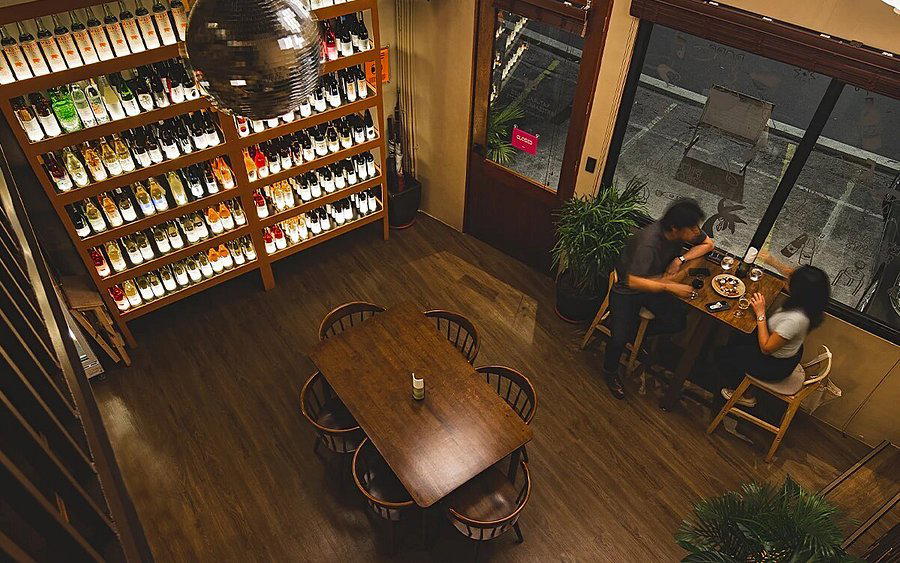
Red tones, wooden accents, and matador-inspired art create a vintage, dimly-lit Spanish atmosphere.