Our verdict
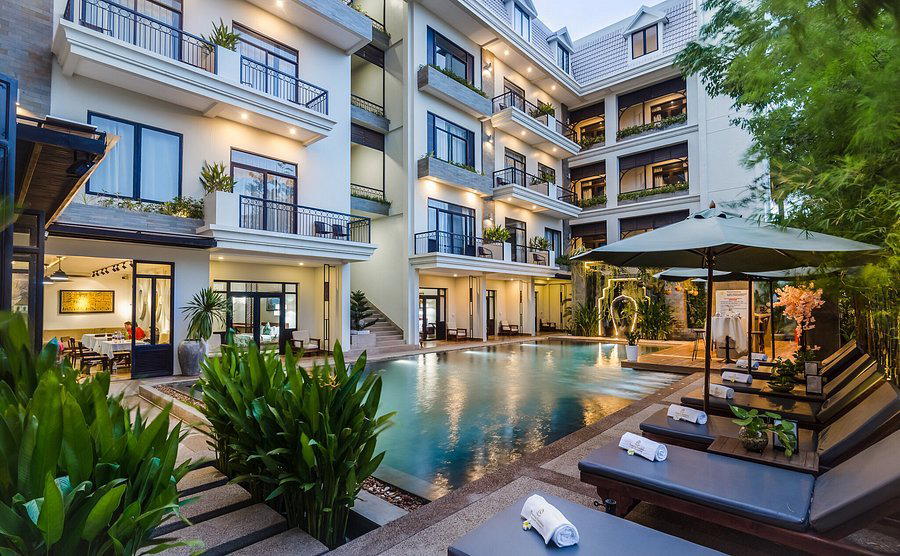
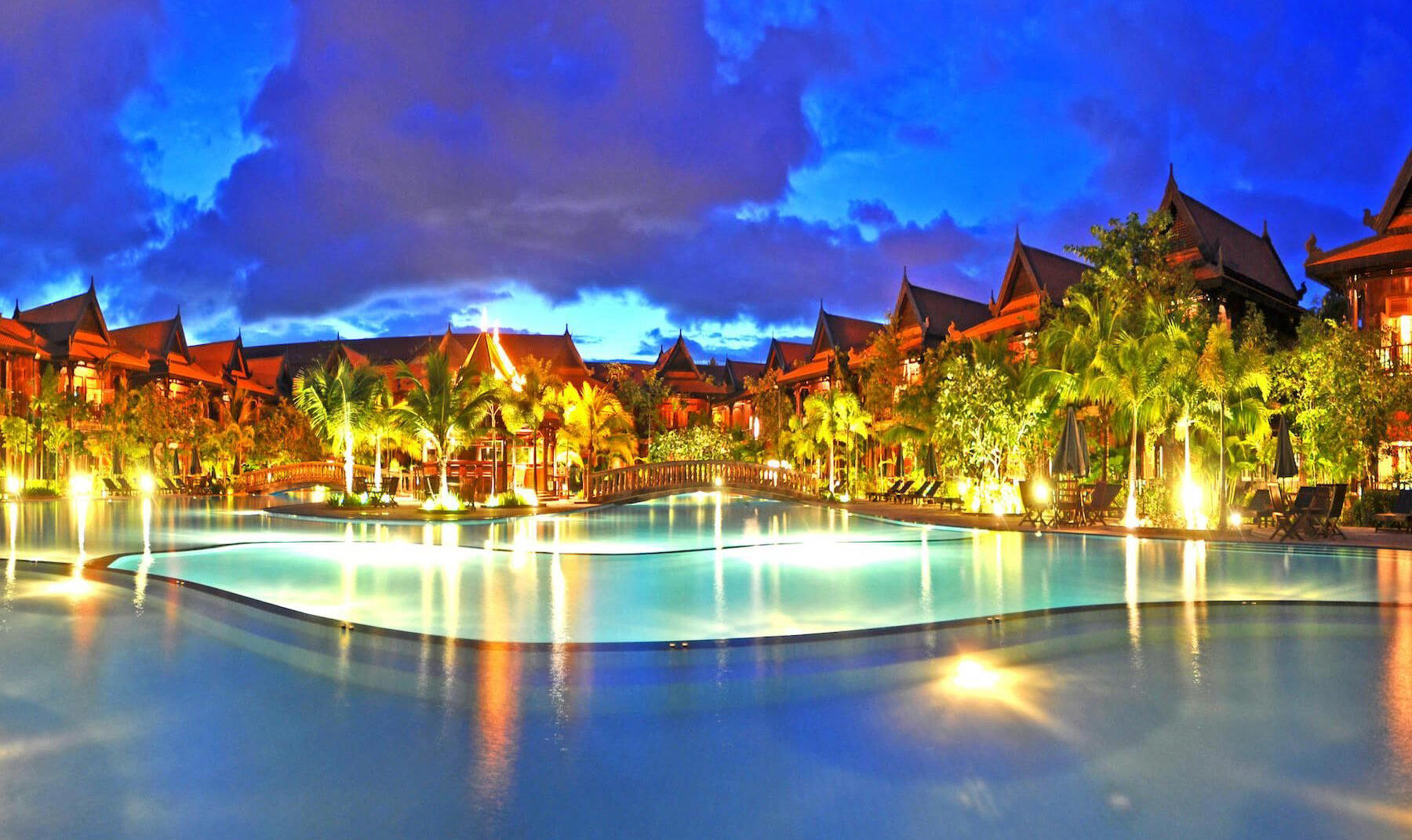
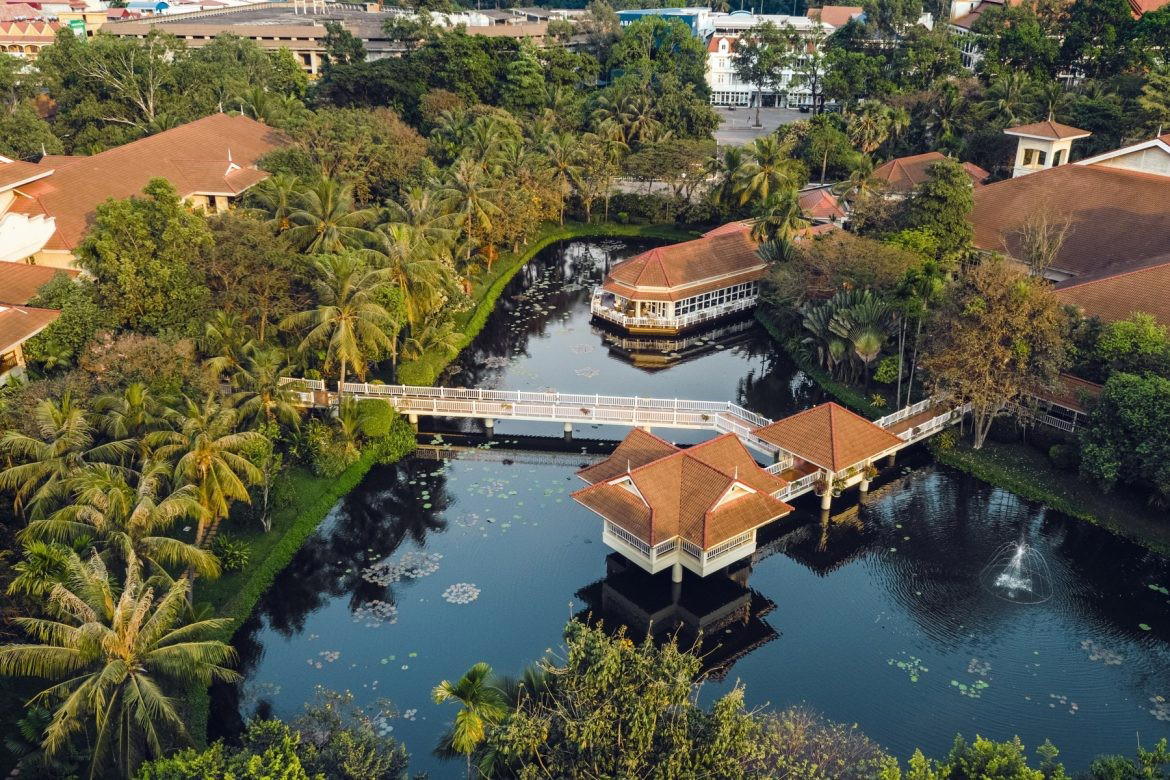
Chinese Restaurant sits inside Sokhalay Angkor Executive and Spa in Siem Reap, a city where hotel dining often runs parallel to temple tourism and Khmer-led destination restaurants. Its appeal is less about public accolades than format: a Chinese dining room placed within the resort corridor, useful for travelers comparing Angkor-era itineraries with a quieter, hotel-based meal.

Pearl is the En Primeur Club membership app — saves, bookings, and concierge access live there. Same editors, same standards.
- Address
- 9RJJ+GJ, Krong Siem Reap, Cambodia (1st Floor Lobby Level in Sokhalay Angkor Executive and Spa)
- Directions
- Get directions
The menu
What to order
- Mapo tofu
- Hotpot
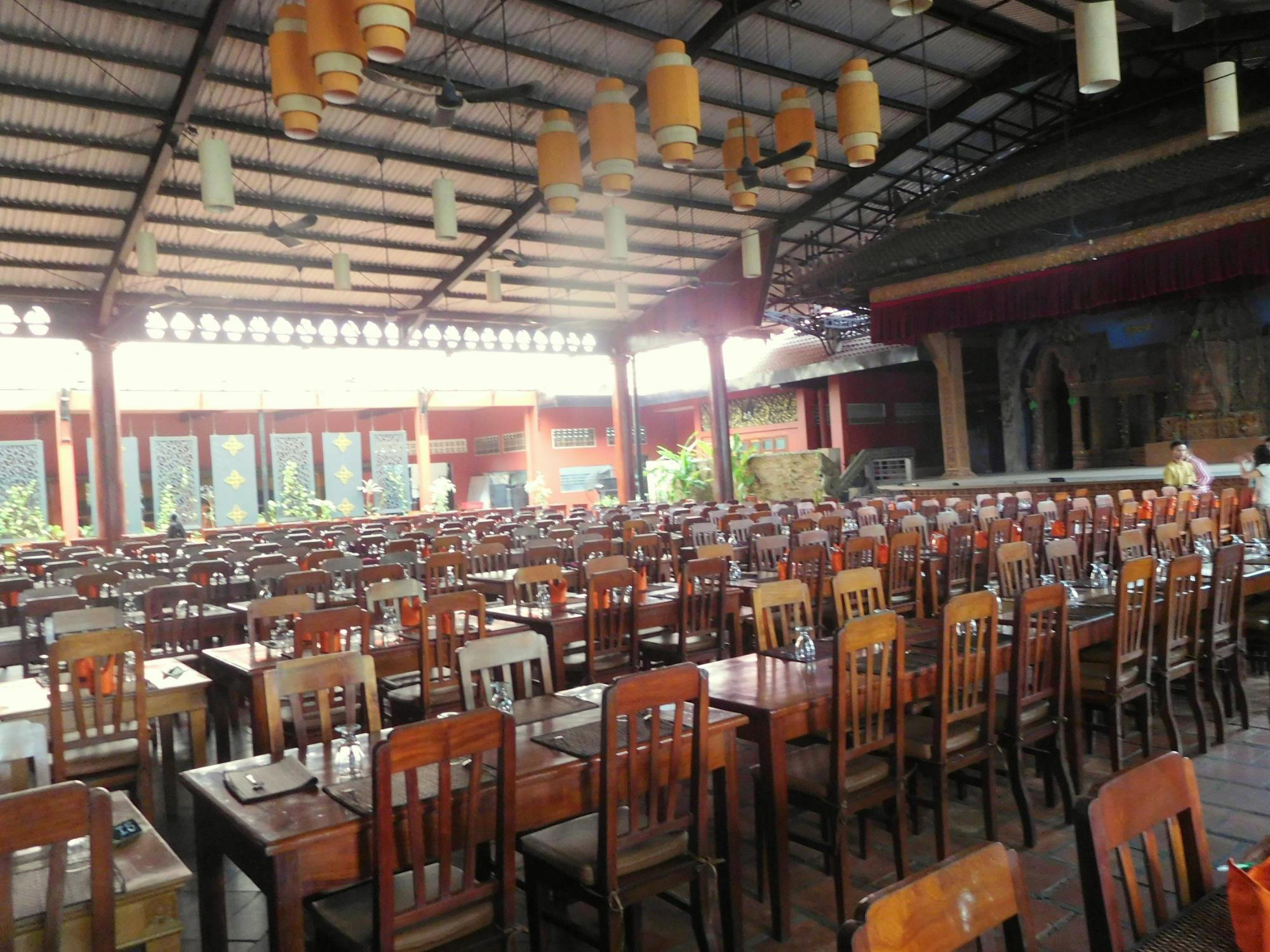
Arriving at a dining room in Siem Reap can change the rhythm of dinner. The city’s street-side grills, market counters, garden restaurants, and more polished tables all serve different traveler needs, and Chinese Restaurant occupies a specific lane: calmer, more controlled, and less dependent on the night-market energy that shapes much of the central dining circuit. Chinese Restaurant belongs to that practical dining category, where the room is best understood as part of the city’s broader hospitality ecosystem rather than as a stand-alone trophy destination.
That context matters in Siem Reap. The city is not only a gateway to Angkor; it is also a hospitality town built around early starts, midday heat, and evenings that often need to be easier than the itinerary that preceded them. In that pattern, a Chinese Restaurant has a practical role. It gives groups a familiar shared-table grammar and a format that can feel straightforward after a day of temples. Without relying on tasting-menu ceremony or bar-driven spectacle, the category can suit diners who want structure, ease, and a low-friction meal.
Chinese dining inside Siem Reap's resort corridor
Siem Reap’s restaurant scene now splits into several recognizable tracks. Khmer restaurants interpret local recipes for international guests; broader hospitality dining covers multiple repertoires; cafés absorb the long, air-conditioned afternoon; and destination rooms compete for travelers who plan dinner as carefully as temple routes. For Khmer-focused comparison, other Siem Reap dining rooms sit in a different editorial category, while Bay Phsar in Siem Reap points toward another way the city frames Cambodian cooking for visitors.
Chinese Restaurant is more useful when read against the practical dining map than against highly programmed destination rooms. Grand Sokhalay Restaurant and Green Restaurant, both in Siem Reap, sit in a related orbit of convenience, while Bay Phsar, Hang Bay, and Bayon Pastry School pull the comparison back toward local and social-dining formats outside that lane. The distinction is not hierarchy; it is function. A Chinese Restaurant answers a different question from a market-facing Cambodian table or a heavily curated dining room: where can a mixed group eat with minimal friction?
That question has cultural depth. Chinese food in Cambodia reflects long histories of migration, trade, and urban commerce across the region. In a tourism city, the accessible version is often less about regional purism than about familiarity: recognizable dining rhythms, shared ordering, and dishes designed to work for travelers from several backgrounds. The format makes sense in Siem Reap, where dinner often has to accommodate children, grandparents, business guests, and temple-fatigued visitors at the same table.
Where it fits among Siem Reap's broader tables
For readers building a wider Siem Reap itinerary, the useful move is to separate dining by purpose. Other Siem Reap restaurants each belong to the city’s wider restaurant conversation, but not every night in Siem Reap needs the same degree of planning or ceremony. A Chinese Restaurant is often strongest as a stabilizer in the schedule: after sunrise at Angkor Wat, before an early transfer, or when the group’s appetite splits across comfort, familiarity, and shared plates.
In award-led cities, diners can use guide placements, chef lineage, or public accolades as shortcuts. Here, the more reliable signal is positional: a Chinese Restaurant in Siem Reap, in a city whose premium dining range stretches from Khmer-focused rooms to polished hospitality restaurants. It is a practical category rather than a trophy category.
That does not make the choice minor. Siem Reap rewards diners who match restaurant type to the day’s demands. A long temple circuit followed by a loud central room can be the wrong pairing; a calmer Chinese Restaurant can absorb that fatigue better. Conversely, travelers looking to understand contemporary Cambodian cuisine in depth should add a Khmer-focused reservation elsewhere and use the broader city guides to balance the itinerary: Our full Siem Reap restaurants guide, Our full Siem Reap hotels guide, Our full Siem Reap bars guide, Our full Siem Reap wineries guide, and Our full Siem Reap experiences guide.
A practical choice, not a trophy reservation
The editorial read is clear: Chinese Restaurant works as a convenience-led table within Siem Reap’s hospitality circuit, not as a publicly decorated dining address. That makes it better for travelers who value ease, indoor comfort, and a shared-meal structure over culinary theatre. For a Cambodia-wide comparison, other hotel and city dining rooms show how different locations and hospitality settings shape the country’s upscale dining options. The wider EP Club map underlines the same planning principle: category matters before hype. In Siem Reap, this is the kind of address to use when the night calls for control rather than discovery.
Frequently asked questions
Where is Chinese Restaurant located?
Chinese Restaurant is located in Siem Reap.
How hard is it to get a table at Chinese Restaurant?
Set in Siem Reap, it reads as a practical dining room rather than a destination counter.
What makes Chinese Restaurant worth seeking out?
Its appeal is city and format: a Chinese Restaurant in Siem Reap, positioned for guests who want an easy dinner within the broader hospitality setting of the city. Its city setting places it within Siem Reap’s wider resort and dining circuit.
Is Chinese Restaurant allergy-friendly?
Diners should speak with the service team on arrival and confirm any dietary requirements directly.
Does Chinese Restaurant work for a family meal?
Yes, the setting suits that use case. A Chinese Restaurant in Siem Reap can be a practical choice for mixed ages, especially for guests looking for an easy, familiar table in the city.
Is Chinese Restaurant better for a quiet night or a lively one?
It is better aligned with a quiet night. The Siem Reap setting points to a calmer, convenience-led experience rather than a late-night dining room built around a scene.
Cost Snapshot
Nearby venues at a similar price tier for orientation.
| Venue | Cuisine | Price |
|---|---|---|
| Chinese RestaurantThis venue — the venue you are viewing | Casual Chinese Restaurant | $10–20 |
| Grand Sokhalay Restaurant | Khmer and Western | Not listed |
| Green Restaurant | Korean BBQ & Korean rice dishes in a casual hotel restaurant | $10–20 |
Continue exploring
More in Siem Reap
Restaurants in Siem Reap
Browse all →
Bars in Siem Reap
Browse all →
Details
- Casual
- Casual Hangout
- Group Dining
- Solo
- Family
- Standalone
- A La Carte
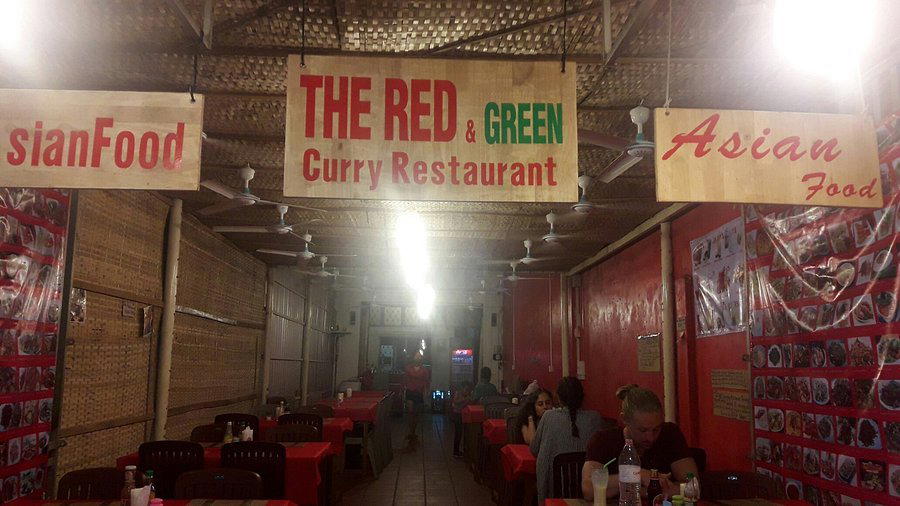
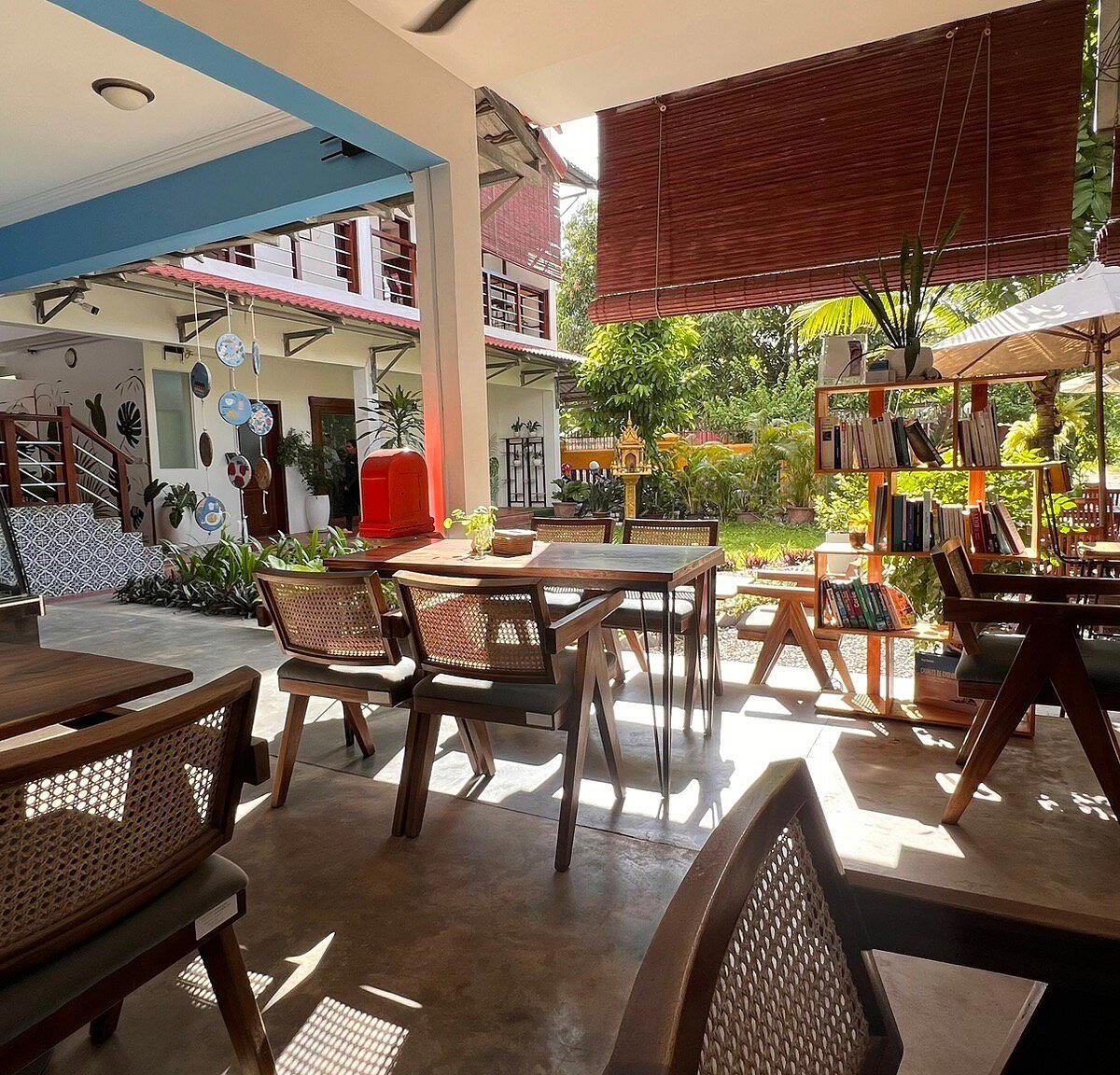
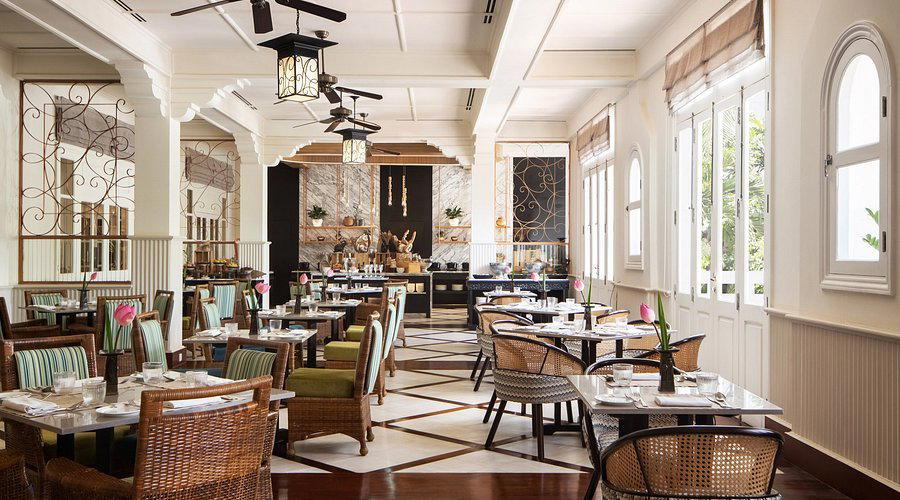
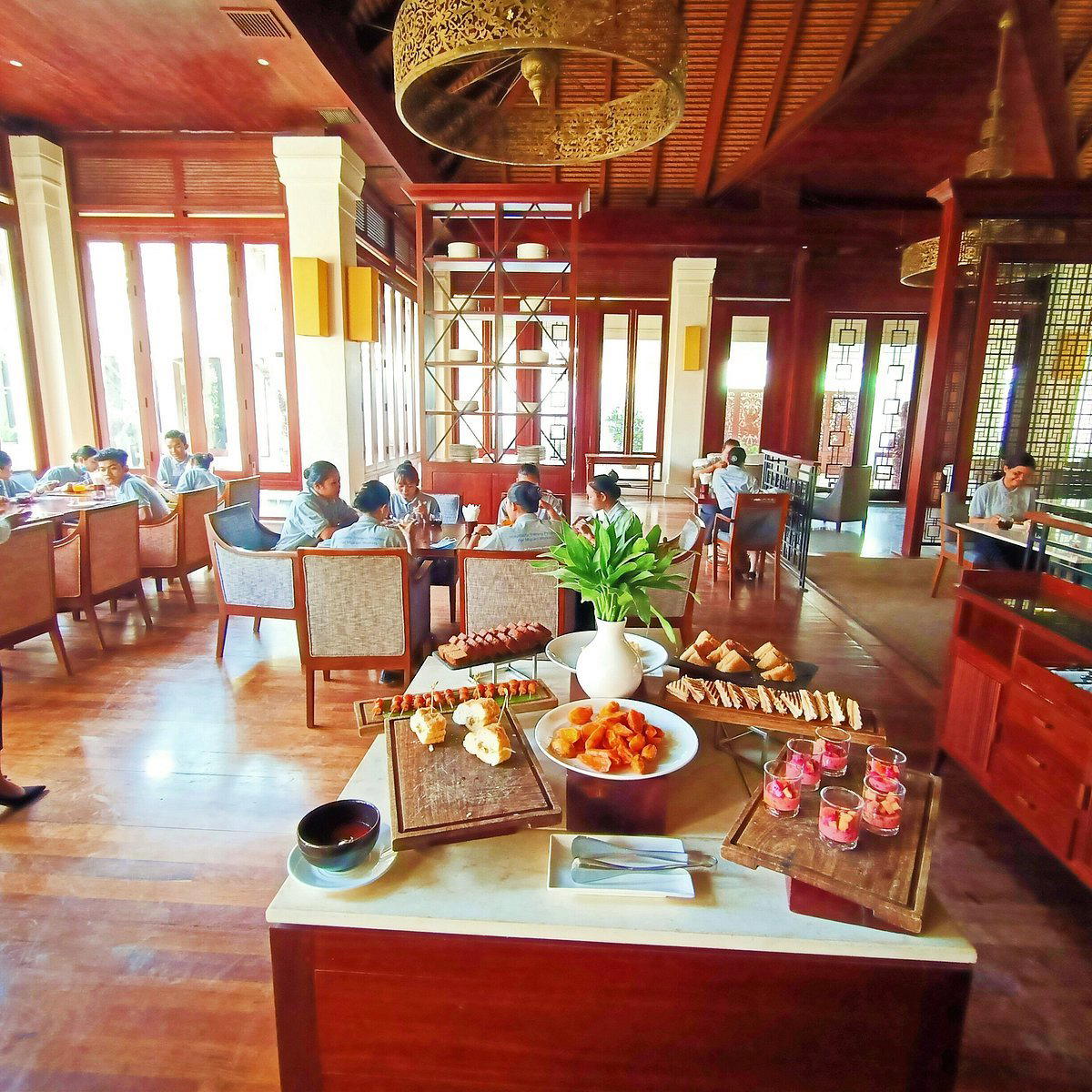
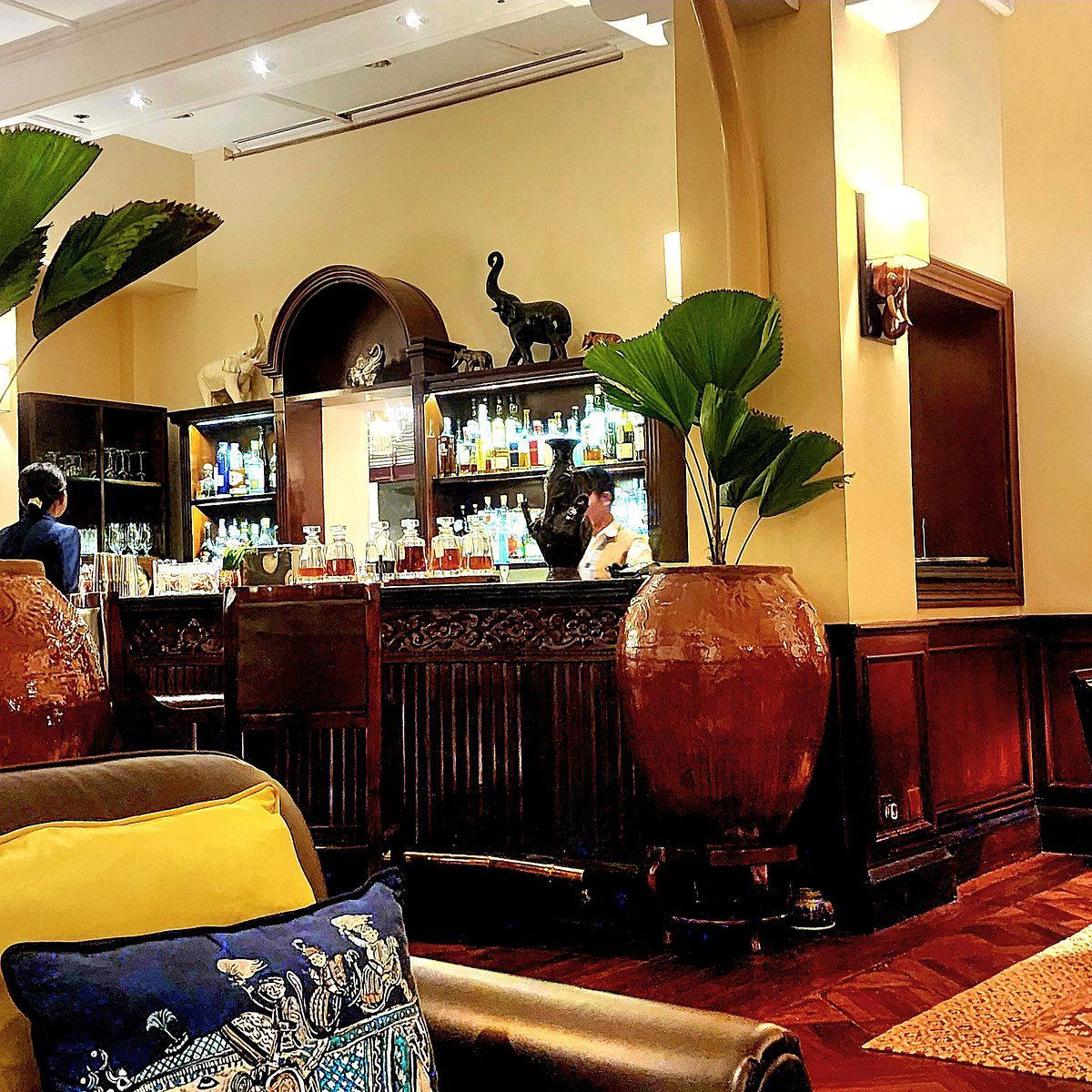
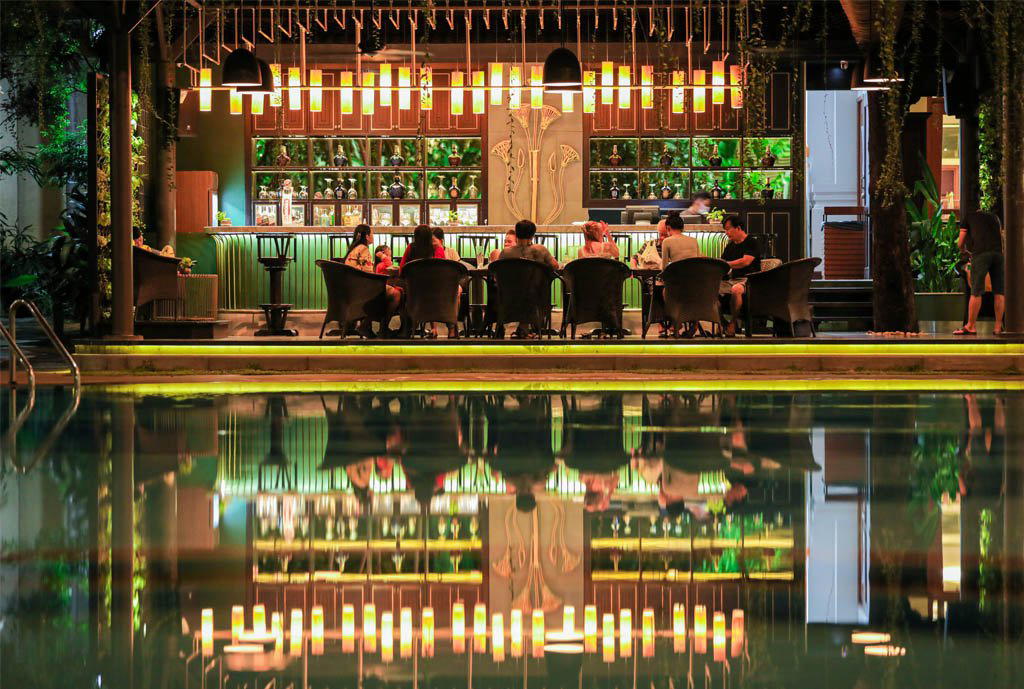
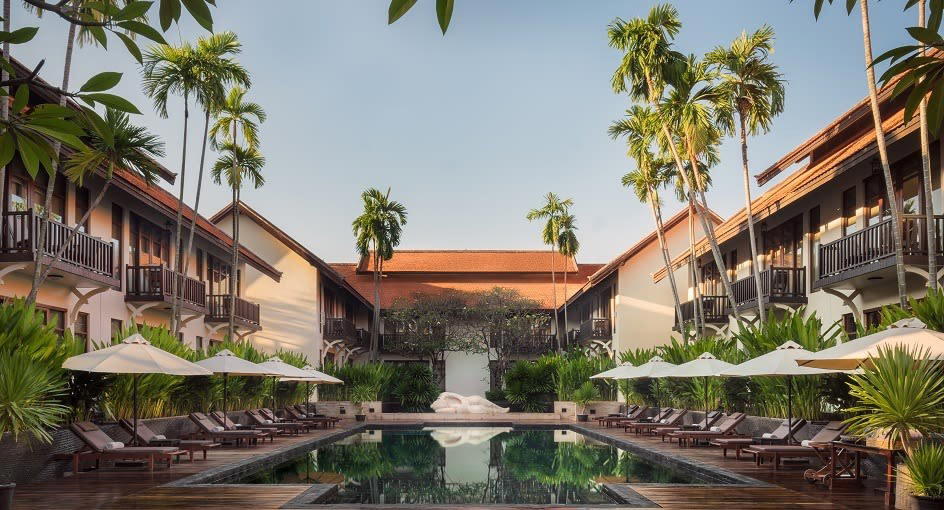
Simple, no-frills neighborhood restaurant atmosphere with direct Chinese decor and a focus on the food rather than design, creating an easygoing place for casual meals and small groups.