Our verdict
Chef's Theatre belongs to Tokyo's hotel-dining tier, where the room, service rhythm, and ingredient discipline matter as much as the cooking category. Its Minato waterfront setting puts it outside the Ginza counter-race and closer to a polished, all-day restaurant format shaped by sourcing, seasonality, and the controlled tempo of an upper-floor dining room.

Pearl is the En Primeur Club membership app, where members save venues, book tables and use the concierge.
The menu
What to order
- Traiteur semi-lunch buffet
- Spring Aroma Ensemble dinner program
- Mesm original canelé
- Gokan chocolate
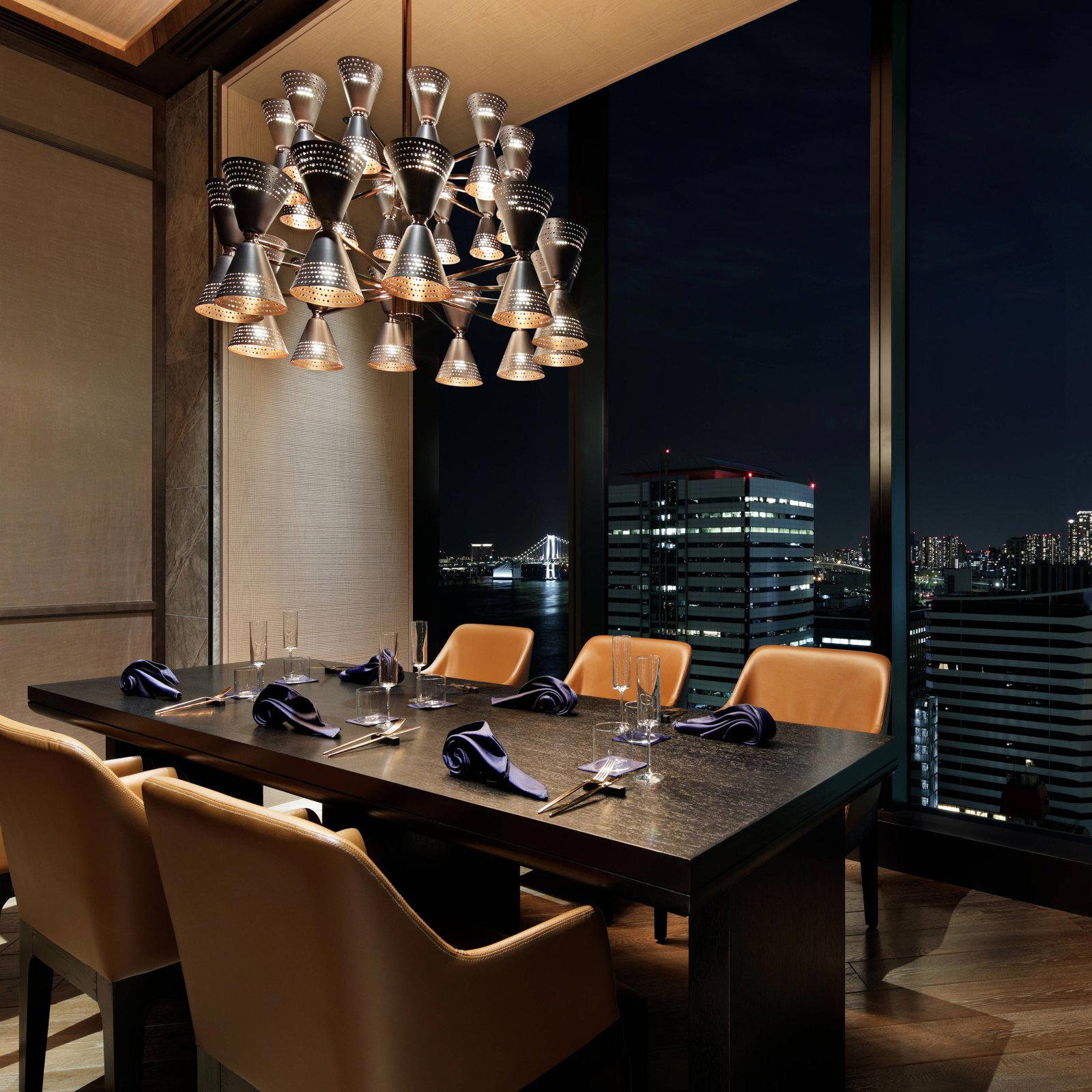
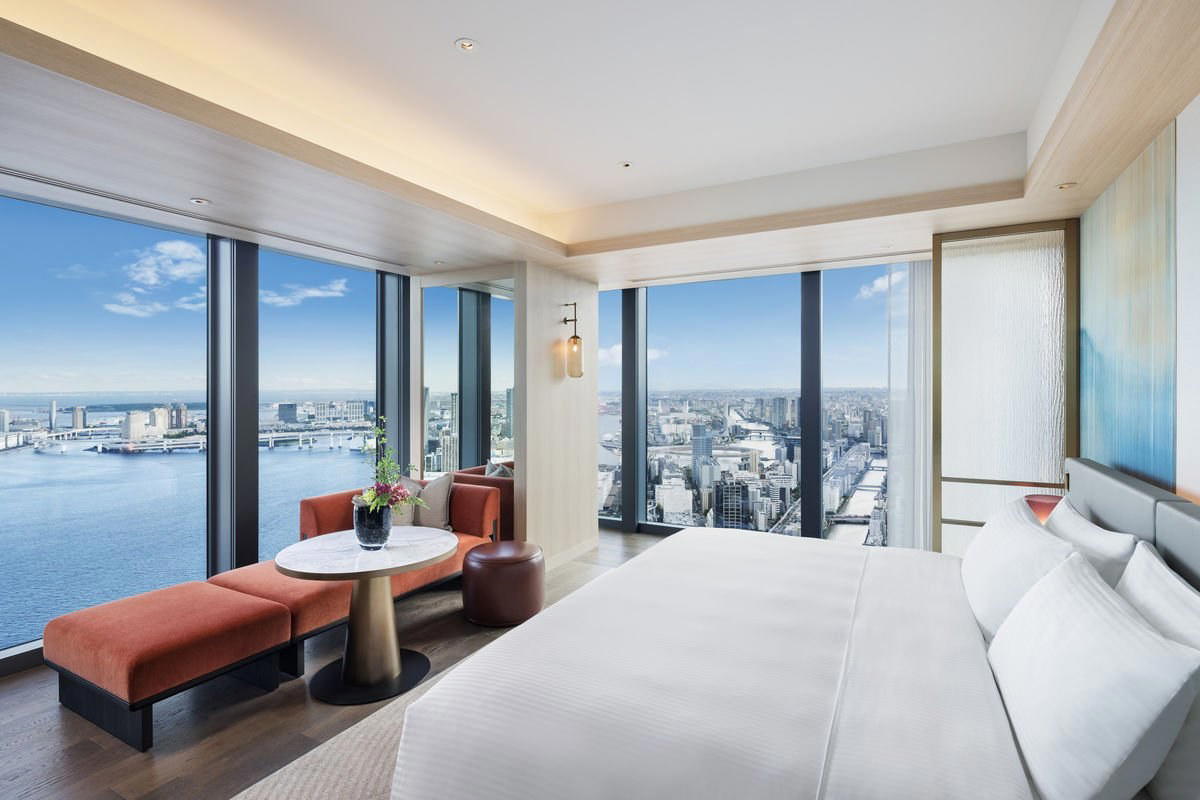
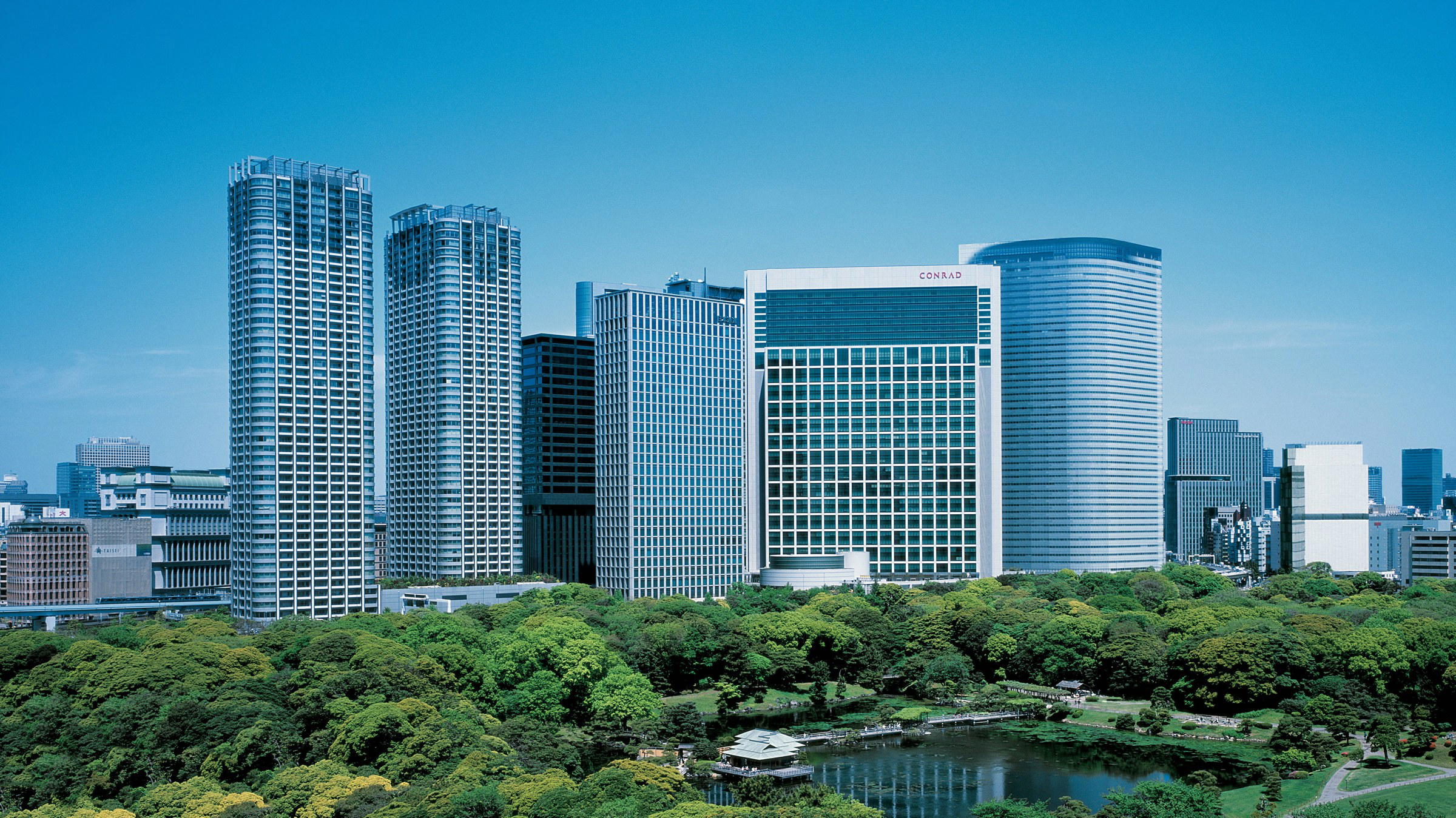
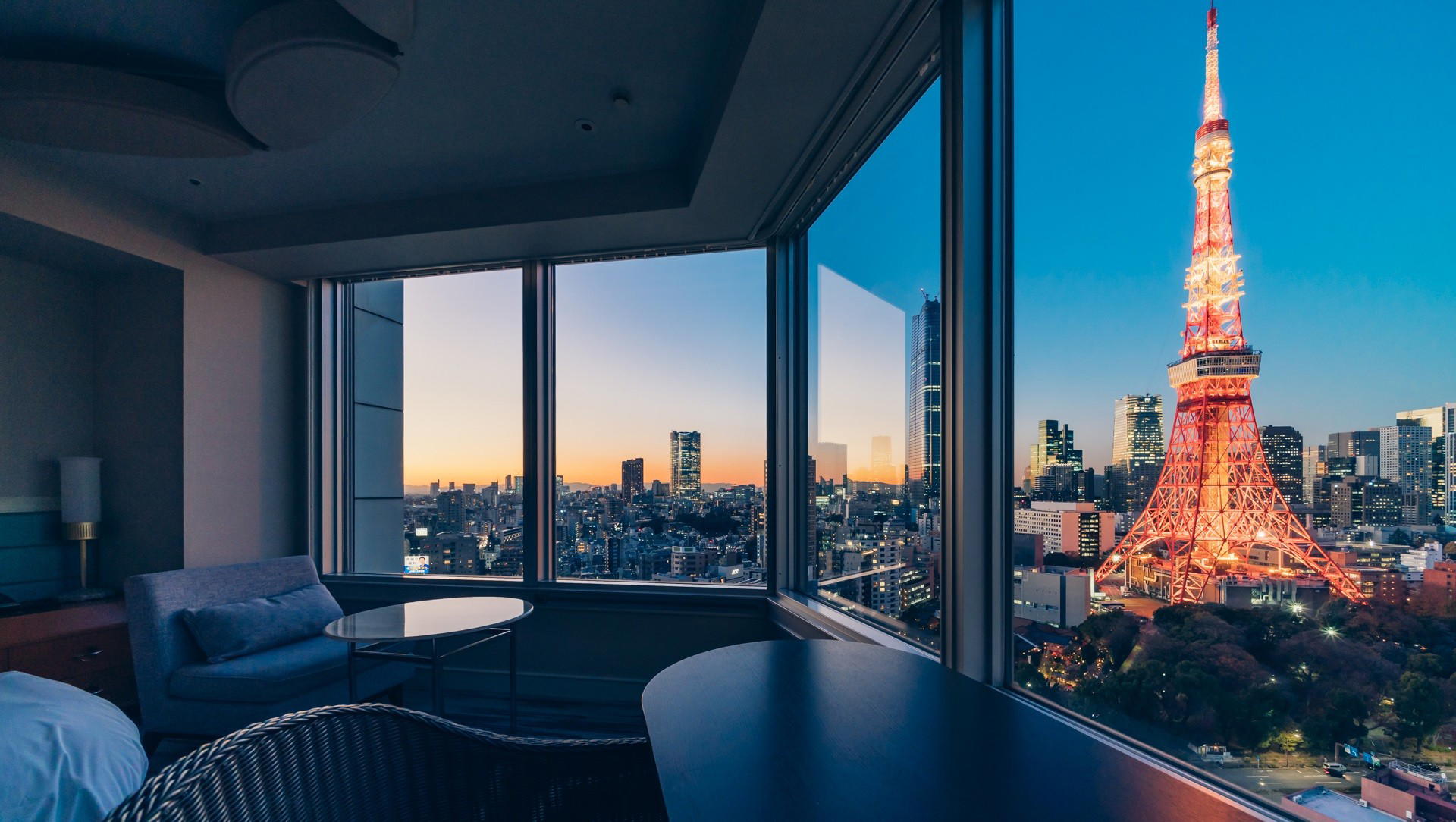
The approach to Chef's Theatre is vertical, not street-level: a Tokyo city view, rail movement, and a polished urban edge set the tone before the dining room appears on the 16th floor. That matters in Tokyo, where restaurant identity is often compressed into intimate counters, tucked-away rooms, and small dining formats. Here the frame is broader and more composed, with the city below rather than pressed against the window.
Tokyo dining now splits into precise lanes. Some rooms define small-counter luxury; others absorb trend-driven casual formats; larger dining rooms lean toward business meals, traveller convenience, and service arcs designed to feel composed rather than improvised. Chef's Theatre sits in that last category. The question is not whether it competes with the city's most singular counters, but how it uses a polished Tokyo setting to present ingredient-led cooking without relying on the theatre of a chef-only counter.
An elevated Tokyo room in a city of counter culture
Tokyo's serious dining culture rewards proximity. At a counter, diners watch timing, technique, and service choreography at close range; in a larger dining room, the performance shifts to pacing, table spacing, and kitchen consistency. Chef's Theatre uses that grammar. The name suggests spectacle, but the stronger read is control: a room designed for polished service while keeping the steadiness expected from a refined Tokyo restaurant.
That makes it a different decision from comparison rooms such as Teppanyaki Restaurant, Teppanyaki Takumi, Italian Dining Zillion, Fine Dining La Provence, and Daisan Harumi. Those names show Tokyo formal dining's range, from counter-led formats to more classically composed dining rooms. Chef's Theatre belongs to that conversation: less about chasing one cult dish, more about choosing professional cadence, ingredient range, and an easier social setting than a hushed counter.
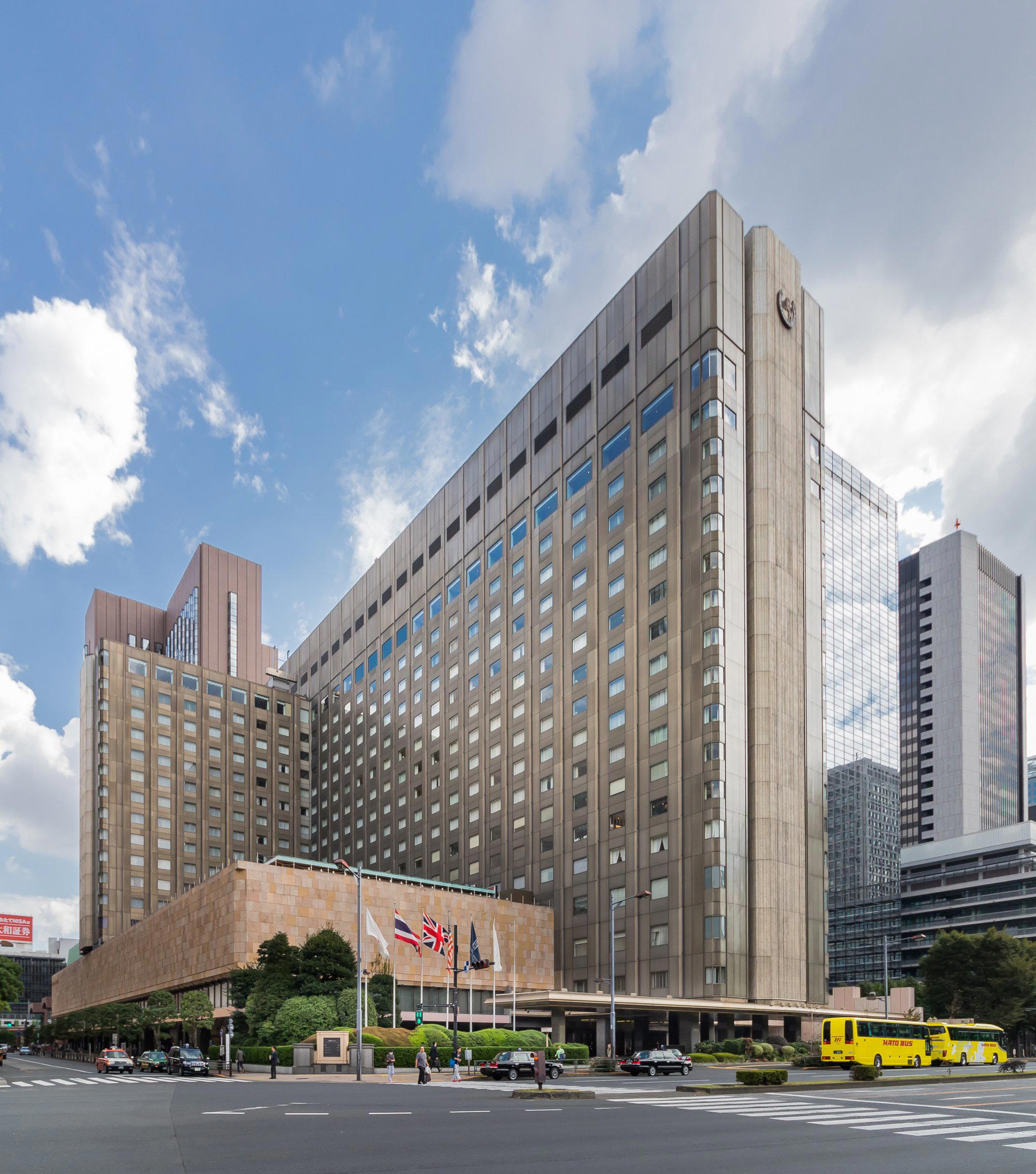
The Tokyo setting changes the mood. This is not a lantern-lit lane or a department-store food hall; it reads as a polished dining room in a city where transport, work, travel, and dining often overlap. In practical editorial terms, it suits business meals, composed dinners, and low-friction dining after a long arrival day better than a pilgrimage-style restaurant night.
Ingredient sourcing matters more than chef mythology here
Tokyo has one of the world's deepest ingredient cultures, but access alone is not distinction. Better rooms make sourcing legible through restraint: seasonal produce that does more than garnish, carefully handled ingredients, and cooking that does not flatten everything into luxury signalling. Without needing a personality-led narrative, Chef's Theatre is best read this way. Its credibility rests on making ingredient choice feel deliberate, not on mythology.
That matters in 2026 because Tokyo's premium restaurant conversation is crowded with biography. Diners are often asked to care about apprenticeship lineage, opening-year lore, and personal philosophy before knowing what kind of meal they are buying. A larger dining room has less room for that intimacy, which can be an advantage: the format returns attention to supply, execution, and pacing. In a city where small restaurants turn scarcity into status, a composed room earns confidence through consistency.
The sourcing angle places Chef's Theatre within Tokyo's pragmatic luxury tradition rather than imported fine-dining theatre. Japanese restaurants often translate between local produce, international expectations, and guest needs from both inside and outside Japan. The successful ones avoid vague global menus. The stronger version is precise: seasonality, clean saucing, measured portions, and enough range for travellers and local business diners without feeling anonymous.
Readers mapping Tokyo meals by category should separate this decision from more singular formats. For highly focused counter dining, other Tokyo rooms may sit in narrower traditions. For comfort-food research, the city offers a different register altogether. For casual visual culture, other Tokyo dining rooms belong to another lane.
How to place it within a Tokyo itinerary
Chef's Theatre works well as a composed Tokyo dining option, not a trophy booking. That is not a downgrade; it is the clearer use case. Tokyo trips often suffer from over-scheduling, with every meal forced into a fixed category or status reservation. A polished dining room creates breathing space between those points, especially when the day already includes museums, transit, meetings, or a long arrival window.
The limited public awards context changes expectations. Awards can be useful shorthand in Tokyo, where guides, scores, and international lists shape demand, but they also distort itineraries toward the same small group of names. This room should be judged by fit: location, format, service rhythm, and whether the cooking feels anchored in ingredients rather than decoration. For a traveller planning around Tokyo, that may make more sense than crossing town for another status-led reservation.
For broader planning, Our full Tokyo restaurants guide gives the citywide restaurant frame, while Our full Tokyo hotels guide, Our full Tokyo bars guide, Our full Tokyo wineries guide, and Our full Tokyo experiences guide help separate dining from the rest of the trip. Nearby and adjacent restaurant research can also stretch into other Tokyo dining rooms and broader Japan planning, but Chef's Theatre is best considered on its own terms: a polished, flexible room rather than a niche destination format.
The editorial verdict is restrained but clear: Chef's Theatre is a sensible Tokyo choice for diners who want a polished restaurant with an ingredient-led read, not a counter-seat chase or awards-driven evening. Its strength is context. In a city that pushes visitors toward scarcity, this room can make a meal feel planned rather than hunted.
Frequently asked questions
Is Chef's Theatre child-friendly?
Chef's Theatre is in Tokyo and reads as a composed dining room rather than a late-night, street-level venue. Families should check the latest service details directly with the venue before visiting.
How would you describe the vibe at Chef's Theatre?
Chef's Theatre sits on the 16th floor in Tokyo, so the atmosphere is shaped by height, daylight, and a polished setting rather than street-level bustle. It reads as refined, composed, and adaptable.
When can I go to Chef's Theatre?
Opening times for Chef's Theatre should be checked directly with the venue or its official channels, as schedules can change.
What's Chef's Theatre's location?
Tokyo.
What's the standout thing about Chef's Theatre?
The main draw is its composed 16th-floor setting in Tokyo: polished dining with an ingredient-led read rather than a narrow counter-seat format.
Is Chef's Theatre good for vegetarians?
Those details are not published.
A Quick Peer Check
Side-by-side context: comparable cuisine and price.
| Venue | Cuisine | Price |
|---|---|---|
| Chef's TheatreThis venue (the venue you are viewing) | French bistronomy with Tokyo seasonal ingredients | $50–100 |
| Teppanyaki Restaurant | Japanese Teppanyaki | Not listed |
| Italian Dining Zillion | Modern New York-Style Italian | Not listed |
| Teppanyaki Takumi | Teppanyaki Japanese Fine Dining | Not listed |
| Fine Dining La Provence | Modern French Fine Dining inspired by Provence | $100–150 |
Continue exploring
More in Tokyo
Restaurants in Tokyo
All restaurants in Tokyo →
Bars in Tokyo
All bars in Tokyo →
Details
- Elegant
- Modern
- Scenic
- Sophisticated
- Trendy
- Date Night
- Business Dinner
- Group Dining
- Celebration
- Special Occasion
- After Work
- Open Kitchen
- Private Dining
- Panoramic View
- Design Destination
- Hotel Restaurant
- Extensive Wine List
- Craft Cocktails
- Local Sourcing
- Garden
- Skyline
- Tasting Menu
- Prix Fixe
- Buffet
- A La Carte
- Wine
- Cocktails
- Allergy Accommodating
Current opening hours
- Monday
- 6:30–10:30 AM, 11:30 AM–3 PM, 5–10 PM
- Tuesday
- 6:30–10:30 AM, 11:30 AM–3 PM, 5–10 PM
- Wednesday
- 6:30–10:30 AM, 11:30 AM–3 PM, 5–10 PM
- Thursday
- 6:30–10:30 AM, 11:30 AM–3 PM, 5–10 PM
- Friday
- 6:30–10:30 AM, 11:30 AM–3 PM, 5–10 PM
- Saturday
- 6:30–10:30 AM, 11:30 AM–3 PM, 5–10 PM
- Sunday
- 6:30–10:30 AM, 11:30 AM–3 PM, 5–10 PM
Hours can change for holidays and private events. Hours as of .
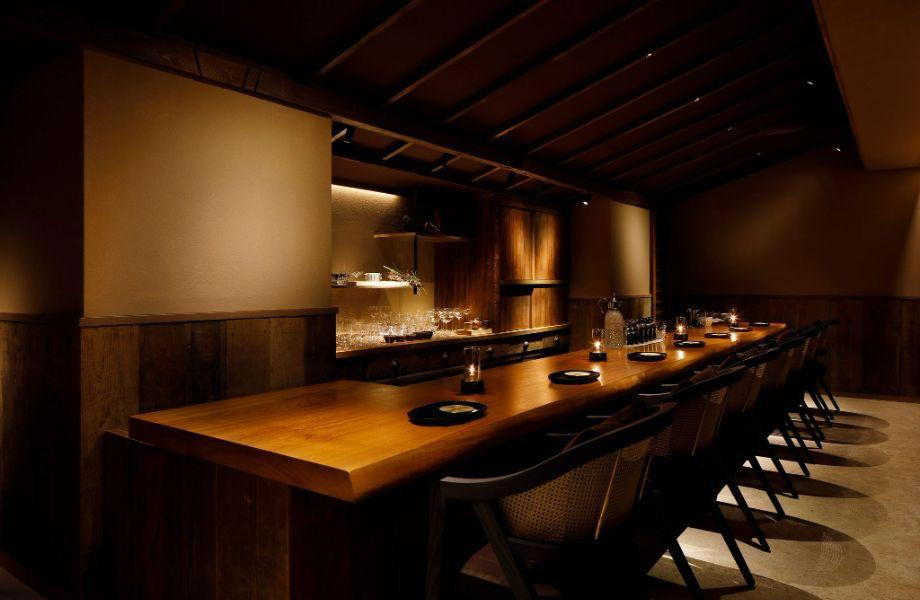
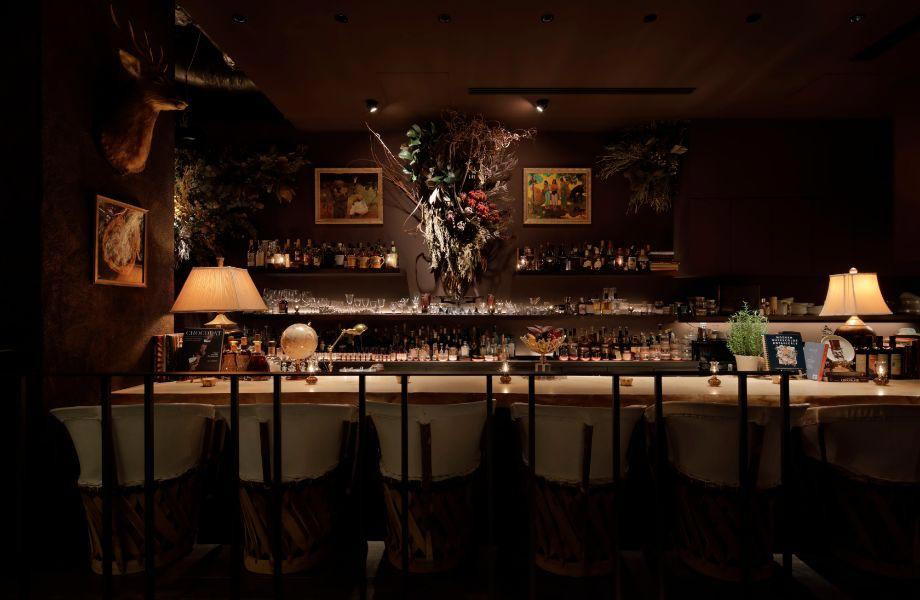
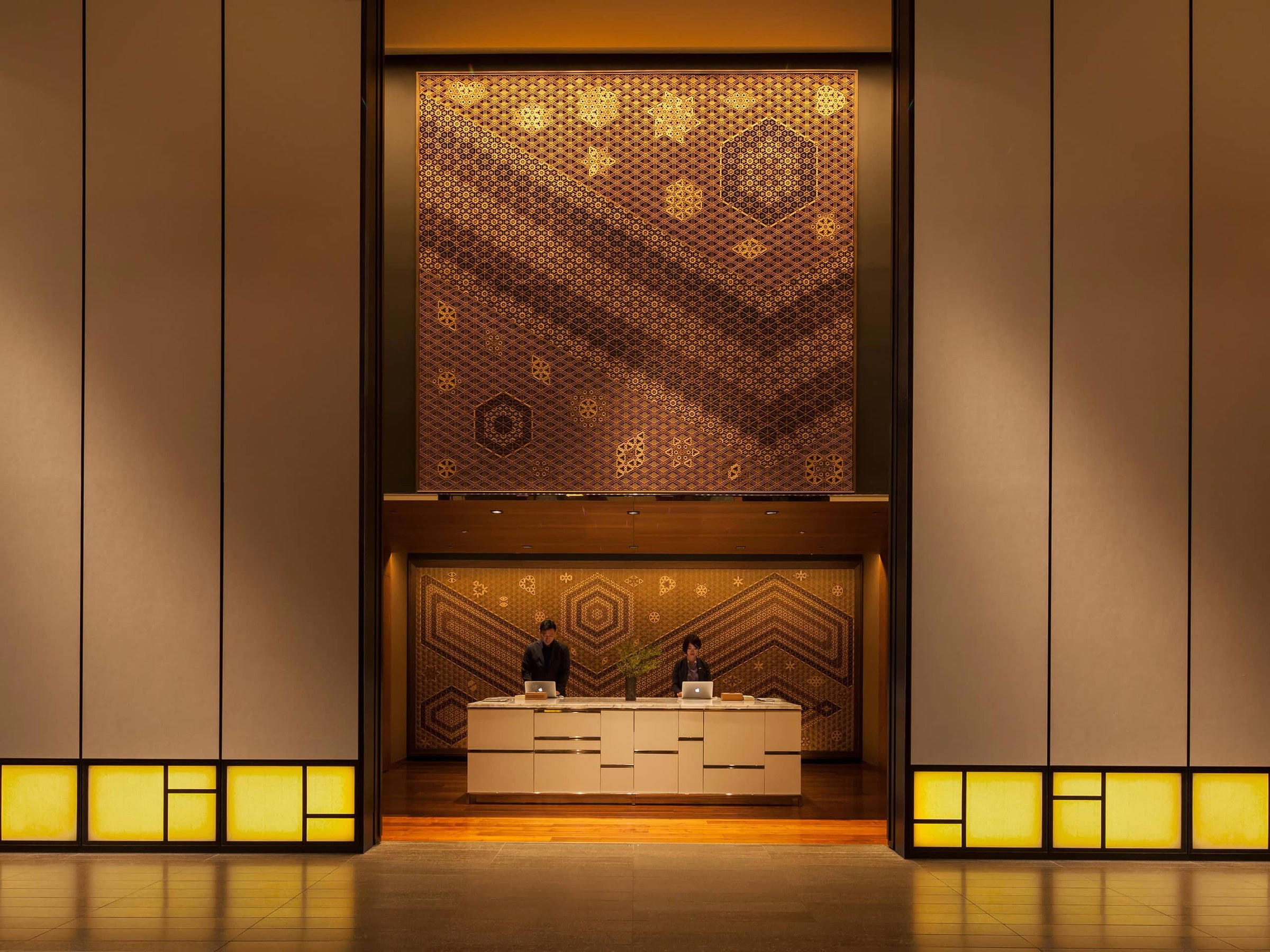
Refined yet relaxed hotel-restaurant setting with dynamic open-kitchen energy, contemporary art, and large windows providing lush daytime garden views and a glittering Tokyo nightscape.