Google: 4.6 · 302 reviews
Chateau Morrisette
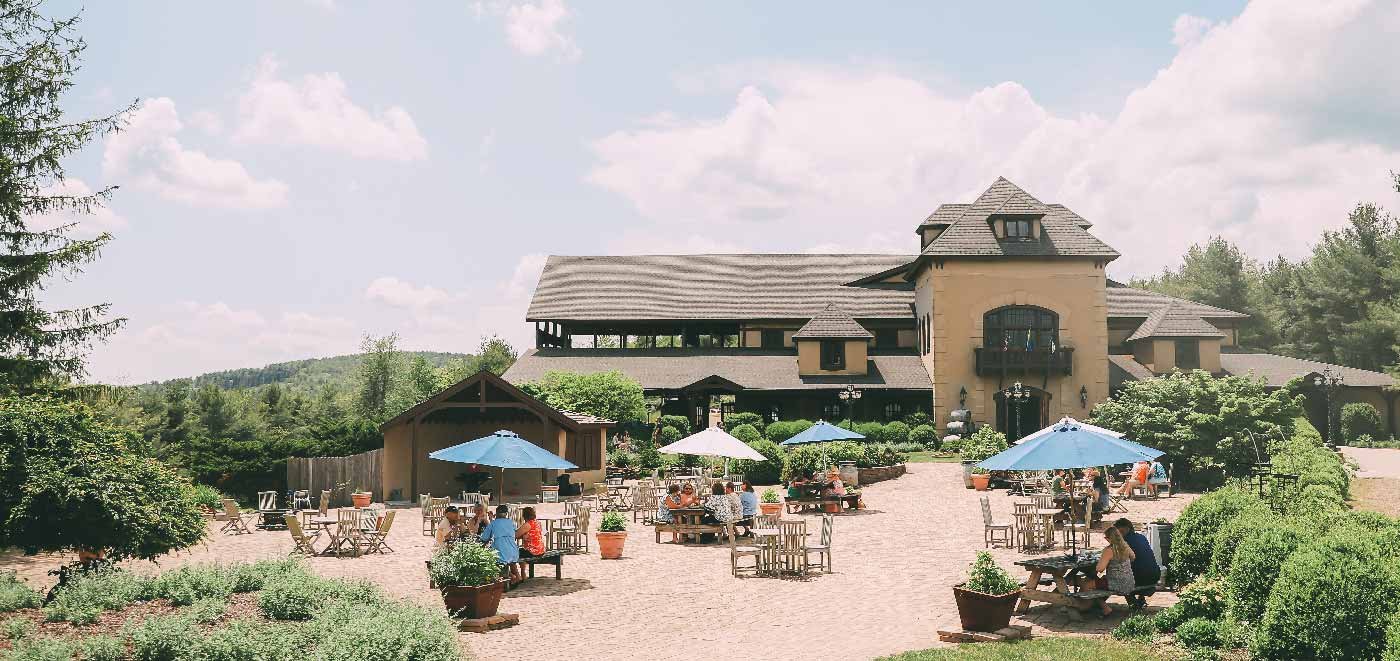
Set on a working farm in Virginia's Blue Ridge foothills, Chateau Morrisette is one of Floyd County's most established winery destinations, drawing visitors from the broader Appalachian wine corridor. The property pairs estate-grown wines with a dining program rooted in the agricultural character of southwest Virginia, placing it in a category of American farm wineries where the land itself does most of the explaining.
 Discover on Pearl
Pearl is the En Primeur Club membership app — saves, bookings, and concierge access live there. Same editors, same standards.
Where the Blue Ridge Does the Heavy Lifting
The approach to Chateau Morrisette along Winery Road SW tells you most of what you need to know before you arrive. The Blue Ridge Parkway frames the drive in, the terrain shifts from open farmland to dense hardwood canopy, and by the time the property comes into view, the elevation and isolation have already established the terms of engagement. This is southwest Virginia wine country, not a replica of Napa or a stylistic import from Burgundy. The landscape here produces wines on its own terms, and the better producers in Floyd County have learned to work with that rather than against it.
Chateau Morrisette sits at 287 Winery Rd SW, Floyd, VA 24091, in the foothills of the Blue Ridge Mountains. Floyd itself occupies an unusual position in the American winery geography: it is far enough from the urban wine tourism circuits of Charlottesville and the Monticello AVA to attract visitors who are making a deliberate trip rather than following a well-worn trail. That selectivity shapes the visitor base, and the experience reflects it.
The Agricultural Logic of Southwest Virginia Wine
American farm wineries operate on a spectrum that runs from estate-purist to regional-aggregator, and understanding where a producer sits on that spectrum matters more than most marketing language admits. Virginia's mountainous southwest sits outside the state's most discussed appellations, Monticello and Shenandoah Valley, which means producers here are largely building audience without the institutional recognition those designations carry. It is a harder commercial position, but it also produces a different kind of winery culture, one where the connection to local agriculture tends to be more direct and less mediated by prestige branding.
The Blue Ridge Highlands of Virginia carry genuine viticultural logic: cool nights that extend hang time, acidic soils that push tension into white varieties, and an altitude that moderates the humidity challenges common to lower-elevation Virginia sites. These are not abstract virtues. They show up in the wines, which in the better Virginia mountain producers tend toward structure and restraint rather than the rounder, fruit-forward profiles that warmer piedmont sites produce. For visitors accustomed to the coastal or valley wine styles dominant in American retail, the regional character here requires a small recalibration and rewards it.
This kind of regional specificity has become a more significant part of how serious American wine tourism evaluates a visit. Properties like Single Thread Farm in Healdsburg and Blue Hill at Stone Barns in Tarrytown have made the sourcing argument central to their identity, turning agricultural provenance from a background detail into the main editorial thread. The Virginia mountain winery tradition operates at a different scale and price point, but the underlying logic, that where food and wine come from shapes what they are, is the same.
Floyd as a Destination, Not a Detour
Floyd County rewards the visitor who treats it as a destination in its own right rather than an add-on to a larger Virginia road trip. The town of Floyd itself is small, with a tight cluster of independent businesses, a well-documented old-time and bluegrass music culture centered on the Floyd Country Store, and a food and farm community that has grown steadily over the past two decades. Against that backdrop, Chateau Morrisette functions as an anchor property, one of the longer-established wine destinations in the region that gives visitors a reason to make the mountain drive.
For context on how farm-integrated dining operates at higher price tiers elsewhere in the country, the comparison set is instructive. The Inn at Little Washington in Washington, Virginia, sits at the high-formality end of the state's farm-to-table tradition. Smyth in Chicago and Lazy Bear in San Francisco represent the urban-progressive version of the sourcing-led dining program. At the other end of the accessibility range, Oyster Oyster in Washington, D.C. has built a regional-produce argument into an approachable neighborhood format. Chateau Morrisette operates in a different register from all of these, but it participates in the same broader American conversation about agricultural identity in dining and wine.
The sourcing argument matters particularly in a region where the supply chain is short by necessity. Southwest Virginia does not have the density of specialty food producers that Sonoma or the Hudson Valley can draw on, which makes the relationships between local farms, producers, and hospitality properties more visible and, arguably, more meaningful. When a winery in Floyd County connects its food program to the surrounding agricultural community, that connection reflects genuine economic and geographic proximity rather than a sourcing narrative constructed for marketing purposes.
Placing Chateau Morrisette in the Virginia Wine Picture
Virginia's wine industry has spent the last decade building national credibility, with properties in the Monticello AVA drawing coverage from publications that previously treated East Coast wine as a curiosity. That momentum has been Cabernet Franc-led in the critical conversation, with the variety performing well enough in Virginia's clay-heavy soils to attract serious attention from buyers familiar with its Loire Valley benchmark. Mountain producers sit at a slight remove from that conversation, working with the varieties and styles that their elevation and terroir support, which may or may not align with what the trade is currently writing about.
That position has a parallel in other American wine regions. Frasca Food and Wine in Boulder built its identity around a regional wine culture, Friuli, that sits outside the prestige mainstream. Addison in San Diego and Providence in Los Angeles operate in California markets where the sourcing story is now expected rather than exceptional. The interesting version of the sourcing argument, in Virginia as elsewhere, is not the one that claims equivalence with established prestige regions but the one that makes a clear case for what this specific place produces and why it is worth your time to understand it on its own terms.
For the reader planning a visit, the practical orientation is direct: Chateau Morrisette is reached via the Blue Ridge Parkway corridor, making it a natural stop on a longer mountain drive or the anchor of a Floyd-centered itinerary. The surrounding region, covered in depth in our full Floyd restaurants guide, offers enough independent food and music programming to justify a two-night stay. Visitors coming from the Washington, D.C. corridor will find the drive under four hours; those combining the visit with the Charlottesville wine circuit should allow a full day's travel between the two areas given the mountain terrain.
The broader American farm-winery category has produced some genuinely serious properties, places like Bacchanalia in Atlanta, The French Laundry in Napa, and Emeril's in New Orleans, that have built durable reputations on a clear sense of place and sourcing identity. The mountain Virginia version of that story is earlier in its development, which means visitors arriving now are engaging with a regional wine culture that has not yet been fully written up or priced accordingly. That is, in practical terms, the most useful thing to know about Chateau Morrisette and its Floyd County context.
Planning Your Visit
Chateau Morrisette is located at 287 Winery Rd SW in Floyd, Virginia. Current hours, tasting formats, and reservation requirements are leading confirmed directly with the property before making the drive, as mountain winery schedules in Virginia frequently shift by season. The Blue Ridge Parkway access point nearest to Floyd provides the most direct scenic approach, though GPS routing through the county roads is reliable. For visitors building a wider itinerary, the Floyd area food and wine scene is documented in our full Floyd guide.
At-a-Glance Comparison
These are the closest comparables we have in our database for quick context.
| Venue | Cuisine | Price | Awards | Notes |
|---|---|---|---|---|
| Chateau Morrisette | This venue | |||
| Le Bernardin | French, Seafood | $$$$ | Michelin 3 Star | French, Seafood, $$$$ |
| Lazy Bear | Progressive American, Contemporary | $$$$ | Michelin 2 Star | Progressive American, Contemporary, $$$$ |
| Atomix | Modern Korean, Korean | $$$$ | Michelin 2 Star | Modern Korean, Korean, $$$$ |
| Per Se | French, Contemporary | $$$$ | Michelin 3 Star | French, Contemporary, $$$$ |
| Masa | Sushi, Japanese | $$$$ | Michelin 3 Star | Sushi, Japanese, $$$$ |
Continue exploring
More in Floyd
Restaurants in Floyd
Browse all →
Bars in Floyd
Browse all →
Hotels in Floyd
Browse all →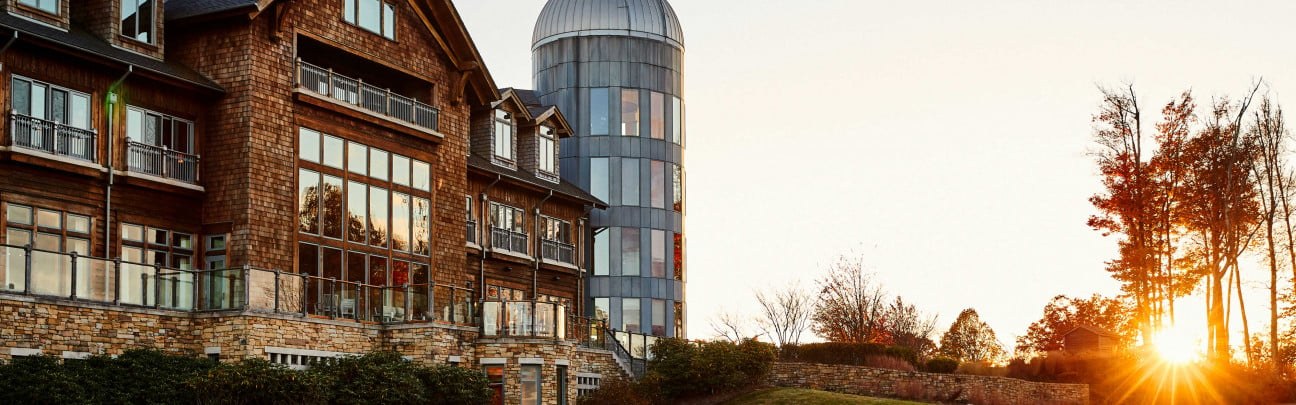
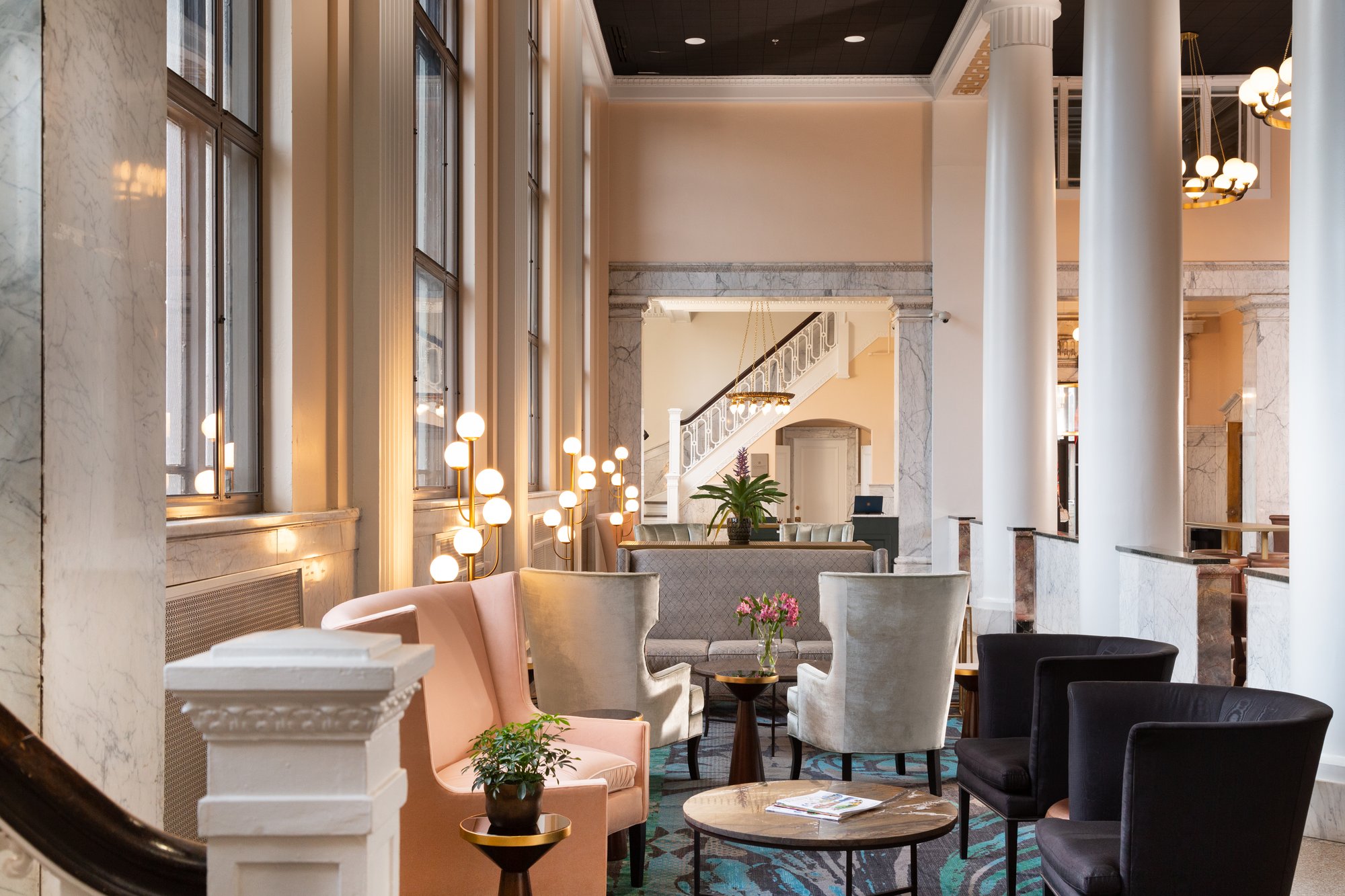
Wineries in Floyd
Browse all →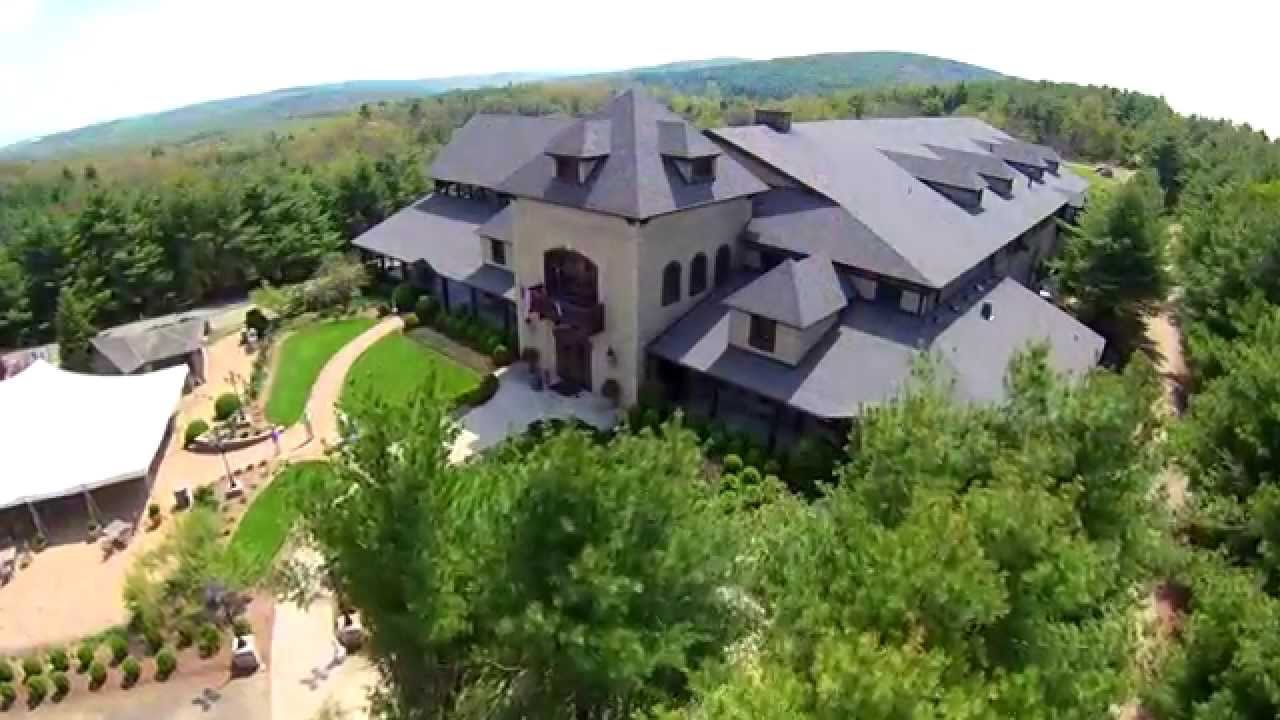
At a Glance
- Romantic
- Scenic
- Elegant
- Rustic
- Sophisticated
- Date Night
- Special Occasion
- Celebration
- Terrace
- Garden
- Wine Cellar
- Panoramic View
- Private Dining
- Extensive Wine List
- Sommelier Led
- Farm To Table
- Local Sourcing
- Organic
- Mountain
- Vineyard
- Garden
Casually elegant with fireside dining in cooler months and terrace seating overlooking the Blue Ridge Mountains in warmer months, creating a refined yet relaxed atmosphere.