Chateau Deli
Our verdict
Chateau Deli fits the Lake Louise pattern that matters after a long mountain day: quick food, low ceremony, and a location built around movement rather than lingering dining-room theatre. In a village where hotel restaurants carry much of the demand, it works as the practical counterpoint to longer meals at Fairview, Alpine Social, or Walliser Stube.

Pearl is the En Primeur Club membership app — saves, bookings, and concierge access live there. Same editors, same standards.
- Address
- 111 Lake Louise Dr, Lake Louise, AB T0L 1E0
- Directions
- Get directions
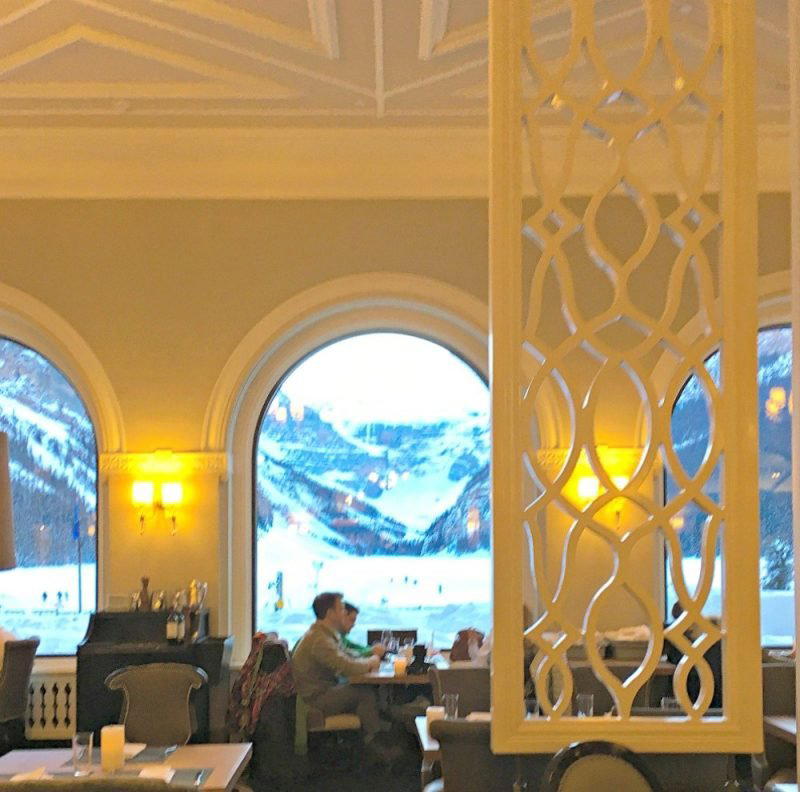
The menu
What to order
- Hot meals
- Home-made soup
- Fresh salads
- Sandwiches
- Baked goods and desserts
Lake Louise dining often starts with weather, not appetite. Ski boots, wet jackets, trail packs, tour groups, and families moving between plans create a food culture where speed and portability matter as much as polish. Chateau Deli belongs to that side of the village: the counter-service end of mountain eating, where the useful question is not how long the meal runs, but how efficiently a simple bite can be folded into a day shaped by lifts, walks, and changing light.
That matters because Lake Louise has a split personality at the table. On one side are the seated dining rooms, where pacing, wine lists, and alpine formality define the meal. Fairview handles the classic dining-room role, while Alpine Social and Walliser Stube sit closer to the après-ski and mountain-hospitality traditions. More structured dinners and drinks all have their place here. On the other side is the day-use economy: food that can be eaten between plans, carried back for later, or bought without committing to a full-service sitting.
Lake Louise needs practical food as much as dining-room ritual
In resort towns, deli formats do work that rarely gets much critical attention. They absorb irregular demand. They feed families whose timing has been wrecked by weather. They give hikers and skiers a way to avoid turning every meal into a formal reservation. In Lake Louise, that role is sharper because the village is compact, seasonal pressure is intense, and many visitors are moving through rather than settling into a neighbourhood rhythm.
Practicality is the useful lens here, but not in the farm-name sense. Mountain delis are judged less by origin-story theatre than by whether the format holds up to the conditions around it: cold mornings, early starts, shared rooms, and travellers who may need something portable before the next activity. The category depends on simple, sturdy counter-service choices that can survive a queue and still make sense once carried away. Chateau Deli sits in that practical tradition rather than the chef-led tasting-menu tradition.
That distinction helps frame expectations. This is not where Lake Louise expresses its grand dining identity; it is where the resort solves the daily friction of eating. For a broader read on the area, Our full Lake Louise restaurants guide is the better map of sit-down choices, while Our full Lake Louise hotels guide explains why so much of the local restaurant scene is tied to large properties rather than street-level dining clusters.
The useful counterpoint to Fairview and après-ski rooms
The comparison set in Lake Louise is unusually compressed. Some rooms represent the alpine comfort template, built around a meal that asks for time and appetite. Other Lake Louise dining rooms occupy a more settled mode, where the room is part of the decision. Chateau Deli answers a different need: a quicker, less formal stop within the same high-demand mountain ecosystem.
That makes it useful for families, solo travellers, and anyone building a day around Lake Louise rather than around lunch. In Canadian resort dining, this tier often determines whether a destination feels workable. A polished dinner is easy to admire; the harder test is whether a place can feed people between check-out, road conditions, lift times, and children who are done waiting. The deli format carries that burden without asking for ceremony.
There is also a broader Canadian context. Resort and hotel-adjacent dining across the country often divides between destination rooms and practical counters. More formal restaurants, urban dining rooms, and destination hotel venues all belong to clearer occasion categories. Chateau Deli is more functional: it serves the meal that keeps the day moving.
How to place it in a Lake Louise itinerary
The smart use case is daytime, casual, and logistical. Treat Chateau Deli as a food stop for a mountain schedule, not as the centrepiece of an evening. If the plan is a longer seated meal, Lake Louise has better-suited rooms. If the plan is to stay flexible, avoid a long pause, or feed several people without a full-service meal, the deli format has real value.
Visitors planning across categories should pair that decision with the wider resort picture. Drinking options sit in a separate rhythm, covered in Our full Lake Louise bars guide, while non-restaurant planning belongs in Our full Lake Louise experiences guide. Wine-specific travel is less central to Lake Louise than in dedicated vineyard regions, but Our full Lake Louise wineries guide keeps that category distinct from the resort’s hotel-dining circuit.
For travellers comparing dining styles, the contrast is instructive. Some restaurants serve more defined occasions, while others belong to a different urban dining grammar. Even outside Canada, compact-format specialists show how small-format food can define a trip through utility rather than grandeur. Chateau Deli’s version is distinctly Lake Louise: practical, weather-aware, and tied to the realities of eating in a mountain resort.
Frequently asked questions
Does Chateau Deli work for a family meal?
Yes. A deli format in Lake Louise suits mixed schedules, which is often the main test for family dining in Lake Louise. It works better as a daytime food stop than as a sit-down dinner plan.
Is Chateau Deli formal or casual?
Casual. The deli format in Lake Louise points to practical counter service rather than a formal dining room.
What part of town is Chateau Deli in?
Lake Louise.
Do I need a reservation for Chateau Deli?
Reservations are usually less central at deli counters than at table-service restaurants. At Chateau Deli, the format suggests a walk-in approach fits the venue in Lake Louise.
What's Chateau Deli best at?
It works as a daytime deli stop for Lake Louise itineraries, especially when speed matters. Its Lake Louise setting makes it a practical option for a quick meal between plans.
Is Chateau Deli allergy-friendly?
A deli format can make it easier to ask about ingredients than a fixed tasting menu, but allergy handling still depends on kitchen practice. For any dietary restriction, the Lake Louise location is the starting point for confirming options.
Side-by-Side Snapshot
Comparable venues by cuisine and price in the same metro.
| Venue | Cuisine | Price | Awards |
|---|---|---|---|
| Chateau DeliThis venue — the venue you are viewing | 24-hour hotel deli & café | $20–30 | Not listed |
| Walliser Stube | European Alpine Cuisine | Not listed | Wine Spectator Best of Award of Excellence |
| Alpine Social | Alpine-inspired comfort food & gastropub fare | $30–50 | Not listed |
| Fairview | Contemporary Canadian fine dining with Rocky Mountain game and afternoon tea | $100–150 | Not listed |
Continue exploring
More in Lake Louise
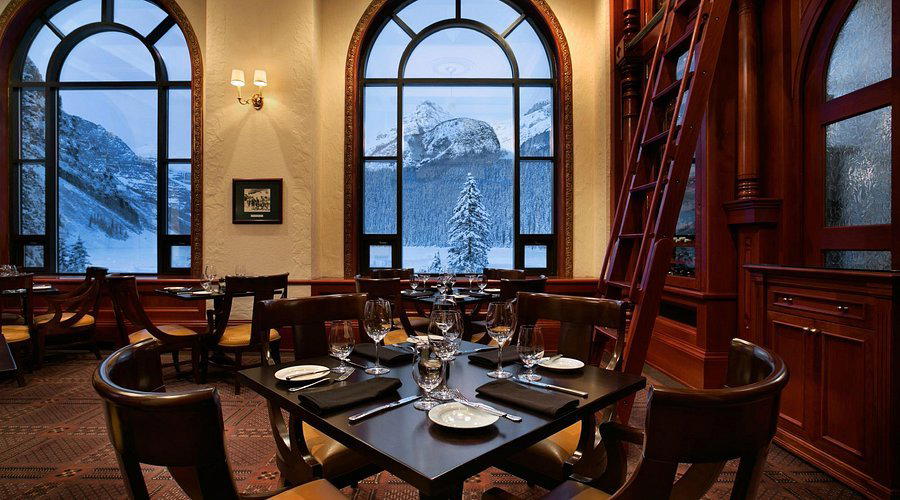
Restaurants in Lake Louise
Browse all →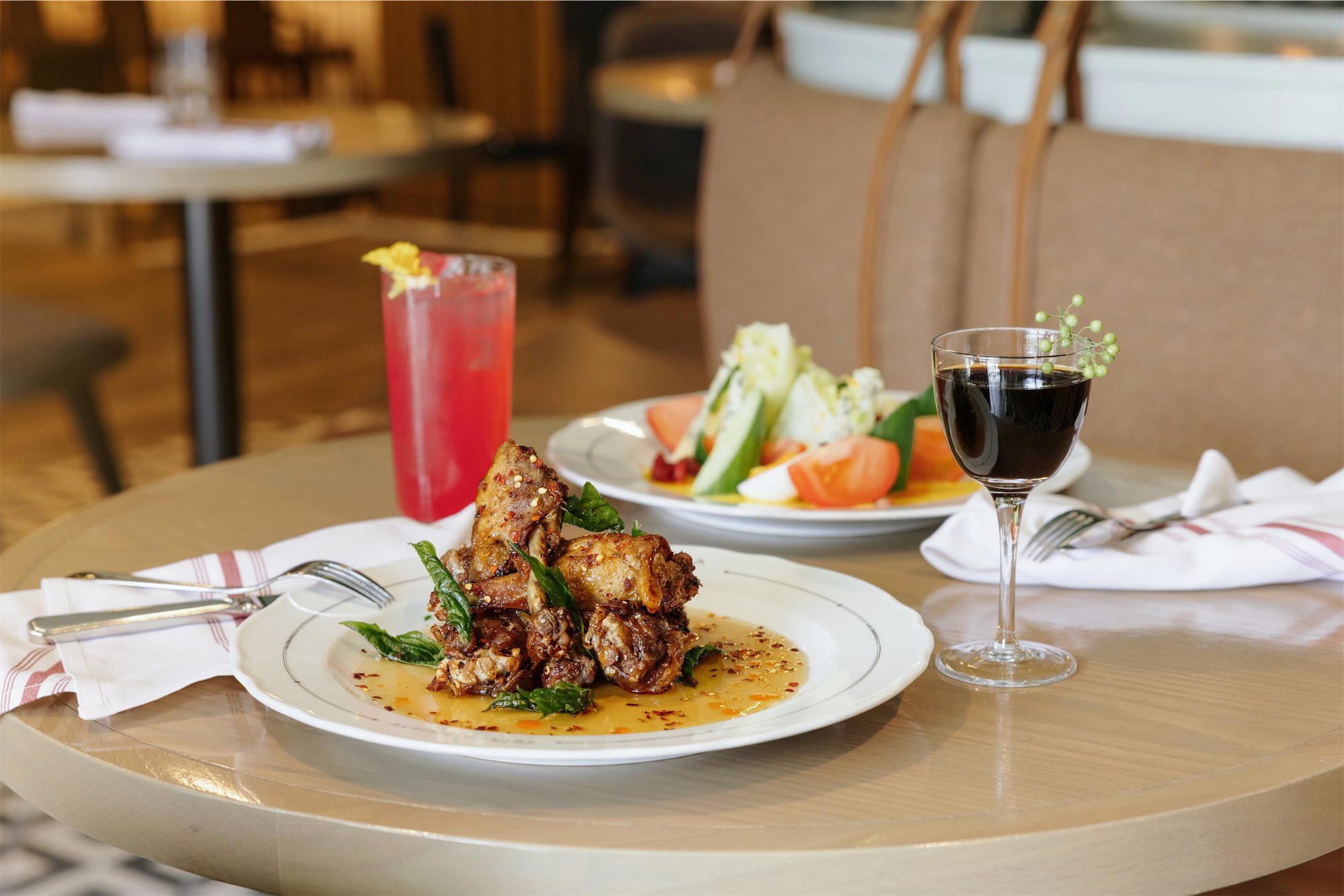
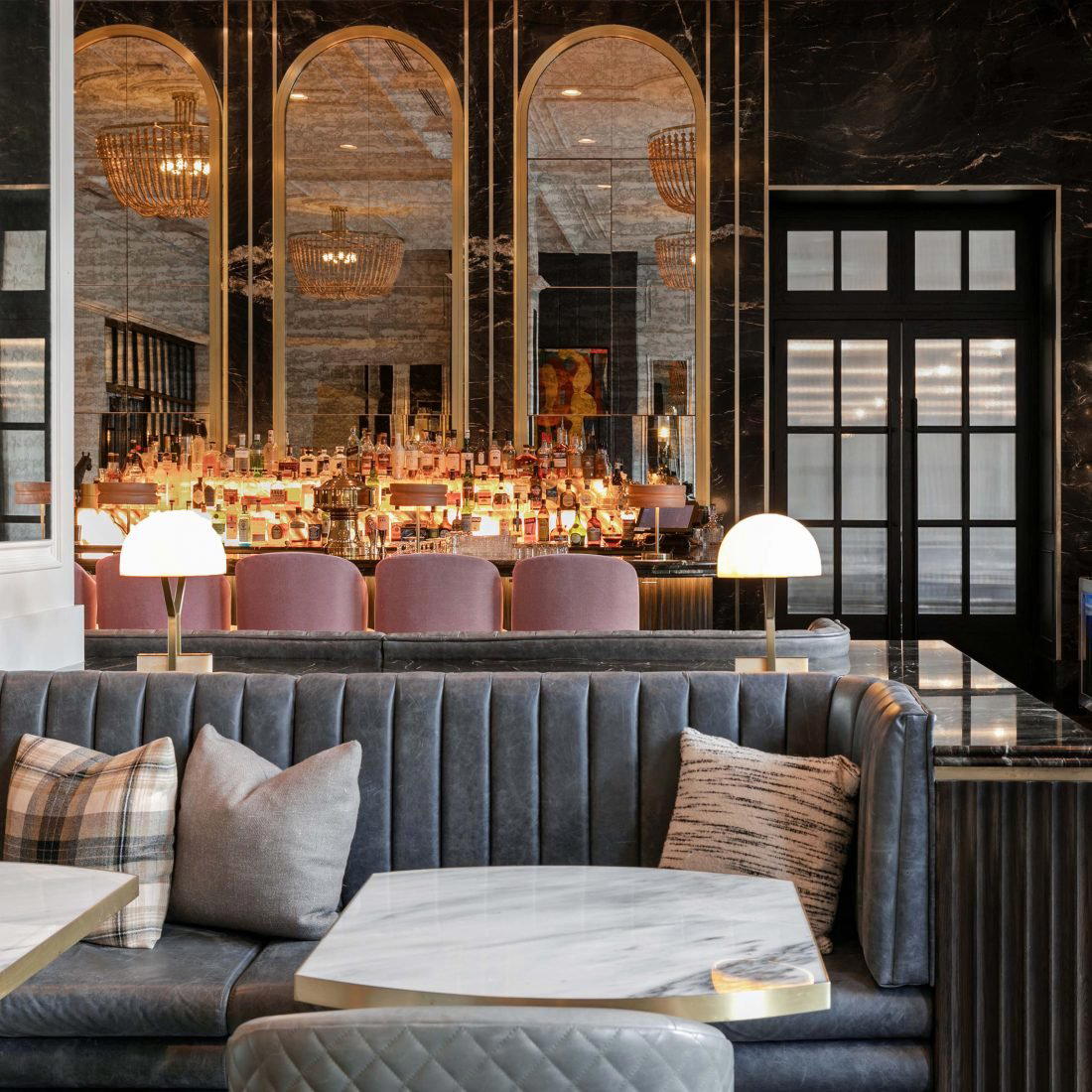
Bars in Lake Louise
Browse all →
Details
- Casual
- Scenic
- Classic
- Solo
- Family
- Casual Hangout
- Late Night
- Waterfront
- Panoramic View
- Hotel Restaurant
- Historic Building
- Standalone
- Mountain
- Waterfront
- A La Carte
- Coffee
- Tea
- Soft Drinks
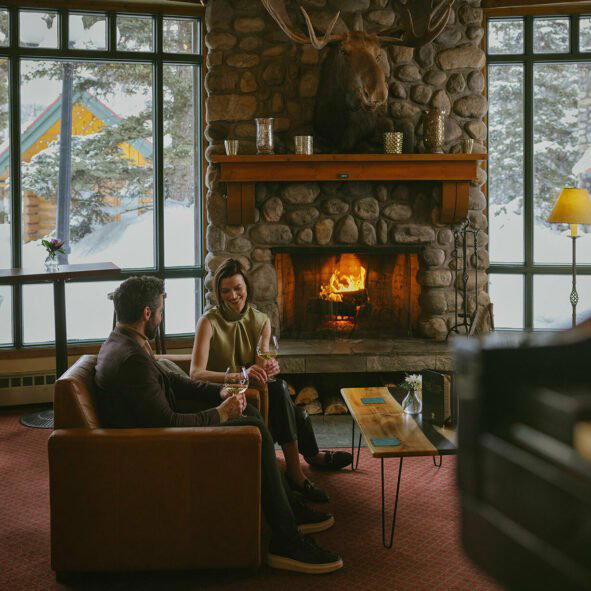
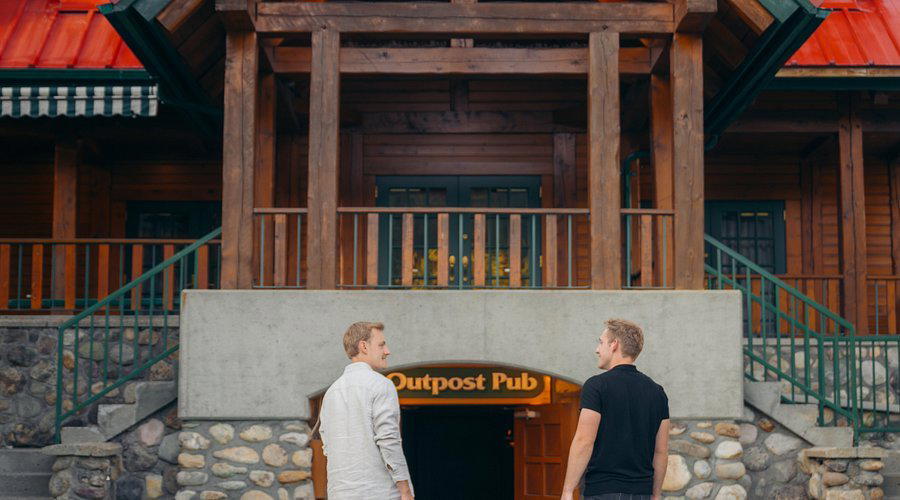
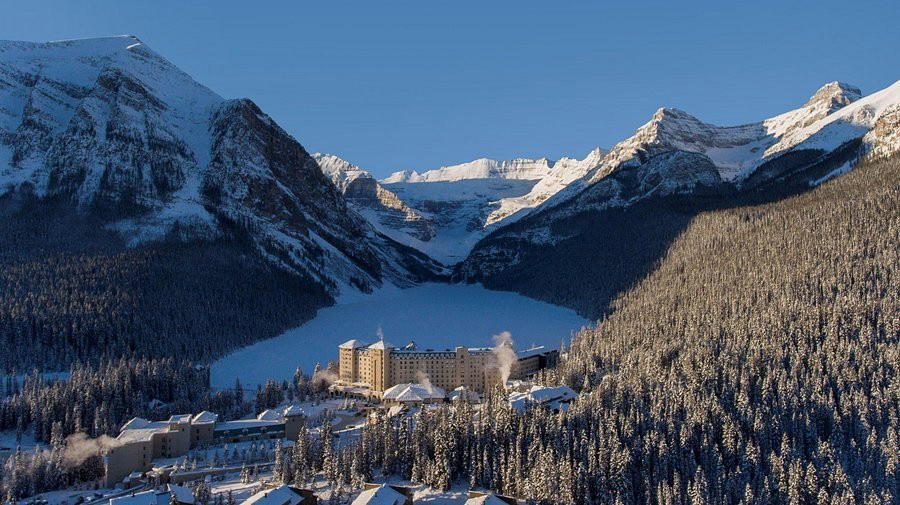
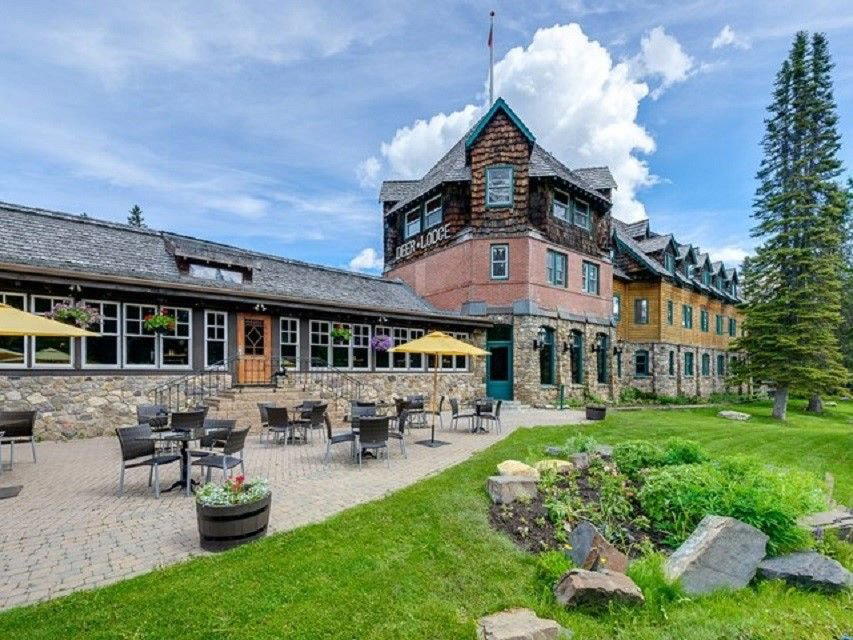
Casual and functional deli-style spot within a grand historic mountain resort, focused on convenience and grab-and-go items rather than décor, but benefiting from the hotel’s classic alpine atmosphere and proximity to the scenic lobby and lake views.