Cayman Cabana
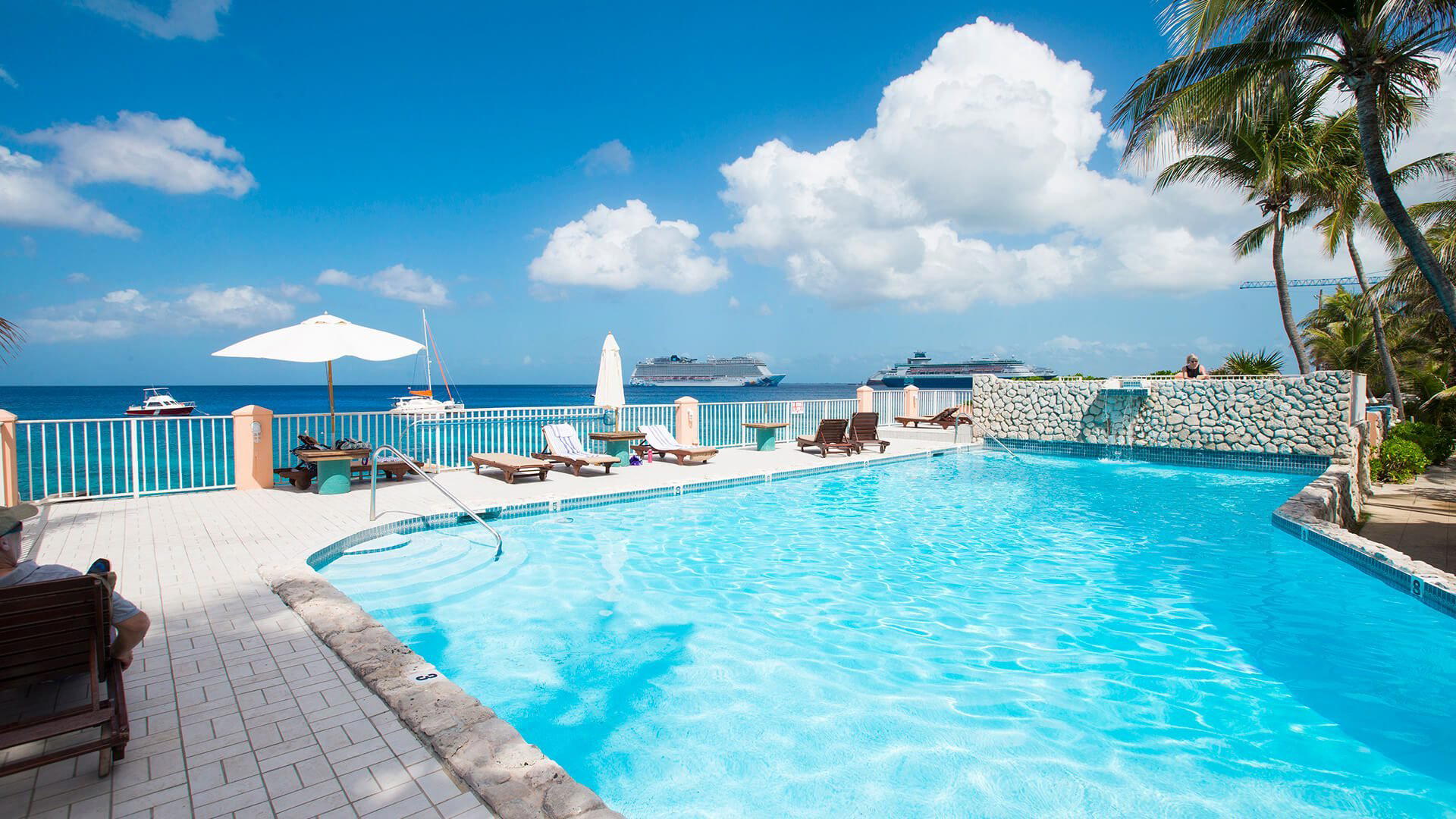
On North Church Street in George Town, Cayman Cabana occupies a stretch of waterfront that captures something essential about how the Cayman Islands eat: proximity to the sea as both setting and source. The address places it within walking distance of George Town's central dining corridor, where Caribbean-inflected menus draw on the island's fishing heritage. A reliable stop for visitors orienting themselves to Grand Cayman's coastal dining scene.
Pearl is the En Primeur Club membership app — saves, bookings, and concierge access live there. Same editors, same standards.
- Address
- 53 N Church St, George Town KY1-1207, Cayman Islands
- Phone
- +1 345 936 1345
- Website
- caymancabanarestaurant.com
- Directions
- Get directions
 Saves & bookings on Pearl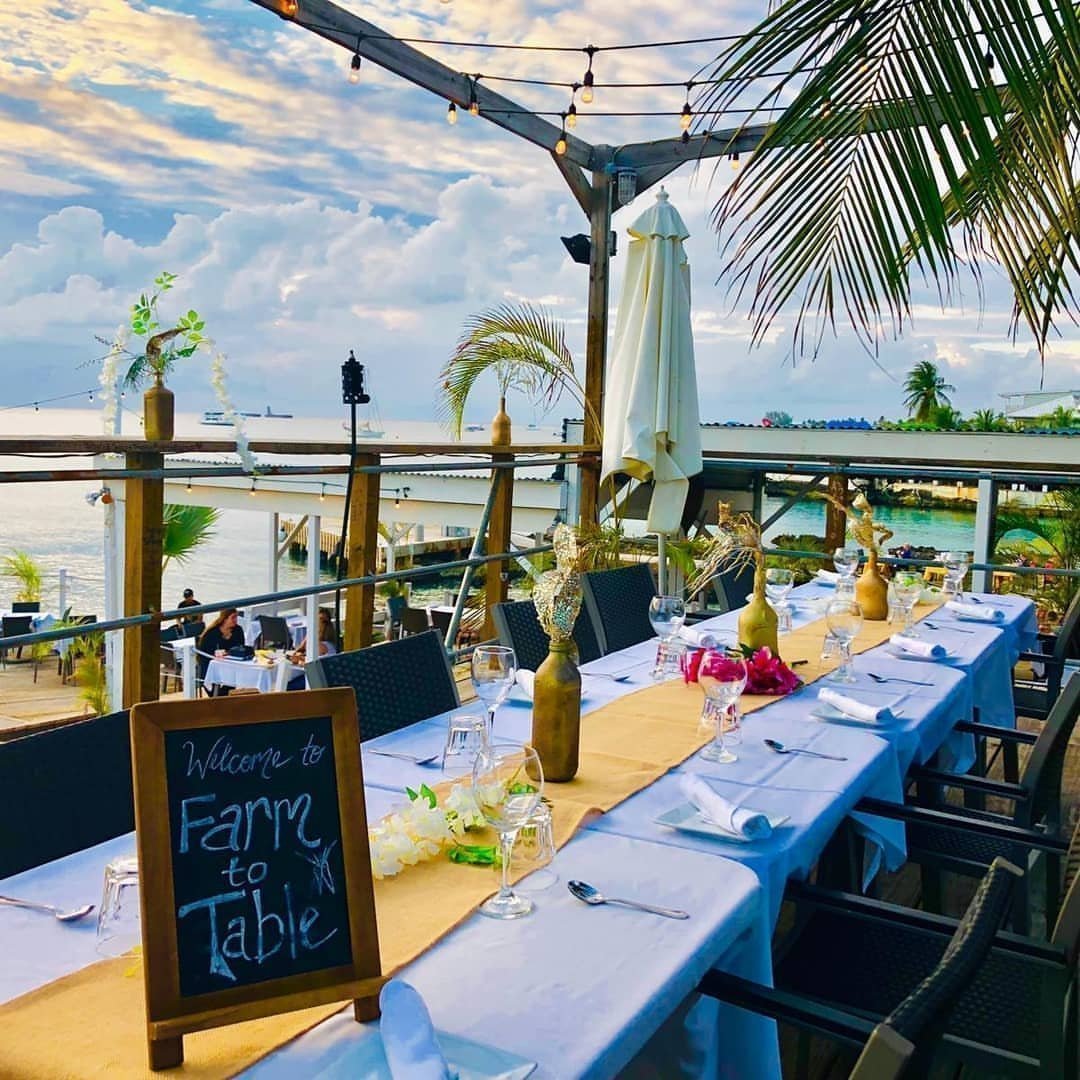
North Church Street and the Logic of Waterfront Dining
George Town's North Church Street runs close enough to the water that the relationship between sea and plate is not metaphorical, it is operational. In the Caribbean more broadly, and in Grand Cayman specifically, the quality of a waterfront restaurant is often legible in how directly its menu reflects what is actually available from local fishermen and dive boats on any given week. The islands' surrounding waters yield conch, snapper, mahi-mahi, and lobster in season, and the kitchens that take those cycles seriously produce food that tastes structurally different from venues importing their proteins from continental distributors. Cayman Cabana, at 53 North Church Street, sits inside that coastal dining corridor where the gap between the sea and the plate is, at its leading, a matter of hours.
That address carries context. North Church Street is not the Cayman Islands' most formal dining strip, that designation belongs further afield, where venues like Blue by Eric Ripert operate at a price point and technique level that competes with rooms in New York (where Le Bernardin, Ripert's flagship, set the benchmark for seafood-driven fine dining that his Cayman outpost consciously references). North Church Street is where the island eats more casually, more frequently, and in closer conversation with the actual rhythms of island life. That positioning matters when you are thinking about what to eat and what to expect.
What Caribbean Sourcing Actually Means on Grand Cayman
The Cayman Islands import a significant portion of their food supply, the geography of a small island group demands it. But the surrounding Caribbean Sea remains a genuine source for the proteins that define the local culinary tradition. Conch, in particular, carries cultural weight across the islands: conch fritters and conch ceviche appear on menus across every price tier, from roadside stands to hotel dining rooms, and the variation in quality tracks directly to how recently and locally the conch was sourced. Spiny lobster, available during the open season running roughly from late autumn through spring, is another ingredient whose character shifts meaningfully depending on whether it arrived by boat from local waters or by air freight from elsewhere in the region.
Restaurants along the North Church Street corridor, including Cayman Cabana, operate in a market where guests are often comparing notes across multiple meals during a stay. The venues that hold up across those comparisons tend to be the ones where sourcing decisions are visible in the food itself, where the fish tastes of the sea it came from, and where the kitchen is not trying to disguise average ingredients with heavy saucing. For visitors building a broader picture of Grand Cayman's dining options, it is worth cross-referencing Cayman Cabana against venues with more documented sourcing credentials, like The Brasserie, which has a documented farm and local sourcing program, or Cracked Conch in West Bay, which has built its identity around local seafood over a long operating history.
The George Town Dining Tier and Where Cayman Cabana Sits
Grand Cayman's dining scene has grown more stratified over the past decade. At the upper end, a cluster of chef-driven and hotel-affiliated restaurants competes for a clientele willing to spend at levels that match or exceed comparable meals in major US cities. Luca and The Wharf both occupy positions in that mid-to-upper range, with waterfront settings and menus priced accordingly. At the other end, casual beach bars and roadside kitchens serve the island's working population and budget-conscious visitors. The middle tier, sit-down, full-service, Caribbean-inflected without being either fast-casual or fine dining, is where venues like Cayman Cabana operate, alongside options like Coccoloba Bar and Caribbean Food Restaurant in West End.
That middle tier serves a real function on an island where the tourist economy creates demand across all meal occasions, not just special-occasion dinners. Visitors spending a week on Grand Cayman will not eat every meal at a white-tablecloth restaurant, and they should not, the island's casual dining options are where direct expressions of Caribbean cooking tend to surface. Lobster Pot Restaurant and Bar holds a long-standing position in this middle bracket and offers a useful comparison point for anyone calibrating expectations for casual waterfront dining in George Town.
For visitors whose itinerary extends beyond Cayman to include other dining cultures, the contrast with somewhere like Lazy Bear in San Francisco, where a tightly controlled tasting format and documented sourcing philosophy define the experience, illustrates how differently the same underlying commitment to ingredient quality can express itself across contexts. Grand Cayman's waterfront casual tier is not trying to do what Lazy Bear does, and the comparison is useful precisely because it clarifies what each type of dining is actually optimised for.
Planning a Meal at Cayman Cabana
For visitors building a George Town dining itinerary, the restaurant's North Church Street address makes it walkable from the central cruise ship terminal and the downtown hotel cluster. George Town's dining corridor is compact enough that comparing two or three venues on the same evening is practical before committing. The shoulder months of May and October tend to offer more availability with lower ambient prices across the island's mid-tier restaurants.
A Quick Peer Check
Comparable venues nearby, for context on price, style, and recognition.
| Venue | Cuisine | Price | Notes |
|---|---|---|---|
| Cayman CabanaThis venue — the venue you are viewing | Farm-to-Table Caymanian Caribbean | $$$ | Not listed |
| Blue by Eric Ripert | Fine dining seafood by Eric Ripert | $$$$ | Seven Mile Beach |
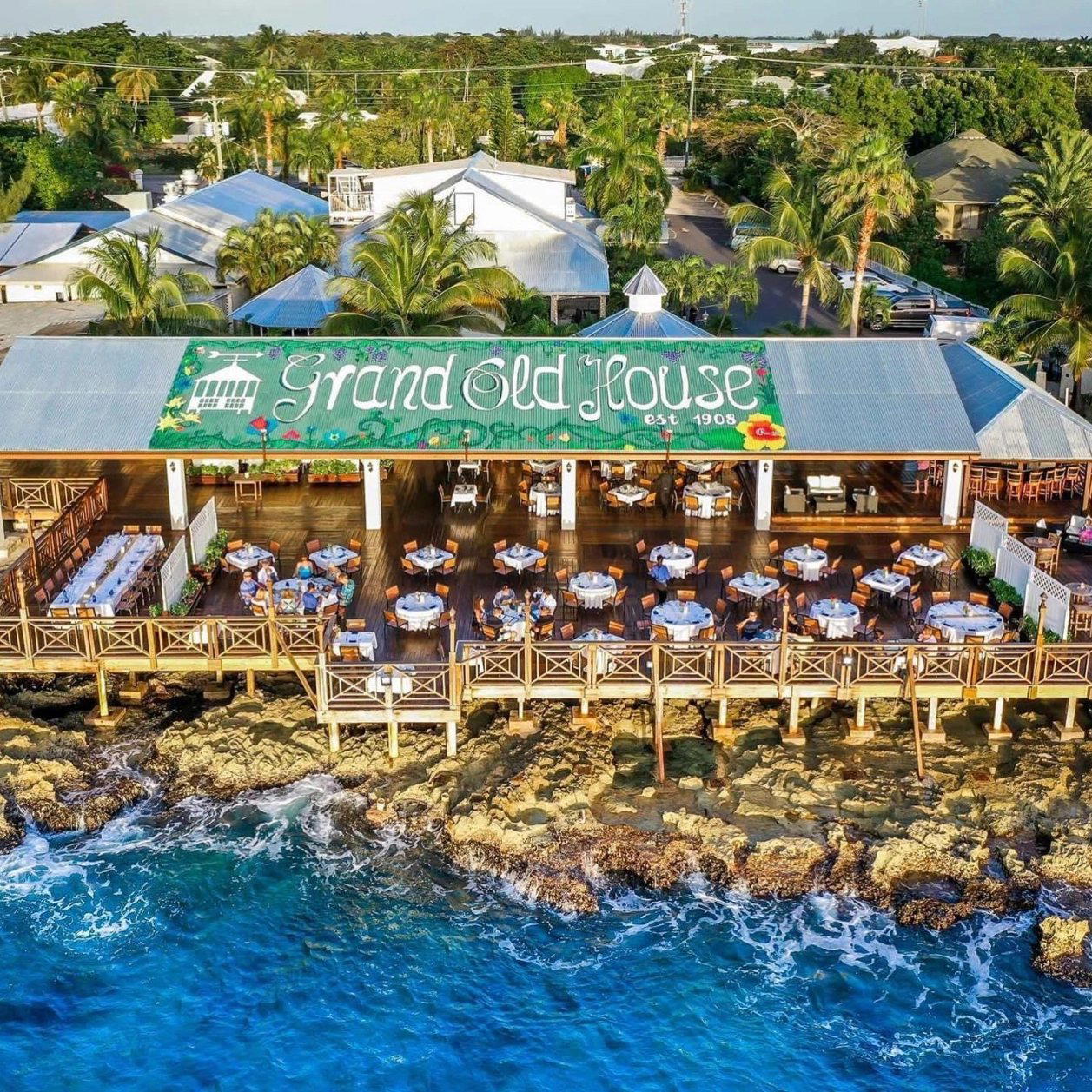
| Grand Old House | Caribbean-International Fine Dining | $$$$ | George Town |
| Aria | Modern Mediterranean | $$$$ | Grand Harbour |
| Blue by Eric Ripert | Modern Seafood Fine Dining | $$$$ | George Town |
| Calypso Grill Cayman Islands | Caribbean Seafood | $$$ | West Bay |
Continue exploring
More in George Town
Restaurants in George Town
Browse all →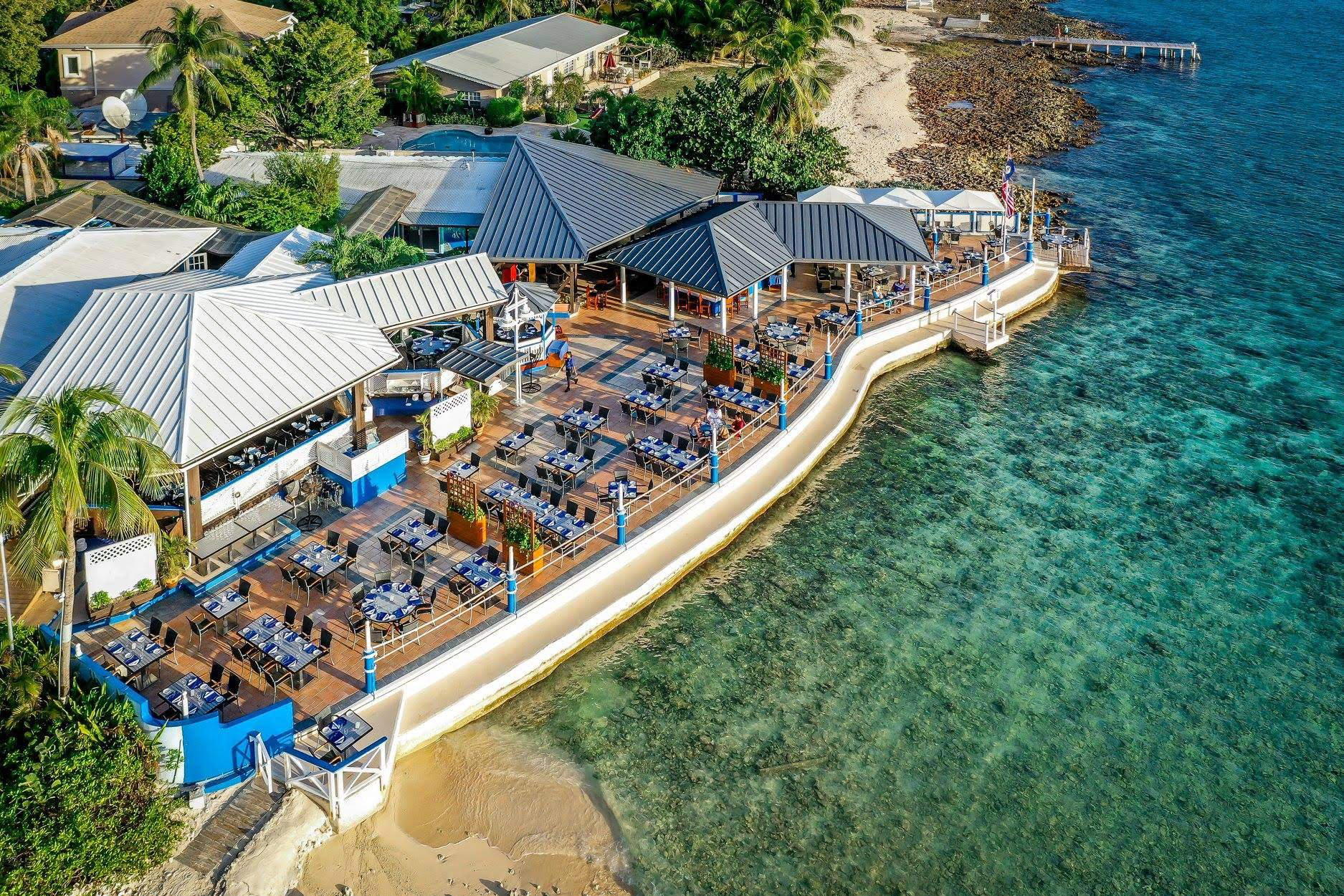
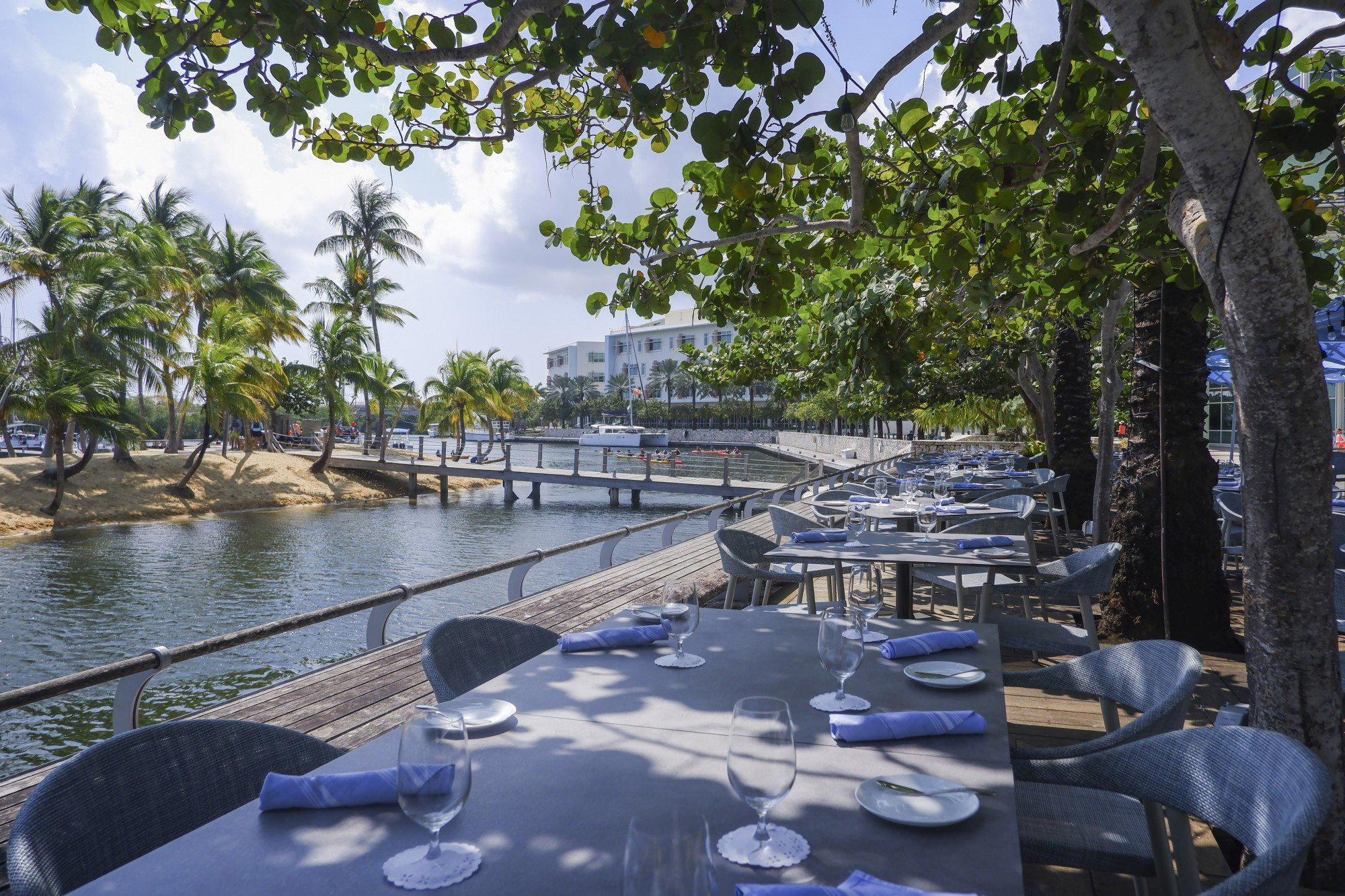
Bars in George Town
Browse all →
At a Glance
- Scenic
- Lively
- Casual Hangout
- Celebration
- Family
- Waterfront
- Open Kitchen
- Terrace
- Craft Cocktails
- Farm To Table
- Local Sourcing
- Waterfront
Current opening hours
- Monday
- 9:30 AM–5 PM
- Tuesday
- 9:30 AM–10 PM
- Wednesday
- 9:30 AM–10 PM
- Thursday
- 9:30 AM–10 PM
- Friday
- 9:30 AM–1 AM
- Saturday
- 9:30 AM–12 AM
- Sunday
- 9:30 AM–10 PM
Hours can change for holidays and private events. Last verified .
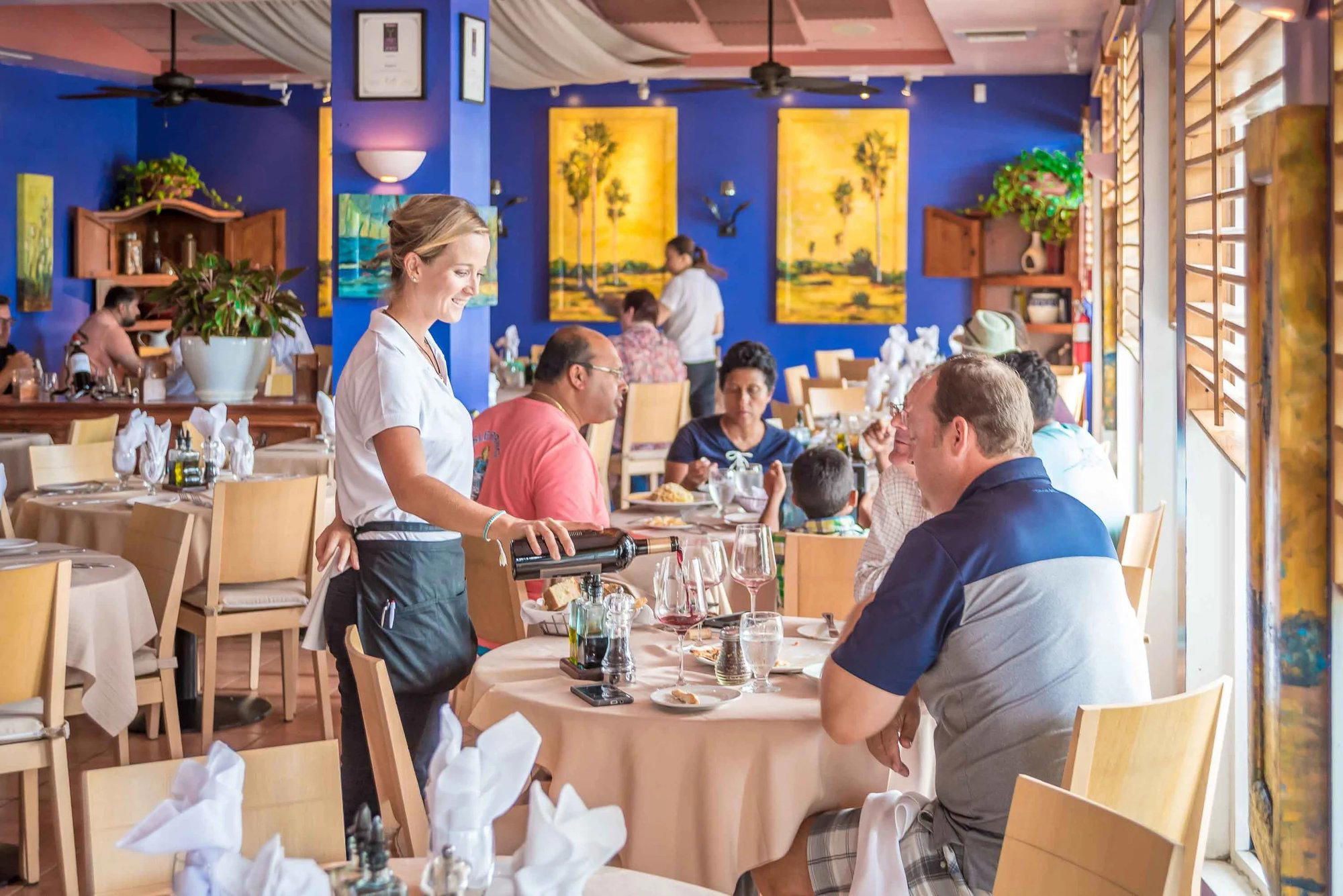
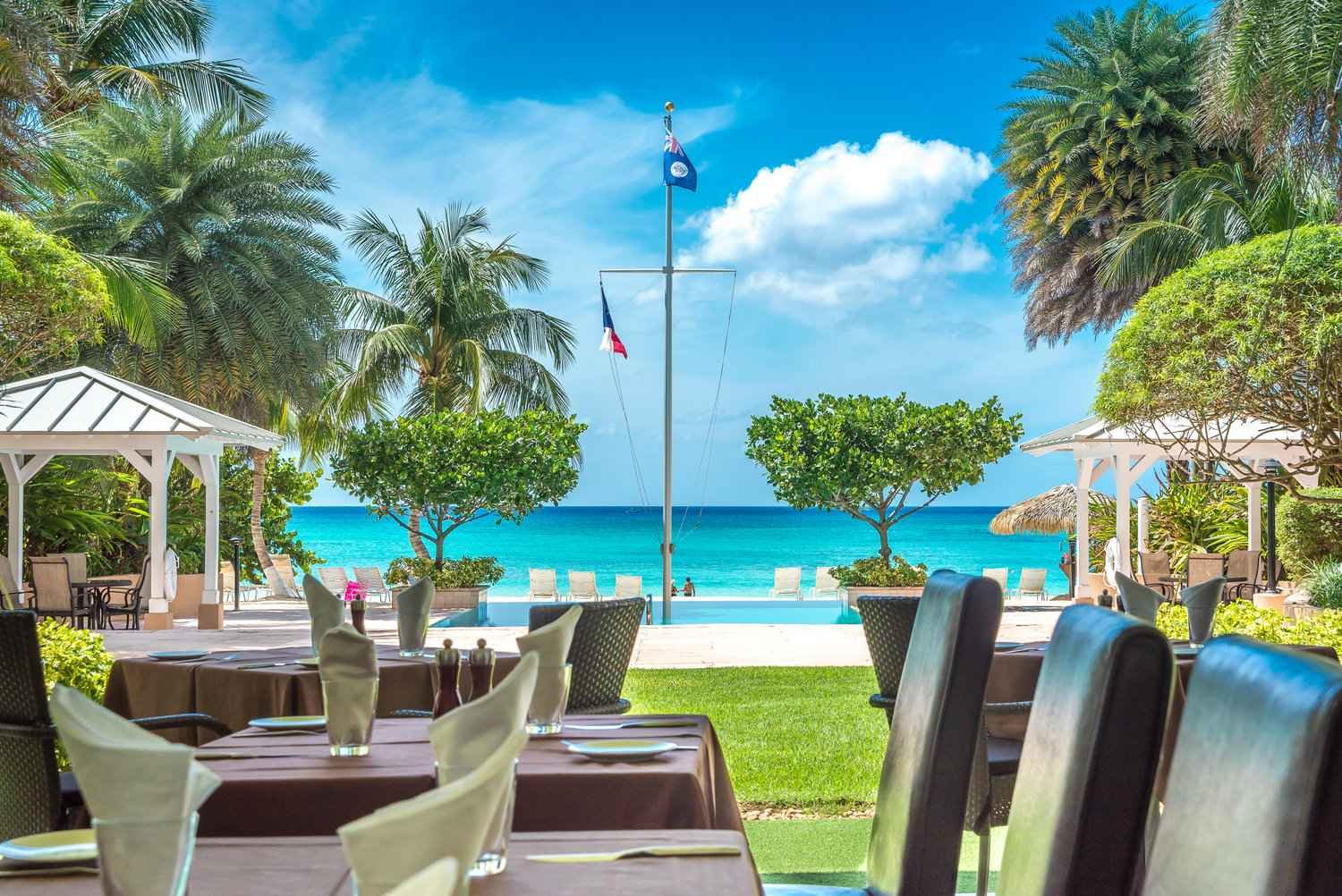
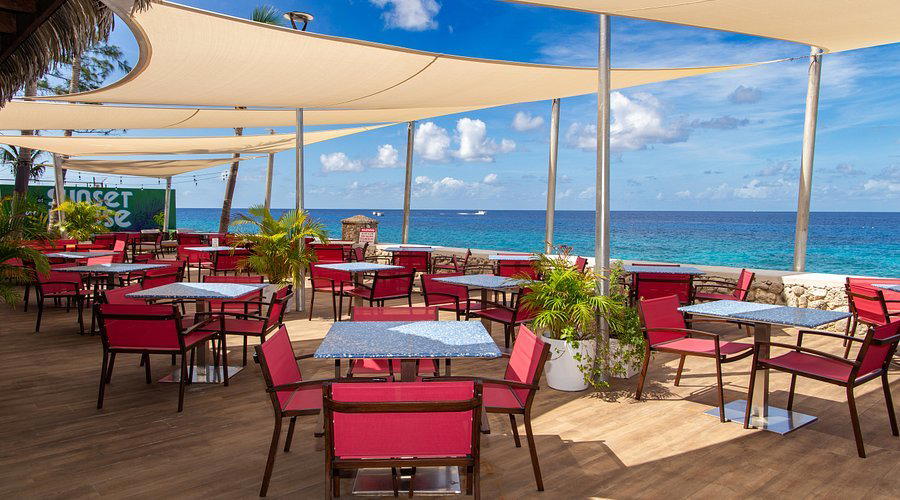
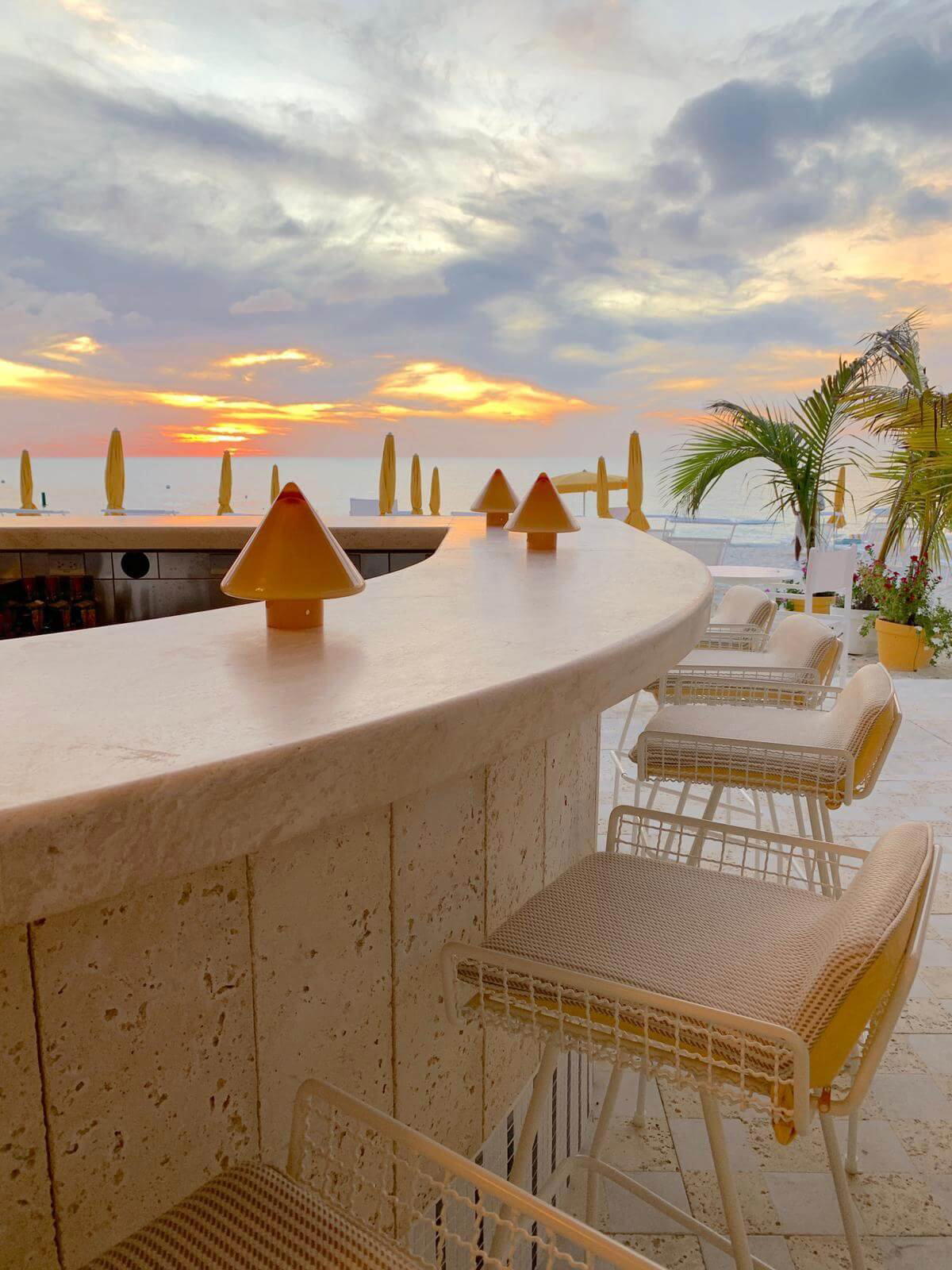
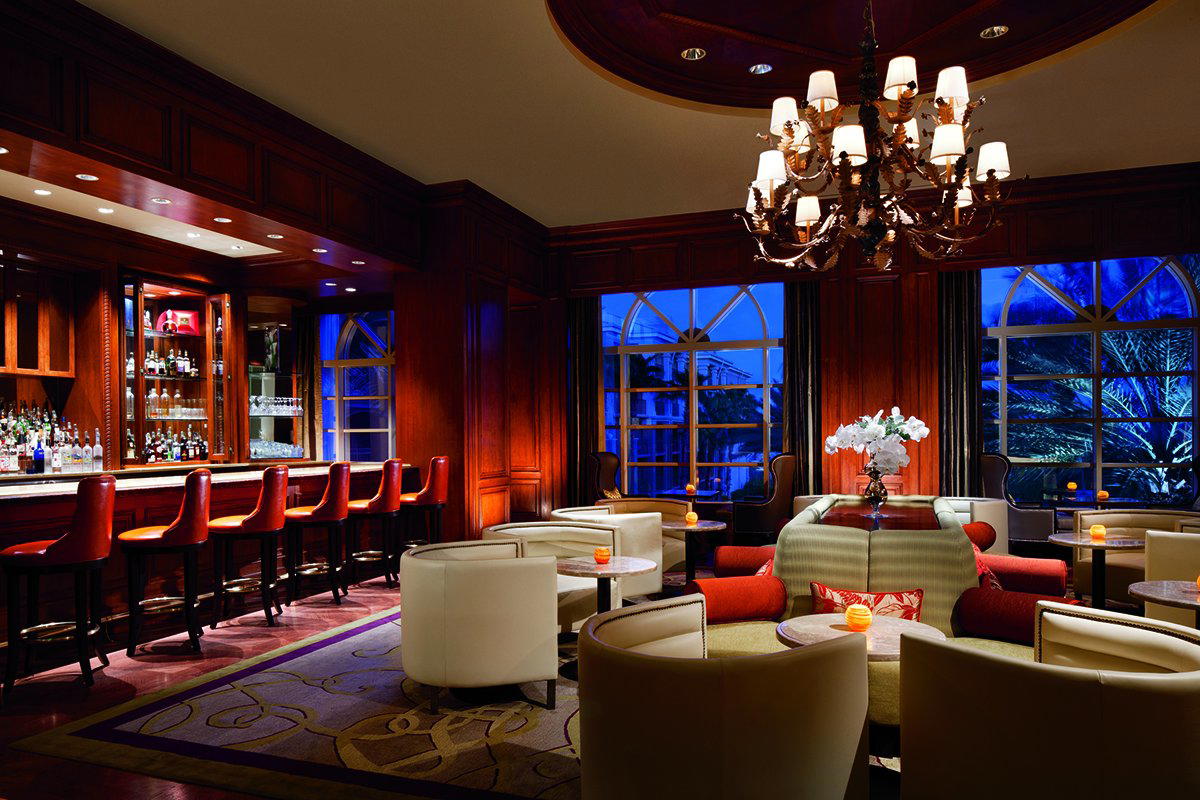
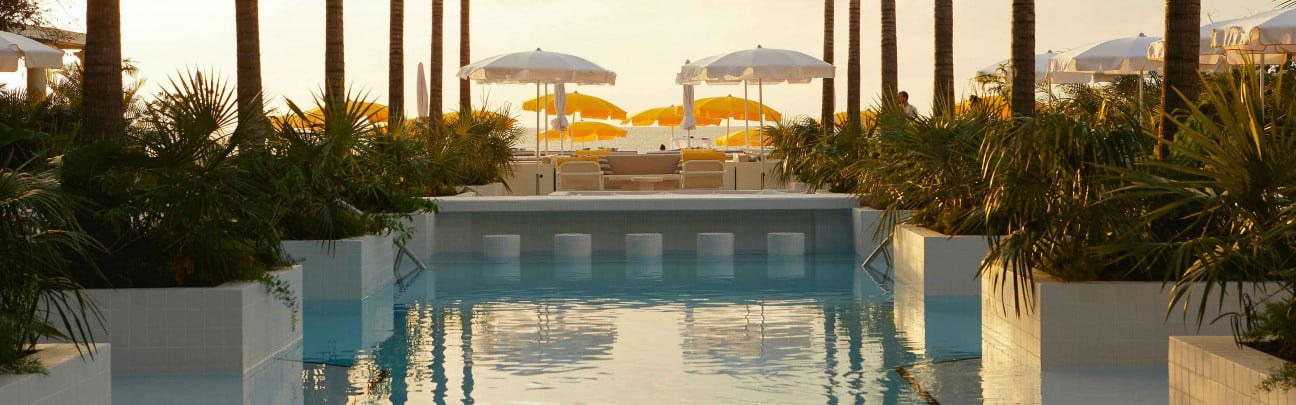
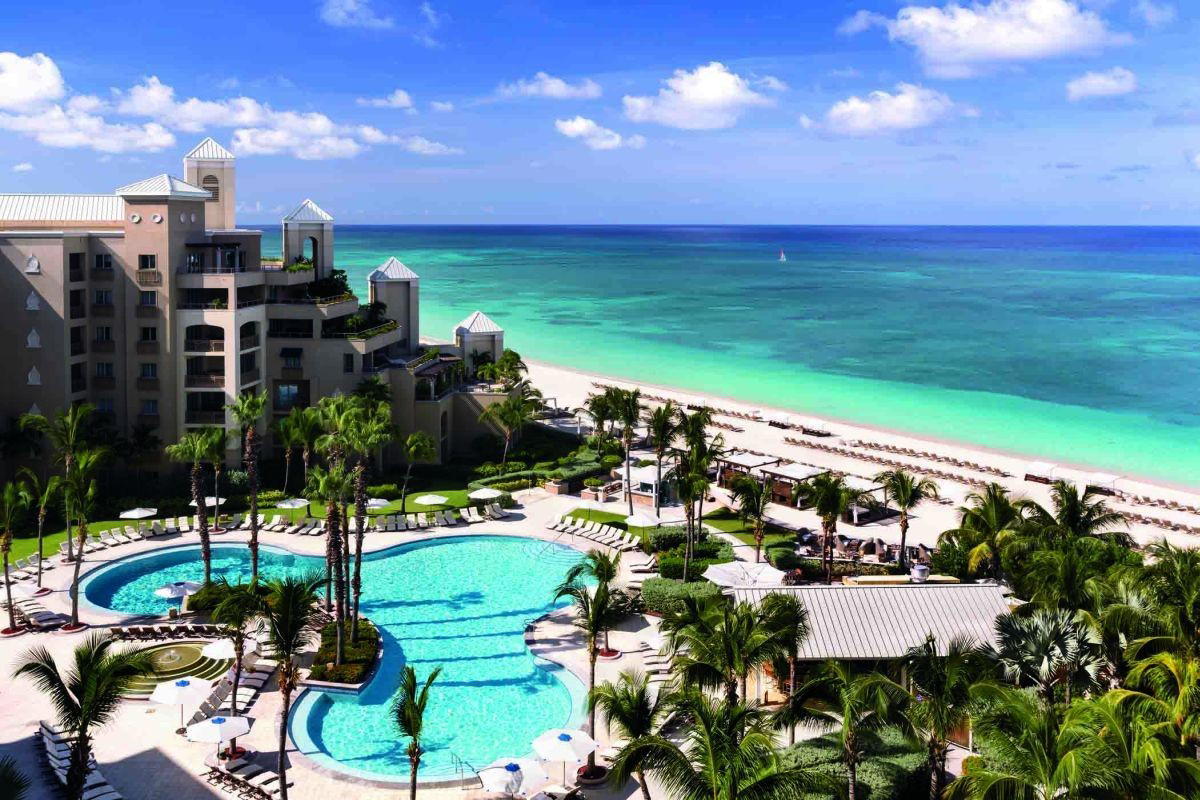
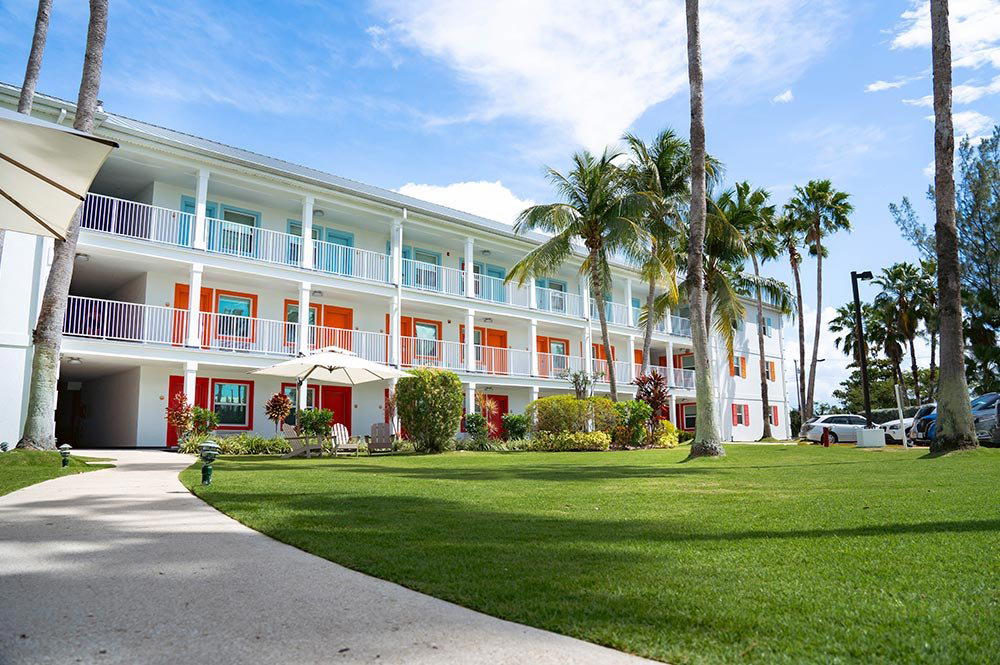
Relaxed oceanside atmosphere on multi-tiered verandas with panoramic ocean views and sea breeze, lively yet conversational with sunset dining.