Our verdict
Cascade sits on Northern Bypass Road, a useful lens on Nairobi dining beyond the familiar hotel-and-mall circuit. With no public awards, chef, price band, or menu format attached, the editorial case rests on context: this is a city where produce access, suburban growth, and mixed-format eating increasingly shape where serious diners look next.

Pearl is the En Primeur Club membership app — saves, bookings, and concierge access live there. Same editors, same standards.
- Address
- Northern Bypass Rd, Nairobi
- Directions
- Get directions
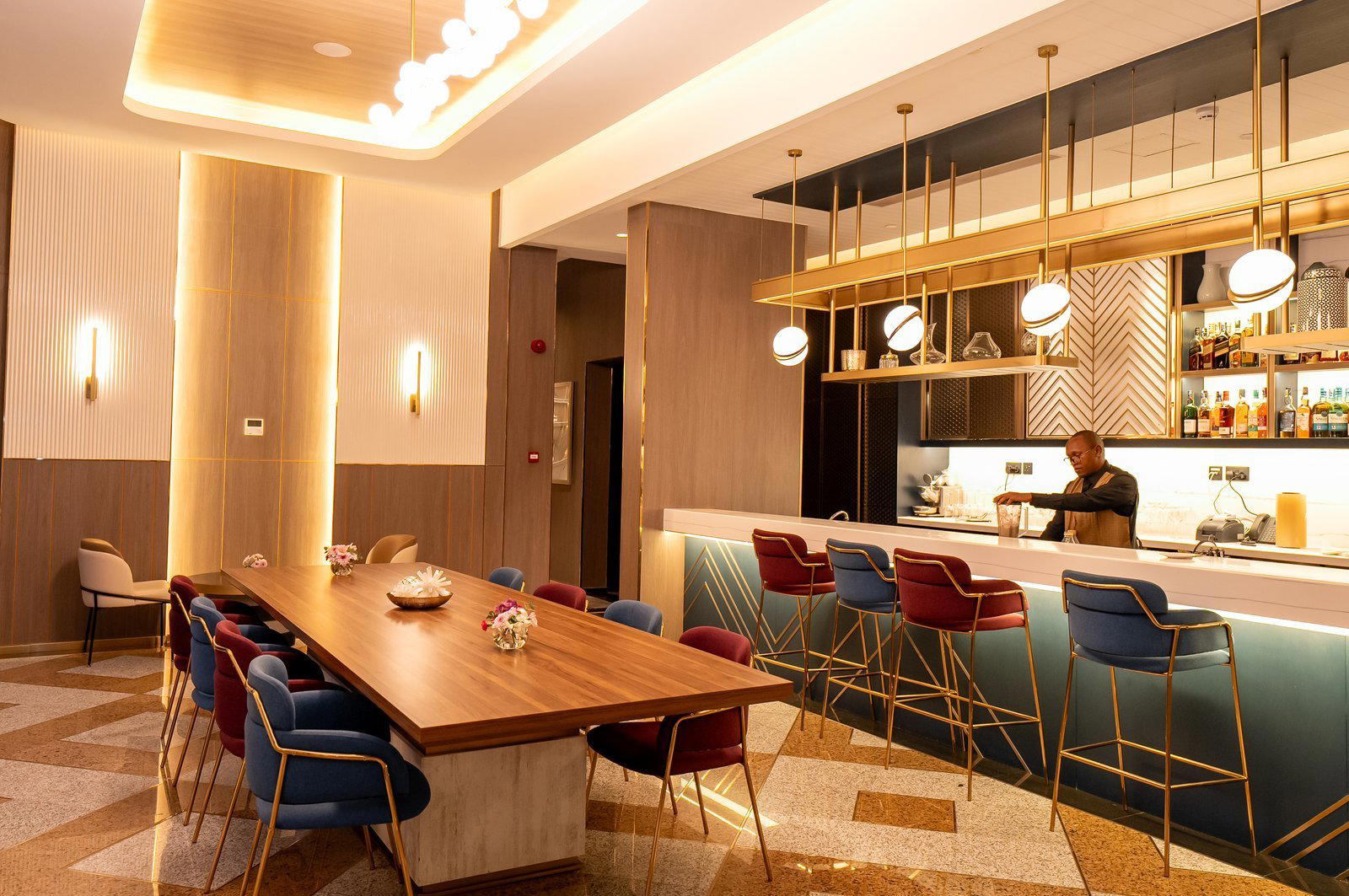
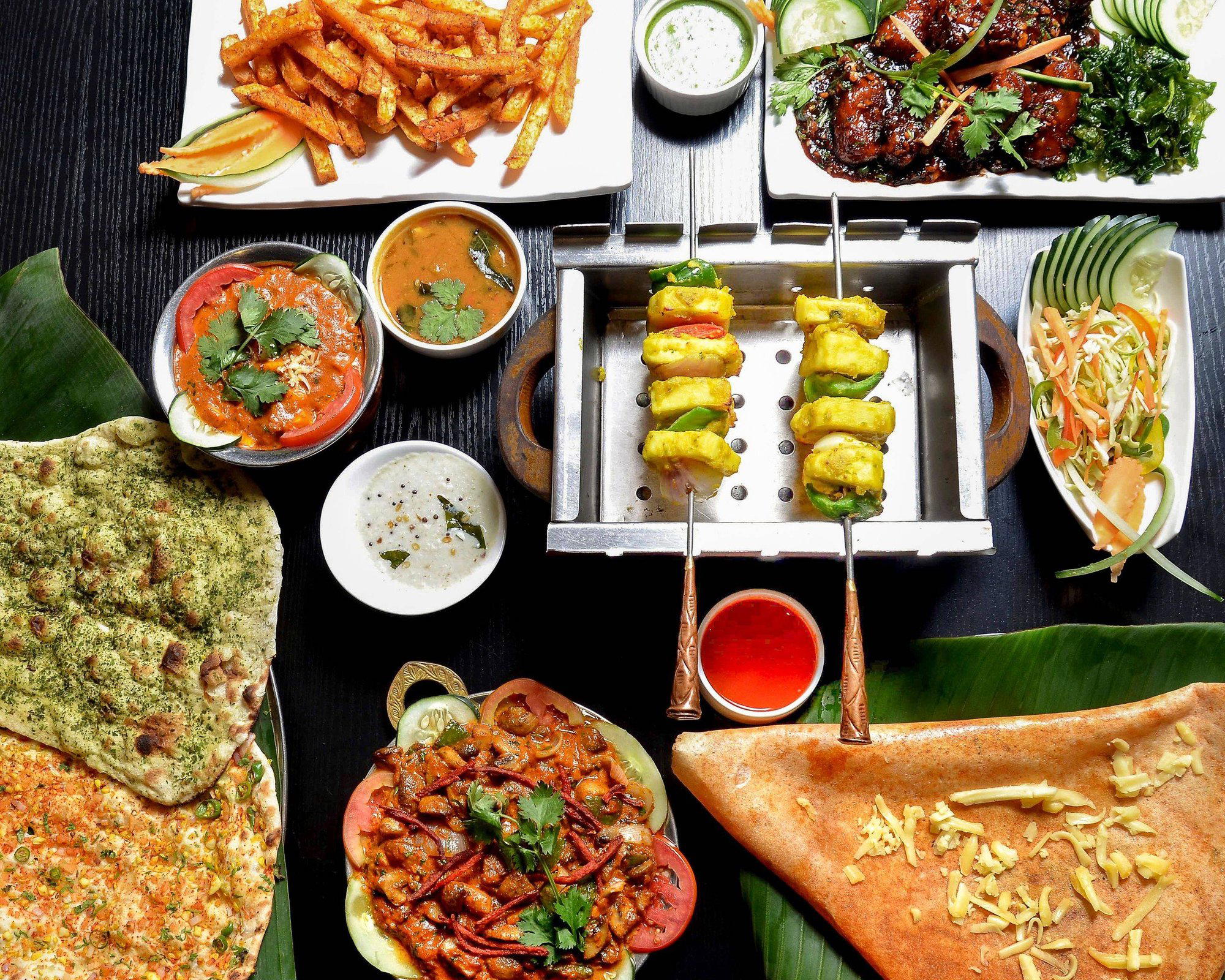
The menu
What to order
- African githeri
- Stewed njahi
- Yellow beans
- Signature natural porridge
Approaching Cascade changes the register of Nairobi dining. The city loosens from its denser restaurant corridors into a road-led geography of estates, garden plots, commuter traffic, and weekend family movement. Cascade belongs to that Nairobi: less about a trophy tasting room than about how the city eats as it spreads outward, following new residential pockets and the supply routes that feed them.
Nairobi’s restaurant conversation is often reduced to hotel dining rooms, mall addresses, and expatriate-facing brunch rooms, but the more interesting shift is spatial. Food businesses now have to speak to diners who may not want to cross town for dinner, and to suppliers moving produce from the highlands, peri-urban farms, and regional markets into a capital that eats across many price points. That sourcing reality matters. In Kenya, the quality of a meal is often decided before the kitchen begins: leafy greens, dairy, fruit, beef, poultry, and grains all travel through systems where freshness, timing, and consistency are as important as chef authorship.
Nairobi dining belongs to the city's outward expansion
Nairobi’s expanding restaurant map is not only a classic dining promenade. It also functions around infrastructure, linking neighbourhoods and easing movement across the city. That gives restaurants in these areas a different brief from central dining rooms. They need to work for planned meals, passing traffic, families, and groups who value access and space as much as ceremony. In that sense, Cascade sits closer to Nairobi’s suburban restaurant pattern than to the capital’s more polished destination-dining circuit.
That distinction helps set expectations. A restaurant on this side of the city is usually judged less by imported luxury signals and more by whether it understands Nairobi’s everyday abundance: vegetables with actual snap, meat handled with confidence, starches that arrive as a foundation rather than filler, and a room that can absorb mixed occasions. The comparison is not only with other Nairobi addresses such as The Hide, Glow Restaurant, Pasta Republic, Jiko, or The River Café, but with the broader question of where the city’s next reliable dining clusters will form.
For readers mapping the city, Cascade is a reminder that Nairobi’s food culture is not contained in a handful of established districts. EP Club’s wider Nairobi coverage places it alongside other central and suburban dining references, from leafy compounds and café culture to polished casual dining. Those addresses show a city split between different formats, service rhythms, and levels of ceremony. Cascade adds another layer: utility-driven geography with room for restaurants to serve local demand without performing central-city glamour.
The sourcing question matters more than a chef narrative
With no named chef, cuisine type, or signature dishes in the public profile, the stronger editorial frame is not personality. It is supply. Nairobi is one of East Africa’s more compelling restaurant cities because it sits close to serious agricultural production while also carrying international tastes through travel, diplomacy, business, and a large regional middle class. The strongest local kitchens understand that this is an advantage only when procurement is disciplined. A tomato grown near the city, dairy from Kenya’s highlands, or greens bought through a reliable market chain can carry more authority than an imported luxury ingredient handled without context.
That is where a restaurant like Cascade should be read within the city rather than in isolation. The absence of a public tasting-menu claim or detailed public positioning keeps the burden on fundamentals: ingredient turnover, kitchen rhythm, and whether the room knows its audience. Nairobi diners are not short of options, and the capital’s restaurant culture has become sharper about value. A Nairobi address has to justify the trip by being useful, consistent, or socially well-pitched, not merely decorative.
This also separates Nairobi from coastal, safari, and resort dining contexts elsewhere in Kenya. Restaurants in those settings often trade partly on place, scenery, or travel itinerary. Nairobi restaurants have a harder job: they must compete inside ordinary urban time, where repeat use matters. Cascade’s relevance is therefore best understood through how well it fits the city’s daily patterns rather than through a borrowed destination-dining script.
How to place Cascade in a Nairobi itinerary
Cascade makes the most sense for diners already moving through Nairobi or for residents looking beyond the established central restaurant map. It is less obvious as a single-purpose cross-city pilgrimage without clearer public signals on cuisine, price, or booking format. That does not weaken its relevance; it simply places it in the practical tier of Nairobi dining, where location, group suitability, and ingredient handling decide the experience.
For a broader read on the city, use our full Nairobi restaurants guide alongside our full Nairobi hotels guide, our full Nairobi bars guide, our full Nairobi wineries guide, and our full Nairobi experiences guide. The cross-city pattern is the point: Nairobi rewards diners who understand neighbourhood logic rather than chasing a single prestige address. International comparisons can be useful only at the level of format, but Cascade’s relevance is more local, tied to how Nairobi’s expanding edges are learning to feed themselves with confidence.
Frequently asked questions
Is Cascade a family-friendly restaurant?
Its Nairobi setting makes it a practical stop for mixed-age groups moving through the city. With no chef-led tasting format or formal service style listed, it reads as a flexible dining stop rather than a venue built around a narrow adult-only brief.
How would you describe the vibe at Cascade?
Cascade reads as transit-friendly and low-ceremony, shaped more by its Nairobi setting than by a formal dining-room identity. The profile points to convenience and easy access, which usually means a straightforward, practical feel.
Where exactly is Cascade?
Nairobi.
Should I book Cascade in advance?
Advance planning makes sense here, especially because public details can change and are worth confirming before you travel. Its Nairobi setting also suggests a place many diners may reach as part of a wider route, so checking ahead avoids a wasted detour.
What's the defining dish or idea at Cascade?
No cuisine type or named dish is listed, so the defining idea is the setting itself: Cascade is a Nairobi dining stop. That makes location and practical use the main cues, not a chef-driven signature plate or tasting-menu format.
In Context: Similar Options
Comparable venues by cuisine and price in the same metro.
| Venue | Cuisine | Price |
|---|---|---|
| CascadeThis venue — the venue you are viewing | Kenyan & Continental Casual Dining | $1–10 |
| The Hide | Contemporary Fine Dining Steakhouse | Not listed |
| Glow Restaurant | Modern international all-day dining | $30–50 |
| Pasta Republic | Italian Pasta | Not listed |
| Jiko | Creative African-Inspired Grill | Not listed |
| The River Café | Continental Bistro with Kenyan Produce | $10–20 |
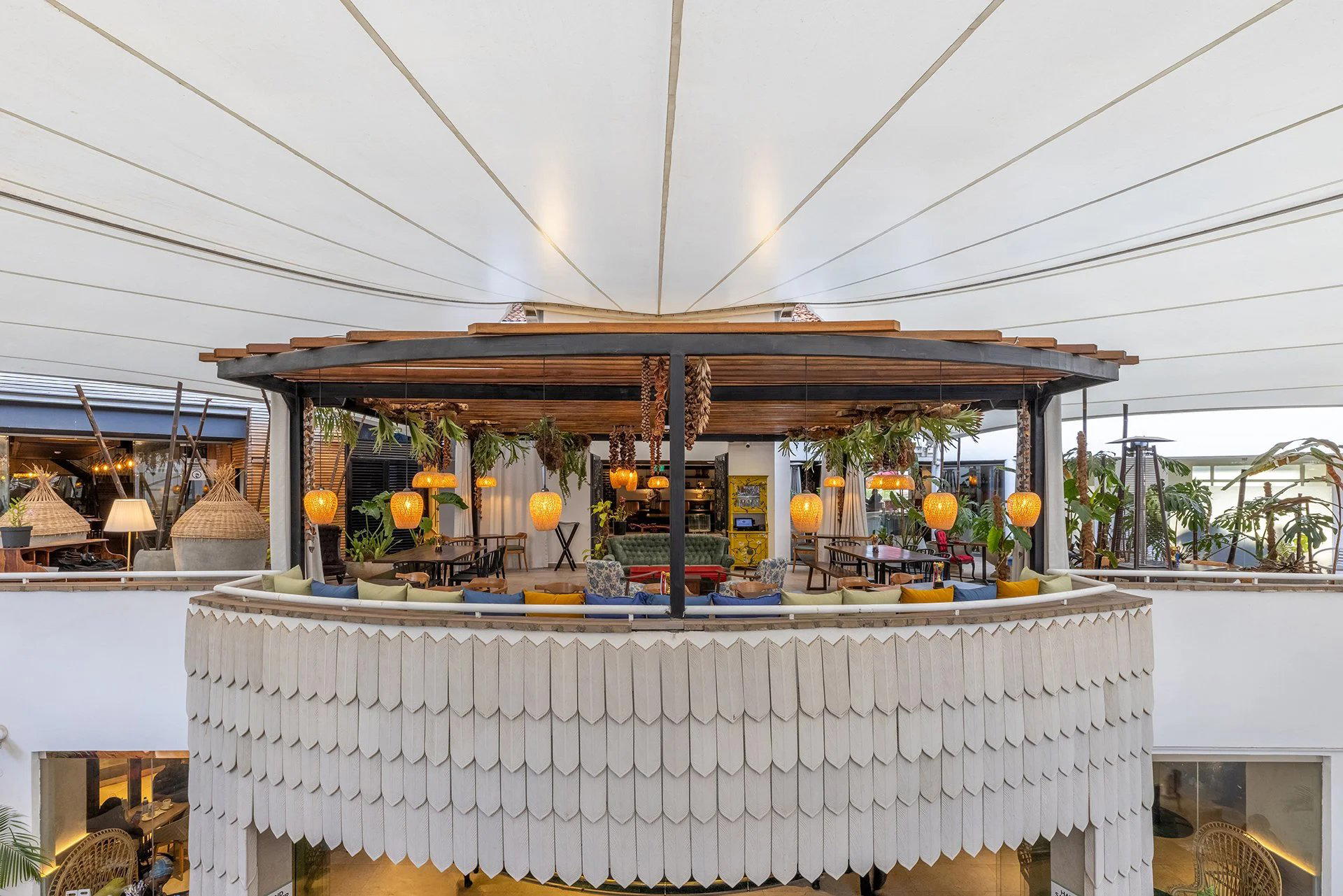
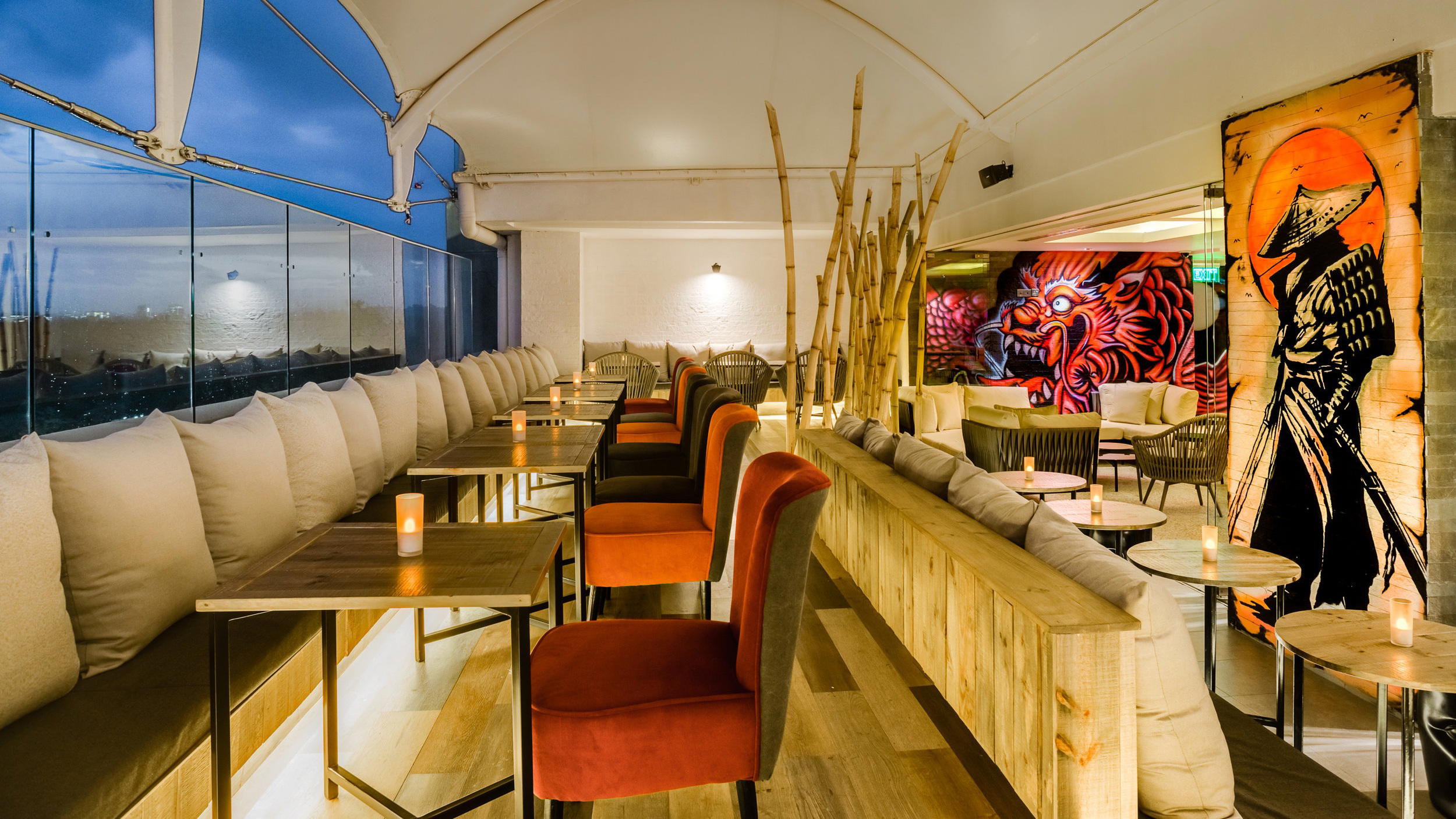
Details
- Lively
- Casual
- Cozy
- Casual Hangout
- Family
- Group Dining
- After Work
- Late Night
- Standalone
- Street Scene
- A La Carte
- Soft Drinks
- Tea Coffee
- Fresh Juice
- Vegetarian Friendly