Our verdict
BangBang Thai Kitchen belongs to Nairobi’s polished mall-dining circuit, where Thai cooking depends on a careful split between imported pantry staples and local produce. The useful question is not whether it replicates Bangkok, but how convincingly it handles Thai balance inside the practical rhythms of Village Market dining.

Pearl is the En Primeur Club membership app — saves, bookings, and concierge access live there. Same editors, same standards.
- Address
- Village Market, Opposite NCBA, Nairobi, Kenya
- Phone
- +254 732 186201
- Website
- bangbang-kenya.com
- Directions
- Get directions
- Booking
- Book on the venue's website
The menu
What to order
- Pad Thai
- Thai green curry
- Thai red curry
- Moo Yang (chargrilled pork belly)
- Lobster papaya salad
Approaching a restaurant in Nairobi changes the expectations before the menu arrives. The room competes with errands, families, office meals and late-afternoon coffee runs; the cooking has to hold attention without relying on ceremony. For Thai food in this setting, the test is balance: heat, acid, salt, sweetness and herbs need enough definition to cut through the city-dining rhythm.
BangBang Thai Kitchen sits inside that practical Nairobi category rather than the destination tasting-menu tier. The relevant comparison is not a Bangkok street stall or a hotel dining room, but the city’s growing group of international restaurants built for repeat local use. Harvest, Hero, Jiko, Pasta Republic and Kahani each answer a different Nairobi appetite, from polished nights out to more casual meals. Thai food occupies a narrower lane, because the cuisine depends heavily on pantry accuracy as well as fresh garnish.
Thai balance in a Nairobi supply chain
Ingredient sourcing matters more in Thai cooking than many casual diners assume. Fish sauce, curry pastes, tamarind, palm sugar, rice noodles and aromatics set the grammar; vegetables, herbs and proteins carry the local adaptation. In Nairobi, that often means a split kitchen logic: shelf-stable Southeast Asian ingredients anchor the flavour structure, while local produce shapes freshness, texture and availability. When the sourcing is handled well, the food reads as Thai rather than generically pan-Asian.
This is where BangBang Thai Kitchen has a clear editorial role in the city. Nairobi has long supported a wide spread of dining traditions, but Thai remains a smaller category. A focused Thai kitchen in Nairobi gives the cuisine a different audience from more formal dining rooms or special-occasion restaurants. It places lemongrass, chilli, lime and curry-paste cooking into the same everyday decision set as coffee, lunch meetings and family dinners.
That matters because Nairobi diners are not short of international options. Restaurant decisions can swing from relaxed settings and neighbourhood-style dining rooms to the café infrastructure and flexible casual restaurants found across the city. Other social dining formats show another side of Nairobi’s casual scene: groups, movement and adaptable pacing. Against that field, Thai cooking has to justify itself through precision rather than theatre.
Nairobi dining favours flexibility over ceremony
The venue’s setting gives it a built-in advantage and a limitation. Nairobi is not only a place for hushed dining rituals; it rewards restaurants that can handle mixed groups, changing schedules and diners who may be arriving before or after another plan. That makes the format useful for Thai food, because the cuisine can scale from light, sharp dishes to richer curry-and-rice meals without forcing a single tempo on the table.
The critical question for this category is how much complexity survives in a broad-access environment. Thai food loses force when chilli is flattened, acidity is softened too far, or sweetness becomes the dominant note. It gains credibility when the kitchen lets contrast remain visible. In Nairobi, where many international restaurants adapt toward comfort and consensus, a Thai kitchen earns repeat attention by protecting that tension while remaining legible to diners who may not know regional Thai distinctions.
The trust cue here is format, editorial fit and location within Nairobi rather than trophy culture. This is a practical, city-facing restaurant, not a chef-driven counter or a luxury hotel room. That distinction helps set expectations: the draw is accessible Thai cooking in Nairobi, not a formal tasting format. Readers building a wider Kenya itinerary can place it alongside the city guide rails: Our full Nairobi restaurants guide, Our full Nairobi hotels guide, Our full Nairobi bars guide, Our full Nairobi wineries guide and Our full Nairobi experiences guide.
Where it fits in a Kenya dining itinerary
For travellers, Nairobi often functions as a hinge between safari, coast and business travel. Dining choices in the capital therefore have to work harder than resort restaurants: they may need to serve a jet-lagged arrival, a family stop between activities or a casual dinner before an early departure. BangBang Thai Kitchen fits that middle register. It is more specific than an all-purpose café, less formal than a hotel dining room and more ingredient-dependent than many casual international formats.
Kenya’s broader dining map shows how context changes the meal. Coastal, safari and resort-area restaurants are often shaped by setting as much as cuisine. Nairobi restaurants answer a different need: consistency, access and enough culinary identity to make a routine meal feel chosen rather than default.
For a reader comparing Asian casual formats beyond Kenya, the contrast is useful. Larger global dining markets may have deeper Japanese, Thai or other specialist density. Nairobi’s Thai category is thinner, which makes sourcing discipline and flavour balance more visible. BangBang Thai Kitchen is worth reading through that lens: not as a trophy restaurant, but as evidence of how Nairobi’s international dining scene is becoming more specific, one focused cuisine at a time.
Frequently asked questions
Is BangBang Thai Kitchen child-friendly?
The Nairobi setting points to a practical, daytime-friendly stop rather than a formal dining room, which suits families more easily than hushed venues. For children, that setting is usually easier to manage than a tightly structured tasting menu spot.
Is BangBang Thai Kitchen better for a quiet night or a lively one?
It fits a lively meal better. Nairobi brings foot traffic and movement in many casual dining settings, so BangBang Thai Kitchen is a stronger fit for a relaxed, active meal than for a low-key, candlelit dinner.
Where is BangBang Thai Kitchen in Nairobi?
Nairobi.
Can I walk in to BangBang Thai Kitchen?
Its Nairobi setting suggests a practical format that may handle walk-ins more naturally than appointment-only dining. Timing still matters, especially around peak meal periods.
Fast Comparison
Comparable venues by cuisine and price in the same metro.
| Venue | Cuisine | Price |
|---|---|---|
| BangBang Thai KitchenThis venue — the venue you are viewing | Authentic Home-Style Thai | $20–30 |
| Harvest | International Open-Grill Brasserie | Not listed |
| Jiko | Creative African-Inspired Grill | Not listed |
| Pasta Republic | Italian Pasta | Not listed |
| Kahani | Modern Indian Fine Dining | Not listed |
Details
- Modern
- Trendy
- Lively
- Cozy
- Date Night
- Group Dining
- Family
- Casual Hangout
- Celebration
- After Work
- Standalone
- Design Destination
- Craft Cocktails
- A La Carte
- Family Style
- Small Plates
- Cocktails
- Beer
- Soft Drinks
- Vegetarian Friendly
- Vegan Options
- Gluten Free Options
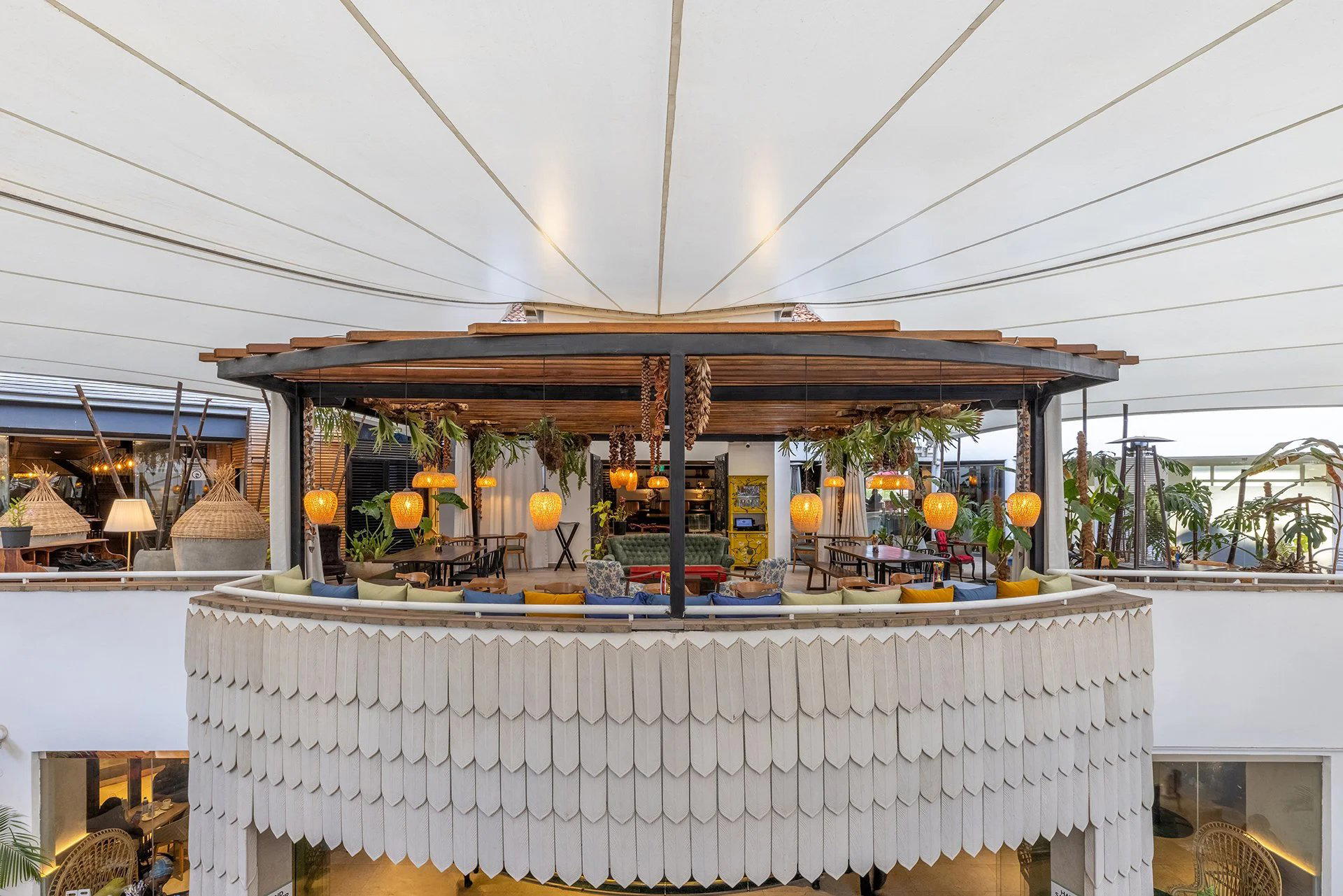
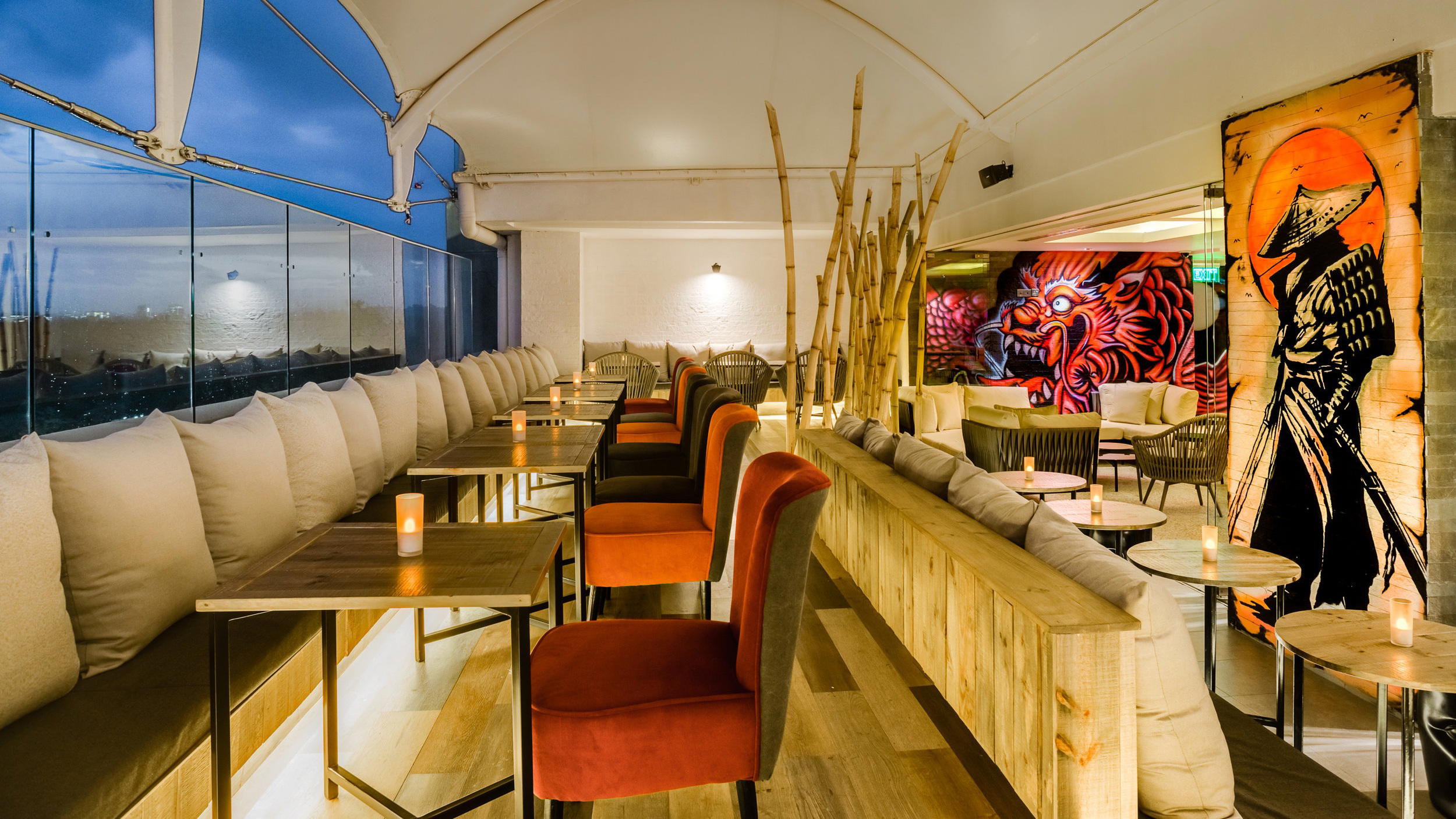
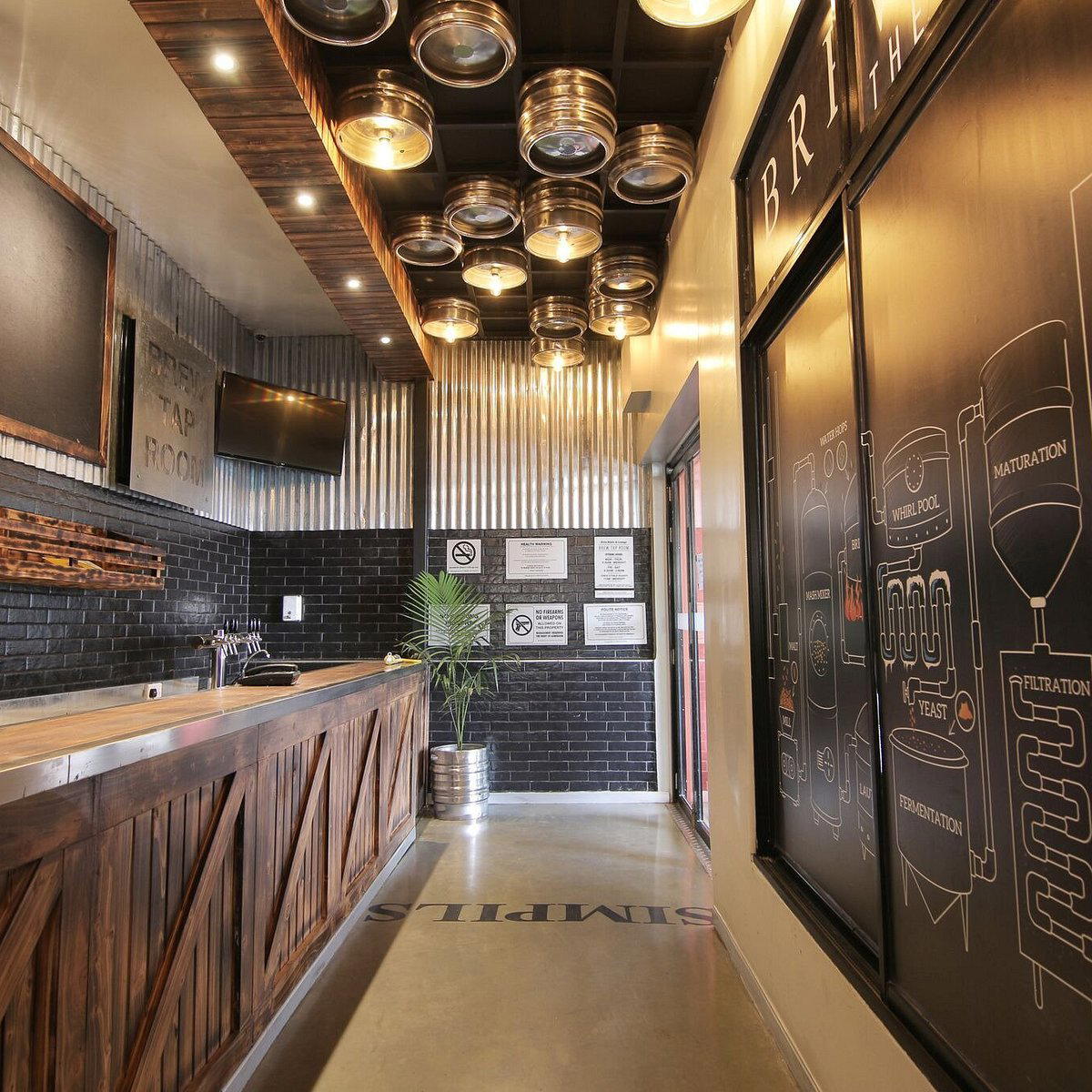
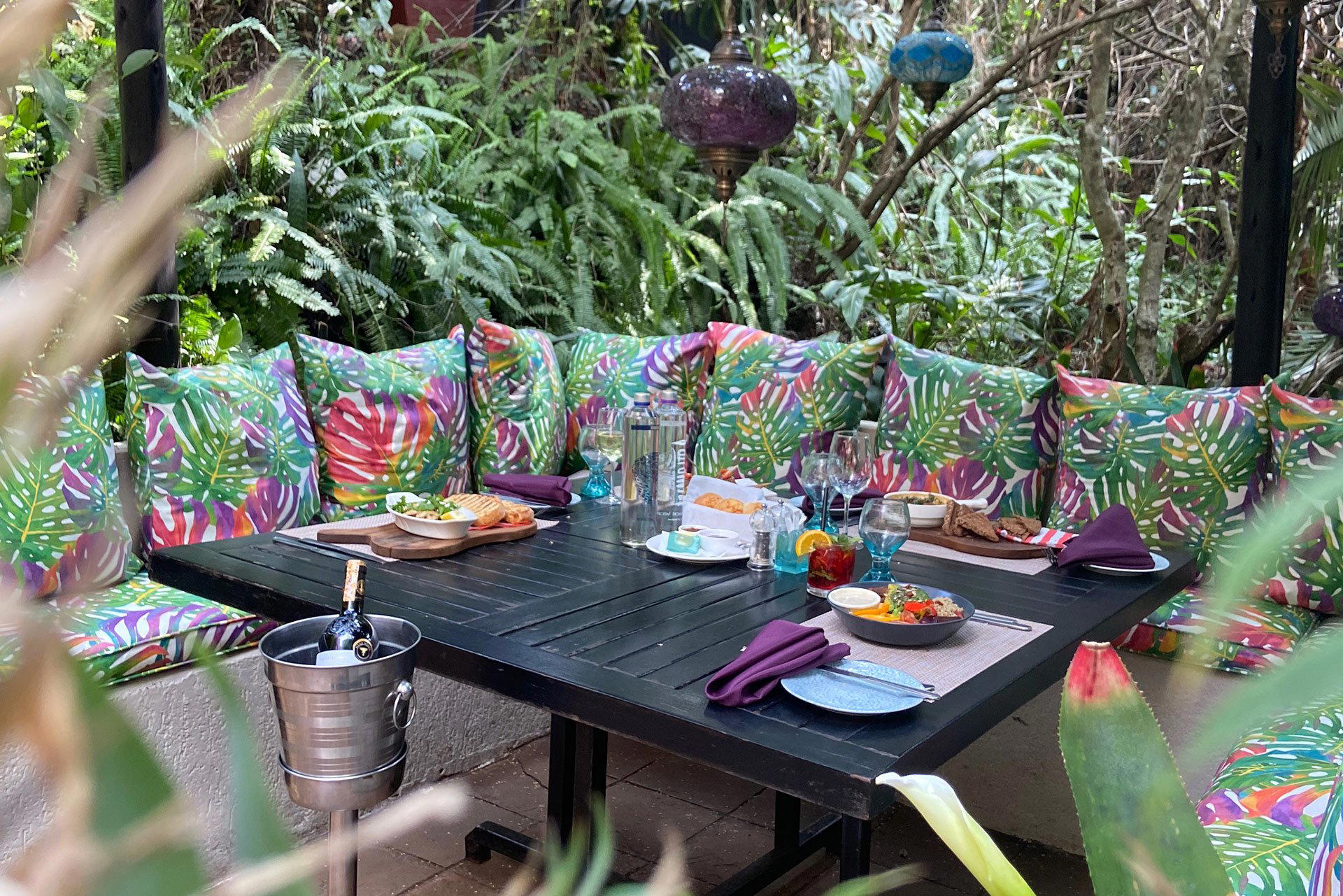
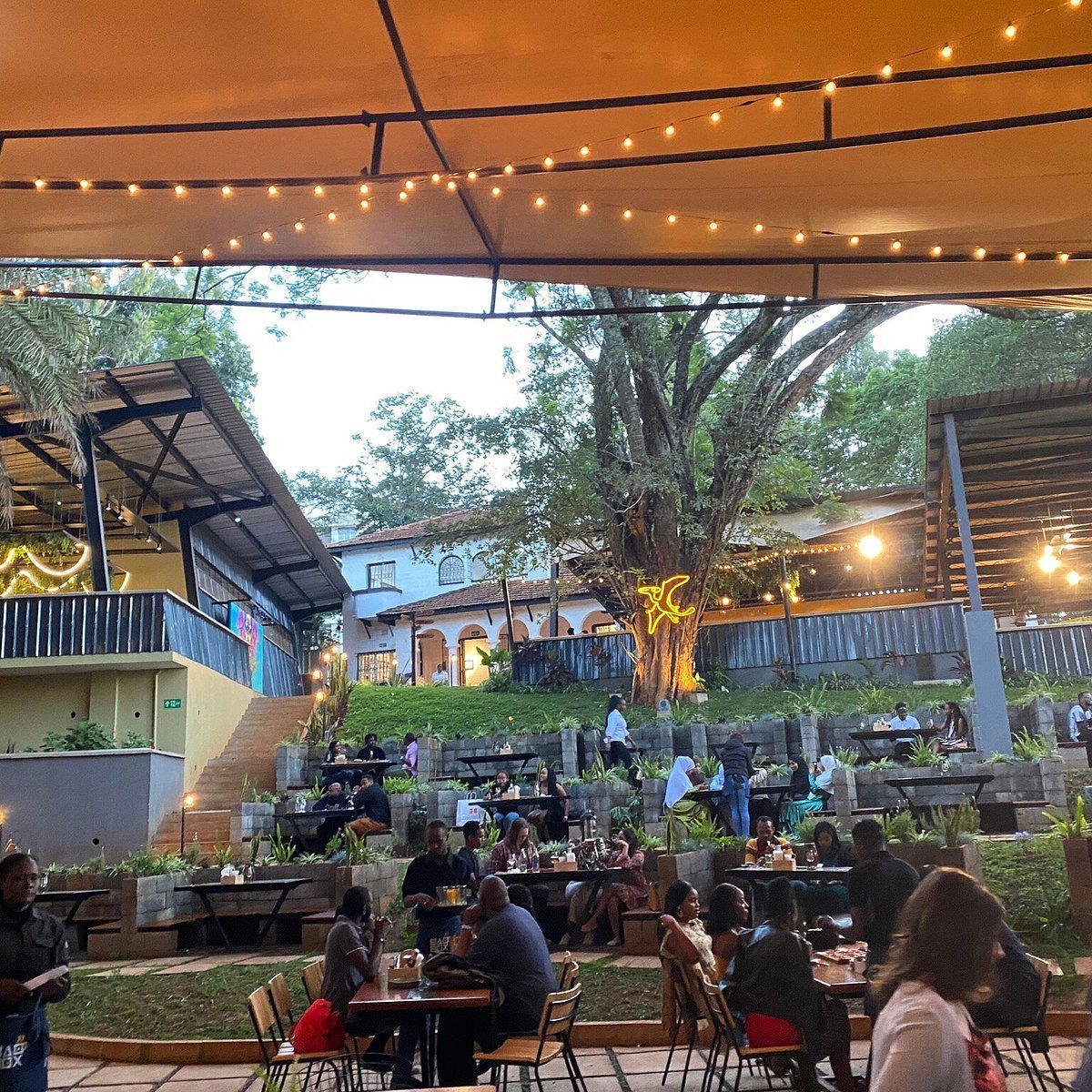
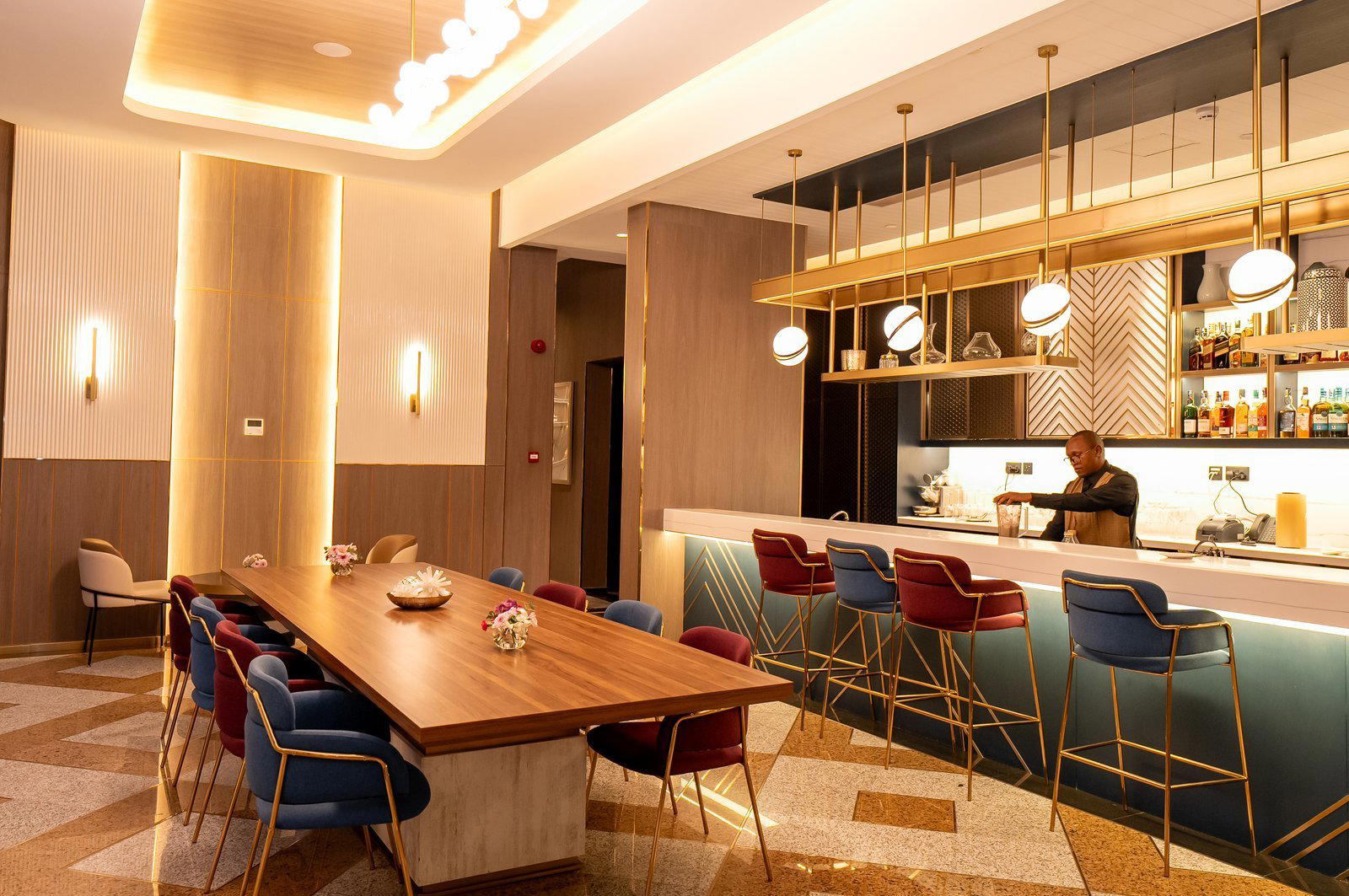
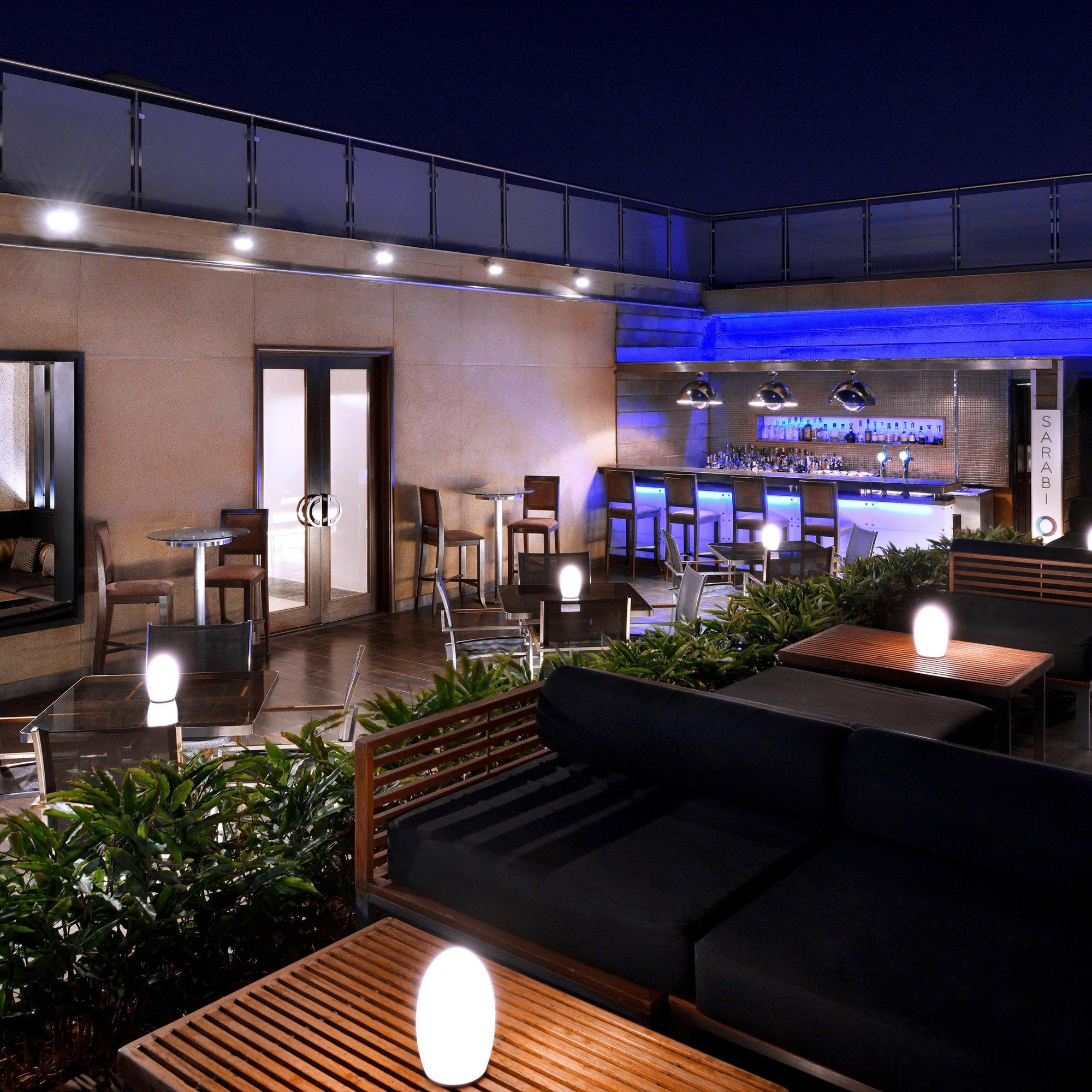
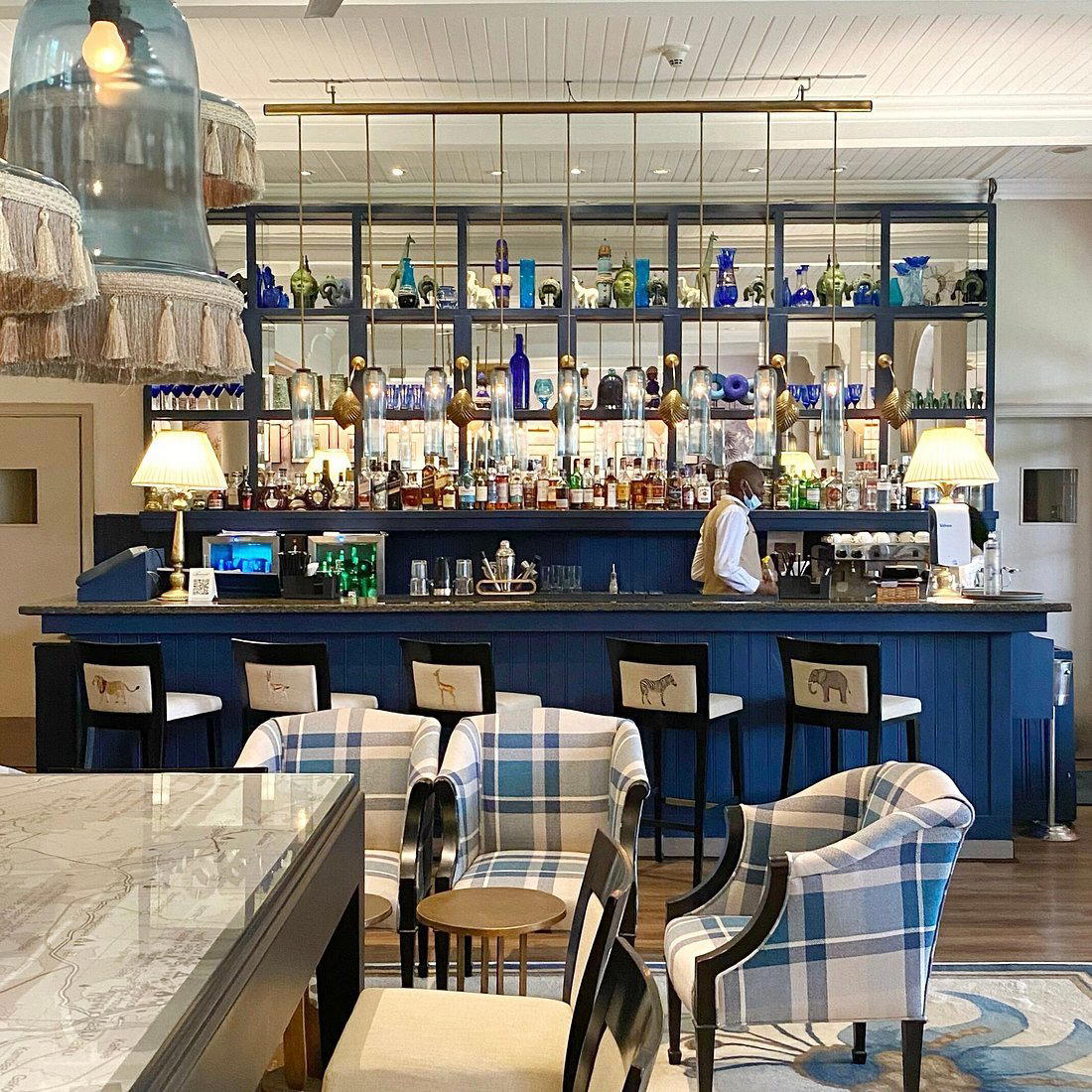
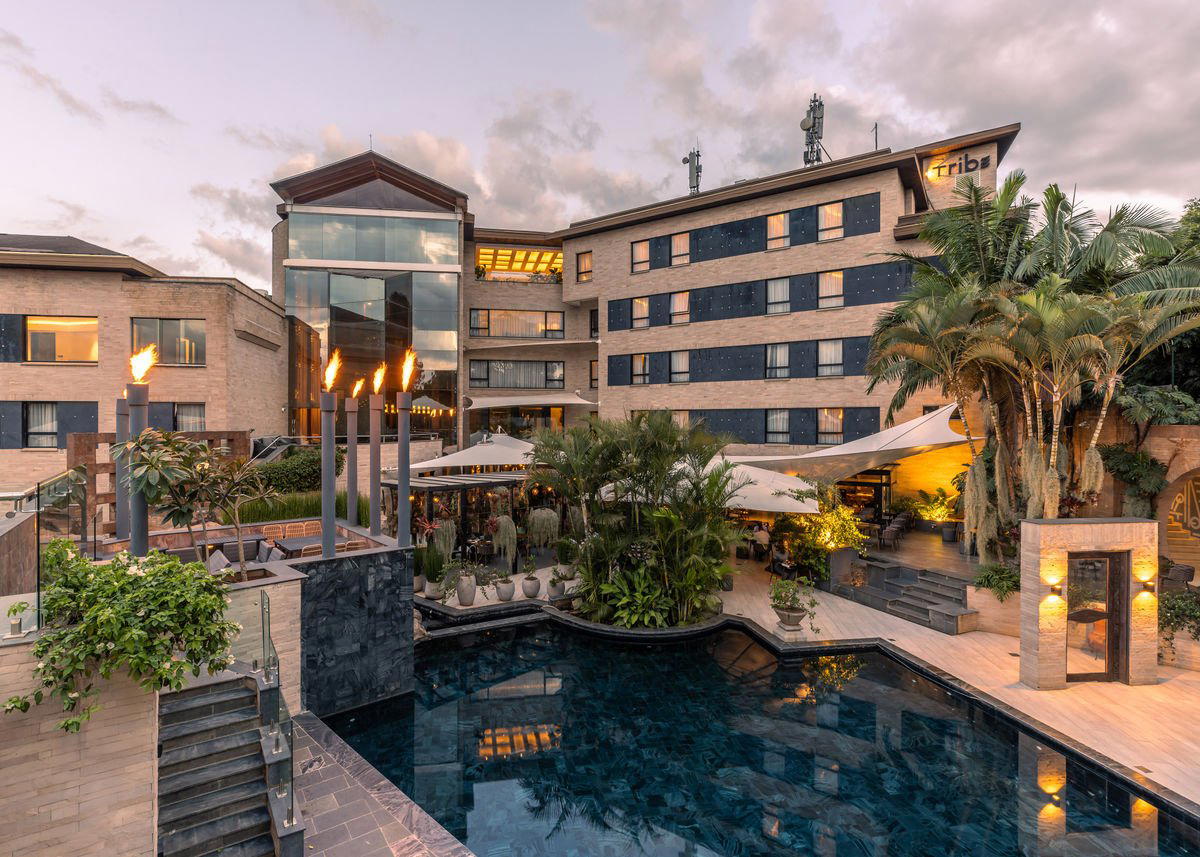
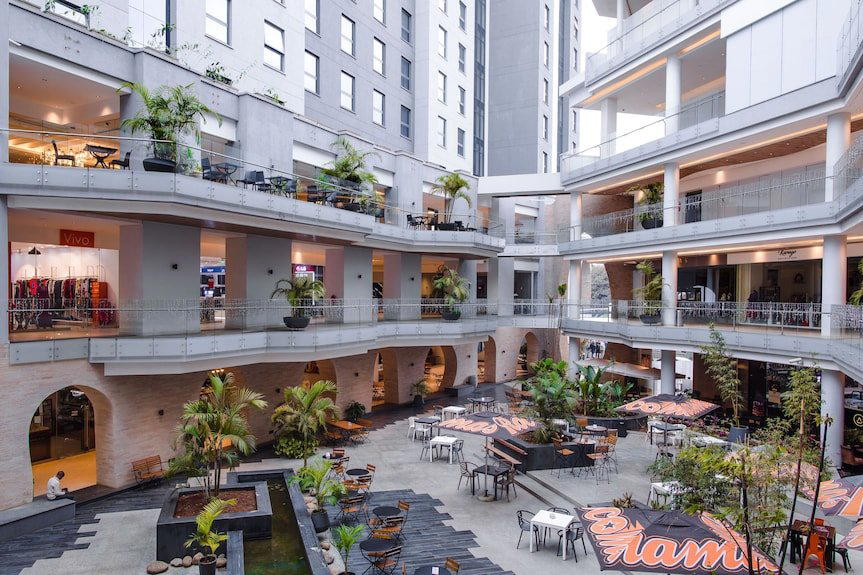
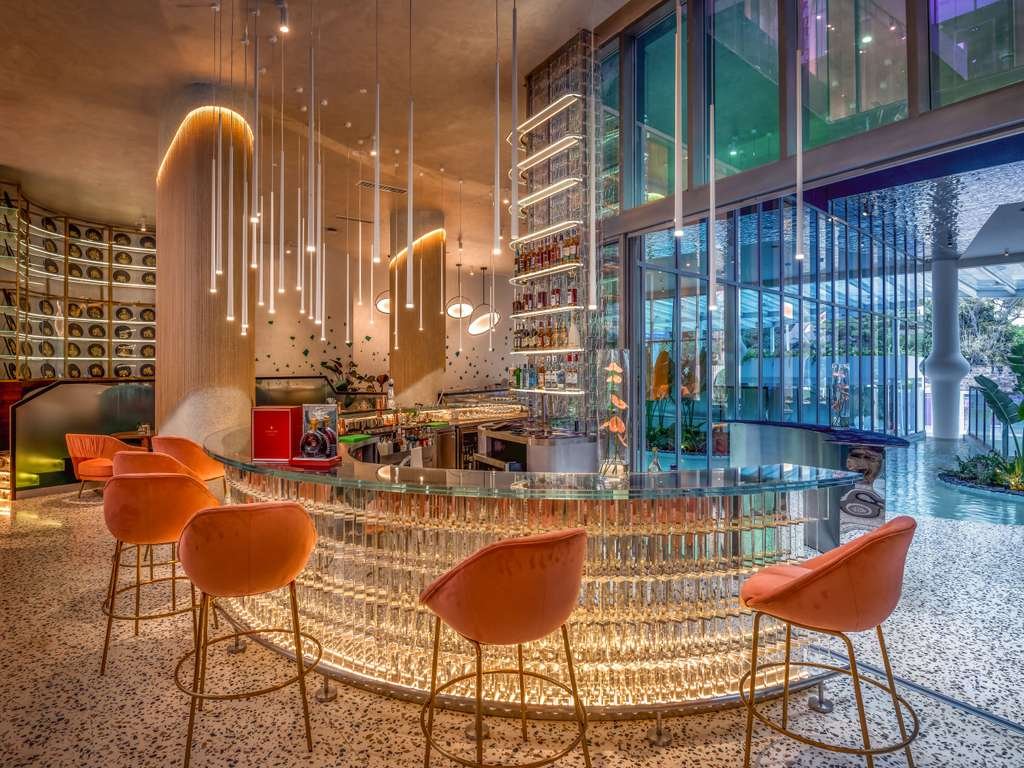
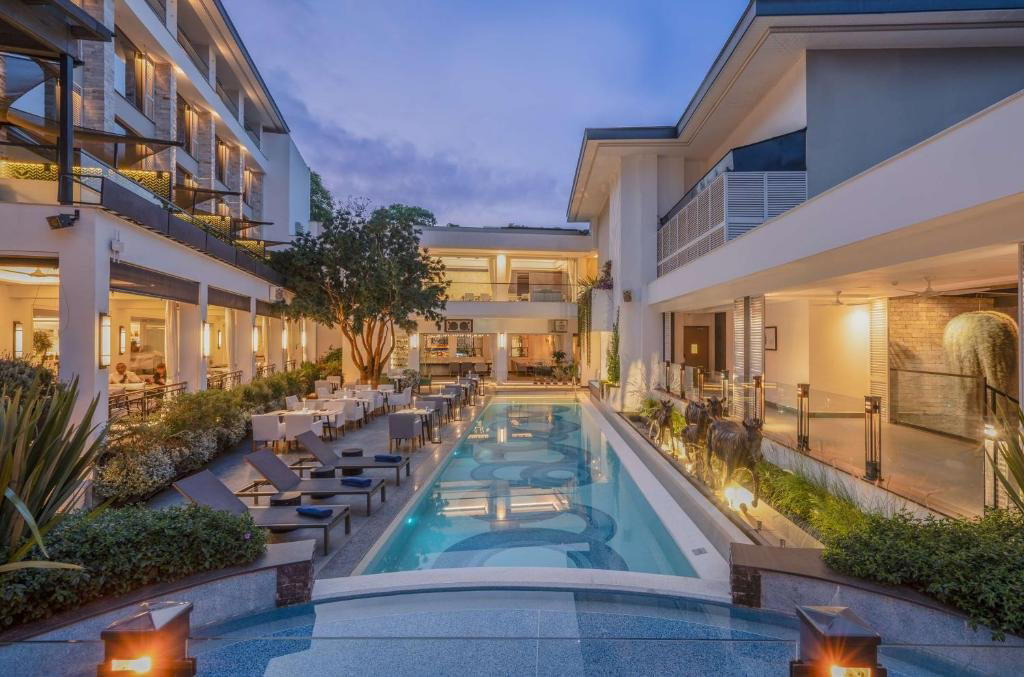
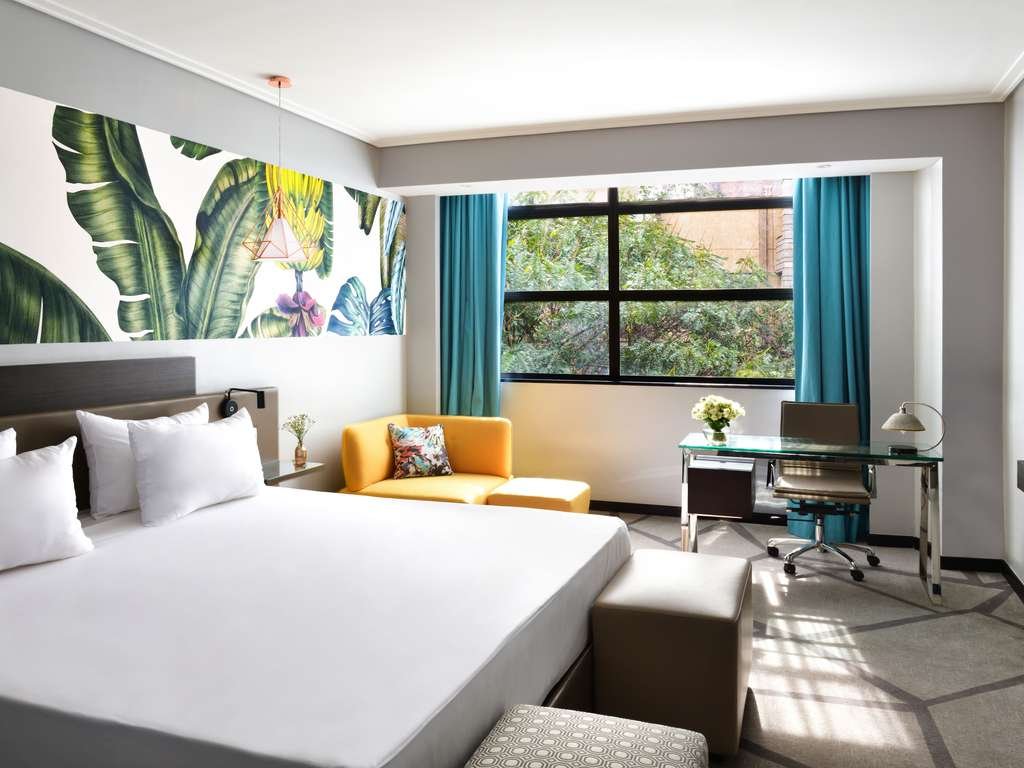
A stylish, contemporary dining room inside Village Market with warm lighting, colorful Thai accents, and a lively yet relaxed atmosphere that suits both casual meals and social gatherings.