Our verdict
Casa Molienda sits on Avenida Cristóbal Colón in Veracruz's Reforma district, a city whose port history has made it one of Mexico's most layered food cultures. The kitchen draws on the Gulf Coast's proximity to fresh seafood and the Veracruz interior's agricultural richness. For visitors tracing Mexico's regional cooking traditions, it belongs on the itinerary alongside the city's broader dining scene.

Pearl is the En Primeur Club membership app — saves, bookings, and concierge access live there. Same editors, same standards.
The menu
What to order
- Tacos de jaiba desnuda
- Carpaccio de res al mezcal
- Tapas de bacalao vizcaína
Where the Gulf Coast Comes to the Table
Veracruz has a claim on Mexican culinary history that few cities can match. Its port received the first wave of African, Spanish, and Caribbean ingredients into the country, and the cooking that developed here reflects that convergence in ways that are still visible on plates across the city. The Gulf shore supplies seafood harvested within hours of service; the Totonac and Nahua communities inland have kept chile and corn traditions intact for centuries. When a restaurant in this city sources well, it is not making a contemporary statement about farm-to-table ethics — it is simply cooking the way Veracruz has always cooked.
Casa Molienda occupies a spot on Avenida Cristóbal Colón in the Reforma neighbourhood, one of the quieter residential zones that sits apart from the zócalo's tourist density. The address, between Domínguez and the private lane that shares the boulevard's name, gives the place a neighbourhood character that visitors arriving from central Veracruz will notice immediately. This is not a restaurant designed around foot traffic. It operates for people who have sought it out.
The Sourcing Logic Behind Gulf Coast Cooking
In Mexico's broader conversation about ingredient provenance, the most discussed restaurants tend to cluster in Mexico City, Oaxaca, and Baja California. Pujol in Mexico City and Levadura de Olla Restaurante in Oaxaca have each built reputations on the idea that Mexican ingredients carry enough complexity to anchor serious cooking without foreign reference points. Olivea Farm to Table in Ensenada and Animalón in Valle de Guadalupe press the same argument from Baja's agricultural base. Veracruz enters this conversation differently: the sourcing is not a concept here but a consequence of geography. The Gulf of Mexico delivers huachinango, jaiba, and pulpo through a fishing industry that has supplied the city's markets for generations. The interior produces vanilla — the only region in Mexico where the orchid is cultivated commercially, along with chiles, citrus, and the piloncillo that anchors much of the region's sweet-savoury cooking.
A kitchen in this city that pays attention to what arrives at the market and what the season makes available is already working with some of the most distinctive raw materials in the country. The question is whether the cooking honours that material or buries it. Veracruz's traditional preparations, huachinango a la veracruzana with capers, olives, and tomato; arroz a la tumbada stirred with whatever the catch brought in that morning, are built around restraint, letting the protein and the acid do the work. Restaurants that follow this logic do not need to reach for imported technique to produce cooking of depth.
Reforma as a Dining Address
The Reforma district in Veracruz sits outside the postcard version of the city that most visitors experience. The malecón, the zócalo, the colonial arcades, those are the first day. Reforma is where the city lives, and restaurants in this zone operate at a different register than the tourist-facing spots closer to the waterfront. The address on Cristóbal Colón places Casa Molienda in a part of the city where the clientele is predominantly local, where the rhythms of the dining room follow the city's own schedule rather than a visitor's. That context matters for how a kitchen cooks: local regulars hold restaurants to regional standards, not to a generalist idea of what Mexican food should taste like.
For visitors, Reforma requires intention. You go because you have planned to, not because you wandered past. That filtering effect tends to produce a more focused dining room. Compare this to the experience at HA' in Playa del Carmen or Le Chique in Puerto Morelos, both of which operate in resort-adjacent contexts where the audience is mixed by design. Reforma is the opposite condition, and Casa Molienda reads accordingly.
Veracruz in the Context of Mexico's Regional Cooking
Mexico's regional cooking conversation has matured significantly in the past decade. The country's most discussed restaurants, Alcalde in Guadalajara, KOLI Cocina de Origen in Monterrey, Pangea in San Pedro Garza Garcia, have each built their identity around a specific regional ingredient base. Veracruz has historically been underrepresented in this national conversation despite its culinary depth, in part because the city lacks the media infrastructure of Mexico City or the international visibility of destinations like Tulum, where Arca draws a global clientele. Huniik in Merida and Lunario in El Porvenir represent the pattern of serious regional cooking that has developed away from the capital's spotlight.
Casa Molienda belongs to this broader pattern of places doing substantive work in cities that international food media has not yet fully covered. Nearby, Mardel represents another point of reference for the city's current offer. Our full Veracruz restaurants guide maps the broader picture.
Planning Your Visit
Casa Molienda is at Avenida Cristóbal Colón 262, in the Reforma district of Veracruz, a neighbourhood leading reached by taxi or rideshare from the city centre, as the address sits outside comfortable walking distance from the historic zócalo. Given the neighbourhood's local character, arriving at standard Mexican dining hours, lunch from 2pm onward is the primary meal service in this part of the country, is the sensible approach.
For visitors building a Veracruz dining itinerary, the city rewards the kind of attention that leads you past the waterfront restaurants and into addresses like this one. The Gulf Coast's ingredient base, fresh seafood, indigenous chiles, local vanilla, Gulf-grown citrus, is available to any kitchen that shops the markets. The restaurants that use it well are the ones worth finding. For comparison at the international end of the seafood-focused spectrum, Le Bernardin in New York City and Atomix in New York City illustrate how ingredient-driven discipline operates at the highest documented tier, a useful frame for understanding what serious sourcing-led cooking can achieve, wherever it happens. Veracruz, with its unmatched access to Gulf seafood and interior agricultural traditions, is a city where that discipline has deep roots. Carnitas Don Vasco in Cancún and California Prime in Celaya represent other regional meat-focused traditions worth knowing as context for how Mexico's cooking divides by geography and ingredient access.
Frequently asked questions
Would Casa Molienda be comfortable with kids?
Casa Molienda sits in the Reforma district of Veracruz, a residential neighbourhood removed from the tourist circuit around the zócalo and malecón. The setting is low-key rather than formal, which generally works well for families.
What kind of setting is Casa Molienda?
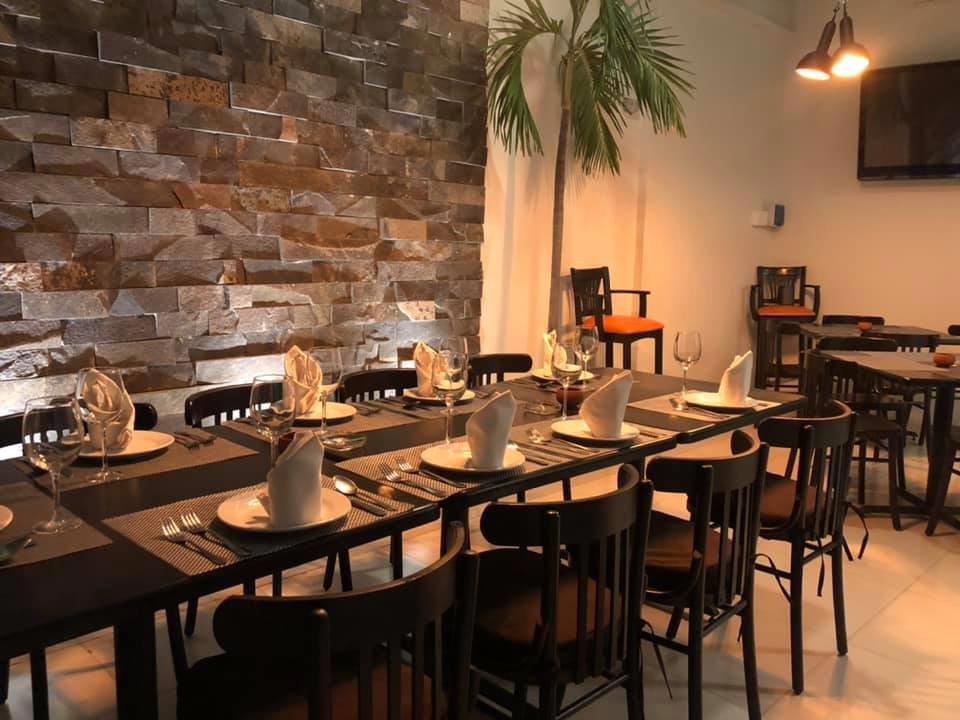
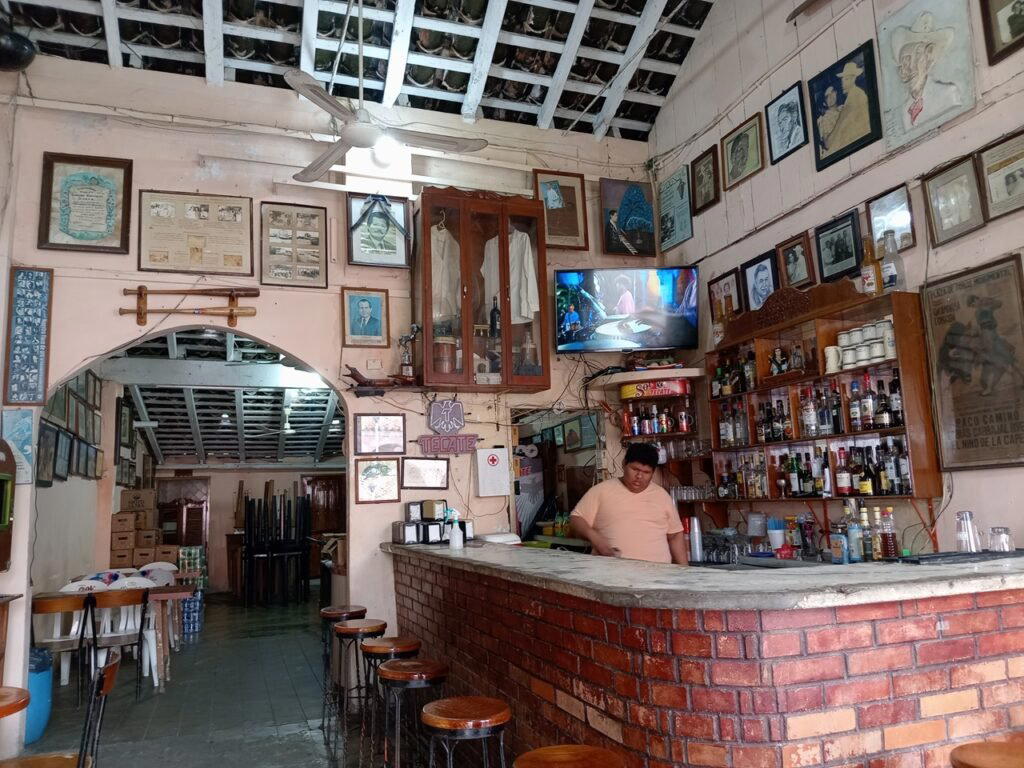
The address on Avenida Cristóbal Colón 262 places Casa Molienda in Reforma, a district that functions as a working neighbourhood rather than a tourist zone. Expect a setting that reflects everyday Veracruz rather than a polished dining-destination aesthetic. It is the kind of address where context and cooking take precedence over décor.
Is Casa Molienda a good option for experiencing authentic Veracruz cuisine away from the tourist centre?
Casa Molienda's location in the Reforma district, at Avenida Cristóbal Colón 262, places it outside the well-worn visitor trail concentrated around the malecón and colonial centre. Veracruz holds a distinctive position in Mexico's culinary history as the port where Spanish, African, and Caribbean ingredients first converged on Mexican cooking, and restaurants operating in residential neighbourhoods like Reforma tend to serve that tradition for a local rather than tourist audience. For anyone whose interest is in regional cooking as Veracruzanos actually eat it, this address is worth the short taxi or rideshare ride from the city centre.
What do regulars order at Casa Molienda?
The kitchen draws on the ingredient traditions that define Veracruz cooking: Gulf seafood, African and Caribbean-influenced preparations, and produce shaped by the port city's layered culinary history. Without a confirmed menu on record, the honest answer is that the specifics are best discovered on arrival. Asking staff what came in that day is the most reliable approach at any restaurant rooted in Gulf Coast sourcing.
What part of town is Casa Molienda in?
Casa Molienda is located at Av Cristóbal Colón 262, entre Domínguez y privada Cristobal Colón, Reforma, 91919 Veracruz, Ver. Mexico, Veracruz.
A Quick Peer Check
Comparable venues nearby, for context on price, style, and recognition.
| Venue | Cuisine | Price | Awards | Notes |
|---|---|---|---|---|
| Casa MoliendaThis venue — the venue you are viewing | Modern Mexican-French Fusion | $20–30 | Not listed | Not listed |
| Mardel | Mexican Fusion Seafood | $20–30 | Star Wine List | Zaragoza |
| Tlayudas Doña Flavia | Oaxacan Tlayudas | $1–10 | Not listed | Santa Lucía del Camino |
| Restaurant Campestre | Traditional Mexican | $10–20 | Not listed | Ampliacion Mariano Matamoros |
| El Gran Cazador | Mexican Exotic Meats & Insects | Not listed | Not listed | Cuauhtémoc |
| La Parrilla | Traditional Mexican Grill | $20–30 | Not listed | Zona Hotelera |
Continue exploring
More in Veracruz
Restaurants in Veracruz
All restaurants in Veracruz →
Bars in Veracruz
Browse all →
Casa Molienda
The wine
- Wine program
- Curated wine list
- Extensive wine list
Details
- Intimate
- Cozy
- Rustic
- Date Night
- Special Occasion
- Family
- Open Kitchen
- Extensive Wine List
- A La Carte
- Small Plates
- Vegetarian Friendly
Current opening hours
- Monday
- Closed
- Tuesday
- 1:30–10 PM
- Wednesday
- 1:30–10 PM
- Thursday
- 1:30–10 PM
- Friday
- 1:30–10 PM
- Saturday
- 1:30–10 PM
- Sunday
- 1:30–6 PM
Hours can change for holidays and private events. Last verified .
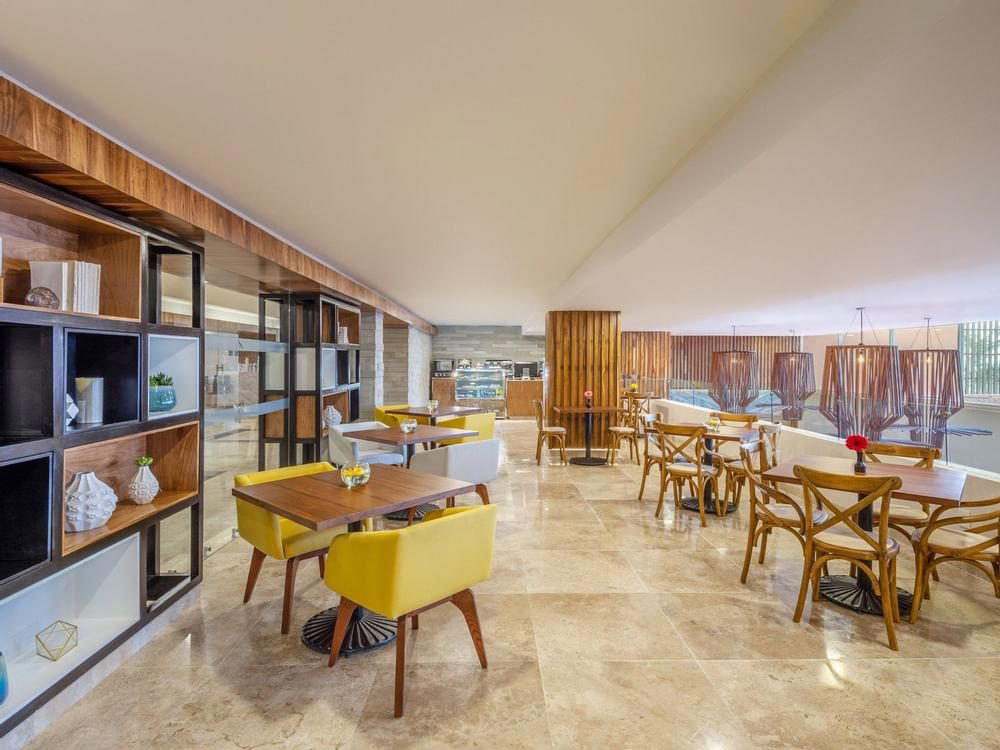
Cozy and tastefully decorated with an unpretentious exterior, focusing on intimate dining that emphasizes food and company.