Casa Brindisa
Casa Brindisa occupies a prime stretch of Exhibition Road in South Kensington, positioning Spanish tapas culture squarely against one of London's densest concentrations of museums and cultural institutions. Part of the Brindisa family, whose Borough Market roots stretch back decades, it channels Iberian ingredients and a convivial, share-plate format into a room that earns its place among London's reliable Spanish addresses.
Pearl is the En Primeur Club membership app — saves, bookings, and concierge access live there. Same editors, same standards.
- Address
- 7-9 Exhibition Rd, South Kensington, London SW7 2HE, United Kingdom
- Phone
- +44 20 7590 0008
- Website
- brindisakitchens.com
- Directions
- Get directions
 Saves & bookings on Pearl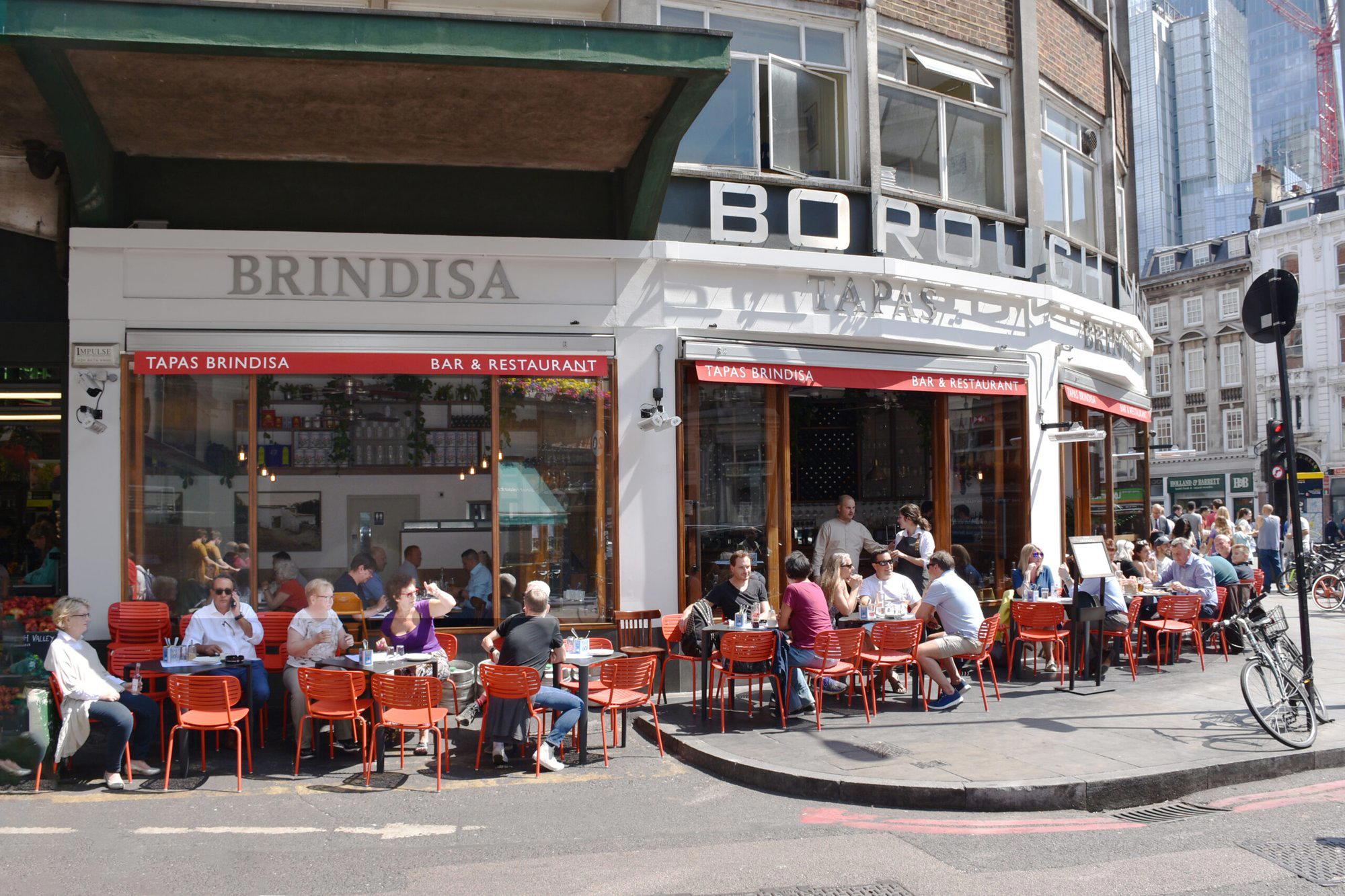
Exhibition Road and the Architecture of Casual Eating
Exhibition Road in South Kensington is one of London's more architecturally loaded streets. The Natural History Museum, the Victoria and Albert, the Science Museum, cultural weight accumulates on this stretch in a way that shapes how its restaurants function. Visitors arrive already attuned to context and detail, which puts a particular pressure on the spaces that feed them. Casa Brindisa, at 7 to 9 Exhibition Road, sits precisely in this environment, and the room responds to it: the interior reads as a considered Spanish bodega transplanted to a Victorian streetscape, with tiled surfaces and dark wood.
The design language matters here because it does real work. Spanish tapas culture has always been about spatial democracy, small dishes that circulate, seating arrangements that encourage overstaying, counters and high tables that collapse the formality between kitchen and guest. When London restaurants adopt this format, the quality of the room determines whether the format lands or feels retrofitted. At Casa Brindisa, the physical container is coherent enough that the share-plate rhythm feels native rather than borrowed.
The Brindisa Lineage and What It Signals for the Menu
Understanding Casa Brindisa requires a brief account of its parentage. Brindisa as a company has been importing Spanish produce into the United Kingdom since the late 1980s, with a Borough Market presence that predates most of London's current enthusiasm for Iberian ingredients. That supply-chain depth is not incidental to what arrives on the table. Spanish restaurants in London split broadly between those working from imported commodity stock and those with direct producer relationships; the Brindisa operation sits in the latter category, and the menu reflects access to charcuterie, cheeses, and tinned goods that carry genuine regional specificity rather than generic Iberian branding.
This positions the restaurant differently from the Spanish-themed casual dining that proliferates across London. The comparison set is not chains or hotel lobby tapas bars. It sits closer to operators like Barrafina (which began as a Brindisa-adjacent project before operating independently) and the handful of London addresses that treat Spanish ingredients as a serious curatorial exercise rather than a decorative theme.
What the Space Communicates Before the Food Arrives
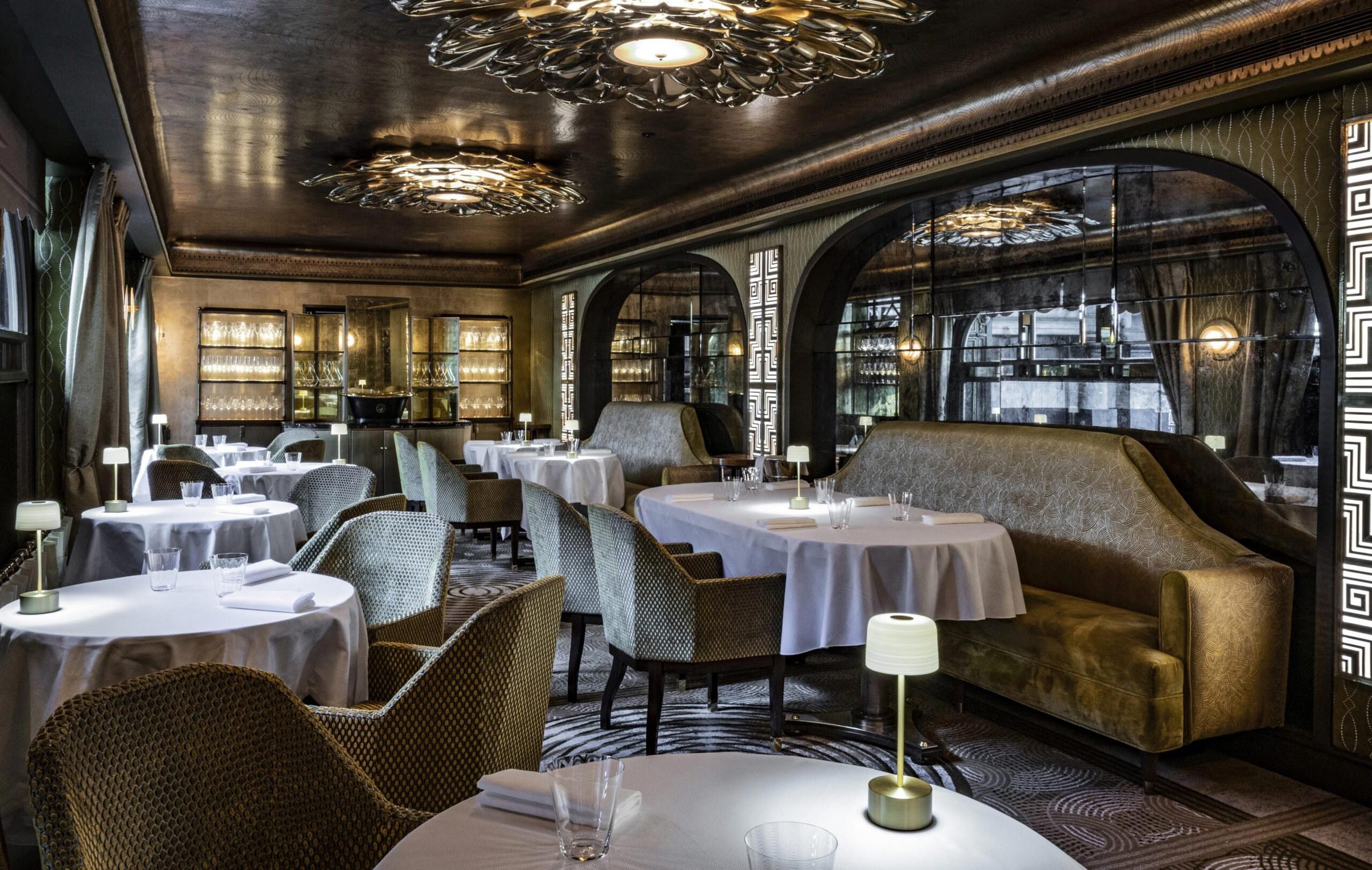
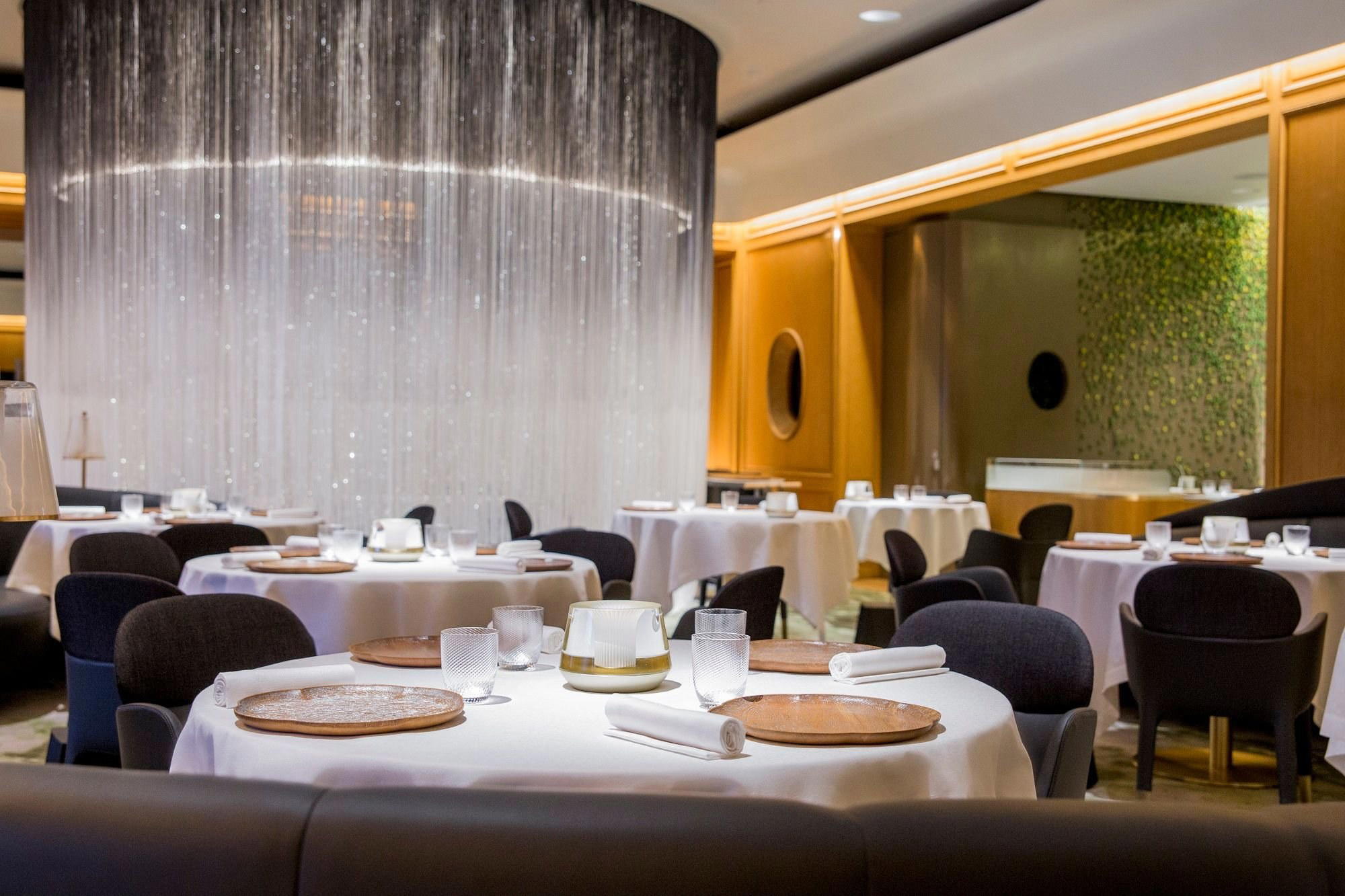
Editorial angle matters in room design. Some London restaurants use interiors to announce ambition upward, the kind of fit-out that signals Michelin consideration, where every surface choice is a credential. Others design downward toward accessibility. The restaurant occupies a middle register that is worth identifying clearly: the room is comfortable without being luxurious, specific without being precious. Ceramic tile work, dark timber, and a deliberately unhurried service rhythm place it in the Spanish bodega tradition rather than the contemporary fine-dining bracket occupied by addresses like CORE by Clare Smyth, Sketch, The Lecture Room and Library, or The Ledbury.
That distinction is not a criticism, it is a category clarification. London's dining hierarchy runs from three-Michelin-star rooms like Restaurant Gordon Ramsay down through a dense mid-market of neighbourhood restaurants and cultural-district addresses. The restaurant inhabits the latter with confidence. Its comparable set is not the city's formal fine-dining tier; it is the cohort of London restaurants that do one regional cuisine with genuine ingredient authority and a room designed to encourage longer, more relaxed meals.
South Kensington as a Dining Context
The South Kensington dining scene has historically skewed toward international visitors, museum traffic, hotel guests, families with children between exhibitions, which tends to push restaurants in two directions: toward crowd-pleasing generalism or toward the kind of destination dining that draws from across the city. The restaurant threads between these. The location on Exhibition Road means it captures museum-day traffic, but the Brindisa provenance gives it enough credibility to draw Londoners who know the brand from Borough Market and want something more reliable than a tourist-facing casual. That dual audience dynamic is part of what makes the room feel lived-in rather than transitional.
For visitors combining South Kensington's cultural institutions with a meal, the proximity is direct: the restaurant sits within a short walk of the main museum cluster. For London residents, it functions as a reliable Spanish address west of the river, at a price point that sits below the high-end Spanish operators in Mayfair but above the casual end of the category.
Planning a Visit
The restaurant operates in a high-footfall corridor that attracts significant weekend and post-museum traffic. Booking ahead is advisable, particularly for weekend lunch, which is the session most affected by museum visitor patterns. The share-plate format means tables turn at different rates depending on group size; smaller parties of two tend to move through faster than groups ordering across the full menu.
Address: 7 to 9 Exhibition Road, South Kensington, London SW7 2HE. Reservations: Recommended. Dress: Smart casual. Budget: About $35 per person.
Reputation First
Comparable venues nearby, for context on price, style, and recognition.
| Venue | Cuisine | Price | Notes |
|---|---|---|---|
| Casa BrindisaThis venue — the venue you are viewing | Authentic Spanish Tapas | $$ | Not listed |
| Tapas Revolution | Spanish Tapas | $$ | White City |
| Barcelona Tapas - City EC3 | Authentic Spanish Tapas | $$ | Spitalfields |
| Tapajax | Spanish Tapas | $$ | Balham |
| Opera Tavern | Spanish and Italian Tapas | $$$ | Aldwych |
| El Vino | Traditional Spanish Tapas & Wine Bar | $$ | Temple |
Continue exploring
More in London
Restaurants in London
Browse all →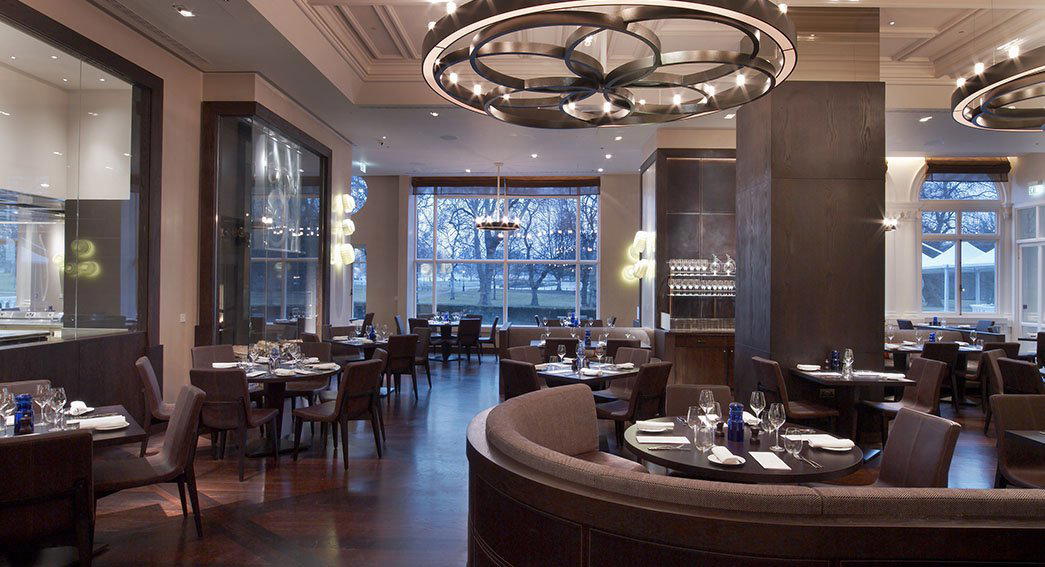
Bars in London
Browse all →
Hotels in London
Browse all →


At a Glance
- Lively
- Cozy
- Intimate
- Date Night
- Group Dining
- Casual Hangout
- Open Kitchen
- Extensive Wine List
Current opening hours
- Monday
- 10 AM–12 AM
- Tuesday
- 10 AM–12 AM
- Wednesday
- 10 AM–12 AM
- Thursday
- 10 AM–12 AM
- Friday
- 10 AM–12 AM
- Saturday
- 10 AM–12 AM
- Sunday
- 10 AM–12 AM
Hours can change for holidays and private events. Last verified .
Intimate and atmospheric with a bustling bodega feel, warm conservatory dining room, and lively energy from the open kitchen.