Calcutta Street
Calcutta Street in London brought authentic Calcutta-Bengali cooking to Fitzrovia, led by chef Shrimoyee Chakraborty. Must-try dishes included phuchka, slow-cooked kosha mangsho and mishit aam doi, each delivering bright tamarind tang, layered spices and creamy mango yogurt. The restaurant stood out for its supper-club origins, a compact menu that favored slow-simmered mains and crisp street-food snacks, and a warm, hands-on service style. Reviews from critics such as Picky Glutton and Andy Hayler praised its faithful flavors and homely technique. Expect punchy spice, deep braises, fried beguni and freshly made breads that create memorable, appetite-driven moments in an intimate two-floor Fitzrovia dining room.
- Address
- 29 Tottenham Street, London, W1T 4RP, United Kingdom
- Phone
- 0207 636 2744
- Website
- calcuttastreet.com
- Directions
- Get directions
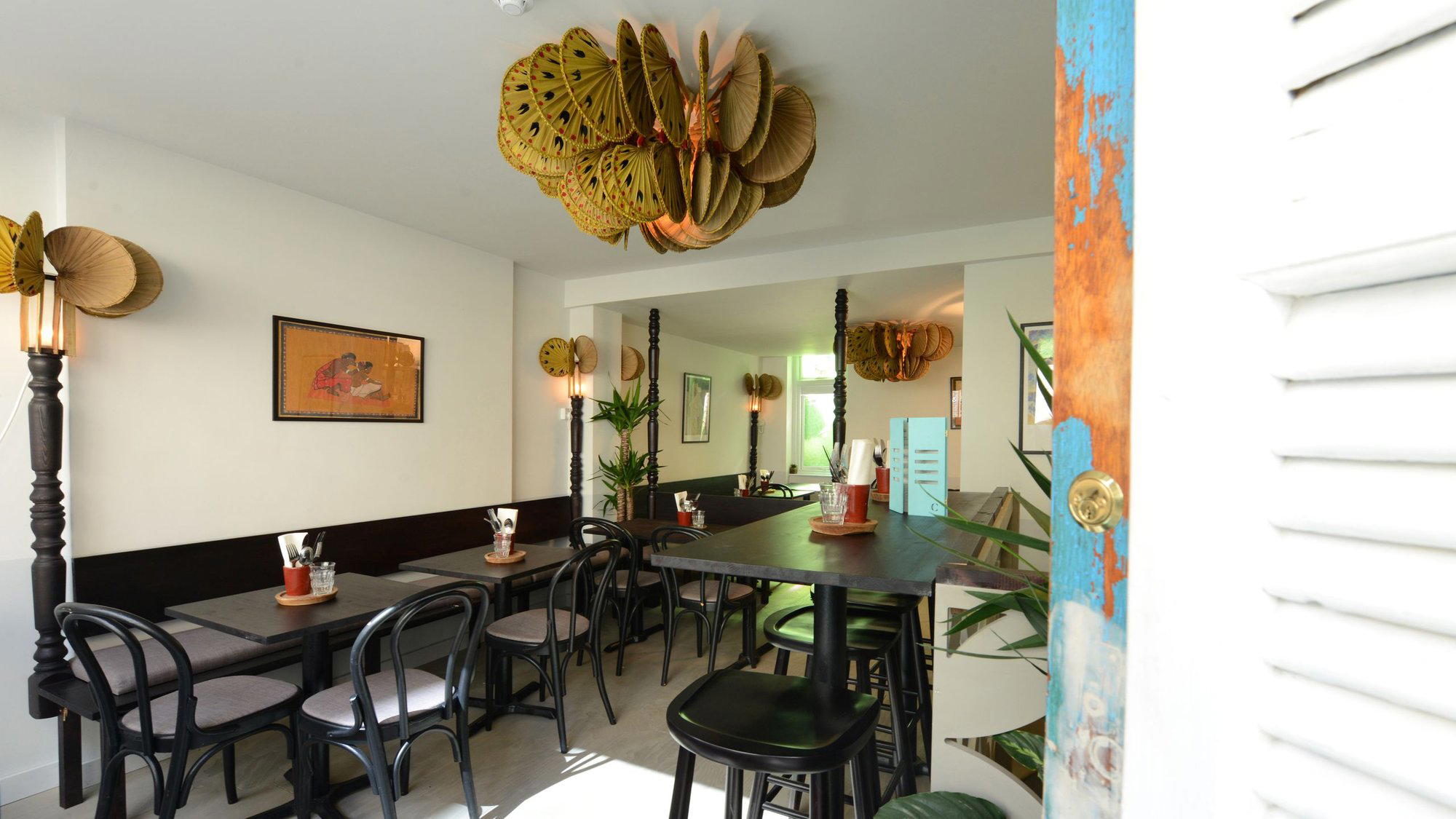
Calcutta Street is a restaurant at 29 Tottenham Street in Fitzrovia, London. Calcutta Street in London began life as a supper club and pop-up before opening at 29 Tottenham Street in Fitzrovia in August 2016. From the first night, the restaurant focused on honest Calcutta-Bengali home cooking: bold, slow-simmered curries, crisp fried snacks and small plates that invite sharing. In the dining room you felt the immediacy of family recipes translated for city diners, with phuchka offering a sharp tamarind hit and kosha mangsho delivering long-braised depth.
For travellers seeking authentic Bengali gastronomy in central London, Calcutta Street became a distinct option in a crowded market. The restaurant fused street flavors, homely technique and a compact menu that made ordering simple and satisfying. The kitchen worked in plain view of a small, attentive front of house, and the address on Tottenham Street placed the restaurant within easy reach of Charlotte Street dining and West End theatres. The primary experience centered on food with texture and heat, from the crunch of semolina phuchka to the unctuous pull of slow-cooked lamb.
The kitchen was led by Chef Shrimoyee Chakraborty, known as Shrim, a Calcutta-born, self-taught cook who moved from finance to food through blogging and pop-ups. Her approach emphasized family methods over formal technique, prioritising bone-in, slow-cooked dishes like kosha mangsho and street snacks such as phuchka and beguni. Shrim’s vision was to present "new-old Indian" cooking that rejected generic North Indian plates in favour of regional specificity. Critics including Picky Glutton and Andy Hayler flagged the restaurant for its sincerity and flavor focus, and its supper-club roots gave the place a convivial, informal energy.
While the restaurant earned praise for authenticity, reviewers noted occasional inconsistency across dishes, a common challenge in tightly run kitchens that prize deep flavors. The menu architecture leaned away from tasting menus and toward a short à la carte selection of starters and mains, making it easy to pair bold curries with freshly made breads. This allowed the kitchen to concentrate on technique: delicate frying for beguni, rapid assembly for phuchka, and long, low-temperature braising for lamb. Signature dishes exemplified that range.
Phuchka arrived as crisp semolina shells filled tableside with spiced potato and a tamarind-mint liquid that popped on the palate. Kosha mangsho was slow-cooked on the bone, yielding gelatinous sauce, warm heat from whole spices, and a tang that balanced the fat. Beguni battered and fried aubergine offered light, crackling batter and sweet eggplant flesh. Tiger prawns were grilled with char and masala, while paneer curry focused on soft, house-made cheese in a spiced, lightly reduced sauce.
Desserts such as mishit aam doi, sweet, thick yogurt with mango, closed the meal with clean acidity and creamy sugar balance. Techniques were direct and ingredient-led: frying for texture, long simmering for tensile depth, and careful balancing of acidity and heat. Seasonal changes were rare on the published menus, but the kitchen used fresh produce where possible to sharpen flavors. Inside, the restaurant sustained a warm, inviting atmosphere across two modest floors.
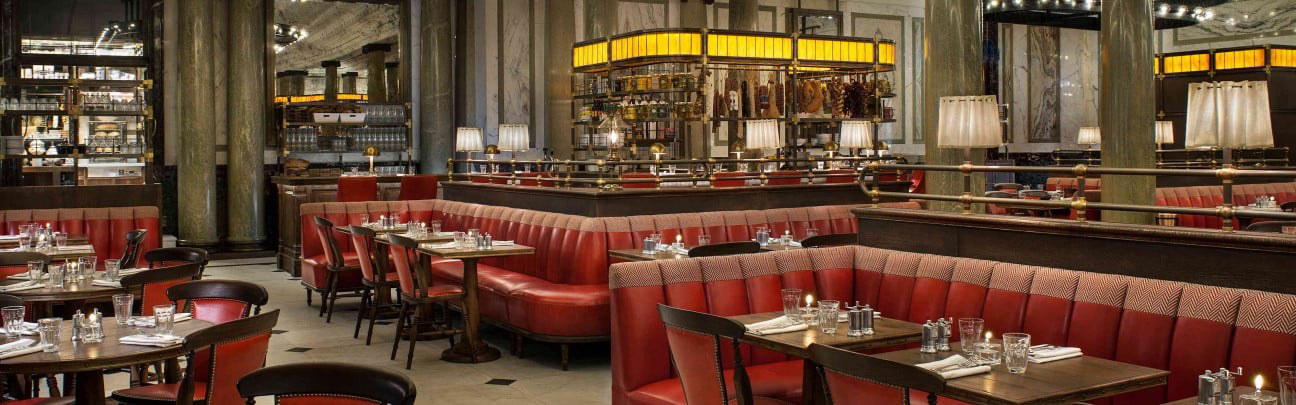
The décor mixed eclectic Indian touches, bamboo fans, jazz background music and informal table settings, with tightly arranged seating that made some tables feel close. Service was direct and personal; Shrim often appeared in the dining room to explain dishes and discuss provenance. The scale of the venue amplified that intimacy: bookings were limited, conversations carried easily, and the room felt like a compact dining salon rather than a large dining hall. For practical planning, check the listed website and local listings for current opening status, as public sources note changes since 2019.
If you visit, aim for early week nights or weekday lunches to avoid peak demand, wear smart-casual attire, and reserve ahead where possible to secure a table. Whether you seek a focused lunch or a lively dinner with sharing plates, the restaurant offered Calcutta’s home cooking in an intimate London setting. For travellers and food lovers curious about regional Bengali flavors, the restaurant’s focused menu, personal chef presence and memorable dishes like phuchka and kosha mangsho made the restaurant a memorable stop. The restaurant is permanently closed.
In Context
Comparable venues nearby, for context on price, style, and recognition.
| Venue | Cuisine | Price | Notes |
|---|---|---|---|
| Calcutta StreetThis venue — the venue you are viewing | Fitzrovia, Dining | Not listed | Not listed |
| Suka | Fitzrovia, Dining | Not listed | Not listed |
| Hoppers Marylebone | Not listed | $$ | Marylebone, Modern Sri Lankan Street Food |
| Avista | Mayfair, Dining | Not listed | Not listed |
| Jeux Jeux | South Bank, Hiroshima-Style Okonomiyaki | $$ | Not listed |
| Cotto | Waterloo, Authentic Neapolitan Italian | $$ | Not listed |
Continue exploring