Cala
On George's Street Lower in Dún Laoghaire, Cala occupies a stretch of the town's most active dining corridor, a short walk from the seafront. The restaurant sits within a coastal dining scene that has grown increasingly serious over the past decade, with a range of formats from casual neighbourhood spots to destination-level kitchens drawing diners south from Dublin.
Pearl is the En Primeur Club membership app — saves, bookings, and concierge access live there. Same editors, same standards.
- Address
- 46 George's Street Lower, Dún Laoghaire, Dublin, A96 R627, Ireland
- Phone
- +353877960235
- Website
- cala.ie
- Directions
- Get directions
 Saves & bookings on Pearl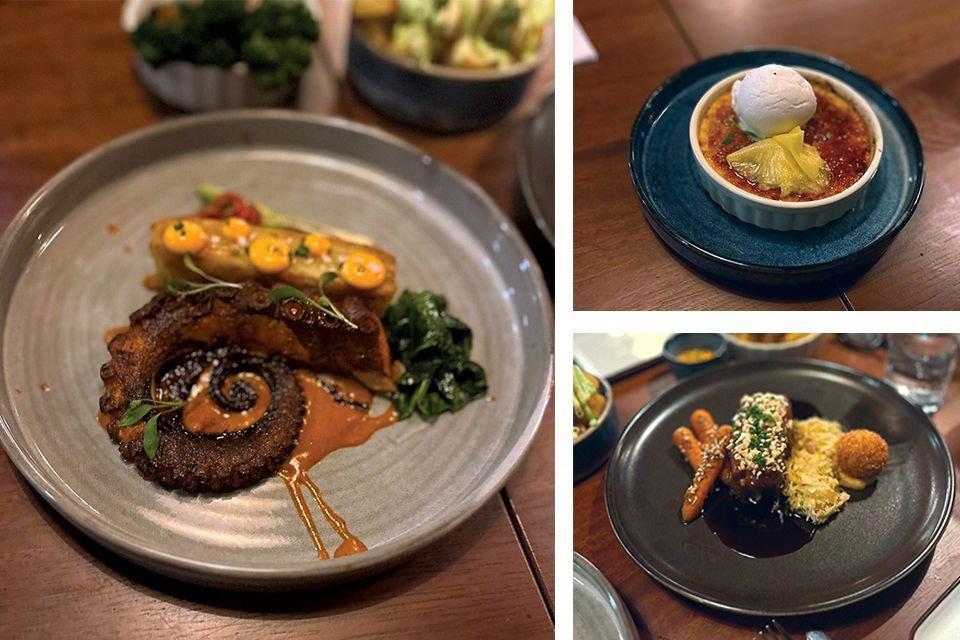
A Coastal Town That Has Learned to Eat Well
George's Street Lower in Dún Laoghaire is not the kind of address that announces itself. The street runs parallel to the seafront without quite touching it, a sequence of shopfronts and restaurant façades that rewards familiarity over first impressions. The commuter rail from Dublin's city centre deposits you at Dún Laoghaire station in under twenty minutes, and from there the walk to this stretch of George's Street takes fewer than five. It is, in other words, a dining destination that functions on local terms first, and Cala sits inside that logic.
Cala is a modern Mediterranean tapas restaurant in Dún Laoghaire, Dublin, with a price point around €55 per person. Tables tend to fill early, the pace of service follows the harbour's own unhurried tempo, and the kitchen's relationship to proximity, to the sea, to Irish producers, to the particular appetite of a neighbourhood crowd, shapes the menu more than any imported trend. Dún Laoghaire has become one of the more interesting cases of this pattern on the east coast, with a dining corridor dense enough to support genuine competition and diverse enough to absorb several different styles.
The Ritual of the Meal Here
What distinguishes the better rooms on this stretch of George's Street is the degree to which they treat the meal as a structured event rather than a transaction. The coastal setting encourages this: diners arriving from Dublin have already made a decision to travel, which shifts the psychology of the table. There is less of the hurried city-centre lunch energy and more of a deliberate settling-in, coats off, a drink ordered, a proper look at the menu. The restaurants that read this room well tend to pace their service accordingly, letting the meal breathe rather than turning tables at speed.
Cala operates within this format. Its address at 46 George's Street Lower places it squarely in the active part of the dining corridor, accessible enough to draw walk-in trade but established enough to attract diners who have made a plan. The name itself, Cala, meaning a small sheltered harbour or inlet in several Romance languages, gestures toward the coastal orientation that defines so much of Dún Laoghaire's dining character.
The dining ritual at this tier of Irish coastal restaurant tends to follow a recognisable arc. A pre-dinner drink, often taken at the table rather than at a bar, sets the pace. Menus at this level of the market typically offer a considered number of choices per course rather than an overwhelming list, the kind of restraint that signals a kitchen working with seasonal material at volume.
Where Cala Sits in the Dún Laoghaire Scene
Dún Laoghaire's dining scene has diversified considerably. Indian restaurants have a strong presence: Aperitivo at the Café adds a European café register to the mix, and Bistro Le Monde brings a French-inflected brasserie format. On the Indian side, both Delhi Rasoi and Indian Vibe have built consistent followings, while Firebyrd represents a more contemporary grill-oriented approach. Rasam, the long-running Indian kitchen on Glasthule Road, continues to operate at a level that draws comparison with Dublin city-centre peers at the €€ mark.
Cala occupies a different register within this mix. The name and the address suggest a focused, European-influenced room rather than a broad-menu kitchen. In a town where the middle market has become crowded, restaurants that commit to a specific culinary identity, a defined cuisine, a clear sourcing philosophy, a particular approach to the meal's structure, tend to hold their audience more reliably than those that try to serve everyone. The broader Irish fine dining conversation has moved in this direction too, with destination kitchens like Liath in Blackrock and dede in Baltimore establishing their credibility through precisely this kind of specificity. Further afield, Aniar in Galway and Campagne in Kilkenny represent the same tendency toward a clear culinary identity sustained over time, as do Terre in Castlemartyr and The Oak Room in Adare at the hotel-restaurant end of the market.
For diners coming from further afield with an appetite for comparison, the international reference points are illuminating. Closer to home, Bastion in Kinsale, Homestead Cottage in Doolin, and The Morrison Room in Maynooth each illustrate how Irish kitchens outside Dublin are building genuine reputations on local terms.
Planning Your Visit
Cala is at 46 George's Street Lower, Dún Laoghaire, A96 R627. From Dún Laoghaire station, George's Street Lower is a short walk. Dún Laoghaire's dining corridor is compact enough that parking and access are relatively uncomplicated compared to central Dublin, which makes an evening trip south practical rather than effortful.
Cuisine-First Comparison
Comparable venues nearby, for context on price, style, and recognition.
| Venue | Cuisine | Price | Awards | Notes |
|---|---|---|---|---|
| CalaThis venue — the venue you are viewing | Modern Mediterranean Tapas | $$$ | Not listed | Not listed |
| Firebyrd | American Hot Chicken | $$ | Not listed | Dun Laoghaire |
| Walters | Irish Gastropub | $$ | Not listed | Dún Laoghaire |
| Bistro Le Monde | French Bistro with Italian Influences | $$ | Not listed | Harbour Square |
| Aperitivo at the Café | Authentic Italian Trattoria | $$ | Not listed | Glasthule |
| Rasam | Modern Regional Indian | $$$ | Michelin Plate | Glasthule |
Continue exploring
More in Dun Laoghaire
Restaurants in Dun Laoghaire
Browse all →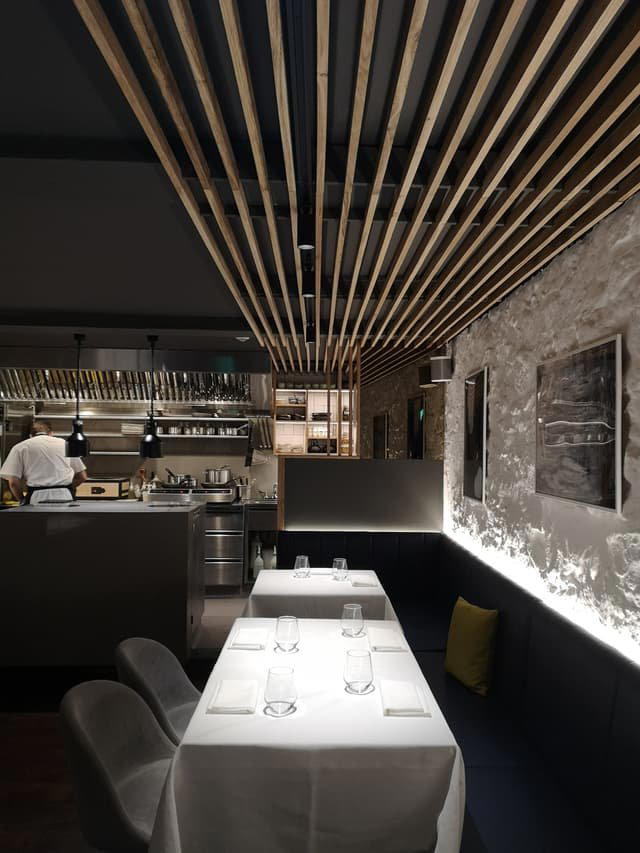
Bars in Dun Laoghaire
Browse all →
Hotels in Dun Laoghaire
Browse all →
Wineries in Dun Laoghaire
Browse all →
At a Glance
- Modern
- Cozy
- Lively
- Elegant
- Casual Hangout
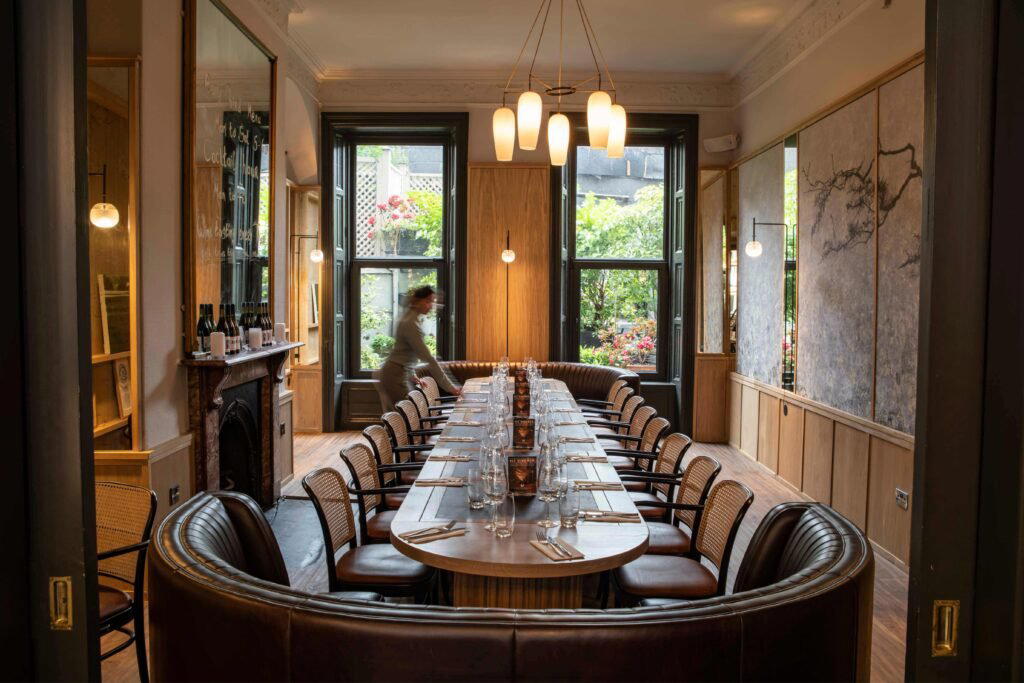
- Group Dining
- Date Night
- Standalone
- Craft Cocktails
- Local Sourcing
Current opening hours
- Monday
- Closed
- Tuesday
- Closed
- Wednesday
- 5–10 PM
- Thursday
- 5–10 PM
- Friday
- 5–10 PM
- Saturday
- 5–10 PM
- Sunday
- Closed
Hours can change for holidays and private events. Last verified .
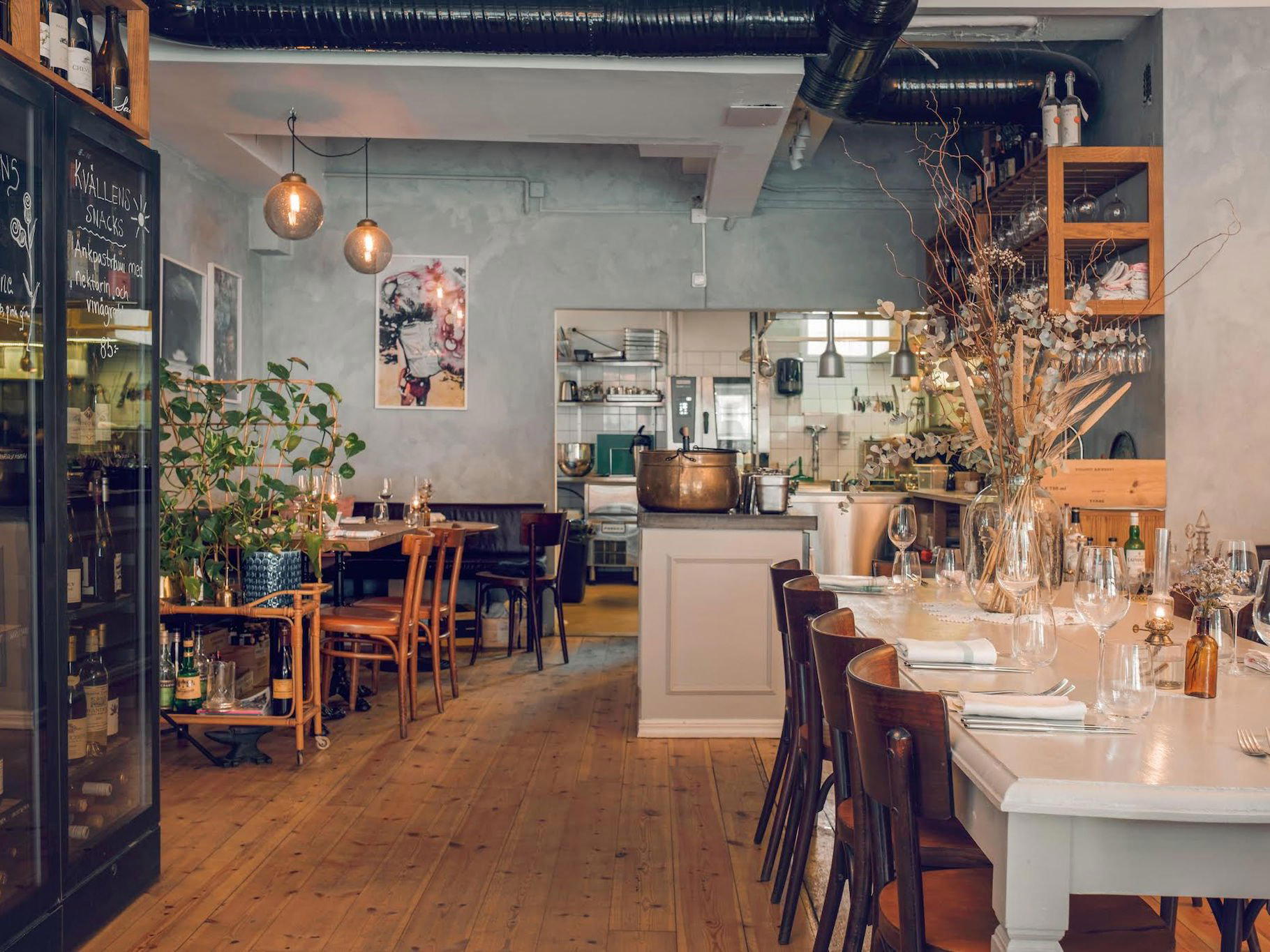
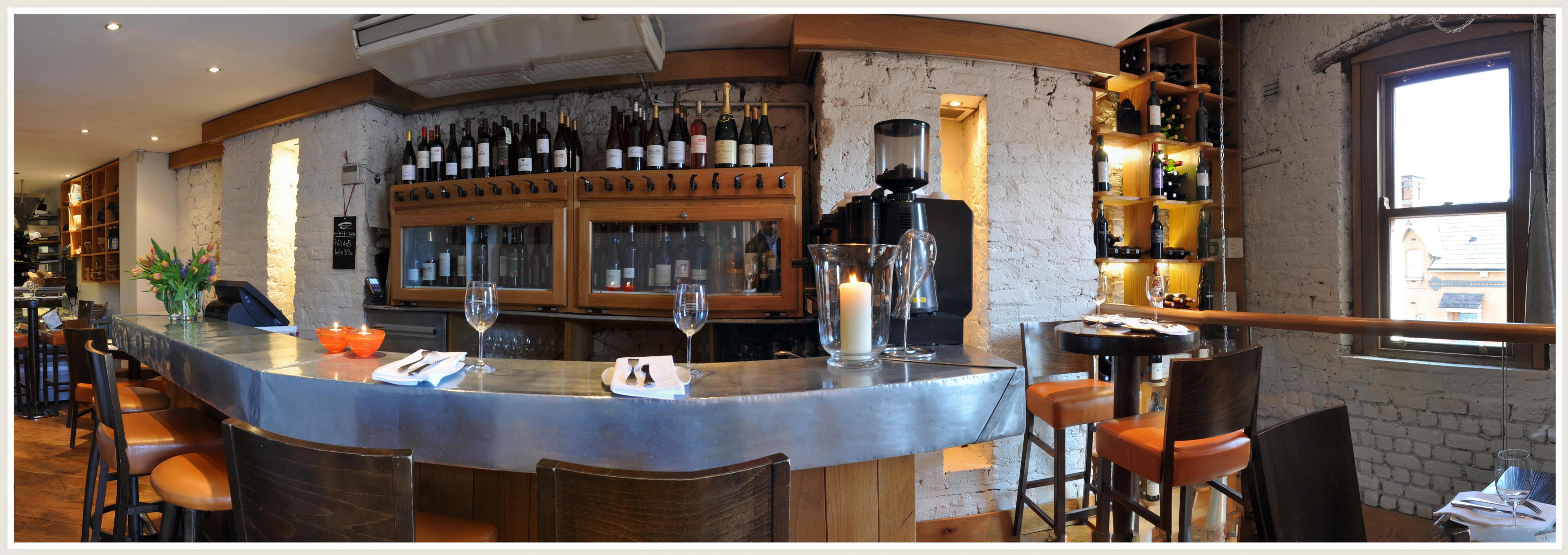
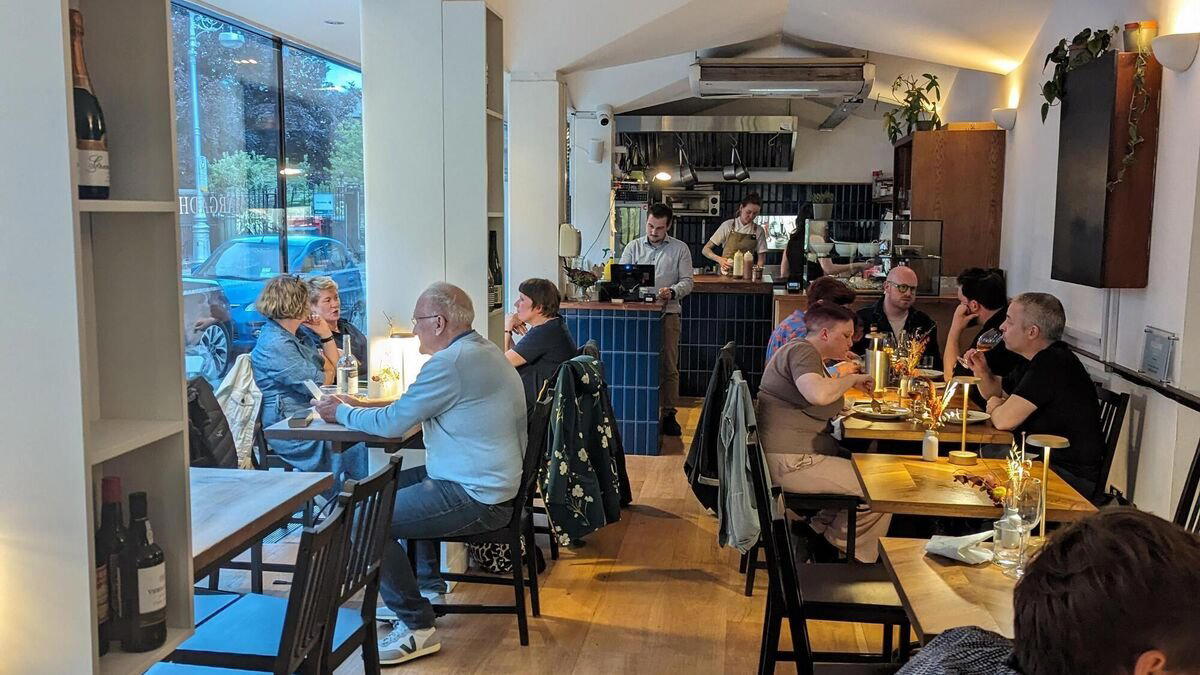
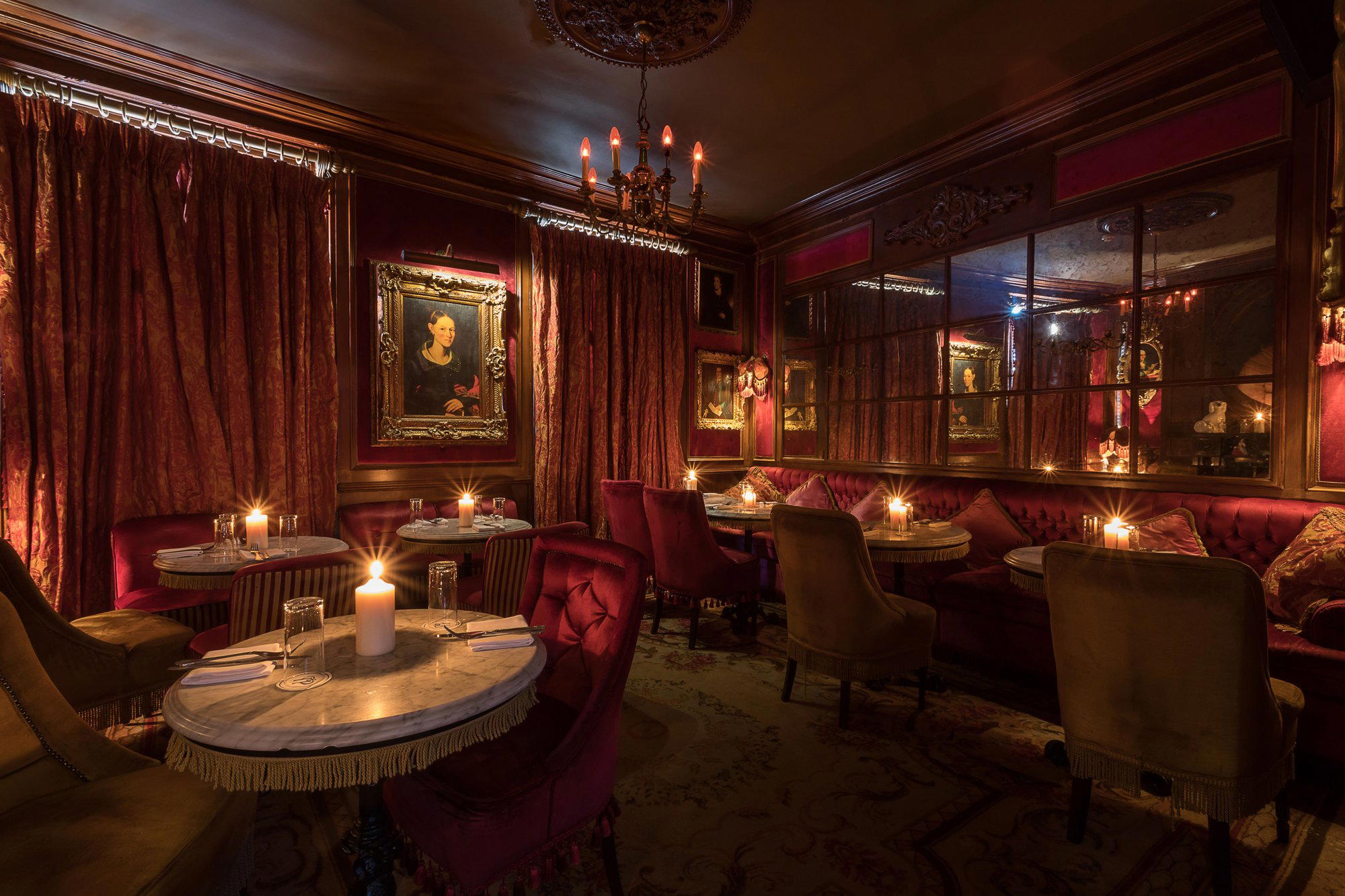
Buzzy yet relaxed atmosphere with fashionably cozy vibes; inviting and warm with quick service that maintains a pleasant dining experience.