Cafe Vienna
Our verdict
Cafe Vienna occupies a storefront on 4th Street North in St. Petersburg, Florida, placing it in a neighborhood corridor that has steadily attracted independent operators over the past decade. Pete's broader dining scene for those exploring the area.
- Address
- 5625 4th St N, St. Petersburg, FL 33703
- Phone
- (727) 527-6404
- Website
- caffevienna.com
- Directions
- Get directions
The menu
What to order
- Sauerbraten
- Bratwurst
- Châteaubriand à la Vienna
- Apple Strudel
- Chocolate Cake
4th Street North and the Independent Dining Corridor
St. Petersburg's dining geography has never been as simple as downtown versus everywhere else. The 4th Street North corridor, where Cafe Vienna sits at number 5625, represents a quieter but persistent strand of independent hospitality that runs parallel to the waterfront-facing restaurants that tend to dominate coverage of the city. Storefronts along this stretch have historically attracted operators who prioritize neighborhood regulars over tourist foot traffic, and the rhythm of the street reflects that: less spectacle, more repetition of visit. In a city that has added considerable dining options over the past decade, the corridors away from the harbor retain a character that the central blocks are increasingly losing.
That positioning matters when evaluating where Cafe Vienna fits within St. Petersburg's restaurant ecology. The city's independent scene ranges from the Italian-focused format of Bavaro's Pizza Napoletana & Pastaria to the more contemporary approach of Allelo, and the wine-anchored programming at bin6south. That naming convention, invoking Vienna rather than a local reference or a chef's surname, suggests a deliberate positioning around atmosphere and tradition rather than personality-driven branding.
What the Name Signals About Format
Vienna, as a dining reference, carries specific weight. The Viennese coffeehouse tradition is one of the more codified hospitality formats in European history: long tables, newspapers on wooden holders, waitstaff who treat regularity as a form of respect, and a menu that holds its shape across decades. UNESCO recognized Viennese coffeehouse culture as intangible cultural heritage in 2011, a designation that reflects how seriously Austria takes the format as a social institution rather than merely a category of food service. When a restaurant in Florida invokes that name, it is reaching toward a set of associations: unhurried service, Central European pastry and coffee culture, and a room designed for sitting rather than cycling tables.
What the name does clarify is the competitive intent: this is not a venue positioning against St. Pete's steakhouses or raw bar operators, but against a more specific niche of European-inflected cafe formats. That niche, in American cities, tends to attract a loyal mid-week clientele who value consistency over novelty, and it requires a different kind of front-of-house discipline than a high-turnover dinner service.
Team Dynamics in the Cafe Format
The editorial angle most relevant to understanding a venue like Cafe Vienna is the relationship between the people running the floor and the experience they are trying to sustain. In European-style cafe formats, the collaboration between kitchen and front-of-house carries a particular character. Unlike fine dining contexts, where the sommelier operates as a specialist layer between the kitchen's ambitions and the guest's understanding, the cafe format compresses those roles. The person taking an order is often also the person explaining the provenance of a pastry or the origin of a coffee blend. That compression demands a different kind of team fluency: less hierarchical, more conversational.
This dynamic contrasts with what you find at, say, Smyth in Chicago or Atomix in New York City, where the front-of-house operates as a precision instrument for translating a complex tasting menu. It also differs from the steakhouse model visible locally at Beau & Mo's Italian Steakhouse, where the floor team is organized around wine service and tableside presentation. At a European cafe, the team's collective knowledge of a smaller, more stable menu becomes the primary trust signal. Regulars return because the staff know what they ordered last time. That kind of relational memory is not something a kitchen award certifies; it accumulates through low turnover and consistent floor presence.
Across American interpretations of the European cafe model, the venues that hold their audience longest tend to be the ones where this team stability is treated as an operational priority rather than a byproduct of low wages. The contrast is visible when you compare that format with the more structured brigade systems at places like Le Bernardin in New York City or The French Laundry in Napa. Those are environments where formal service training is the standard. The cafe context inverts that logic: the warmth of the interaction often matters more than its formal correctness.
St. Petersburg as a Context for European-Inflected Concepts
St. Petersburg, Florida has enough of a year-round residential base to sustain the repeat-visit economics that a neighborhood cafe requires. The city's demographic mix, which includes a significant retiree population alongside a younger creative class drawn by relatively affordable real estate and the arts district around the Dali Museum, creates conditions where a European-style cafe can find multiple audiences simultaneously. Older guests may value the unhurried pace and familiar format; younger visitors may approach the same room as an independent coffee and pastry option that sits outside the chain-dominated alternatives.
This dual appeal is not unique to St. Pete, but the city's physical scale, smaller and more walkable than Tampa across the bay, makes it more legible. A venue on 4th Street North is accessible to residents of the surrounding neighborhoods without requiring a car trip to the dining districts. That proximity breeds the kind of casual regularity that sustains cafes in European cities, even if the American context makes it harder to replicate the four-hour afternoon sitting that defines the original tradition.
For visitors building a broader itinerary around St. Petersburg's dining options, Birch & Vine and the broader roster in our full St Petersburg restaurants guide provide context for how Cafe Vienna fits within the city's range. Those researching how American cities are developing European cafe formats as a serious hospitality category might also look at comparable formats in other cities, from the farm-to-table discipline at Blue Hill at Stone Barns in Tarrytown to the produce-led precision of Single Thread Farm in Healdsburg, both of which demonstrate how a strong sense of place and team identity can define a dining experience more durably than any individual dish.
Planning a Visit
Cafe Vienna is located at 5625 4th Street North, St. Petersburg, FL 33703. The address is in the northern residential-commercial stretch of 4th Street, a strip that rewards a slow walk rather than a targeted dinner-and-out approach. Given the cafe format suggested by the name, it is reasonable to expect a format suited to mid-morning through afternoon visits, though that is an inference rather than a confirmed detail.
Frequently asked questions
What kind of setting is Cafe Vienna?
Cafe Vienna sits at 5625 4th Street North, on a residential dining corridor that runs parallel to but well outside St. Petersburg's downtown waterfront cluster. The name invokes the Viennese coffeehouse tradition, a format built around unhurried seating, all-day service, and table hospitality rather than high-turnover covers. That positions it closer to a neighborhood anchor than a destination restaurant.
What part of town is Cafe Vienna in?
Cafe Vienna is located at î5625 4th St N, St. Petersburg, FL 33703, St Petersburg.
Is Cafe Vienna a good option for a leisurely midday stop in St. Petersburg's north neighborhoods?
Located at 5625 4th Street North, Cafe Vienna sits in the part of St. Petersburg that serves a year-round residential population rather than tourist traffic, which tends to shape the pace and character of service at cafe-format venues in this corridor. The Viennese coffeehouse model, when applied consistently, is specifically designed around extended visits rather than quick turns. For travelers staying outside downtown St. Pete or exploring the city's independent dining strip along 4th Street, it represents a different register from the waterfront options concentrated further south.
What's the must-try dish at Cafe Vienna?
Venues operating under the Viennese cafe reference typically build their food program around pastry, open-faced preparations, and coffee service as the centerpiece rather than a single standout plate. Contacting the venue directly at 5625 4th Street North is the most reliable way to confirm what's currently on offer.
Should I book Cafe Vienna in advance?
Cafe-format venues on St. Petersburg's 4th Street North corridor generally operate on a walk-in basis, with peak demand on weekend mornings and midday. Calling ahead before a first visit is the practical move until hours and seating policy are publicly documented.
Booking and Cost Snapshot
A quick peer list to put this venue’s basics in context.
| Venue | Cuisine | Price | Awards |
|---|---|---|---|
| Cafe ViennaThis venue — the venue you are viewing | Authentic German & Austrian | Not listed | Not listed |
| Rococo Steak House | Modern Steakhouse | Not listed | Star Wine List · Wine Spectator Best of Award of Excellence |
| Allelo | Mediterranean-Aegean Small Plates | $50–100 | Star Wine List · Wine Spectator Award of Excellence |
| Mazzaro's Italian Market | Authentic Italian Market & Deli | $10–20 | Not listed |
| Bavaro's Pizza Napoletana & Pastaria | Traditional Neapolitan Pizza & Pastaria | $20–30 | Not listed |
| Beau & Mo's Italian Steakhouse | Chicago-Style Italian Steakhouse | $50–100 | Not listed |
Continue exploring
More in St Petersburg
Restaurants in St Petersburg
Browse all →
Bars in St Petersburg
Browse all →
Details
- Classic
- Cozy
- Rustic
- Casual Hangout
- Group Dining
- Date Night
- Standalone
- Beer Program
- A La Carte
- German Beer
- Austrian Beer
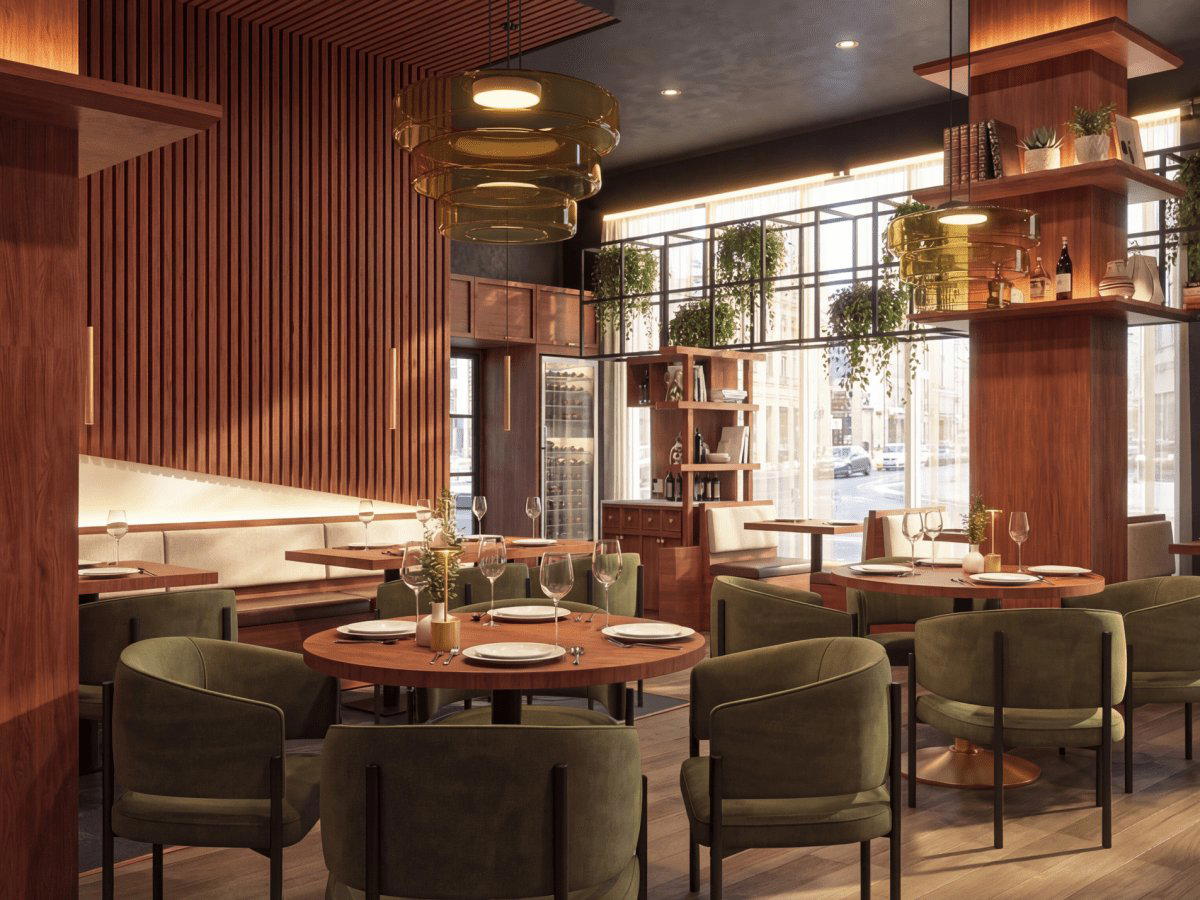
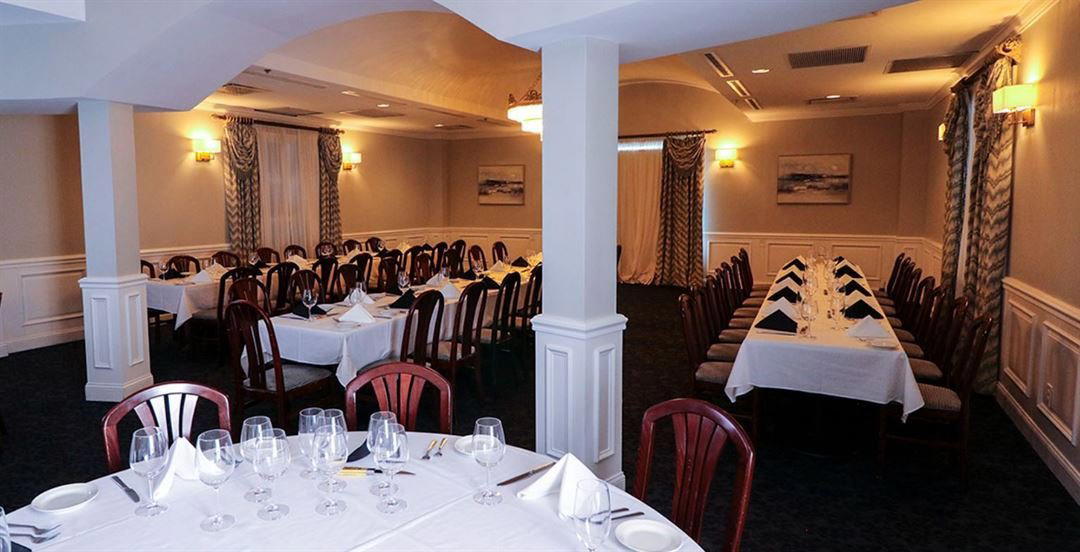
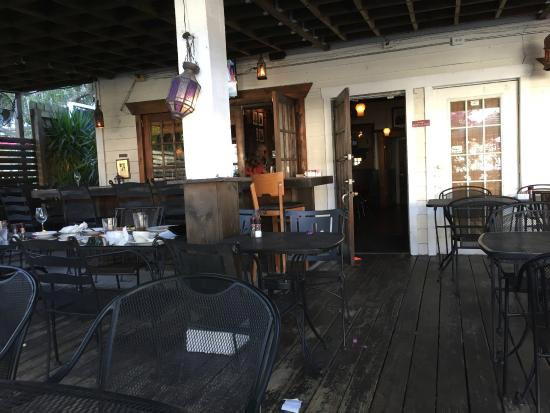
Warm and nostalgic old-world European atmosphere with life-size cartoon figures in traditional Alpine garb, decorated to evoke the Austro-Hungarian empire.