Cafe Landaa belongs to the Maldives resort-dining tradition where location shapes the meal as much as the kitchen. In Baa Atoll, that means seafood-led expectations, imported-luxury pressures, and a sharper focus on provenance than mainland restaurant culture usually demands.
Pearl is the En Primeur Club membership app — saves, bookings, and concierge access live there. Same editors, same standards.
- Address
- Baa Atoll, 20097
- Directions
- Get directions
 Saves & bookings on Pearl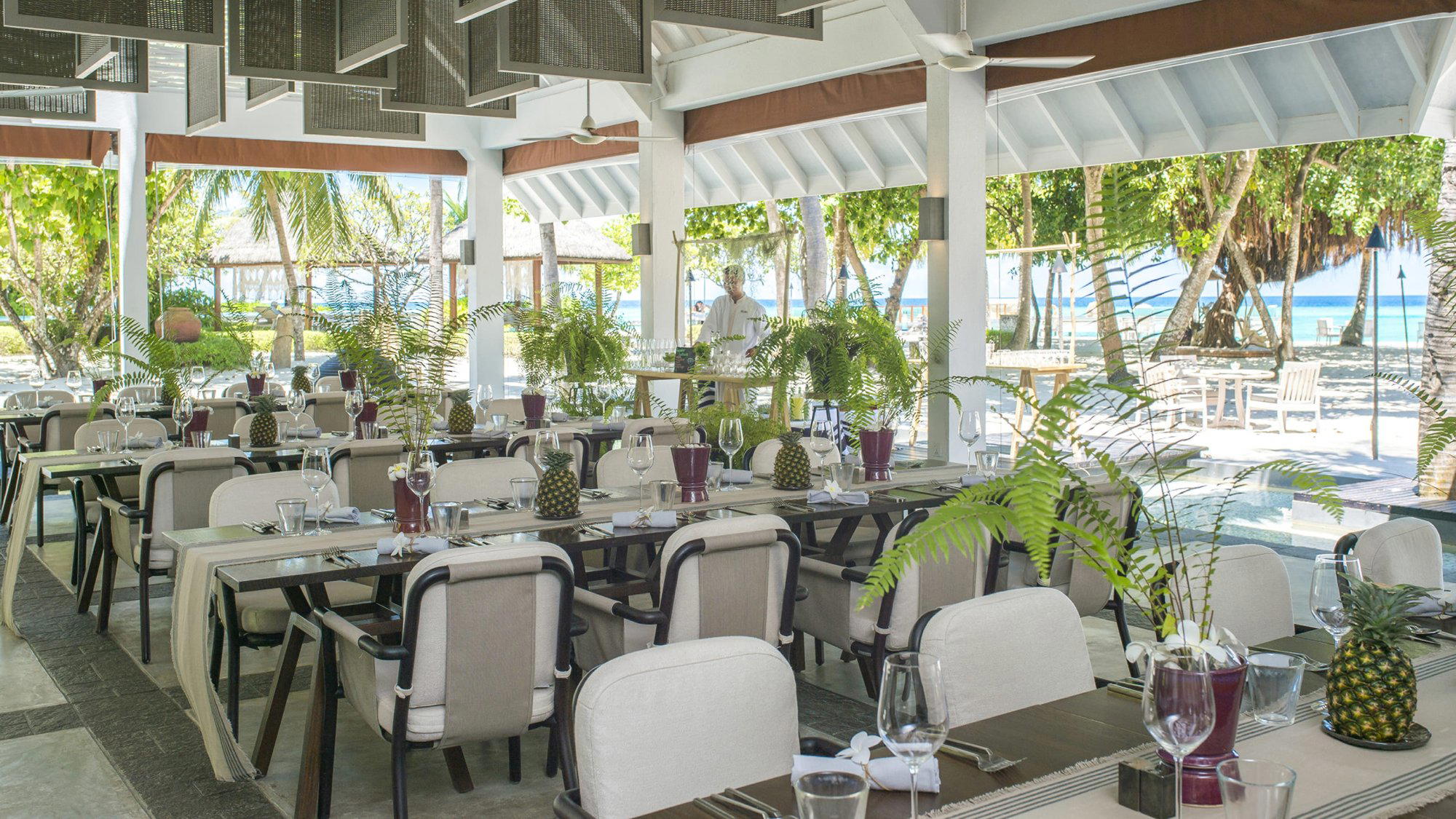
Approaching a restaurant in Baa Atoll is never just about reaching a dining room. The lagoon sets the rhythm first: salt air, open sky, boats moving between islands, and the knowledge that nearly every ingredient has crossed either reef, runway, or sea before it reaches the plate. Cafe Landaa sits inside that Maldivian resort context, where the serious question is not whether the room feels tropical, but how intelligently the kitchen handles sourcing in a remote atoll economy.
The Maldives has a particular restaurant grammar. Fish is local in spirit, but luxury dining here also depends on cold chains, import planning, and hotel-level logistics. That tension defines the category. A casual-looking cafe in Baa Atoll can be operating inside a supply system more complex than many city restaurants, because freshness, consistency, and breadth all have to survive distance. Cafe Landaa is best read through that lens: not as an isolated venue, but as part of an island dining culture where provenance is a practical discipline rather than a menu slogan.
Baa Atoll dining is shaped by reef, resort logistics, and ingredient discipline
Baa Atoll’s restaurant scene works differently from urban dining districts. There is no street-by-street crawl, no late-night second seating, no spontaneous taxi to another neighbourhood. Resort restaurants carry the full burden of variety: breakfast, long lunches, family meals, celebratory dinners, and weather-adjusted service. That makes sourcing and format more important than decorative language. The kitchen has to balance reef-adjacent seafood expectations with the reality that premium produce, dairy, meat, and pantry goods often arrive through planned supply routes.
This is where Cafe Landaa’s category matters. A cafe format in a Maldivian resort usually signals range and accessibility rather than narrow tasting-menu ambition. The value is in how well the venue can move across occasions without losing a sense of place. In Baa Atoll, that sense of place comes from restraint: letting seafood, fruit, rice, spice, and clean preparations carry the meal, while avoiding the overextended international menus that can make island dining feel interchangeable.
Within the same atoll, the comparison set shows how segmented resort dining has become. Al Barakat points toward a more regional Middle Eastern frame, while Ba'theli Lounge & Restaurant uses Maldivian maritime identity as its reference point. Blu Beach Club and Crab Shack sit closer to beach-club and seafood-casual territory, and Arabian Grill reflects the resort habit of building distinct cuisines into separate venues. The restaurant belongs to the more flexible end of that spectrum, where the measure is not theatrical specialization but day-to-day usefulness in a remote luxury setting.
The ingredient question matters more than the label on the cuisine
Because no cuisine type is publicly attached here, the sharper editorial read is structural rather than taxonomic. In the Maldives, a menu label can matter less than how a restaurant handles perishability, heat, salt, and guest rhythm. The better resort kitchens understand that island dining punishes excess. Heavy saucing, long ingredient lists, and generic imported luxury can flatten the experience. Cleaner cooking, shorter supply chains where possible, and sensible use of local seafood usually read better in this climate.
The restaurant’s Baa Atoll position also places it inside a protected biosphere region, which changes the dining conversation even when a restaurant is not explicitly framed as a sustainability project. The surrounding waters make guests more alert to marine life, reef health, and the ethics of abundance. That does not mean every plate has to announce an environmental thesis. It means ingredient choices are more visible here than they would be in a capital-city dining room. Fish, shellfish, tropical produce, bottled water, and imported staples all carry a logistical and ecological shadow.
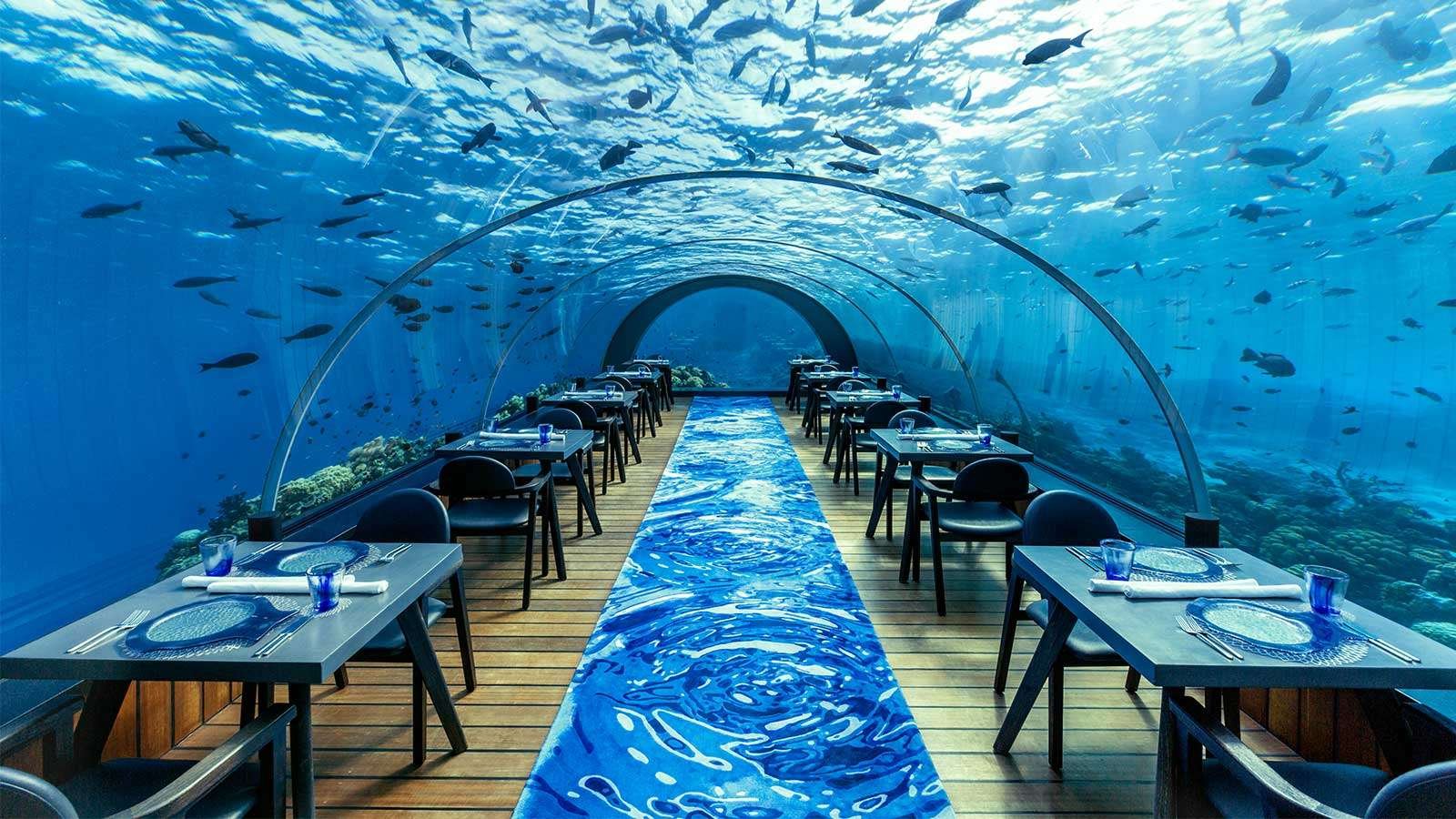
For travellers comparing Maldives restaurants across islands, the useful question is format. 24 Degrees Restaurant in South Malé Atoll represents the all-day resort restaurant model near the country’s main arrival corridor, while 5.8 Undersea Restaurant in Lhaviyani Atoll sits in the spectacle-driven end of the market. Acquapazza® in Raa Atoll, Alba in Vommuli, Alila Kothaifaru Maldives in Maduvvari, and Alita in Kooddoo Island show how widely resort dining can vary by island, brand, and guest pattern. The restaurant is better judged against that operational field than against a city restaurant with a single nightly service.
How to place Cafe Landaa in a Baa Atoll itinerary
The editorial case for the restaurant is strongest when the meal is treated as part of an atoll stay rather than a stand-alone pilgrimage. Baa Atoll rewards slower scheduling: reef time, weather, boat transfers, and resort routines all affect appetite. A flexible cafe-style venue has a role in that rhythm, especially for travellers who do not want every meal to become a formal event. In a destination where restaurants can lean heavily into set-piece drama, practicality has its own value.
Use the restaurant as a reference point for the quieter side of Maldivian resort dining: ingredient-led, setting-aware, and shaped by the operational realities of an island address. For broader planning, start with our full Baa Atoll restaurants guide, then map dining against where sleep, drink, and activities sit in the day through our full Baa Atoll hotels guide, our full Baa Atoll bars guide, our full Baa Atoll wineries guide, and our full Baa Atoll experiences guide. For a deliberately different dining register outside the Maldives, Jōdo Saké Bar in Los Angeles and Onigiri Time in Pasadena show how compact Japanese formats solve the opposite problem: density, speed, and urban specialization rather than island logistics.
Quick Comparison
Comparable venues by cuisine and price in the same metro.
| Venue | Cuisine |
|---|---|
| Cafe Landaa | This venue |
Continue exploring
More in Baa Atoll
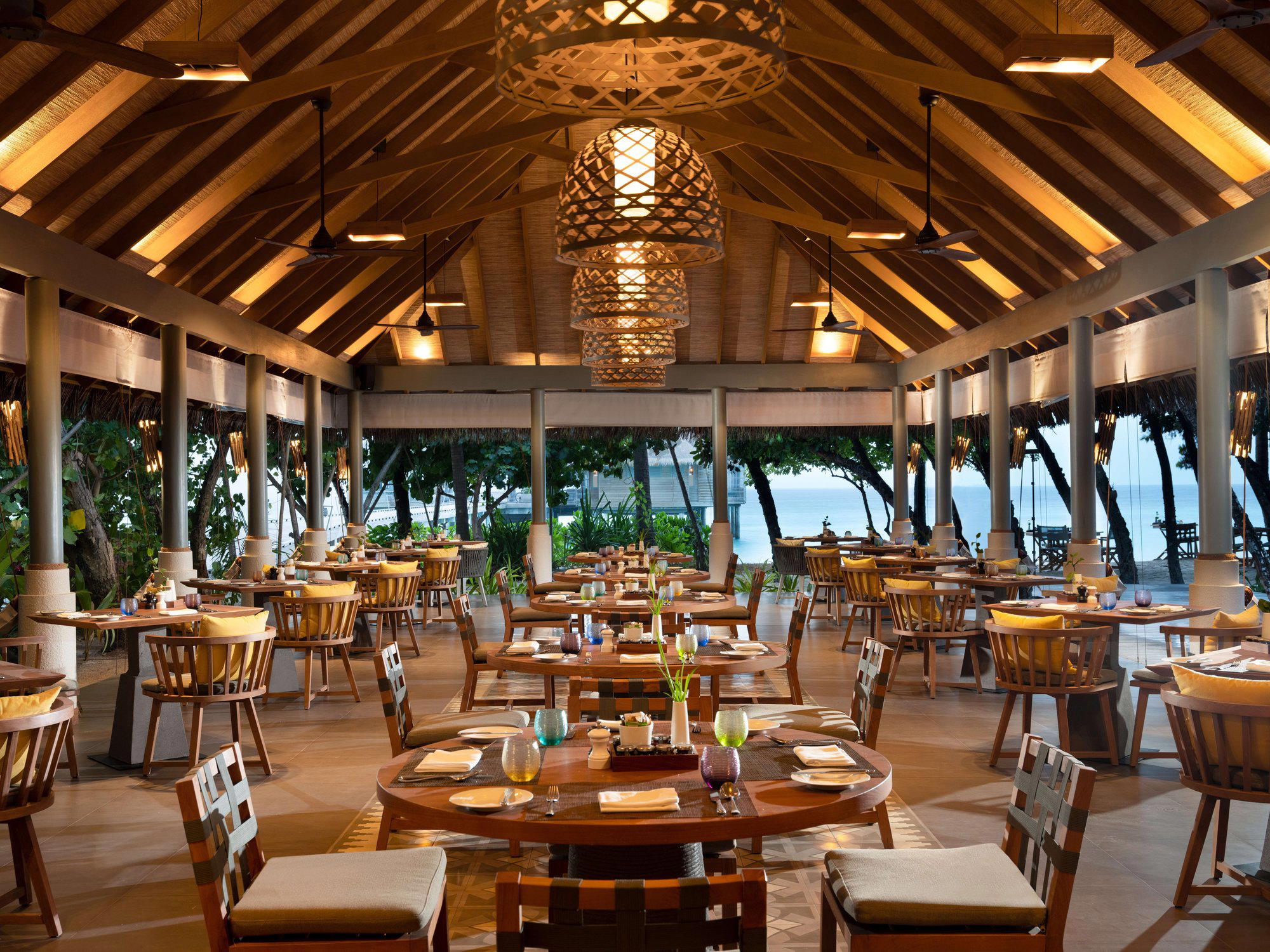
Restaurants in Baa Atoll
Browse all →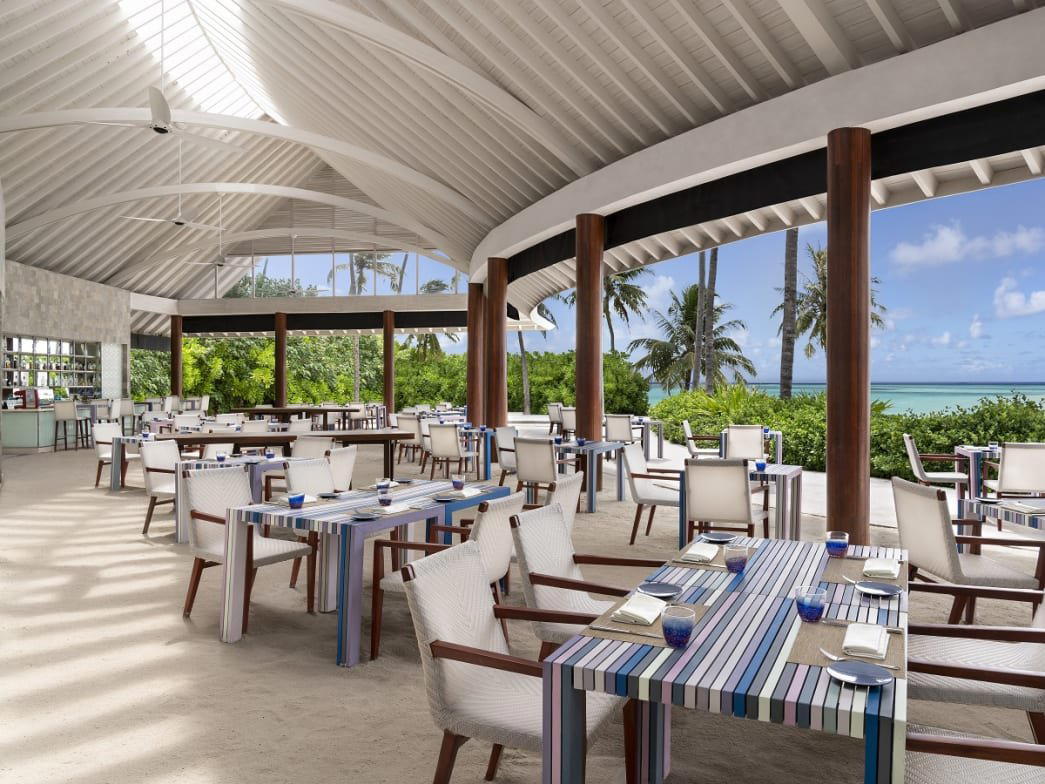
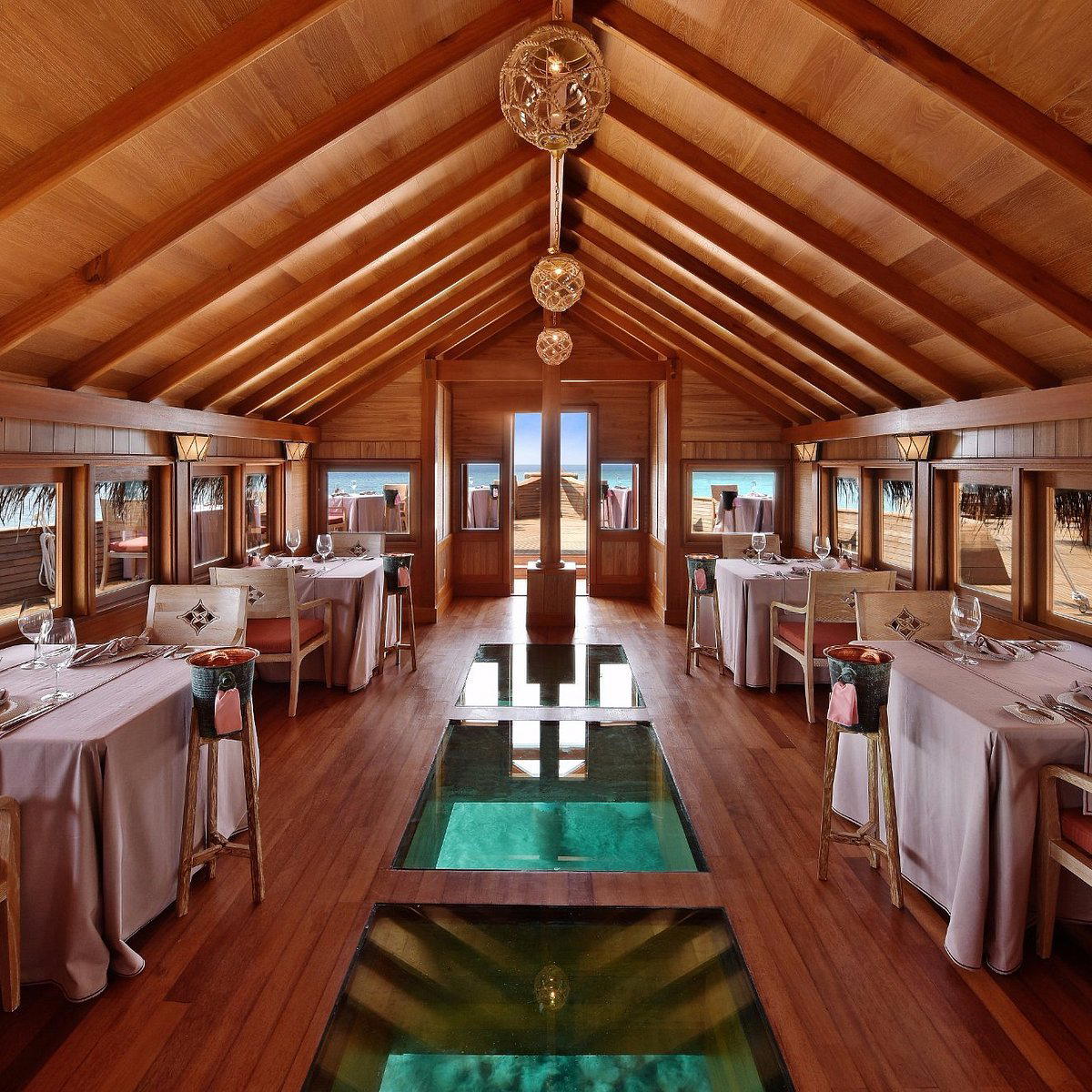
Bars in Baa Atoll
Browse all →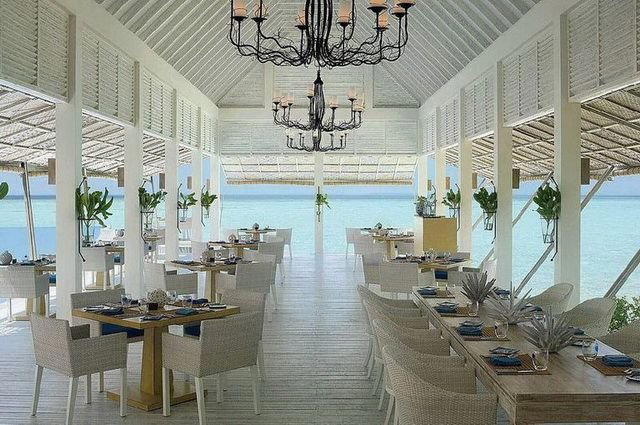
At a Glance
- Scenic
- Elegant
- Romantic
- Quiet
- Date Night
- Family
- Group Dining
- Special Occasion
- Waterfront
- Terrace
- Panoramic View
- Hotel Restaurant
- Sustainable Seafood
- Waterfront
- Garden
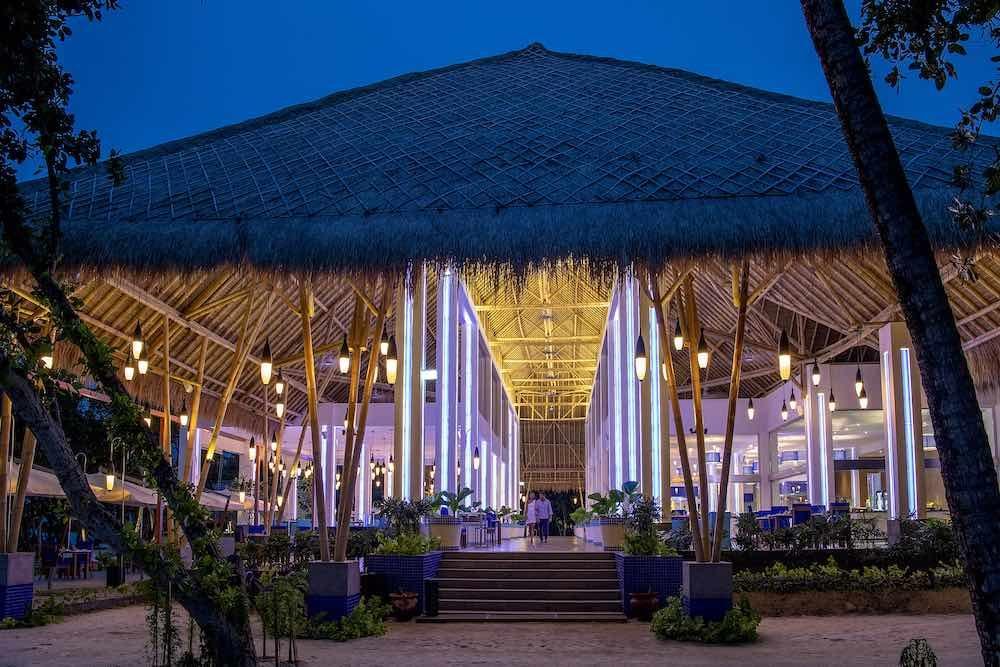
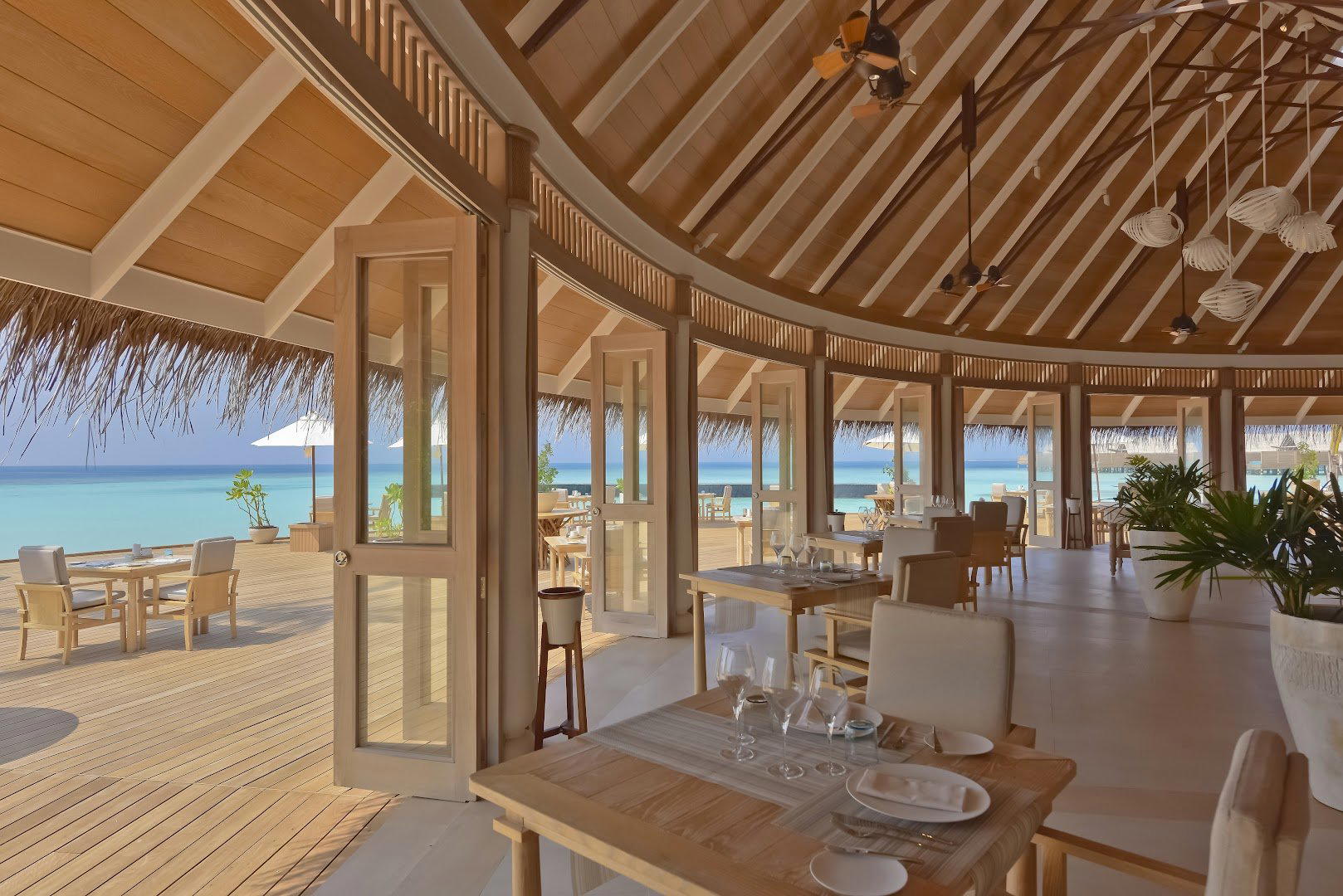
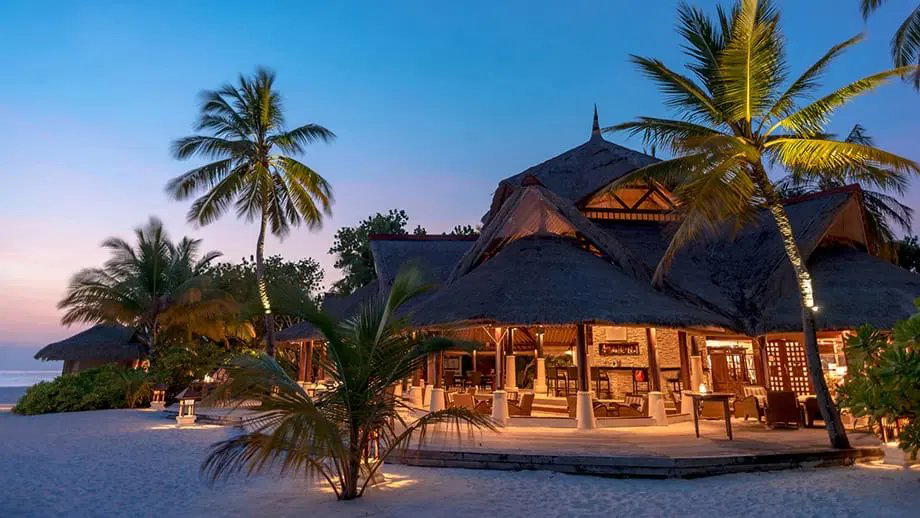
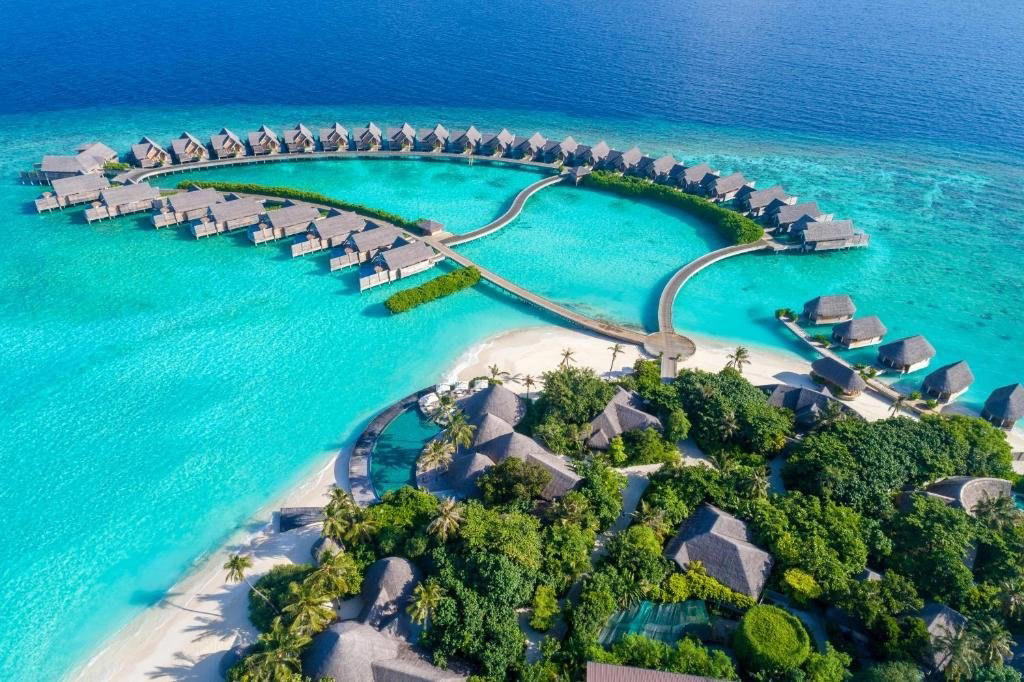
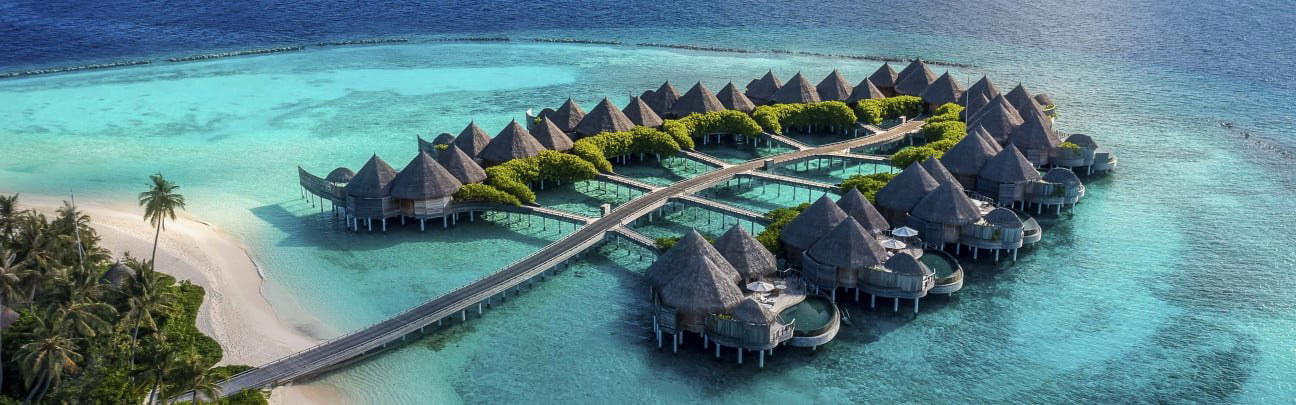
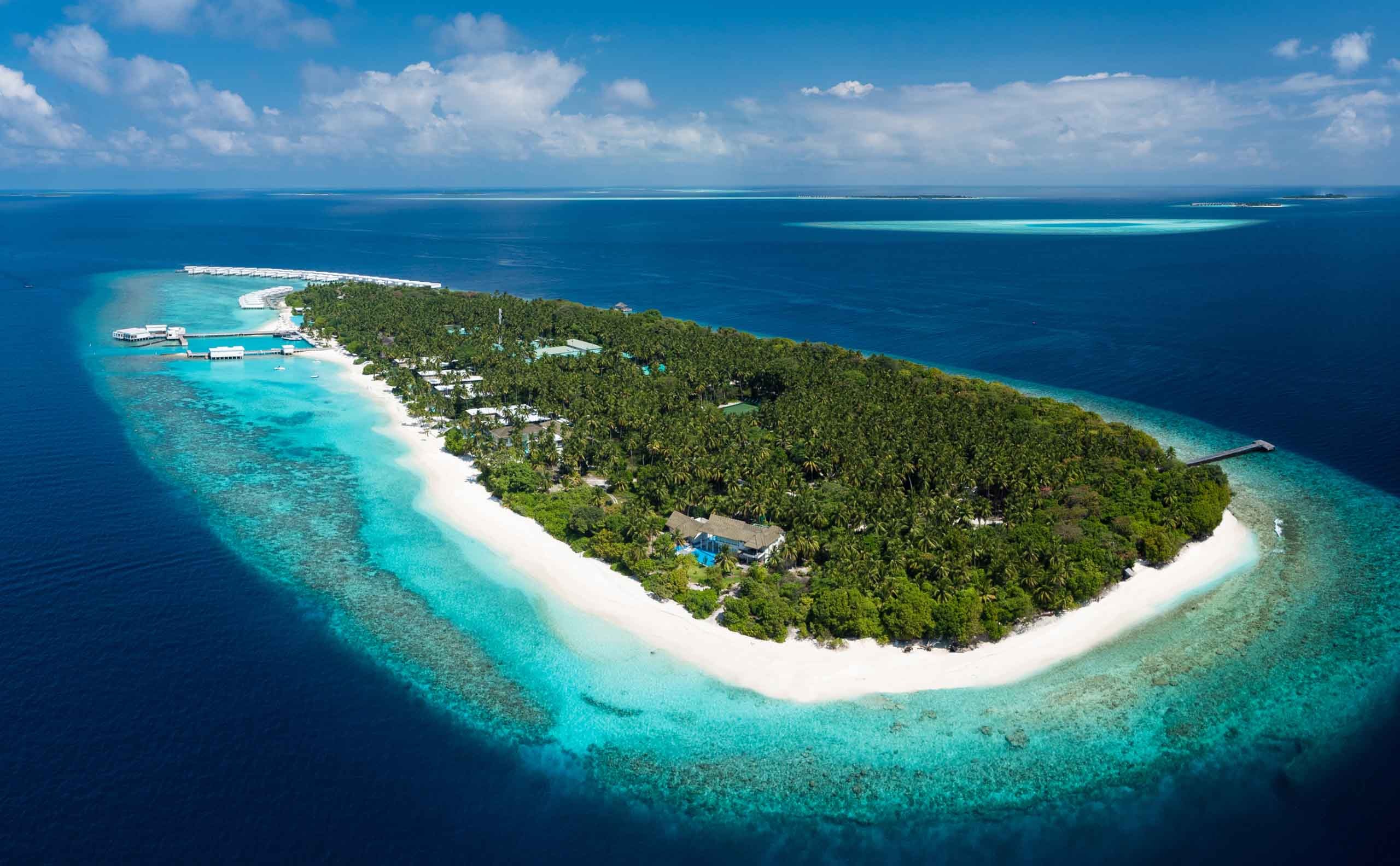
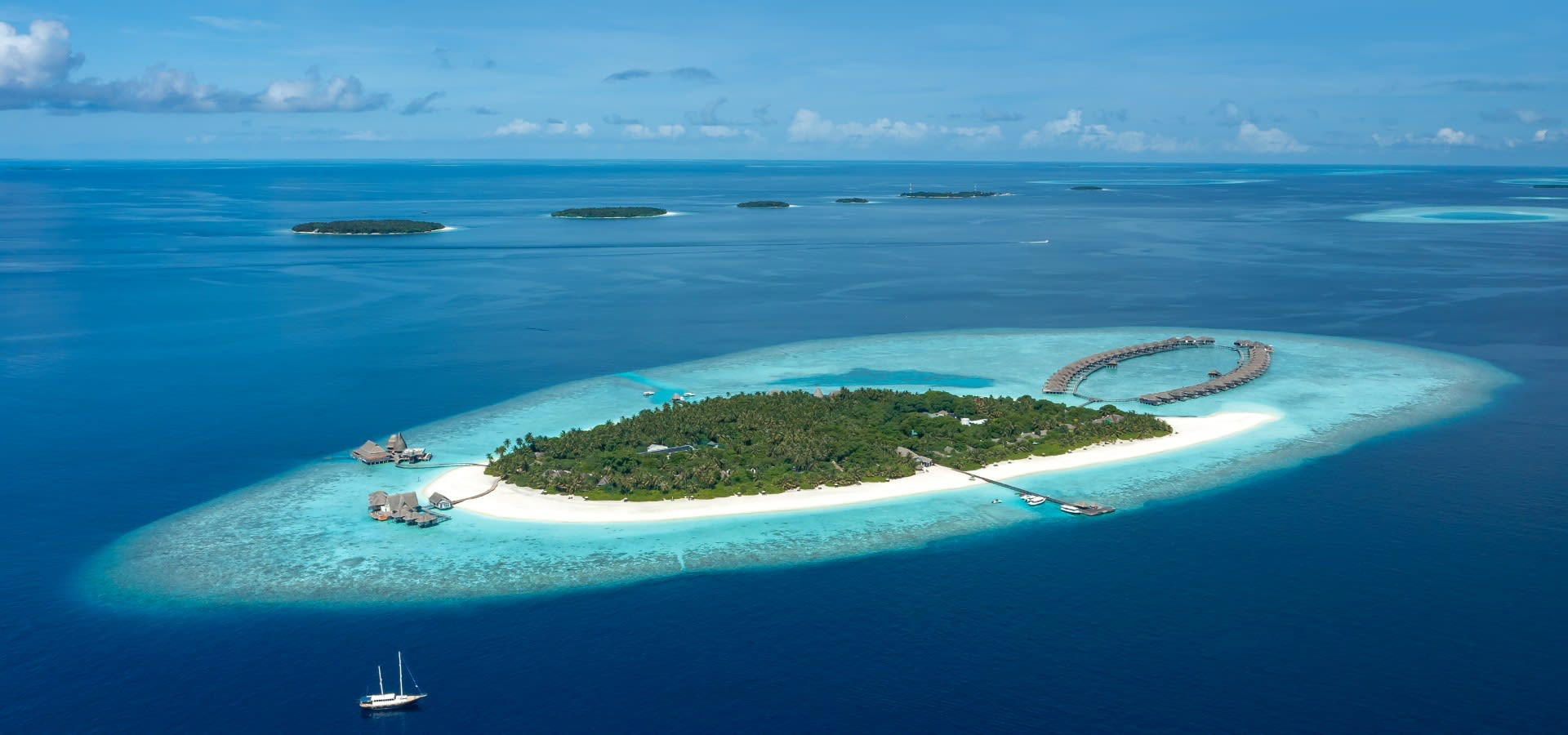
Open-air pavilions by the pool and beach create a relaxed yet polished resort feel with views of the lagoon; guests describe a tranquil, upscale atmosphere suited to leisurely meals rather than a busy café vibe.