Cafe Gratitude
Cafe Gratitude on Rose Avenue in Venice has spent years at the center of Los Angeles's plant-based dining conversation, occupying a position well beyond the wellness-café category. The menu works from whole-food, organic ingredients with enough culinary ambition to draw regulars who aren't ideologically committed to vegan eating. It sits in a part of the city where that kind of cooking has genuine cultural roots.
Pearl is the En Primeur Club membership app — saves, bookings, and concierge access live there. Same editors, same standards.
- Address
- 512 Rose Ave, Venice, CA 90291
- Phone
- +1 424 231 8000
- Website
- cafegratitude.com
- Directions
- Get directions
 Saves & bookings on Pearl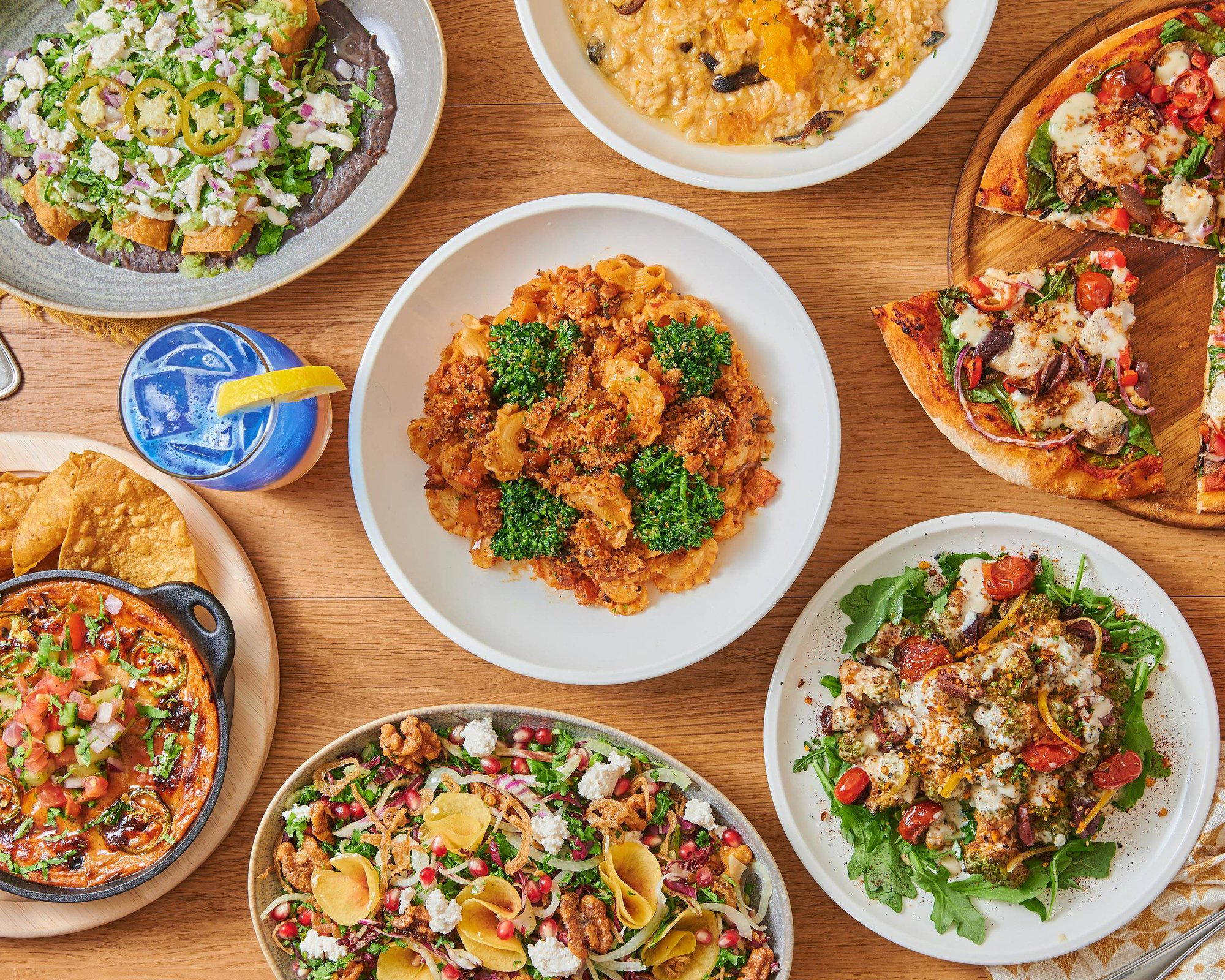
Venice and the Roots of Plant-Based Dining in Los Angeles
Los Angeles has a longer and more serious relationship with plant-based cooking than almost any other American city, and that history did not begin with the current wave of lab-protein startups or Instagram-driven wellness brands. It runs back through the counterculture communities of Venice and Silver Lake, through the macrobiotic kitchens of the 1970s and the raw-food restaurants of the 1990s, and into a present where the conversation has become sophisticated enough to draw comparisons with produce-driven tasting menus at places like Blue Hill at Stone Barns in Tarrytown or the farm-anchored formats at Single Thread Farm in Healdsburg. It sits inside that longer tradition rather than outside it.
Rose Avenue in Venice is a specific kind of street: close enough to the beach to carry the ambient looseness of a coastal neighborhood, but gentrified enough over the past decade to sustain serious restaurant rents. The surrounding blocks hold yoga studios, independent coffee roasters, and a cluster of food businesses that skew toward the health-conscious without being clinically ascetic. That context matters for reading Cafe Gratitude correctly. It is a restaurant that operates in a neighborhood where the audience is knowledgeable and the expectations around ingredient sourcing are genuinely high.
What the Format Represents
American plant-based dining has split into at least three distinct tiers over the past decade. The first is the fast-casual tier: grain bowls, pressed juices, assembly-line efficiency. The second is the fine-dining tier, where chefs at places like Somni in Los Angeles or Smyth in Chicago use vegetables as primary ingredients within a tasting-menu structure built on classical technique. The third is the neighborhood-dining tier: full-service, menu-driven, priced for regular visits rather than special occasions, and rooted in a specific community's values rather than in culinary ambition for its own sake. Cafe Gratitude operates in that third register, and it does so with more staying power than most of its peers in the category.
The cultural logic here is worth articulating. In cities like Los Angeles, where the population includes a large number of people who make plant-based eating a sustained practice rather than an occasional experiment, a restaurant that serves that population well becomes a genuine neighborhood institution. That is a different kind of credibility, but it is not a lesser one. Compare the dynamic to how Frasca Food and Wine in Boulder occupies its local community, or how Emeril's in New Orleans operates as a civic institution as much as a restaurant. Longevity in a competitive dining market is itself a form of evidence.
The Organic Sourcing Argument
Commitment to certified organic ingredients is not universal even among restaurants that describe themselves as health-forward. Many use organic as a marketing shorthand without the sourcing discipline to back it. At the broader level, Los Angeles is unusually well-positioned for this kind of sourcing: proximity to agricultural regions in Ventura County, the San Joaquin Valley, and the Central Coast means that the ingredient geography is genuinely available in a way that it is not for comparable restaurants in, say, New York City. A Venice restaurant with real sourcing relationships operates in a distinct advantage relative to peers in other American cities.
This connects Cafe Gratitude to a broader shift in how premium dining frames vegetables. At the upper end of the market, restaurants like Providence in Los Angeles and Kato treat produce as a primary canvas for technique rather than a supporting cast for protein. That shift has made serious plant-based cooking more legible to a wider audience, including diners who would not describe themselves as vegan. The restaurant operates below that price tier but within the same broader cultural moment.
Los Angeles in Comparison
Reading any single restaurant in Los Angeles requires placing it against the full range of the city's dining. At the summit of the market, tasting-menu counters like Hayato and Osteria Mozza compete for a different kind of attention and a different budget. Further afield, ambitious American tasting menus at The French Laundry in Napa, Addison in San Diego, or The Inn at Little Washington represent a different set of expectations entirely. Atomix in New York City and Atelier Moessmer Norbert Niederkofler in Brunico reflect how the broader global conversation about produce-led cooking has evolved at its most technically rigorous end. The restaurant is not playing in any of those leagues, and that is not a criticism. It is a neighborhood restaurant with a coherent point of view, operating in a city with enough dining depth that every tier has genuine competition. See our full Los Angeles restaurants guide for context on how this fits into the wider picture. Compare also how Lazy Bear in San Francisco has built a distinct community identity within a similarly layered city dining market.
Planning a Visit
The Rose Avenue address puts the restaurant within walking distance of the Venice Canals and a short distance from Abbot Kinney Boulevard, making it a natural anchor for an afternoon or evening in the neighborhood. Venice parking can be difficult on weekends, and the area is better approached on foot or by rideshare if arriving from elsewhere in the city. The restaurant draws a mix of neighborhood regulars and visitors staying along the West Side, and the room tends to be fuller at weekend brunches than on weekday evenings. The restaurant is walk-in friendly and open Mon through Fri from 10 AM to 9 PM, and Sat and Sun from 9 AM to 9 PM.
Cost and Credentials
Comparable venues nearby, for context on price, style, and recognition.
| Venue | Cuisine | Price | Notes |
|---|---|---|---|
| Cafe GratitudeThis venue — the venue you are viewing | Venice, Organic Vegan | $$ | Not listed |
| Vegetable | Not listed | $$ | Hollywood Hills, Organic Plant-Based Cafe |
| Forage | Not listed | $$ | Silver Lake, Farm-to-Table Vegetarian Bowls & Sandwiches |
| Plant Food + Wine | Beverly Grove, Modern Plant-Based Vegan | $$ | Not listed |
| Tentenyu | Not listed | $$ | Sawtelle Japantown, Kyoto-Style Chicken Ramen |
| Superba Food + Bread Venice | Venice, Modern American Bakery Cafe | $$ | Not listed |
Continue exploring
More in Los Angeles
Restaurants in Los Angeles
Browse all →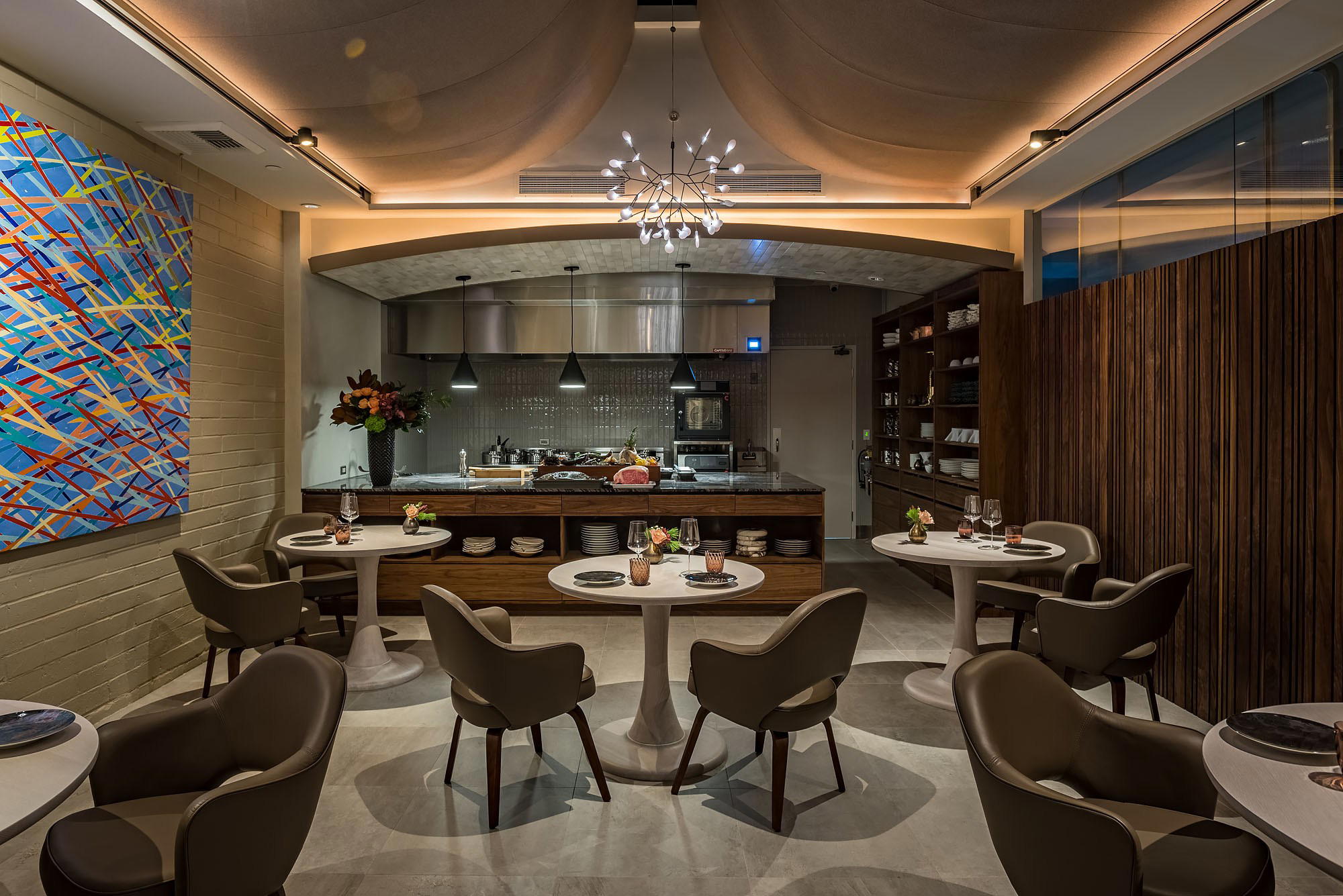
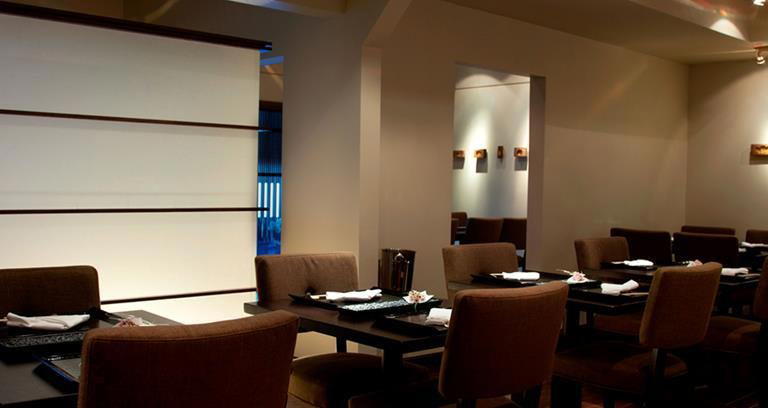
Bars in Los Angeles
Browse all →
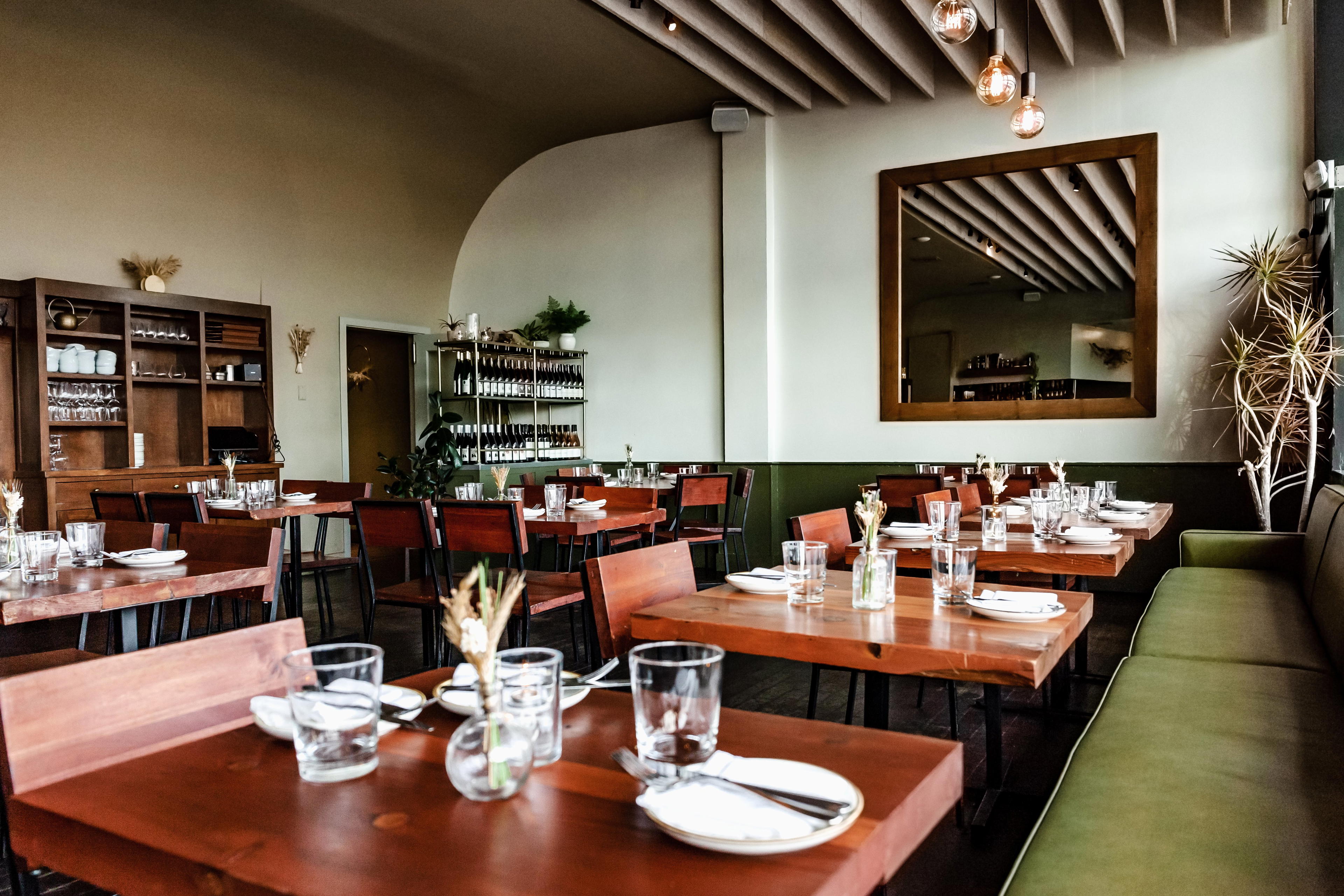
Hotels in Los Angeles
Browse all →
Wineries in Los Angeles
Browse all →
At a Glance
- Trendy
- Cozy
- Whimsical
- Brunch
- Casual Hangout
- Open Kitchen
- Organic
Current opening hours
- Monday
- 10 AM–9 PM
- Tuesday
- 10 AM–9 PM
- Wednesday
- 10 AM–9 PM
- Thursday
- 10 AM–9 PM
- Friday
- 10 AM–9 PM
- Saturday
- 9 AM–9 PM
- Sunday
- 9 AM–9 PM
Hours can change for holidays and private events. Last verified .
Bright and welcoming with a health-conscious, positive atmosphere fostering community and gratitude.