Café du Tilleul
Our verdict
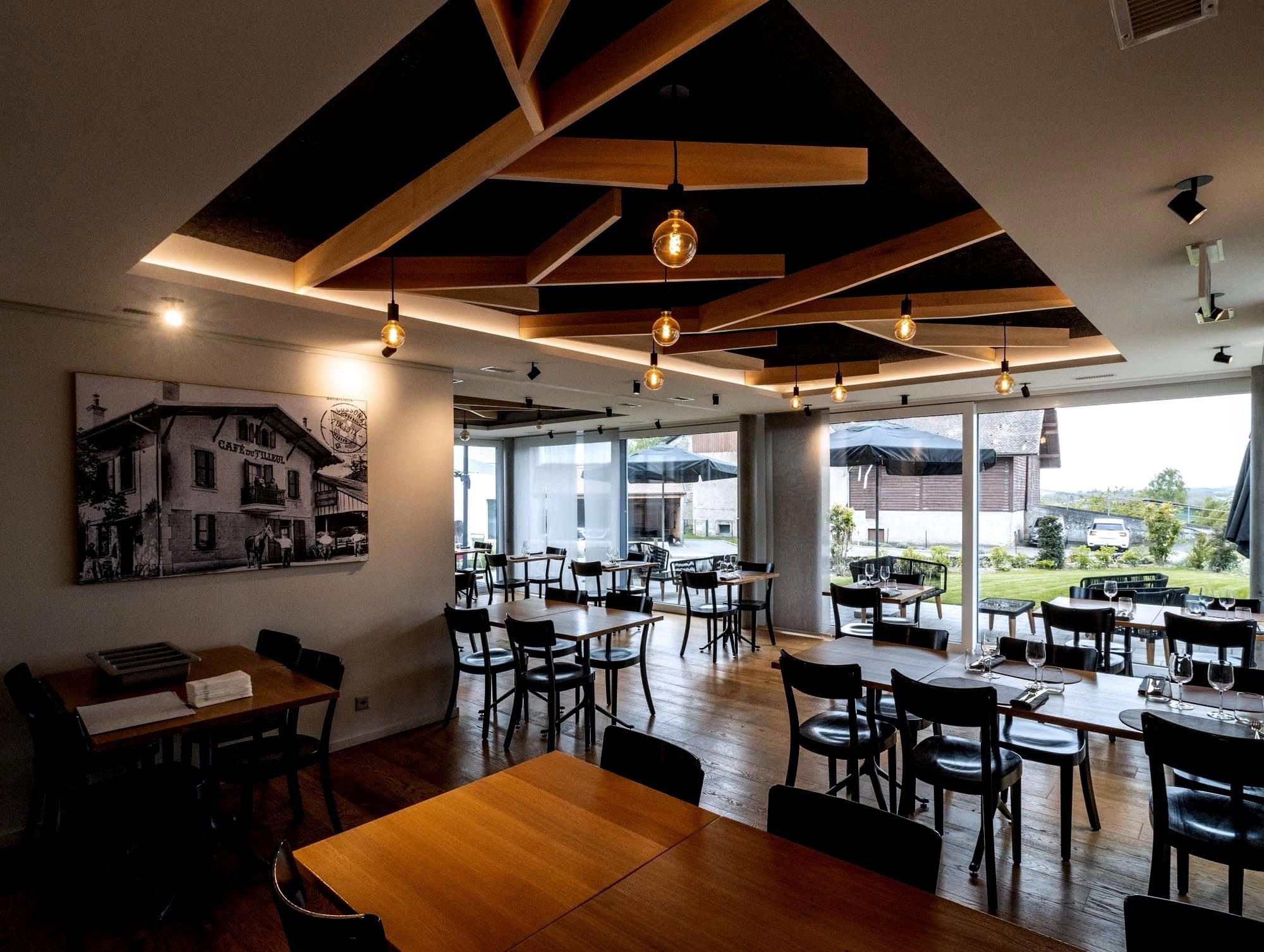
Café du Tilleul sits along the Route de l'Etraz in Senarclens, a small commune in the Vaud canton where Swiss rural café culture has changed little in decades. The café occupies a position that says more about the village it serves than about any culinary trend, a place where sourcing, season, and locality remain the unspoken organising principles of what reaches the table.

Pearl is the En Primeur Club membership app, where members save venues, book tables and use the concierge.
The menu
What to order
- Burger de Pangasius croustillant
- Filets de perches rôtis
- Choucroute garnie
Where the Vaud Countryside Frames the Table
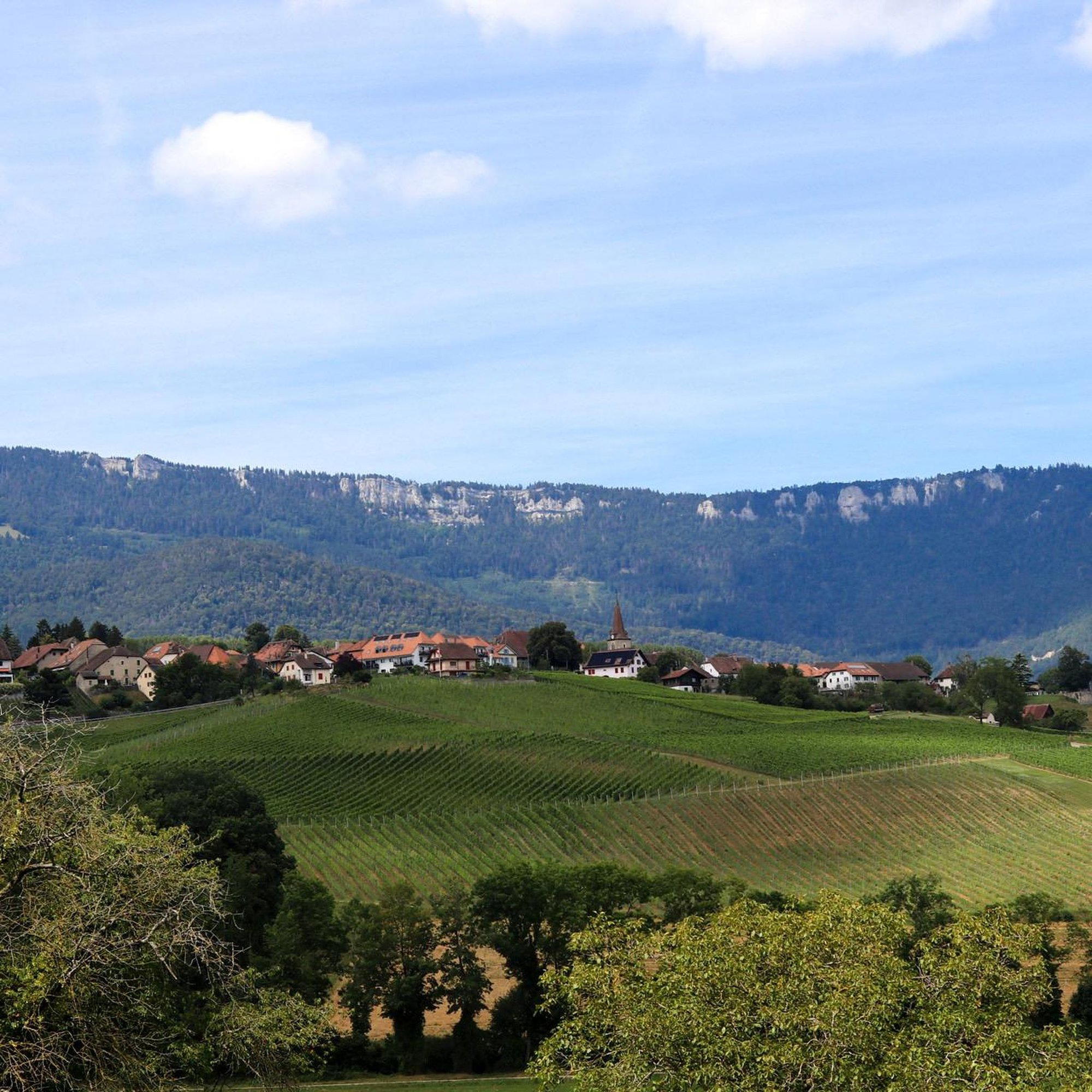
The Route de l'Etraz is an old road through a quiet canton. Senarclens sits in the agricultural belt south of Lausanne, where the fields that supply regional kitchens are visible from the road itself. In that context, Café du Tilleul at number 21 functions as something specific to Swiss rural Vaud: a village café where the gap between origin and plate is geographic rather than philosophical. This is not a design statement or a tasting-menu programme, it is the kind of establishment the Swiss countryside has produced for generations, and that many larger Swiss cities now work to replicate with considerably more effort.
The lime tree (tilleul) after which the café is named is a recurring fixture of Swiss village life. These trees have marked gathering points in French-speaking Swiss communes for centuries, and the name alone signals a relationship to place that precedes any menu decision. Arriving along the Route de l'Etraz, with farmland framing the approach, that relationship is legible before you step inside.
Ingredient Sourcing in a Region Built Around It
Vaud is one of Switzerland's most agriculturally active cantons. The area around Senarclens sits within reach of market gardens, dairy farms, and the lake-moderated growing conditions of the Plateau. For a café operating in this environment, proximity to primary producers is not a sourcing strategy adopted for marketing purposes, it is the default condition of doing business locally. The farms are nearby. The seasonality is immediate. What is grown in the surrounding commune and its neighbours is what appears in the kitchen.
This matters because Swiss café dining at the village level has historically maintained a directness that large-city restaurants spend significant effort reconstructing. The tradition in French-speaking Switzerland, particularly in smaller Vaud communes, involves a daily menu anchored by what is available: dishes built around seasonal vegetables, dairy from regional herds, and proteins tied to the agricultural calendar. That model persists in village cafés in a way it rarely does in urban settings, where supply chains lengthen and menus stabilise into year-round formats.
The contrast with Switzerland's high-end dining tier is instructive. Properties like Schloss Schauenstein in Fürstenau and Memories in Bad Ragaz have built explicit sourcing frameworks, with documented producer relationships and kitchen garden programmes, as part of their culinary identity at the €€€€ tier. At Café du Tilleul, equivalent sourcing proximity exists not as a programme but as geography. The question is whether the execution matches the opportunity, and that depends on the kitchen's engagement with what the Vaud Plateau offers each season.
The Village Café Format in French Switzerland
The café-restaurant format in French Switzerland occupies a specific social and culinary role that has no clean equivalent in larger cities. It is not a bistro in the Parisian sense, nor is it a gastro-pub in the Anglo-Saxon model. It functions as a local anchor: a place for the daily lunch menu (the menu du jour), for coffee after the market, for a glass of local wine in the early evening. In Vaud, this format often includes a plat du jour built around whatever the kitchen received that morning, alongside a small carte of Swiss standards.
This structure gives village cafés a rhythm that destination restaurants deliberately design around but can rarely fully replicate. The regularity of the clientele, the short supply chain, and the absence of any pressure to perform for a tourist market all shape what lands on the table. For visitors arriving from Lausanne or Geneva, roughly 30 to 40 kilometres away, Senarclens represents the kind of Swiss food experience that the larger cities' restaurant scenes reference but cannot contain within their own geography.
If you are comparing notes with Switzerland's more scrutinised dining addresses, the frame of reference shifts considerably. Hotel de Ville Crissier in Crissier operates a short distance to the north and represents the apex of Vaud's fine-dining tradition. Maison Wenger in Le Noirmont and Einstein Gourmet in Sankt Gallen each anchor specific regional fine-dining identities. Café du Tilleul operates in a different register entirely, one measured by regularity, locality, and the value of a well-executed daily menu over the ambition of a tasting programme.
The Broader Swiss Village Dining Picture
Switzerland's rural café tradition rarely earns coverage proportional to its cultural weight. The country's food media concentrates on Michelin-tracked addresses, on the creative Swiss cuisine emerging from kitchens like focus ATELIER in Vitznau or Magdalena in Schwyz, or on resort dining at properties like Da Vittorio in St. Moritz. The village café sits below that radar not because it is less relevant to how most Swiss people eat, but because it is harder to package as a destination narrative.
That gap is worth noting for anyone building a picture of Swiss food culture beyond the award-circuit addresses. Rural Vaud, like the Swiss Mittelland more broadly, maintains a café-restaurant density that reflects genuine community function rather than tourism infrastructure. Café du Tilleul's address on an old cantonal road in a small commune is not incidental, it is the whole context.
For reference points further afield in the Swiss canon, Taverne zum Schäfli in Wigoltingen occupies a comparable village-anchor position in German-speaking Switzerland while operating at the creative fine-dining tier. Mammertsberg in Freidorf and La Table du Valrose in Rougemont each represent different inflections of Swiss regional dining that share some thematic overlap with what a well-run Vaud village café can offer at a fraction of the price point.
Planning a Visit
Senarclens sits in the canton of Vaud, reachable from Lausanne by car in under 30 minutes via the A1 motorway corridor, with the Route de l'Etraz running through the village itself. Timing a visit for the midday service aligns with the traditional Swiss café lunch rhythm, when a menu du jour is most likely available.
Those building a wider Vaud dining itinerary can consult our full Senarclens restaurants guide for additional context on the local scene. For comparison across Swiss dining formats and price tiers, from Cheval Blanc by Peter Knogl in Basel to La Brezza in Ascona and Skin's in Lenzburg, the EP Club Switzerland index provides a broader map. International benchmarks like Le Bernardin in New York City and Lazy Bear in San Francisco illustrate how far the village café format sits from destination fine dining in both aspiration and price, which is precisely its appeal for a different kind of traveller.
Frequently asked questions
Is Café du Tilleul child-friendly?
The village café-restaurant format that Café du Tilleul represents in French Switzerland is structurally suited to family visits. These establishments have historically served as community anchors in agricultural communes like Senarclens, meaning mixed-age groups are part of the format rather than an exception. check the venue's official channels via their address at Rte de l'Etraz 21 to confirm current seating arrangements.
How would you describe the vibe at Café du Tilleul?
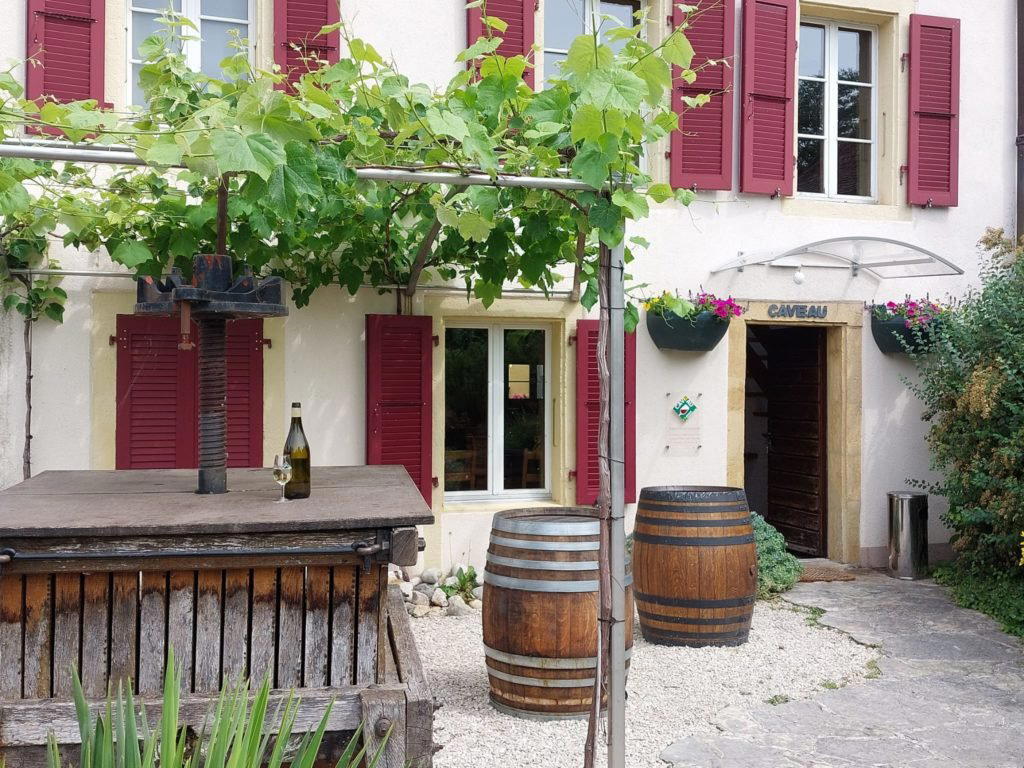
Café du Tilleul sits on the Route de l'Etraz in Senarclens, a quiet agricultural commune in the canton of Vaud. The café-restaurant format in this part of French Switzerland is low-key and communal, closer to a working village canteen than a destination dining room. Expect a pace set by the local farming calendar rather than a city service rhythm.
Is Café du Tilleul a good lunch stop when driving the Route de l'Etraz between Lausanne and the A1 corridor?
Senarclens sits within 30 minutes of Lausanne along the A1 motorway corridor, making Café du Tilleul a practical midpoint for travellers on that route rather than a detour destination. The Route de l'Etraz address places it directly on the road rather than off a secondary track. Village café-restaurants in this canton format are traditionally open at lunch for working locals, though hours should be confirmed directly with the venue.
What do people recommend at Café du Tilleul?
For current dish recommendations, contact the venue at Rte de l'Etraz 21, Senarclens.
Side-by-Side Snapshot
| Venue | Cuisine | Price | Awards | Notes |
|---|---|---|---|---|
| Café du TilleulThis venue (the venue you are viewing) | Swiss Bistro | $30–50 | Not listed | Not listed |
| Schloss Schauenstein | Creative Swiss Country Fine Dining | $300–500 | 3 Michelin Stars · World's 50 Best #52 | Modern European, Creative |
| Memories | Modern Swiss Alpine Cuisine | $300–500 | 3 Michelin Stars · La Liste Top Restaurants | Modern Swiss |
| focus ATELIER | Modern French Fine Dining | $200–300 | 2 Michelin Stars · La Liste Top Restaurants | Modern Swiss, Creative |
| Taverne zum Schäfli | Classic French Fine Dining with Creative Accents | $200–300 | 2 Michelin Stars · La Liste Top Restaurants | Swiss, Creative |
| Magdalena | Modern Vegetarian Fine Dining | $200–300 | 2 Michelin Stars · La Liste Top Restaurants | Alpine-Vegetarian, Modern Cuisine |
Continue exploring
More in Senarclens
Restaurants in Senarclens
All restaurants in Senarclens →
Bars in Senarclens
Browse all →
Details
- Cozy
- Classic
- Intimate
- Casual Hangout
- Family
- Terrace
- Local Sourcing
- A La Carte
Current opening hours
- Monday
- Closed
- Tuesday
- 9 AM–2 PM, 5–10 PM
- Wednesday
- 9 AM–2 PM, 5–10 PM
- Thursday
- 9 AM–2 PM, 5–10 PM
- Friday
- 9 AM–2 PM, 5–10 PM
- Saturday
- 5–11 PM
- Sunday
- 9 AM–2 PM
Hours can change for holidays and private events. Hours as of .
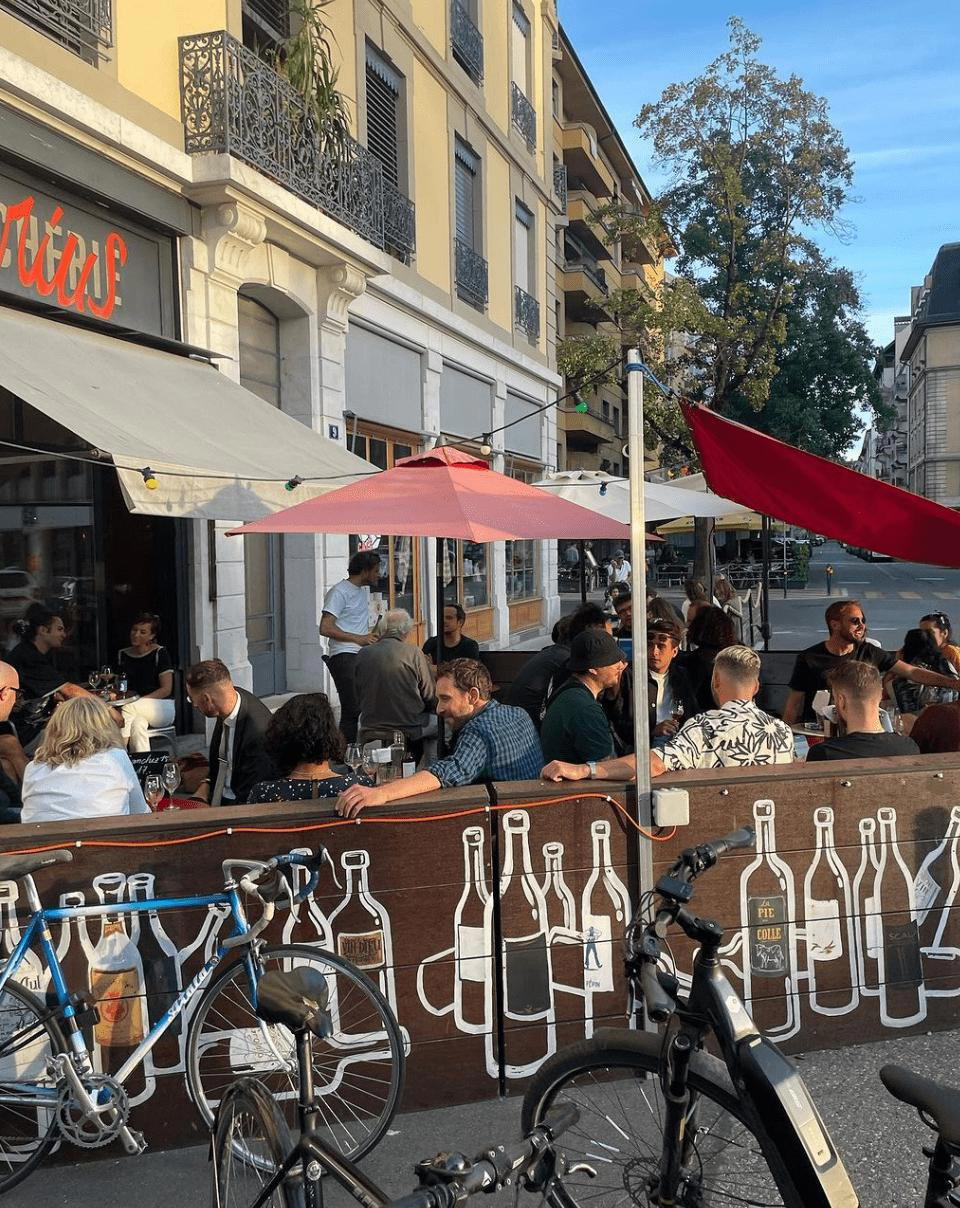
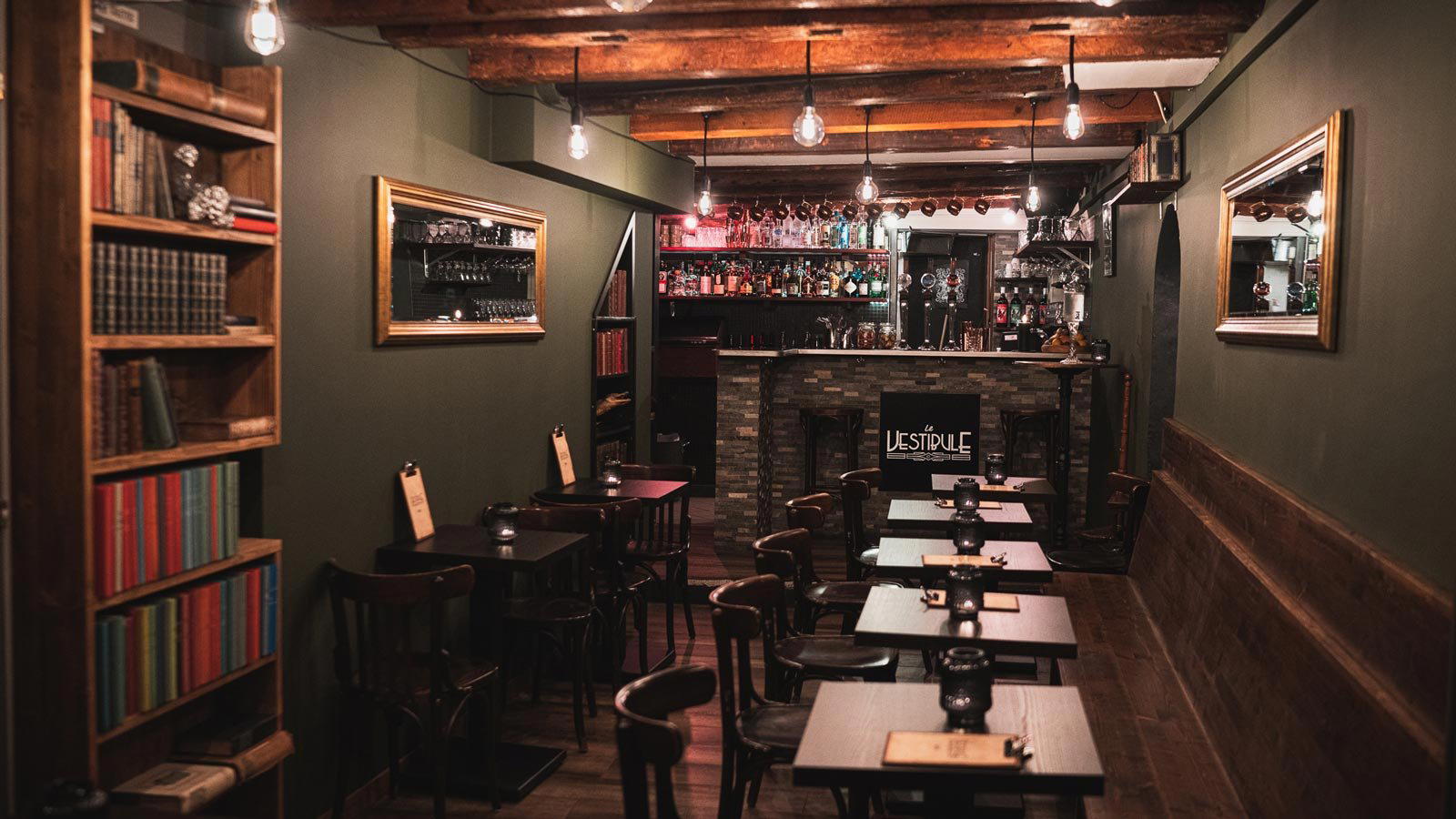
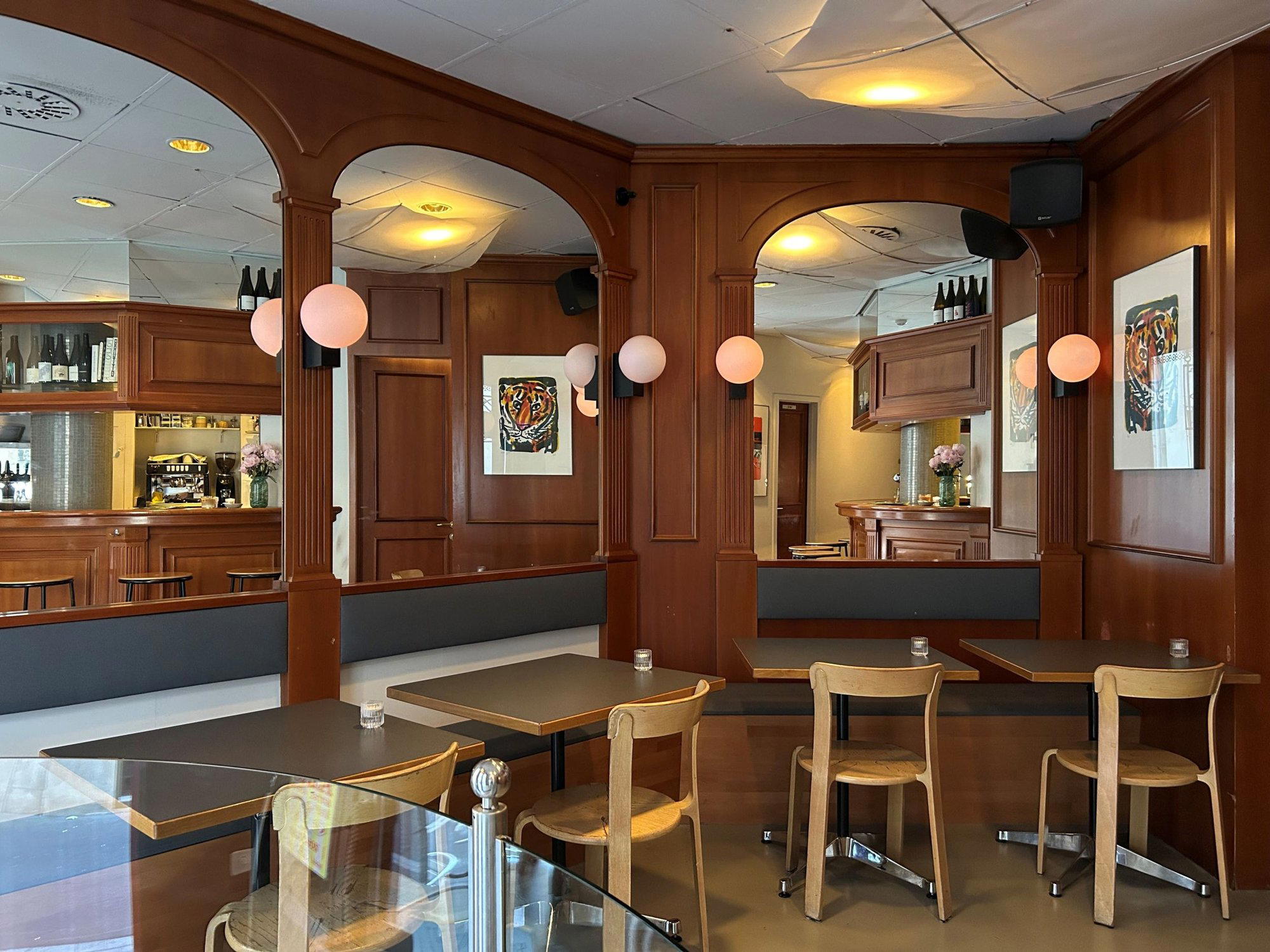
Warm and welcoming with a cozy bistro feel.