Café Amalfi
Our verdict
Café Amalfi belongs to Boston’s waterfront dining circuit, where the pull is as much about harbor proximity and North End adjacency as what lands on the plate. With little public detail on format, pricing, or chef authorship, the smarter read is contextual: treat it as a Battery Wharf stop shaped by seafood access, visitor traffic, and the city’s long Italian-American dining gravity.

Pearl is the En Primeur Club membership app, where members save venues, book tables and use the concierge.
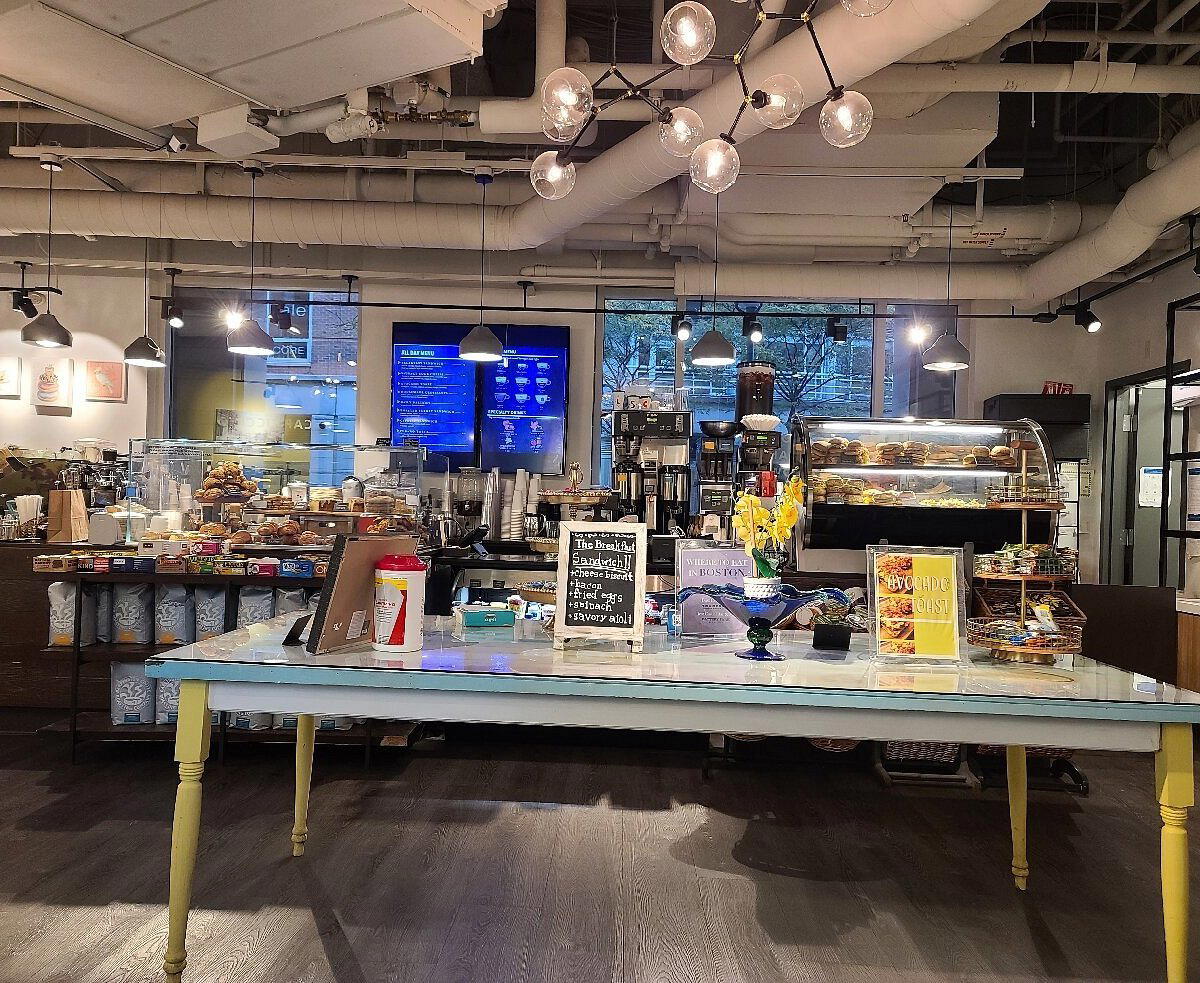
The menu
What to order
- Breakfast sandwiches
- Fresh pastries
- Breakfast sandwiches
Boston changes the dining mood before a menu appears. The air, the light, and the city’s restaurant history all shape expectations before the room has to prove itself. Café Amalfi sits inside that Boston context, where restaurants tend to be judged by a simple question: does the experience understand its setting as more than decoration?
Boston’s ingredient story is unusually literal. Local diners know the difference between a menu that uses place as a theme and one that treats it as a supply chain. The city’s better restaurants build credibility through seasonal products that can survive plain handling. That is the lens to use here. A Boston address carries an implied brief: clarity, freshness, and restraint matter more than menu sprawl or imported glamour.
Boston dining works when the city shapes the plate
The city has always split into two lanes. One lane serves visitors who want a low-friction meal before or after a wider itinerary. The other tries to translate Boston’s pantry into something sharper: fewer distractions, cleaner sourcing signals, and a kitchen that lets core ingredients do the work. Café Amalfi is better understood inside that second conversation than as a stand-alone destination with a heavily publicized chef narrative.
Dining in Boston has a different job depending on the room and occasion. Some restaurants trade on continuity, family dining rhythms, and portions built for repeat local rituals. Others have to account for tourism, hotel traffic, seasonal demand, and the appetite for a polished but approachable meal. That makes sourcing the editorial pressure point. If the cooking leans simple, the quality of ingredients matters more than ornamental plating; if it leans café-style, bread, oil, coffee, and produce need to carry the experience.
For readers comparing the city, Il Molo, TABLE, La Summa, Nando, and The Red Fox occupy adjacent Boston conversations rather than identical ones. The useful distinction is not which room has the louder reputation, but which occasion each answers: local tradition, contemporary formats, polished dining, or a lower-commitment meal in a high-traffic city. Café Amalfi belongs on that Boston map, where location narrows the brief and raises expectations around ingredients.
How to place it within Boston's broader restaurant map
Boston’s dining scene rewards specificity. A classic high-spend dinner answers a different need from a precise counter experience, while Boston dining rooms with strong settings show how location can become either atmosphere or substance. Other accessible neighborhood restaurants sit in another lane again, closer to everyday dining than occasion eating.
That range matters because Boston is not a single restaurant market. It is a set of overlapping micro-scenes: hotel dining, established local rooms, high-spend counters, polished classics, and casual formats that serve residents rather than itineraries. Café Amalfi’s value depends on the reader’s target. For a setting-conscious meal in Boston, the context does useful work. For a chef-led tasting format or a documented awards chase, other parts of the city may be built more directly for that purpose.
Ingredient sourcing is also where Boston compares well beyond Massachusetts. Cities with strong casual food cultures often put pressure on restaurants to justify every imported flourish. The same logic links many focused restaurants in other markets: the premise works when the sourcing and format are disciplined. The same applies to plant-forward, regional, and highly specialized formats. Category matters less than how tightly a place connects product, place, and expectation.
The practical read for Café Amalfi
The safer editorial stance is to treat Café Amalfi as a context-driven Boston choice rather than a mythology-driven reservation. The public facts support the city setting more strongly than any invented narrative: Café Amalfi is in Boston, and that is enough to define the likely use case without adding chef credentials, tasting-menu structure, or house specialties that are not established here.
Plan around the city. Dining in Boston can feel different by season: summer brings foot traffic and longer light; winter makes rooms depend more heavily on warmth, pacing, and the kitchen’s confidence. Readers building a wider itinerary should use Our full Boston restaurants guide for dining context, then pair it with Our full Boston hotels guide, Our full Boston bars guide, Our full Boston wineries guide, and Our full Boston experiences guide to understand how Café Amalfi fits into the city’s larger hospitality circuit.
The verdict is measured: Café Amalfi is most compelling when read through place, not publicity. Its strongest editorial case is its Boston setting and the ingredient discipline that the city’s restaurants are expected to show. Go for the context and assess the cooking by how directly it respects that setting.
Frequently asked questions
Is Café Amalfi a family-friendly restaurant?
Those details are not published. Café Amalfi is in Boston, and mixed groups, including families, should check the venue's official channels for the latest details.
What should I expect atmosphere-wise at Café Amalfi?
Expect a Boston setting shaped more by its city context than by a formal tasting-room format.
What's the address for Café Amalfi?
Café Amalfi is located in Boston.
Do I need a reservation for Café Amalfi?
Those details are not published. For a Boston restaurant, dinner and weekend service generally merit checking ahead rather than assuming walk-in availability. Check the venue's official channels for the latest details.
What do critics highlight about Café Amalfi?
The clearest editorial angle is its Boston setting and positioning.
Can Café Amalfi adjust for dietary needs?
Those details are not published. For a Boston restaurant, the safest assumption is to confirm accommodation in advance if a table is being planned around allergies or other constraints. Check the venue's official channels for the latest details.
Comparison Snapshot
Comparable venues by cuisine and price in the same metro.
| Venue | Cuisine | Price | Awards |
|---|---|---|---|
| Café AmalfiThis venue (the venue you are viewing) | Coffee Shop / Café | $10–20 | Not listed |
| The Red Fox | Classic Italian-American | $50–100 | Not listed |
| Il Molo | Modern Italian Seafood | Not listed | Not listed |
| TABLE | Authentic Italian Family-Style | $100–150 | Resy Best of the Hit List |
| La Summa | Authentic Sicilian Italian | $30–50 | Not listed |
| Nando | Sicilian and Modern Italian | Not listed | Not listed |
Continue exploring
More in Boston
Restaurants in Boston
All restaurants in Boston →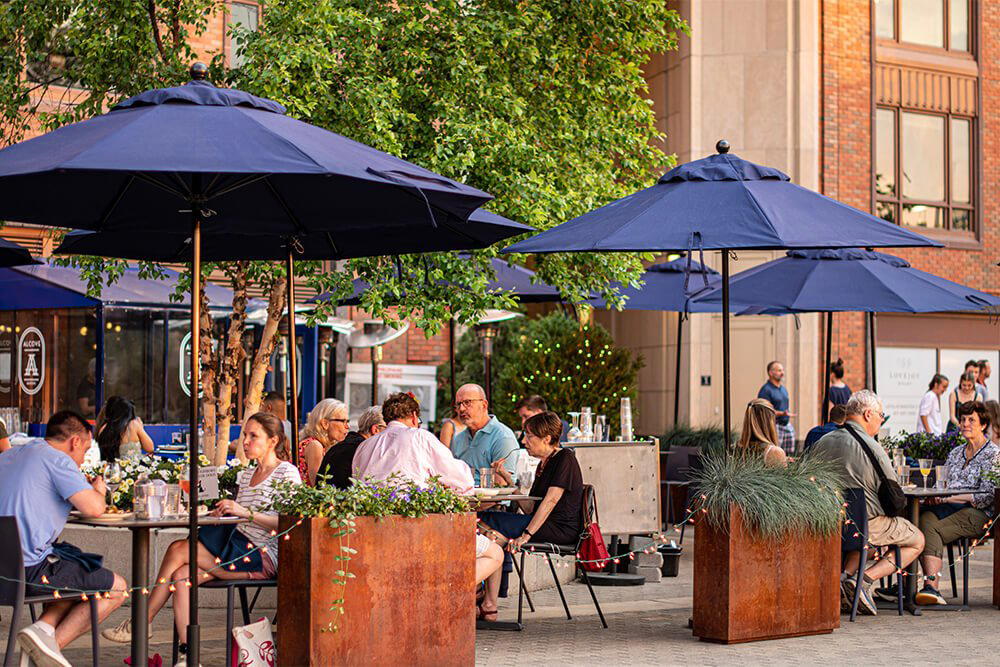
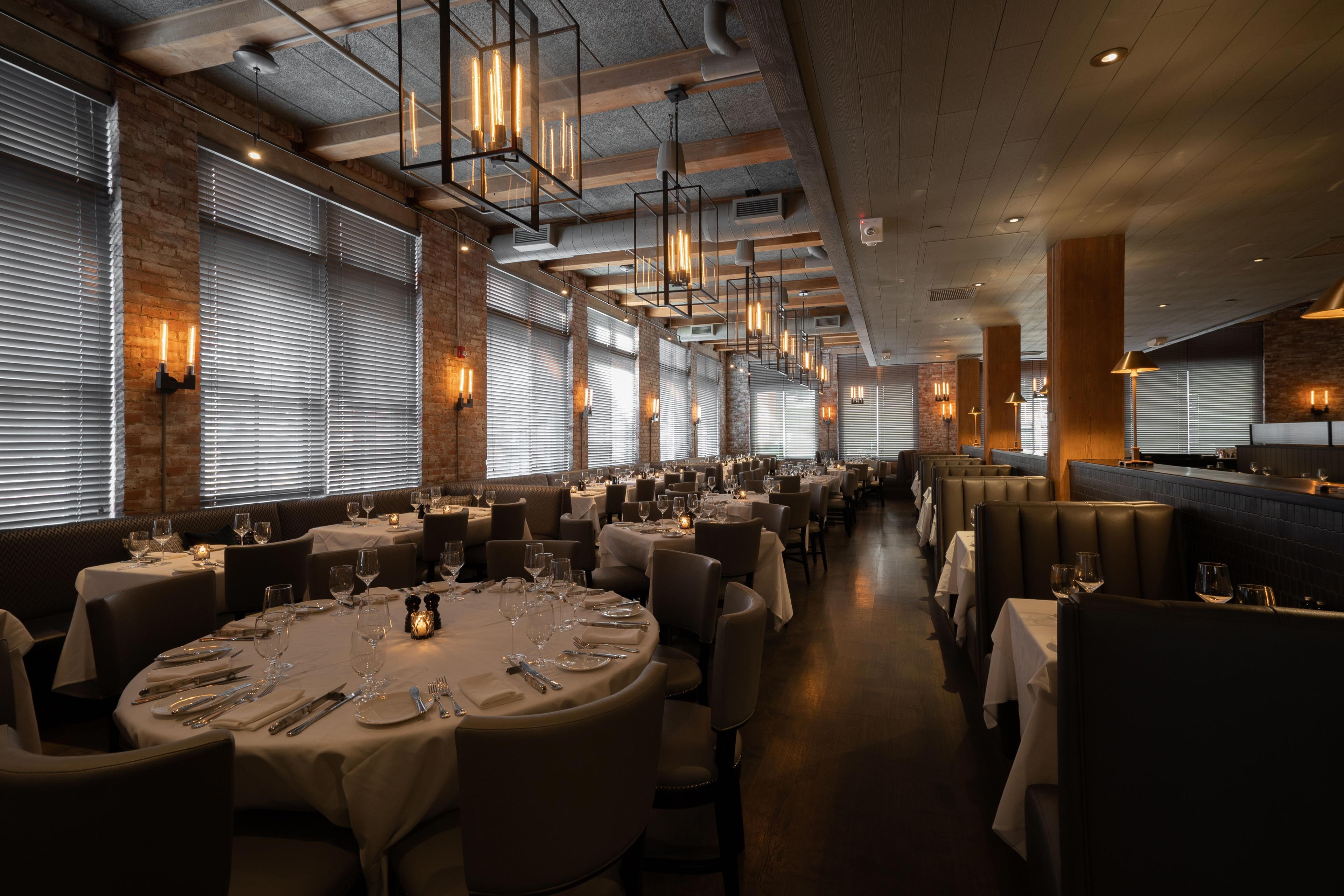
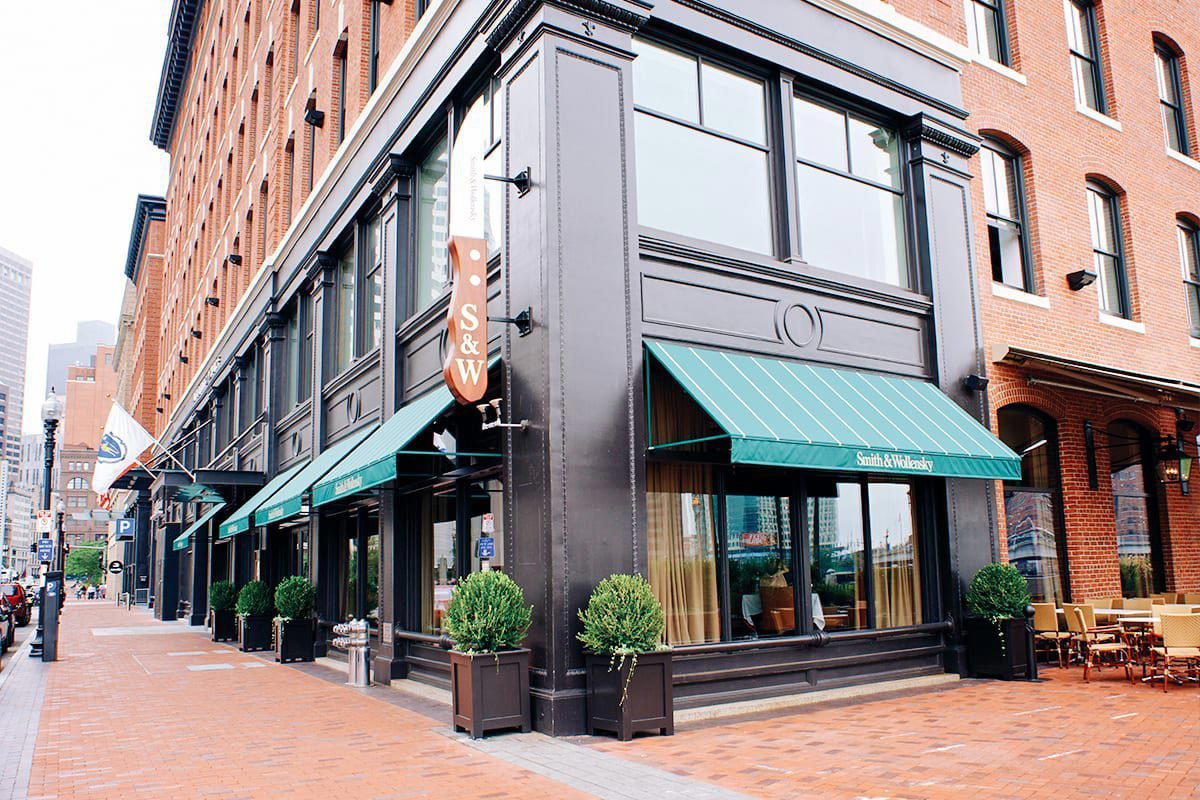

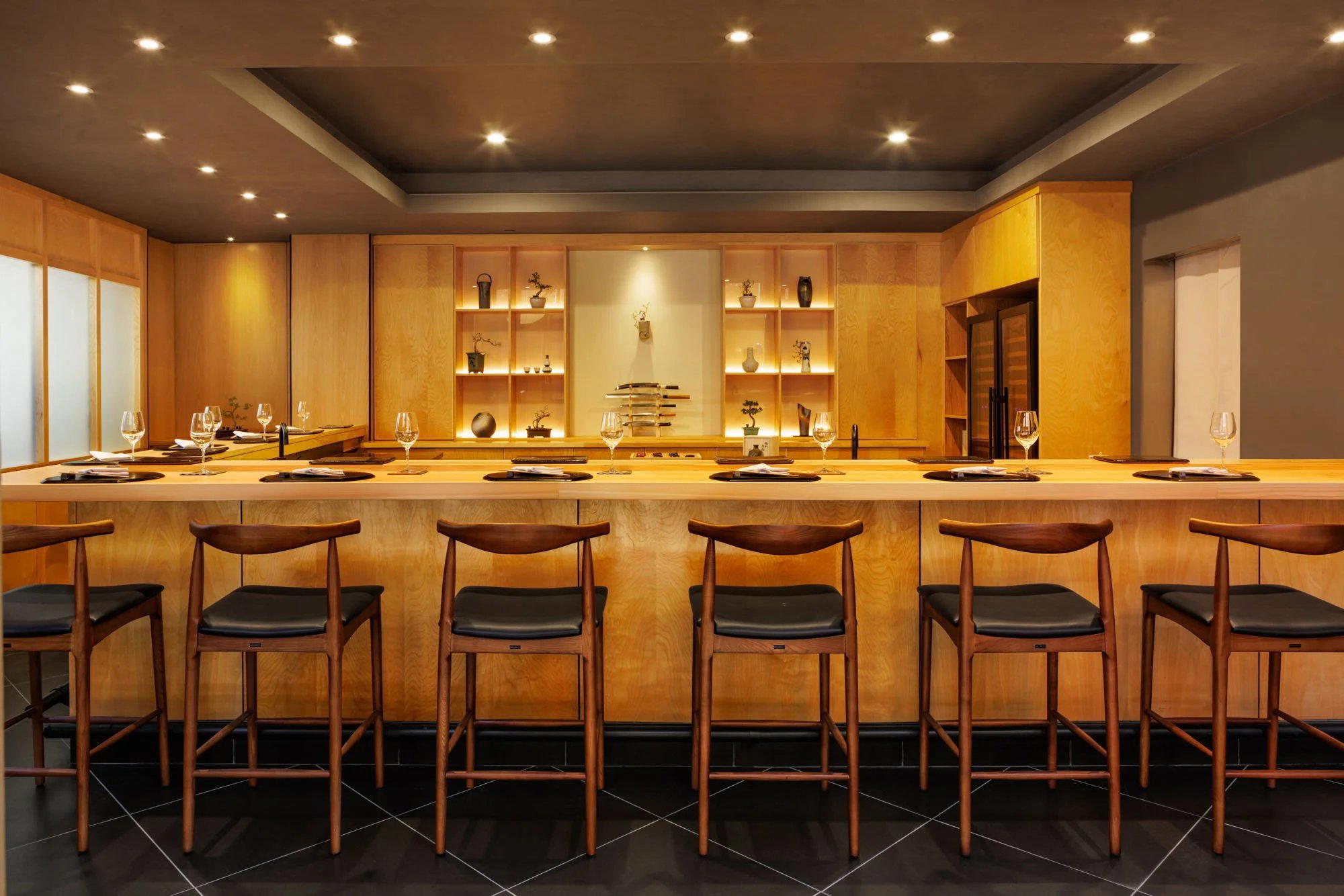
Bars in Boston
All bars in Boston →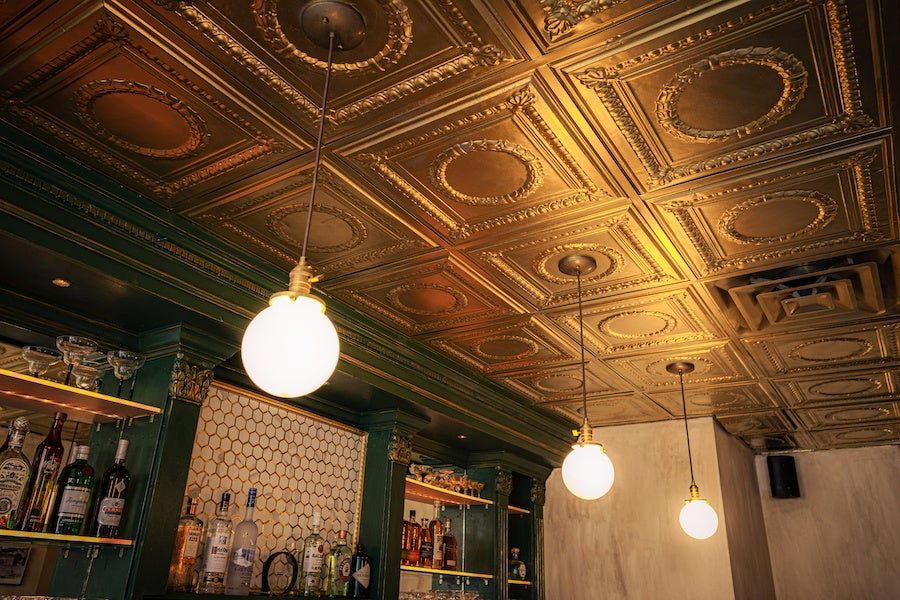
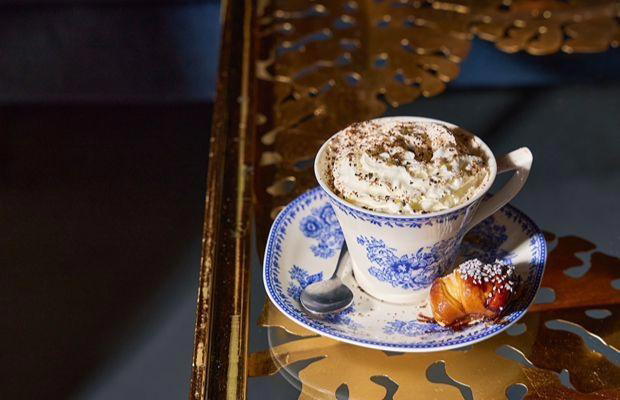
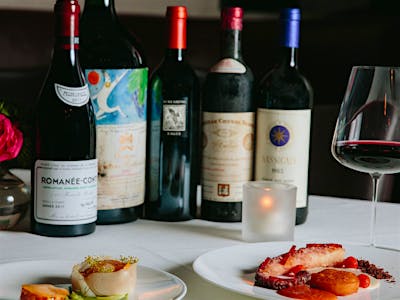
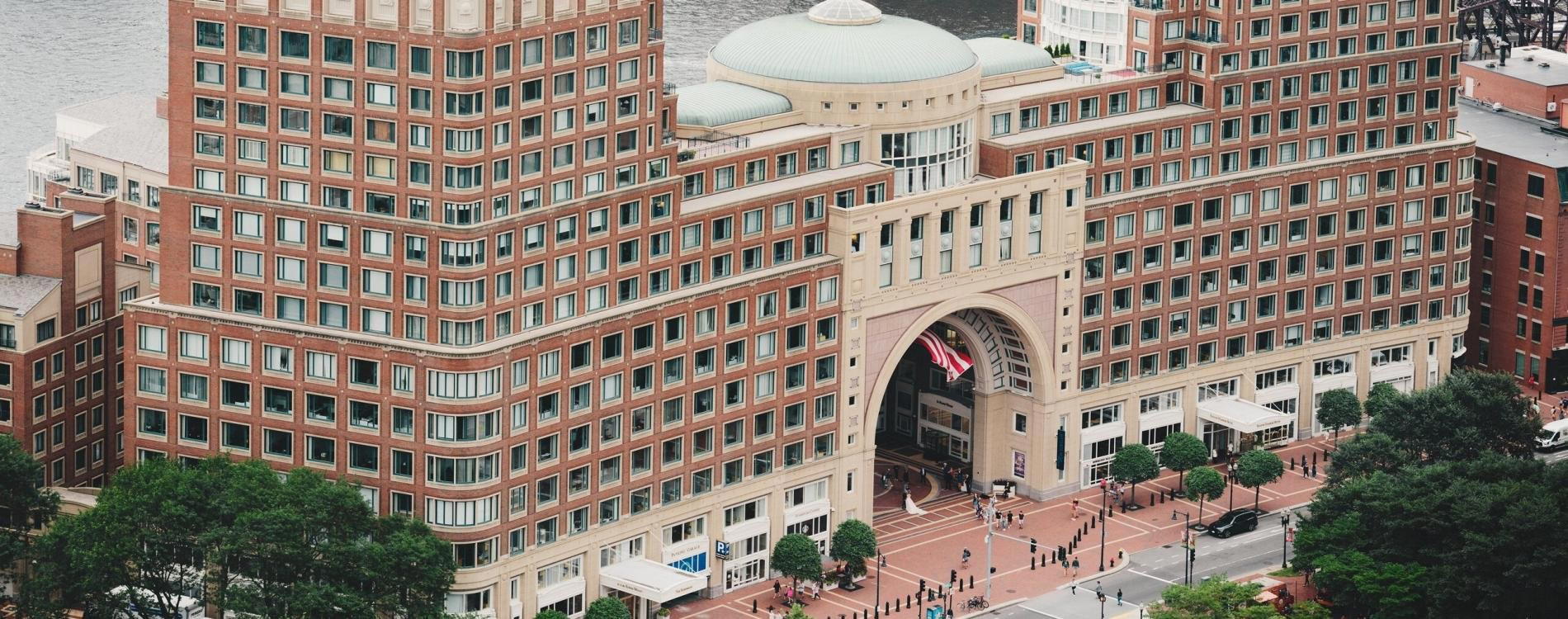
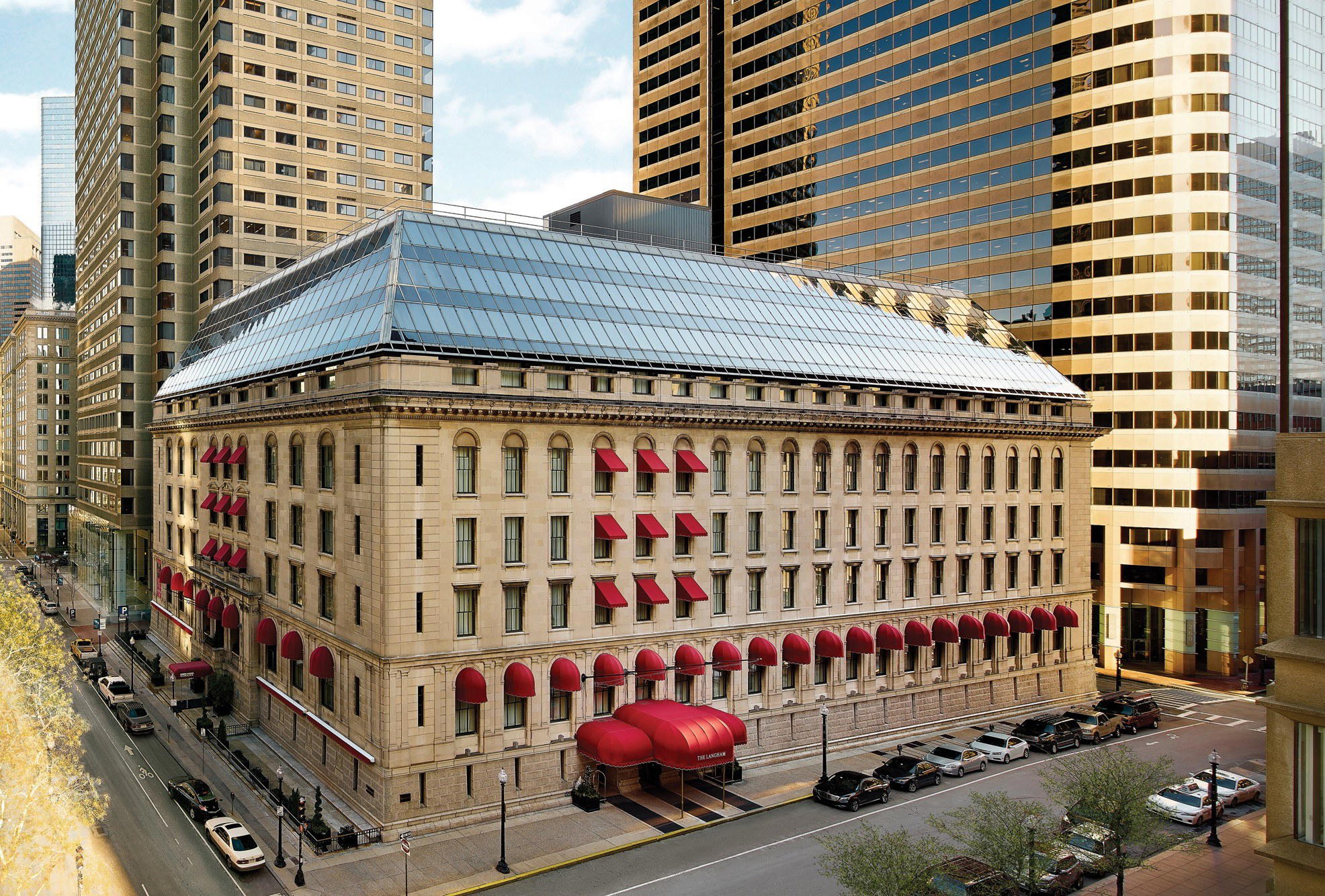
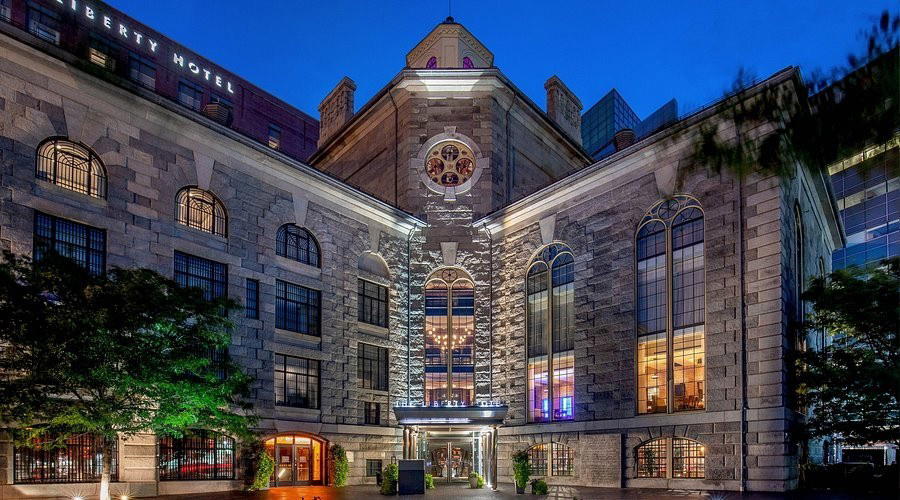

Details
- Cozy
- Scenic
- Casual Hangout
- Solo
- Family
- Brunch
- Waterfront
- Terrace
- Standalone
- Zero Proof
- Local Sourcing
- Waterfront
- Counter Dining
- A La Carte
- Coffee
- Espresso
- Cold Brew
- Specialty Coffee
- Vegetarian Friendly
- Vegan Options
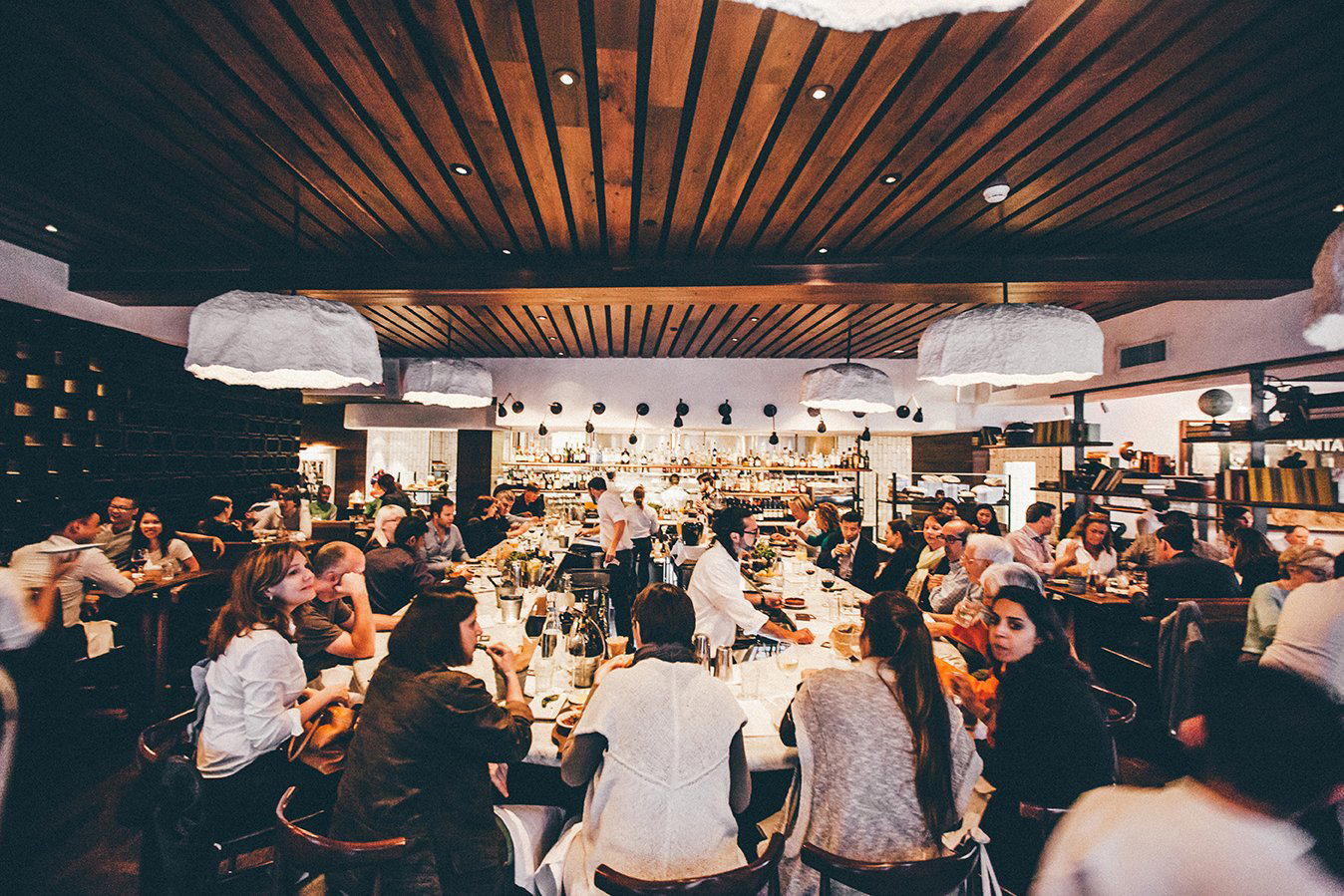
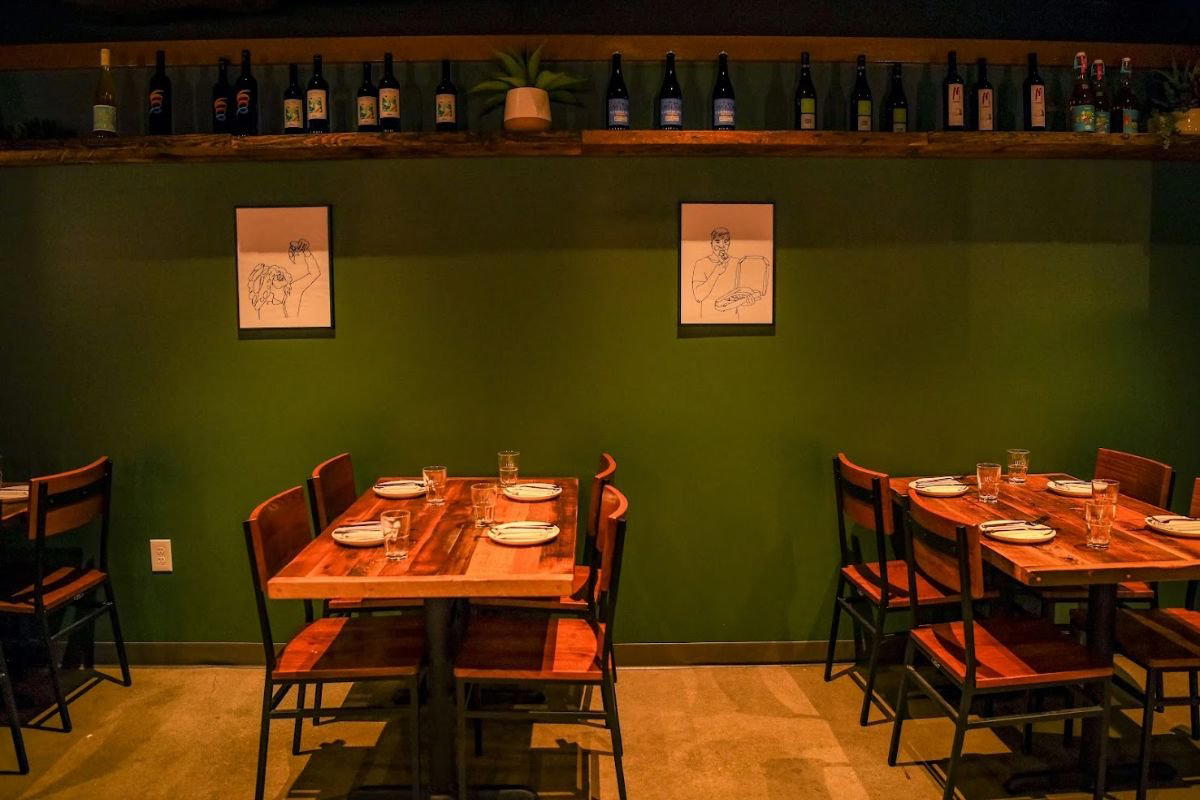
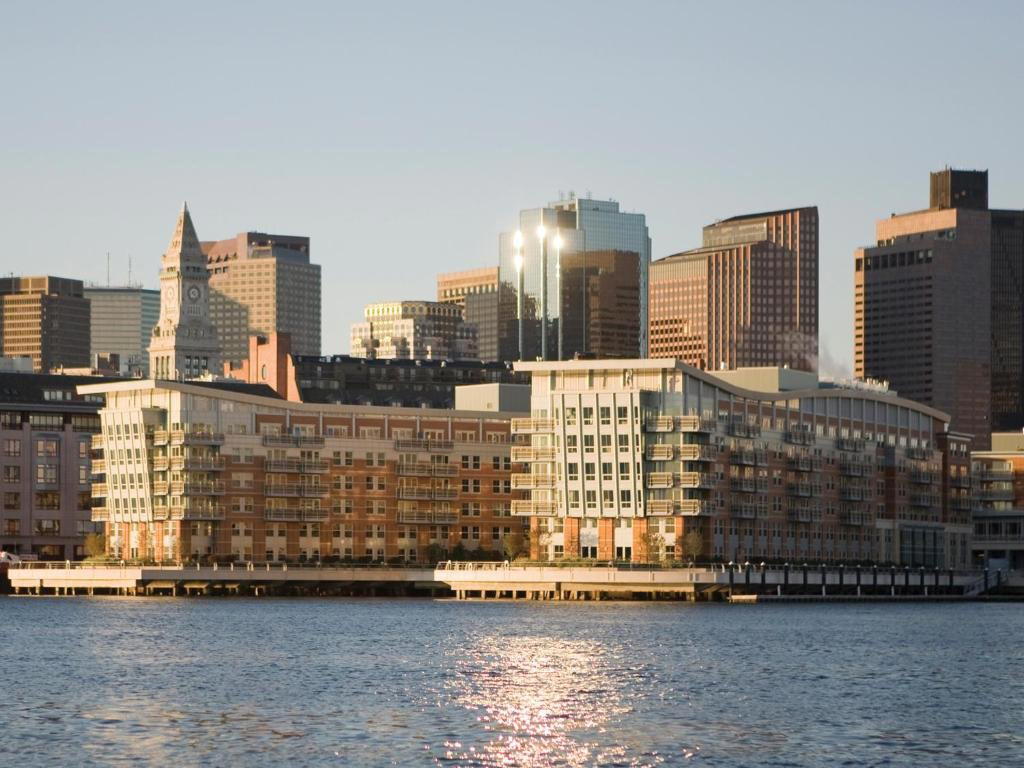
Sleek, inviting coffee-shop atmosphere with a scenic harbor-side setting and a patio option; guests describe it as cute, charming, and peaceful.