Café Riggs

Michelin Plate
Our verdict
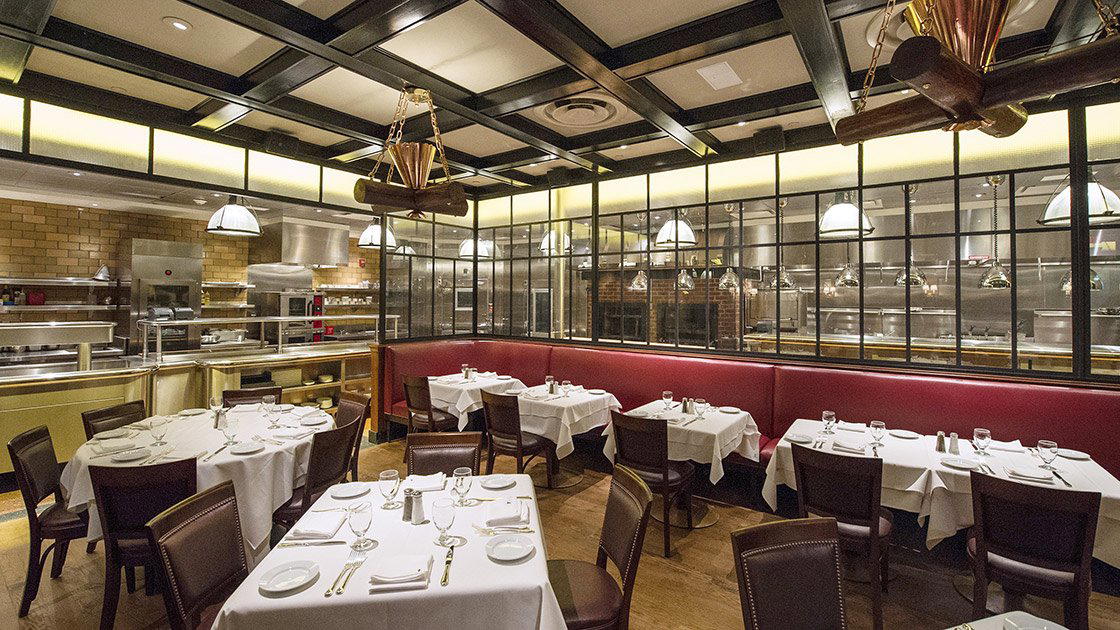
A Michelin Plate-recognised brasserie inside the historic Riggs Washington DC hotel, Café Riggs brings European grand-café tradition to Penn Quarter with a dining room of marble, brass, and Art Deco velvet. Chef Patrick Curran's menu runs from Wagyu beef tartare to chocolate soufflé, and the sharp service makes it as credible for a working lunch as for an unhurried dinner.

Pearl is the En Primeur Club membership app — saves, bookings, and concierge access live there. Same editors, same standards.
- Address
- 900 F St NW, Washington, DC 20004
- Phone
- (202) 788-2800
- Hours
- Mon–Thu 7 AM–11 PMFri–Sat 7 AM–12 AMSun 7 AM–11 PM
- Website
- riggsdc.com
- Directions
- Get directions
- Booking
- Book on SevenRooms
The menu
What to order
- French Onion Soup
- Steak Frites
- Eggs Royale
- Bouillabaisse
- Veal Scalopini
Brass, Marble, and the Ritual of the Long Lunch
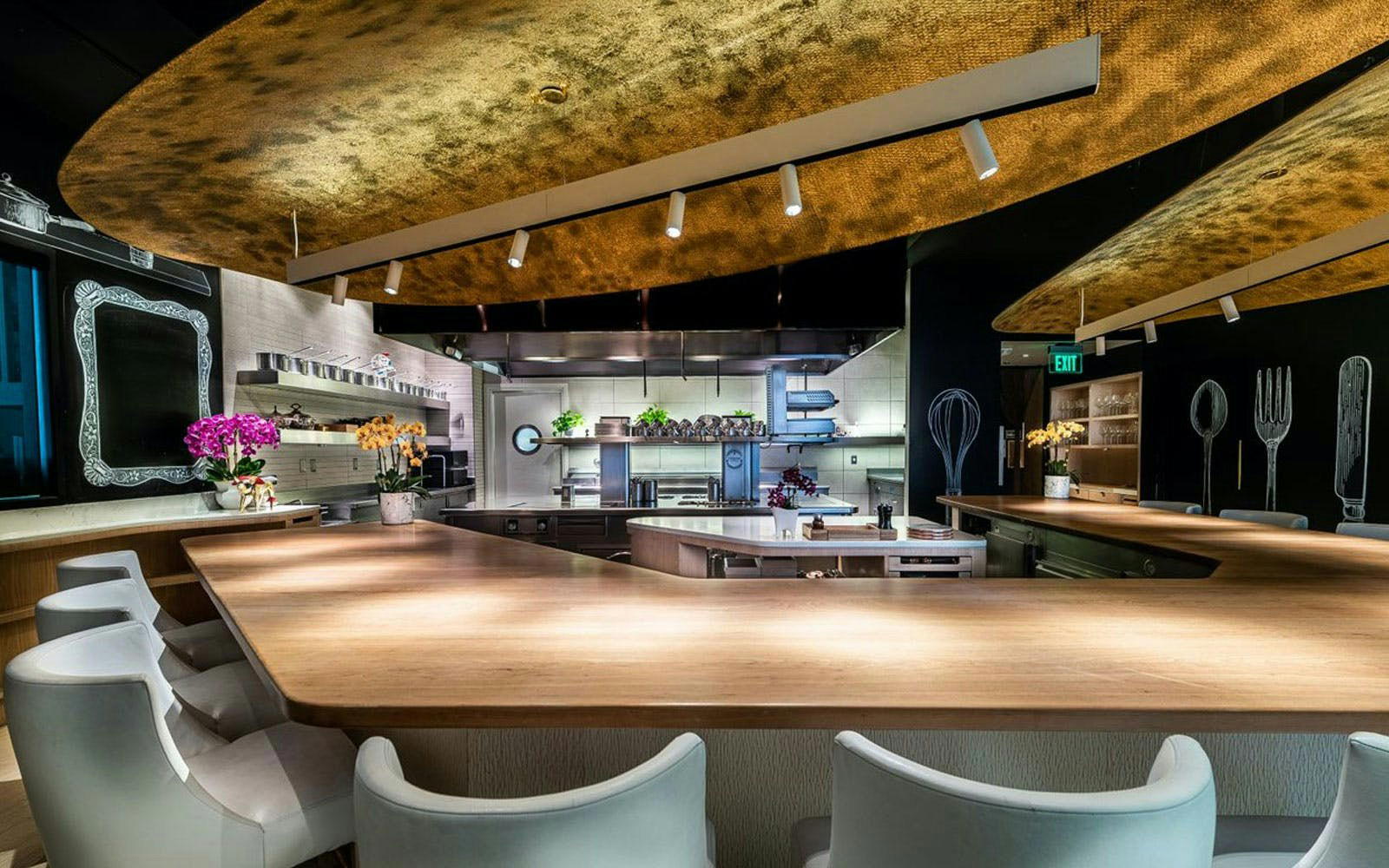
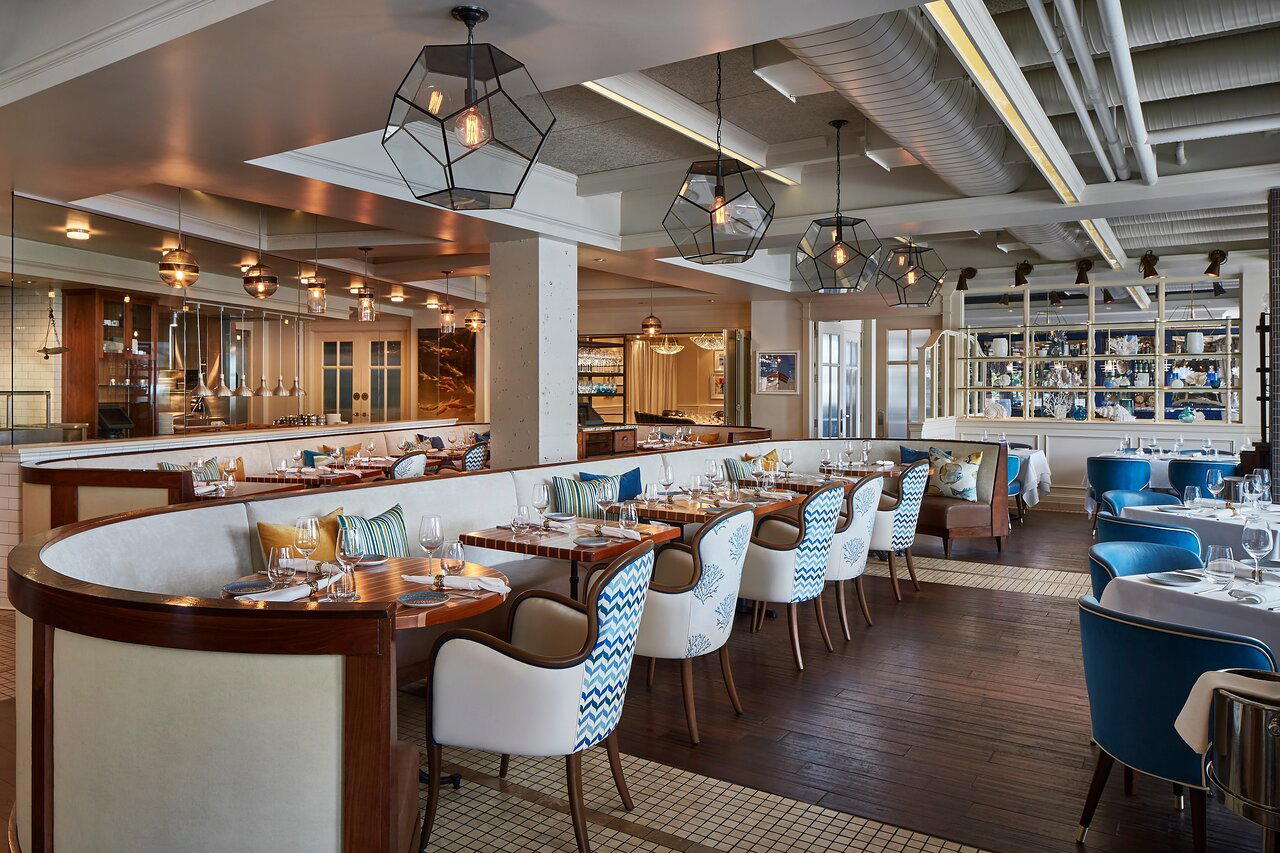
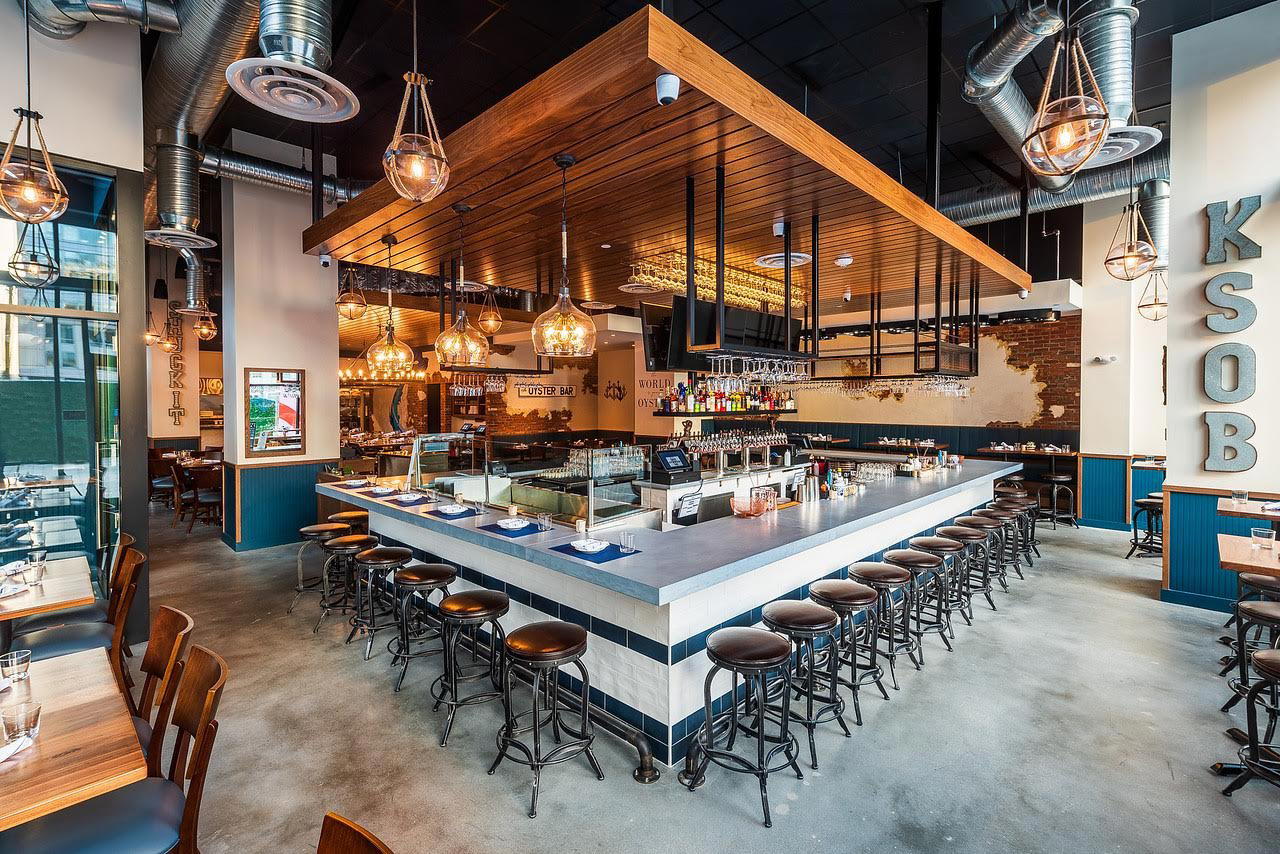
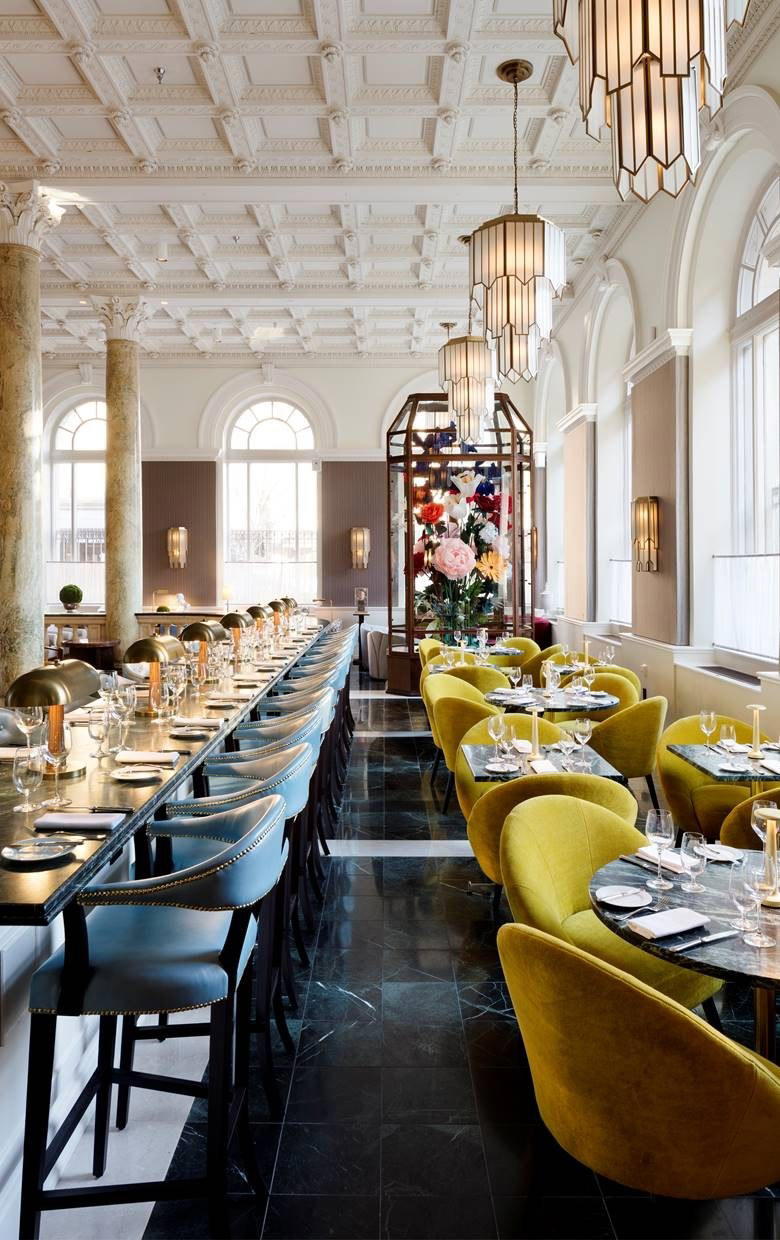
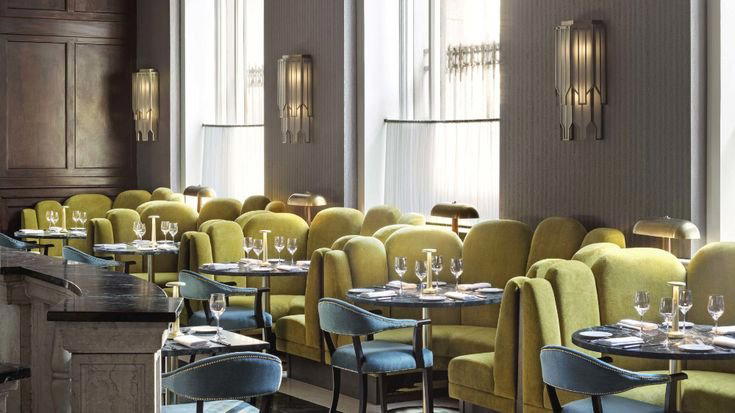
There is a particular kind of dining room that asks something of you the moment you walk in. The ceiling height demands you slow down. The gleaming brass and marble surfaces catch the light in a way that makes the outside world feel temporarily irrelevant. The velvet-covered Art Deco booths suggest that whatever brought you here, it can wait. Café Riggs, on F Street NW in Penn Quarter, belongs to that tradition: the European grand brasserie transposed to Washington, and it carries the format with enough conviction to make the comparison feel earned rather than aspirational.
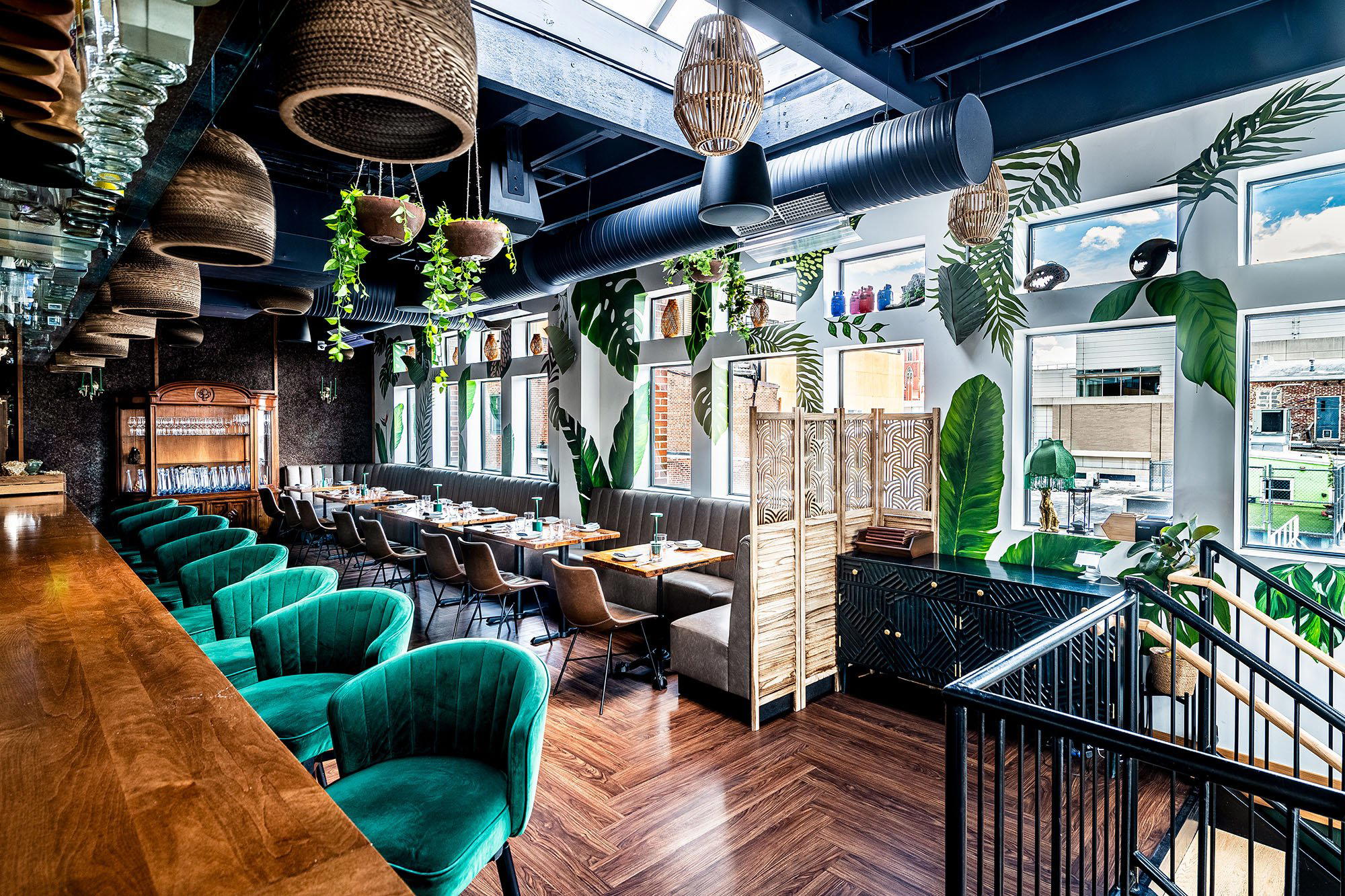
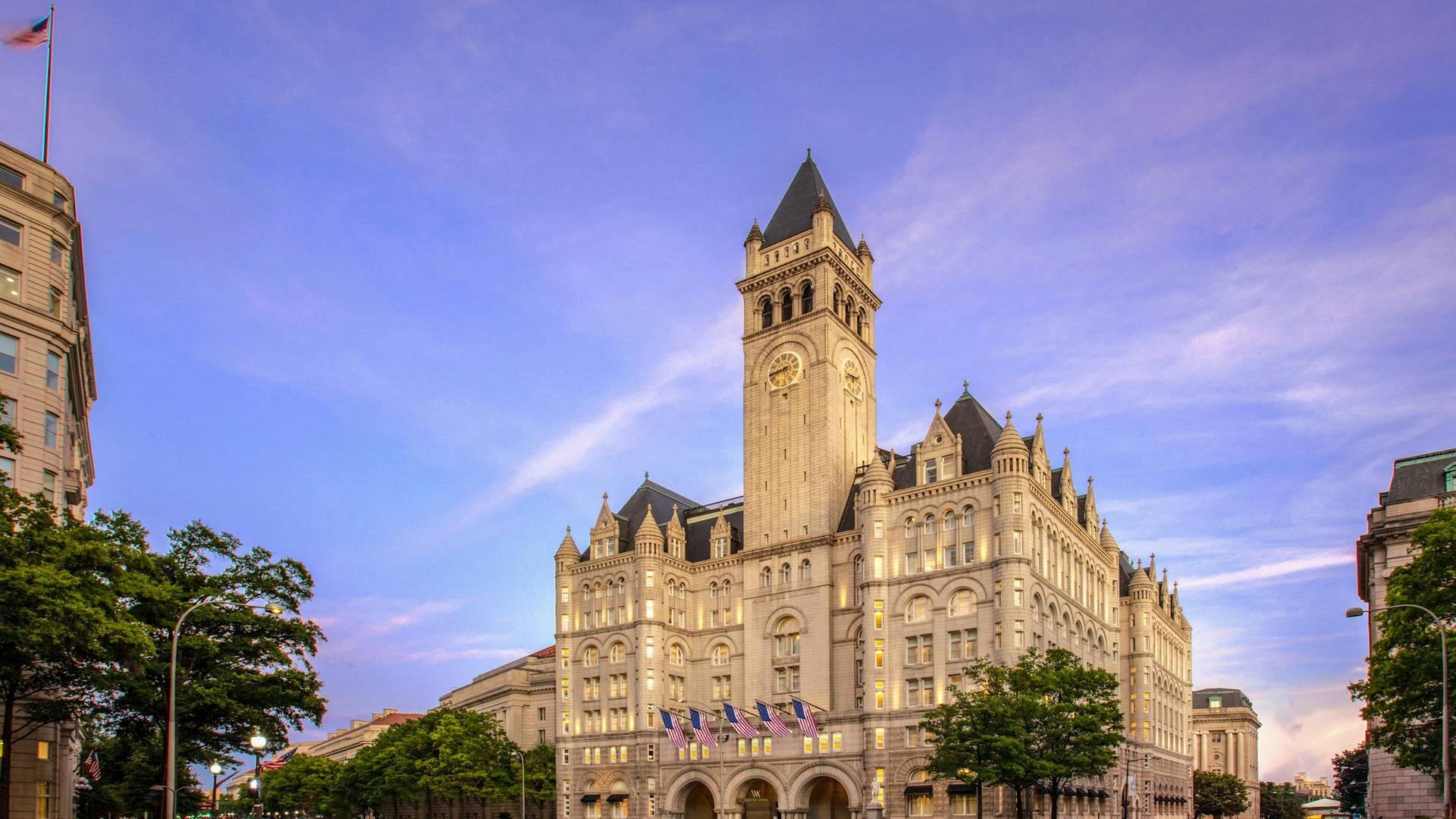
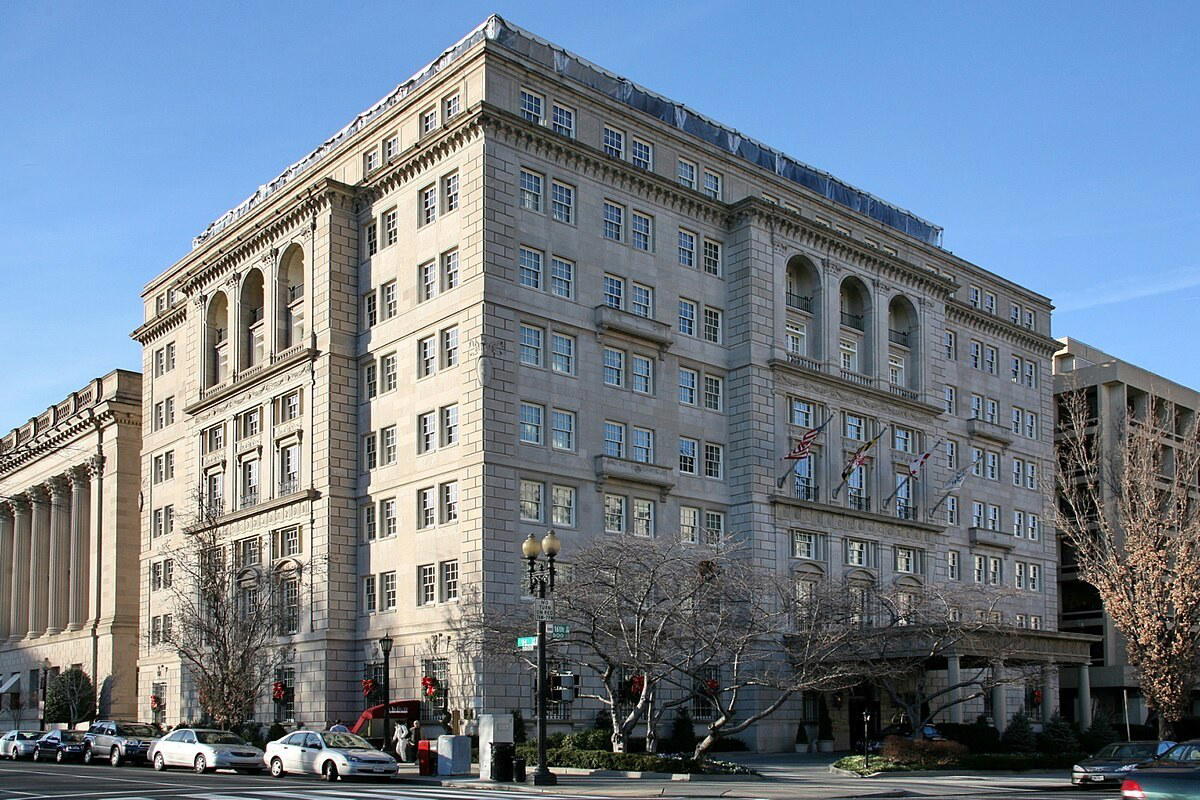
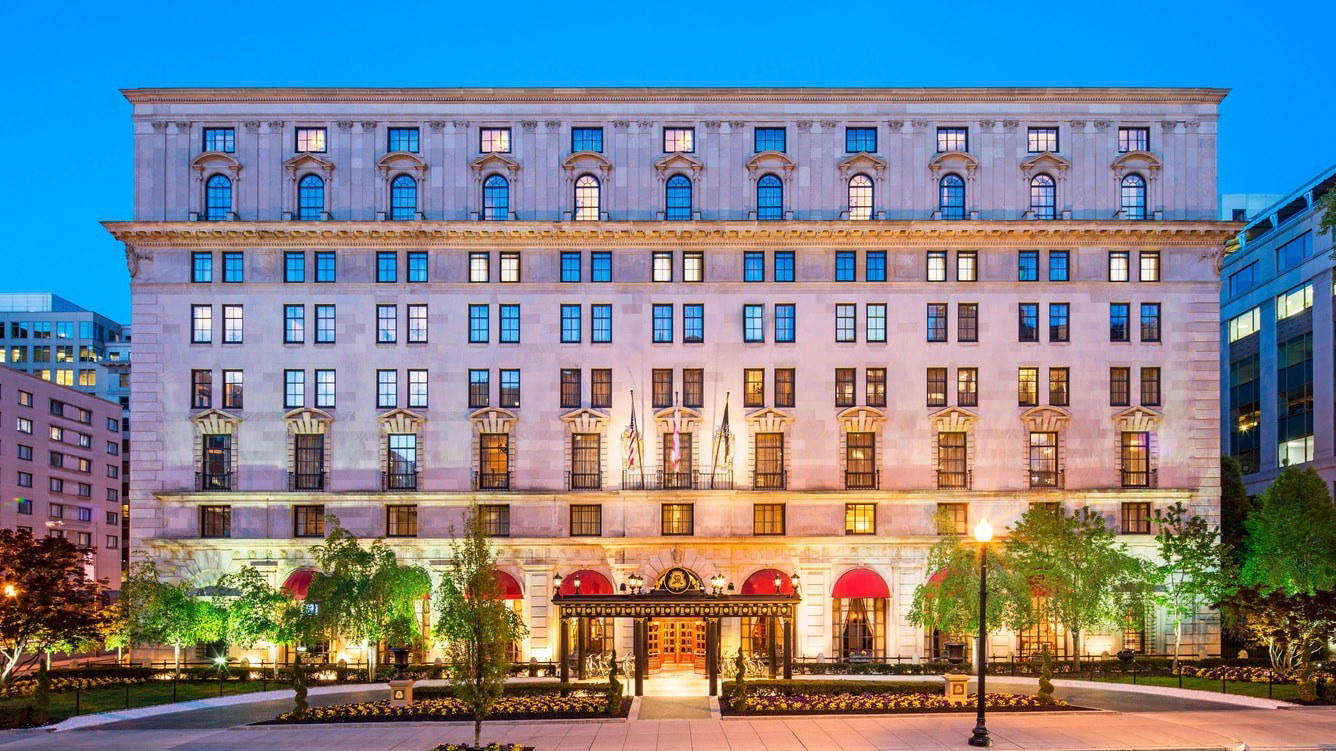
Penn Quarter has long functioned as the city's civic-dining corridor, drawing government and legal professionals, convention-goers, and theatregoers from the nearby venues. Within that neighbourhood, the Riggs Washington DC hotel occupies a landmarked building with genuine architectural presence, and the café takes full advantage of the historic shell. This is not a hotel restaurant hedging its bets with a neutral interior. The room commits to a point of view.
The Pace and Structure of the Meal
The great European brasseries — in Paris, in Brussels, in Vienna — share a common rhythm. You arrive, you settle, and the meal unfolds in stages that are neither hurried nor artificially prolonged. The kitchen does not chase trends; it executes a canon of dishes with enough precision to remind you why those dishes became canonical in the first place. Café Riggs operates inside that same philosophy, and its Michelin Plate recognition in 2024 confirms that the execution meets a documented standard of quality rather than simply invoking the aesthetic.
The menu reads as a defence of the classic with quality products as the argument. Wagyu beef tartare arrives with creamy mustard sauce, tart capers, and cornichons: a preparation that has no room to hide and nowhere to hide, which means the sourcing of the beef becomes the central fact of the dish. Prawn risotto with saffron, peas, and pickled ramps draws from the sea-forward coastal French tradition while the pickled ramps introduce a distinctly American accent. The combination lands with what the Michelin inspectors noted as surprising refinement. Then there is the chocolate soufflé, finished with Grand Marnier caramel sauce, a closing gesture that requires timing, confidence, and a kitchen that has done it enough times to stop worrying about it.
Each of those dishes asks the diner to slow down. The tartare requires attention. The risotto rewards patience. The soufflé cannot be rushed. The meal at Café Riggs is, in this sense, a structured argument against the abbreviated, efficient dining that Penn Quarter's business lunch crowd might otherwise default to.
Service as Part of the Format
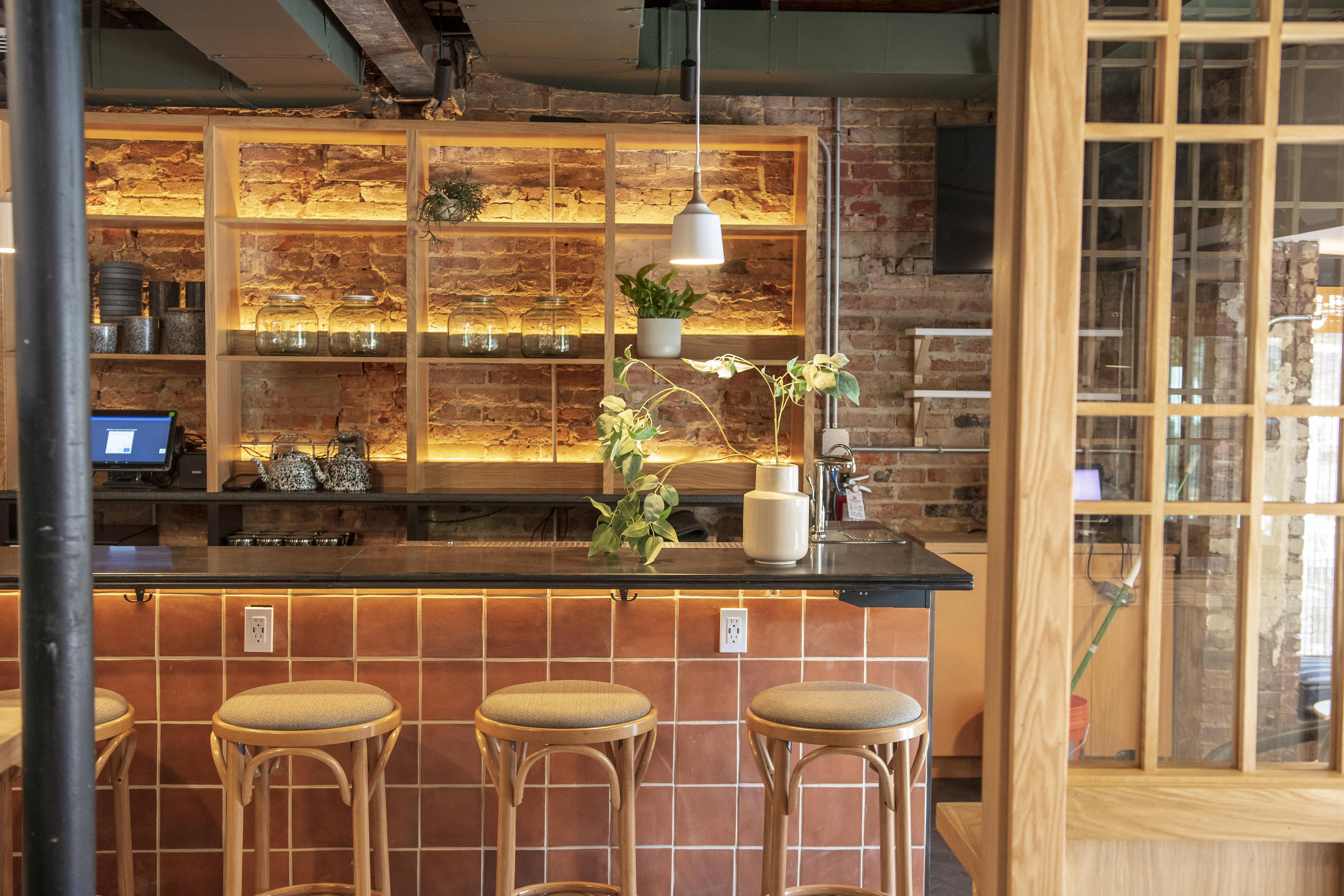
Brasserie service has its own codes. The staff know the room. They read the table: business or leisure, first visit or regular, lingering or moving on. At Café Riggs, the waitstaff is described as sharp, and that sharpness is what separates a polished brasserie from a hotel dining room that happens to serve good food. The distinction matters because the room functions across multiple occasions simultaneously. A business lunch at the table by the window and a post-work drink at the bar may be happening thirty feet apart, and managing both well requires a team that understands the difference in register without being told.
That versatility is part of what the European brasserie format offers. Unlike the tightly scripted omakase counter or the prix-fixe-only tasting room, the brasserie accommodates the incomplete visit: a glass and a dish, a full three courses, a long lunch that tips into afternoon. Washington has a number of restaurants working the contemporary American tasting-menu format at the top of the price range, places like Pineapple and Pearls, Rooster & Owl, and Annabelle, but the city has fewer options that do the grand European room with consistent kitchen quality. Café Riggs occupies that space with relative clarity.
Where It Sits in the Washington Dining Picture
Washington's Michelin-recognised restaurant scene has expanded substantially over the past decade. The 2024 guide includes single-star earners at the $$$ and $$$$ price points across multiple cuisines, Oyster Oyster in the sustainable New American tier, Bresca in the Modern French register, Gravitas in the contemporary American format, but the Michelin Plate designation, which Café Riggs holds, marks a distinct and useful tier: cooking that meets a quality threshold without the full tasting-menu apparatus or the premium pricing that the starred houses require.
That positioning makes it more useful across a wider range of occasions. For visitors cross-referencing the D.C. restaurant picture with comparisons to, say, Le Bernardin in New York City or The French Laundry in Napa, Café Riggs operates on different terms: it is not a pilgrimage destination but a dependable room with a strong identity and recognisable standards. Closer in format and ambition to César in New York City than to the high-concept contemporary operations like Alinea in Chicago or Jungsik in Seoul.
That breadth is itself a form of quality signal for a brasserie-format restaurant.
Planning a Visit
Café Riggs is at 900 F St NW, in the heart of Penn Quarter, walkable from the Gallery Place-Chinatown Metro station and within a short distance of the National Portrait Gallery and the city's main convention infrastructure. The room works as a business lunch venue, a pre-theatre dinner, or a post-work drinks stop, and the bar functions independently from the dining room if you want the atmosphere without the full meal commitment. Chef Patrick Curran leads the kitchen. The price range sits at $$$, placing it in the mid-to-upper bracket for the neighbourhood without reaching the tasting-menu tier.
For a fuller picture of Washington dining, the EP Club Washington, D.C. restaurants guide covers the city's range from neighbourhood spots like Residents Cafe & Bar and Reveler's Hour to the destination tier. If you are building a broader itinerary, the Washington, D.C. hotels guide, bars guide, wineries guide, and experiences guide give the full picture. For comparable contemporary formats in other cities, Emeril's in New Orleans, Lazy Bear in San Francisco, and Single Thread Farm in Healdsburg offer useful reference points across different registers.
Frequently asked questions
Where is Café Riggs in Washington, D.C.?
Café Riggs is located at 900 F St NW, Washington, DC 20004, Washington, D.C..
What style of cooking does Café Riggs do?
What kind of recognition has Café Riggs received?
Café Riggs has received recognition including: Inspired by the bustling brasseries of Europe, Cafe Riggs offers grace and modernity in a very polished setting. The historic dining room and bar, kitted out with gleaming brass and marble and velvet-covered Art deco booths, are not short o….
What do people recommend at Café Riggs?
The Michelin Plate recognition for 2024 points to a kitchen that executes classical formats with precision. Standouts noted in Michelin's own language include the Wagyu beef tartare with mustard sauce, capers, and cornichons; the prawn risotto with saffron, peas, and pickled ramps; and the chocolate soufflé finished with Grand Marnier caramel sauce. Chef Patrick Curran's menu rewards diners who follow the full arc of the meal rather than ordering selectively.
How much does it cost to eat at Café Riggs?
Pricing at Café Riggs is listed as $$$.
Who's behind the kitchen at Café Riggs?
The chef associated with Café Riggs is Patrick Curran.
| Venue | Cuisine | Price | Awards | Notes |
|---|---|---|---|---|
| Café RiggsThis venue — the venue you are viewing | Contemporary French-American Brasserie | $50–100 | Michelin Plate | Not listed |
| Albi | Modern Levantine Fine Dining | $300–500 | 1 Michelin Star · World's 50 Best #6 | United States, Middle Eastern |
| Causa | Modern Peruvian Fine Dining | $150–200 | 1 Michelin Star · James Beard Award Best Chef: Mid-Atlantic | Peruvian |
| Oyster Oyster | Modern Vegetable-Focused Tasting Menu | Not listed | 1 Michelin Star · James Beard Award Outstanding Chef #1 | New American, Vegetarian, Vegetarian (Sustainable) |
| Bresca | Modern French Bistronomy | $150–200 | 1 Michelin Star · James Beard Award Semi Finalist | Modern French, Contemporary |
| Gravitas | Modern American Fine Dining | $150–200 | 1 Michelin Star | New American, Contemporary |
Recognition history
Dated appearances from independent guides and award organizations, with the underlying list record or original source where available.
Michelin Plate
Michelin
Full recognition history (2 entries)
Michelin Plate
Michelin