
Michelin Plate
Our verdict
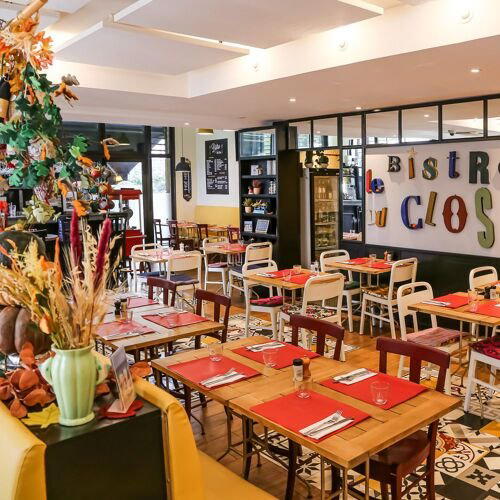
Café César Paris transforms bistronomic dining in Clichy, where Michelin-trained chef Charles Boixel creates innovative French cuisine in a vibrant, light-filled space featuring red brick walls and azure tiles, delivering restaurant-quality precision with neighborhood bistro warmth.

Pearl is the En Primeur Club membership app — saves, bookings, and concierge access live there. Same editors, same standards.
- Address
- 30 Rue Chance Milly, 92110 Clichy, France
- Phone
- +33 1 47 94 96 86
- Hours
- Mon–Fri 8:30 AM–12 AMSat–Sun Closed
- Website
- cafecesar.fr
- Directions
- Get directions
- Booking
- Book on Zenchef
Clichy and the Outer Ring of Parisian Fine Dining
The address catches most visitors off guard. Clichy, the commune that abuts Paris's northern boundary along the Seine, does not carry the gastronomic weight of the 8th arrondissement or the self-conscious cool of the 11th. Rue Chance Milly is a working-street address in a neighbourhood where restaurants tend to serve the local population rather than destination diners. That context makes Café César's position in the 2025 World's 50 Best Restaurants at number 98, alongside a Michelin Plate recognition in the same year, worth pausing on: it is evidence that the geography of serious French cooking has been shifting outward from its traditional postcodes for some time, and that Clichy is now part of that map.
The same pattern appears in other European cities. Stockholm's Frantzén — ranked and credentialed across multiple cycles of the World's 50 Best — helped establish that serious modern cooking no longer requires a grand hotel address or a central arrondissement. FZN by Björn Frantzén in Dubai extends the same logic to a different geography entirely. In France, the tradition of significant cooking in non-metropolitan or non-prestige locations runs deep: Bras in Laguiole and Flocons de Sel in Megève built reputations in settings far removed from Paris's dining establishment. Café César belongs to that broader tendency, applied here to an inner suburb that most Parisian food coverage has historically ignored.
Modern Cuisine and What That Category Currently Means in France
Label "modern cuisine" covers a wide range in France right now. At the top of the price tier, it encompasses the hyper-technical creativity of Pierre Gagnaire and the architectural formalism of 114, Faubourg, where the room and the price point are part of the product. At three-star level, the classification sits alongside houses like Kei and Le Cinq, where classical French technique provides the foundation and contemporary expression is layered above it. Café César, at the €€ price range, occupies a different position in this spectrum: the cooking is categorised as modern cuisine, but the economics place it closer to a neighbourhood-accessible format than to the grand-table tier. That combination, serious credentials at an accessible price, is increasingly where the most interesting cooking is happening in Paris.
French modern cuisine, at its most considered, draws on a deep reserve of classical training while resisting the pressure to simply reproduce the canon. The kitchens of Auberge de l'Ill in Illhaeusern, Troisgros in Ouches, and Paul Bocuse's Auberge du Pont de Collonges represent the long lineage against which contemporary practitioners are always, consciously or not, measured. What distinguishes the current generation is a willingness to let that lineage inform rather than constrain. Café César, under chef Charles Boixel, sits within this current, bringing a modern sensibility to a setting that has none of the institutional weight of the grand Parisian dining rooms.
A placement at number 98 in the World's 50 Best extended list, the 51-100 tier, places Café César in company that spans multiple continents and price points, but within the Paris context it locates the restaurant in a specific tier. Paris's three-star houses, Mirazur in Menton (geographically French), Paul Bocuse, and the capital's own three-star addresses, operate at price points and formality levels that represent a different category of commitment for the diner. The Michelin Plate, which denotes good cooking without the star hierarchy, signals that the kitchen is taken seriously by the guide without carrying the booking pressure and price premium that stars tend to generate. That pairing, a global ranking and a Michelin Plate rather than a star, is relatively rare and suggests a restaurant that is building recognition on culinary grounds while remaining accessible in format.
Closer to home, the comparison set includes restaurants like Accents Table Bourse, Anona, and Amâlia, which occupy the middle tier of Paris's current dining scene: credentialed, precise, and operating outside the grand-table economics of the 8th and 16th. Café César's Clichy address sets it apart even from this group, which tends to cluster in central arrondissements. The Auberge de Montfleury represents the tradition of strong cooking in peripheral or semi-suburban settings; Café César continues that tradition in a northern suburb that most destination diners have not yet made a habit of visiting.
The Cultural Logic of the French Neighbourhood Restaurant at This Level
There is a French culinary tradition that the €€ modern-cuisine restaurant in a non-prestige location embodies, one that runs parallel to the grand-restaurant tradition and is in some respects more culturally embedded. The bistrot de quartier at the level of serious craft, not a tourist facsimile, but a place where technique and sourcing matter and the room is full of people who live within walking distance, has long been the form in which most French people encounter good cooking. When a restaurant in that register earns global recognition, it tends to confirm the form rather than transcend it.
A score at that level, sustained across a significant volume of responses, suggests consistent delivery rather than a single exceptional visit skewing the average. High-volume, high-rating combinations in this category of restaurant typically indicate that the kitchen performs reliably across service rather than only for reviewers or special occasions. That reliability is what the French neighbourhood restaurant tradition, at its most functional, is built on.
The cultural roots of modern French cuisine in this register also connect to a broader regional tradition. French cooking has always moved between Paris and the provinces, with chefs trained in the capital's kitchens returning to regional settings, or arriving from strong regional traditions to challenge Parisian assumptions. The Auberge de l'Ill in Alsace and Bras in Laguiole are both expressions of how deeply rooted the French kitchen is outside the capital. Clichy, in this reading, is less an anomaly and more a continuation of that outward movement, compressed into a suburb rather than a different region.
Planning a Visit
Clichy is accessible from central Paris by Metro (line 13 serves Mairie de Clichy, from which Rue Chance Milly is within walking distance) and makes a reasonable destination for an evening that starts or ends elsewhere in the northern part of the city. The €€ pricing places Café César well within reach for diners who might find the grand Parisian tables an occasional rather than regular proposition. For further context on where Café César sits within the broader Paris dining picture, see our full Paris restaurants guide. For accommodation close to the northern city and inner suburbs, our Paris hotels guide covers the relevant range. Those building a wider itinerary can also consult our Paris bars guide, our Paris wineries guide, and our Paris experiences guide.
Know Before You Go
- Address: 30 Rue Chance Milly, 92110 Clichy, France
- Chef: Charles Boixel
- Cuisine: Modern Cuisine
- Price range: €€
- Awards: Michelin Plate (2025); World's 50 Best Restaurants #98 (2025)
- Getting there: Metro line 13 to Mairie de Clichy
- Booking: Contact the restaurant directly; advance reservation recommended given global recognition
What Do People Recommend at Café César?
Given the Michelin Plate recognition and the World's 50 Best #98 ranking in 2025, the most consistent recommendation from visitors and critics centres on the modern French cooking under chef Charles Boixel. What the awards and ratings together confirm is that the kitchen is worth ordering across rather than playing it safe.
A quick snapshot of similar venues for side-by-side context.
| Venue | Cuisine | Price | Awards | Notes |
|---|---|---|---|---|
| Café CésarThis venue — the venue you are viewing | Modern French Bistro | $30–50 | Michelin Plate | Not listed |
| Alléno Paris au Pavillon Ledoyen | Modern French Fine Dining | $150–200 | 3 Michelin Stars · World's 50 Best #79 | Creative |
| Kei | Modern French with Japanese Influences | $300–500 | 3 Michelin Stars · World's 50 Best #93 | Contemporary French, Modern Cuisine |
| L'Ambroisie | Classic French Haute Cuisine | $300–500 | 2 Michelin Stars · World's 50 Best #23 | French, Classic Cuisine |
| Le Cinq - Four Seasons Hôtel George V | French, Modern Cuisine | Not listed | Michelin 3 Star | Not listed |
| Plénitude | Modern French Sauce-Led Fine Dining | $300–500 | 3 Michelin Stars · World's 50 Best #14 | Contemporary French |
Recognition history
Dated appearances from independent guides and award organizations, with the underlying list record or original source where available.
Michelin Plate
Michelin
Full recognition history (2 entries)
Michelin Plate
Michelin
Continue exploring
More in Paris
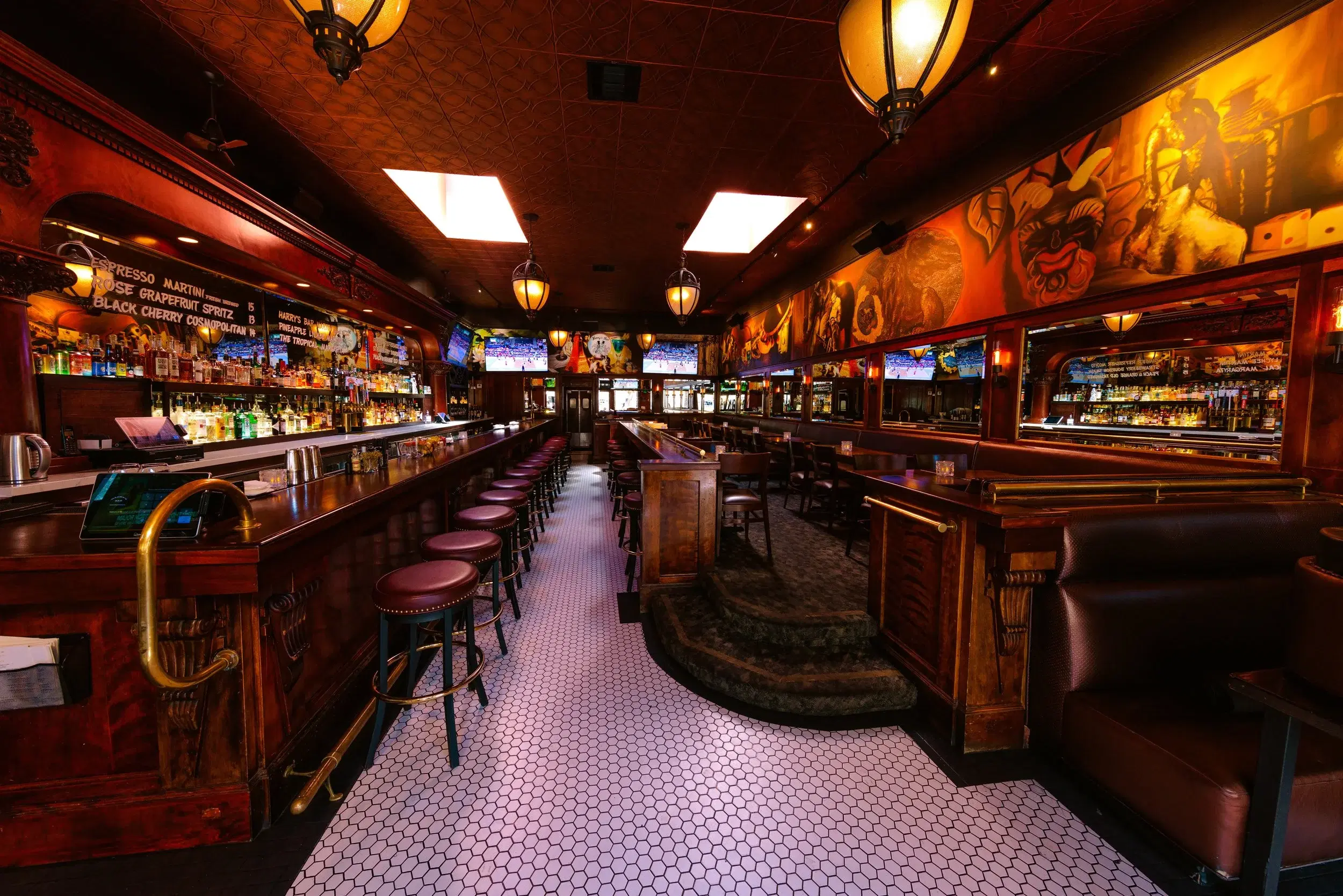
Restaurants in Paris
Browse all →
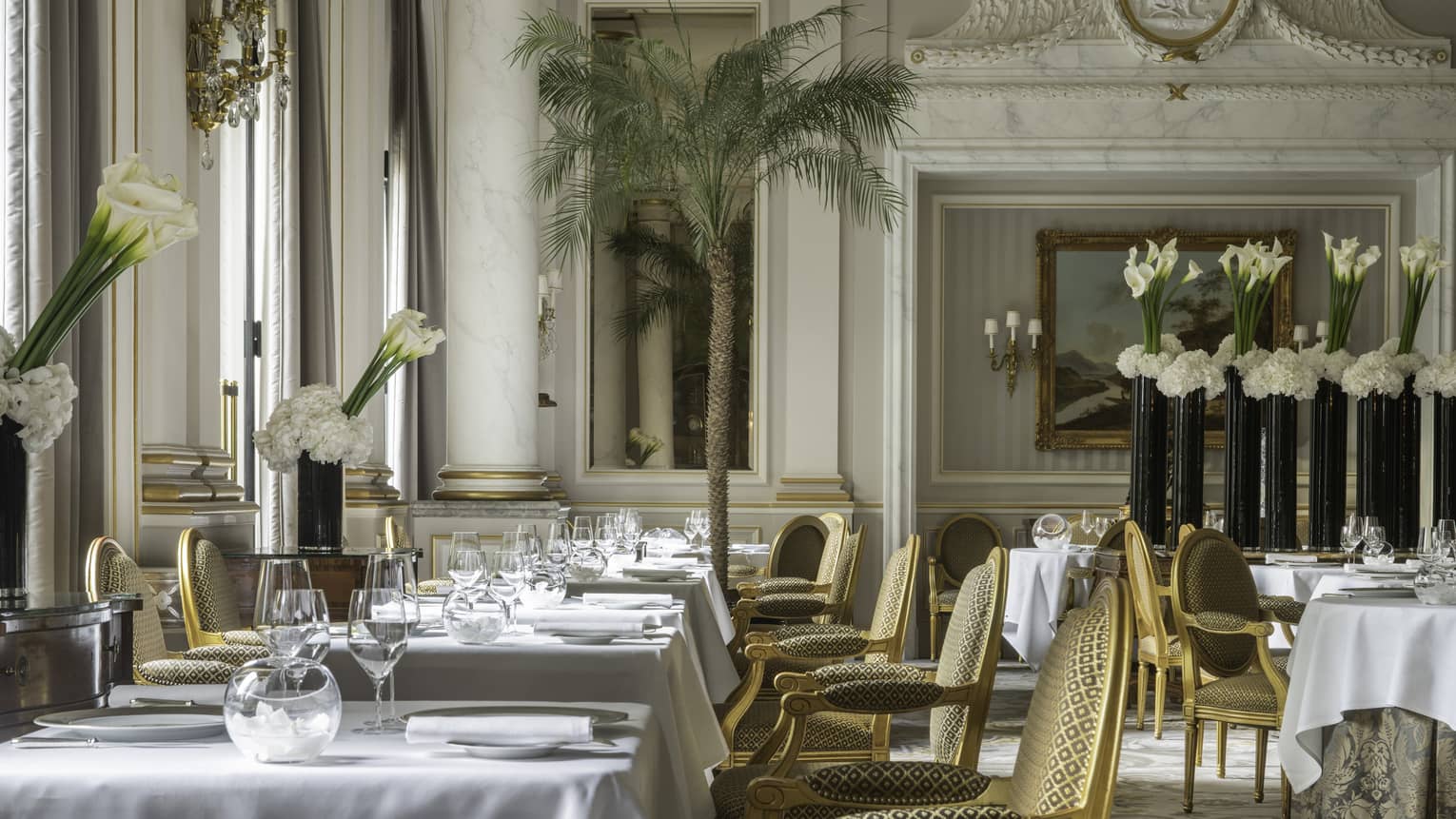
Bars in Paris
Browse all →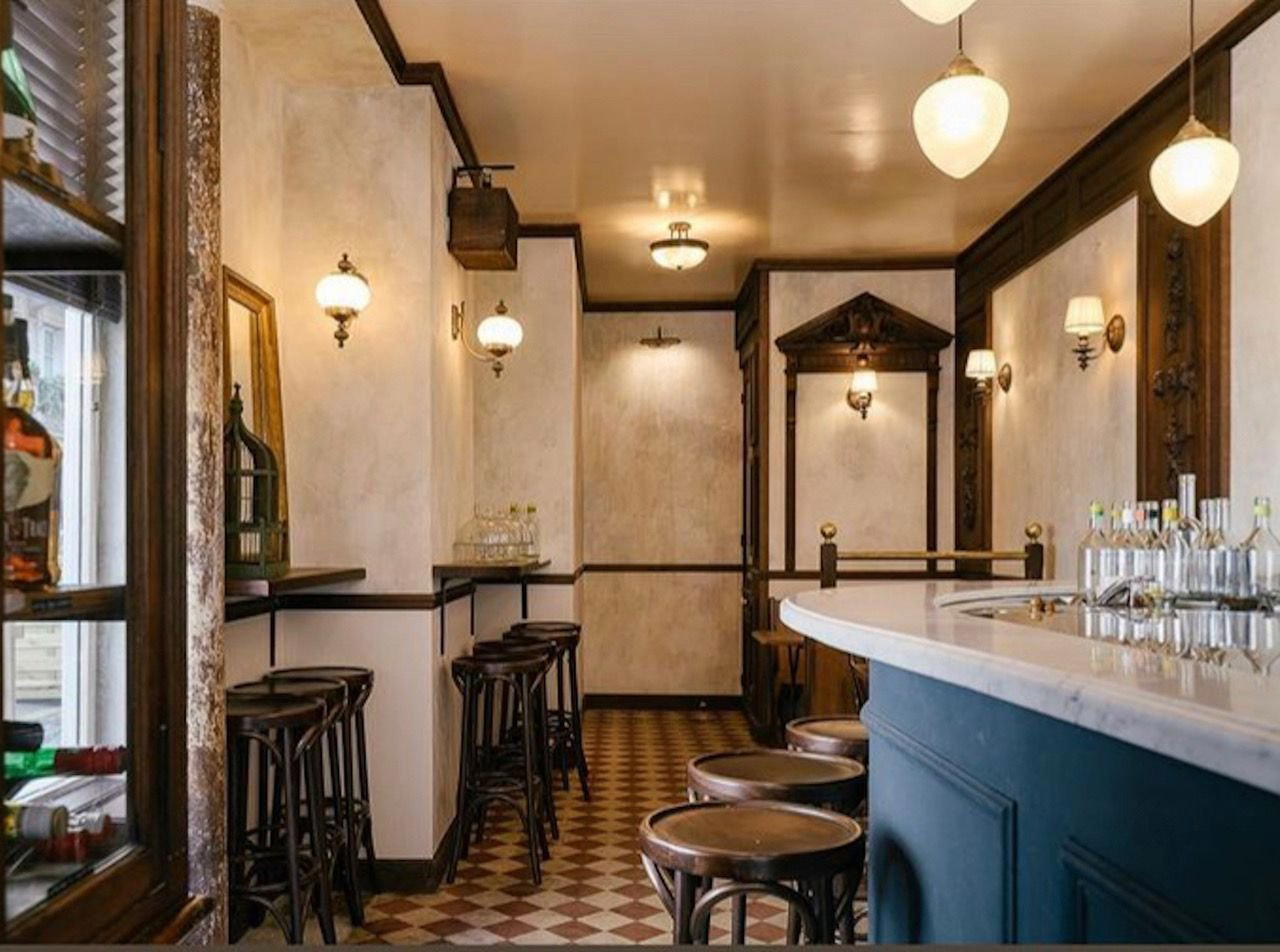
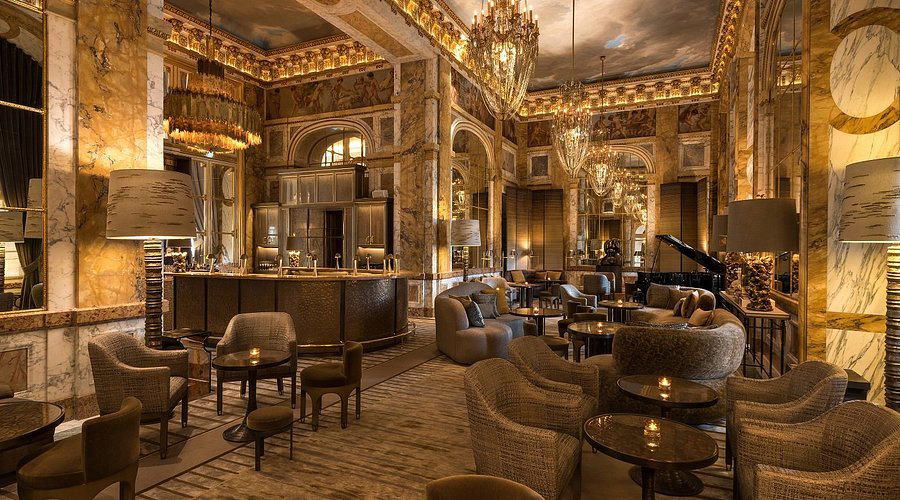
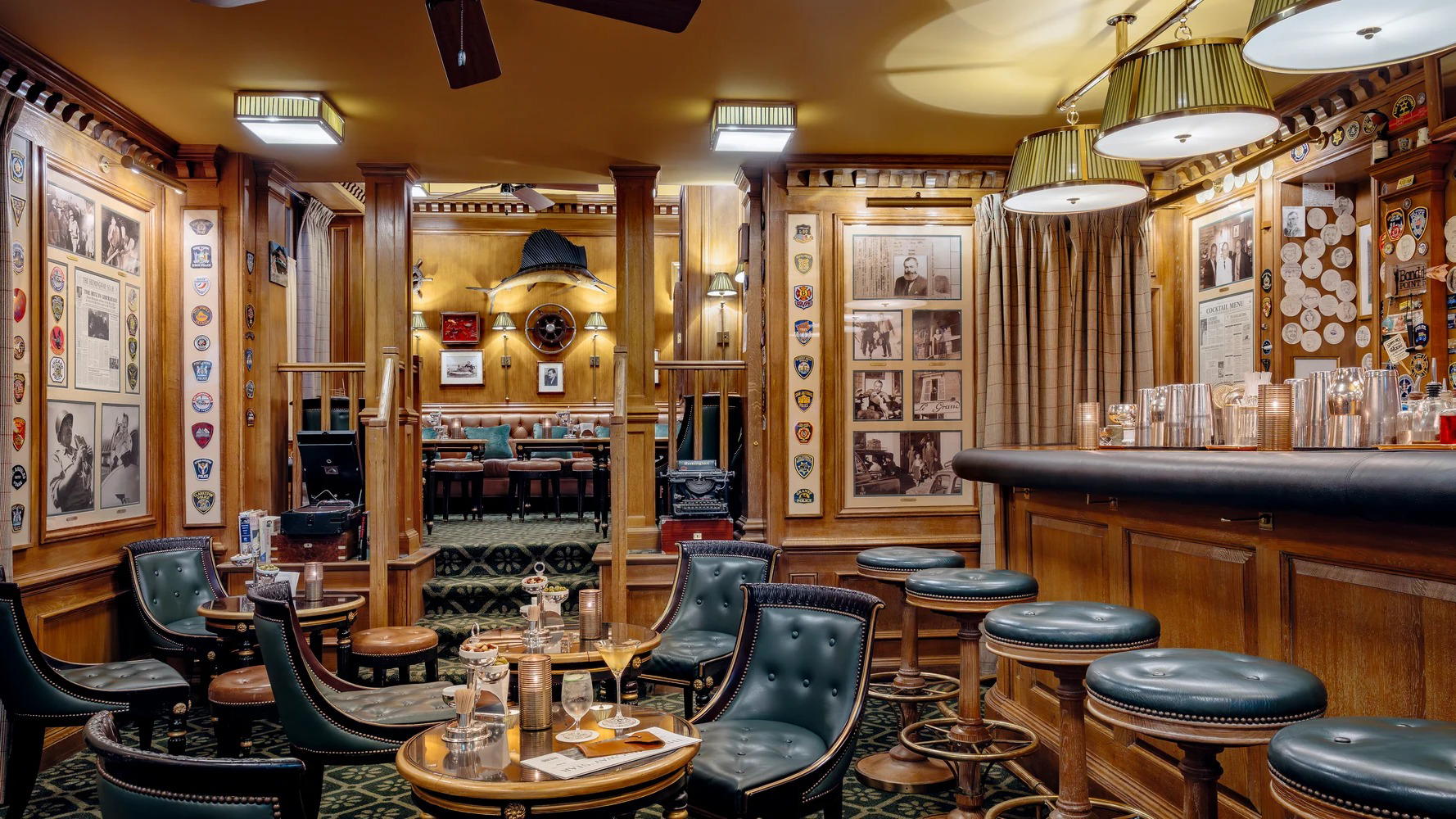
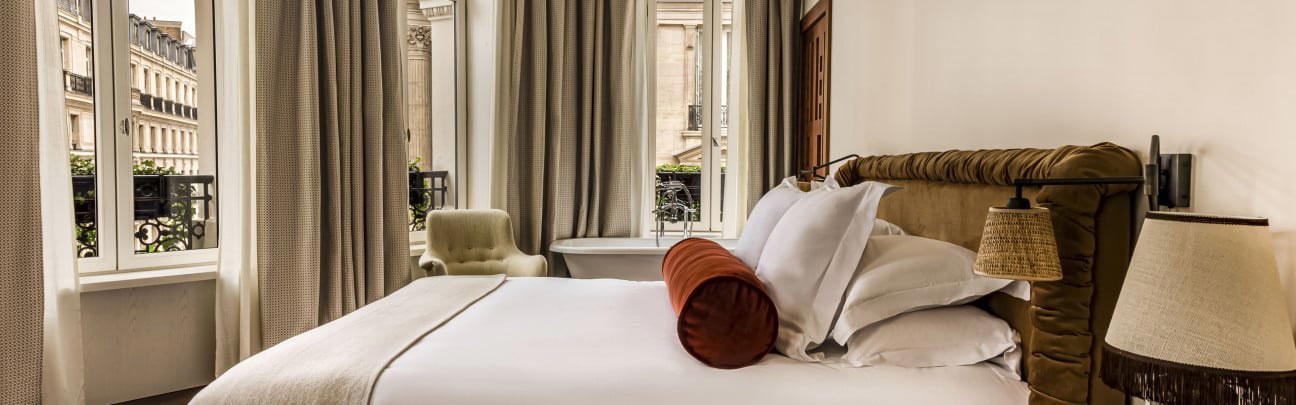
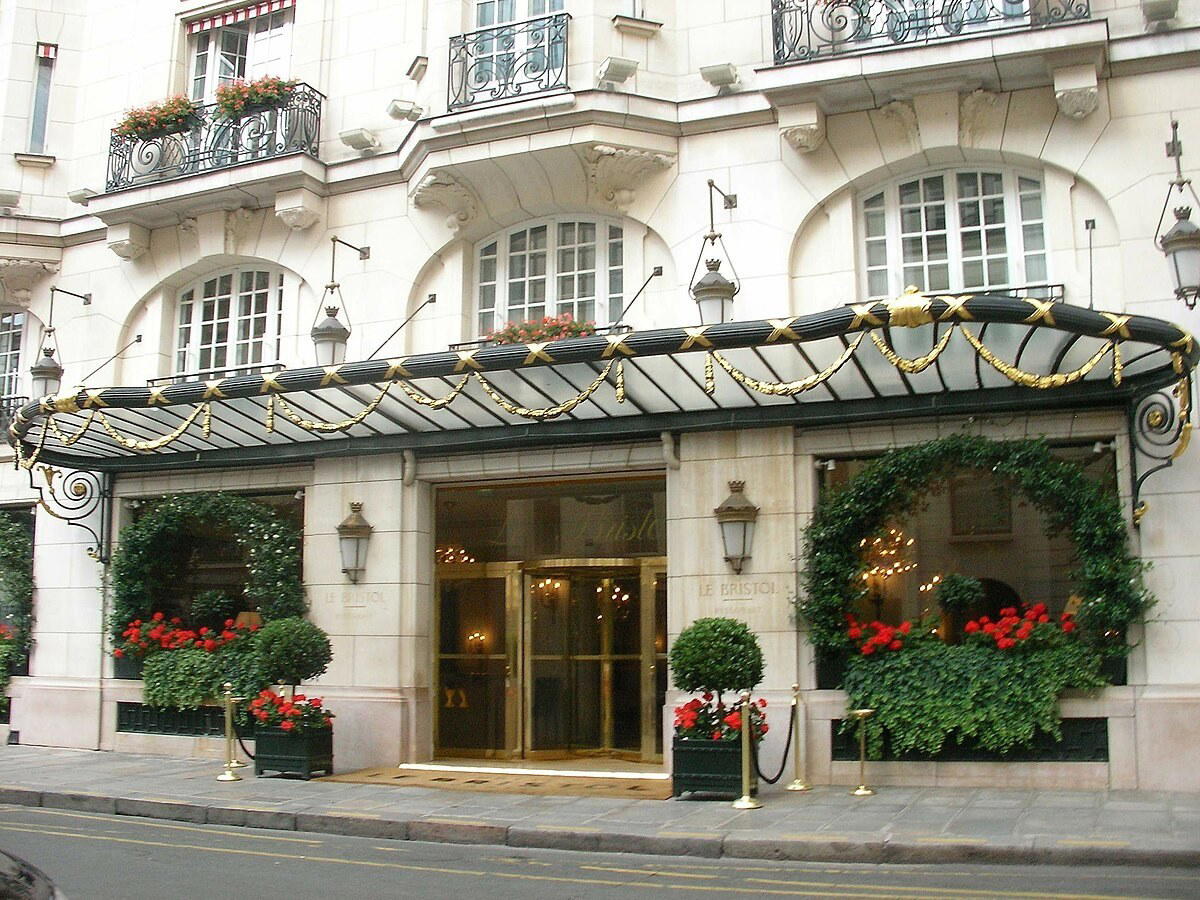
Hotels in Paris
Browse all →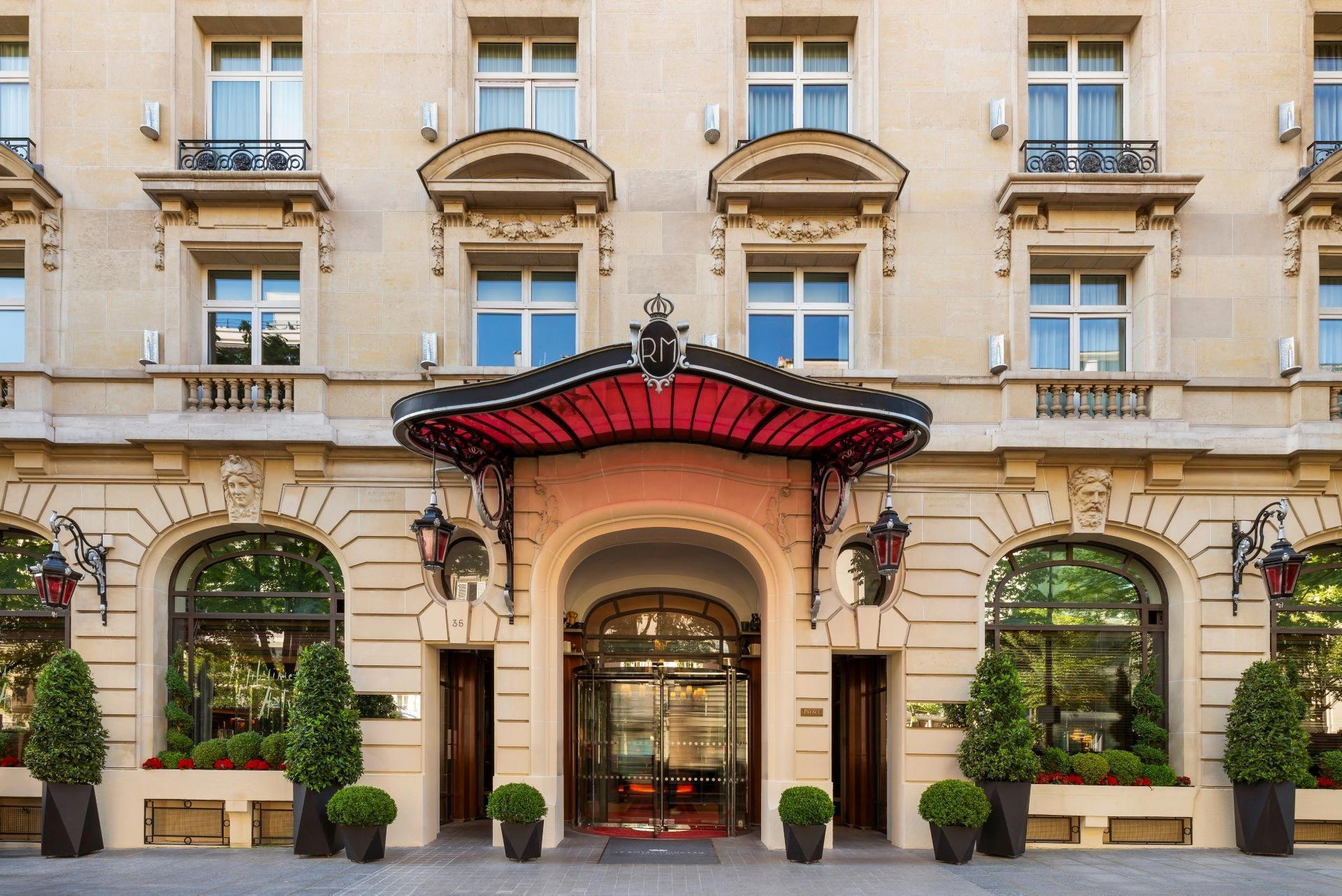
Details
- Cozy
- Elegant
- Trendy
- Family
- Date Night
- Terrace
- A La Carte
- Small Plates
Current opening hours
- Monday
- 8:30 AM–12 AM
- Tuesday
- 8:30 AM–12 AM
- Wednesday
- 8:30 AM–12 AM
- Thursday
- 8:30 AM–12 AM
- Friday
- 8:30 AM–12 AM
- Saturday
- Closed
- Sunday
- Closed
Hours can change for holidays and private events. Last verified .
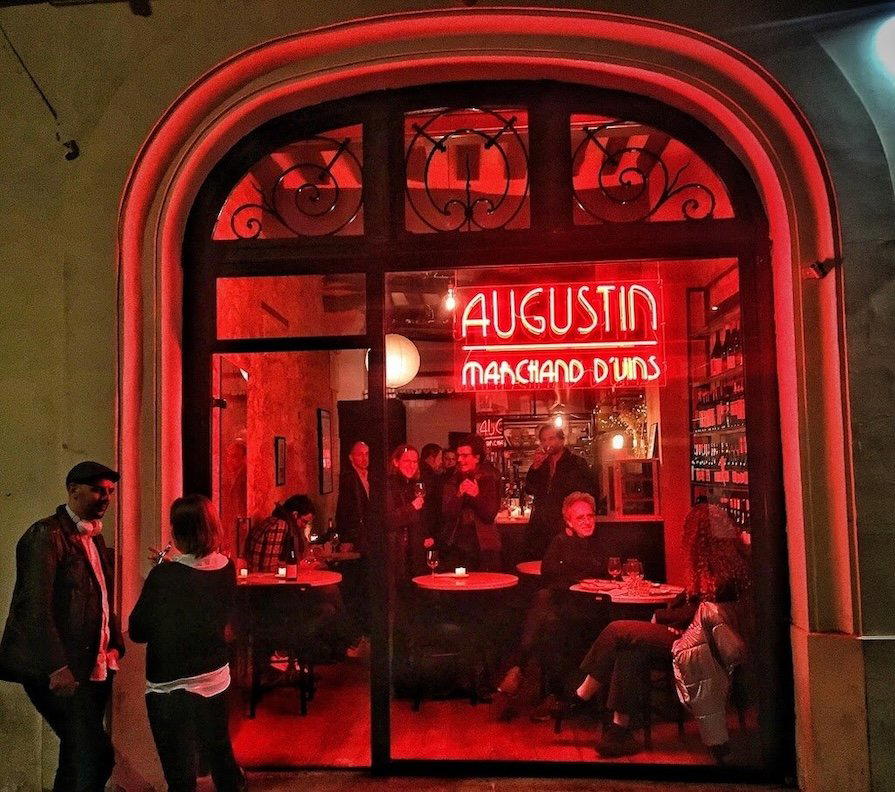
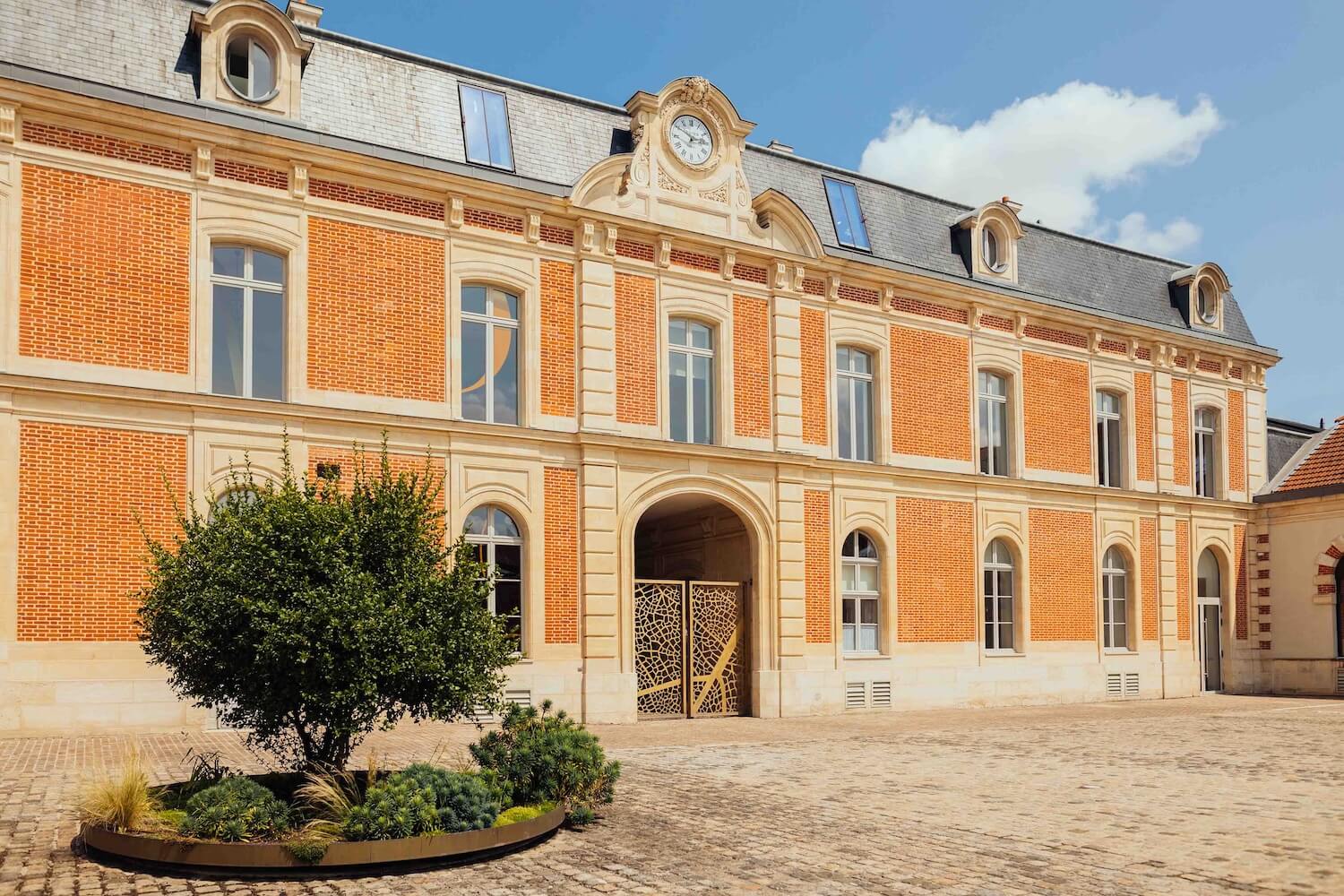
Trendy and pleasant decor with warm lighting, cozy yet sometimes noisy atmosphere.