Our verdict
Caché occupies a discreet address on Villa Riberolle in Paris's 20th arrondissement, a neighbourhood where the city's dining fringe has been quietly recalibrating for years. For those tracking where Paris eats when it's not performing for tourists, this is a signal worth following.

Pearl is the En Primeur Club membership app — saves, bookings, and concierge access live there. Same editors, same standards.
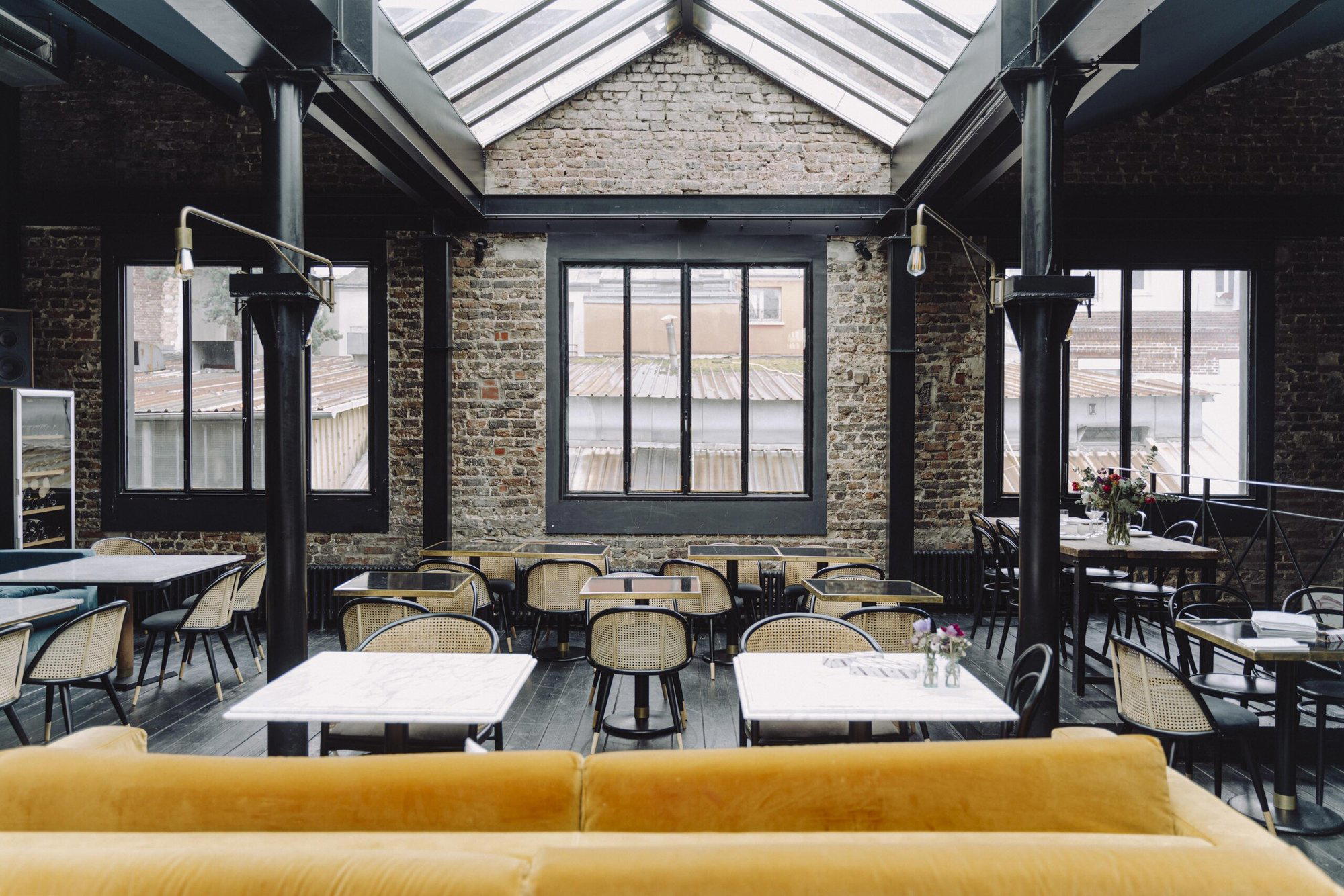
A Street That Doesn't Announce Itself
Villa Riberolle is a private lane off the 20th arrondissement's working grid, the kind of address that doesn't appear on most dining maps and isn't designed to. Paris's 20th has spent years accumulating a particular type of restaurant: places with no press agent, no tasting-menu theatre, and no interest in the tourist circuit that keeps the 1st and 8th arrondissements fully booked year-round. Caché — the name translates simply as "hidden" — sits at 13 Villa Riberolle, and the address itself reads like a statement of intent.
Approaching on foot, the surrounding streets carry the texture of a neighbourhood that hasn't been optimised for dining: hardware merchants, local bakeries, the occasional wine bar with chairs spilling onto a narrow pavement. This is the 20th at its most unmediated, and it frames whatever happens inside Caché with a context that no amount of interior design could manufacture. The contrast between the ambient ordinariness outside and the deliberate restraint expected inside is part of the experience. Paris has always done this, tucked serious cooking into unremarkable buildings, but the 20th does it without the self-consciousness of, say, the Marais.
Where Caché Sits in the Paris Dining Conversation
Paris's restaurant map divides, broadly, into two circuits. The first is the grand-institution tier: the three-Michelin-star rooms of the 8th and 16th, places like Alléno Paris au Pavillon Ledoyen, Le Cinq at the Four Seasons Hôtel George V, and L'Ambroisie on the Place des Vosges, where the room itself is an argument for the price point. The second is the counter-culture tier: smaller, less announced, often outer-arrondissement addresses where the cooking justifies the trip without any supporting architecture of grandeur. Caché belongs to the second conversation.
That positioning matters because it tells you something about what the room is doing and who it's doing it for. The address in the 20th is not a compromise; it's a choice. In a city where Kei and Arpège operate within walking distance of the city's most-trafficked squares, a restaurant that declines to list a phone number or website is communicating something specific about its relationship with visibility. The French dining tradition has always had a strand of this, the bistro without a sign, the table d'hôte that doesn't advertise, and Caché appears to be working within that tradition rather than against it.
France's broader dining culture has produced some of the most location-committed restaurants in the world: Bras in Laguiole, Auberge du Vieux Puits in Fontjoncouse, Auberge de l'Ill in Illhaeusern, all places where the surrounding geography is inseparable from what arrives on the plate. Caché's version of this commitment is urban rather than rural, but the underlying logic is recognisable: the address is not incidental.
The Sensory Logic of a Neighbourhood Restaurant
Restaurants that operate without public-facing menus, without listed hours, and without a web presence tend to be either private dining clubs or places that rely on an existing community of regulars to stay viable. Caché, given its address on a residential lane in the 20th, reads more like the latter. The neighbourhood itself provides a kind of sensory framing that more formal rooms purchase through interior design: ambient sound at a human scale, natural light from the lane outside, the proximity of residential life rather than commercial spectacle.
This matters if you're thinking about the experience rather than just the food. Some of the most interesting eating in Paris over the past decade has happened in rooms where the physical environment makes no claim on your attention, where the conversation, the cooking, and the company do the work without being framed by a cathedral ceiling or a sommelier in a three-piece suit. The outer arrondissements, and the 20th in particular, have become the geography where that kind of eating happens most consistently.
Internationally, the closest analogues are places like Lazy Bear in San Francisco, a restaurant that built its identity on community, limited visibility, and deliberate distance from conventional hospitality formats, or Le Bernardin in New York, which operates at a different scale but shares an understanding that the room's atmosphere is inseparable from what the food communicates. The comparison isn't about cooking style; it's about how a restaurant uses its physical context as part of the guest experience.
Tracking an Address Without a Profile
The practical challenge with Caché is that the public record is thin. No phone number is listed. No website surfaces in standard searches. For a restaurant in the 20th arrondissement of Paris, a city where the Michelin Guide has covered every arrondissement for over a century, and where publications from Menton to Megève earn regular coverage, an absence of public documentation at this scale is itself informative. It suggests either a very recent opening, a deliberately private format, or an operation that functions outside the standard restaurant category.
France's provincial dining scene has its own examples of restaurants that operated for years without formal recognition before entering the national conversation: Les Prés d'Eugénie in Eugénie-les-Bains, Georges Blanc in Vonnas, and Paul Bocuse each spent years building a following before the formal apparatus of French gastronomy caught up with them. The parallel isn't exact, but the principle, that the absence of a public profile doesn't indicate the absence of something worth finding, holds.
For those who track where Paris eats before it becomes the kind of place that requires three months' notice, the 20th arrondissement in general, and addresses like Villa Riberolle specifically, represent a worthwhile direction. Our full Paris restaurants guide covers the city's broader dining geography in more depth, including which arrondissements are producing the most interesting openings in the current cycle. La Table du Castellet and Troisgros - Le Bois sans Feuilles offer useful reference points for what French cooking looks like when it operates at a remove from the capital's attention economy.
Know Before You Go
- Address: 13 Villa Riberolle, 75020 Paris, France
- Arrondissement: 20th (Père-Lachaise / Réunion quarter)
- Phone: Not publicly listed, contact via direct visit or local referral
- Website: Not publicly listed
- Booking: No online reservation system identified; format and booking method unconfirmed
- Hours:, verify locally before visiting
- Getting there: Nearest Métro stations are Buzenval (Line 9) and Réunion (Line 9), both within short walking distance of Villa Riberolle
- Price range: Not confirmed, no public menu or pricing available
Frequently asked questions
What do regulars order at Caché?
No menu or signature dish information is publicly available for Caché. Given the restaurant's minimal public profile and its address on a residential lane in the 20th arrondissement, the format appears to function on a degree of insider knowledge rather than a published offering. The most reliable approach is to arrive without fixed expectations, which, in a city with the depth of Paris's dining scene, is rarely a disadvantage.
Do they take walk-ins at Caché?
No booking policy is publicly documented for Caché. Given the address on a private lane in the 20th, visiting at a conventional meal hour and assessing in person is the most practical approach until more information becomes available.
What is Caché leading at?
Based on the available record, Caché's clearest strength is operating outside the visibility structures that define most Paris dining. No cuisine type, chef credentials, or awards are publicly confirmed, but the address in the 20th arrondissement places it within a neighbourhood that has become one of the more credible locations in the city for cooking that functions on local reputation rather than external validation. What it does well, precisely, requires firsthand investigation.
Is Caché suitable for a special occasion dinner in Paris's 20th arrondissement?
Caché's address on Villa Riberolle, a private lane in one of Paris's least tourist-facing arrondissements, gives it the kind of atmosphere that formal occasion dining in the 1st or 8th cannot replicate: genuine neighbourhood context, residential quiet, and the particular charge that comes from eating somewhere without a public profile. Whether the format and offering match a specific occasion is impossible to confirm without current firsthand information, but as an address in the 20th that operates entirely outside the standard Paris dining circuit, it represents a different category of evening than the grand rooms of central Paris.
A Quick Peer Check
A quick peer check to anchor this venue’s price and recognition.
| Venue | Cuisine | Price | Awards | Notes |
|---|---|---|---|---|
| CachéThis venue — the venue you are viewing | Modern Mediterranean Seafood | $100–150 | Not listed | Not listed |
| Alléno Paris au Pavillon Ledoyen | Modern French Fine Dining | $150–200 | 3 Michelin Stars · World's 50 Best #79 | Creative |
| Kei | Modern French with Japanese Influences | $300–500 | 3 Michelin Stars · World's 50 Best #93 | Contemporary French, Modern Cuisine |
| L'Ambroisie | Classic French Haute Cuisine | $300–500 | 2 Michelin Stars · World's 50 Best #23 | French, Classic Cuisine |
| Le Cinq - Four Seasons Hôtel George V | Modern French Fine Dining | $300–500 | 3 Michelin Stars · World's 50 Best #24 | French, Modern Cuisine |
| Pierre Gagnaire | Avant-Garde French Fine Dining | $200–300 | 3 Michelin Stars · World's 50 Best #17 | French, Creative |
Continue exploring
More in Paris
Restaurants in Paris
All restaurants in Paris →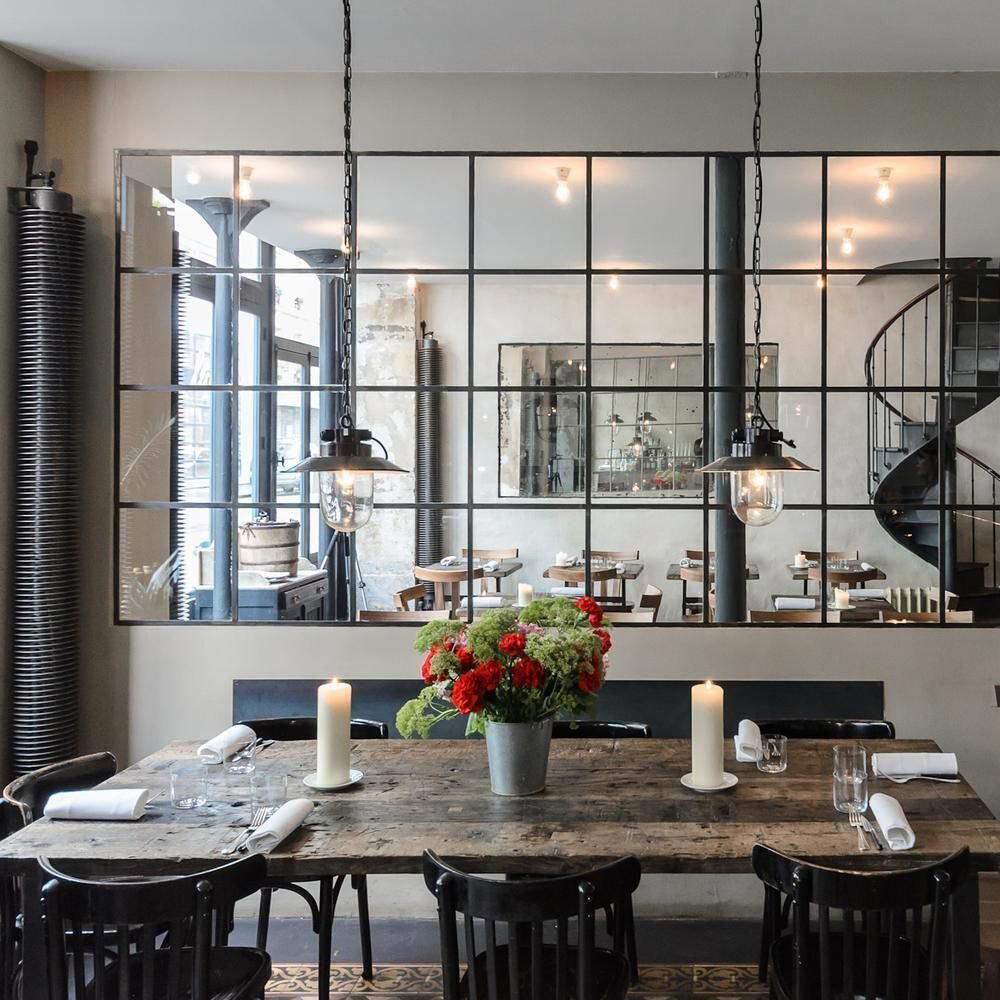
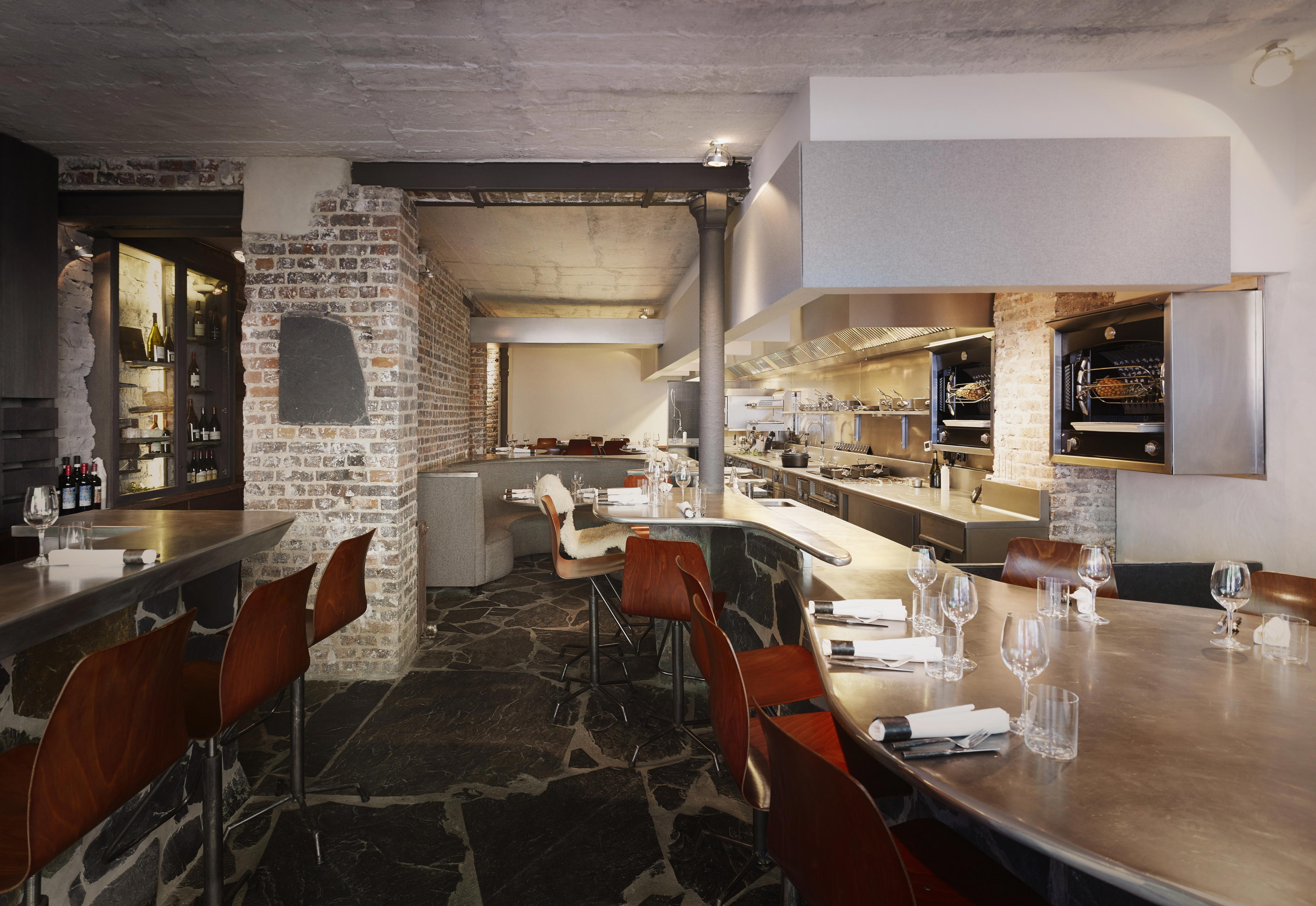
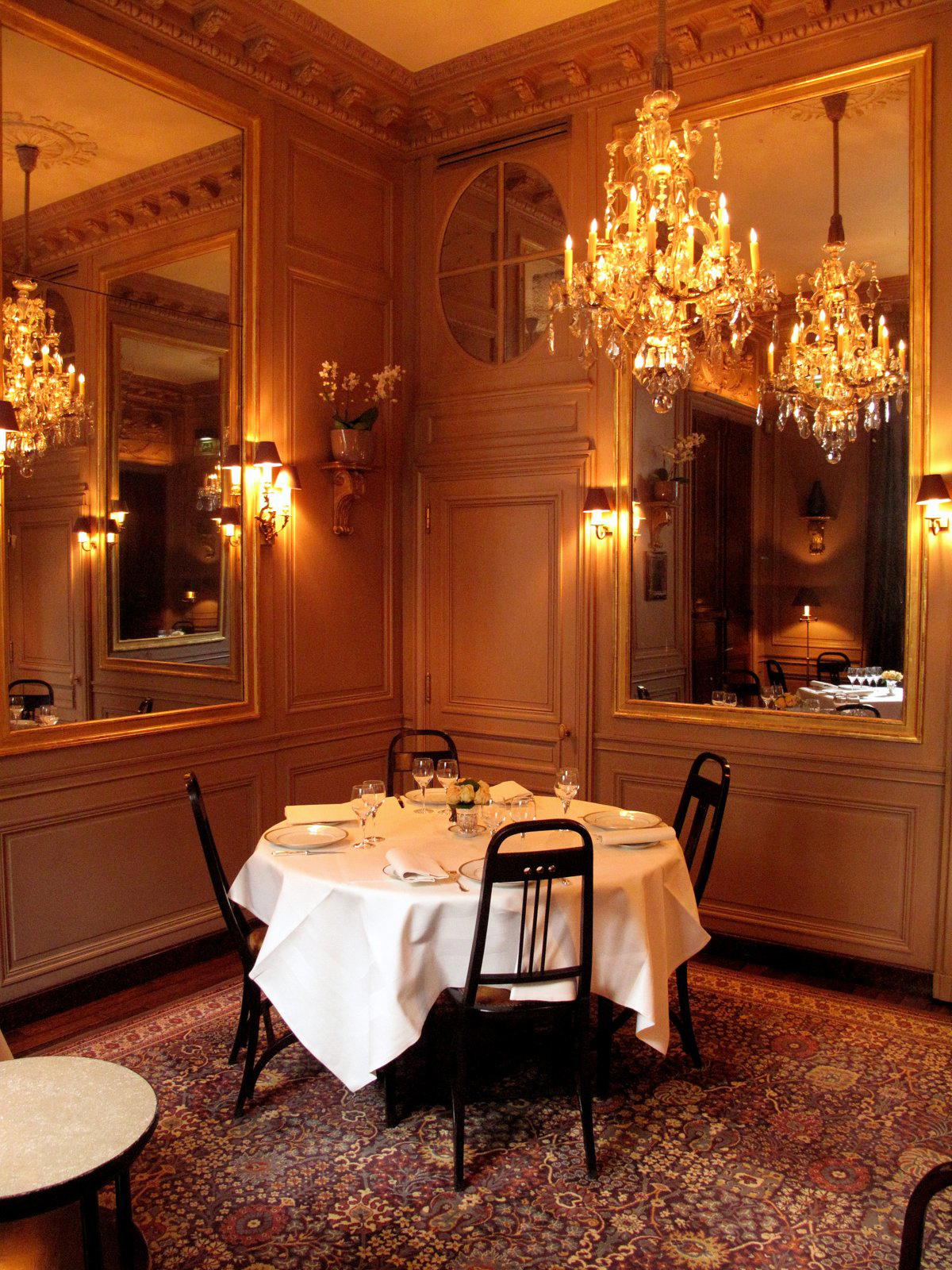
Bars in Paris
All bars in Paris →
Details
- Intimate
- Cozy
- Elegant
- Date Night
- Special Occasion
- Sommelier Led
- A La Carte
- Wine
Current opening hours
- Monday
- Closed
- Tuesday
- 12–2 AM, 7 PM–2 AM
- Wednesday
- 7 PM–2 AM
- Thursday
- 7 PM–2 AM
- Friday
- 7 PM–2 AM
- Saturday
- 7 PM–12 AM
- Sunday
- Closed
Hours can change for holidays and private events. Last verified .
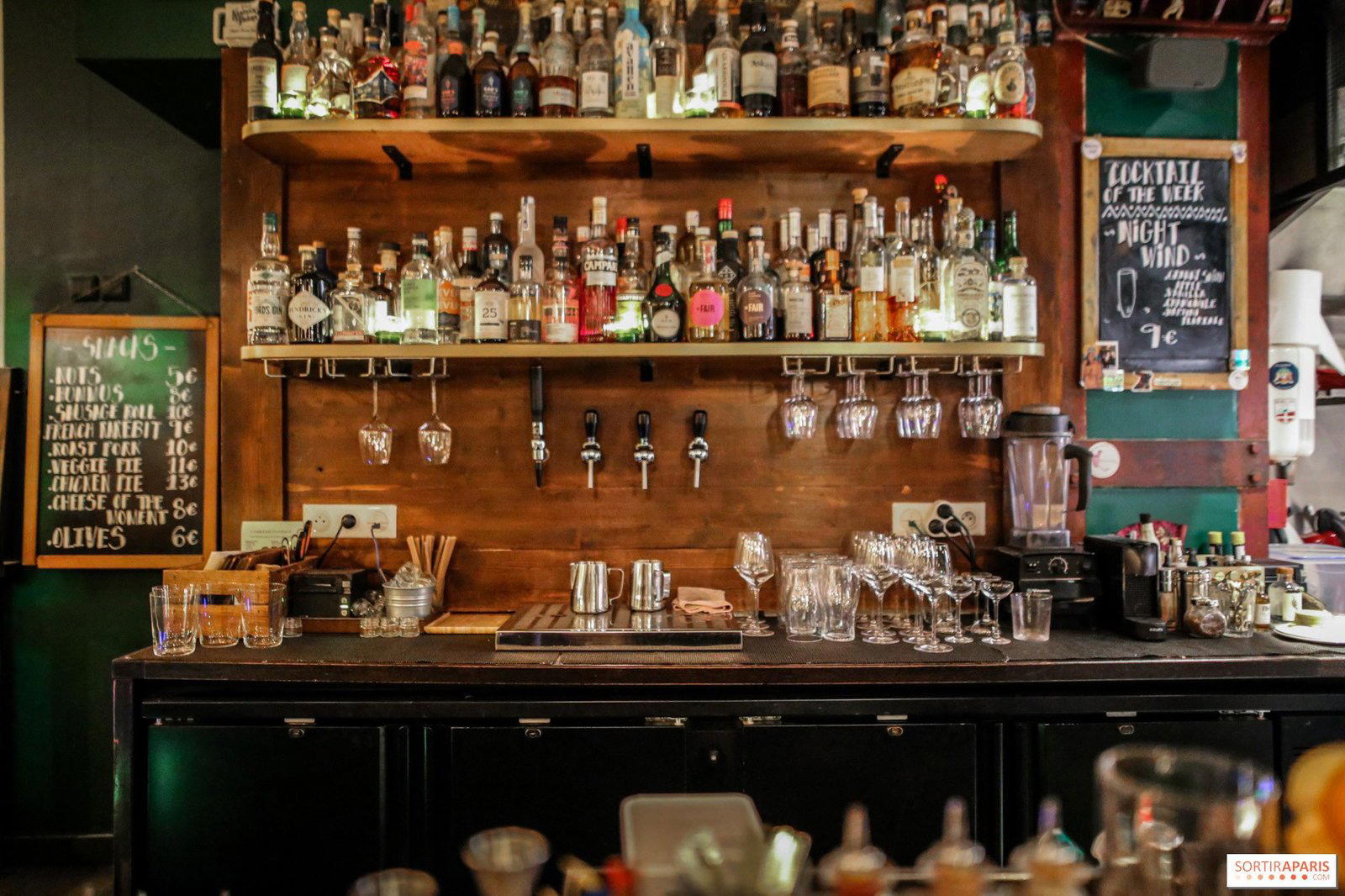
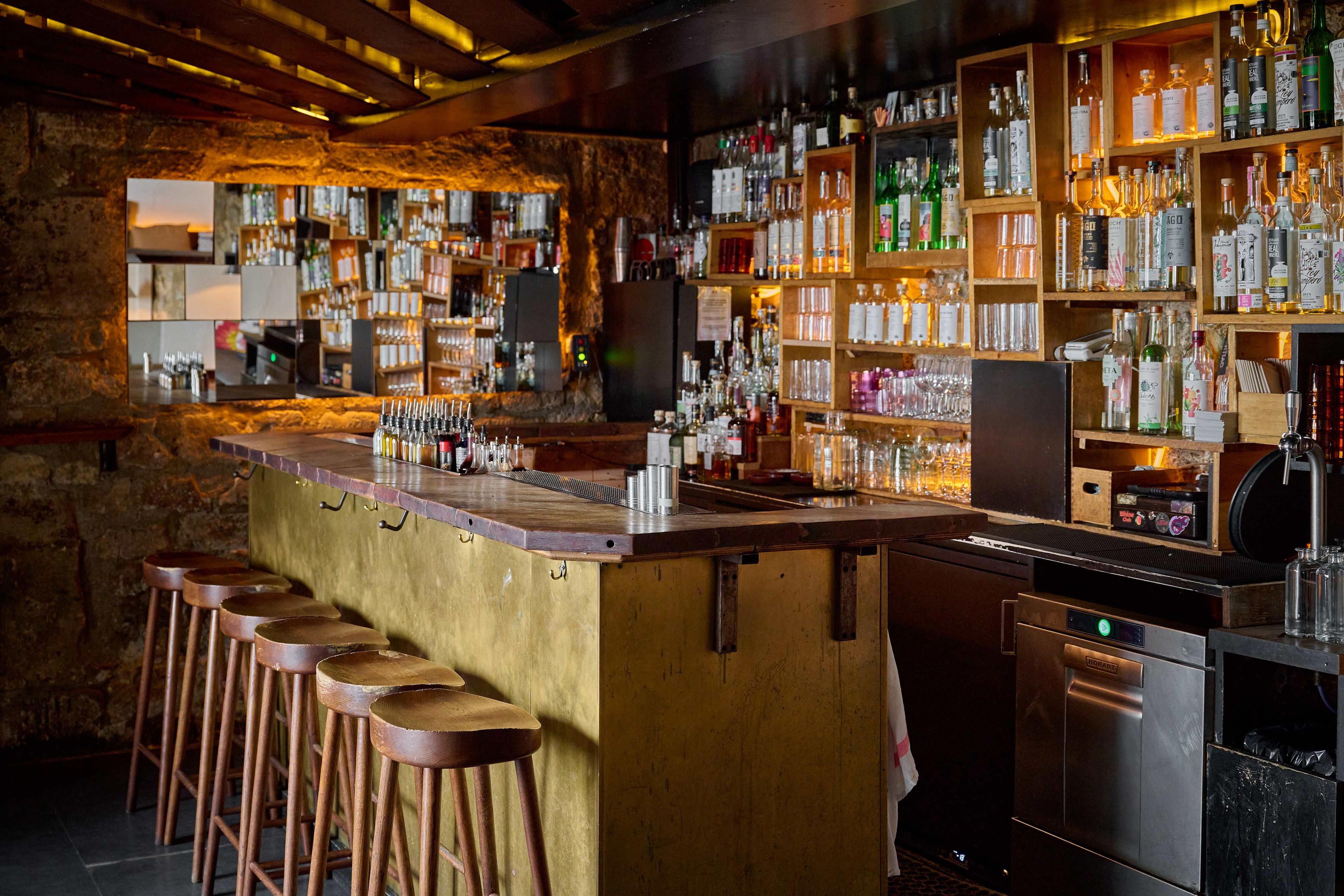
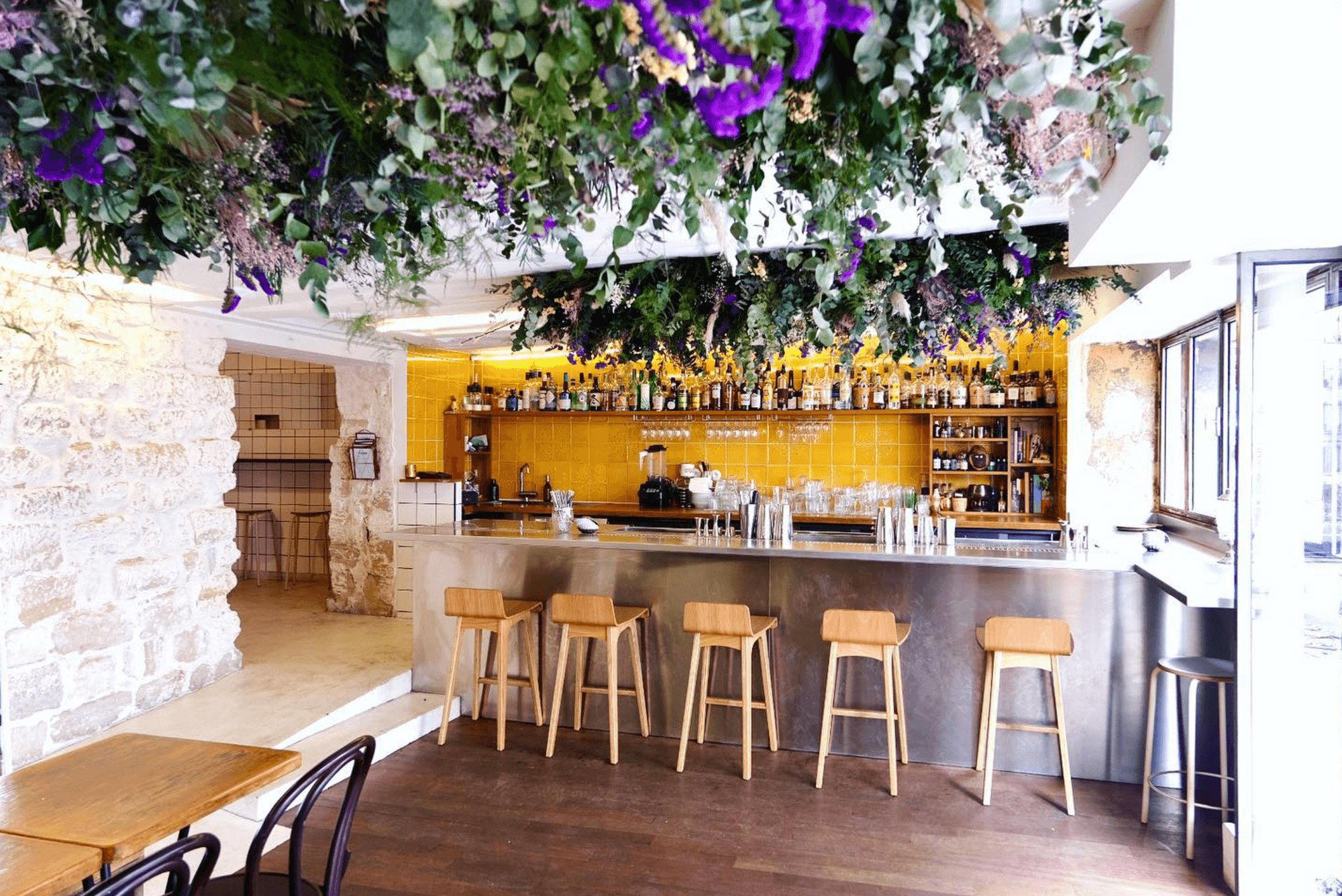
Warm and intimate atmosphere with meticulous decor, elegant Scandinavian furniture, and a beautiful glass roof, creating a shielded, industrial yet idyllic lair.