C’Yool

Star Wine List
Our verdict
C'Yool on Harrison Avenue in Boston's South End brings Yemeni coffee culture to the city through qishr, single-origin mountain coffees, sabayah, and manakeesh. The format sits at the intersection of specialty coffee and traditional Yemeni baking, occupying a niche in Boston's otherwise heavily European-influenced café scene. A focused, culturally specific stop for those tracking the city's more diverse food traditions.

Pearl is the En Primeur Club membership app — saves, bookings, and concierge access live there. Same editors, same standards.
- Address
- 600 Harrison Ave, Boston, MA 02118, USA
- Directions
- Get directions
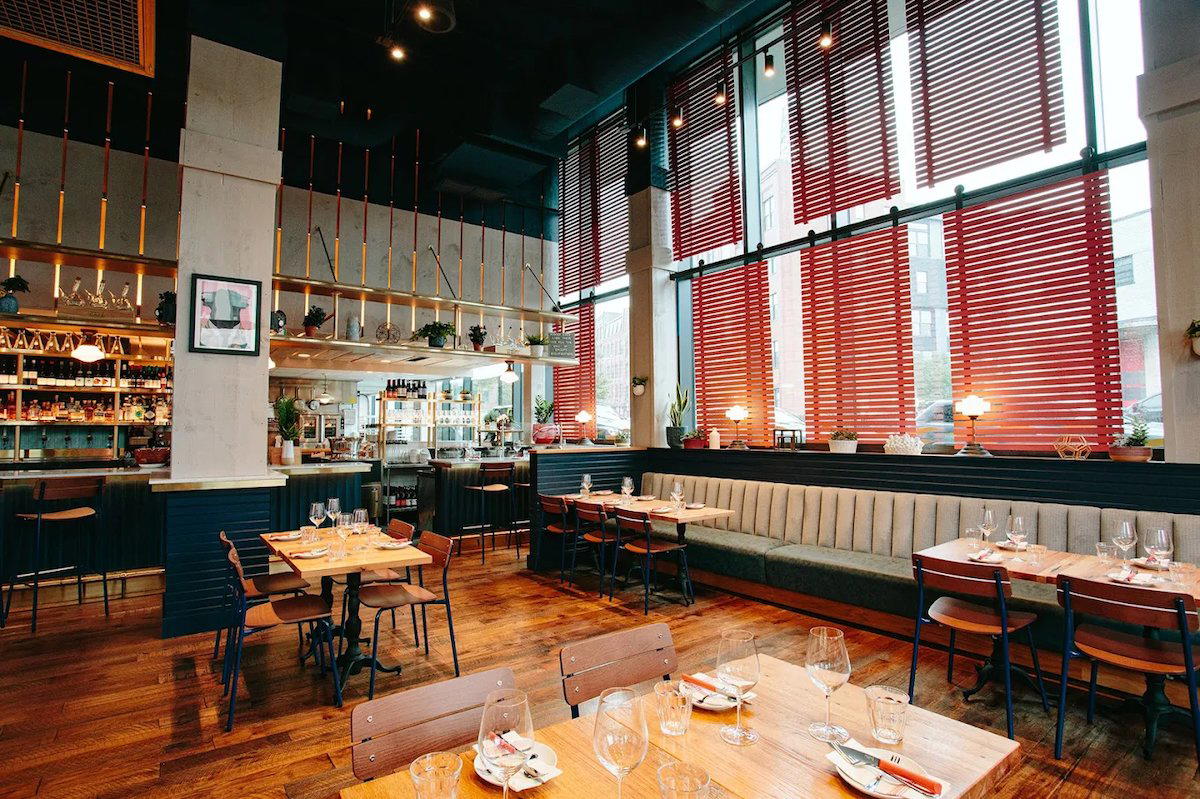
The menu
What to order
- Sabayah
- Honeycomb bread
- Manakeesh
- Qishr
Yemeni Coffee Culture Finds a Home in the South End
The South End has spent two decades accumulating a dining identity built around European wine bars, New American tasting menus, and weekend brunch spots. That pattern is familiar across Boston's restaurant scene. C'Yool, at 600 Harrison Avenue, introduces a different tradition entirely: Yemeni coffee culture, with its spiced qishr, high-altitude mountain coffees, and baked goods rooted in a culinary lineage that predates most of what gets called specialty coffee in the West.
Yemeni coffee is not a subcategory of third-wave café culture. It is the source. Yemen's terraced highland farms, particularly in regions like Haraaz and Bani Matar, have been producing arabica for centuries, and the country's domestic coffee traditions developed independently of the European espresso formats that define most American café menus. Qishr, a spiced coffee drink made from husks rather than the bean itself, reflects that divergence clearly: it is sweetened, flavored with ginger, and served in a way that has nothing to do with extraction ratios or latte art. C'Yool's focus on this format places it in a small peer group nationally, where Yemeni-owned cafés in cities like New York, Detroit, and Dearborn have been serving qishr and husk-based drinks to diaspora communities for years before the broader specialty market took notice.
The Menu as a Cultural Document
The food program at C'Yool reads as an extension of the coffee tradition rather than a parallel offering. Sabayah is a flaky, layered Yemeni flatbread, typically eaten with honey or cheese, that belongs to the same morning ritual as qishr in Yemeni households. Manakeesh, the Levantine flatbread topped with za'atar or cheese and baked to order, signals the broader eastern Mediterranean baking tradition that overlaps with Yemeni urban food culture, particularly in port cities like Aden where trade routes left lasting culinary traces.
In a city where most café menus default to croissants, avocado toast, and rotating seasonal pastries, this is a substantively different proposition. Boston's food scene has broadened considerably through neighborhoods like Chinatown, East Boston, and Roxbury, where immigrant food traditions operate at street level. The South End, historically more polished and expensive, has been slower to host this kind of culturally specific programming. C'Yool's presence on Harrison Avenue, a corridor that already runs through an arts district with mixed residential density, reflects the neighborhood's ongoing shift rather than its established character.
Where C'Yool Sits in Boston's Coffee and Bakery Tier
Boston's specialty coffee market is mature but relatively homogenous. The city's most recognized cafés compete on roast sourcing, brewing method, and interior design within a broadly shared aesthetic. That competitive set has little to do with what C'Yool offers. The closer comparison is to the small number of culturally specific cafés that have emerged in other American cities as Yemeni and broader Arab-American communities have grown more visible in the food economy. Detroit and Dearborn have the largest concentration; New York has seen several openings in Brooklyn and the Bronx; Boston's representation has been thin.
This is not the same as saying C'Yool is a novelty. Qishr and Yemeni mountain coffee are not new to the people who grew up drinking them. What is new is their presence in a South End café format accessible to a broader Boston audience. That positioning, between cultural authenticity and neighborhood accessibility, is where the most interesting independent food businesses tend to operate. Compare that to the tight tasting-menu formats of places like Agosto or the precision counter experience at 311 Omakase: C'Yool occupies a completely different price tier and format register, but the underlying logic of specificity is the same.
The South End Context
Harrison Avenue has enough foot traffic and cultural infrastructure to support a café that asks something from its customers. The SoWa arts district sits nearby, drawing weekend market crowds. The broader South End carries high residential density and a demographic that has shown appetite for independent food businesses across formats, from the neighborhood's wine-forward spots to its more casual lunch counters. For comparison, Harrison Avenue neighbors Abe and Louie's a few blocks away and sits within reasonable distance of the kind of globally influenced comfort food found at Ama at the Atlas. C'Yool operates in a different register from both, but the neighborhood supports range.
The café format generally runs with lower booking friction than Boston's reservation-heavy dining tier. Places like Alcove or the more structured experiences at Lazy Bear in San Francisco involve lead times and planning. A Yemeni café operates on walk-in logic, which suits the Harrison Avenue foot traffic pattern. Visitors coming specifically for qishr or sabayah will want to check current hours directly, as independent cafés in this format often adjust seasonally or by day of week.
For context on how culturally rooted food formats sit within broader premium travel circuits, the EP Club covers the full range of Boston's dining and hospitality scene, from bars and wineries to hotels and experiences. C'Yool represents the kind of neighborhood-specific stop that rarely appears in the major award circuits that track Le Bernardin or Alinea, but which reflects where urban food culture actually moves between award cycles.
Planning Your Visit
C'Yool is at 600 Harrison Avenue in Boston's South End, accessible from the Orange Line at Back Bay or by MBTA bus along Washington Street. No reservation is required for a café-format visit. Given the focused menu of qishr, Yemeni mountain coffees, sabayah, and manakeesh, the visit is well-suited to a morning or midday stop, either standalone or as part of a longer South End walk through the SoWa corridor. Exact hours should be confirmed before visiting, as independent café operations in this format don't always follow fixed seasonal schedules. No dress code applies.
Frequently asked questions
Does C'Yool work for a family meal?
C'Yool is a café and bakery format at 600 Harrison Ave, not a full-service restaurant, so it functions better as a stop for coffee and baked goods than a sit-down family dinner. The menu centers on Yemeni coffee preparations like qishr and sabayah flatbreads, which translate well for most ages. Families with younger children should expect a café pace rather than a structured meal service.
What's the vibe at C'Yool?
C'Yool occupies Harrison Avenue in the South End, a stretch shaped by the SoWa arts district and a dense cluster of independent food businesses. The focus is Yemeni coffee culture — qishr, mountain coffees, and baked goods like manakeesh — which gives the room a more specific cultural identity than the typical Boston specialty café. It reads as a neighborhood spot with a clear point of view rather than a broad-appeal coffee chain.
What's the best thing to order at C'Yool?
The menu is built around Yemeni coffee traditions and their accompanying food, so qishr — a spiced coffee drink made with ginger and husks rather than the bean itself — is the most distinctive order and the clearest entry point into what C'Yool is doing. Sabayah, the layered Yemeni flatbread, anchors the food side of the menu. Ordering both together reflects the pairing logic that runs through the Yemeni café tradition the venue draws from.
What is qishr, and is it the same as regular coffee?
Qishr is a Yemeni spiced drink brewed from coffee husks rather than ground beans, typically combined with ginger — making it lighter in caffeine and distinctly different in flavor from espresso-based drinks. C'Yool in Boston's South End is one of the few places in Massachusetts where it appears on a dedicated café menu alongside Yemeni mountain coffees. For anyone whose coffee knowledge runs toward third-wave espresso, qishr offers a different reference point rooted in a separate and older tradition.
A Pricing-First Comparison
Comparable venues nearby, for context on price, style, and recognition.
| Venue | Cuisine | Price | Awards | Notes |
|---|---|---|---|---|
| C’YoolThis venue — the venue you are viewing | Yemeni Coffee & Bakery | $10–20 | Star Wine List | Not listed |
| Arwa | Not listed | Not listed | Not listed | Coolidge Corner, Authentic Yemeni Coffee & Café |
| Daily Provisions | New York-Style All-Day Bakery Cafe | $20–30 | Star Wine List | South Boston Waterfront, New York-Style All-Day Bakery Cafe |
| Alcove | American with New England Seafood Flair | $50–100 | Star Wine List | West End, American with New England Seafood Flair |
| Tatte Bakery and Cafe | Not listed | $20–30 | Not listed | West Fens, Israeli-Mediterranean Bakery Cafe |
| Nova Restaurant | Central Asian | $20–30 | Star Wine List | Downtown Crossing, Central Asian |
Recognition history
Dated appearances from independent guides and award organizations, with the underlying list record or original source where available.
Star Wine List
Star Wine List
Continue exploring
More in Boston
Restaurants in Boston
Browse all →
Bars in Boston
Browse all →
Hotels in Boston
Browse all →

Wineries in Boston
Browse all →

Details
- Cozy
- Rustic
- Modern
- Casual Hangout
- Brunch
- Open Kitchen
- A La Carte
- Yemeni Coffee
Warm, rustic touches evoking Yemeni heritage.