Brine


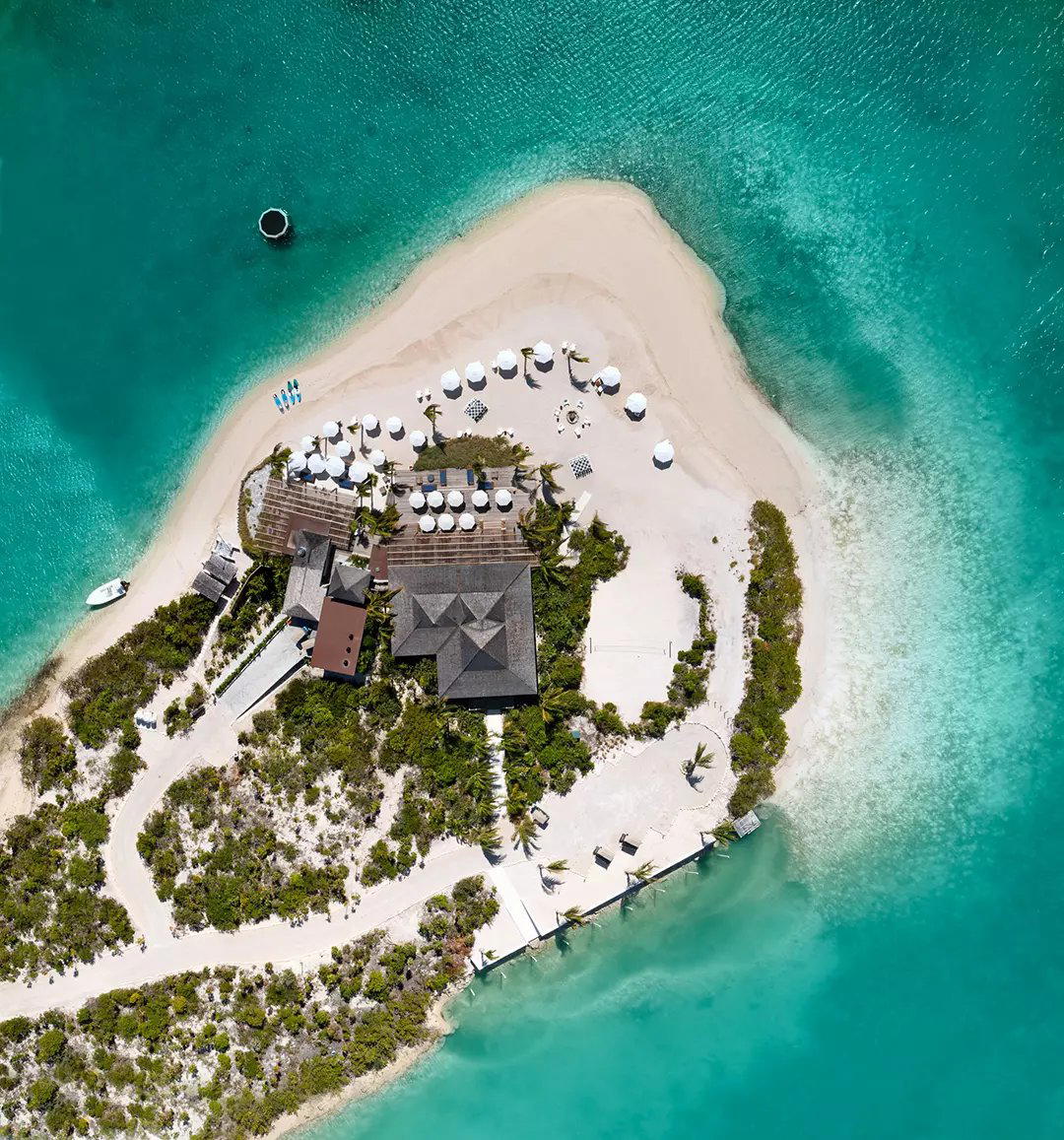
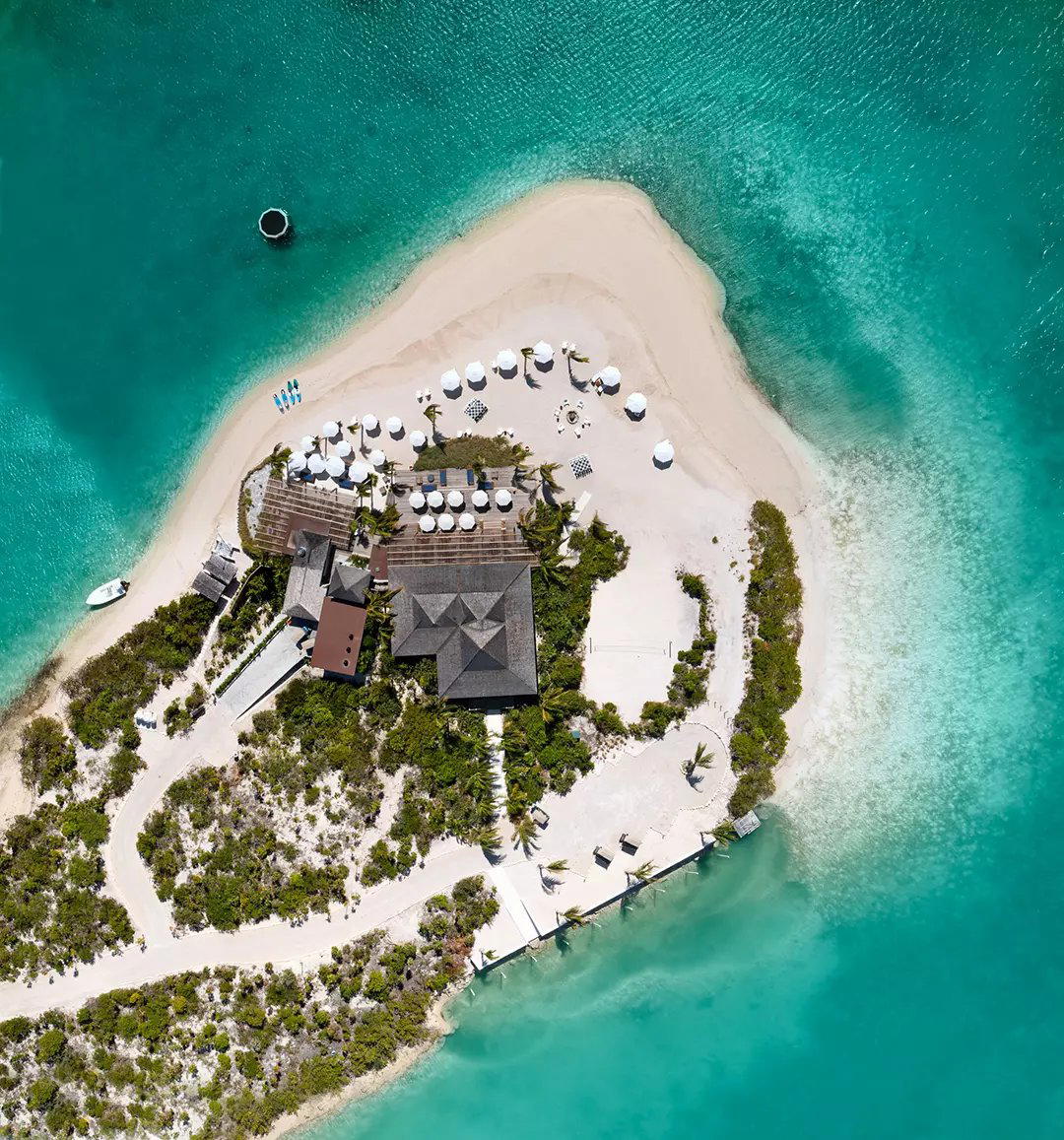
Set within Salterra, a Luxury Collection Resort on South Caicos, Brine frames its menu around the island's storied salt trade heritage. The restaurant's position beside the salt flats gives it both a dramatic physical setting and a sourcing narrative that few Caribbean dining rooms can claim. At sunset, the light over the flats turns the surrounding water into something close to hammered copper.
Pearl is the En Primeur Club membership app — saves, bookings, and concierge access live there. Same editors, same standards.
- Address
- 1 Fourth Street
- Phone
- 866-725-8377
- Website
- salterra.com
- Directions
- Get directions
 Saves & bookings on Pearl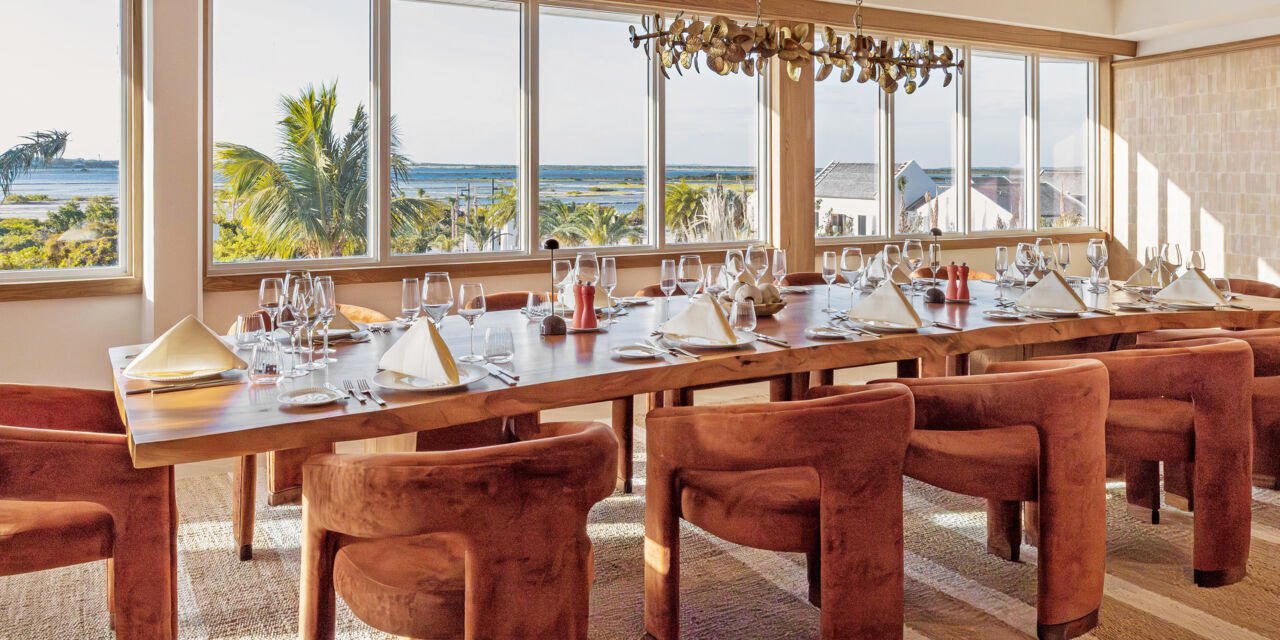
Salt, Light, and the Weight of a Caribbean Ingredient Story
South Caicos earned its place in Atlantic trade history not through rum or sugar, but through salt. For two centuries, the island's vast natural salinas fed export routes that stretched from the Bahamas to North America, and the physical infrastructure of that industry, the shallow ponds, the drying flats, the low-slung waterfront buildings, still defines the island's silhouette today. Brine, the signature restaurant at Salterra, a Luxury Collection Resort, draws directly on that inheritance. The name is not decorative. It is a statement of intent about where the food comes from and what the land remembers.
Sitting at the edge of the resort on 1 Fourth Street, the restaurant faces west toward the salt flats, and the evening light here is something that Caribbean dining rooms rarely get to claim. As the sky softens to pink and gold just before sundown, the shallow water of the salinas picks up the colour and amplifies it, so that the view from the dining room operates almost as a second course. This is the kind of physical context that shapes a meal before the first dish arrives. For a region where many luxury restaurants default to generic ocean-facing terraces, Brine's placement within a genuinely historic landscape gives it an editorial identity that the menu then has to earn.
Why Ingredient Origin Matters More in Remote Island Dining
Remote island restaurants face a sourcing tension that their urban counterparts rarely encounter at the same intensity. Supply chains are longer, cold-chain logistics are more fragile, and the gap between what grows locally and what a luxury clientele expects can be significant. Particularly thoughtful operators in this tier resolve that tension by building the menu around what the island actually produces rather than importing their way to a generic international offering.
South Caicos sits inside the Turks and Caicos Islands, an archipelago with some of the Caribbean's most productive fishing grounds. The Caicos conch, the spiny lobster pulled from these waters, and the fish species native to the surrounding banks represent a sourcing base with genuine integrity. A restaurant that anchors its identity in the island's salt heritage, as Brine does through both its name and its positioning within the Salterra property, is making an implicit promise to engage with those local ingredients rather than bypass them. The salt flats visible from the dining room function as a constant reminder of that promise, connecting the table to the geography in a way that no imported ingredient could replicate.
Across the broader Caribbean, this approach has become a meaningful differentiator. Restaurants in the region that commit to local provenance, whether in the Bahamas, the Lesser Antilles, or the Turks and Caicos, tend to develop a more coherent identity than those that treat the locale as backdrop rather than ingredient source. For context on how that regional sourcing philosophy plays out elsewhere, Pine Cay in Pine Cay offers a comparable study in how island geography shapes a menu's character.
The Resort Setting and What It Signals
Brine operates within Salterra, which carries the Marriott Luxury Collection flag. That affiliation places it within a global portfolio that spans properties like Alain Ducasse at Louis XV in Monte Carlo in terms of the broader luxury hospitality conversation, though the South Caicos context is considerably more remote and deliberately understated. The Luxury Collection's positioning generally favors properties with a strong sense of local character over generic five-star templates, which aligns with what Brine appears to be attempting: a dining room that could only exist in this specific place.
The resort-restaurant relationship matters for how you plan a visit. Guests staying at Salterra have direct access to Brine as part of their property experience, while visitors staying elsewhere on the island, or on neighboring cays, need to factor in transport. South Caicos is a small island with limited infrastructure, and dining reservations at resort properties in this category typically require advance planning, particularly during the peak winter season between December and April when visitor numbers are at their highest. The island's relative isolation means that turning up without a booking carries real risk of finding the room full.
Positioning Brine Against the Broader Caribbean Fine Dining Conversation
The Turks and Caicos is not Providenciales. South Caicos sits further east, smaller and quieter, without the density of restaurants that Grace Bay has accumulated over two decades of development. That means Brine operates in a thinner competitive set locally, but it also means it bears more of the island's culinary weight. For a property-level restaurant in this tier, the relevant comparison points are not neighboring island casual spots but the broader category of resort dining rooms that have used a defined ingredient story to lift themselves above the room-service-upgrade category.
Internationally, the restaurants that have done this most convincingly tend to share a common discipline: they let the sourcing narrative drive the menu rather than using it as a marketing layer over a generically composed kitchen. Aponiente in El Puerto de Santa María is one rigorous example of a restaurant that built its entire identity around marine ingredient sourcing from a specific geography. Arpège in Paris made a comparable argument around vegetable provenance. Brine is working at a different scale and in a different context, but the underlying editorial logic, that ingredient origin is content rather than footnote, is the same.
Planning a Visit
South Caicos is accessible via short connecting flights from Providenciales, which itself connects to major North American and European hubs. The island's pace is deliberate; this is not a place for a rushed evening out. Dinner at Brine is most naturally built around the sunset timing, when the salt flats are at their most photogenic and the heat of the day has lifted. Given the resort context and the island's limited dining alternatives, guests staying outside Salterra should contact the property directly to confirm availability and any current booking requirements. Guests should confirm current hours and reservation details directly with the resort.
For those building a broader Caribbean fine dining itinerary, reference points from cities with more developed dining scenes include Le Bernardin in New York City, Lazy Bear in San Francisco, Alinea in Chicago, Atelier Crenn in San Francisco, Alléno Paris au Pavillon Ledoyen, 8 1/2 Otto e Mezzo Bombana in Hong Kong, Arzak in San Sebastián, Aqua in Wolfsburg, and Emeril's in New Orleans.
Fast Comparison
Comparable venues nearby, for context on price, style, and recognition.
| Venue | Cuisine | Price | Notes |
|---|---|---|---|
| BrineThis venue — the venue you are viewing | Modern Caribbean Fine Dining | $$$$ | Not listed |
| Pine Cay | Caribbean Seafood Fine Dining | $$$$ | Pine Cay |
| Calypso Cones | Snow cones & frozen treats (poolside stand) | $ | Grace Bay |
| BRÜ Coffee Bar | Resort coffee bar & craft cocktails | Not listed | Beaches Turks & Caicos Resort |
| Il Forno | Caribbean-Inspired Italian | $$$ | The Bight Settlement |
| Brango | Specialty Coffee & Light Fare | $$$ | Grace Bay |
Recognition history
Dated appearances from independent guides and award organizations, with the underlying list record or original source where available.
Forbes 4-Star
Forbes
Wine Spectator Award of Excellence
Wine Spectator
Continue exploring
More in South Caicos
Hotels in South Caicos
Browse all →
At a Glance
- Elegant
- Intimate
- Sophisticated
- Scenic
- Date Night
- Special Occasion
- Waterfront
- Private Dining
- Hotel Restaurant
- Extensive Wine List
- Craft Cocktails
- Local Sourcing
- Sustainable Seafood
- Waterfront
Calm, understated setting with elegant warmth, balancing sophistication and ease as sunsets reflect across the salinas.