Bridge House restaurant
Our verdict
Bridge House restaurant belongs to Skukuza’s small, setting-driven dining circuit, where the pull is not a metropolitan tasting-menu arms race but the rare context of eating inside Kruger National Park. Its Selati Bridge Precinct position gives it a stronger sense of place than a generic lodge restaurant, especially for travellers weighing park dining against boma formats and rail-side experiences.

Pearl is the En Primeur Club membership app — saves, bookings, and concierge access live there. Same editors, same standards.
- Address
- Kruger National Park, Selati Bridge Precinct, Skukuza, 1350, South Africa
- Phone
- +27 13 591 6000
- Website
- krugershalati.com
- Directions
- Get directions
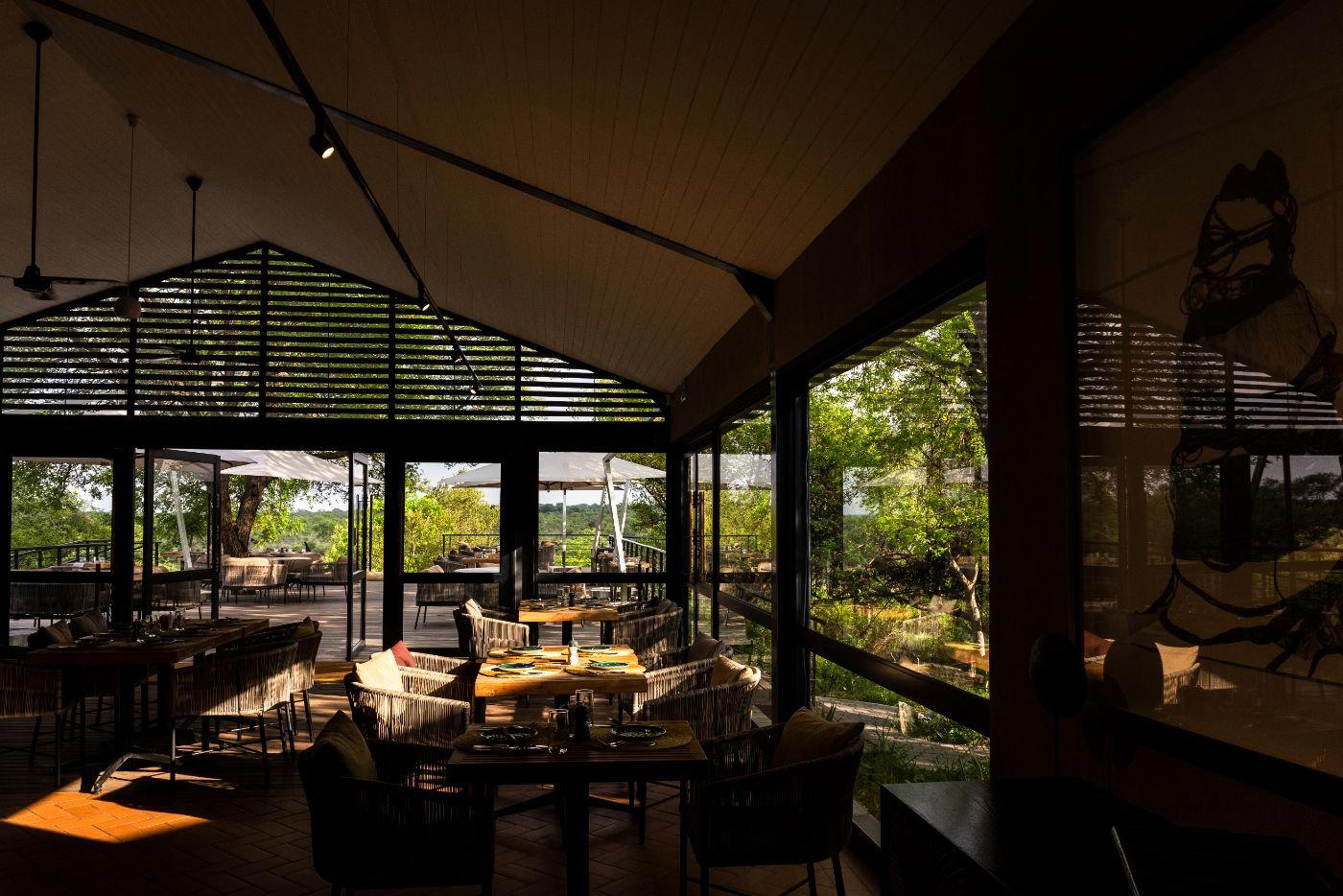
Approaching Bridge House restaurant, the usual restaurant cues fall away. Skukuza is not a city dining district with street frontage, bar spillover and late-night foot traffic; it is a compact park-facing hub where visitor movement, daylight and itinerary planning shape the meal before a menu appears. In that setting, Bridge House restaurant belongs to a narrow category of South African dining where the room and its surroundings do much of the framing.
That matters because food in Skukuza cannot be judged by the same markers that define Cape Town, Johannesburg or the Winelands. The stronger question is how a restaurant handles place: whether it treats the setting as scenery attached to a conventional meal, or whether the experience reads as part of Skukuza’s broader hospitality ecosystem. Bridge House restaurant is positioned in the latter conversation by location alone, in Skukuza, where dining is closely tied to the way travellers move through the area.
Kruger dining is defined by setting before technique
Skukuza’s restaurant scene is compact, and its appeal is tied to access rather than abundance. Travellers come through on park itineraries, not urban dining crawls, so the strongest venues tend to solve a specific problem: where to eat between plans, where to linger without leaving the local rhythm, and how to give dinner a sense of South African place without turning it into theatre. Trackside Dining sits in the same local conversation, while Boma formats lean harder into open-fire communal ritual.
The ingredient question in this part of South Africa is less about fashionable provenance language and more about fit. Safari dining often draws on familiar regional habits, service practicality and the expectations of travellers spending time in the area. At stronger addresses, the food feels rooted in place without pretending to be a museum piece. Rather than treating Bridge House restaurant as a chef-counter import, the useful reading is contextual: it should be understood as a Skukuza restaurant first.
That distinction helps set expectations. A traveller comparing it with Boma is comparing two different safari meal grammars: one shaped by Skukuza atmosphere, the other by the boma tradition of fire, enclosure and group dining. Other protected-area dining offers further reference points, though each setting answers to a different pantry, pace and set of guest needs. The common thread is that location is not a backdrop; it governs what the meal can credibly be.
The sourcing conversation is South African, not generic safari luxury
South Africa’s stronger restaurant culture has moved away from vague luxury language and toward kitchens that can explain where their food fits: farm estates in the Cape, coastal restaurants with tide and fishing context, city rooms built around immigrant foodways, and reserve dining shaped by fire, season and logistics. In the Winelands, farm and cellar culture can anchor a meal. Skukuza’s version is different: the constraint is not vineyard adjacency but park context, visitor flow and the need for dining to sit comfortably beside travel plans.
That is why the venue does not need to be read through a metropolitan checklist to make sense. Awards, listings and chef profiles can help in crowded city markets because they sort crowded fields. In Skukuza, the sharper signal is format and location. A restaurant in Skukuza competes less with tasting-menu rooms than with lodge dinners, rest-camp meals and structured safari experiences. The practical reader question is not whether it mirrors urban restaurants elsewhere; it is whether it gives a Skukuza stay a more grounded dining pause than a standard transit meal.
For travellers building a wider South African route, Bridge House restaurant also clarifies how varied the country’s dining map has become. Coastal hotel dining, rural hospitality and city restaurants each speak to different travel patterns and expectations. Skukuza is neither coastal nor urban nor wine-country; its dining identity is built around the local itinerary, the early start, the return later in the day and the value of staying inside the area’s rhythm.
How to place it in a Skukuza itinerary
Bridge House restaurant makes the clearest sense for travellers already centring Skukuza rather than passing through the area as a brief stop. Its Skukuza setting gives it logistical relevance for local itineraries, especially when dinner needs to stay aligned with transfers, timing and the rest of the day’s plans. The smarter comparison is with other Skukuza-area formats, not with urban restaurants that rely on cocktail traffic, long à la carte menus or chef counter intimacy.
Use our full Skukuza restaurants guide to map it against nearby dining, then cross-check the wider trip through our full Skukuza hotels guide, our full Skukuza bars guide, our full Skukuza wineries guide and our full Skukuza experiences guide. For a broader sense of how far restaurant formats can stretch across regions, compare it with other dining formats beyond Skukuza; those references are useful less as direct peers than as reminders that format only works when it belongs to its setting.
Frequently asked questions
Is Bridge House restaurant okay with children?
Bridge House restaurant sits in Skukuza, which makes it practical for family itineraries built around the area. Those details are not published. Check the venue's official channels for the latest details.
Is Bridge House restaurant formal or casual?
Bridge House restaurant reads as a destination dining room rather than a dress-code-driven room. Its setting in Skukuza points to a relaxed local context rather than urban formality.
What's Bridge House restaurant's location?
Skukuza.
Can I walk in to Bridge House restaurant?
Those details are not published. Bridge House restaurant is in Skukuza, so timing it around local movement is the sensible approach. Check the venue's official channels for the latest details.
What has Bridge House restaurant built its reputation on?
Bridge House restaurant’s reputation is tied to place: Skukuza. In a town where dining is shaped by local itineraries, location is the main credential.
Side-by-Side Snapshot
Comparable venues by cuisine and price in the same metro.
| Venue | Cuisine |
|---|---|
| Bridge House restaurantThis venue — the venue you are viewing | African-inspired cuisine |
| Trackside Dining | Modern African Dining |
| Londolozi Game Reserve | South African |
Details
- Scenic
- Ornate
- Sophisticated
- Historic
- Special Occasion
- Celebration
- Group Dining
- Family
- Waterfront
- Garden
- Historic Building
- Design Destination
- Hotel Restaurant
- Beer Program
- Craft Cocktails
- Waterfront
- Garden
- A La Carte
- Cocktails
- Beer
- Wine
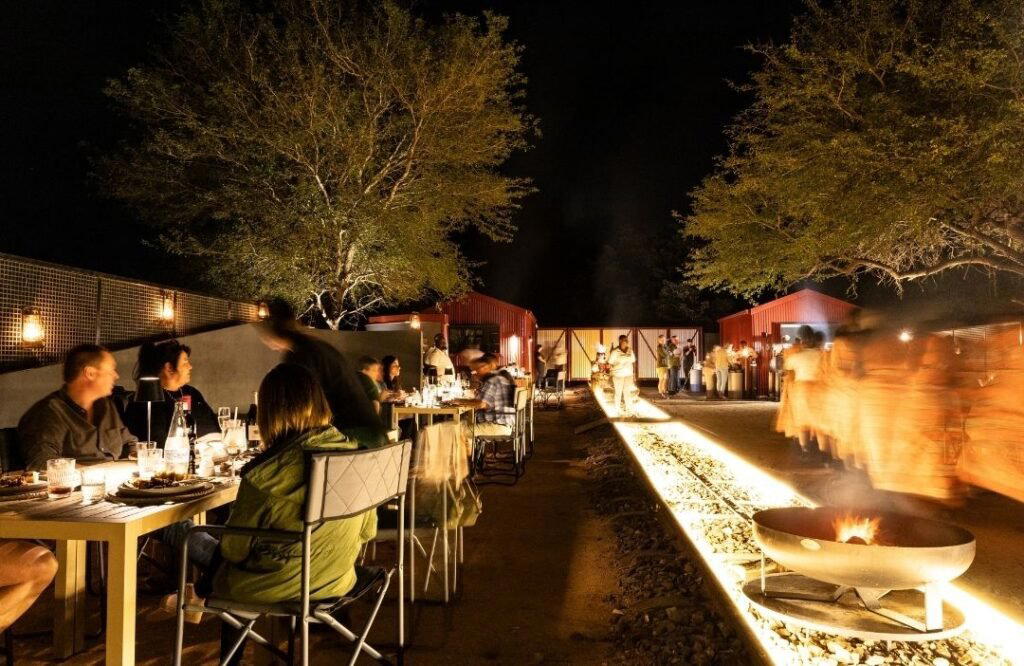
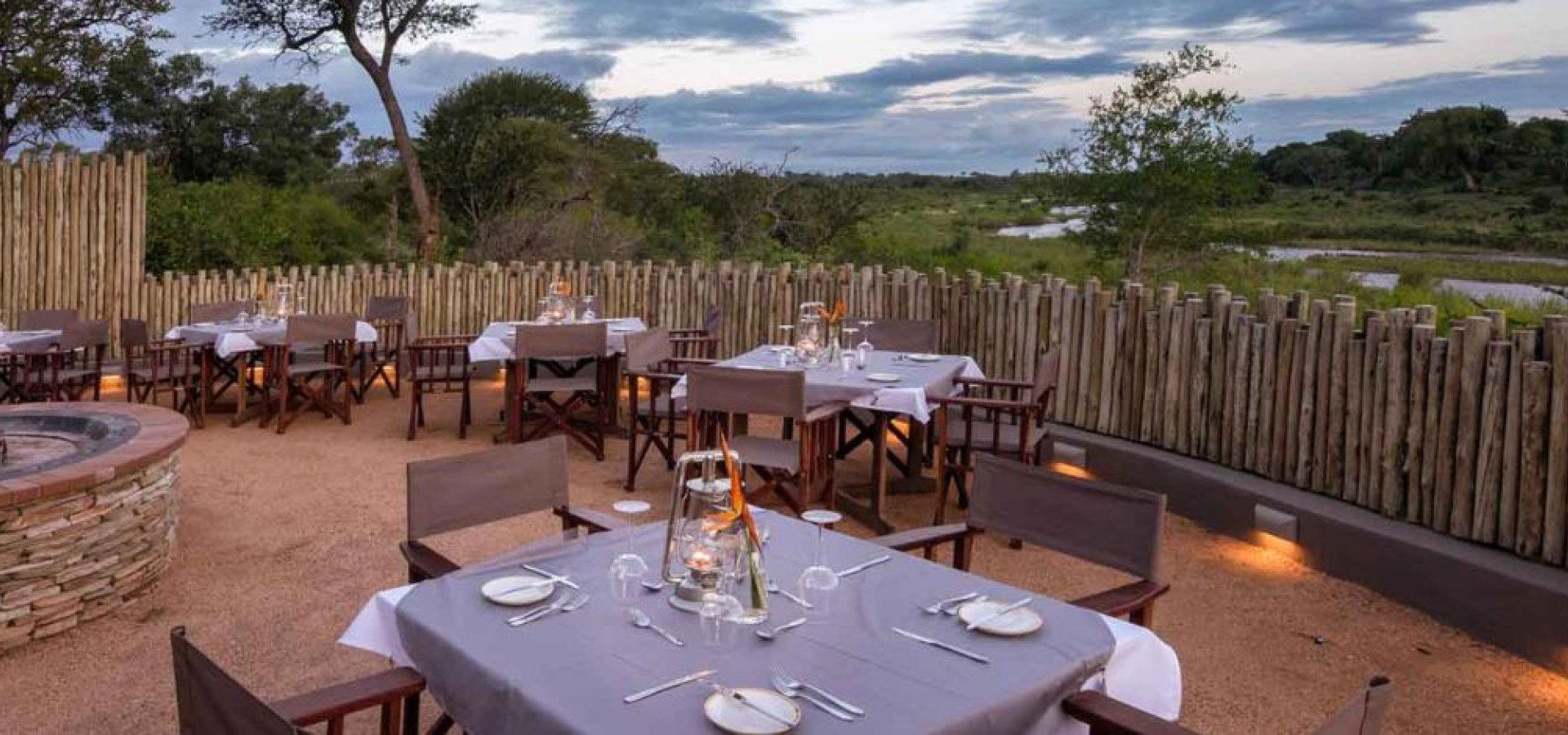
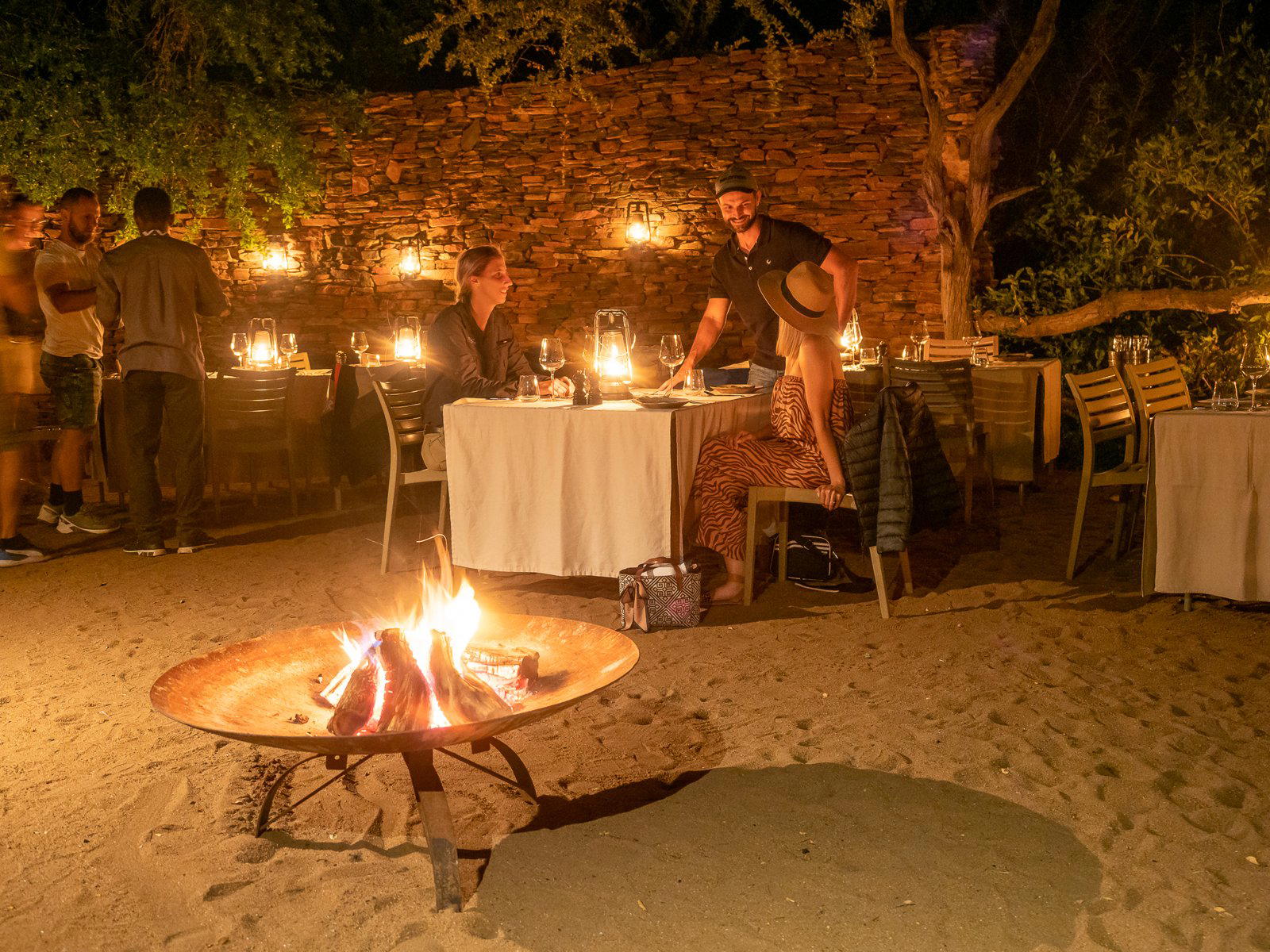
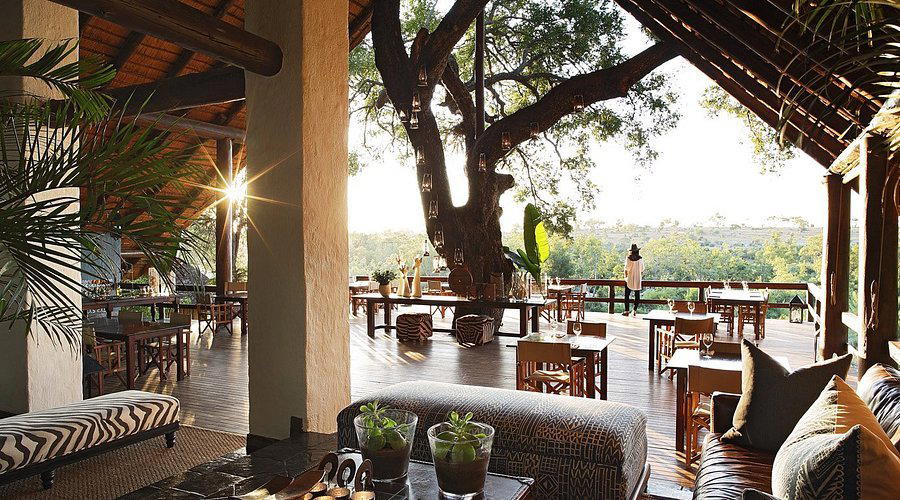
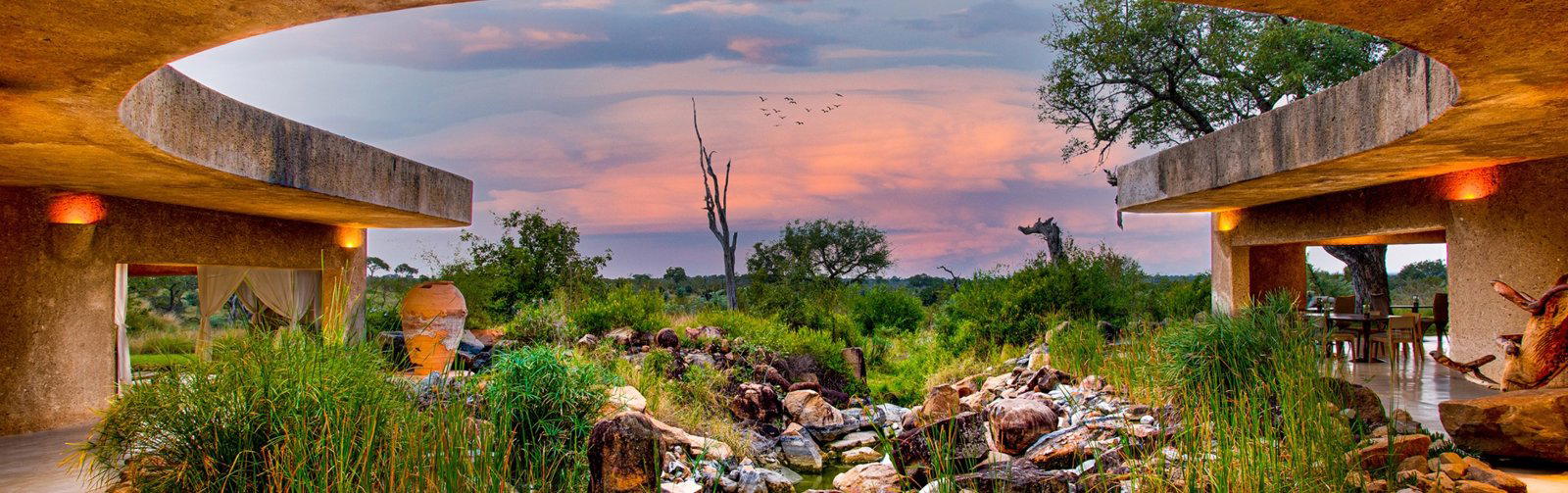
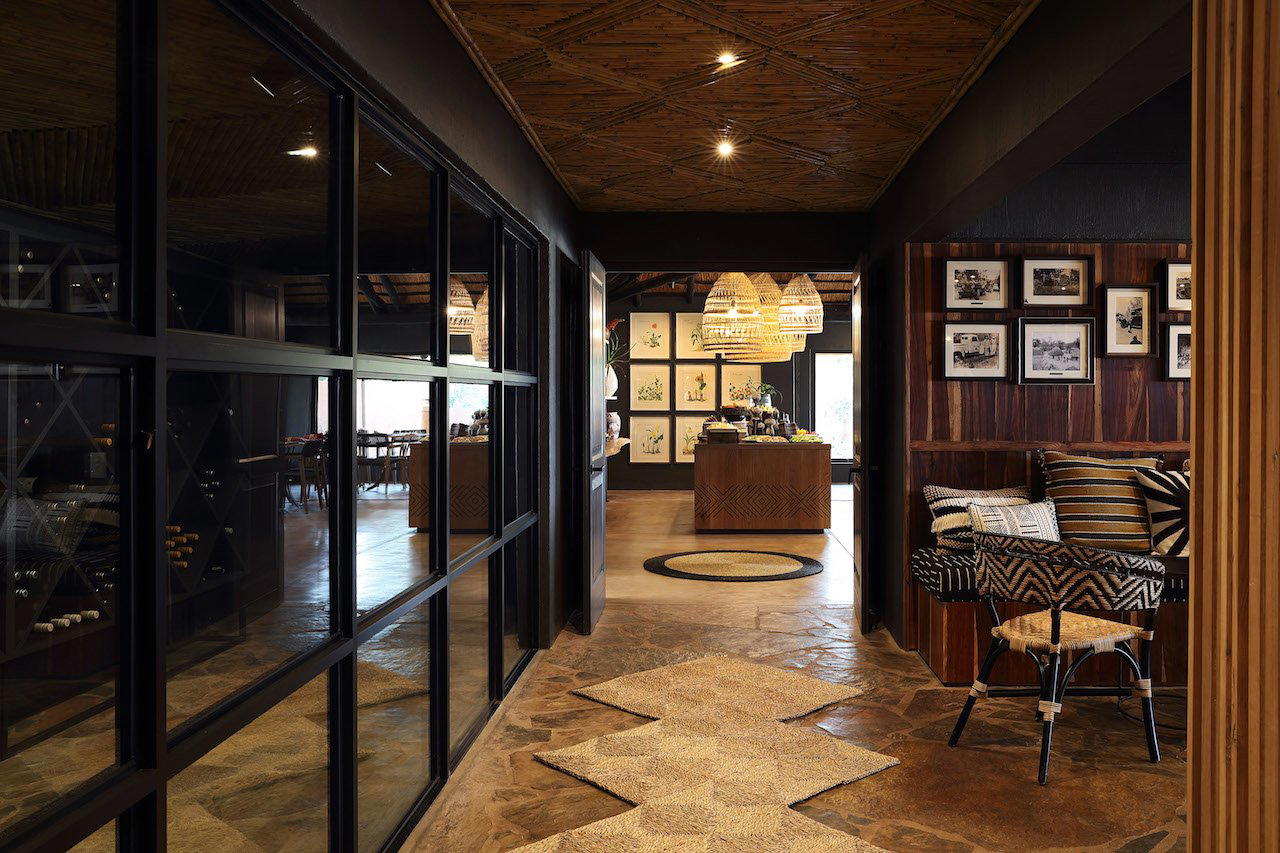
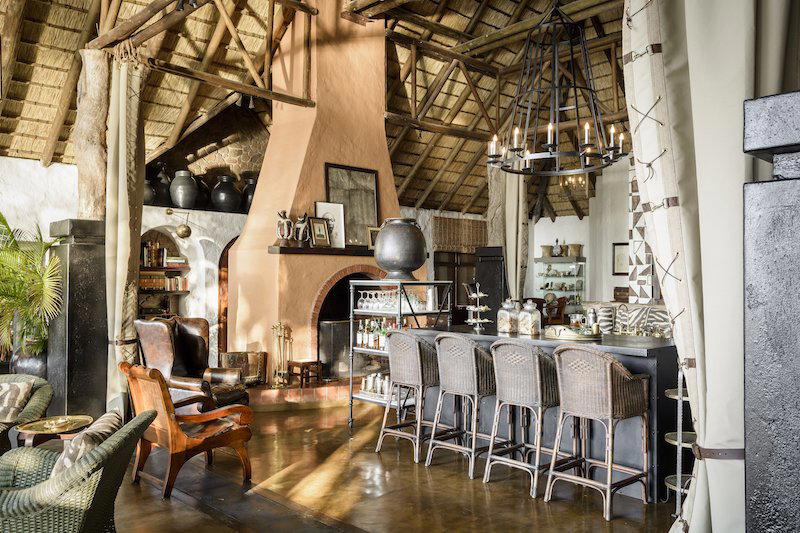
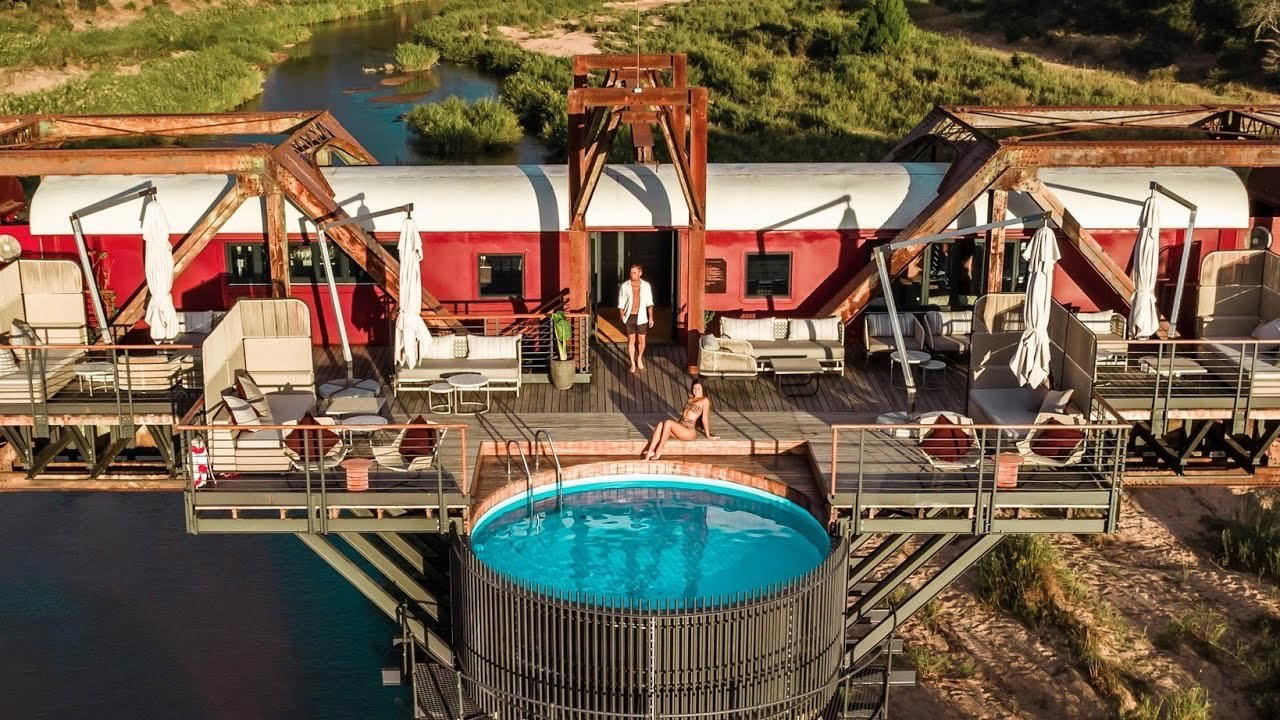
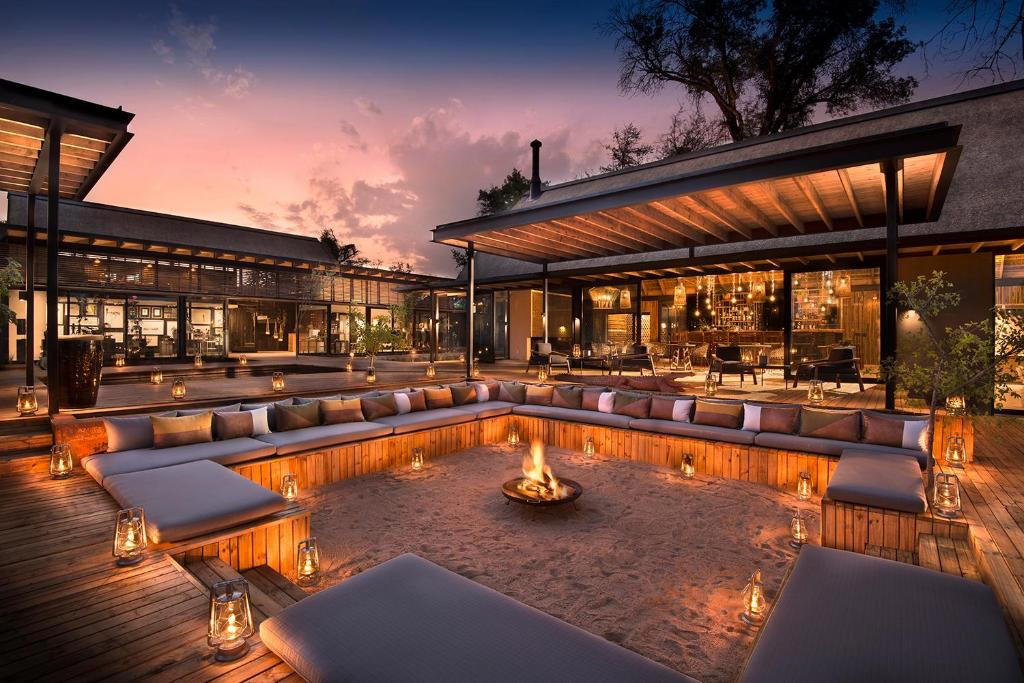
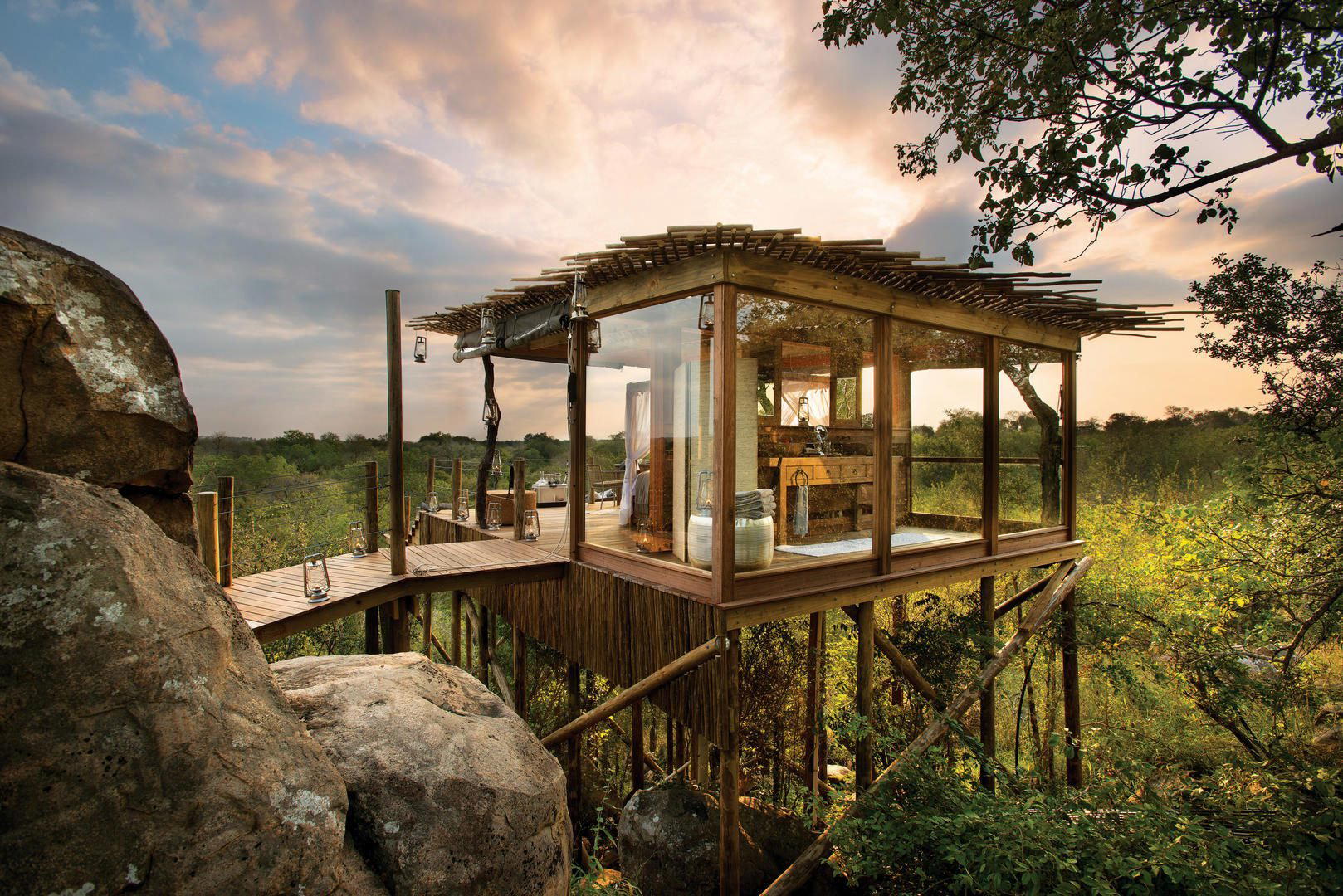
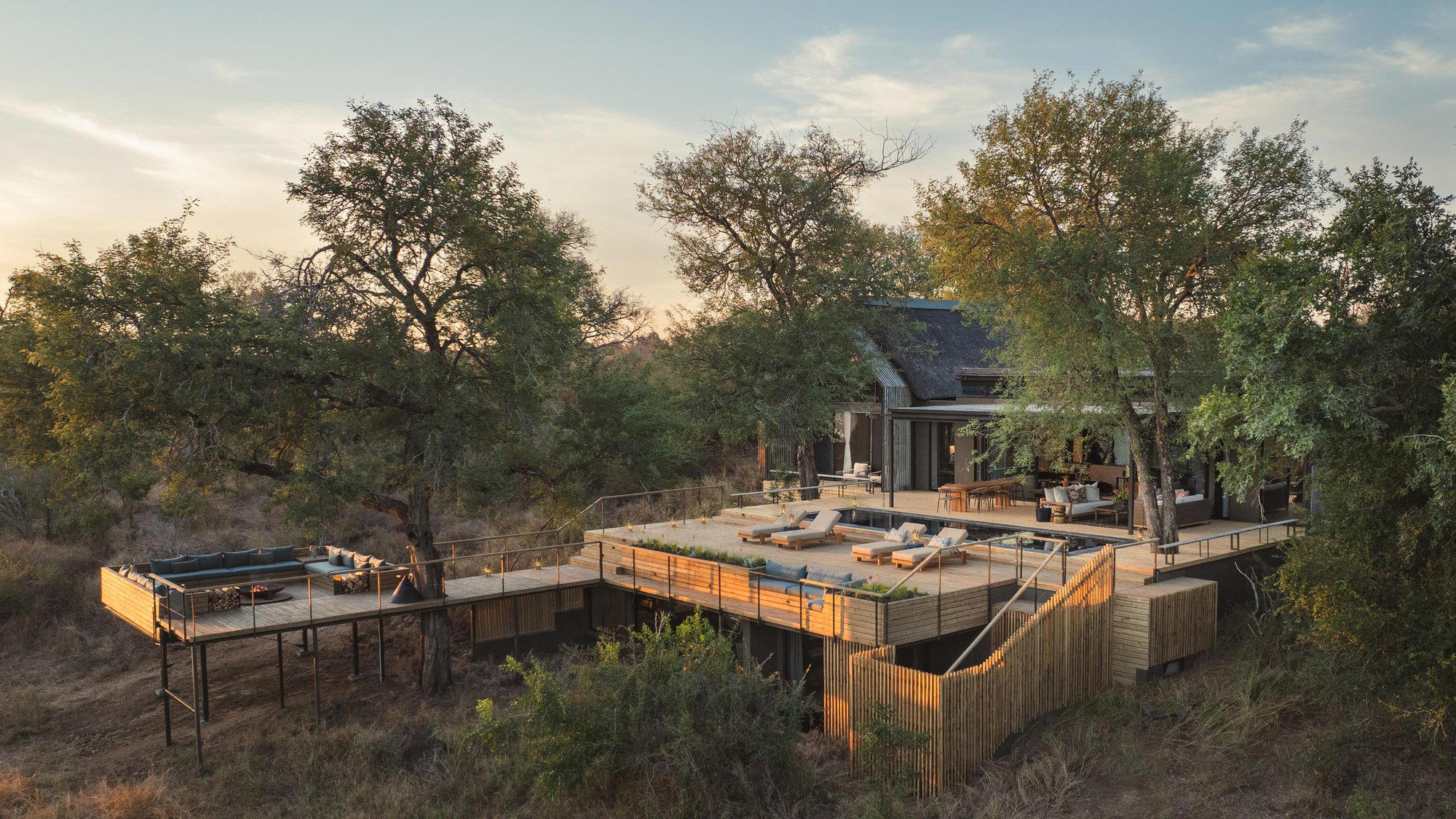
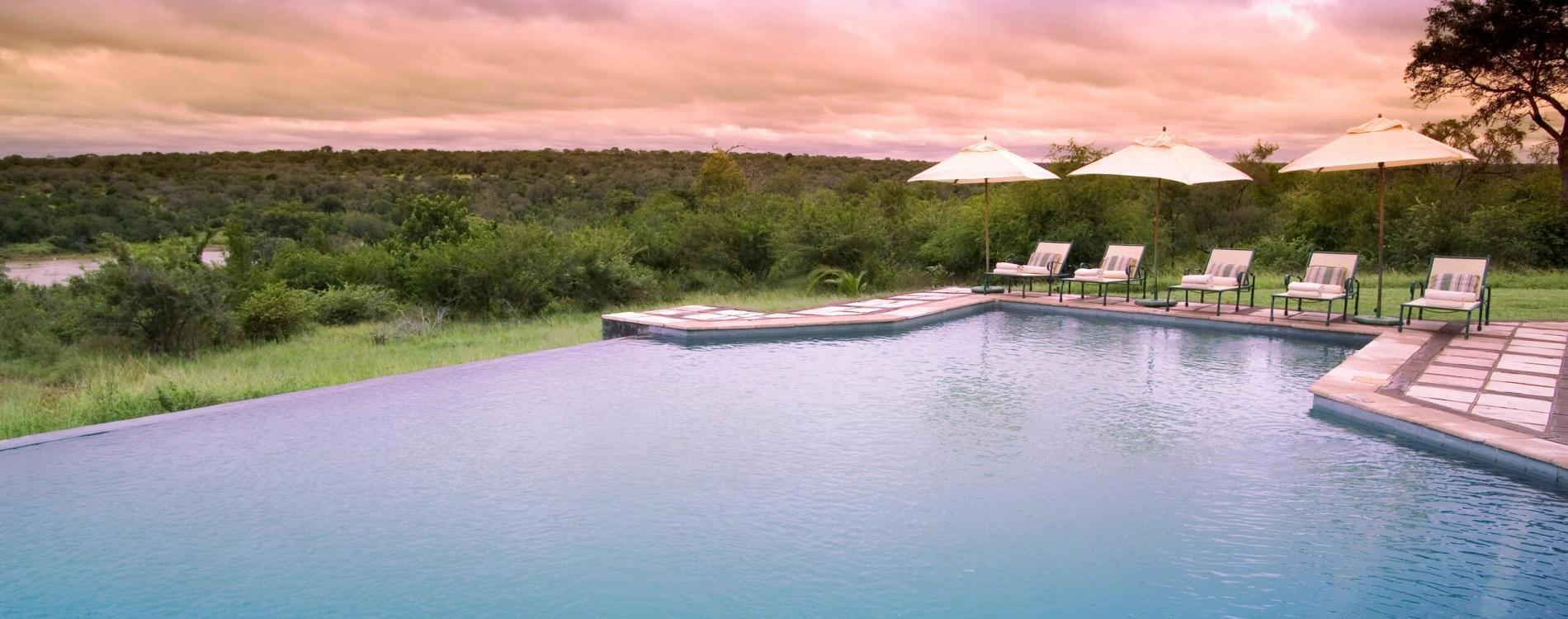
A refined, scenic atmosphere shaped by the bridge setting, Sabie River outlook, and the broader luxury safari design language of Kruger Shalati.