Brasserie Fouquet’s New York
Our verdict
Brasserie Fouquet’s New York brings the French brasserie grammar to Tribeca, where polished rooms and hotel-adjacent dining compete with downtown’s ingredient-led restaurants. The stronger editorial read is not novelty, but translation: French comfort, New York sourcing expectations, and a room built for diners who want ceremony without tasting-menu rigidity.

Pearl is the En Primeur Club membership app, where members save venues, book tables and use the concierge.
The menu
What to order
- Steak tartare
- Foie gras
- Fouquet’s onion soup with Comté cheese
- Maine lobster dishes
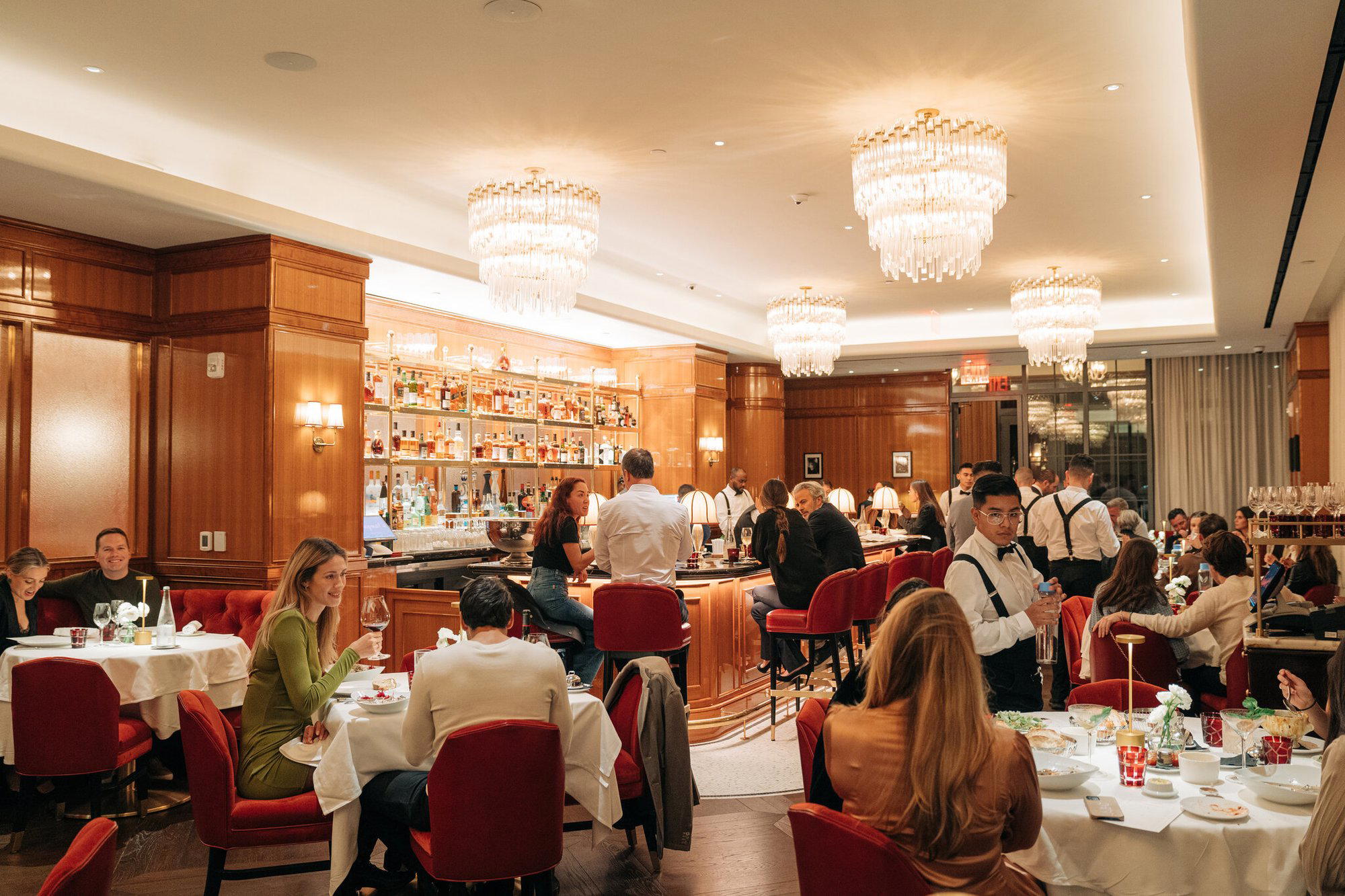
After office hours, New York City changes tone: working-day streets quiet, side blocks empty, and polished dining rooms matter more than street theatre. Brasserie Fouquet’s New York belongs to that evening register, a brasserie idea filtered through New York City rather than easy nostalgia. Its appeal lies in familiar codes, pressed linens, composed service, and recognizable categories, performing in a city that judges restaurants by discipline as much as polish.
New York’s dining has split into formal rooms chasing ceremony, neighborhood restaurants trading on warmth, and expensive brasseries between the two. In that middle tier, the question is not whether the format feels polished enough, but whether a familiar template feels grounded in the city around it: seasonal logic, restraint where it matters, structure rather than decoration, and a menu that does not mistake richness for seriousness.
Brasserie codes, New York City expectations
The brasserie has always been a sourcing format as much as a design format. Its durability comes from repetition: seafood, roast dishes, salads, comfort, and desserts that reward classic technique. In New York, that repetition runs through a dense network of farms, fisheries, bakeries, butchers, and importers. The city has trained diners to ask where food comes from, even in glamorous rooms, so a New York City brasserie cannot rely on velvet, mirrors, and familiar vocabulary alone.
That is where the category gets interesting. Ingredient-led restaurants often signal seriousness through short menus and restraint. Brasseries absorb luxury into abundance and make sourcing less didactic. Produce may not arrive with a speech, and seafood may not come with a lecture, but the room is judged by whether the familiar tastes precise rather than generic. At the more polished end of New York dining, repetition exposes weakness quickly: fries, greens, sauces, shellfish, bread, and roast dishes leave little room for hiding.
Brasserie Fouquet’s New York sits in a competitive New York City field where diners can move from formal dining to other exacting formats, relaxed restaurants, wine-bar informality, and polished dining within a short ride. The city no longer treats one culinary language as the default marker of seriousness. Other New York City dining rooms compete on product purity and sequencing; others pull diners toward generosity, casual rhythm, or lighter, ingredient-forward eating around wine. A brasserie in this mix must justify formality through execution, not category privilege.
The New York City read: polished, adult, and less trend-chasing
New York City dining is not a single mood. It spans resident-driven neighborhood restaurants, high-spend destination rooms, and polished spaces for guests wanting New York City comfort without stiffness. The brasserie format suits that geography because it handles several speeds: serious dinner, late business table, family meal at gentler hours, or a drink-led evening that turns into food. Its weakness is equally clear: when too reliant on atmosphere, it can feel decorative rather than rooted.
The sharper New York comparison is not with every restaurant, but with rooms that define how formal the diner wants the evening to be. L’Abeille operates in a more explicitly high-end register, while Azabu New York belongs to another discipline, with dining judged by product, pacing, and ritual. GRECA and Lindens move the conversation toward ease, produce, and a different kind of restaurant energy. Élysée’s, by name and positioning, sits closer to the brasserie reference point. Against that spread, Brasserie Fouquet’s New York reads as the brasserie for diners wanting a recognizable frame in New York City rather than a tasting-menu commitment.
That distinction matters for visitors using New York as a dining city, not a checklist. Classic restaurant polish is no longer an automatic luxury language; it is one language among many. The city now rewards clarity of format. Across New York City and other dining cities, narrow formats, compact rooms, counter-led experiences, and ingredient-led casual cooking all carry authority when the idea is legible. The lesson is that sourcing matters only when the format makes it clear.
How to place it in a New York itinerary
This is a dinner-first address for travelers who want a composed New York City room rather than a loud table. Its usefulness depends on the hour, the party size, and whether the meal is the main event or a pause between appointments, shopping, and the rest of a city itinerary. In New York, the same restaurant can feel different by timing and context, so Brasserie Fouquet’s New York works best when chosen for polish, not novelty alone.
The editorial case is strongest when Brasserie Fouquet’s New York is part of a larger city plan. Pair it with a broader scan of the city’s restaurant field through Our full New York City restaurants guide, then use Our full New York City hotels guide if the priority is staying in New York City. For nights continuing after dinner, Our full New York City bars guide is more useful than another restaurant booking. Travelers building a wider food-and-drink itinerary can also cross-reference Our full New York City wineries guide and Our full New York City experiences guide.
The verdict is measured rather than breathless: this is a polished brasserie proposition in a city less deferential to polish for its own sake. Its success depends on whether familiar dishes feel specific to the moment, the season, and the suppliers behind them. For diners who want New York City with brasserie structure, that is the right question to ask.
Frequently asked questions
Is Brasserie Fouquet’s New York child-friendly?
Brasserie Fouquet’s New York can work for families in New York City when the occasion calls for a composed, polished restaurant rather than a high-noise room. As with any refined dining room, timing and party size will shape the experience.
What's the overall feel of Brasserie Fouquet’s New York?
It reads as a composed New York City brasserie rather than a high-noise room. The appeal is polish, familiar structure, and an adult pace suited to diners who want the evening to feel settled rather than trend-chasing.
When is Brasserie Fouquet’s New York open?
Opening hours can change, so confirm the current schedule directly with Brasserie Fouquet’s New York before planning around a meal.
Where exactly is Brasserie Fouquet’s New York?
Brasserie Fouquet’s New York is located in New York City.
What do critics highlight about Brasserie Fouquet’s New York?
The focus is usually on the brasserie format itself: a polished New York City room that suits diners looking for familiar structure and a composed atmosphere. That mix of city utility and settled polish is the main point of interest.
A Quick Peer Check
Side-by-side context: comparable cuisine and price.
| Venue | Cuisine | Price | Awards | Notes |
|---|---|---|---|---|
| Brasserie Fouquet’s New YorkThis venue (the venue you are viewing) | Parisian French Brasserie & Fine Dining | $100–150 | Not listed | Not listed |
| Élysée’s | Mediterranean Bistro | $50–100 | Not listed | Not listed |
| Azabu New York | Traditional Edo-Mae Omakase | Not listed | Not listed | Not listed |
| GRECA | Modern Greek | $30–50 | Not listed | Not listed |
| Lindens | Seasonal Modern American | Not listed | Not listed | Not listed |
| L’Abeille | Modern French with Japanese Influence | $150–200 | 1 Michelin Star · Wine Spectator Best of Award of Excellence | French |
Continue exploring
More in New York City
Restaurants in New York City
All restaurants in New York City →
Bars in New York City
All bars in New York City →
Brasserie Fouquet’s New York
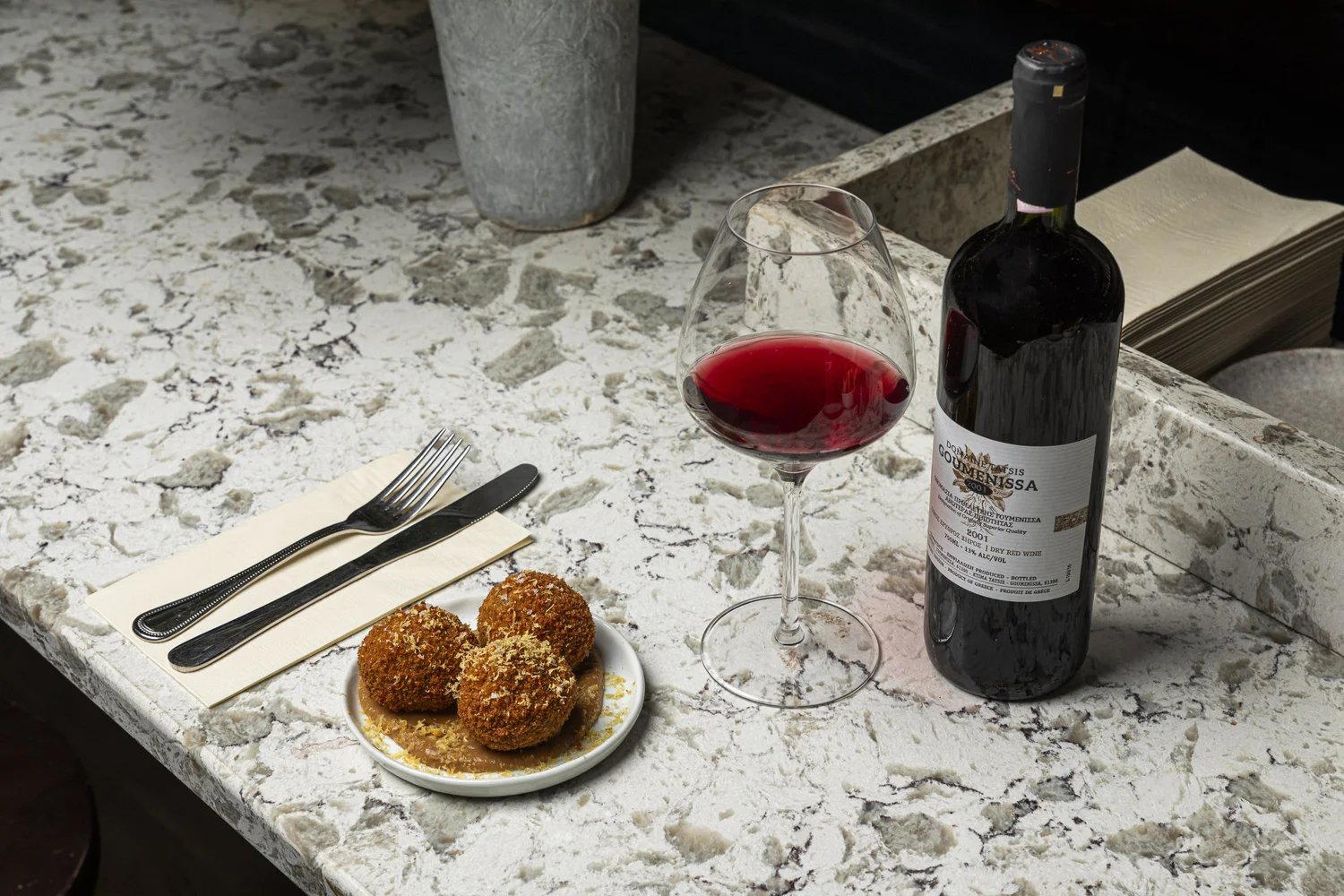
The wine
- Extensive wine list
- Craft cocktails
Details
- Elegant
- Sophisticated
- Intimate
- Classic
- Modern
- Romantic
- Date Night
- Business Dinner
- Celebration
- Special Occasion
- After Work
- Brunch
- Private Event
- Private Dining
- Design Destination
- Hotel Restaurant
- Extensive Wine List
- Craft Cocktails
- Street Scene
- A La Carte
- Wine
- Craft Cocktails
- Allergy Accommodating
Current opening hours
- Monday
- 5–10 PM
- Tuesday
- 5–10 PM
- Wednesday
- 5–10 PM
- Thursday
- 5–10 PM
- Friday
- 5–11 PM
- Saturday
- 7:30 AM–2:30 PM, 5–11 PM
- Sunday
- 7:30 AM–2:30 PM, 5–10 PM
Hours can change for holidays and private events. Hours as of .
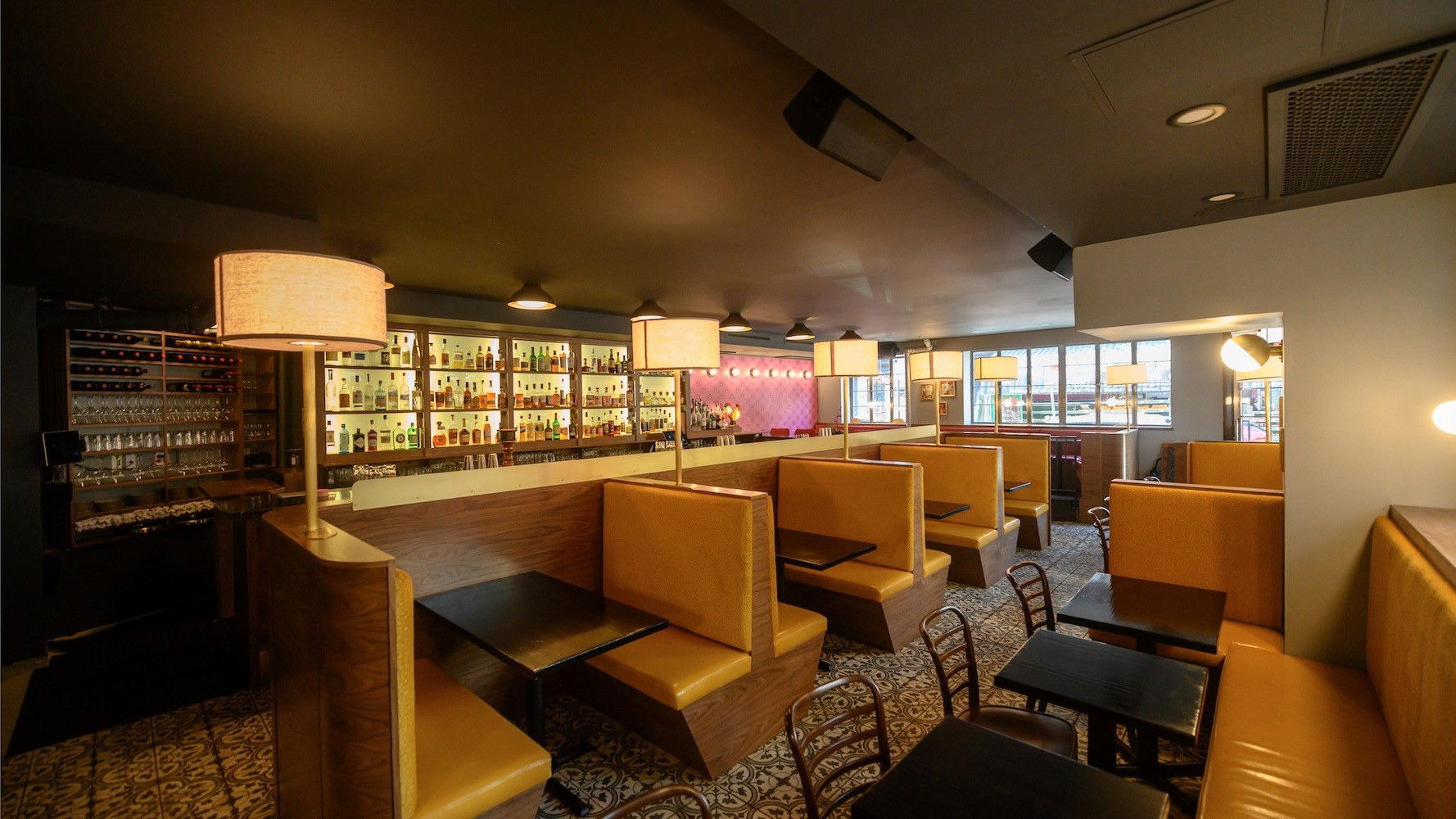
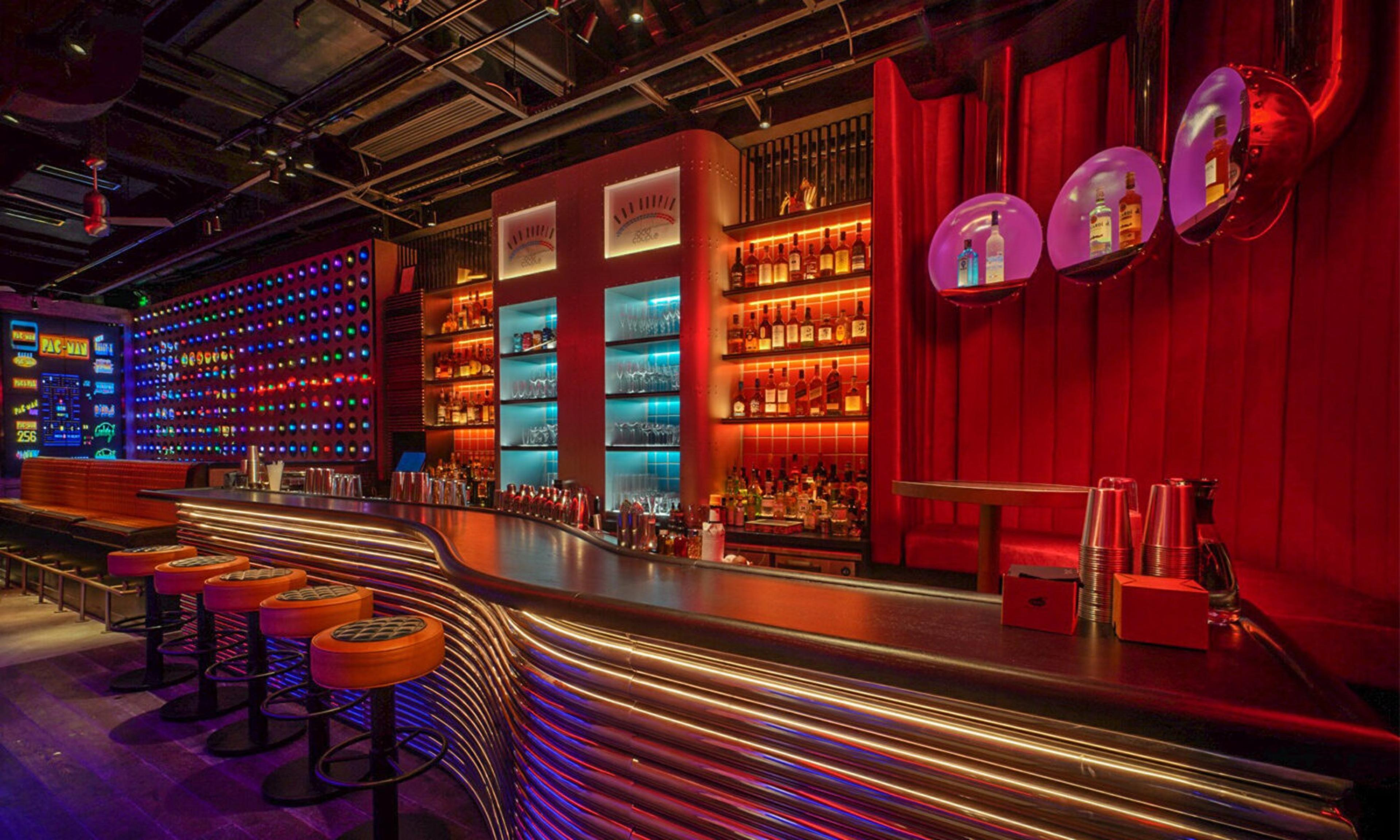
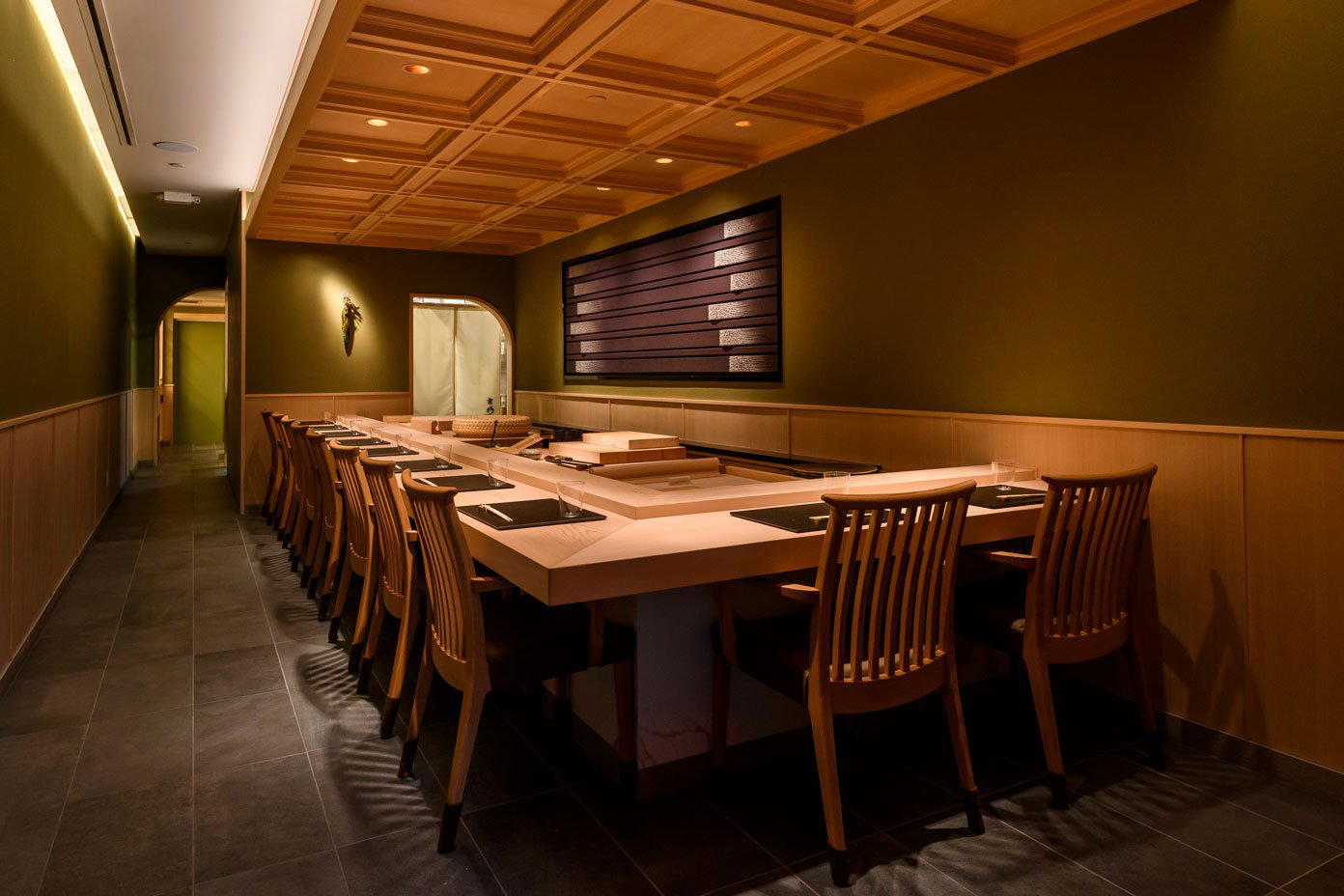
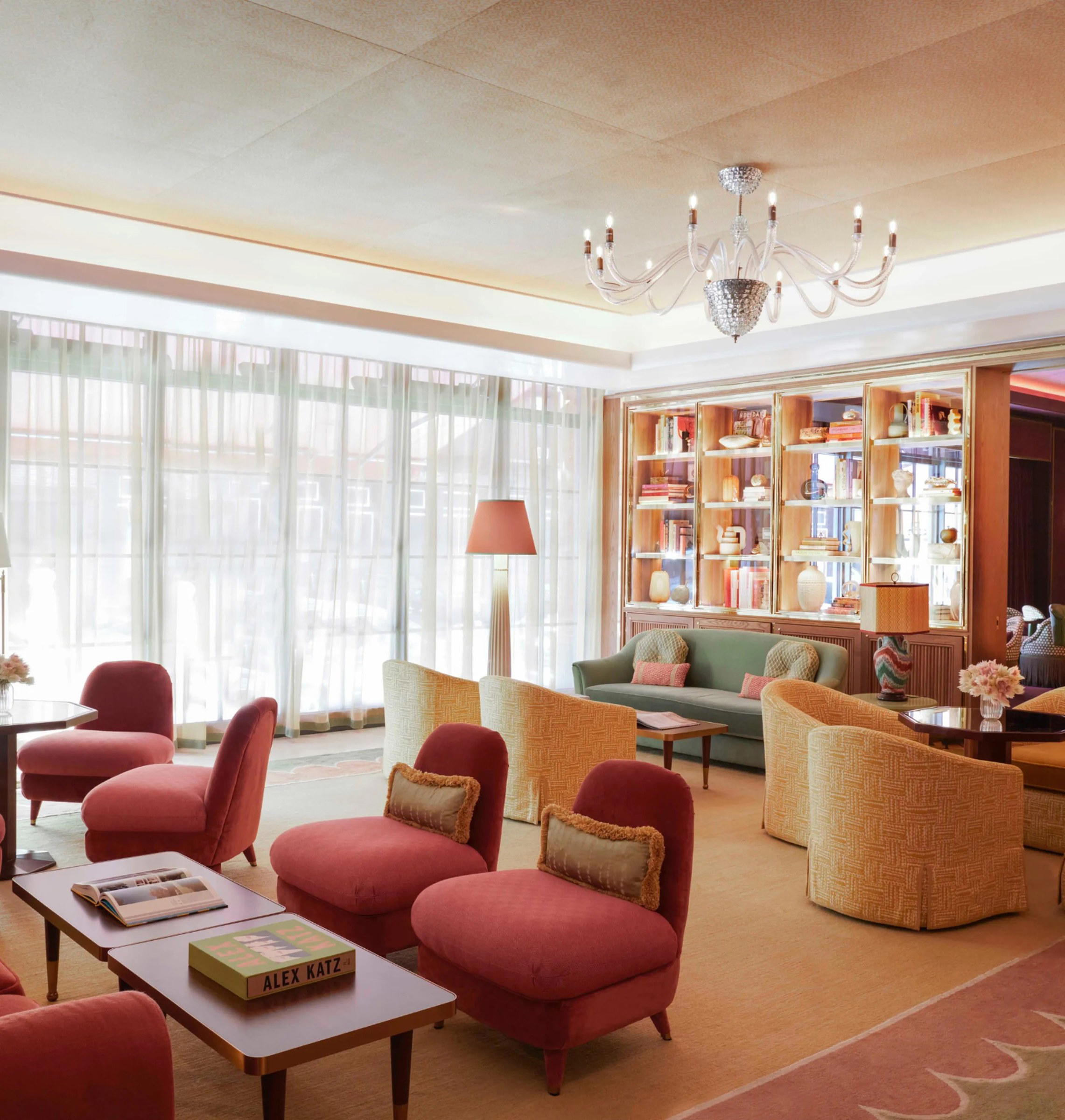
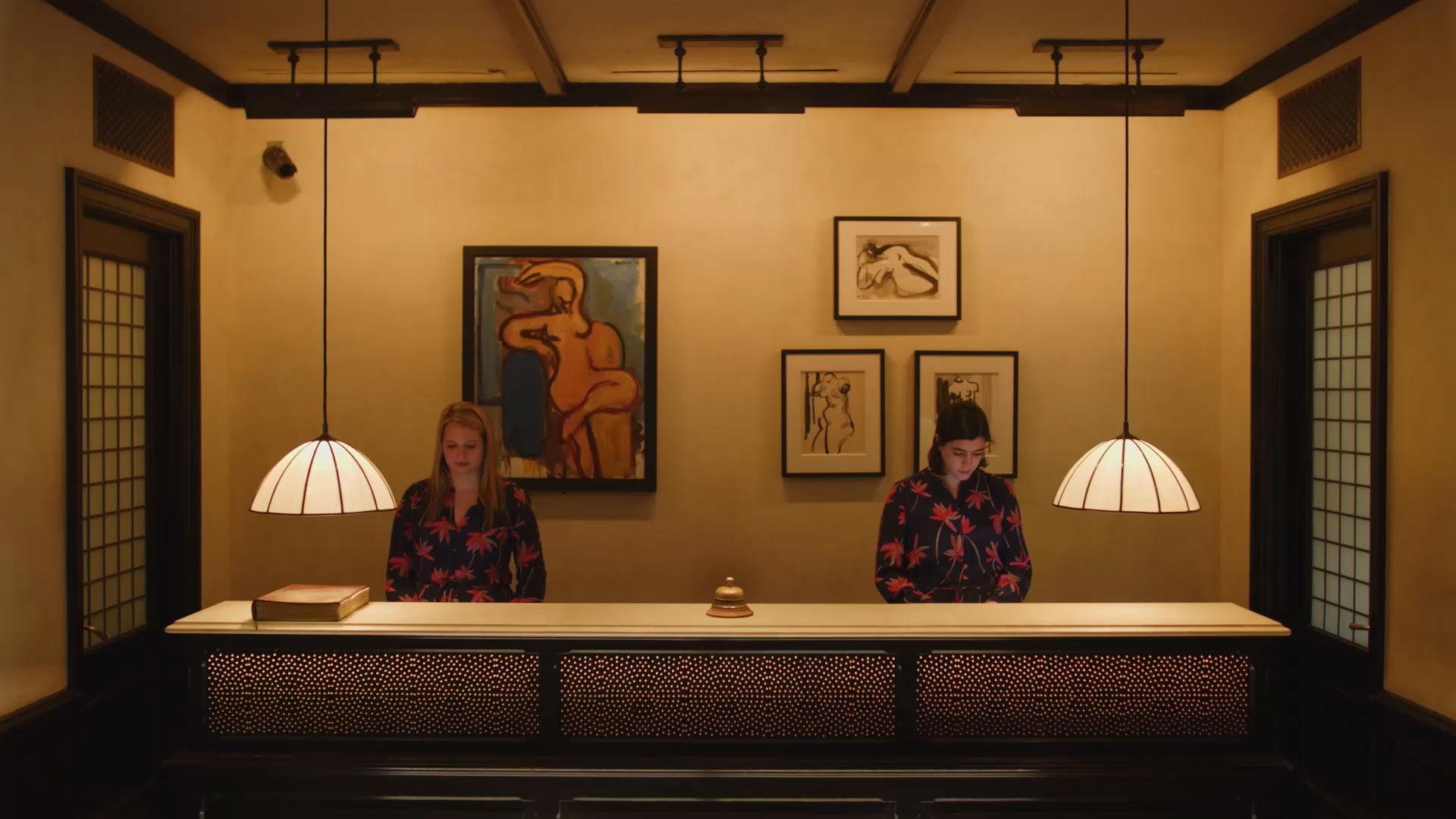
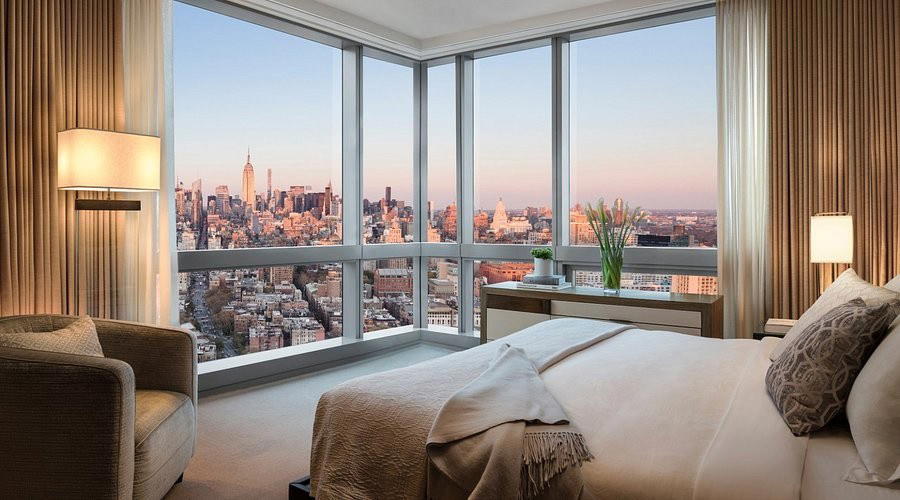
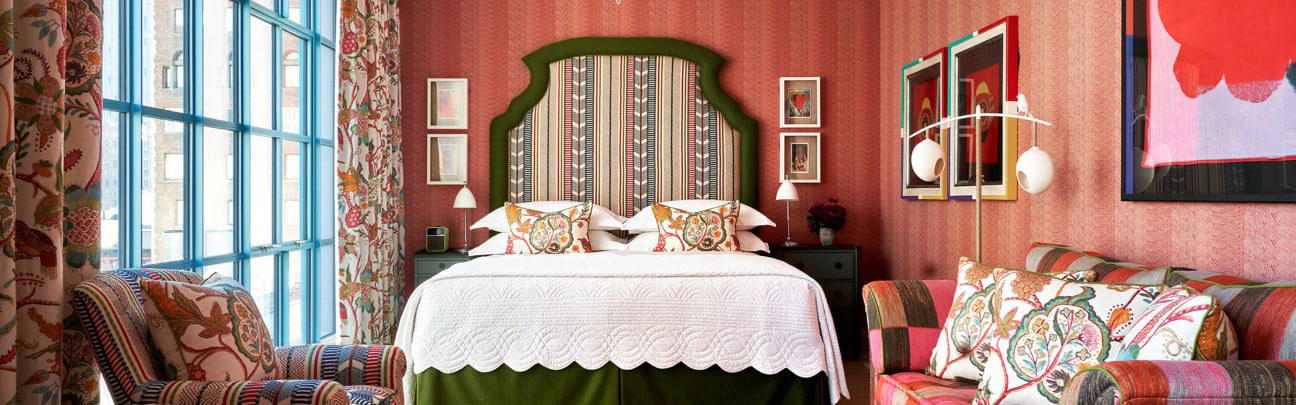
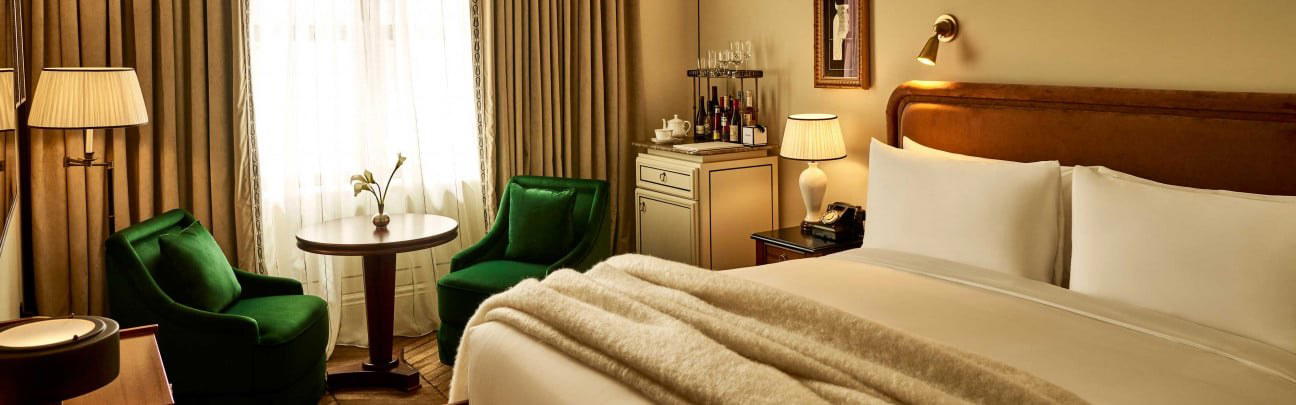
Refined and quietly luxurious, with wood‑paneled walls, soft lighting, and sleek furnishings that create an intimate, Parisian-style brasserie feel infused with contemporary New York boldness.