Bottle and Glass
Bottle and Glass is a traditional English pub in the Thames Valley, where the sourcing conversation that drives contemporary British dining meets a classic rural format. Positioned within reach of Henley-on-Thames's broader dining circuit, it represents the kind of ingredient-led village pub that has quietly shaped the region's food identity alongside more decorated neighbours.
Pearl is the En Primeur Club membership app — saves, bookings, and concierge access live there. Same editors, same standards.
- Address
- Coppice St, Dudley DY1 4SB, United Kingdom
- Phone
- 01491 412625
- Website
- bottleandglassinn.co.uk
- Directions
- Get directions
 Saves & bookings on Pearl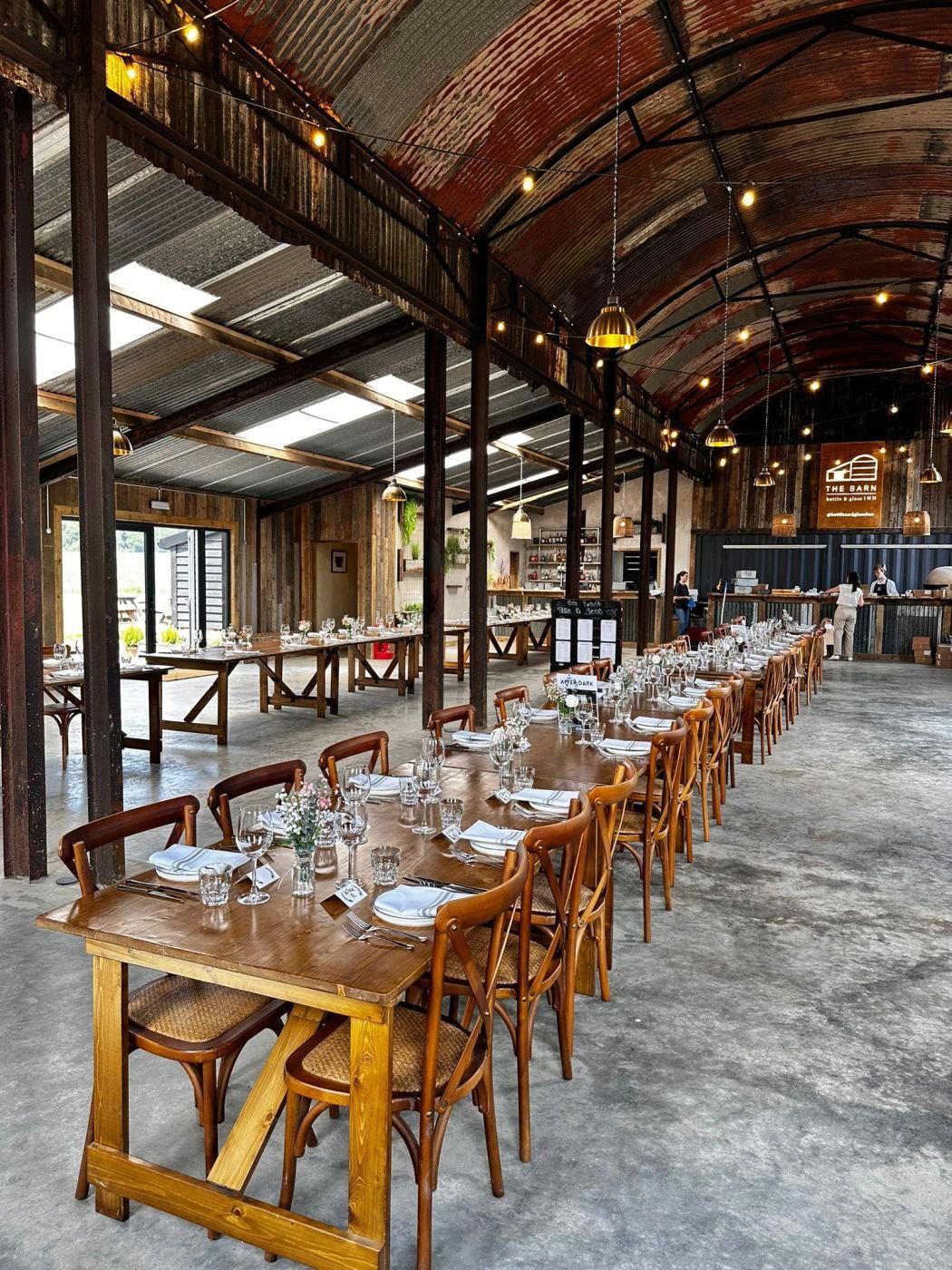
Where the Pub and the Provenance Conversation Meet
The Thames Valley has long operated as a proving ground for a particular strain of British hospitality: the serious country pub. Across Oxfordshire, Berkshire, and Buckinghamshire, well-regarded examples of the format share a common logic. They anchor themselves to a specific place, draw from the farmland and waterways around them, and resist the pressure to become something more formally restaurant-like. Bottle and Glass is a restaurant in Dudley serving Modern British Gastropub cuisine. It sits within that tradition. The name alone carries the weight of English pub culture, a shorthand for the simple pleasures that have sustained the rural inn format for centuries.
Henley-on-Thames as a dining destination has grown considerably more sophisticated over the past decade. Shaun Dickens at the Boathouse brought a chef-driven, fine-dining sensibility to the riverbank. Hurley House and Ye Olde Bell represent the hotel-restaurant model that threads comfort with culinary ambition. What the Bottle and Glass offers is something different in register: the grounded, unselfconscious character of the proper English pub, where sourcing decisions and cooking craft can coexist with flagstone floors and a functioning bar.
The Ingredient Sourcing Logic of the English Country Pub
The serious British country pub has become one of the more reliable vehicles for ingredient-focused cooking in England, often outpacing urban restaurants in its proximity to raw material. The geography matters. Rural pubs in the Thames Valley have direct relationships with local farms, river suppliers, and market gardens that city restaurants have to work harder to replicate. Game from nearby estates, chalk-stream trout from the Kennet and its tributaries, heritage breed pork from Oxfordshire smallholders: these are not marketing constructs in this context but functional supply chains built on geography and long-standing local trade.
The sourcing conversation that now defines so much of high-end British dining, from L'Enclume in Cartmel to Moor Hall in Aughton, traces a version of its roots back to exactly this format: pubs and inns that cooked what arrived from the surrounding countryside, without the mediation of wholesale distribution networks. The country pub was doing field-to-table long before the phrase existed. Understanding Bottle and Glass through that lens places it inside a living tradition rather than treating it as a static heritage object.
That tradition has also produced some of England's most closely watched restaurants. Hand and Flowers in Marlow, just a short drive along the Thames, holds two Michelin stars within a pub format and has become a reference point for what happens when serious culinary intent meets the structural modesty of the traditional inn. Gidleigh Park in Chagford and Le Manoir aux Quat' Saisons in Great Milton anchor the more formal end of the regional spectrum. The restaurant occupies a different position in that hierarchy, one defined less by accolades and more by the pull of place.
The Thames Valley Pub in Its Wider Context
British pub dining has split into increasingly distinct tiers over the past fifteen years. At one end, Michelin-recognised pub-restaurants have professionalised their kitchens to the point where the pub format functions largely as aesthetic framing. At the other end, the community local has held its ground as a social institution with food as a secondary concern. The middle tier, the village pub that takes its kitchen seriously without reaching for fine-dining credentials, is especially interesting and the difficult to sustain commercially. It is also the tier most directly shaped by the quality of its sourcing relationships.
In the Thames Valley, that middle tier has benefited from the region's agricultural richness and its proximity to London money, which has supported a customer base willing to pay for better produce without necessarily demanding tasting menus. The result is a pocket of England where the pub kitchen has had the conditions to develop real culinary seriousness. Internationally, the parallel is less with places like Le Bernardin in New York City or Atomix in New York City, which operate in a stratospheric formal-dining register, and more with the locavore bistro formats found in wine regions across France and northern Italy, where geography does most of the editorial work on the menu.
The Henley area itself repays exploration beyond its most decorated addresses. Hide and Fox in Saltwood and CORE by Clare Smyth in London illustrate how far the sourcing conversation has travelled in British fine dining; the Thames Valley pub represents an earlier, less mediated version of the same instinct. The Fat Duck in Bray sits close enough geographically to serve as a reminder of how many registers of serious cooking the Thames Valley can hold simultaneously.
The address associated with the restaurant, on Coppice Street in the Dudley area, places it within a specific local context, and visitors would do well to confirm current operational details directly before travelling, as pub formats in this bracket can shift hours and formats seasonally. The Henley area rewards a broader itinerary: hotels in Henley range from country house properties to more compact town-centre options, and the bar scene in Henley offers worthwhile stops before or after a meal. For those building a full day around the area, experiences in Henley and the surrounding Thames Valley extend the visit well beyond the table. The wineries around Henley are also worth factoring in, as the English wine industry has established a credible presence in the broader Thames Valley corridor. See our full Henley restaurants guide for the complete picture of where the area's dining sits right now.
Fast Comparison
Comparable venues nearby, for context on price, style, and recognition.
| Venue | Cuisine | Price | Notes |
|---|---|---|---|
| Bottle and GlassThis venue — the venue you are viewing | Modern British Gastropub | $$ | Not listed |
| Ye Olde Bell | Dining | Not listed | Henley |
| Shaun Dickens at the Boathouse | Modern British Bistro | $$$ | Henley-on-Thames |
| Hurley House | Modern Fusion with Japanese Influences | $$$ | Hurley |
| Glencoe Gathering | Traditional Scottish Pub Fare | $$ | Glencoe Village |
| The Hart | Modern British Gastropub | $$ | Marylebone |
At a Glance
- Cozy
- Rustic
- Classic
- Family
- Group Dining
- Casual Hangout
- Brunch
- Celebration
- Standalone
- Historic Building
- Terrace
- Extensive Wine List
- Beer Program
- Local Sourcing
- Garden
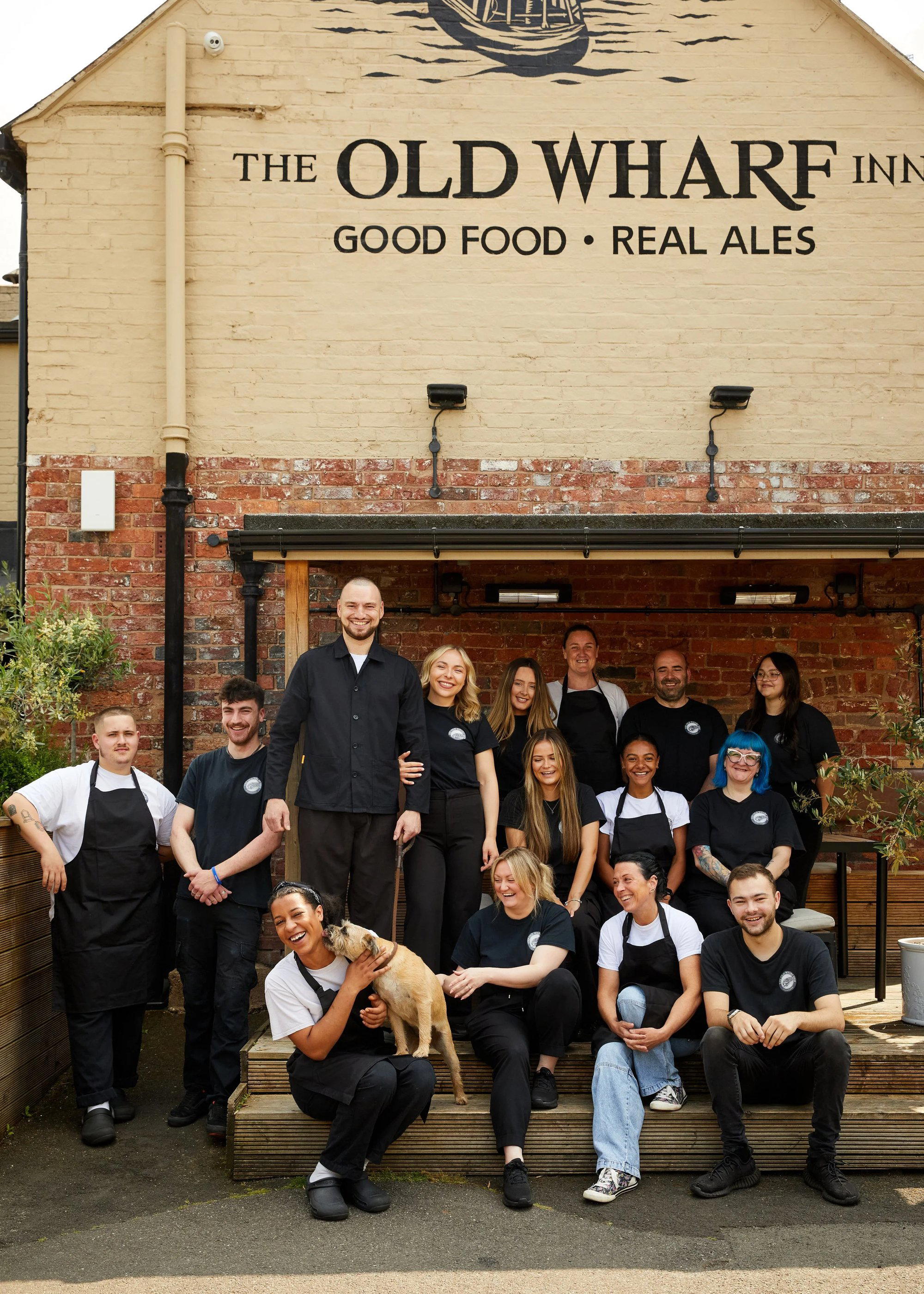
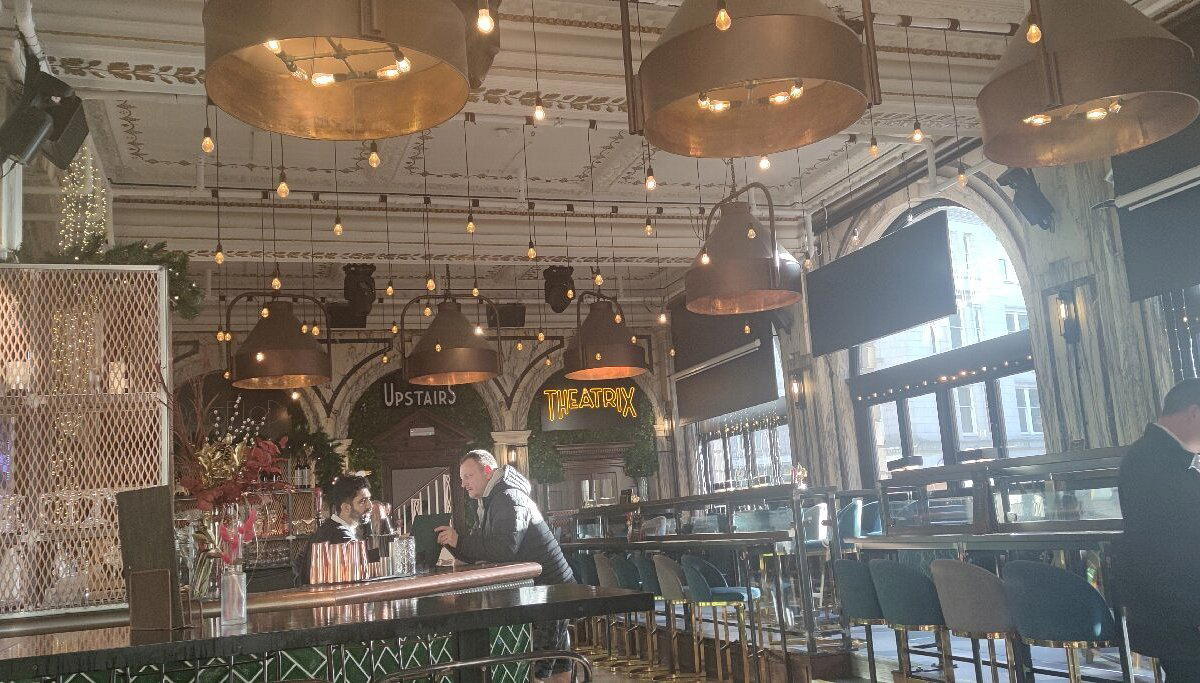
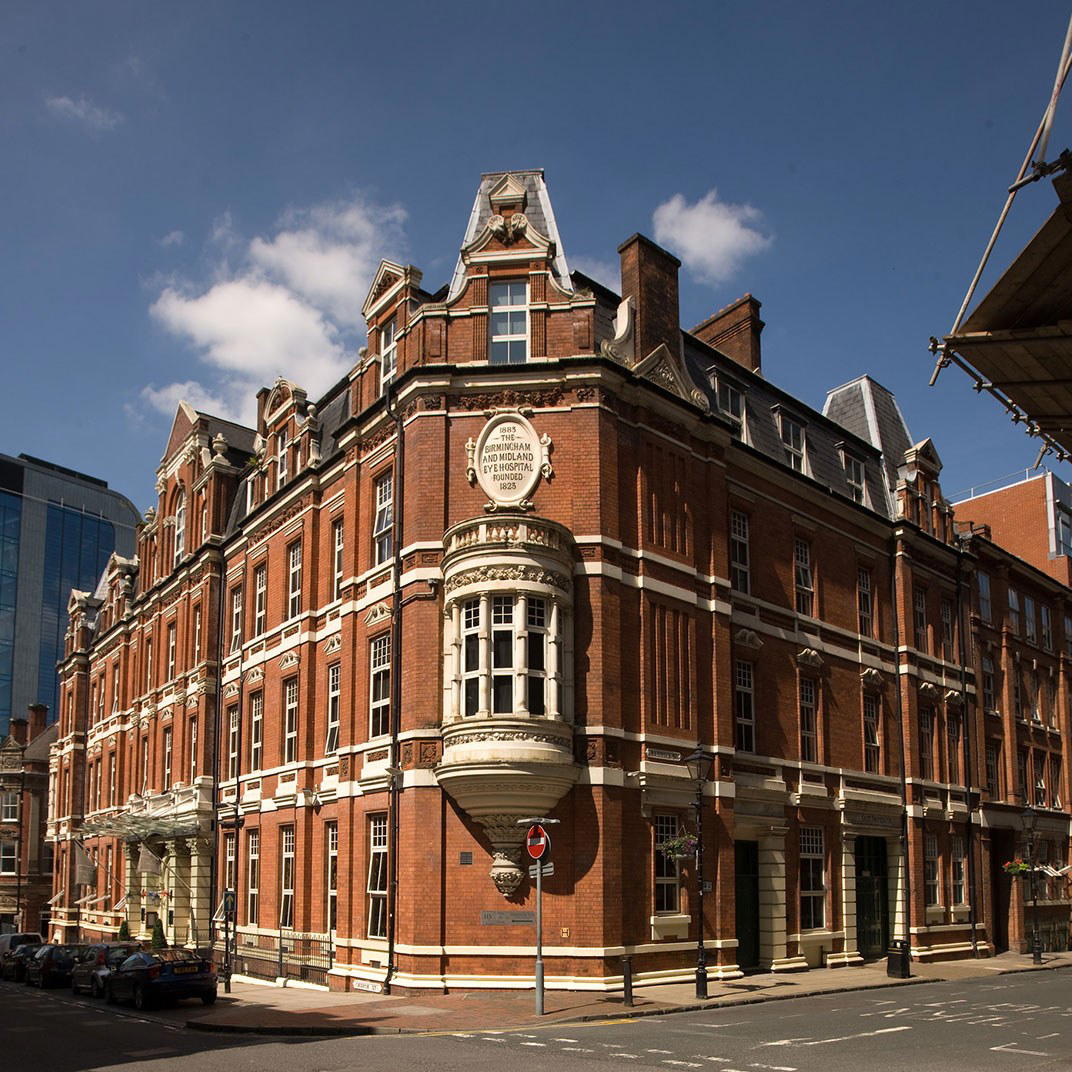
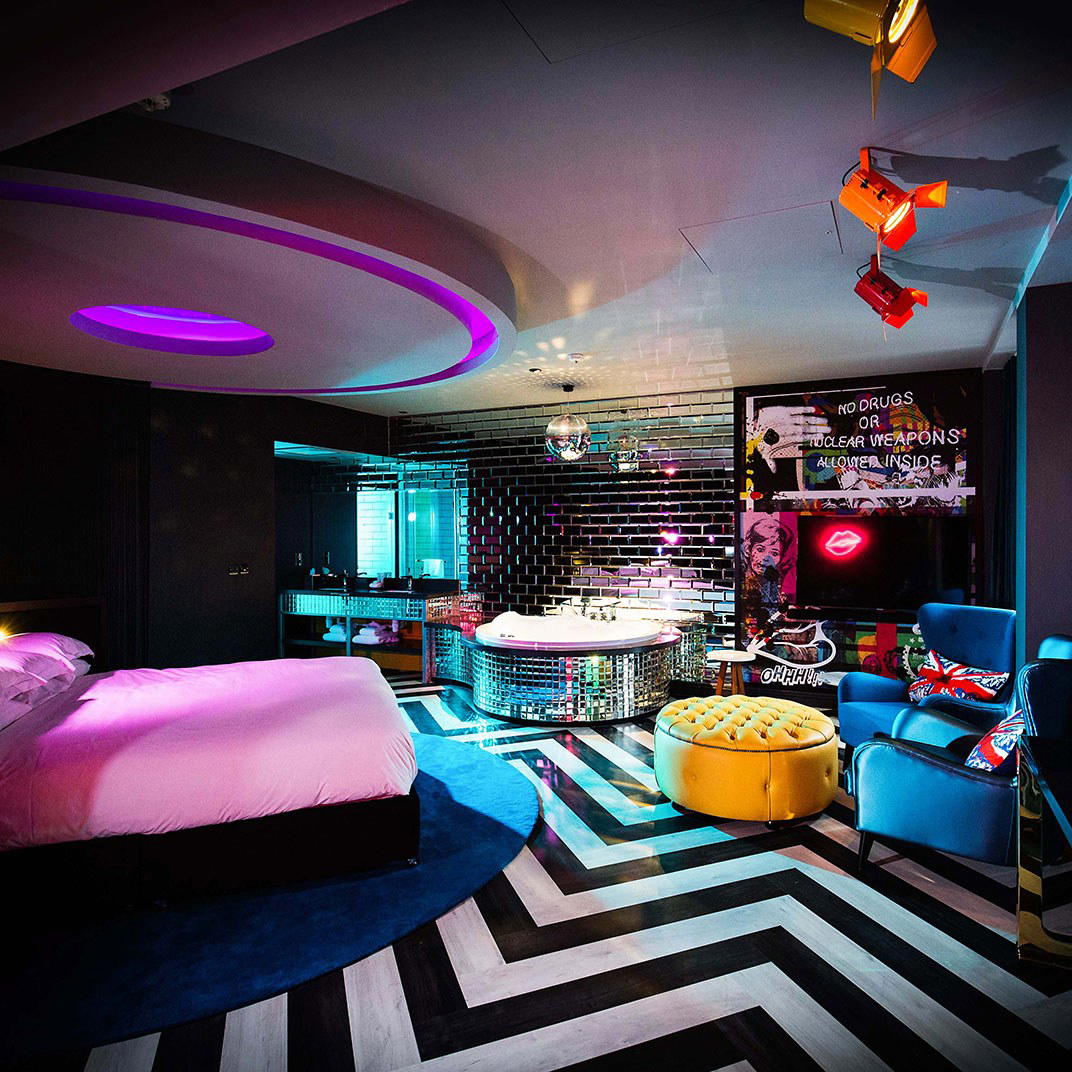
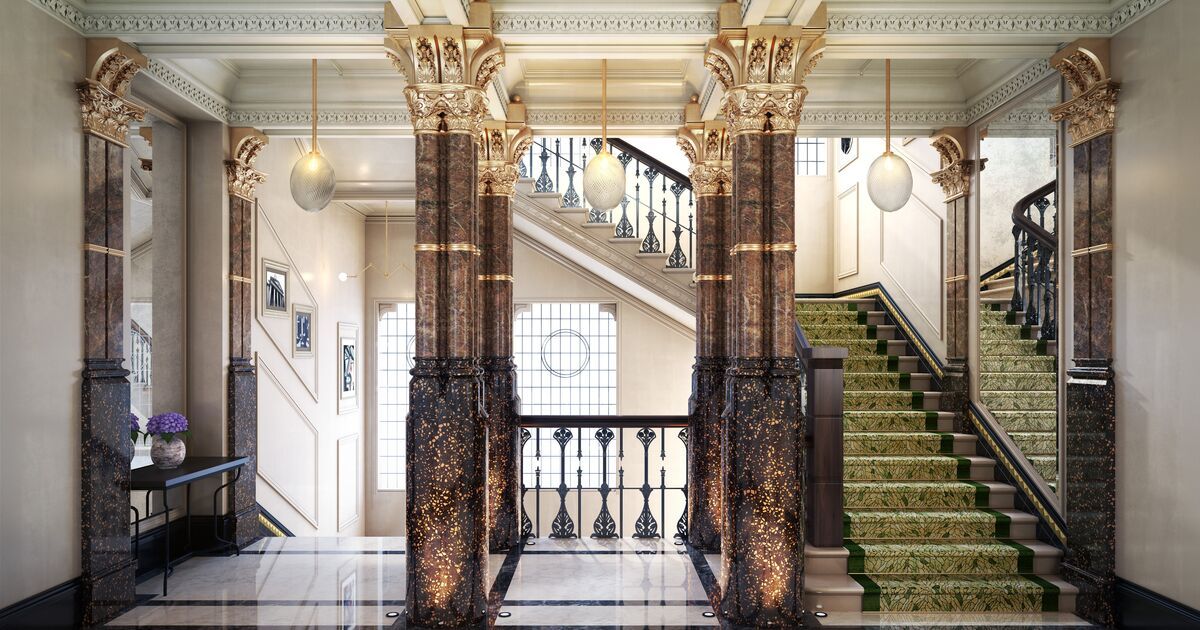
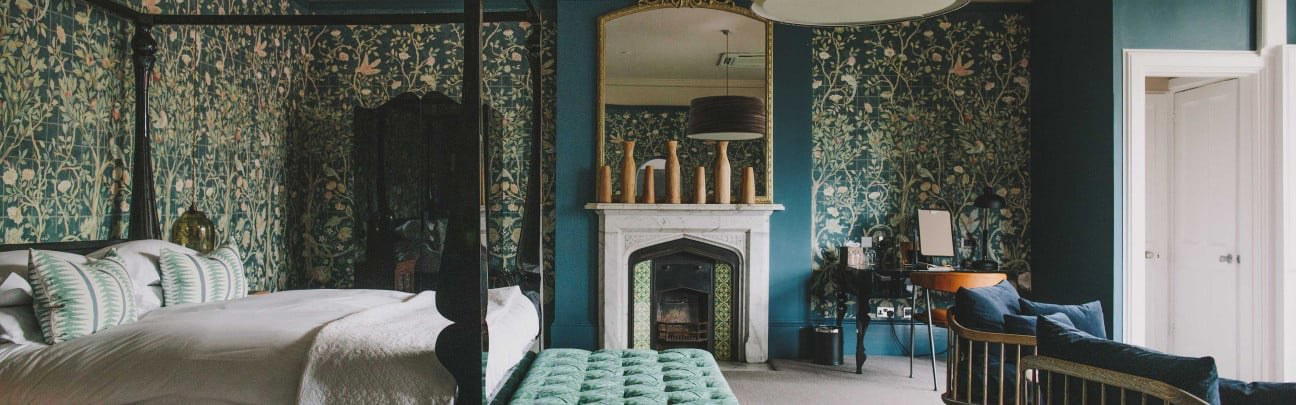
Rustic and informal in the Barn, with a cosy bar, elegant dining room, and a relaxed country-pub feel that is warm and food-focused.