Bonù Taverna Italiana
On Central Avenue in downtown St. Petersburg, Bonù Taverna Italiana brings Italian trattoria tradition to one of Florida's most food-forward dining corridors. The kitchen operates within a city that has moved well beyond tourist-trap Italian, placing it alongside a competitive comparable set that rewards ambition and technique. For travelers and locals tracking where the Central Avenue dining scene is heading, it earns a place on the shortlist.
Pearl is the En Primeur Club membership app — saves, bookings, and concierge access live there. Same editors, same standards.
- Address
- 601 Central Ave, St. Petersburg, FL 33701
- Phone
- +17276234505
- Website
- bonutaverna.online
- Directions
- Get directions
 Saves & bookings on Pearl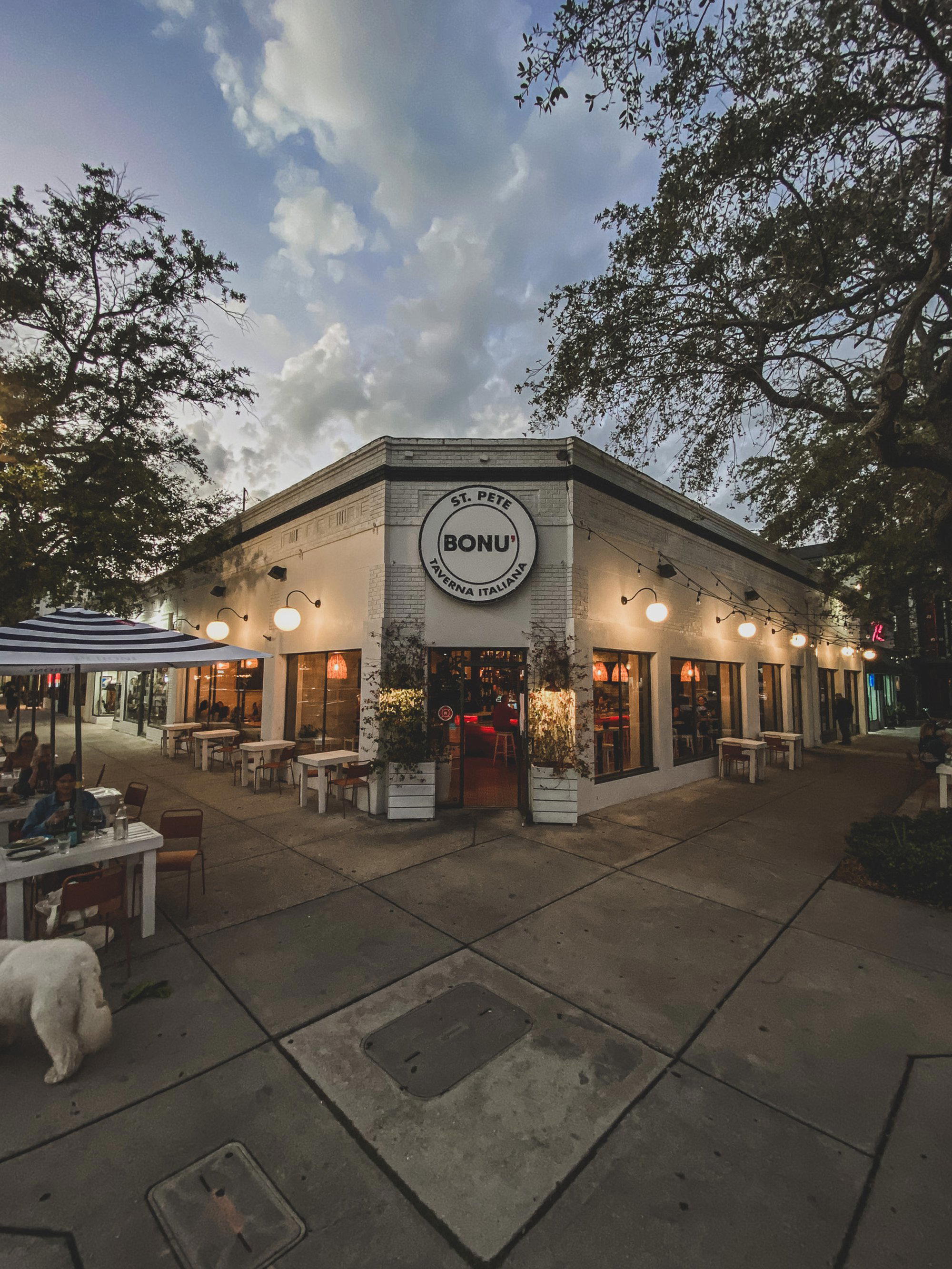
Central Avenue and the Italian Question
Central Avenue has become the axis around which St. Petersburg's dining identity turns. Walk the corridor on a Friday evening and the energy is legible before you step through any door: tables pushed close to the sidewalk, the low hum of a room filling up, the specific warmth of a restaurant that has settled into its neighborhood rather than announced itself to it. Bonù Taverna Italiana is a restaurant in St. Petersburg at 601 Central Ave. The name signals the posture directly: taverna, not ristorante, not cucina. The word choice matters. A taverna implies informality with intention, the kind of Italian room where the food is taken seriously precisely because the setting does not demand ceremony.
The waterfront draw that once kept restaurants at a comfortable, underpressured level of ambition has given way to a more competitive environment. Venues now measure themselves against a comparable set that includes Allelo, Birch & Vine, and bin6south, each of which has raised expectations for what a serious dinner in this city should feel like. Italian specifically occupies a contested space: Bavaro's Pizza Napoletana & Pastaria holds ground on the Neapolitan-casual side, while Beau & Mo's Italian Steakhouse pushes into the surf-and-turf-with-Italian-bones format. Bonù Taverna Italiana positions itself in a different lane: the trattoria, a format that travels well from northern Italy to American cities when the kitchen understands the difference between rustic and careless.
What the Trattoria Format Demands
The trattoria tradition is often misread in American contexts as simply "casual Italian." That misreads the original. In Italy, the trattoria is a neighborhood institution that earns loyalty through consistency and an absence of pretension, not an absence of craft. Pasta is made and cut with care. Sauces are built from produce and time. Wine lists trend regional and affordable without being random. The room feels lived-in because people live in it, returning weekly rather than saving it for occasions. When that model transplants well, it produces something harder to achieve than a tasting-menu room: a place that functions as infrastructure for the neighborhood, not just a destination within it.
St. Petersburg's dining corridor has room for that format. The city's Italian options have historically skewed either toward white-tablecloth event dining or toward quick-service pizza and pasta. The middle ground, where technique meets accessibility and the room itself becomes part of the draw, is where a taverna model competes. The format rewards patience and repetition: you understand it better on the fourth visit than the first.
Atmosphere and the Sensory Baseline
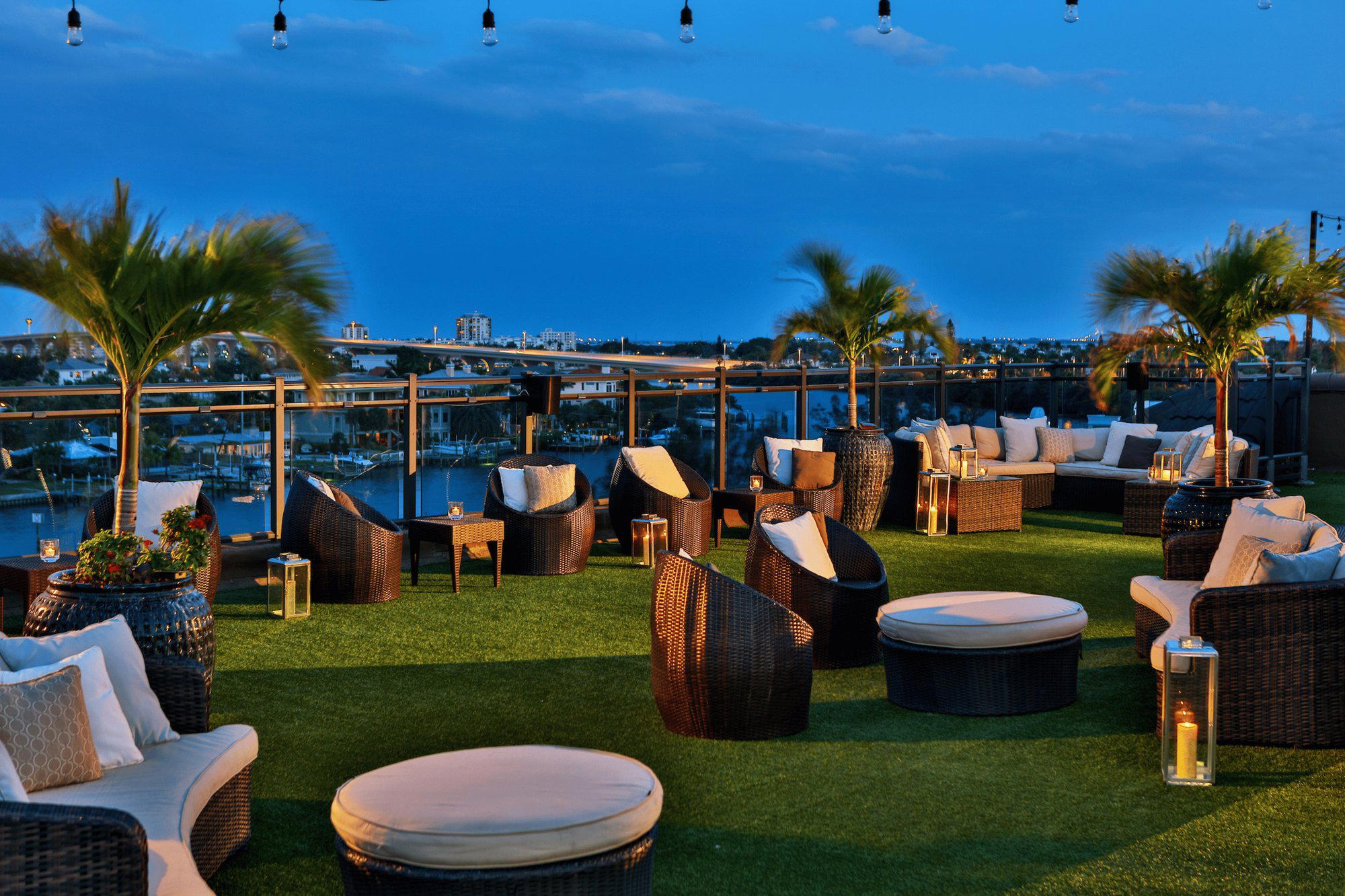
On a practical level, 601 Central Ave places Bonù Taverna Italiana at the center of the city's most active dining block. The address puts it within walking distance of the arts district institutions and the waterfront, the two gravitational poles that organize an evening in downtown St. Pete. The physical approach matters more than people allow: Central Avenue at dinner hour has a specific texture, the kind of accumulated low-level noise and foot traffic that signals a street working properly. A taverna on that block draws from pedestrian energy in a way that a destination restaurant off the main corridor does not.
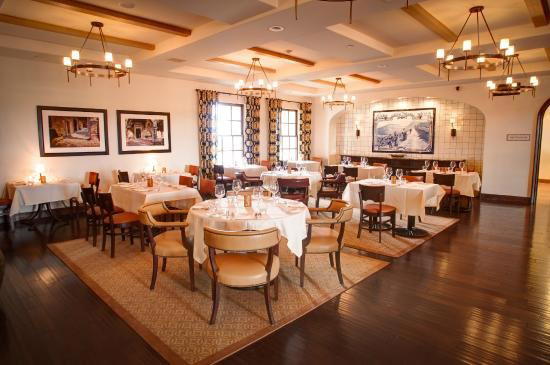
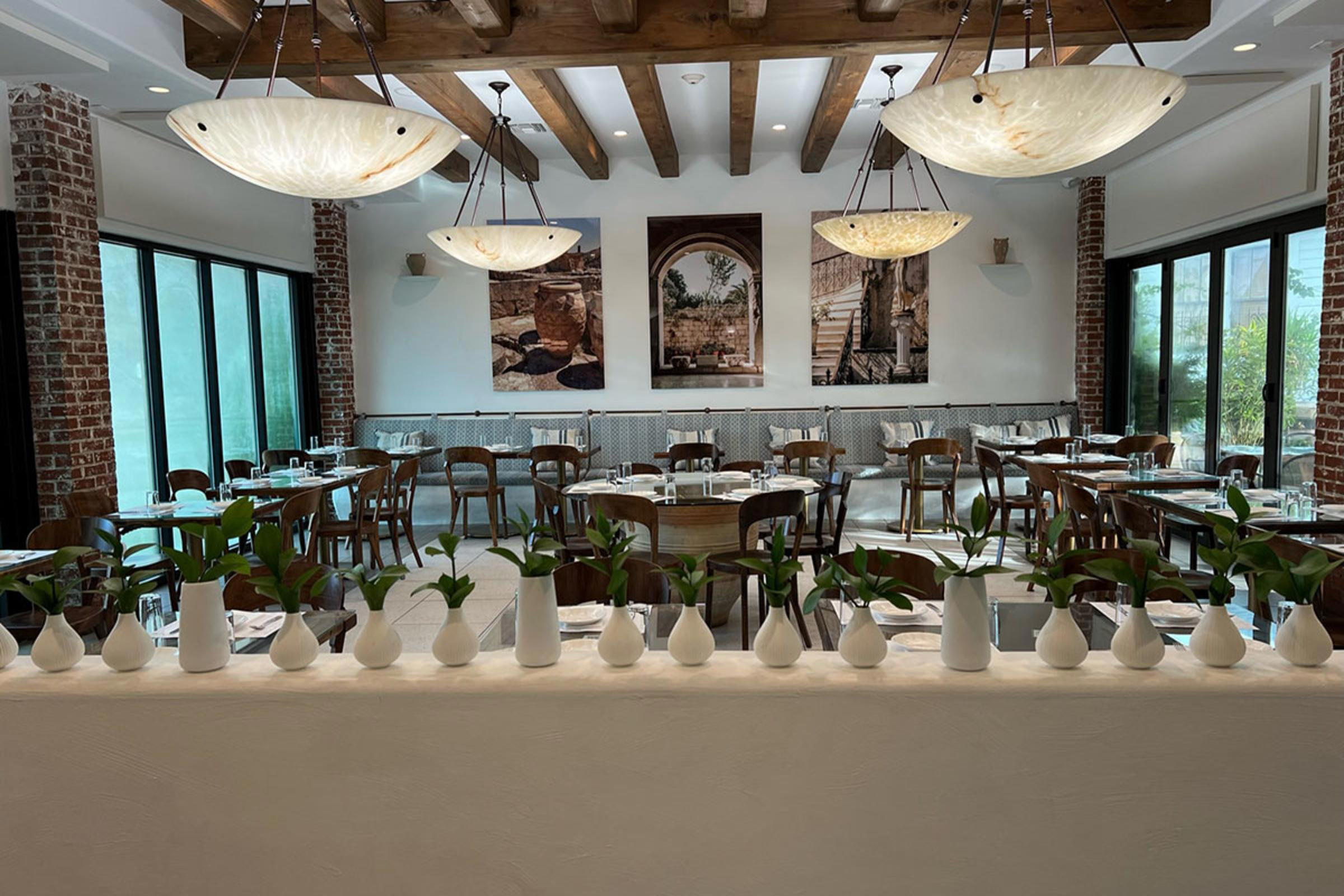
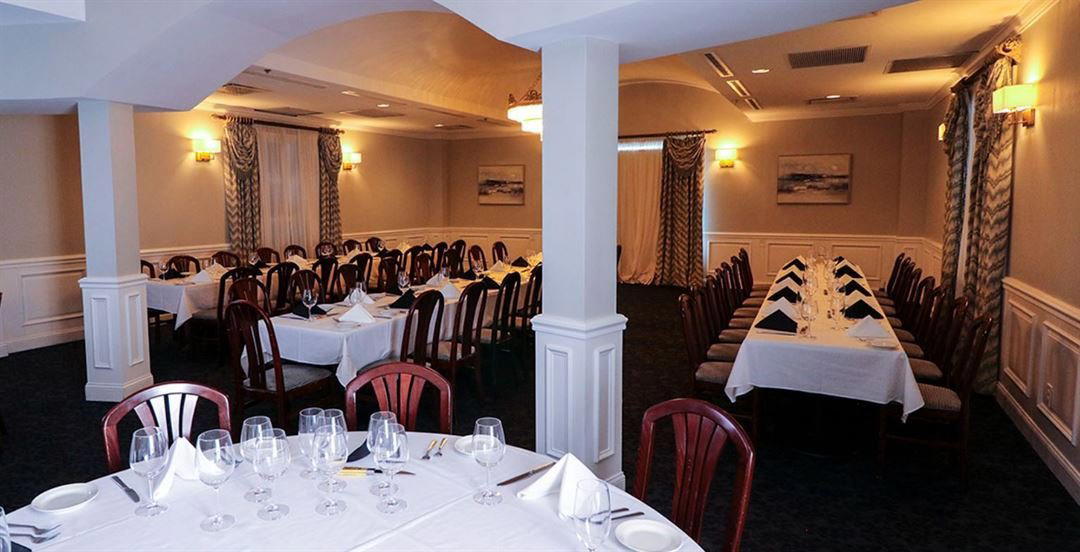
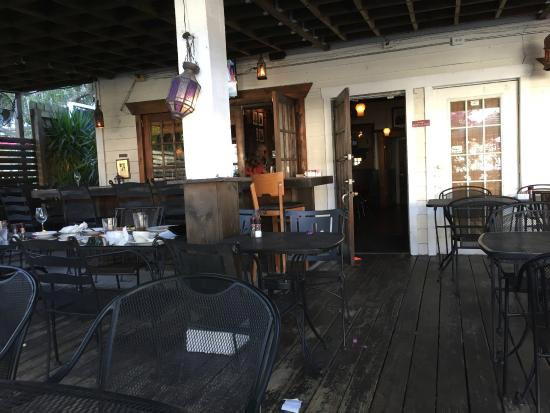
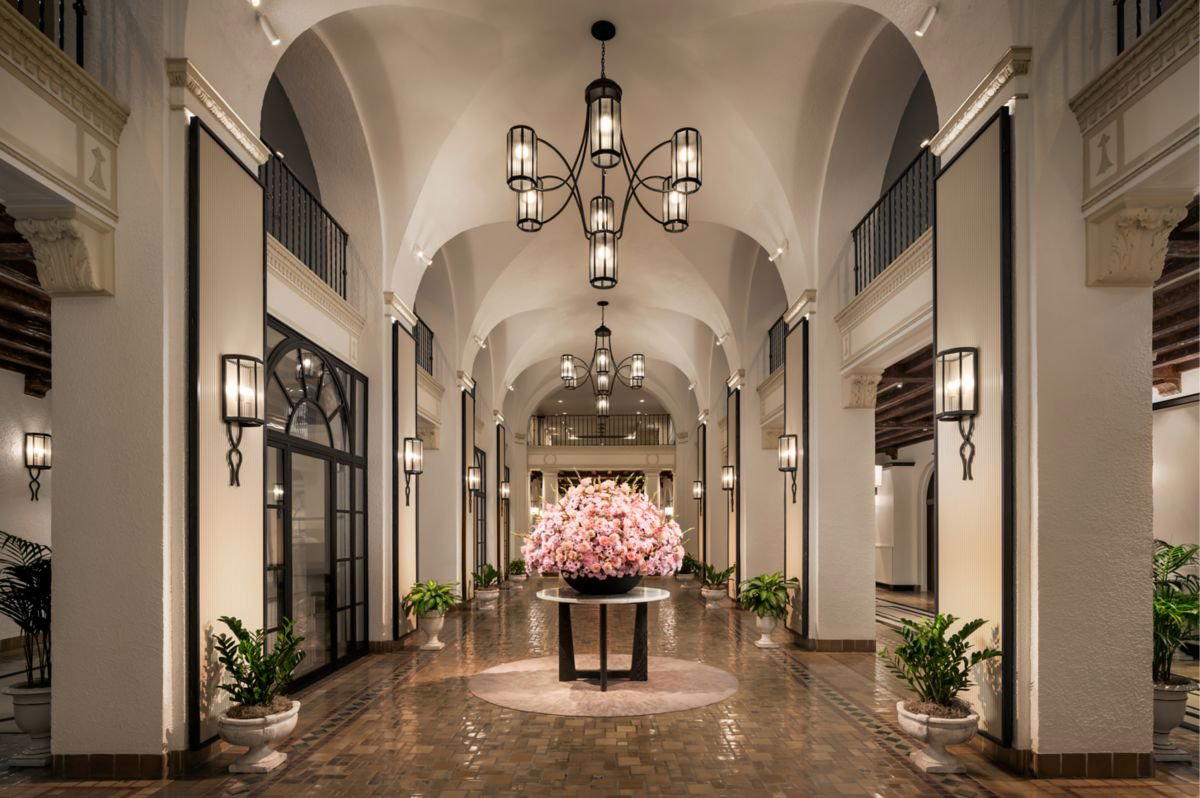
Inside, the trattoria sensory register tends to be consistent across well-executed examples of the format: warm light that flatters food and faces, a noise level that allows conversation without requiring effort, the smell of garlic and olive oil doing work in a kitchen that is not hiding behind a closed door. These are not small things. A room that gets the light wrong, or that calibrates sound levels for a younger, louder demographic, breaks the trattoria contract with its guests. The format depends on comfort as a non-negotiable baseline, not a premium add-on.
The October-to-April window brings the highest concentration of visitors to the Tampa Bay area, and Central Avenue restaurants feel that pressure in booking lead times and table availability at peak hours. Summer evenings, by contrast, tend to run quieter and can offer a more settled, less pressured dining pace. For a taverna format specifically, that quieter rhythm often produces the better meal: the room operates closer to its intended register when it is not at capacity.
Italian Dining in the Broader American Context
St. Petersburg is not operating in isolation when it comes to Italian dining ambition. The American conversation about what serious Italian food looks like has been shaped by a generation of chefs who trained in Italy and returned with specific regional literacy rather than a generalized red-sauce competence. That shift is visible in the kinds of restaurants that now define the upper tier nationally: venues like Le Bernardin in New York City, The French Laundry in Napa, or Smyth in Chicago set a technical standard that filters down into how regional dining cities think about craft and sourcing. Lazy Bear in San Francisco and Providence in Los Angeles each built loyal followings around format discipline and kitchen precision, which raises what discipline looks like at the taverna end of the spectrum. The answer is consistency and knowing exactly what the format requires.
Internationally, places like Atelier Moessmer Norbert Niederkofler in Brunico demonstrate how rigorously Italian culinary identity can be interrogated at the high end. That kind of precision at altitude clarifies what simpler formats owe to their own tradition. A taverna needs to know the tradition it is drawing from.
Planning a Visit
The restaurant sits at 601 Central Ave, St. Petersburg, FL 33701, directly on the city's main dining corridor and accessible on foot from most downtown hotels. For first-time visitors to the Central Avenue scene, pairing the area with a broader exploration of St. Pete dining makes practical sense: Given the corridor's popularity from November through March, advance planning is advisable for weekend evenings during that window. The summer months offer a lower-friction entry point for travelers who have flexibility on timing.
Nearby-ish Comparables
Comparable venues nearby, for context on price, style, and recognition.
| Venue | Cuisine | Price | Notes |
|---|---|---|---|
| Bonù Taverna ItalianaThis venue — the venue you are viewing | South Italian Trattoria | $$$ | Not listed |
| Juno & The Peacock | New American Coastal | $$$ | Downtown St. Petersburg |
| Parkshore Grill | Contemporary American Steakhouse & Seafood | $$$ | Beach Drive |
| LALA St. Pete | Modern American with French and Mediterranean Influences | $$$ | Grand Central District |
| Beau & Mo's Italian Steakhouse | Chicago-Style Italian Steakhouse | $$$ | Historic Kenwood |
| Mazzaro's Italian Market | Authentic Italian Market & Deli | $$ | Grand Central District |
Continue exploring
More in St Petersburg
Restaurants in St Petersburg
Browse all →
Bars in St Petersburg
Browse all →
At a Glance
- Rustic
- Cozy
- Elegant
- Date Night
- Special Occasion
- Group Dining
- Standalone
- Extensive Wine List
- Craft Cocktails
Current opening hours
- Monday
- 11:30 AM–10 PM
- Tuesday
- 11:30 AM–10 PM
- Wednesday
- 11:30 AM–10 PM
- Thursday
- 11:30 AM–10 PM
- Friday
- 11:30 AM–10:30 PM
- Saturday
- 11:30 AM–10:30 PM
- Sunday
- 11:30 AM–10 PM
Hours can change for holidays and private events. Last verified .
Warm and inviting with a focus on traditional Italian hospitality.