

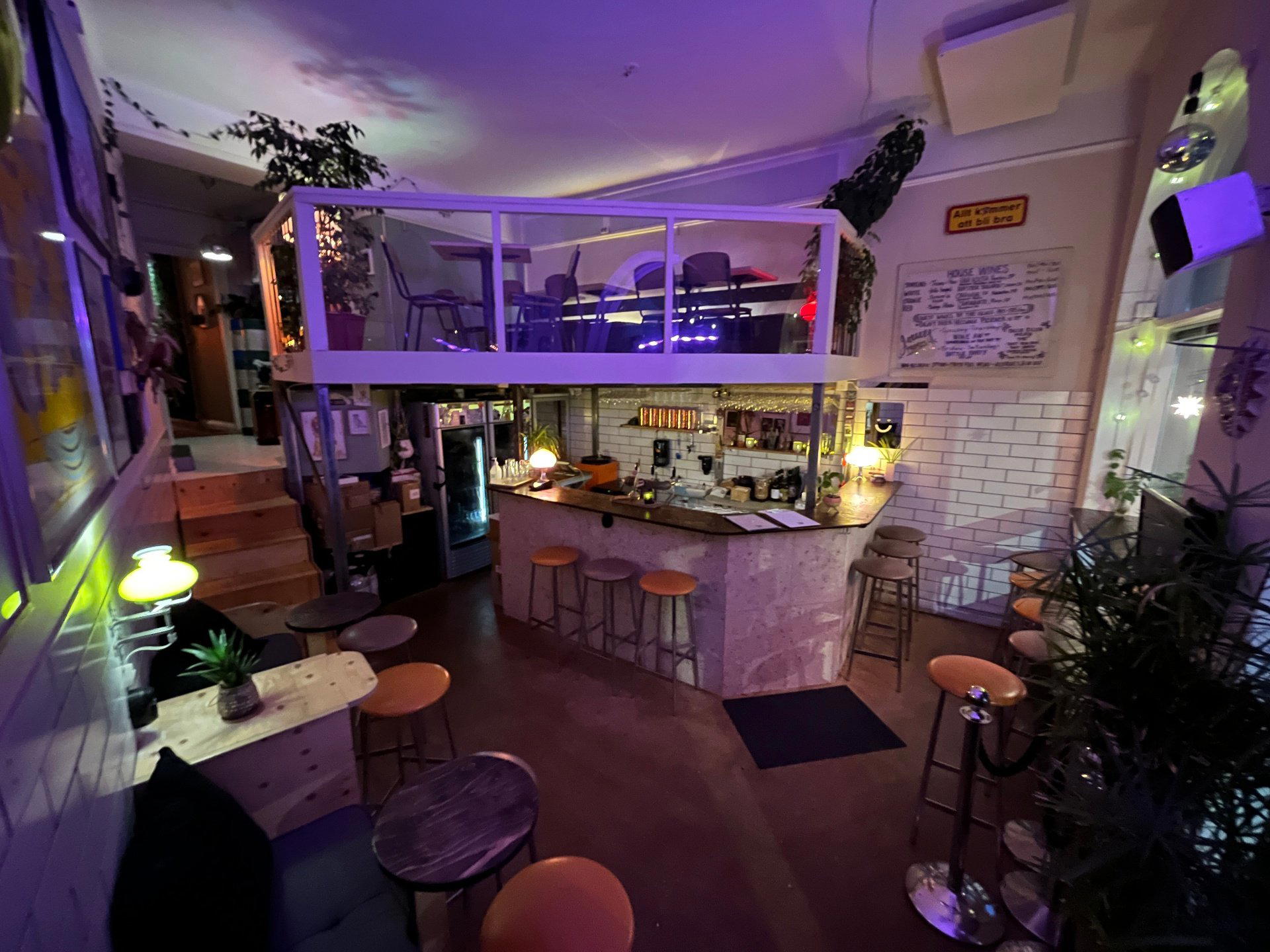
Bomans in Trosa sits at the opposite end of the Swedish hospitality spectrum from the pared-back, beige-and-birch aesthetic that fills airline magazine features. More is more here: a maximalist sensibility rooted in Sweden's coastal south, where the emphasis is on abundance, character, and produce drawn from the surrounding landscape rather than from a design brief. For visitors exploring [Trosa's dining scene](), it reads as a deliberate counterstatement.
Pearl is the En Primeur Club membership app — saves, bookings, and concierge access live there. Same editors, same standards.
- Address
- Östra Hamnplan 1, 619 30 Trosa, Sweden
- Phone
- +46 156 525 00
- Website
- bomans.se
- Directions
- Get directions
 Saves & bookings on Pearl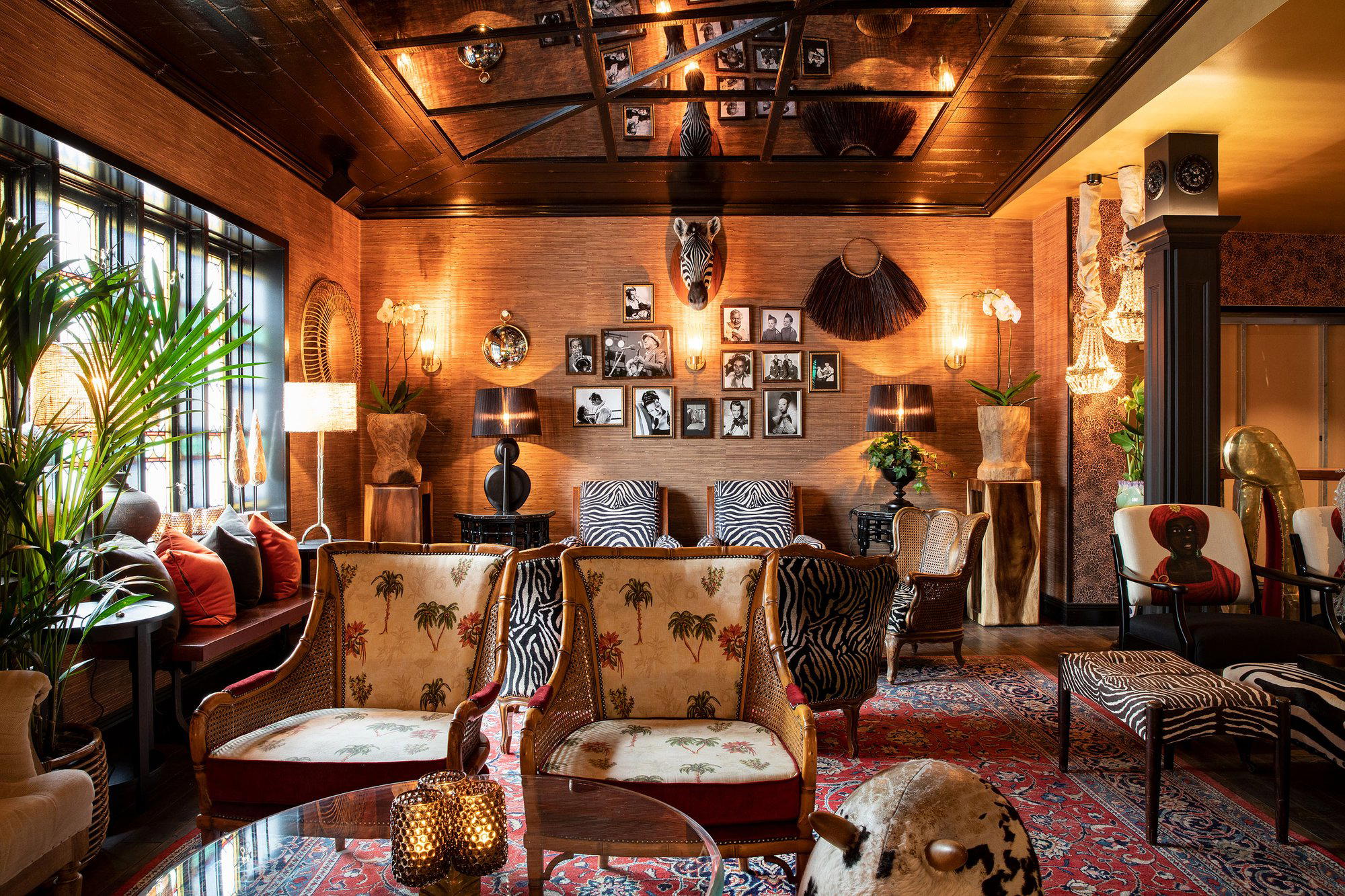
Against the Grain of Scandinavian Minimalism
There is a version of Sweden that exists almost entirely in airline magazines: white rooms, considered silence, a single sprig of something green on a matte ceramic plate. Bomans, sitting on the eastern harbour front at Östra Hamnplan 1 in the small coastal town of Trosa, operates from the opposite premise. Arriving at the address, the visual register shifts immediately. This is not restraint performed as a philosophy. This is a place that has made a deliberate decision to pile things on, to lean into character, to resist the design-led tidiness that dominates so many Swedish hospitality spaces. In the broader Swedish dining conversation, that decision has meaning. Venues like Frantzén in Stockholm or Vollmers in Malmö represent the refined, tasting-menu end of the national tradition. Bomans occupies different territory entirely, and it does so without apology.
Where the Food Comes From
Trosa sits on the Baltic coast south of Stockholm, in a stretch of Sweden where the relationship between kitchen and coastline has always been practical rather than conceptual. The waters off this part of Södermanland have supplied Swedish tables for centuries, and the agricultural land behind the town produces the kind of cold-climate ingredients that define the region's larder: root vegetables with genuine density, preserved and fermented goods born of necessity, fish that travel metres rather than kilometres from water to plate. In places like this, ingredient sourcing is not a marketing angle. It is simply the logic of cooking in a small coastal town where the supply chain is visible and short.
That geographic reality shapes what a kitchen in Trosa can and should do. The restaurants that work best in settings like this are the ones that read their location honestly rather than trying to import an aesthetic from somewhere else. Sweden's growing cohort of ingredient-first kitchens, represented on the more rarefied end by venues like ÄNG in Tvååker or VYN in Simrishamn, has made provenance central to how Swedish food is now discussed critically. Bomans belongs to a different register within that conversation, one that treats local sourcing as the background condition rather than the foreground statement.
Maximalism as a Considered Position
Bomans is a restaurant serving Classic Swedish cuisine in Trosa, Sweden. More is more. That framing is worth taking seriously as a critical position rather than simply a style note. Sweden's design culture, particularly in hospitality, has long exported a particular version of itself to international audiences: stripped back, carefully edited, expensive in a way that reads as effortless. The hotels and restaurants that get particularly international press tend to share those qualities. Bomans sits outside that cohort, and the maximalist approach, whatever form it takes in practice, represents a conscious decision about what kind of place this should be and who it should serve.
That decision has parallels elsewhere in European hospitality. The places that resist their region's dominant aesthetic often develop particularly loyal local followings precisely because they feel like genuine alternatives rather than iterations of a house style. Knystaforsen in Rydöbruk takes a similarly place-specific approach in the Swedish forest interior. PM & Vänner in Växjö has built a strong regional identity in a city that rarely makes national dining headlines. The pattern across these venues is consistency of character over time, which tends to produce the kind of reputation that word-of-mouth builds and sustains.
Trosa as a Dining Destination
Trosa itself is a town that Swedish travellers know and international visitors rarely discover by accident. It sits roughly 100 kilometres south of Stockholm, accessible by road or by the commuter rail network, and it has the quality of a place that functions primarily for people who already know it is there. That is not a weakness. It tends to mean that the hospitality infrastructure in a town like Trosa serves a community of returning visitors and locals rather than a rotating audience of first-timers, which produces a different kind of venue than you find in tourist-heavy cities. The Trosa Stadshotell represents the town's more conventional hospitality offer. Bomans operates as something else.
The town rewards the kind of slow visit that allows a meal to be the event rather than the backdrop, which is precisely the register Bomans appears to occupy.
Swedish Coastal Dining in Context
Across Sweden's coastline, a recognisable type of hospitality has developed over the past two decades: places that combine overnight accommodation with a serious food offer, positioned in smaller towns where the natural setting does the atmospheric work and the kitchen handles the rest. Hotell Borgholm in Borgholm on Öland operates in this mode, as does Signum in Mölnlycke in a different register closer to Gothenburg. Fyr in Halmstad and 28+ in Gothenburg represent the urban version of the same coastal-Nordic sensibility. Internationally, the model has analogues in venues like Le Bernardin in New York City and Emeril's in New Orleans, where a strong sense of place and a refusal to chase trends have produced durable reputations over long periods.
What Bomans shares with the better examples in this peer group is a refusal to perform a version of itself designed for external validation. The airline-magazine aesthetic it explicitly distances itself from is, at its core, a form of performance: spaces and menus designed to photograph well for audiences who will never visit. A maximalist harbour-front property in a small Swedish town is making the inverse bet, that the people who show up are the ones worth cooking for.
Planning a Visit
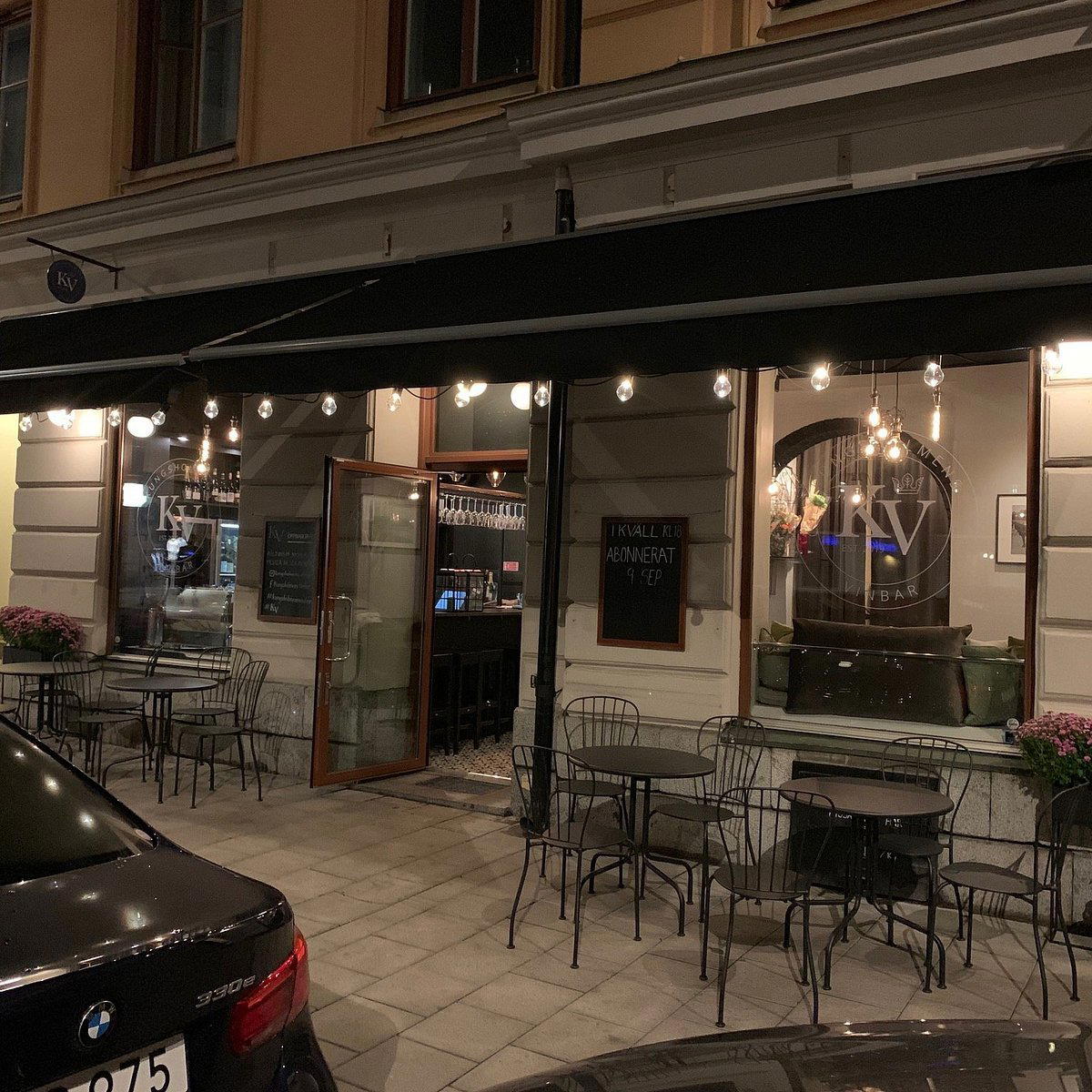
Bomans is located at Östra Hamnplan 1, 619 30 Trosa, on the eastern side of the town's harbour. Trosa is reachable from Stockholm in under two hours by car via the E4. Given the town's size and Bomans' apparent status as a destination within it, booking ahead is advisable, particularly during summer when coastal Södermanland draws visitors from the capital. For context on the wider regional dining offer,
Comparison Snapshot
Comparable venues nearby, for context on price, style, and recognition.
| Venue | Cuisine | Price | Notes |
|---|---|---|---|
| BomansThis venue — the venue you are viewing | Classic Swedish | $$$ | Not listed |
| Trosa Stadshotell | Scandinavian Bistro & Fine Dining | $$$ | Trosa town center |
| Sund Nergården | Swedish Local Cuisine | $$$ | Vagnhärad |
| Bloomster Stockholm | other | $$$ | Östermalm |
| Operabaren | Classic Swedish Brasserie | $$$ | Norrmalm |
| Gimo Herrgård | Traditional Swedish Fine Dining | $$$ | Gimo |
Recognition history
Dated appearances from independent guides and award organizations, with the underlying list record or original source where available.
Star Wine List
Star Wine List
White Guide Sweden Restaurants - Fine Level
White Guide
At a Glance
- Romantic
- Cozy
- Elegant
- Intimate
- Date Night
- Special Occasion
- Historic Building
- Local Sourcing
- Waterfront
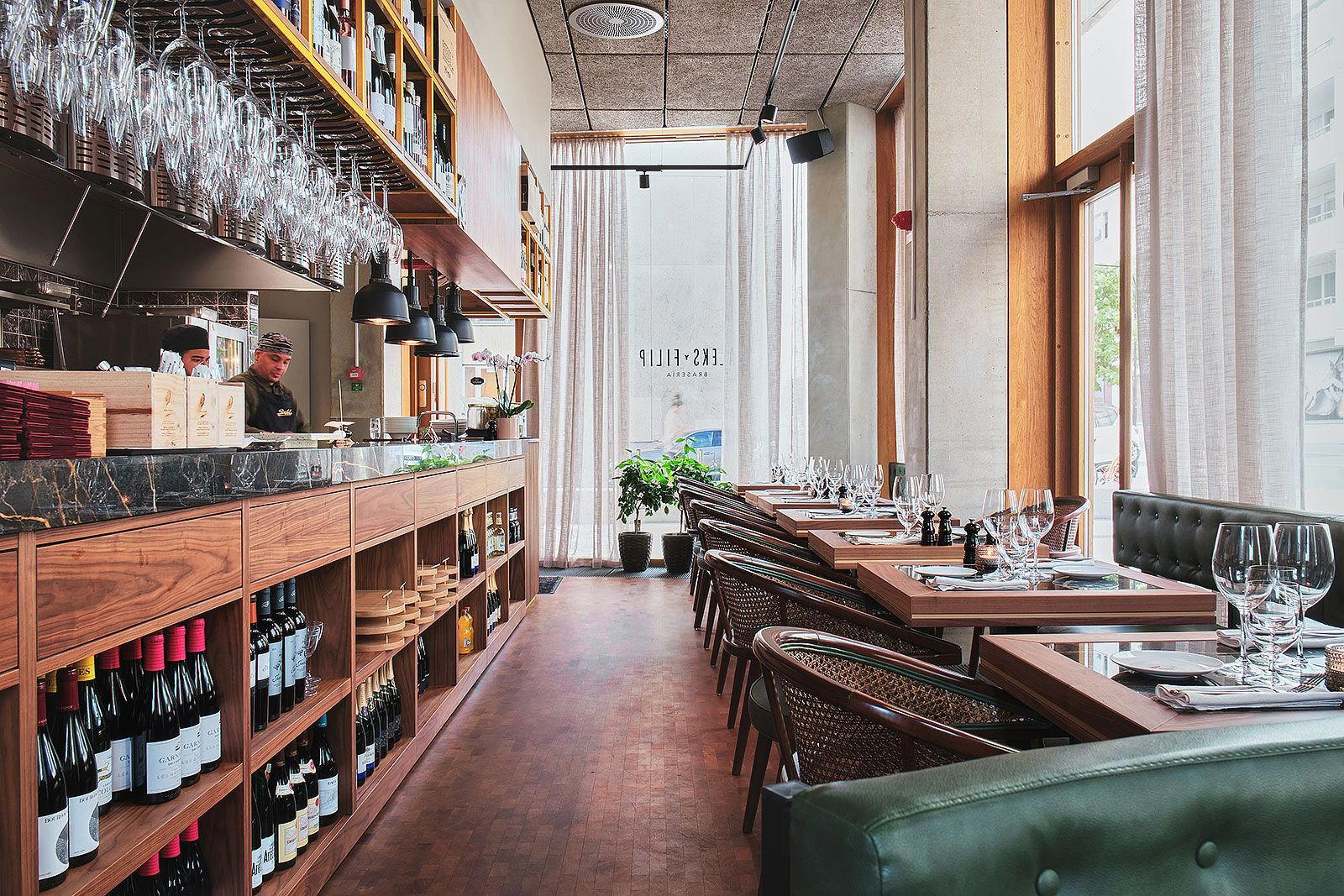
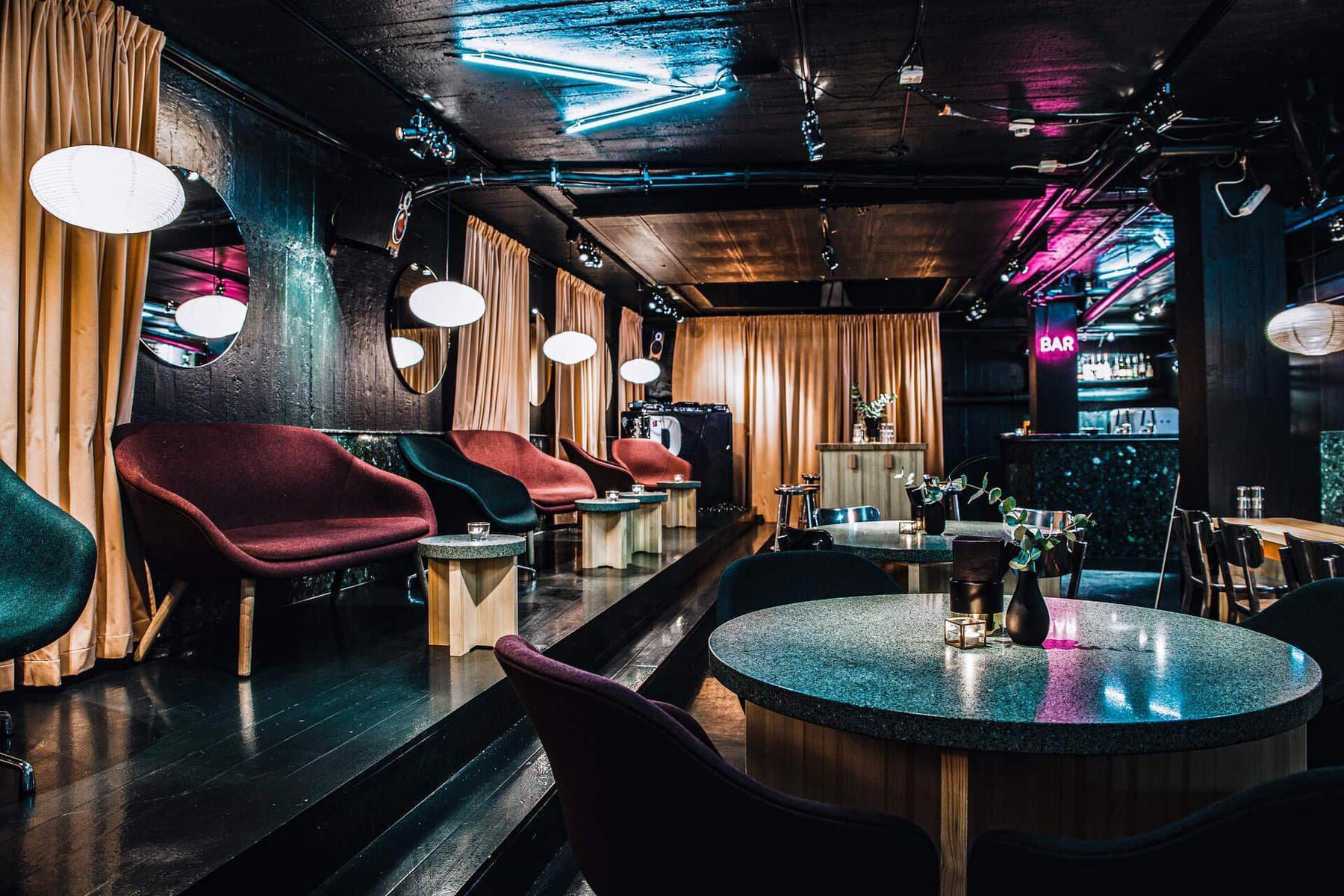
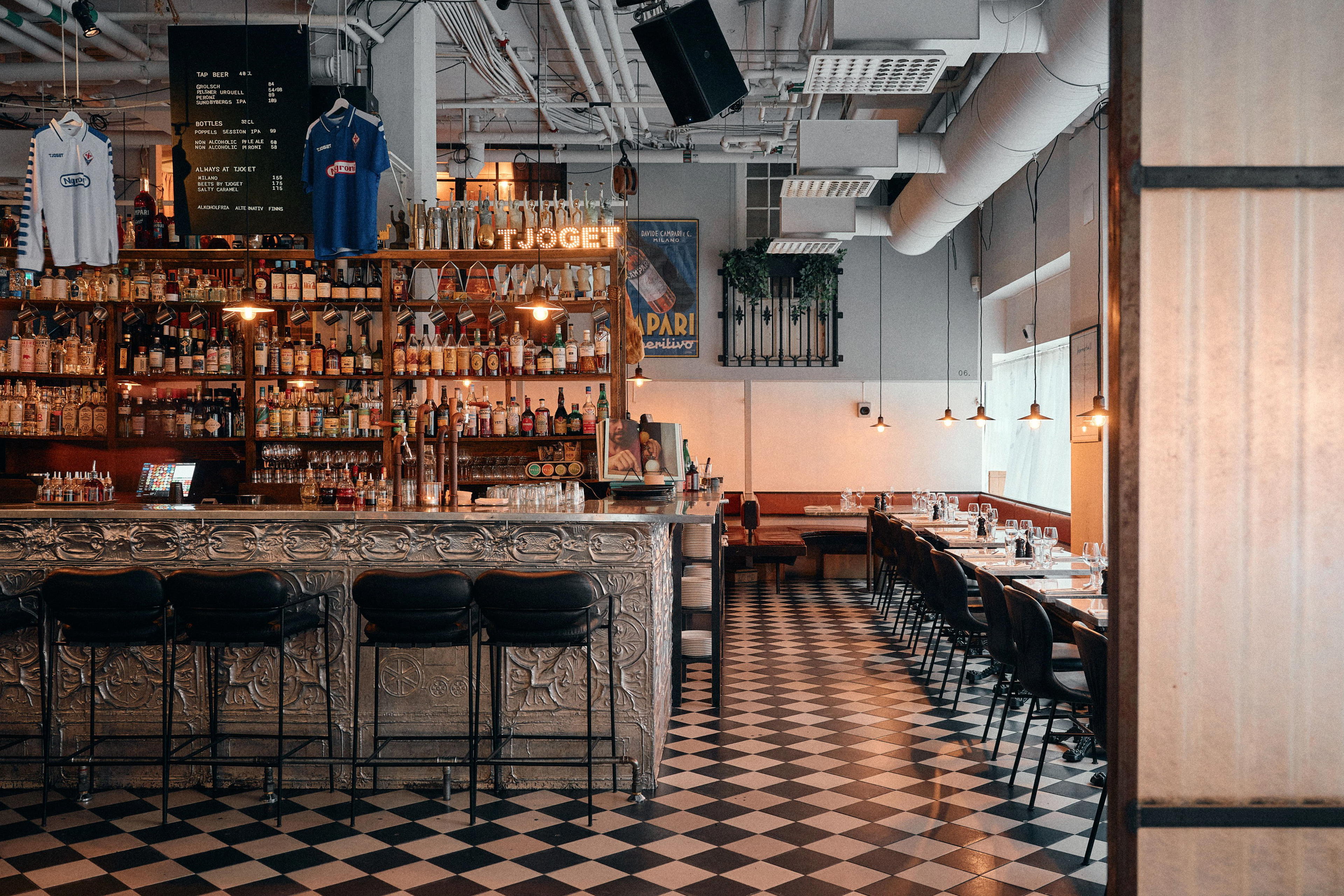
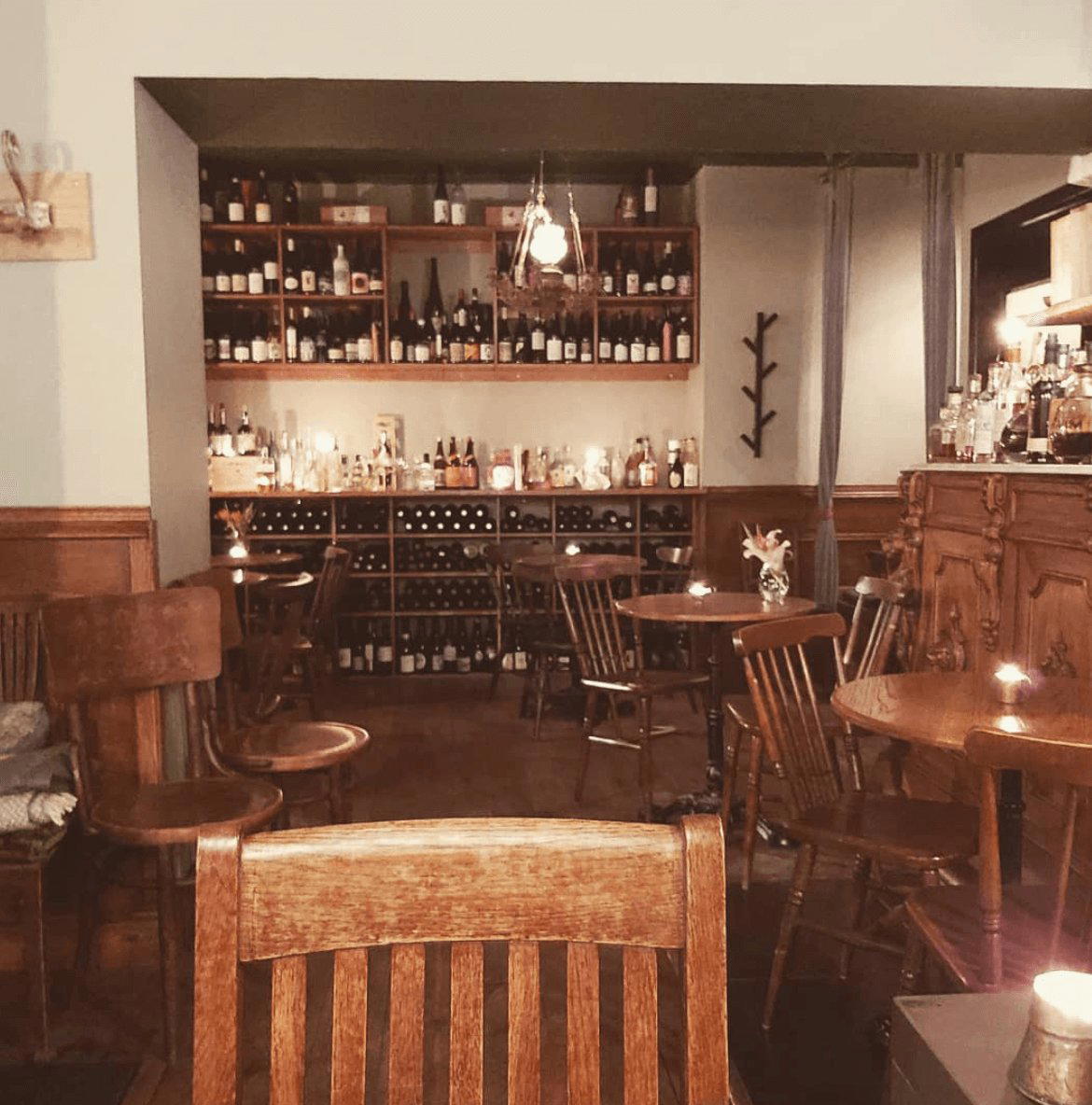
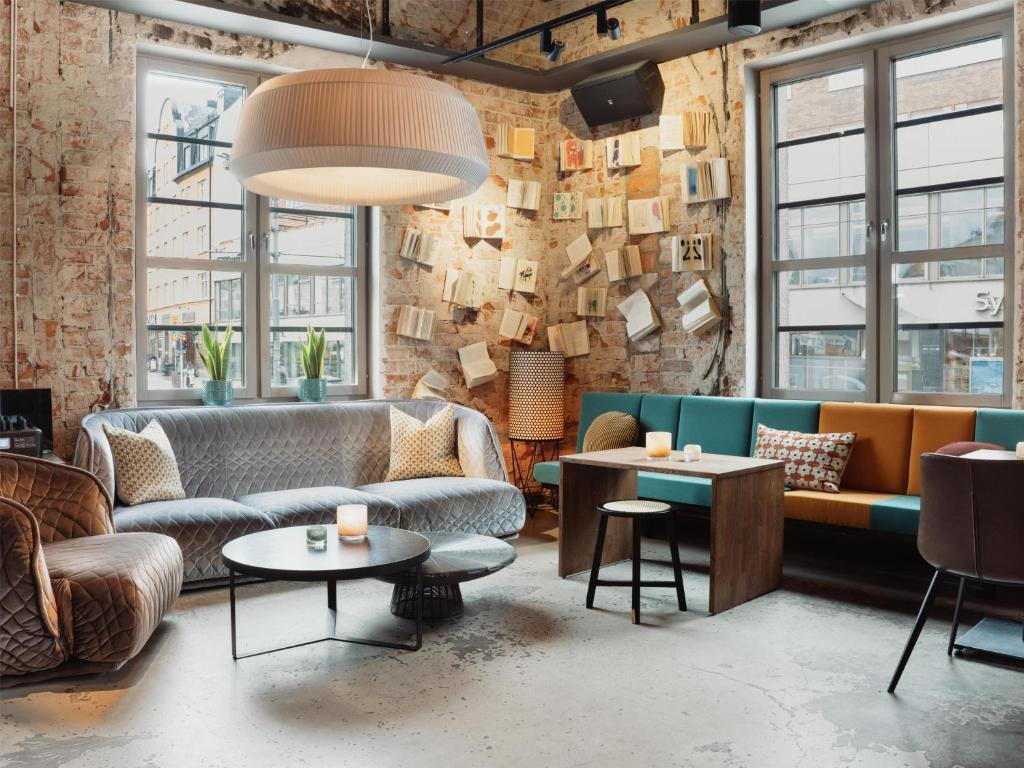
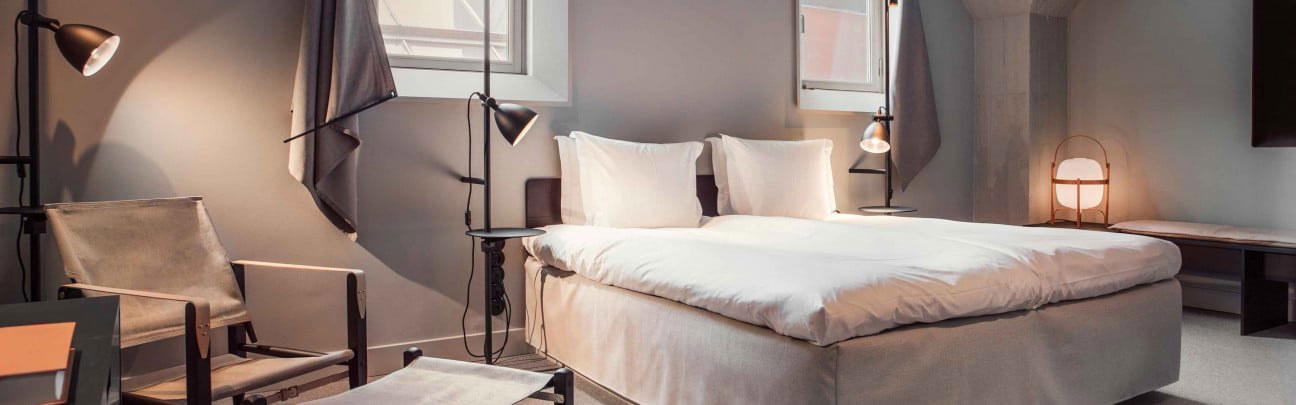
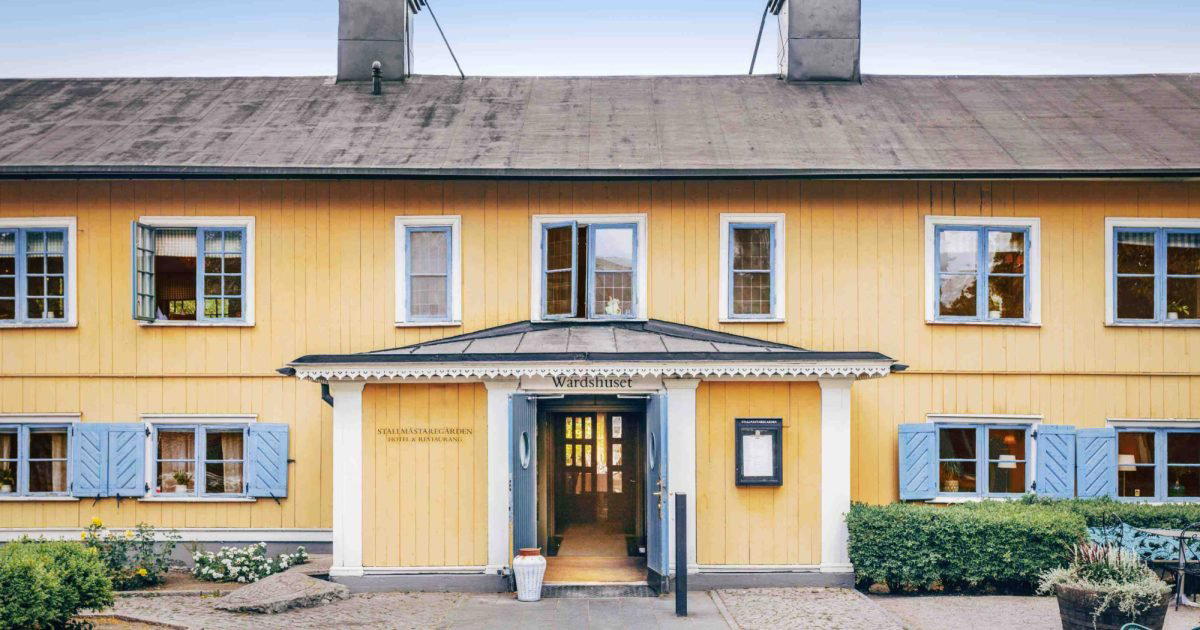
Cozy, romantic atmosphere with tasteful, playful decor featuring colorful animal prints and thoughtful details.