Boma restaurant
Our verdict
Boma restaurant sits inside the Maasai Mara National Reserve, where dining is shaped less by urban restaurant codes than by camp rhythm, safari timing, and proximity to East African pastoral food traditions. Treat it as part of the Mara’s lodge-dining ecosystem: useful for travelers weighing reserve-based meals against Nairobi institutions, coastal restaurants, and other camp kitchens across Kenya.

Pearl is the En Primeur Club membership app — saves, bookings, and concierge access live there. Same editors, same standards.
- Address
- Masai Mara National Reserve, AITONG, Kenya
- Phone
- +254 717 969611
- Hours
- Daily 8–10 PM
- Website
- fairmont.com
- Directions
- Get directions
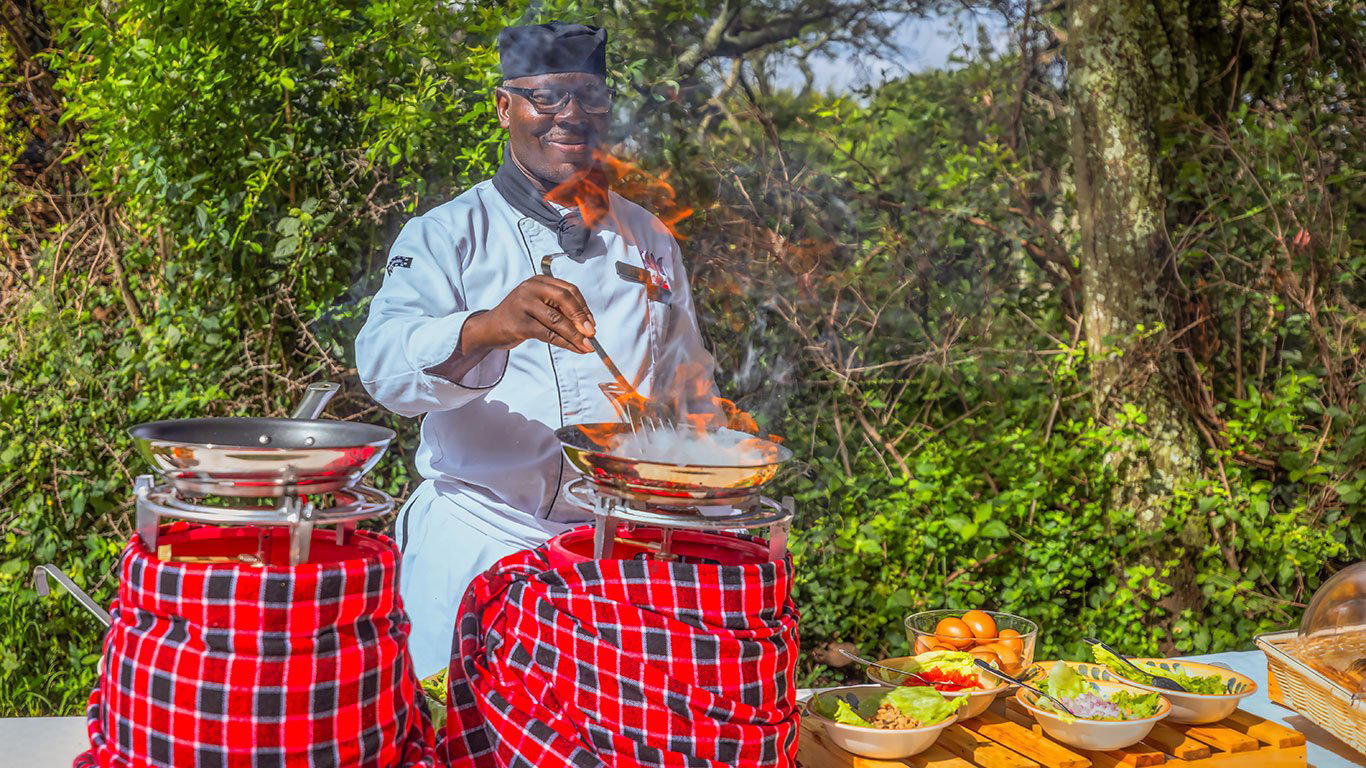
The menu
What to order
- Nyama choma (grilled meats)
- Barbecue buffet under the stars
Approaching a dining room in the Maasai Mara is never neutral. The soundtrack is not street traffic or an open kitchen pass, but wind across grassland, vehicle engines returning from drives, and the reset after hours in the reserve. Boma restaurant belongs to that context: a meal tied first to place, with the Maasai Mara shaping expectation before the menu does.
In the Mara, sourcing carries different editorial weight than in Nairobi. Urban restaurants can build identity around imported produce, wine lists, or chef-led tasting formats; reserve dining must answer a more immediate question: how does a kitchen feed travelers in a remote safari setting while keeping the meal connected to Kenya, rather than generic lodge food? That tension defines much of the area’s dining culture.
Reserve dining is judged by rhythm, sourcing, and restraint
The Maasai Mara’s restaurant scene is not a conventional city grid of independent addresses. It is a network of camp kitchens, lodge dining rooms, and destination meals inside the wider safari day. Breakfast often follows an early drive, lunch competes with heat and downtime, and dinner arrives after dark. In that sequence, restraint matters. Heavy-handed luxury feels out of place; stronger meals read through local produce, efficient service, and a kitchen that understands the pace of the bush.
That is the useful frame for Boma restaurant. Its location in Maasai Mara places it where logistics and setting are part of the dining equation, but the stronger editorial question is sourcing. Kenyan dining traditions can be built around practical, place-aware cooking and the intelligence of feeding people in hot, open country. A reserve restaurant does not need theatrical plating; it needs to respect those foundations while serving international travelers who may arrive with city-restaurant expectations.
Compared with Nairobi’s larger-format dining rooms, the Mara operates at smaller scale and with a more captive audience. Carnivore remains a familiar reference point outside the reserve, while hotel-era institutions such as Thorn Tree Café, Thai Chi, Tatu Restaurant, and Lord Delamere Terrace belong to a metropolitan circuit with deeper menus and broader wine infrastructure. The Mara’s advantage is different: proximity to the land framing the meal. That proximity can sharpen simple cooking when the kitchen resists safari-costume theatre.
How Boma fits the Maasai Mara restaurant circuit
Within the reserve, the useful comparison is not with a Michelin-style dining room; it is with other Maasai Mara dining rooms translating place into a coherent meal. Other camp and lodge restaurants sit in the same broader conversation about reserve-based hospitality, where the meal is inseparable from timing, transfer patterns, and the guest’s base camp.
Boma restaurant is named plainly enough to signal a communal idea rather than a chef-branded concept. In Kenya, the boma reference is often used to suggest gathering and shared space, though modern hospitality applies the term in different ways. Stronger versions avoid reducing place to décor. They let the structure of the evening, local staples, and social pacing do the work.
The Maasai Mara rewards that clarity. A restaurant in the reserve should not mimic Nairobi’s international dining room, nor flatten Kenyan food into a tourist buffet without regional signal. Judge the meal by whether it gives travelers a grounded sense of where they are: not only in Kenya, but in a conservation and safari economy where food depends on supply lines, camp planning, and the daily movement of guests through the reserve.
Where to place it in a Kenya itinerary
For travelers building a Kenya food itinerary, the Mara should be a distinct chapter, not a weaker version of Nairobi. City restaurants can carry variety, late-night flexibility, and independent chef culture. Reserve dining carries setting, timing, and a closer relationship to safari logistics. Those are different strengths, and expecting one to behave like the other leads to poor decisions.
The broader Kenya circuit makes the contrast clear. Nairobi dining sits within an urban leisure pattern, while coastal restaurants answer to the coast’s heat and resort rhythm. Inland and reserve-based dining rooms show how location changes the brief from one region to another.
There is little point forcing unrelated global comparisons onto this address. Other international restaurants belong to a different dining grammar, useful only as a reminder that context decides what matters. In the Mara, the measure is not urban novelty. It is whether a restaurant can make a remote meal feel specific to its setting without overexplaining the place.
Use Our full Maasai Mara restaurants guide to compare nearby dining options, then pair it with Our full Maasai Mara hotels guide when lodging drives meal access. The wider destination picture sits across Our full Maasai Mara bars guide, Our full Maasai Mara wineries guide, and Our full Maasai Mara experiences guide. In a reserve, those categories overlap more than in a city, because the same camp infrastructure often shapes where travelers eat, drink, sleep, and move.
The editorial verdict is simple: Boma restaurant makes sense for travelers who want Mara dining anchored in the reserve, not detached from it. Its Maasai Mara setting is the key trust signal, placing the meal within one of Kenya’s defining safari regions. Judge it by how well it translates locality, sourcing, and safari rhythm into dinner, not by yardsticks used for Nairobi or the coast.
Frequently asked questions
Is Boma restaurant child-friendly?
In Maasai Mara, lodge dining rooms are generally set up for safari parties rather than formal tasting menus. That makes Boma restaurant a practical choice for families staying in the area. Expect a dining room format, not a counter-driven room.
What's the vibe at Boma restaurant?
The setting is reserve dining in Maasai Mara, so the mood is shaped by lodge traffic, fixed meal times, and guests coming off safari drives. Boma restaurant fits that rhythm rather than a city restaurant scene.
Where exactly is Boma restaurant?
Maasai Mara.
How hard is it to get a table at Boma restaurant?
Availability in Maasai Mara usually follows lodge occupancy and safari schedules more than walk-in traffic, so planning around your stay matters. Boma restaurant sits in a resort-style dining context rather than a high-turnover urban room.
At-a-Glance Comparison
Comparable venues by cuisine and price in the same metro.
| Venue | Cuisine |
|---|---|
| Boma restaurantThis venue — the venue you are viewing | Maasai Boma–style African Grill |
| Carnivore | African Traditional |
Continue exploring
More in Maasai Mara
Restaurants in Maasai Mara
Browse all →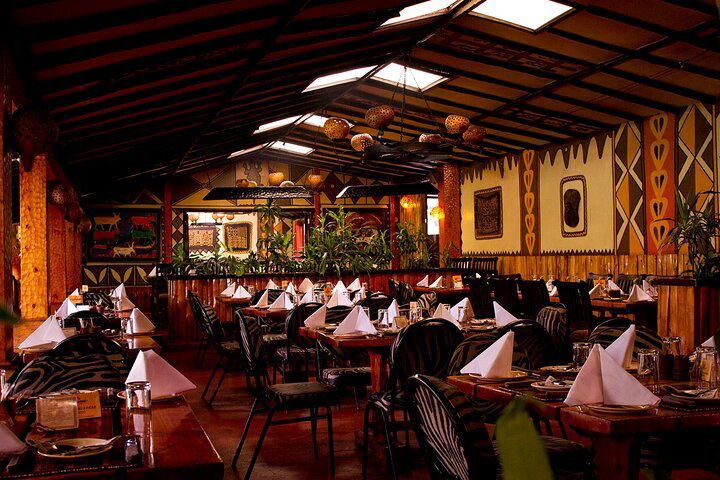
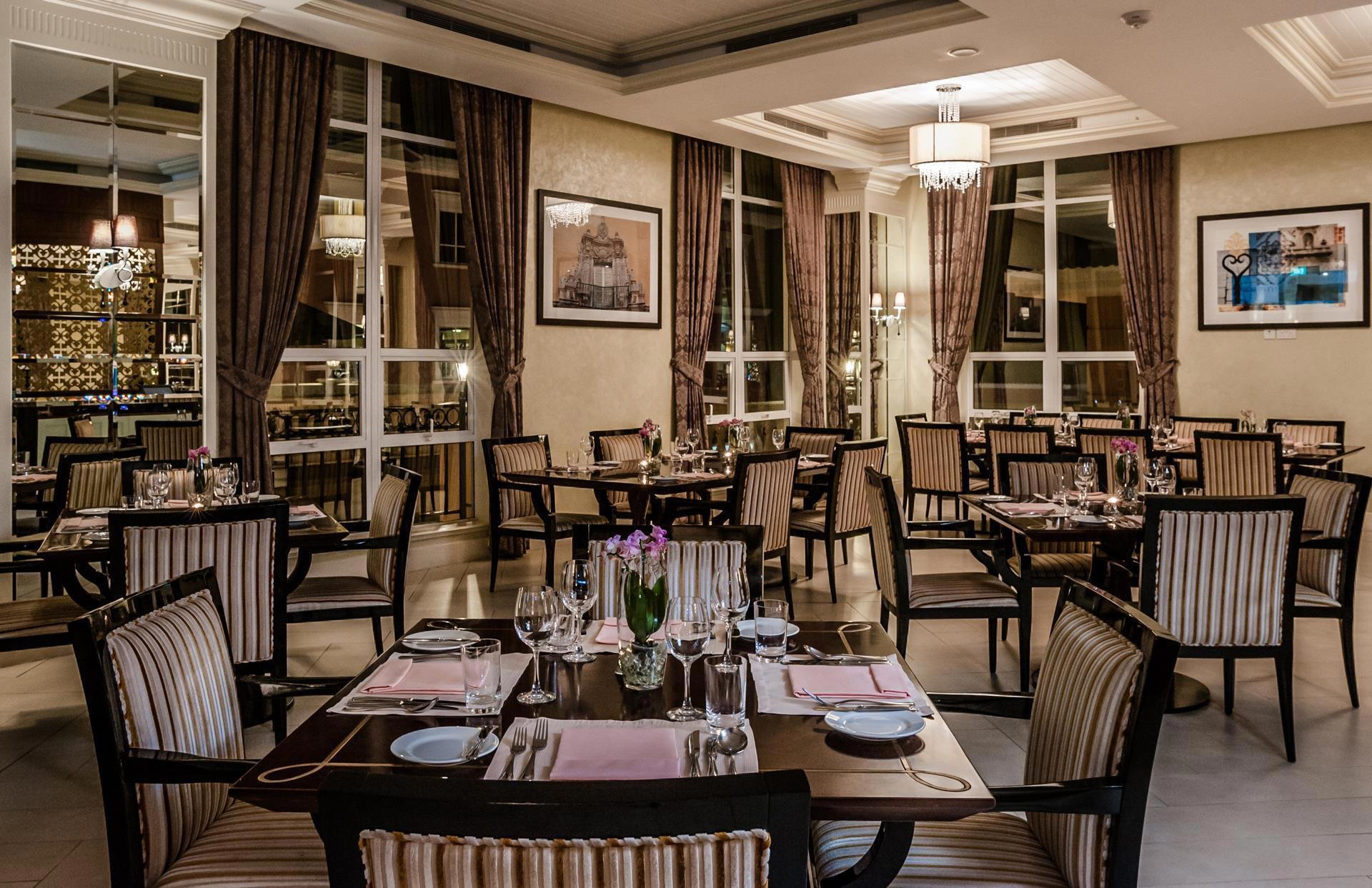
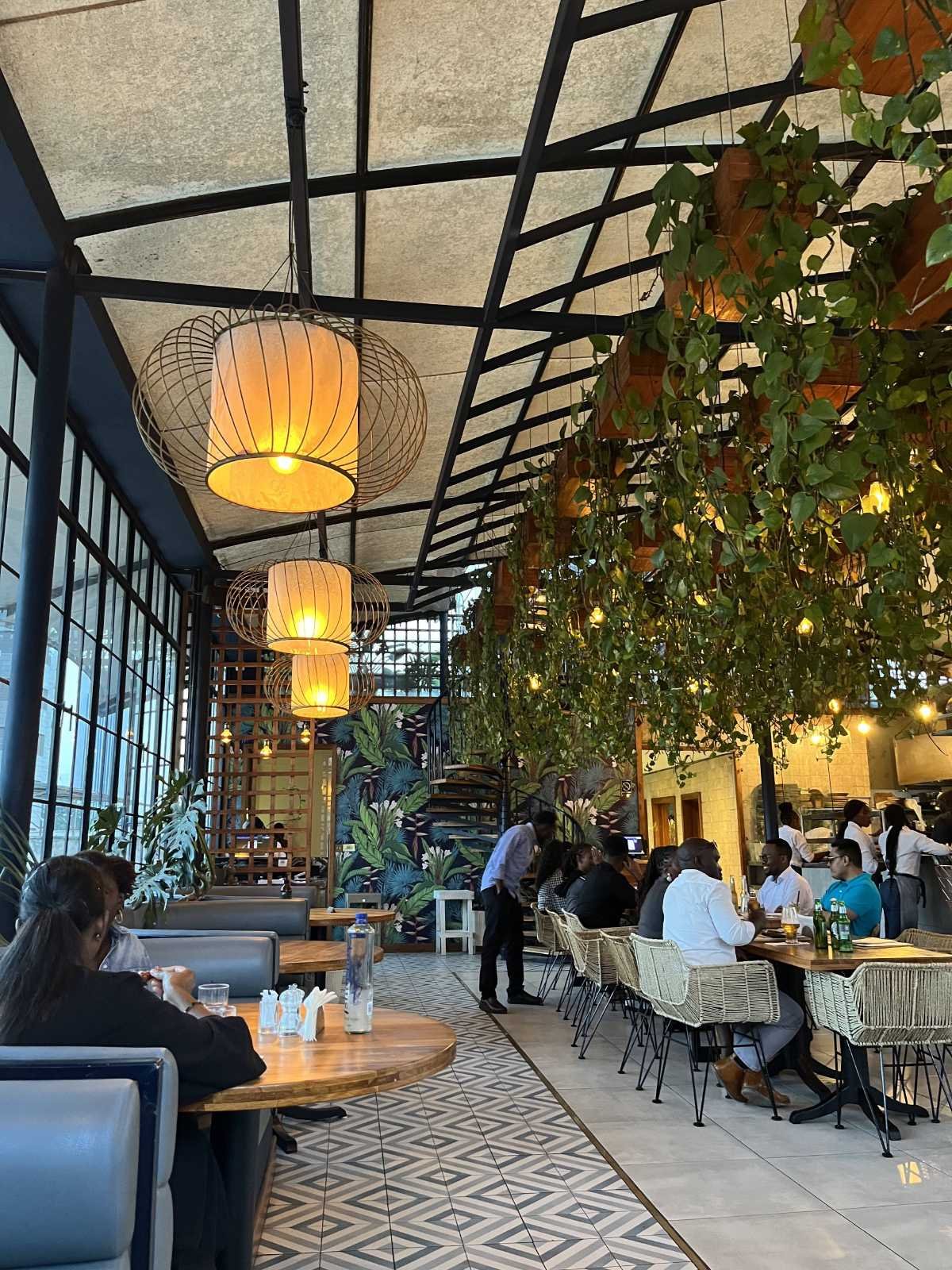
Bars in Maasai Mara
Browse all →
Details
- Scenic
- Romantic
- Elegant
- Rustic
- Intimate
- Well Known
- Date Night
- Family
- Group Dining
- Celebration
- Special Occasion
- Private Event
- Waterfront
- Garden
- Hotel Restaurant
- Terrace
- Courtyard
- Panoramic View
- Extensive Wine List
- Local Sourcing
- Waterfront
- Garden
- Buffet
- Set Menu
- Wine
- Cocktails
- Beer
Current opening hours
- Monday
- 8–10 PM
- Tuesday
- 8–10 PM
- Wednesday
- 8–10 PM
- Thursday
- 8–10 PM
- Friday
- 8–10 PM
- Saturday
- 8–10 PM
- Sunday
- 8–10 PM
Hours can change for holidays and private events. Last verified .
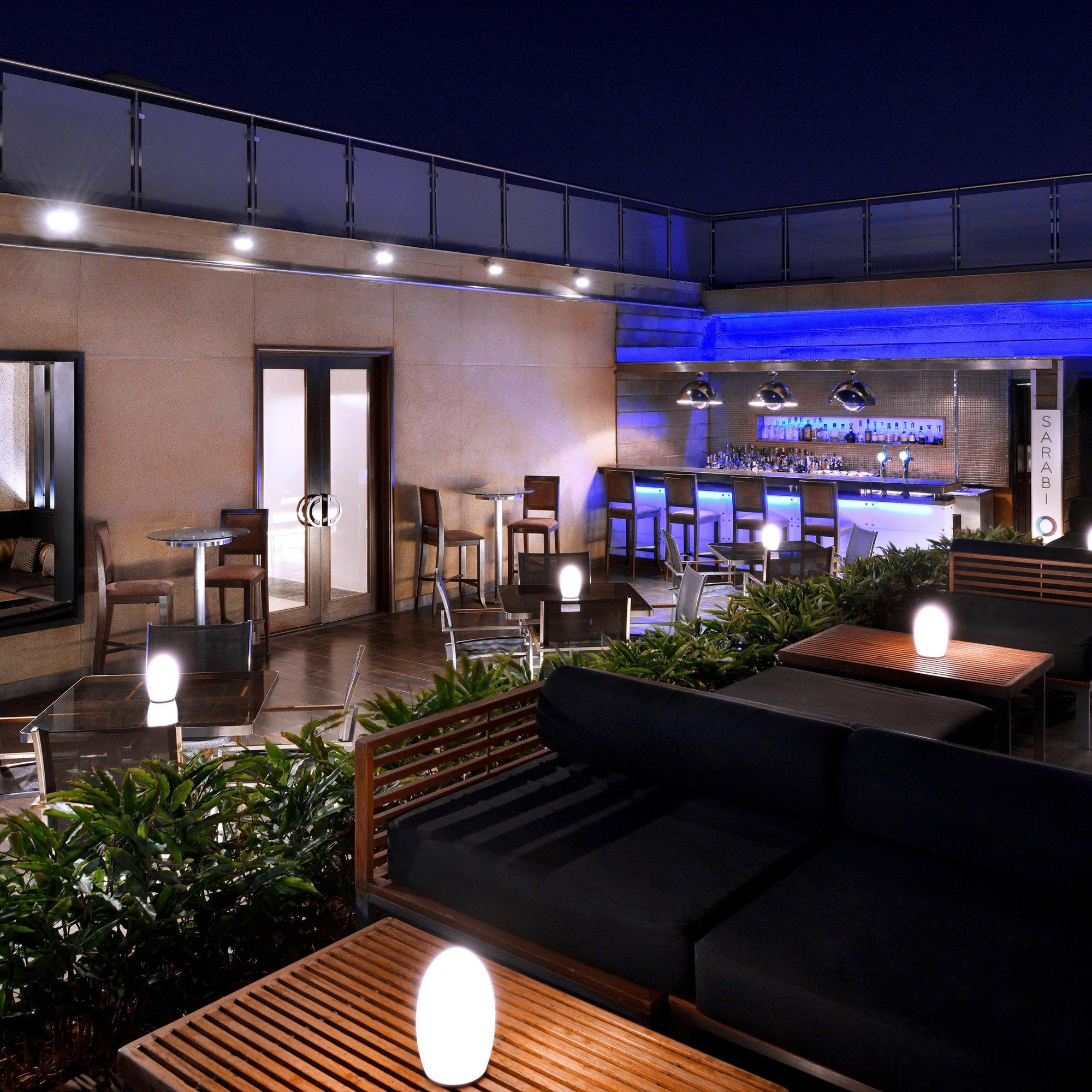
Atmosphere of an intimate Maasai enclosure around open fires, lantern‑lit and mostly al fresco, with views and sounds of the Mara River; elegant but relaxed safari‑lodge feel rather than formal fine dining.