Our verdict
Cafe Villa Rosa belongs to Nairobi’s hotel-dining orbit, where international menus meet the city’s growing interest in local produce, polished service, and flexible all-day formats. Its value is less about chef theatre than about how it fits a capital that eats across business lunches, hotel stays, and social tables with equal seriousness.

Pearl is the En Primeur Club membership app — saves, bookings, and concierge access live there. Same editors, same standards.
- Address
- Chiromo Rd, Nairobi, Kenya
- Directions
- Get directions
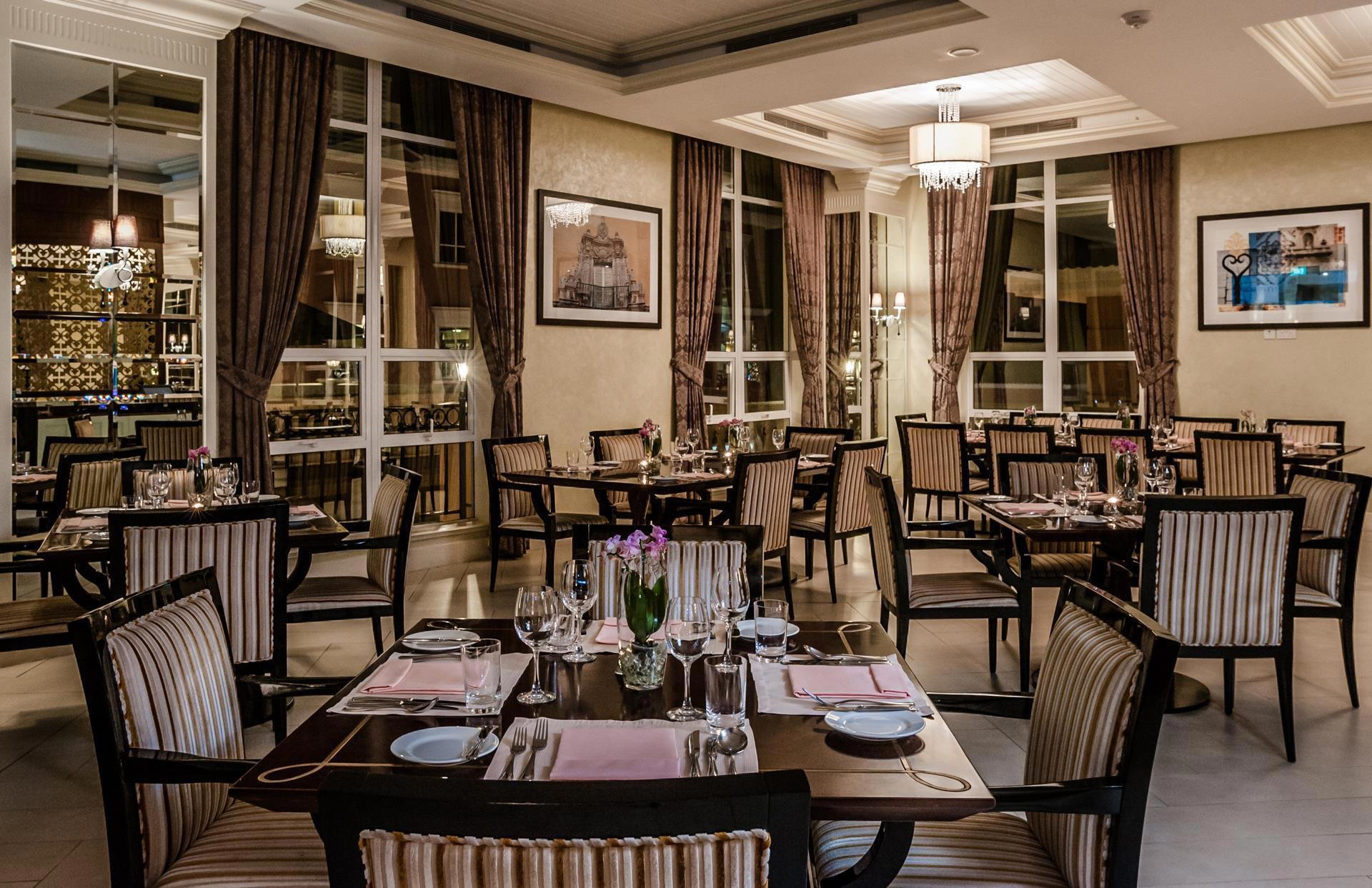
The menu
What to order
- Healthy breakfast buffet with over 100 items
- Homemade bircher muesli
- Freshly baked breads and pastries
- Homemade chocolate bread
- Comb honey
- Asian breakfast favourites including sushi
Approaching Cafe Villa Rosa, the first impression is not a single dish or a chef’s manifesto but Nairobi’s hotel-restaurant rhythm: city arrivals, lobby traffic folding into dining traffic, and a room built for both guests in transit and residents treating the hotel setting as neutral ground. That matters in Nairobi. The city’s dining culture is split between destination restaurants, social dining rooms, and hotel kitchens with the space and systems to serve a wider brief. Cafe Villa Rosa sits in that last category, where reliability, breadth, and ingredient handling carry more weight than spectacle.
The ingredient question is the useful lens here. Nairobi kitchens operate close to one of East Africa’s strongest fresh-produce belts, with regional growing areas, established farming networks, and a coffee culture with deep local roots. In that context, a hotel cafe is judged by whether it treats sourcing as a practical advantage rather than decorative copy. The stronger Nairobi hotel kitchens use Kenyan produce to anchor familiar formats, making the menu legible to travellers without flattening the city into generic hotel food.
Nairobi hotel dining works when local supply does the quiet work
Hotel cafes in Nairobi have a specific role. They are expected to handle different times of day, solo meals, family tables, business use, and pre-event dining without forcing every guest into a formal tempo. That format can be conservative, but it can also be revealing: when a kitchen has to serve many occasions, ingredient discipline becomes visible in the basics. The simpler parts of service tend to expose whether procurement and execution are serious.
Cafe Villa Rosa should be read inside that practical tradition rather than against small chef-led rooms. Nairobi has plenty of restaurant identities: garden-leaning dining, leisure formats, everyday coffee culture, and casual dining. Against that spread, the hotel cafe’s job is different. It must be broad enough for mixed groups and steady enough for repeat use, while keeping enough Nairobi character to avoid becoming interchangeable with an airport lounge.
That is where produce matters. Kenya’s restaurant scene has spent years absorbing global formats, cuisine-specific kitchens, counter-service ideas, steakhouse language, brunch culture, and corporate lunch rooms, but the more convincing addresses do not erase local seasonality. A plate built around strong local supply can say more about Nairobi than a forced “local twist” added for effect. For readers comparing categories, some Nairobi restaurants represent sharper cuisine-specific lanes, while Cafe Villa Rosa belongs to the broader hotel-cafe lane, where the measure is consistency across occasions.
The useful comparison is format, not glamour
Nairobi’s premium dining conversation often over-indexes on where to impress visitors. A better question is what kind of meal the city needs at a given hour. LUCCA and Tambourin sit in the comparison frame as hotel or polished dining references, while Nyama Mama Delta, Delta Towers, and Urban Eatery point toward the business and multi-concept side of the city’s appetite. Cafe Villa Rosa is better understood through that map: a hotel-based option for diners who want a composed setting, a wide brief, and access to Nairobi’s produce strengths without committing to a narrow culinary thesis.
This is also why public recognition is only one part of the read. Many hotel cafes are not built around trophy circuits. Their credibility comes from operational demands: serving travellers and locals across the day, managing procurement needs, and keeping standards stable as the room shifts between uses. In Nairobi, that kind of consistency has its own currency, particularly for guests who need a restaurant that can absorb different ages, dietary needs, and conversation levels without making the meal feel improvised.
The broader Kenya dining map adds perspective. Coastal and safari restaurants often trade on setting, while Nairobi dining has a different pressure: it has to serve the capital’s workday, international networks, regional travel flows, and local families at once. Cafe Villa Rosa belongs to that urban category, where the room is part meeting point, part hotel amenity, part restaurant.
Where it fits in a Nairobi food itinerary
For a first pass through the city, this is not the address to frame as a singular culinary statement. It is better used as a controlled, polished stop in a wider Nairobi plan: one meal in a hotel setting, another in a garden-style restaurant, another in a cuisine-specific room, and time left for the city’s coffee culture. Readers building that spread can use our full Nairobi restaurants guide as the anchor, then cross-check hotels through our full Nairobi hotels guide, drinking rooms via our full Nairobi bars guide, regional wine references in our full Nairobi wineries guide, and culture-led planning through our full Nairobi experiences guide.
The editorial verdict is measured: Cafe Villa Rosa makes sense when the priority is a composed Nairobi hotel-dining setting rather than a narrow destination restaurant. Its strongest argument is format, a broad urban cafe model in a city where ingredient quality and operational calm often matter more than performance. Travellers chasing tightly defined specialty dining will find different conversations elsewhere; in Nairobi, the smarter reading is local context. This is a restaurant to place within the city’s hotel-dining circuit, where Kenyan supply, flexible service, and social utility do the main work.
Frequently asked questions
Can I bring kids to Cafe Villa Rosa?
Those details are not published. Families should still confirm the day’s setup before arriving. Check the venue's official channels for the latest details.
How would you describe the vibe at Cafe Villa Rosa?
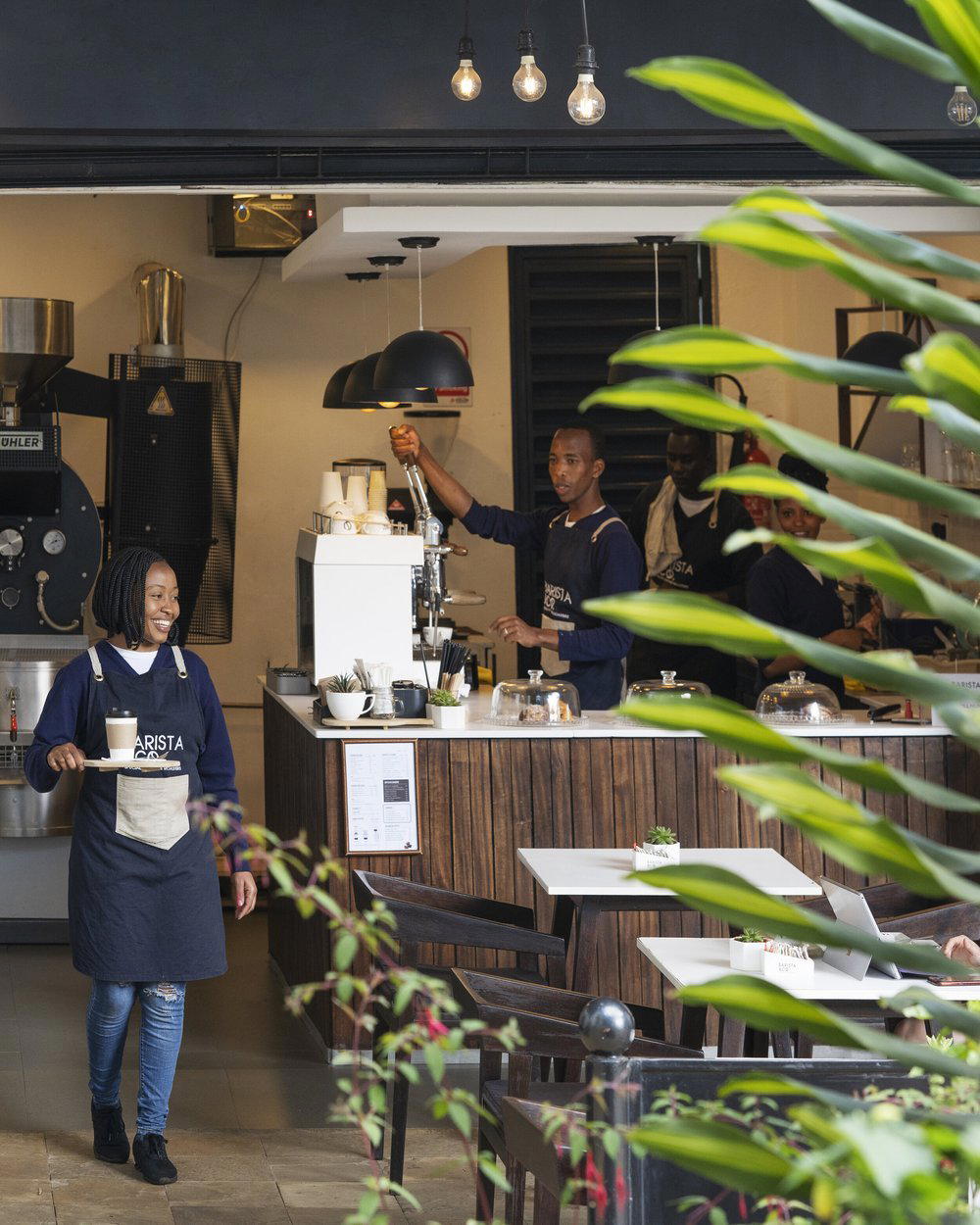
Cafe Villa Rosa reads as a practical Nairobi café, suited to daytime dining, business use, and low-friction meetings. That points to a calm, serviceable room rather than a theatrical dining room.
What part of town is Cafe Villa Rosa in?
Nairobi.
What's the best way to book Cafe Villa Rosa?
The fixed reference point is Nairobi. For a place like this, advance planning is the safest approach. Check the venue's official channels for the latest details.
What do critics highlight about Cafe Villa Rosa?
The strongest case for Cafe Villa Rosa is its usefulness as a Nairobi café for meetings and daytime dining. That sort of utility matters in a city where a reliable address can be more valuable than a headline-grabbing room.
Can Cafe Villa Rosa handle vegetarian requests?
Those details are not published. Check the venue's official channels for the latest details.
A Quick Peer Check
Comparable venues by cuisine and price in the same metro.
| Venue | Cuisine | Price |
|---|---|---|
| Cafe Villa RosaThis venue — the venue you are viewing | International Hotel Buffet | $30–50 |
| LUCCA | Authentic Italian Trattoria | Not listed |
| Tambourin | Levantine Middle Eastern | Not listed |
| Nyama Mama Delta | Modern Kenyan Fusion | Not listed |
| Delta Towers | Global Grill & Craft Cocktails | $20–30 |
| Urban Eatery | Multi-Cuisine Food Hall | $20–30 |
Details
- Modern
- Elegant
- Sophisticated
- Family
- Brunch
- Group Dining
- Casual Hangout
- After Work
- Business Dinner
- Hotel Restaurant
- Buffet
- A La Carte
- Coffee
- Tea
- Fresh Juices
- Vegetarian Friendly
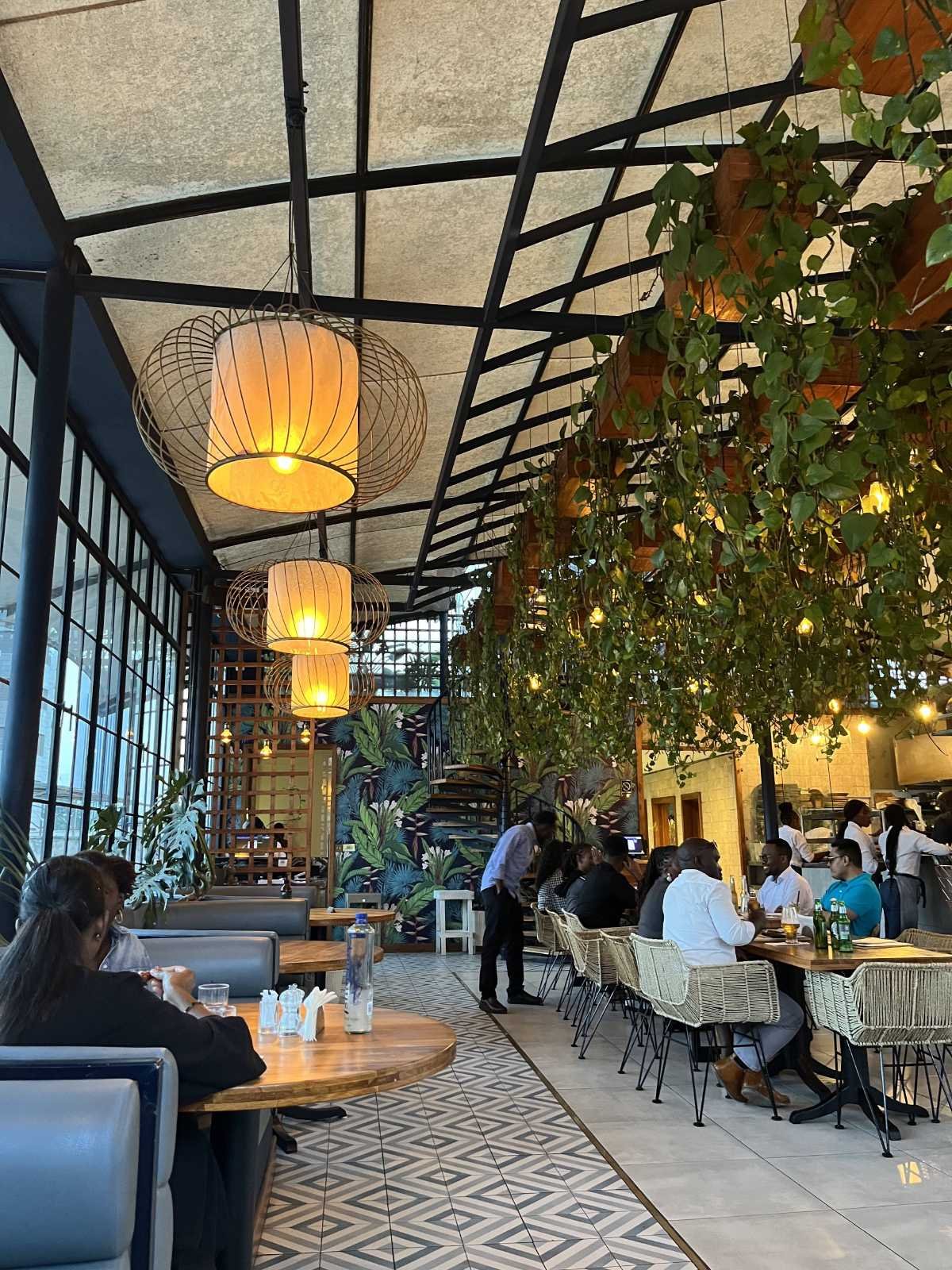
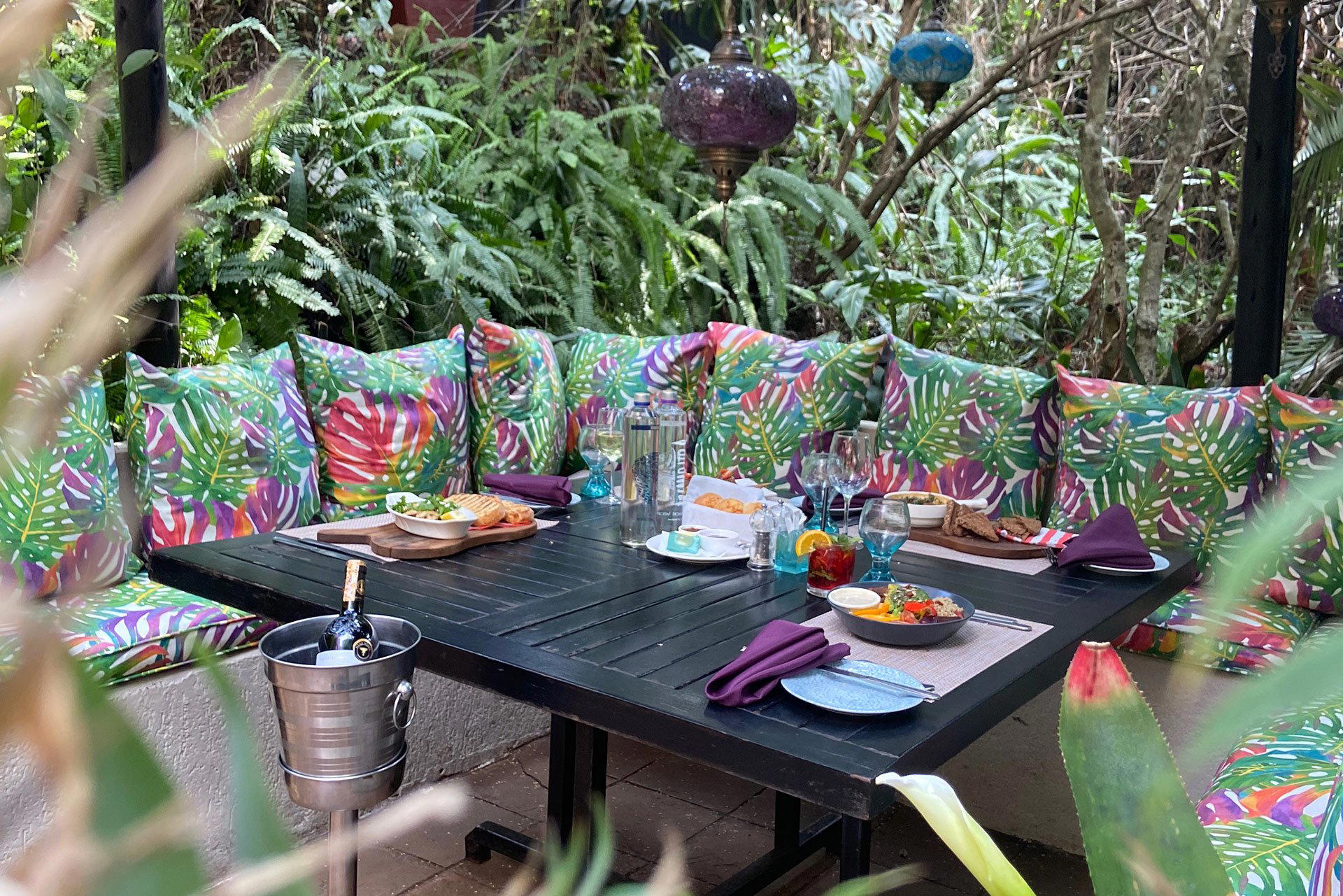
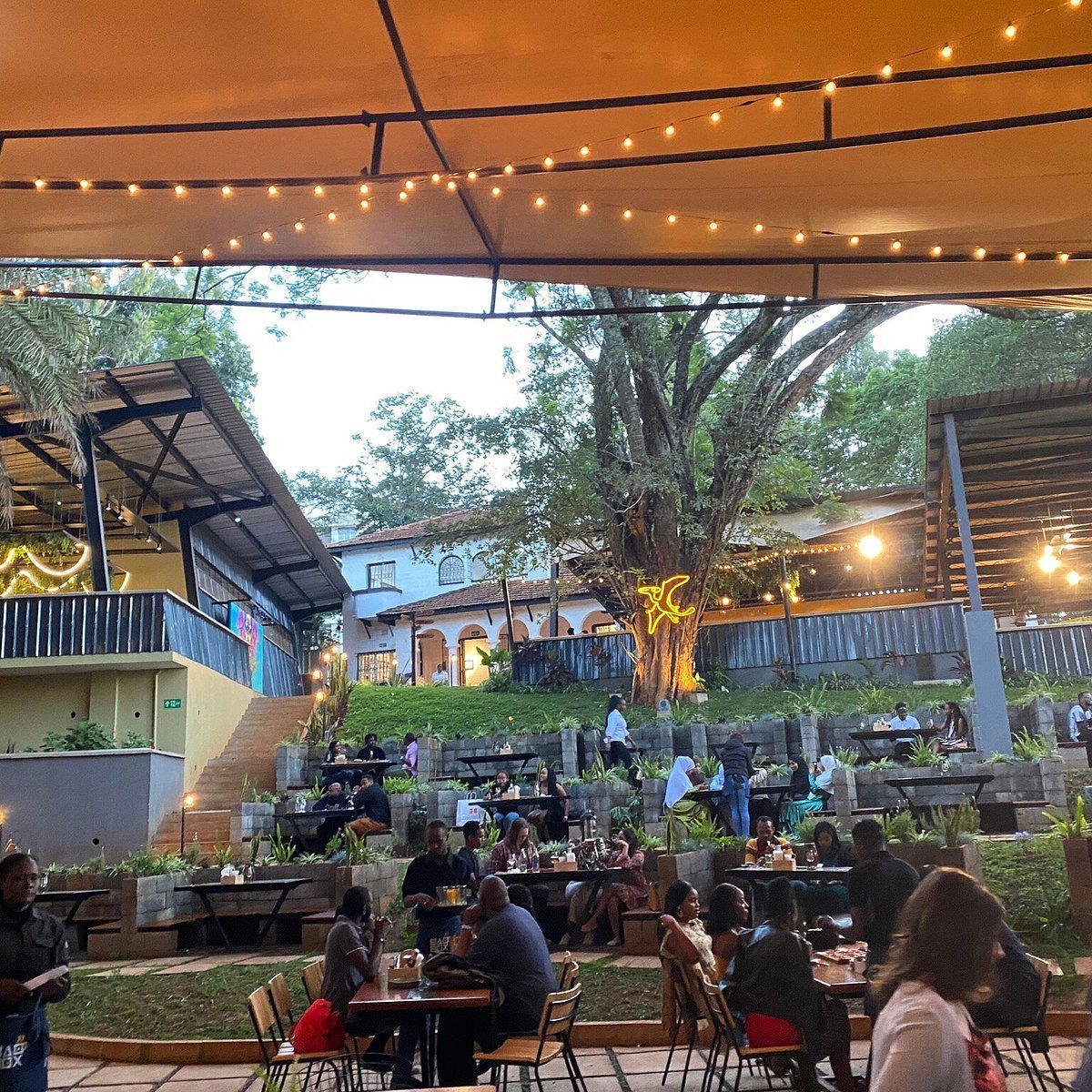
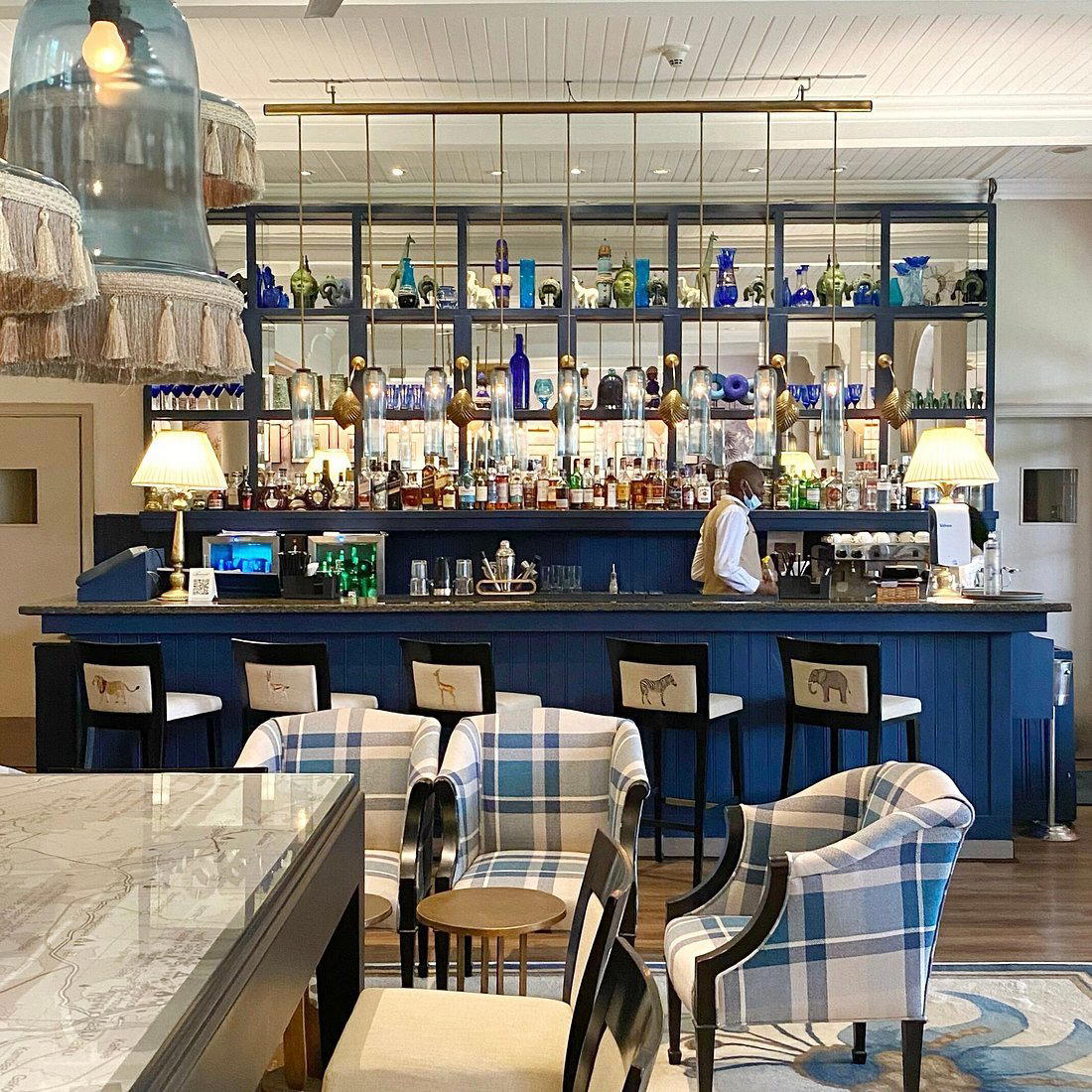
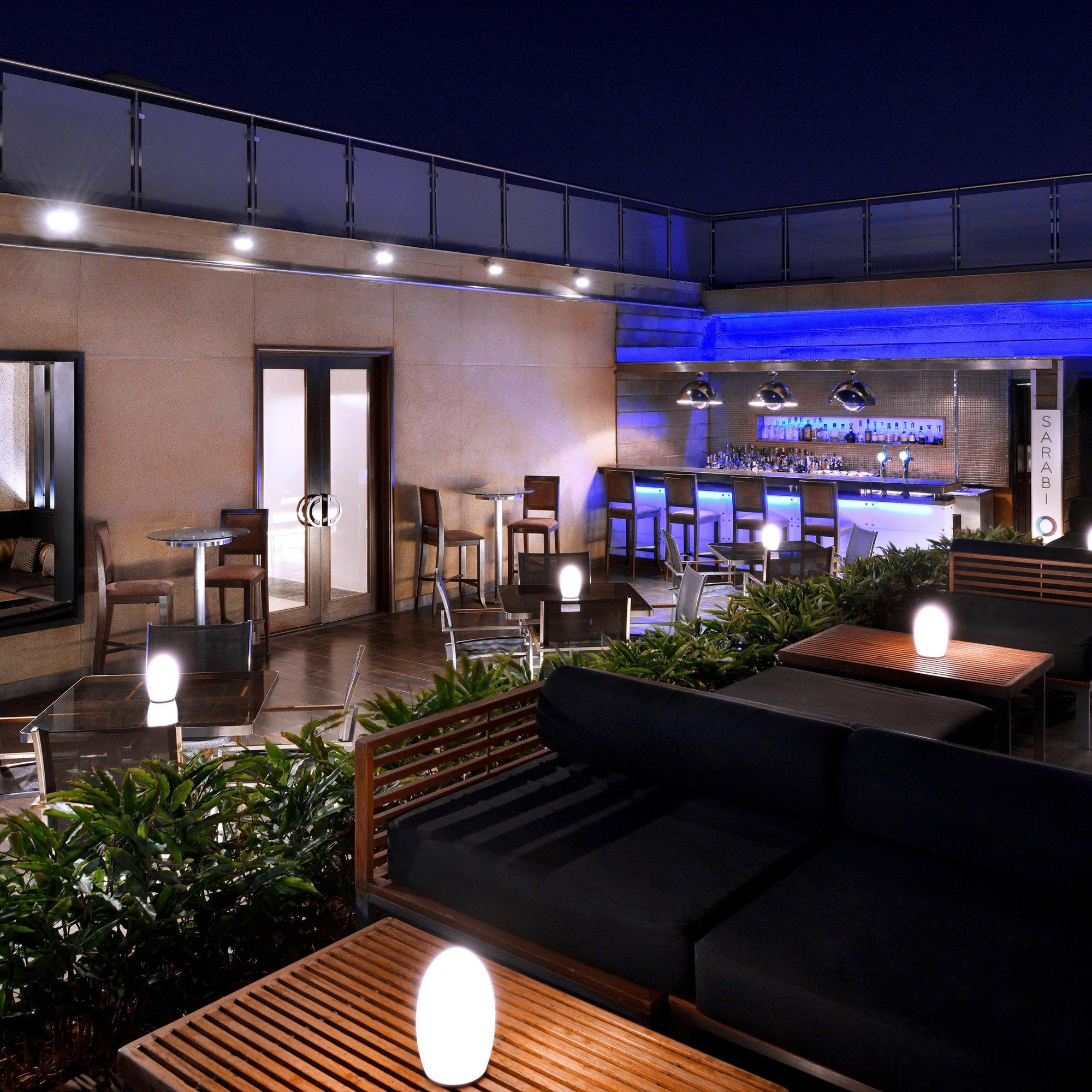
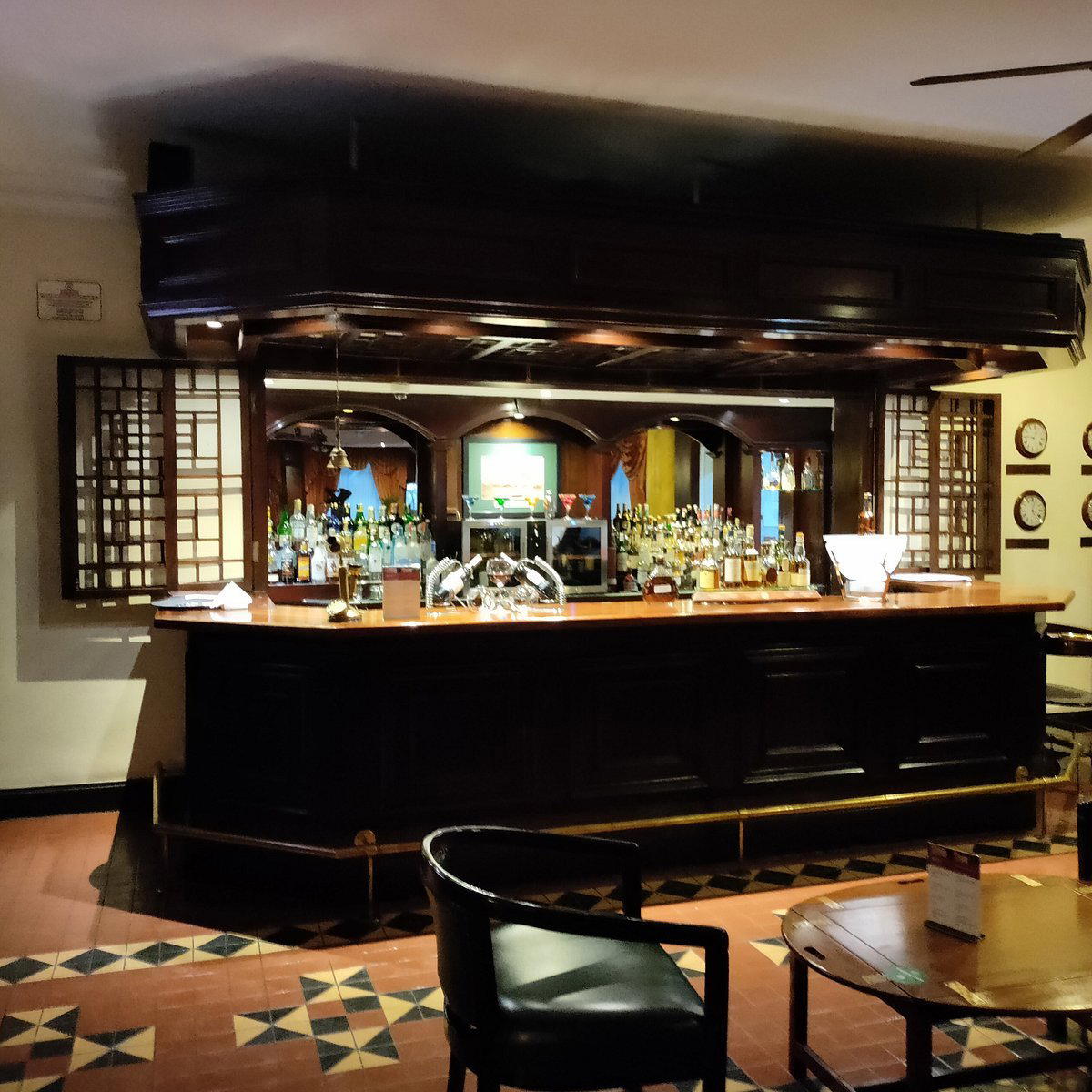
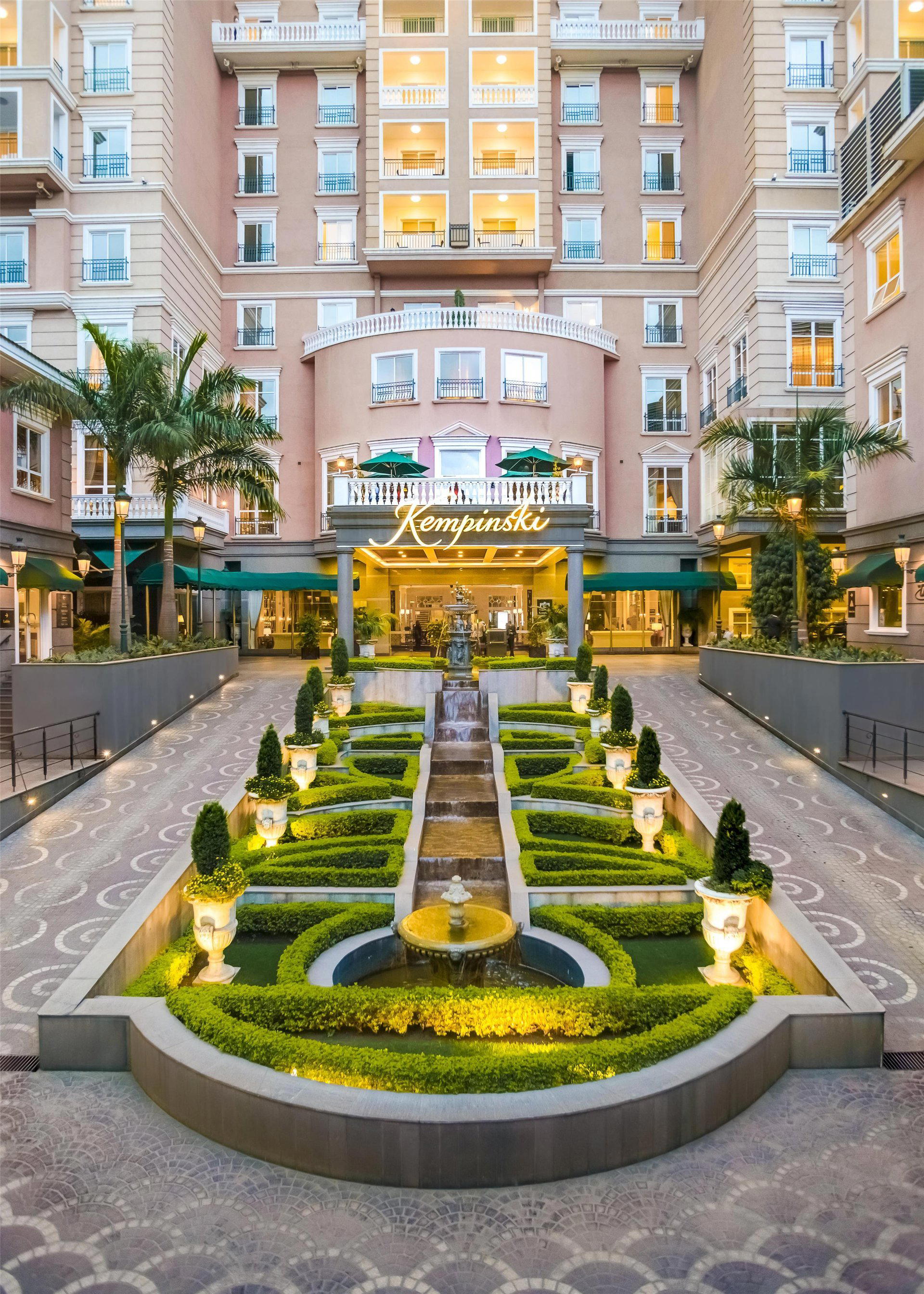
Upscale hotel-restaurant atmosphere with elegant, contemporary styling and a relaxed yet polished feel suited to both hotel guests and local diners.