Blue Ribbon Sushi Bar & Grill
Blue Ribbon Sushi Bar & Grill gives South Beach a hotel-adjacent Japanese option in a district better known for terrace dining, late dinners, and seafood with a local accent. The editorial case rests on format: sushi, grill cooking, and all-day hours make it more flexible than the city’s tasting-menu counters or nightlife-first rooms.
Pearl is the En Primeur Club membership app — saves, bookings, and concierge access live there. Same editors, same standards.
- Address
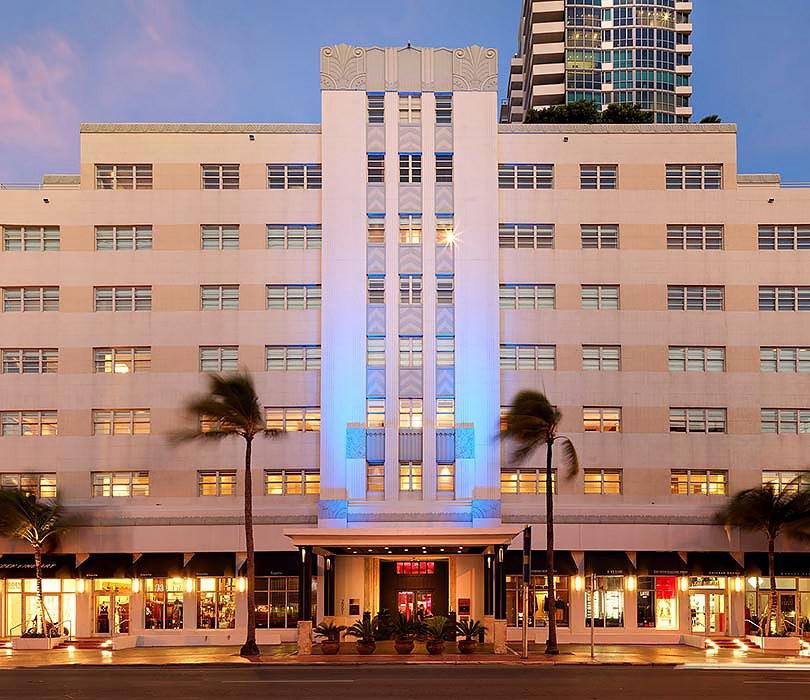
- The Plymouth South Beach, 336 21st St, Miami Beach, FL 33139
- Phone
- (305) 800-0404
- Website
- eatblueribbonmiami.com
- Directions
- Get directions
 Saves & bookings on Pearl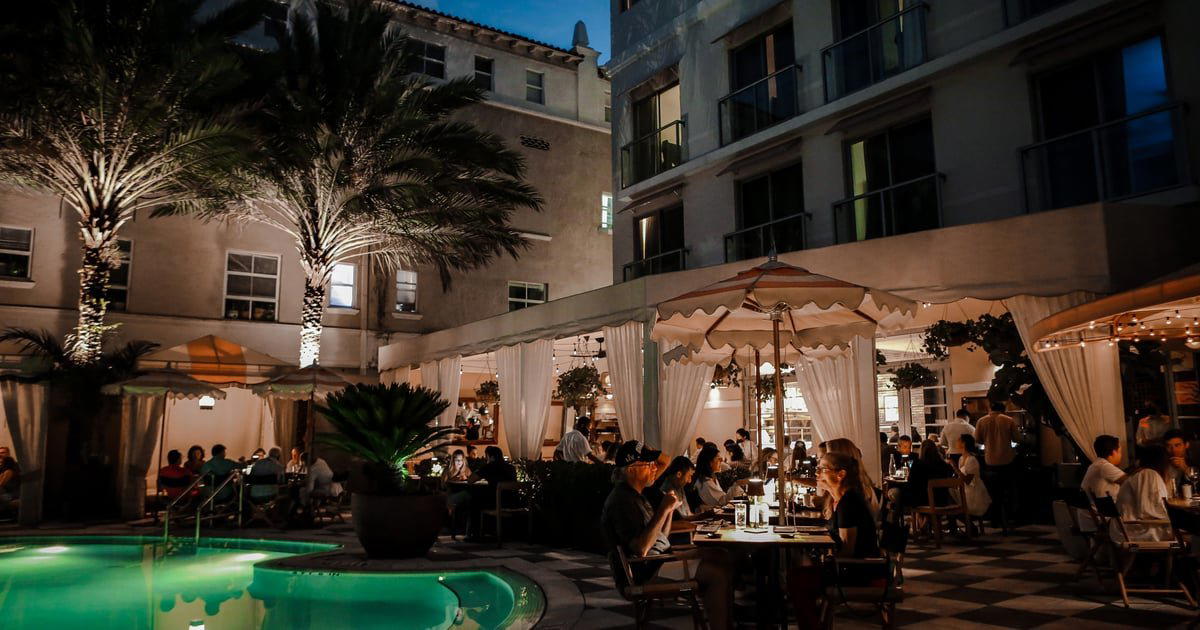
Miami Beach dining shifts block by block: some rooms chase spectacle, hotel restaurants manage changing daily rhythms, and quieter settings serve diners who want dinner without a scene. Blue Ribbon Sushi Bar & Grill occupies a useful middle lane, bringing its bar-and-grill format to a Miami Beach setting where flexibility matters. The choice turns less on rarity than range: a meal that can move from lighter orders to cooked dishes, and a room that can work for visitors and locals without requiring a formal tasting-menu mindset.
Ingredient handling is the serious question for any restaurant built around delicate preparations. Miami Beach has a demanding dining public, steady visitor traffic, and a climate that rewards consistency. The test is whether the meal feels disciplined rather than merely decorative. The grill component matters because it broadens the table beyond one style of ordering and lets groups choose across appetite levels without compromise.
Sushi in Miami Beach works differently when the room is built for range
Miami Beach has many restaurants where setting is the primary draw. Blue Ribbon Sushi Bar & Grill has a harder job: serving a city that wants energy while protecting a format built on timing and restraint. It sits in a broad bar-and-grill category, not the narrower tasting-counter tier. That distinction matters: the value is not a chef-led sequence, but the ability to move between different parts of the menu without splitting the table into separate meals.
That format suits the city’s mixed rhythms. A couple may want a lighter dinner before drinks; a family may need cooked options alongside other dishes; a visitor may want lunch that avoids a default hotel meal. Its day-to-evening flexibility places it closer to an all-purpose Miami Beach model than a dinner-only destination. For broader planning, Our full Miami Beach restaurants guide gives the counterpoint: the same city can mean diner breakfasts, café cooking, seafood rooms, and hotel restaurants within a short radius.
Sourcing and handling are where this kind of room earns credibility. Without relying on unsupported specifics, the safest reading is category-based: the appeal depends on turnover, care, and menu breadth. In Miami Beach, that can be more practical than a rarefied counter. The dining public includes late arrivals, beach families, and residents who do not always want a fixed sequence. A restaurant in that reality has to be dependable before it can be expressive.
The Miami Beach comparison is about occasion, not cuisine alone
Dining in Miami Beach competes across occasions as much as categories. It competes against seafood terraces, hotel dining rooms, casual staples, and the late-night pull of bars. The useful comparison is occasion. Other Miami Beach dining rooms speak to the city’s seafood-and-sidewalk tradition, while small-format cafés represent another side of the city. Casual, democratic late-meal options also keep Miami Beach from becoming only a resort dining district.
Within that spread, Blue Ribbon Sushi Bar & Grill works when the table wants the flexibility of its format without counter formality or a single-track meal. The grill is not a footnote; it lets the room function across ages, appetites, and dining times. Miami Beach restaurants often sort themselves by mood before menu, and this one lands as polished but not ceremonial. That makes it better for a lively dinner than a hushed special-occasion room, especially where dining rooms carry movement through the evening.
Nearby names show how broad the field is. Other hotel-and-neighborhood restaurants sit inside the same local pattern, while El Nogal, Casa Tulia, Seasons Café, Sérêvène, and Amalia underline that Miami Beach dining is a patchwork of hotel restaurants, independent rooms, and resident-facing cafés. Blue Ribbon Sushi Bar & Grill competes for the same dinner slot as pasta, seafood, cocktails, and terrace seating.
How to place it in a Miami Beach itinerary
The strongest case is practical editorial fit: a flexible option in Miami Beach where travelers often need one meal to solve several problems. It can work as a lunch stop, family dinner, or pre-evening meal before bars, without a long-form tasting structure. That matters in a city where the night can stretch across dinner, hotel lounges, and late drinks. For the rest of the evening, Our full Miami Beach bars guide is the better planning companion; for where to stay, Our full Miami Beach hotels guide gives the hospitality frame around the meal.
Food-led travelers should treat it as part of a wider coastal dining conversation, not a stand-alone pilgrimage. Across dining cities, format changes experience: a bar, a casual counter, and a more structured dining room each organize the meal around a different logic. That clarifies Blue Ribbon’s role in Miami Beach: not a purist counter, but a broad bar-and-grill restaurant built for resort-city rhythm.
The wider EP Club map shows how sourcing stories shift by place. Island produce, coastal menus, and regional identity all balance differently depending on the room and the city. Other restaurants show the same principle through different culinary lenses. For Miami Beach, the takeaway is simple: sourcing is persuasive only when it matches the city’s pace, climate, and habits.
Wine is not the central frame, but pairing-minded travelers may want to map the surrounding category before choosing a night out; Our full Miami Beach wineries guide covers that side of the city’s drinking culture. For non-restaurant planning, Our full Miami Beach experiences guide helps separate daytime cultural time from dinner plans. Clean verdict: choose Blue Ribbon Sushi Bar & Grill when the meal needs to function within a Miami Beach day, not when the objective is a formal tasting-counter benchmark.
Continue exploring
More in Miami Beach
Restaurants in Miami Beach
Browse all →
Bars in Miami Beach
Browse all →

At a Glance
- Lively
- Modern
- Sophisticated
- Trendy
- Date Night
- Group Dining
- Celebration
- Casual Hangout
- Special Occasion
- Waterfront
- Open Kitchen
- Private Dining
- Terrace
- Design Destination
- Standalone
- Craft Cocktails
- Sake Program
- Beer Program
- Extensive Wine List
- Sustainable Seafood
Current opening hours
- Monday
- 12–10 PM
- Tuesday
- 12–10 PM
- Wednesday
- 12–10 PM
- Thursday
- 12–10 PM
- Friday
- 12–11 PM
- Saturday
- 12–11 PM
- Sunday
- 12–10 PM
Hours can change for holidays and private events. Last verified .
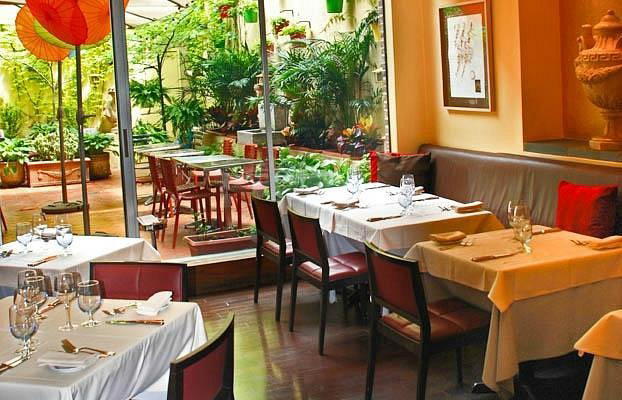
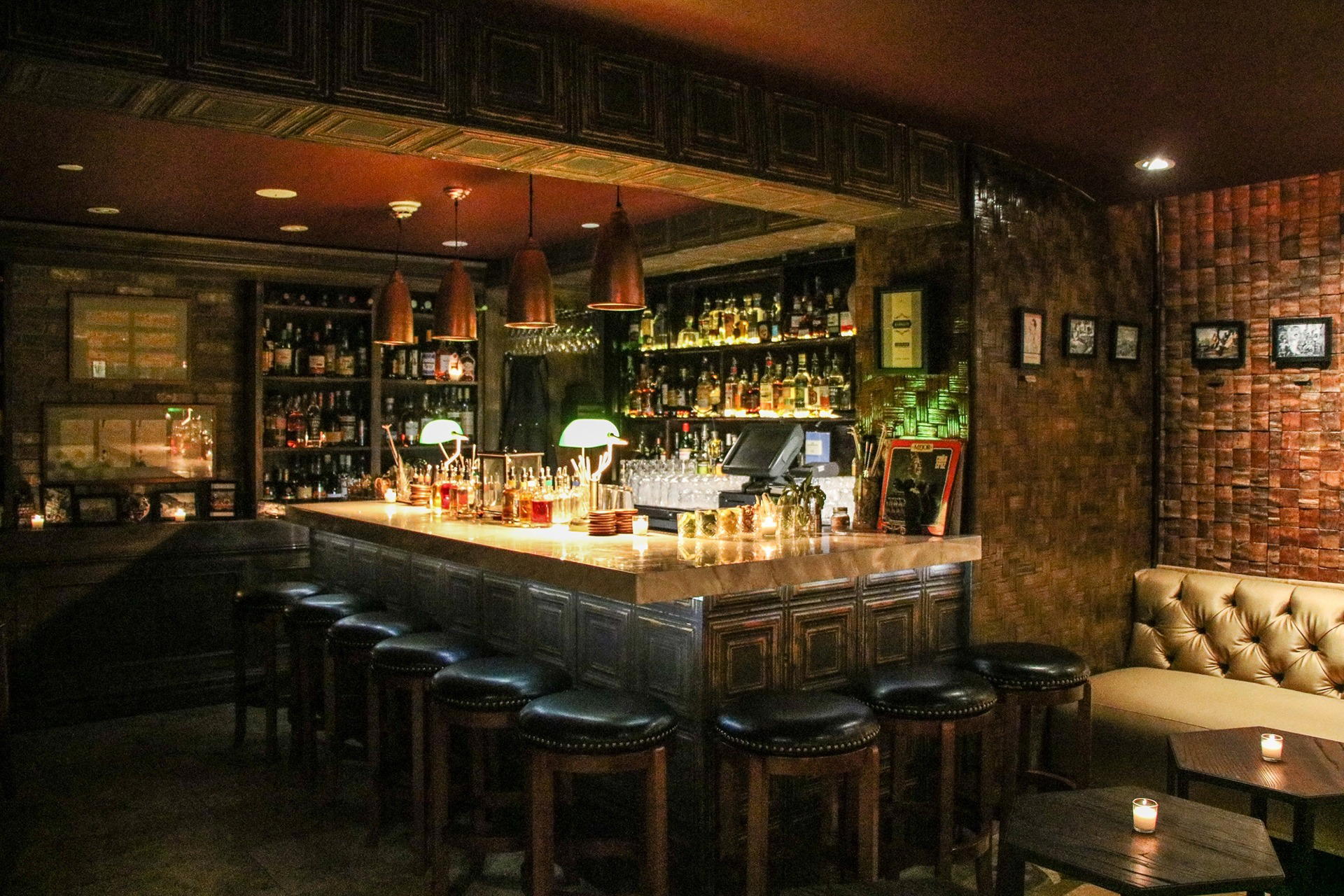
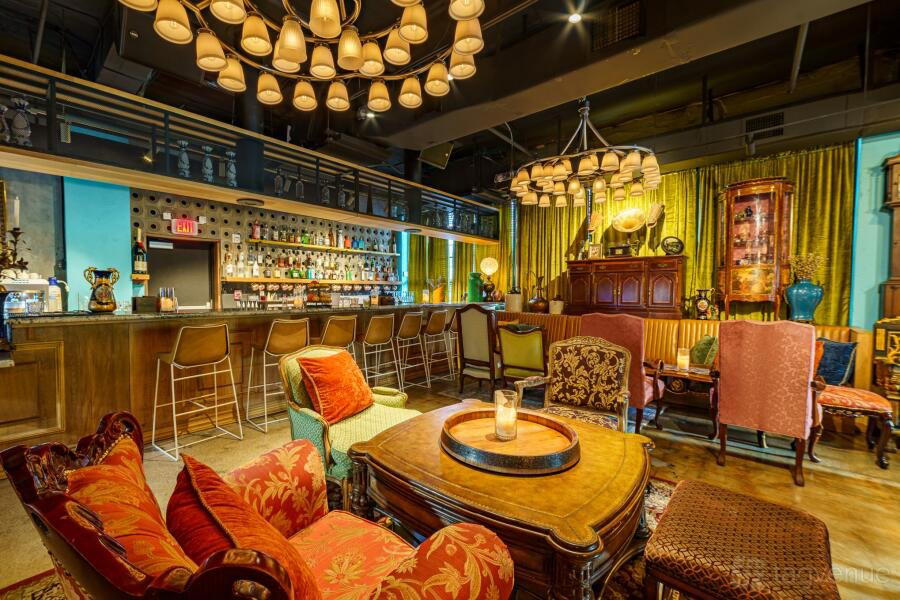
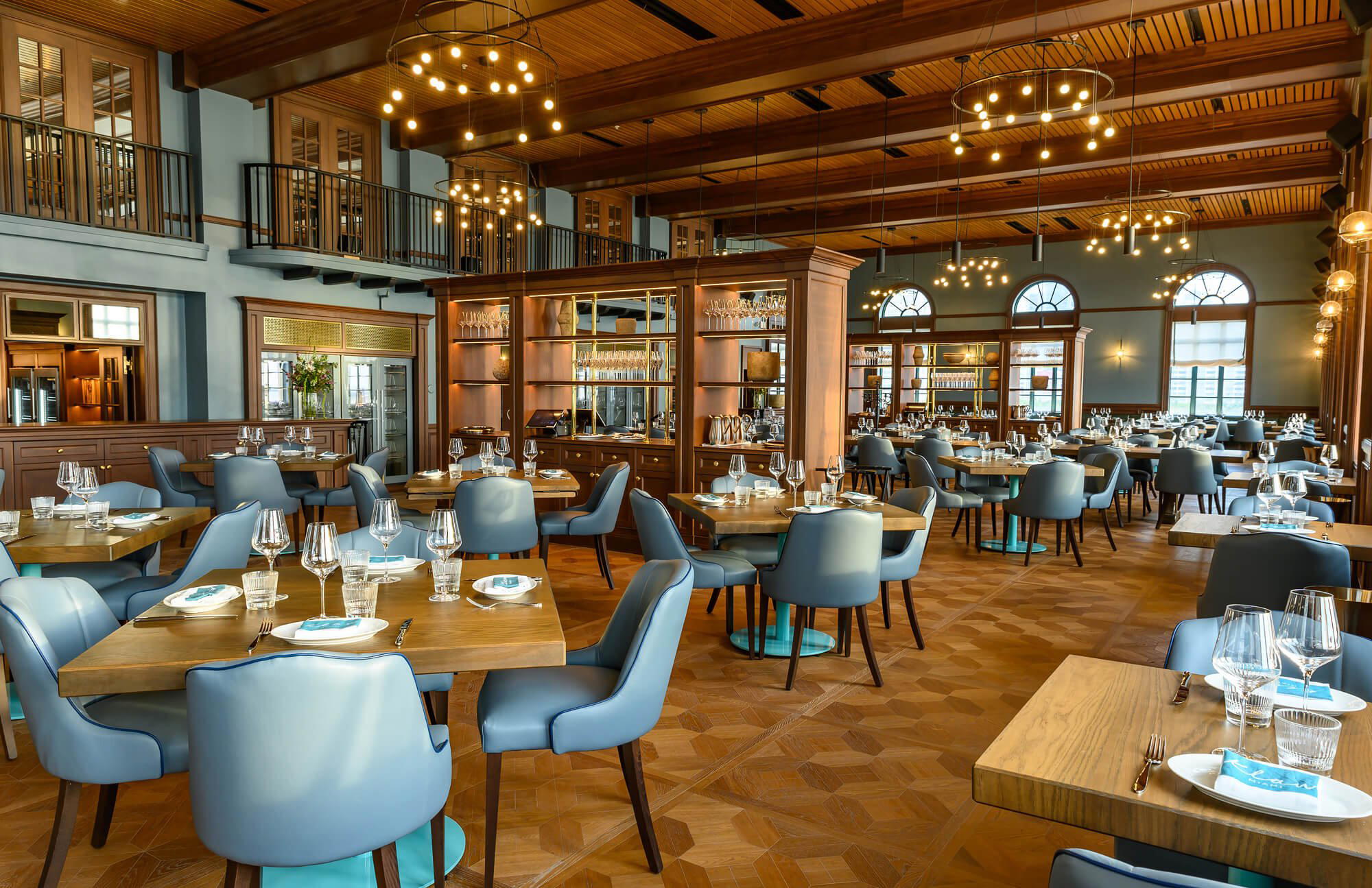
Warm yet lively, with indoor, bar, and alfresco seating that supports both casual bites and more elegant dinners.
Know Before You Go
- Reservations
- Recommended
- Dress code
- Smart casual
- Getting there
- The Plymouth South Beach, 336 21st St, Miami Beach, FL 33139