
Blue Marlin belongs to Le Morne’s resort-dining circuit, where the lagoon, reef fish and Indian Ocean trade routes shape the table as much as formal cuisine labels. The draw is less about awards or chef mythology than setting and sourcing logic: a coastal restaurant in a peninsula built around beach days, seafood habits and hotel-led evening dining.
Pearl is the En Primeur Club membership app — saves, bookings, and concierge access live there. Same editors, same standards.
- Address
- Le Morne, Mauritius
- Phone
- +230 401 5050
- Website
- beachcomber-hotels.com
- Directions
- Get directions
 Saves & bookings on Pearl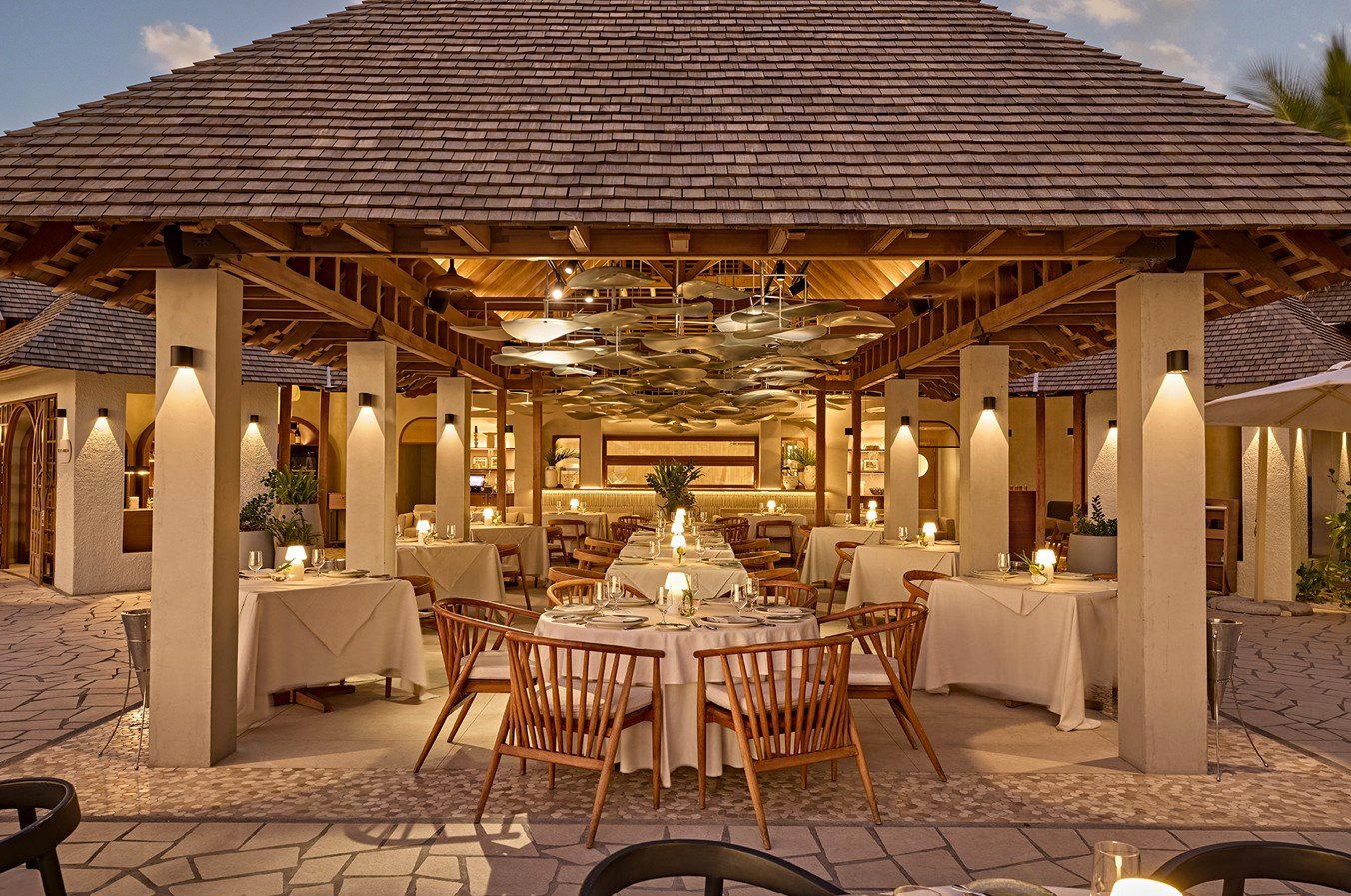
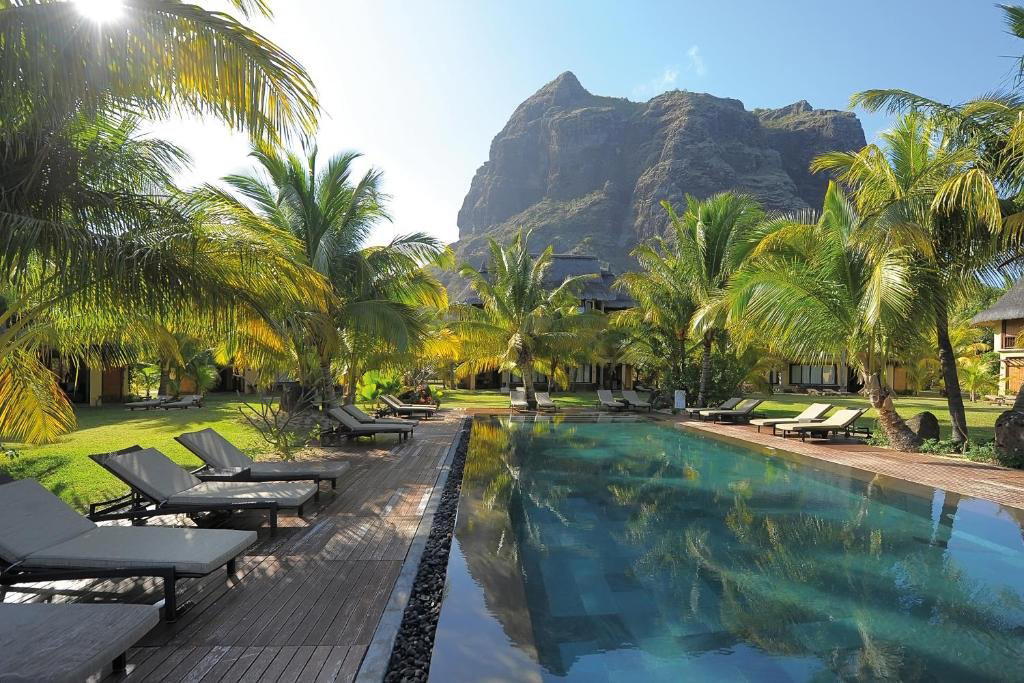
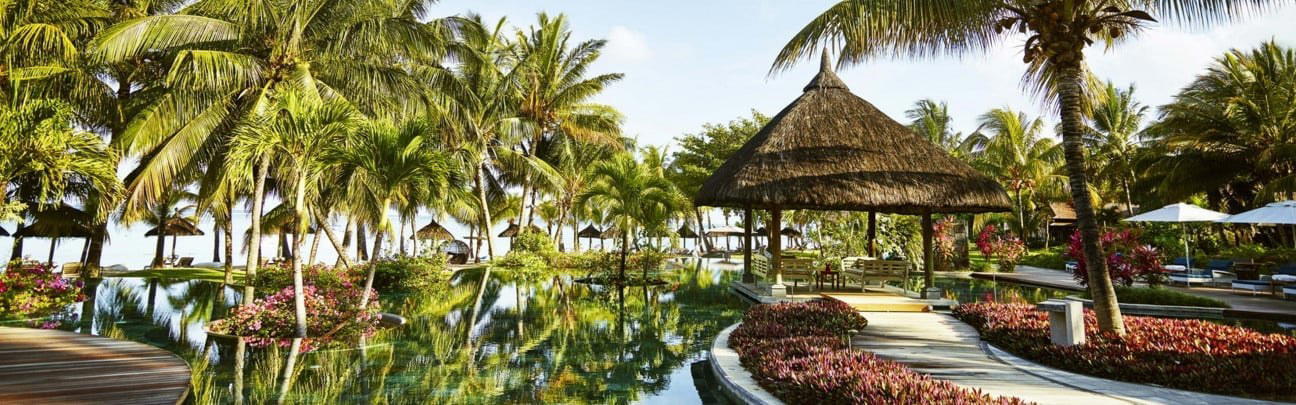
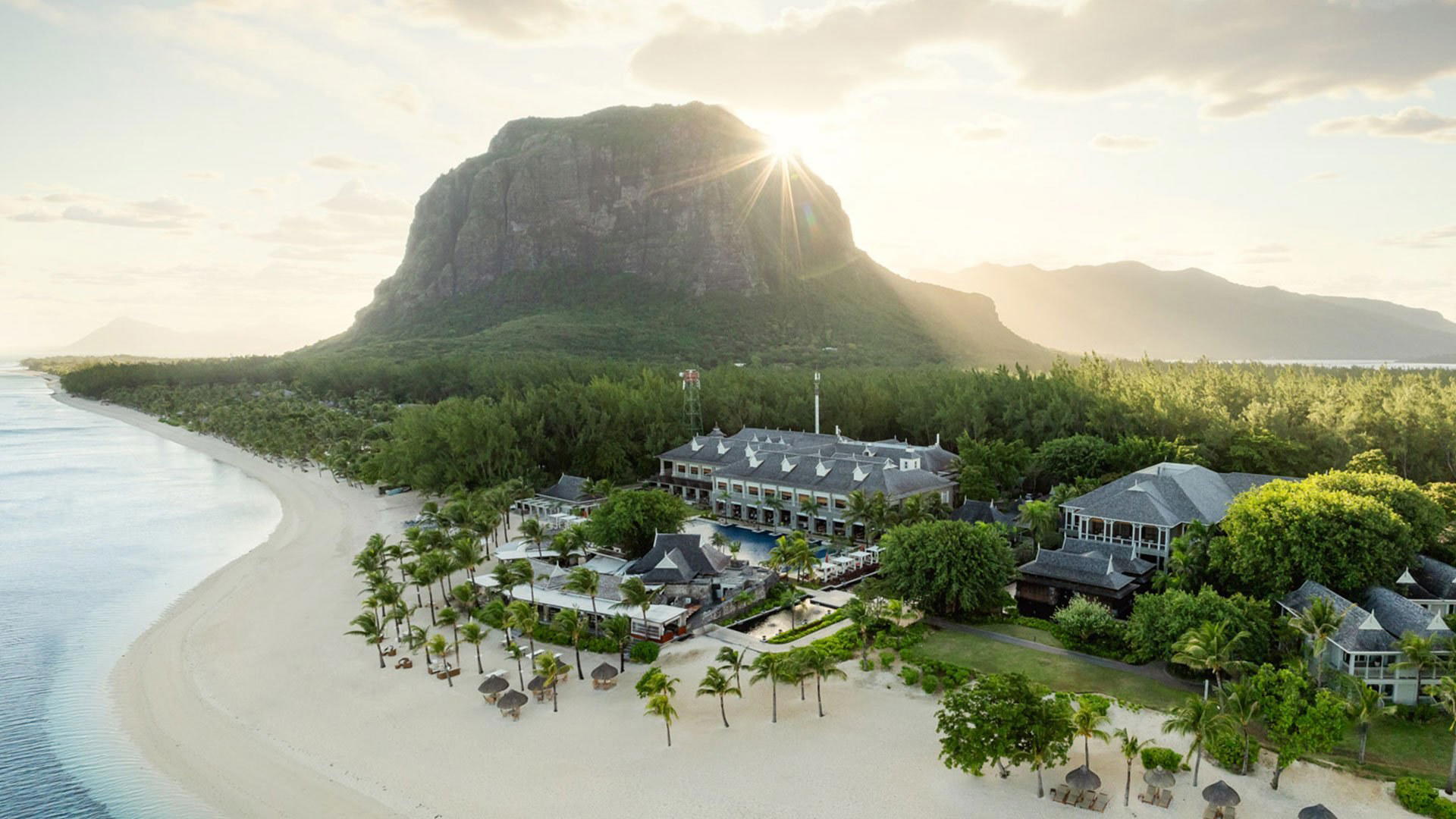
Le Morne changes register at the waterline. The basalt mass of the mountain sits behind the peninsula, the lagoon spreads out in pale bands, and restaurant culture here follows that geography: lunches tend to lean casual and salt-air bright, while dinner becomes a more composed hotel-and-resort ritual. Blue Marlin fits that rhythm. The point is not a chef-driven dining room chasing metropolitan tasting-menu codes; it is a coastal address in a part of Mauritius where seafood, beach timing and resort infrastructure define how people eat.
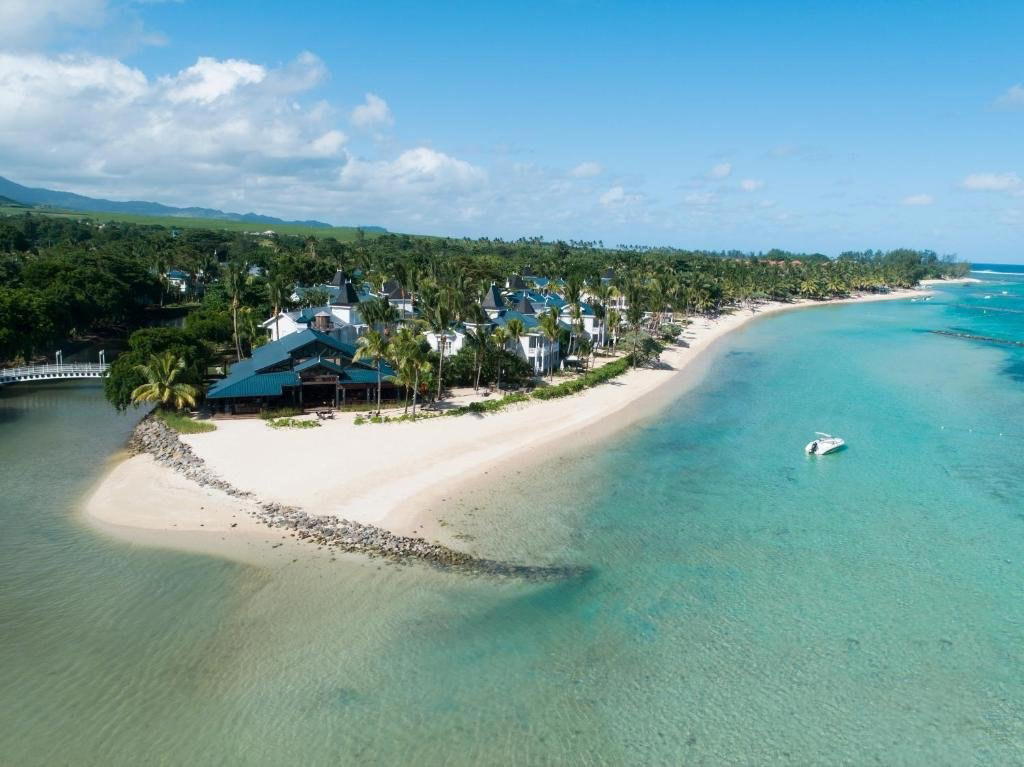
That matters because Le Morne is not Port Louis or Grand Baie. The peninsula is shaped by protected water, resort frontage and a travel pattern built around kitesurfing, long beach days and sunset transfers rather than dense street-by-street restaurant hopping. In that context, a dining room carrying a marine name has to be read through the island’s ingredient logic: fish from surrounding waters, tropical produce, spice routes from Indian and Creole kitchens, and a service cadence that suits guests moving between pool, beach and dinner rather than a standalone urban crawl.
Seafood reads differently on a lagoon peninsula
In Mauritius, seafood is not a luxury signifier by default; it is part of the island’s daily vocabulary, though the setting can push it into a higher-spend register. Around Le Morne, the strongest meals usually understand proximity. Reef and lagoon fish, prawns, crab preparations, citrus, chilli, coconut, tamarind and curry leaves all belong naturally to the local pantry. When a restaurant in this part of the island leans into that grammar, it offers a clearer sense of place than an imported fine-dining template could.
Blue Marlin should be approached with that lens. The useful question is not whether the room competes with award-led destination restaurants elsewhere, since no public award profile is attached here. The sharper comparison is within Le Morne’s resort ecosystem, where restaurants divide into beachfront ease, pan-Asian hotel dining, Indian-influenced rooms and all-day international formats. Nearby choices such as EAST, INDYA, Floating Market, Atsuko and La Palma Beach show how the area splits by mood and cuisine rather than by formal accolades.
The ingredient-sourcing angle is also where Mauritius becomes more interesting than a generic tropical backdrop. Island kitchens have always been shaped by movement: African, Indian, Chinese, French and Creole influences are not decorative references but the basis of the national table. A fish-focused meal in Le Morne can therefore move between grilled simplicity, spiced sauces and rice-led comfort without feeling like fusion for its own sake. The stronger versions keep the produce legible and let the seasoning explain the island’s history.
The room belongs to Le Morne's resort-dining pattern
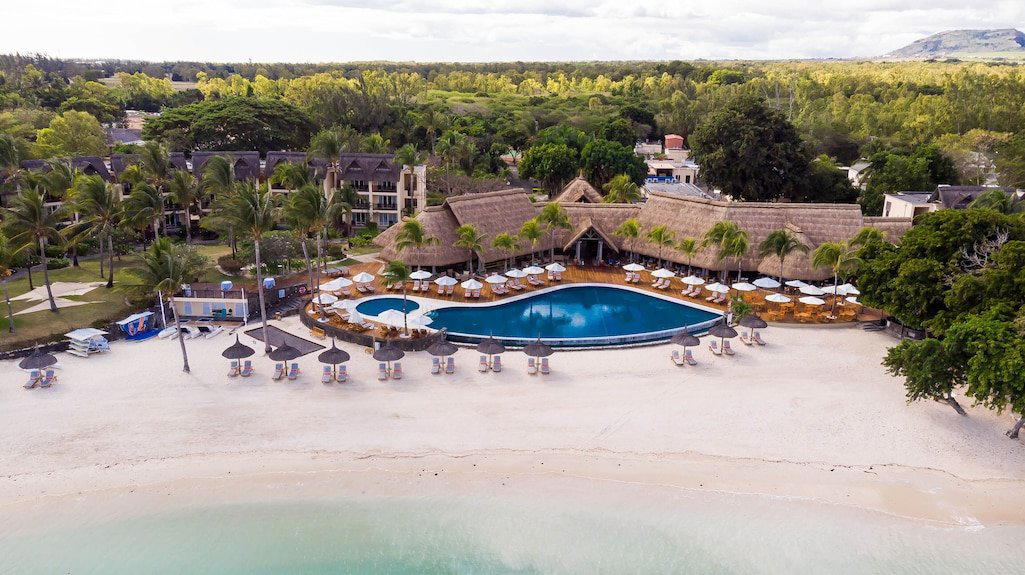
Le Morne’s restaurant scene is more spread out than city diners may expect. Even when several dining rooms sit close on the map, the peninsula’s hotels, beaches and private drives make the evening feel planned rather than spontaneous. That shapes expectations. A meal here is often tied to a day’s schedule, after watersports or before a quiet night in a resort, and service formats tend to support that flow.
Blue Marlin’s appeal sits in that practical middle ground: coastal atmosphere, broad guest suitability and a format that works for travellers who want the meal to feel Mauritian without turning dinner into a thesis. For readers comparing the peninsula, the broader local guide is the better starting point: Our full Le Morne restaurants guide maps the area’s dining split, while Our full Le Morne hotels guide, Our full Le Morne bars guide, Our full Le Morne wineries guide and Our full Le Morne experiences guide help explain why meals here are often planned around where a traveller is staying.
The wider island comparison is useful, too. Grand Baie pulls more toward northern resort dining, seen in 20 Degrés Sud Restaurant in Grand Baie. Belle Mare and the east coast carry a different hotel-restaurant register, with names such as AMARI BY VINEET in Belle Mare, Angara in Beau Champ and Archipel in Poste de Flacq. South-coast dining, including Annabella's in Bel Ombre and Arabic Culinary Experience in St. Felix, tends to feel more resort-contained. Le Morne sits between these identities: visually dramatic, logistically self-contained and strongest when the plate respects the water beside it.
How to read the meal before choosing it
The smart test for this kind of restaurant is restraint. In a destination where the scenery can do too much of the selling, the food has to avoid becoming generic international hotel cooking. Seafood, local spice and seasonal produce give the kitchen its clearest path. Diners who want a heavily credentialed, chef-biography-led meal may find stronger signals elsewhere on the island; diners who want a coastal Mauritian setting where the meal belongs to the geography will understand the appeal faster.
The restaurant is therefore most persuasive as part of a Le Morne day rather than as a trophy reservation. That is not a lesser category. In resort regions, the valuable tables are often the ones that match the tempo of the place: lunch after the beach, dinner after sunset, a menu that makes sense near the lagoon, and enough structure to feel considered without importing city formality. For international contrast rather than local comparison, EP Club also covers focused Japanese formats such as Jōdo Saké Bar in Los Angeles and Onigiri Time in Pasadena; their specificity helps underline what Le Morne does differently. Here, place is not an aesthetic layer. It is the operating system.
How It Stacks Up
Comparable venues by cuisine and price in the same metro.
| Venue | Cuisine |
|---|---|
| Blue Marlin | This venue |
Recognition history
Dated appearances from independent guides and award organizations, with the underlying list record or original source where available.
Wine Spectator Best of Award of Excellence
Wine Spectator
At a Glance
- Romantic
- Elegant
- Scenic
- Intimate
- Sophisticated
- Date Night
- Family
- Group Dining
- Celebration
- Special Occasion
- Waterfront
- Panoramic View
- Hotel Restaurant
- Terrace
- Extensive Wine List
- Beer Program
- Waterfront
- Mountain
Current opening hours
- Monday
- 12:30–3 PM, 7–10 PM
- Tuesday
- 12:30–3 PM, 7–10 PM
- Wednesday
- 12:30–3 PM, 7–10 PM
- Thursday
- 12:30–3 PM, 7–10 PM
- Friday
- 12:30–3 PM, 7–10 PM
- Saturday
- 12:30–3 PM, 7–10 PM
- Sunday
- 12:30–3 PM, 7–10 PM
Hours can change for holidays and private events. Last verified .
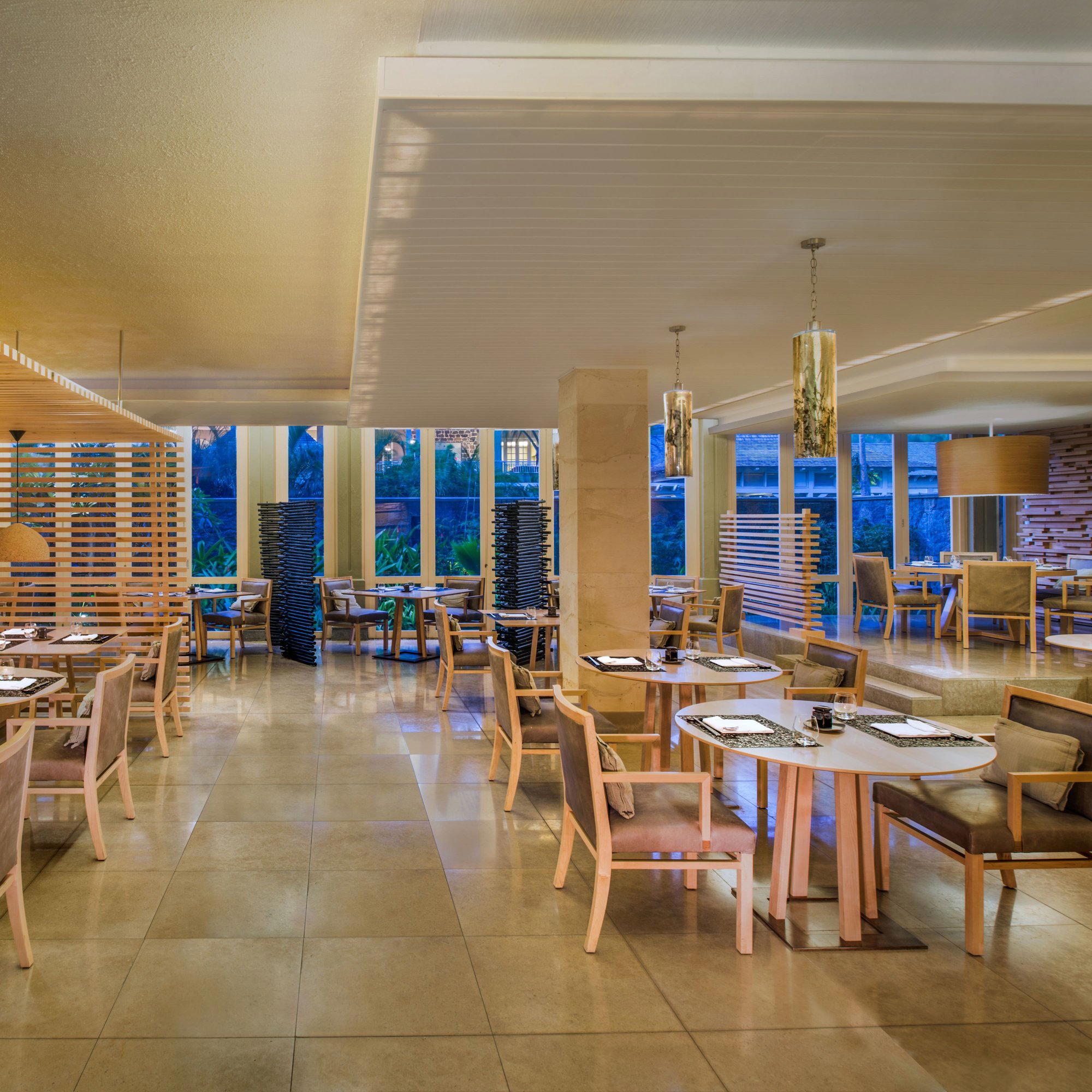
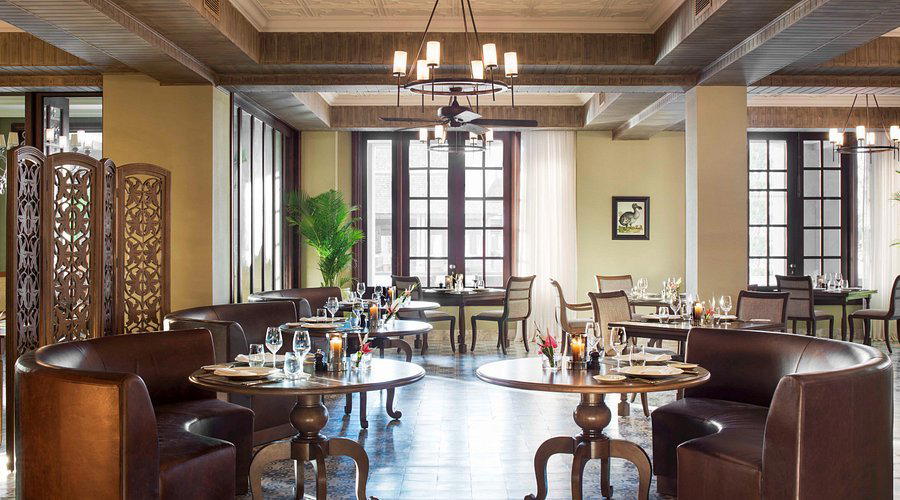
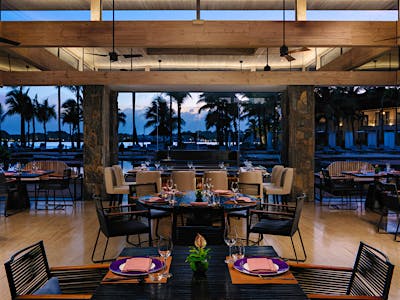
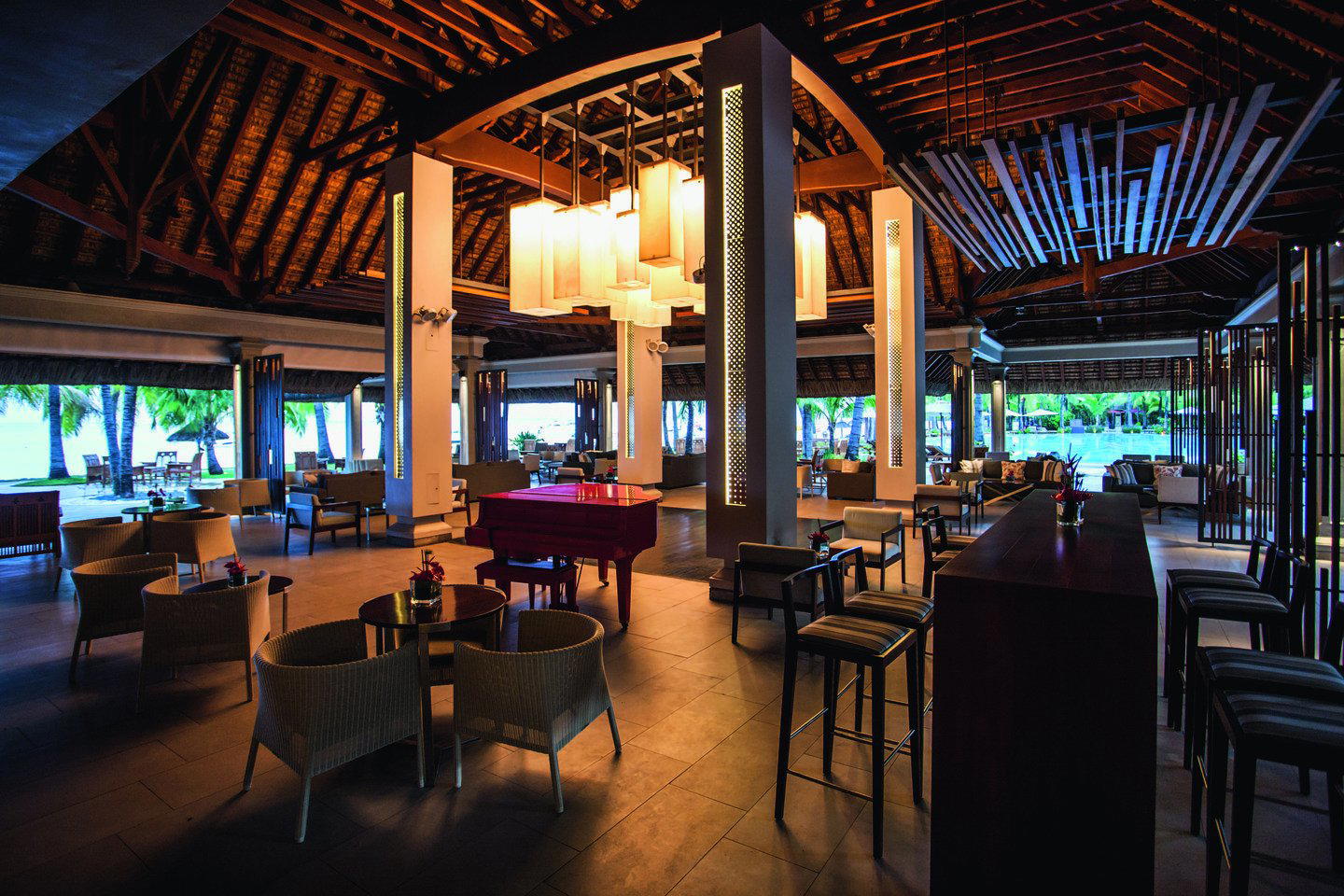
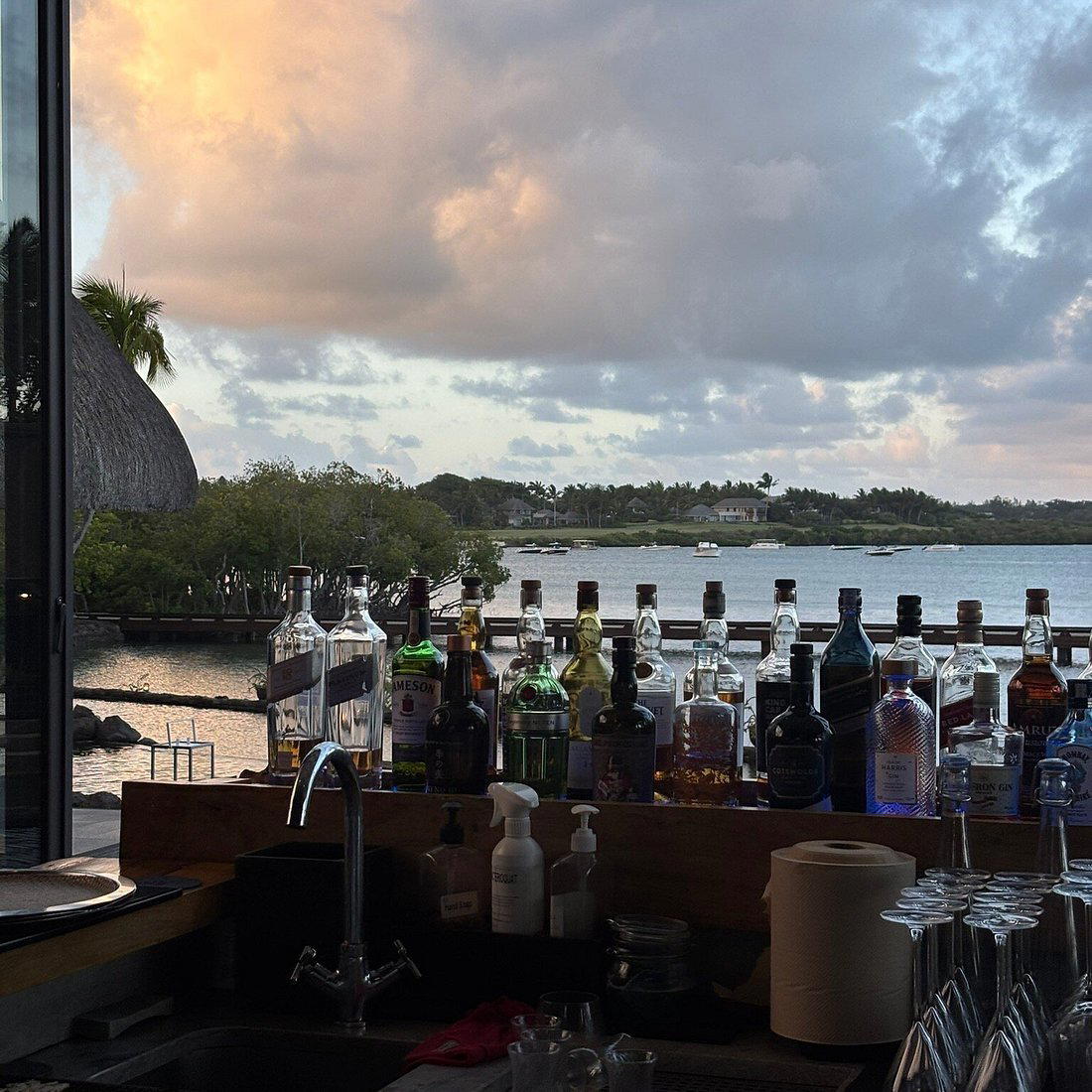
Elegant, intimate hotel-restaurant setting with an ocean-inspired design, deep blue tones and refined table service, creating a calm, romantic atmosphere overlooking the lagoon.