
Tabelog 100 #30
Our verdict
Teuchi Soba Tagata places Shizuoka’s soba culture in a serious, ingredient-led register: buckwheat sourcing, milling, and hand-cut noodles are the point, not ornament. Its repeated Tabelog 100 Soba selections, including EAST 2025, put it in the region’s recognized soba tier while keeping the experience grounded enough for a relaxed meal rather than a ceremonial tasting counter.

Pearl is the En Primeur Club membership app, where members save venues, book tables and use the concierge.
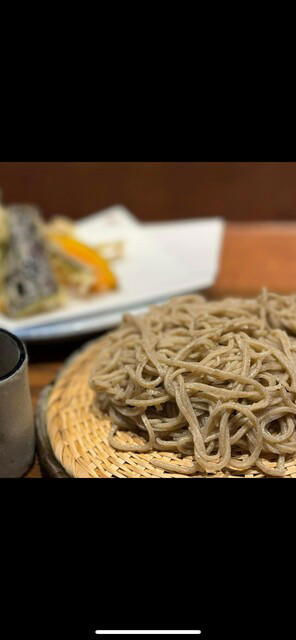
The menu
What to order
- Cold soba with fresh shirasu
- Towari soba (100% buckwheat)
- Tempura made with buckwheat flour
- Mori soba with native Shizuoka buckwheat
Shizuoka’s restaurant streets do not need to announce themselves with big-city polish. They work in a quieter register: compact frontages, local regulars, and rooms where the meal is measured by craft rather than theatre. In that setting, soba carries unusual weight. It is one of Japan’s least forgiving formats, because there is little to hide behind once buckwheat, water, cutting, and boiling come into view. Teuchi Soba Tagata belongs to that tradition, and its appeal rests on the disciplined end of the category: buckwheat noodles treated as the centre of the meal rather than a closing carbohydrate.
Shizuoka is often discussed through tea, seafood, wasabi, and views toward Fuji, but its dining culture also rewards smaller specialist rooms with narrow focus. Soba fits the prefecture’s broader appetite for ingredient clarity. The dish depends on grain character and freshness, not luxury signalling. A strong soba-ya can therefore feel more exacting than a longer, costlier dinner elsewhere: the craft is exposed in the texture of the noodle, the aroma of buckwheat, and the restraint of the accompanying elements. That is the lens through which this Shizuoka restaurant makes sense.
Handmade soba as Shizuoka ingredient discipline
Process shapes the meal. Teuchi soba is not just a style label; it implies a chain of decisions before the bowl reaches the table. Buckwheat has to be selected, mixed, rolled, cut, cooked, and served with timing that leaves little margin for correction. Tagata’s identity sits in that artisan soba line rather than the broad casual noodle-shop lane.
That matters because soba’s quality is less about abundance than proportion. Compared with richer Japanese formats, from grilled meat to multi-course dining, soba asks the diner to pay attention to grain and finish. In Shizuoka, where meals can easily tilt toward seafood-led menus or regional set pieces, a specialist soba room gives the city a different kind of culinary seriousness: compact, technical, and grain-first. Its Tabelog Hyakumeiten recognition for 2025 reinforces that the reputation has a current, category-specific trust signal.
Within the local price spectrum, this sits as a focused Shizuoka soba meal rather than a high-ceremony occasion. Diners comparing Shizuoka options will find different arguments at Chabo or Blue Label, as well as other unnamed dining rooms across the city. Tagata’s case is narrower and, for soba drinkers and grain obsessives, more direct.
The room suits noodles and a low-key meal
The format reads as comfortable rather than stiff. The essential experience is not built around spectacle, but around the directness of noodles, dipping sauce, and the pace of a specialist soba meal. That makes it useful in a city where dining plans range from solo travellers to small groups looking for a meal with a clear point of view. The tone is best understood as practical and serious rather than ceremonial.
The meal follows the familiar Japanese relationship between soba and restraint. This is not a spectacle-led room; it follows the older rhythm of eating lightly and letting the noodles carry the main argument in a contemporary Shizuoka setting. The appeal is in focus and sequence rather than in luxury signals.
Recognition should be read carefully. Tabelog Hyakumeiten is a selection list, not a star system, and its display order is not an official rank. Even so, selection in the soba category gives Tagata a credible trust signal in a field where national guide coverage can miss smaller regional specialists. The score listed at 3.76 also places it in the serious Tabelog conversation, where numbers above the mid-threes carry more weight than they might on looser review platforms.
How to place it in a Shizuoka itinerary
The strongest use case is a meal built around soba craft rather than a broad survey of Shizuoka cooking. It works for travellers who want one precise regional dining stop within a longer food day. Because the restaurant is in Shizuoka, it can be planned as part of an urban itinerary rather than treated as a countryside detour.
Timing matters more than glamour at a focused soba room. The safest approach is to check the venue’s current information before going, especially if planning around peak meal periods or a tight travel schedule. The listed budget is Dinner: JPY 5,000 - JPY 5,999; Lunch: JPY 1,000 - JPY 1,999, which places it in a practical range for diners who want a specialist meal without turning the whole day into a formal occasion.
For a wider Shizuoka plan, place soba against the city’s broader dining range, then build the rest of the trip around it. Travellers comparing Japanese regional dining beyond the prefecture can also think more generally about how small specialist rooms, noodle shops, bars, and casual counters shape a food itinerary across other cities.
Frequently asked questions
Is Teuchi Soba Tagata formal or casual?
It reads as casual rather than formal. The house format in Shizuoka is centred on soba, with a Tabelog Hyakumeiten 2025 recognition giving it a current category-specific trust signal.
Is Teuchi Soba Tagata more mid-range or high-end?
Pricing at Teuchi Soba Tagata is listed as Dinner: JPY 5,000 - JPY 5,999; Lunch: JPY 1,000 - JPY 1,999.
What is Teuchi Soba Tagata known for?
Teuchi Soba Tagata is known for soba, or buckwheat noodles, in Shizuoka.
Snapshot
Comparable venues by cuisine and price in the same metro.
| Venue | Cuisine | Price | Awards | Notes |
|---|---|---|---|---|
| Teuchi Soba TagataThis venue (the venue you are viewing) | Traditional handmade soba | $20–30 | Tabelog 100 #30 | Not listed |
| Go | Japanese Grill & Izakaya-Style Dining | $50–100 | Tabelog 100 #68 | Aoi-ku |
| Sabai Deal | Casual Thai Restaurant | $10–20 | Tabelog 100 #25 | Not listed |
| Suien Dosai Honten | Traditional Tonkatsu (Japanese Pork Cutlet) | $20–30 | Tabelog 100 #96 | Aoi Ward |
| Suehiro Zushi | Traditional Shimizu Sushi with Hagashi Tuna | $100–150 | Tabelog 100 #72 | Shimizu Ward |
| Seki Beya | Traditional Japanese wagashi & Abekawa mochi | $1–10 | Tabelog 100 #47 | Aoi-ku |
Recognition history
Dated appearances from independent guides and award organizations, with the underlying list record or original source where available.
Tabelog 100 #30 · No. 30
Tabelog · Tabelog 100 - Soba - EAST - 2025
Continue exploring
More in Shizuoka
Restaurants in Shizuoka
All restaurants in Shizuoka →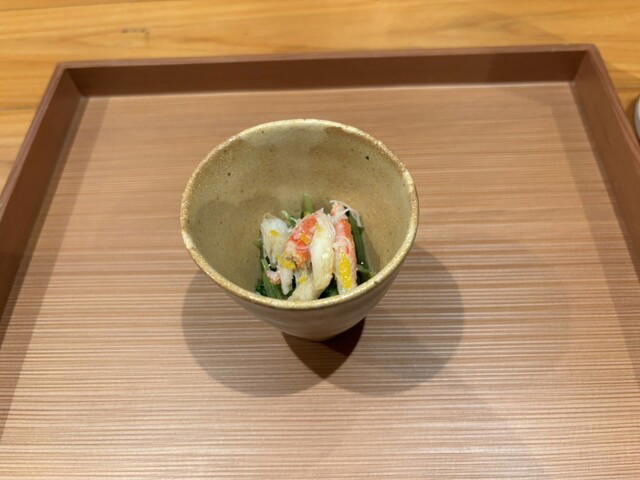
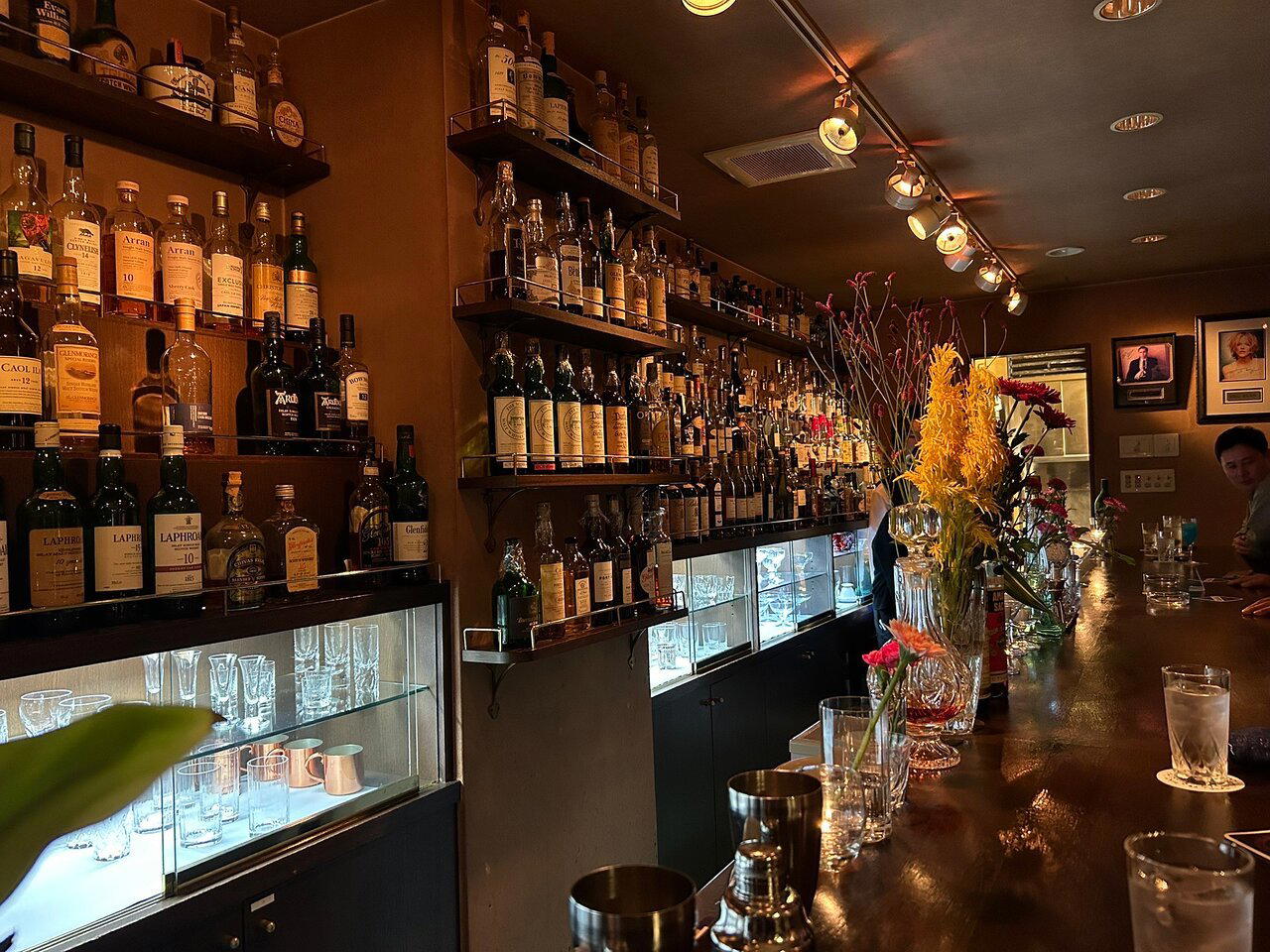
Hotels in Shizuoka
All hotels in Shizuoka →
Wineries in Shizuoka
All wineries in Shizuoka →
Details
- Cozy
- Classic
- Solo
- Casual Hangout
- After Work
- Chefs Counter
- Standalone
- Sake Program
- Local Sourcing
- Farm To Table
- Sustainable Seafood
- A La Carte
- Set Menu
- Counter Dining
- Sake
- Beer
- Pescatarian Friendly
Current opening hours
- Monday
- Closed
- Tuesday
- 11:30 AM–2 PM, 5:30–9 PM
- Wednesday
- 11:30 AM–2 PM, 5:30–9 PM
- Thursday
- 11:30 AM–2 PM, 5:30–9 PM
- Friday
- 11:30 AM–2 PM, 5:30–9 PM
- Saturday
- 11:30 AM–2 PM, 5:30–9 PM
- Sunday
- 11:30 AM–2 PM
Hours can change for holidays and private events. Hours as of .
Traditional, intimate soba-ya atmosphere with a small, understated dining room that feels calm and quietly convivial, emphasizing the craftsmanship at the counter and the aroma of freshly made buckwheat noodles.