
Tabelog 100 #80
Our verdict
Ramen Le Dessin brings Shimada into the serious ramen conversation through a sourcing-led reading of the bowl rather than big-city spectacle. Its 2025 Tabelog Ramen EAST “Tabelog 100” selection gives the room a clear external marker, while the small-format ramen setting keeps the focus on broth, noodles, and the disciplined economy that defines much of Japan’s regional ramen culture.

Pearl is the En Primeur Club membership app, where members save venues, book tables and use the concierge.
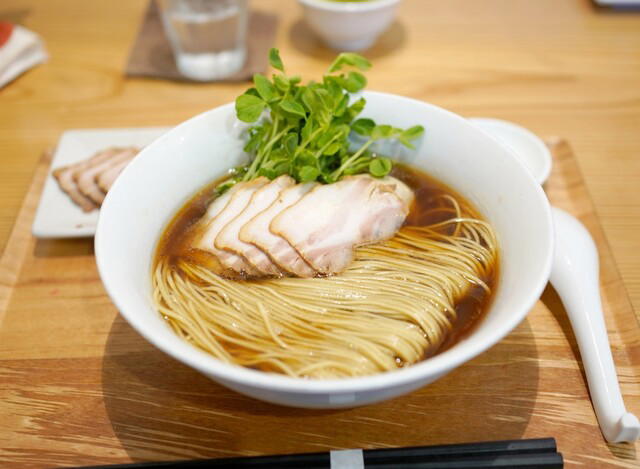
The menu
What to order
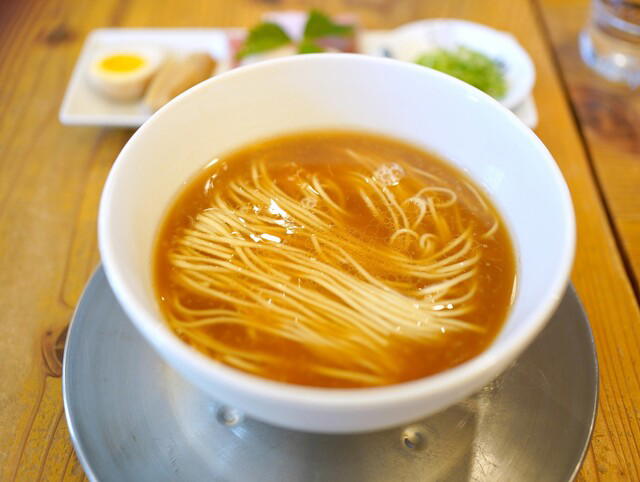
- Shoyu ramen (duck and chicken stock)
- Shio ramen with yuzu kosho
- Tomato ramen (chicken/duck or scallop dashi variations)
- Cold natto, okra and tomato ramen
- Curry ramen with French-style curry sauce
Approaching a serious regional ramen shop in Japan is rarely about theatre. The signals are quieter: a focused format, a service pace shaped by the kitchen, local diners sharing the same rhythm, and a menu built around the bowl rather than the dining room. In Shimada, that restraint matters. This is not Tokyo ramen culture filtered through queue management and social-media choreography; it is Shizuoka’s inland daily-food logic, where clarity, balance, and price discipline can matter more than performance.
Ramen Le Dessin belongs to the ramen-shop category where the bowl is the real subject. Ramen is often framed as style: shoyu against shio, chicken against pork, clear soup against emulsified soup. The more useful reading is practical and regional: what the kitchen chooses to emphasize, what it keeps clean, and how much satisfaction it delivers without pushing the meal into luxury-restaurant territory. Its 2025 Tabelog Hyakumeiten recognition, with a listed score of 3.72, places it among ramen rooms considered beyond a purely local frame.
Shimada ramen, read through sourcing rather than spectacle
Shimada sits in a part of Shizuoka better known to many travellers for tea country, river landscapes, and routes between the coast and inland areas than for destination dining. That makes its ramen scene revealing. Away from the dominant food corridors of Tokyo, Kyoto, and Osaka, the important bowls tend to expose regional habits: careful stock work, local regulars, early-day traffic, and menus priced for repetition rather than ceremony. The measure is not how loudly a shop announces itself, but whether it can make a narrow format feel precise.
That is where the ramen-shop discipline matters. Ramen kitchens live or die by decisions guests may never see: stock, seasoning, noodles, fat, aroma, and proportion. A ramen shop recognised in a Tabelog ramen selection is being read, implicitly, through those choices. The bowl is the final edit. In a city the size of Shimada, that recognition also changes the comparison set. The question is no longer whether the shop is useful for a local meal, but whether its craft holds up alongside stronger regional specialists.
There is also a useful local contrast. Raa Men Men Soushin operates in Shimada at a similar accessible ramen tier, making the city’s ramen culture easier to read as a small field rather than a single-address story. For broader planning, our full Shimada restaurants guide gives the local dining map, while our full Shimada hotels guide, our full Shimada bars guide, our full Shimada wineries guide, and our full Shimada experiences guide place the meal within a wider stay.
A focused room built for ramen's fast, exacting rhythm
The format matters because ramen rewards compression. A focused ramen setting keeps attention close to timing, assembly, and the bowl itself, where this cuisine is sharpest. The style suits diners who want a direct meal rather than a long dining-room arc; a straightforward local format can also make the stop workable for everyday eating. That mix is common in Japan, but not incidental. It reflects ramen’s unusual social range: quick enough for one person, structured enough for a detour, casual enough for a practical stop when the day allows it.
The everyday pricing also belongs to ramen tradition. Tabelog lists both dinner and lunch budgets at JPY 1,000 - JPY 1,999, which keeps the meal tied to access rather than ceremony. For travellers used to tasting-menu calendars, that can feel blunt, but the logic is democratic. The trade-off is planning discipline: go when the day’s rhythm works, check current operating details before setting out, and treat the meal as a focused stop rather than a lingering reservation. The reward is a more accurate encounter with regional ramen as it functions.
2025 Tabelog recognition gives Ramen Le Dessin a trust signal, but the more interesting point is what that says about the category. Ramen recognition in Japan is granular, not a generic restaurant accolade; it sits inside a cuisine-specific field where users, specialists, and repeat diners compare bowls across fine margins. That makes selection meaningful without turning the room into a luxury proposition. The discipline is delivering a bowl that carries scrutiny while staying inside ramen’s everyday framework.
How to place it within a Japan food itinerary
For travellers building a Japan itinerary around food, Shimada should not be treated as a lesser echo of the large cities. It offers a different test: whether a meal can make a regional stop feel necessary without ceremony. Ramen does that well because it compresses place, value, and technique into a short sitting. Ramen Le Dessin is strongest as a calibrated anchor, especially for diners who care about the decisions inside a bowl but do not need a chef’s counter narrative around them.
It also helps to compare across categories rather than only within ramen. In nearby and wider Japan planning, a soba meal such as Yabusoba Miyamoto reads through buckwheat and seasonality, while Nanaya Fujieda ten belongs to a different casual-sweets economy. Elsewhere, other dining rooms, cafés, casual counters, and specialist formats show how broad Japan’s food culture can be, from compact single-dish shops to relaxed local stops. For Japanese food culture outside Japan, similarly narrow formats can travel and change context, but the useful comparison here remains how Ramen Le Dessin keeps its focus within Shimada.
The editorial case is clear: this is a ramen stop for diners who read the bowl as balance, focus, and restraint, not spectacle. The accolade brings outside validation; the format keeps it grounded. In Shimada, that combination is the point.
Frequently asked questions
Is Ramen Le Dessin child-friendly?
Ramen Le Dessin is an accessible ramen stop in Shimada, with both lunch and dinner budgets listed at JPY 1,000 - JPY 1,999. Check the venue's official channels for the latest details before visiting with children.
What's the overall feel of Ramen Le Dessin?
It reads as a focused ramen room rather than a long, lingering dining room. Tabelog recognised it in 2025, with a listed score of 3.72, and the format suits focused ramen meals in Shimada.
What's the price range at Ramen Le Dessin?
Pricing at Ramen Le Dessin is listed as JPY 1,000 - JPY 1,999 JPY 1,000 - JPY 1,999 View spending breakdown.
Where is Ramen Le Dessin located?
Shimada.
How It Stacks Up
Comparable venues by cuisine and price in the same metro.
| Venue | Cuisine | Price | Awards | Notes |
|---|---|---|---|---|
| Ramen Le DessinThis venue (the venue you are viewing) | French-influenced artisan ramen | $10–20 | Tabelog 100 #80 | Not listed |
| Raa Men Men Soushin | Japanese Ramen | $10–20 | Tabelog 100 #90 | Daikancho |
| Kawakami-an (軽井沢 川上庵) | Japanese Soba | $20–30 | Tabelog 100 #11 | Karuizawa |
| やまざと | Traditional Japanese Soba | Not listed | Not listed | 西祖谷山村 |
| Maruyoshi Shokudo | Traditional Miyako Soba | $10–20 | Not listed | Gusukube |
| Sumire (すみれ) | Premium Soba & Japanese | Not listed | Not listed | Minato Mirai |
Recognition history
Dated appearances from independent guides and award organizations, with the underlying list record or original source where available.
Tabelog 100 #80 · No. 80
Tabelog · Tabelog 100 - Ramen - EAST - 2025
Continue exploring
More in Shimada
Restaurants in Shimada
All restaurants in Shimada →
Hotels in Shimada
Browse all →

Wineries in Shimada
Browse all →
Details
- Cozy
- Classic
- Solo
- Casual Hangout
- Chefs Counter
- Standalone
- Design Destination
- Local Sourcing
- Sustainable Seafood
- A La Carte
- Counter Dining
- Allergy Accommodating
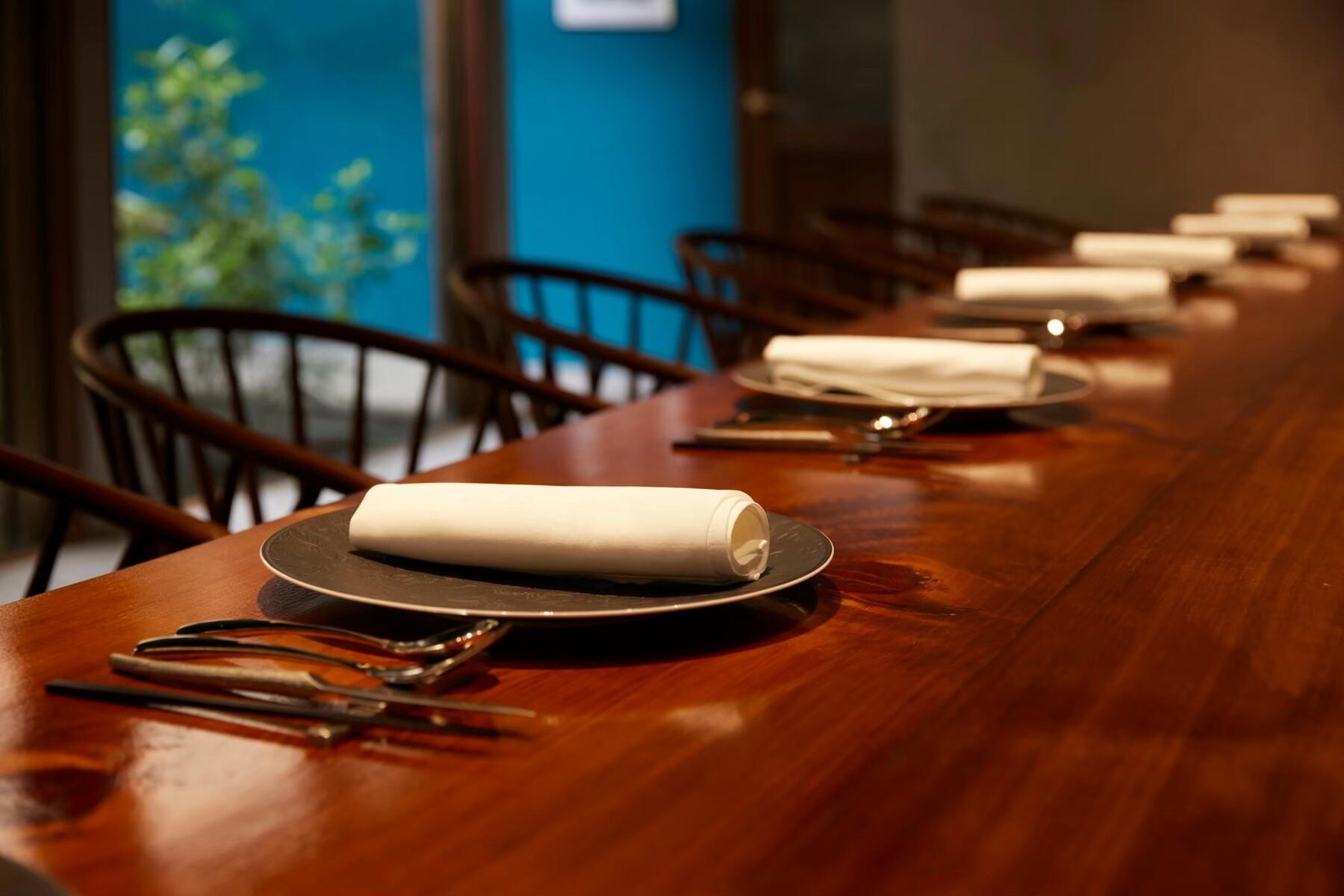
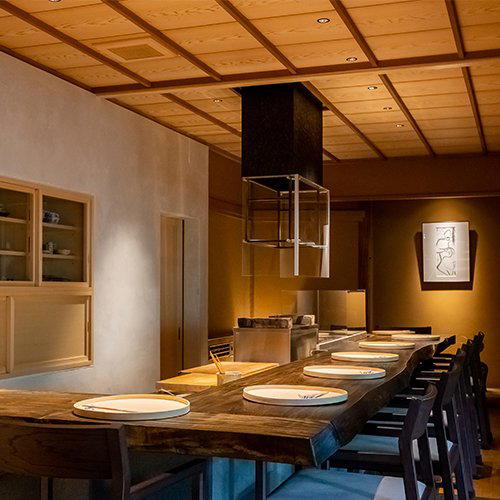
A small, quietly understated shop with a timber‑clad, windowless façade that feels like a hidden French‑influenced ramen atelier; inside, the mood is calm and focused on the bowl rather than decor, more daytime lunch spot than evening hangout.