Our verdict
Bistrot du Breuil sits on Rue du Breuil in Réhon, a small commune in the Meurthe-et-Moselle department of Lorraine where the cooking tradition draws on the agricultural produce and cross-border influences of the Franco-Luxembourg borderlands. In a region where bistrot culture still means something specific, this address represents the neighbourhood restaurant format at its most grounded.

Pearl is the En Primeur Club membership app, where members save venues, book tables and use the concierge.
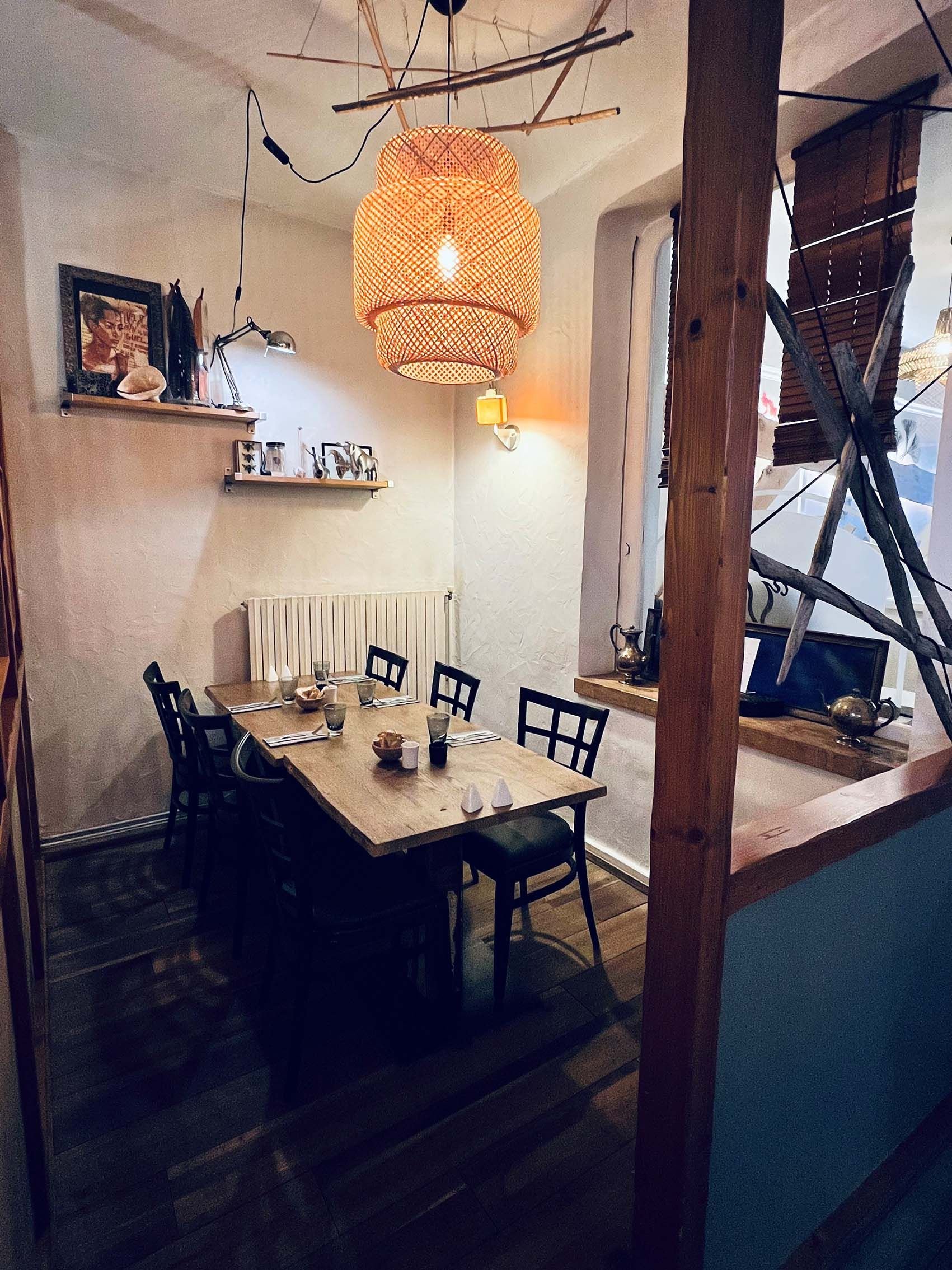
Where Lorraine's Border Country Puts Food on the Table
Réhon occupies a quiet fold of the Meurthe-et-Moselle, a few kilometres from the Luxembourg border in a part of France that most international visitors pass through rather than stop in. That geography has shaped the cooking of this region for generations. The borderlands between Lorraine, Luxembourg, and the Saarland created an agricultural corridor where cattle farming, river fish, and forest-edge foraging all fed a distinctly northern French table, one less celebrated than Alsace to the east or Burgundy to the south, but no less rooted in its own logic of seasonality and place.
Bistrot du Breuil, addressed at 6 Rue du Breuil, sits in that context. The bistrot format in provincial France has a specific weight to it: not the reinvented neo-bistrot of Paris arrondissements, not the destination restaurant with a tasting menu and a waiting list, but the neighbourhood room that anchors itself in what the surrounding countryside and its producers actually deliver week by week. This is the format that sustained French provincial cooking through decades of modernisation, and in towns like Réhon it carries on largely unchanged.
The Logic of Lorraine Sourcing
The ingredient story in this corner of France is worth understanding before you arrive. Lorraine's culinary identity rests on a set of agricultural facts: mirabelle plums from the orchards around Nancy and Metz, quiche lorraine as a working document of the region's egg-and-cream dairy tradition, freshwater fish from the Moselle and its tributaries, and a strong charcuterie culture tied to the pig farming of the plateau. These are not marketing claims, they are the outputs of a specific climate and land use pattern that persists because the economics of small-scale farming still hold here in ways they no longer do in more urbanised regions.
For a bistrot operating close to that supply chain, sourcing is less a philosophy than a practical arrangement. Proximity to Luxembourg also introduces a northern European influence into the pantry: cured meats, potato-forward side dishes, and a tolerance for heavier preparations that mark this area as distinct from the lighter, more herb-led cooking of the Loire or Provence. The cross-border character of the Meurthe-et-Moselle is a real culinary variable, not a piece of regional colour.
France's broader fine-dining institutions, from Mirazur in Menton to Alléno Paris au Pavillon Ledoyen, have spent years constructing sourcing narratives around named producers and seasonal specificity. The bistrot tradition achieves something similar through a simpler mechanism: the kitchen is small, the supply routes are short, and the menu changes because the market changes, not because a chef has decided to build a tasting course around it.
The Bistrot as a Regional Format
The French bistrot outside the capital occupies a different register than its Parisian counterpart. In Île-de-France, the bistrot has been reimagined by successive generations of trained chefs looking for a lower-pressure format. In provincial towns, it never needed reimagining. The bistrot in a place like Réhon functions as infrastructure: it feeds the people who live there, absorbs family lunches and post-market meals, and prices itself against local purchasing power rather than against a competitive fine-dining tier.
That model does not produce the kind of credential trail that distinguishes, say, Flocons de Sel in Megève or Bras in Laguiole. There are no Michelin stars in play, no ranked positions on national lists. What it does produce is a fidelity to the immediate locality that most destination restaurants, by necessity, cannot match. Auberge de l'Ill in Illhaeusern and Les Prés d'Eugénie in Eugénie-les-Bains earn their reputations partly through longevity and lineage; the provincial bistrot earns its place simply by being present and consistent across the calendar.
The broader French institutional landscape, from Paul Bocuse's Auberge du Pont de Collonges to Maison Lameloise in Chagny, defines what French restaurant ambition looks like at its most formalised. Bistrot du Breuil operates at the opposite end of that spectrum, which is not a lesser position, it is a different one, governed by different criteria.
Réhon and the Meurthe-et-Moselle Table
Réhon itself is a commune of modest scale in the arrondissement of Briey. The industrial history of the region, tied to iron and steel production in the Fensch and Alzette valleys, has receded, but the working-town character of the Meurthe-et-Moselle persists. Restaurants here serve a local population rather than a tourist circuit, which shapes everything from service register to menu pricing to the pace of a midday meal.
For travellers routing between Luxembourg City and Nancy, or crossing into France from the Moselle Grand Duchy, towns like Réhon represent the practical French table rather than the curated one. That has its own value. The cooking in this region rewards the reader who approaches it with an interest in what northern Lorraine actually grows and produces, rather than what the regional tourism board would like it to produce. Mirabelle plums appear in desserts and spirits from late summer. Quiche and tarte flambée (the latter borrowed from Alsace but common in border areas) make regular appearances. Pork and veal preparations reflect the farming base of the plateau.
For context on how French regional cooking at the highest level interprets similar terroir traditions, see Auberge du Vieux Puits in Fontjoncouse or Georges Blanc in Vonnas, both of which demonstrate how deeply rooted ingredient sourcing can drive a kitchen's identity across decades. The comparison is instructive rather than competitive.
Planning a Visit
Réhon is accessible by road from Longwy, approximately 10 kilometres to the northwest, and from Luxembourg City, roughly 30 kilometres to the northeast via the A31 motorway. The town is not served by a major rail hub; visitors arriving by train will typically route through Longwy or Thionville. The bistrot format in French provincial towns typically observes traditional service hours, with lunch service the primary meal period and evening service dependent on the day of the week. Confirming hours in advance is advisable, particularly outside the main working week.
For a fuller view of what Réhon's dining options look like in aggregate, our full Rehon restaurants guide covers the area in more depth. Those planning a longer itinerary through the north of France may also find value in the contrast offered by Le 1947 à Cheval Blanc in Courchevel, L'Oustau de Baumanière in Les Baux, or, further afield, La Table du Castellet and La Vague d'Or in Saint-Tropez, each of which situates French cooking in a different regional and institutional frame. For reference points outside France entirely, Le Bernardin in New York City, Lazy Bear in San Francisco, and Troisgros in Ouches each offer a useful counterpoint to the bistrot tradition and the values it represents.
Frequently asked questions
Is Bistrot du Breuil child-friendly?
French bistrots in small communes like Réhon typically run at a pace and noise level that accommodates families more comfortably than formal restaurants. At 6 Rue du Breuil, the bistrot format historically means shared tables and a relaxed rhythm.
What's the vibe at Bistrot du Breuil?
Réhon is a modest commune in the Meurthe-et-Moselle with an industrial past, and a bistrot at this address reads more as a neighbourhood anchor than a destination dining room. The bistrot format outside Paris tends toward straightforward lunch service, local regulars, and regional produce rather than chef-driven theatre. Expect a working-room atmosphere rooted in Lorraine's border-country character.
Is Bistrot du Breuil a good option for visitors driving from Luxembourg City?
Réhon sits roughly 30 kilometres south of Luxembourg City, making Bistrot du Breuil at 6 Rue du Breuil a plausible stop on a cross-border day route into Meurthe-et-Moselle. The commune is also within 10 kilometres of Longwy to the northwest, so the bistrot functions as a regional waypoint rather than a standalone destination requiring significant detour. Road access is the primary way in; no rail connection to Réhon is noted.
What dish is Bistrot du Breuil famous for?
No specific signature dish is documented for Bistrot du Breuil. Lorraine's culinary tradition in this part of Meurthe-et-Moselle draws on quiche Lorraine, mirabelle preparations, and cross-border influences from nearby Luxembourg, which gives regional bistrots a recognisable larder to work with. What appears on the plate at any given service would require direct confirmation from the kitchen.
Where is Bistrot du Breuil located?
Bistrot du Breuil is located at 6 Rue du Breuil, 54430 Réhon, France, Rehon.
In Context: Similar Options
| Venue | Cuisine | Price | Awards | Notes |
|---|---|---|---|---|
| Bistrot du BreuilThis venue (the venue you are viewing) | Modern French Bistro | $10–20 | Not listed | Not listed |
| Mirazur | Modern French Fine Dining | $300–500 | 3 Michelin Stars · World's 50 Best #1 | Modern French, Creative |
| Alléno Paris au Pavillon Ledoyen | Modern French Fine Dining | $150–200 | 3 Michelin Stars · World's 50 Best #79 | Creative |
| Kei | Modern French with Japanese Influences | $300–500 | 3 Michelin Stars · World's 50 Best #93 | Contemporary French, Modern Cuisine |
| L'Ambroisie | Classic French Haute Cuisine | $300–500 | 2 Michelin Stars · World's 50 Best #23 | French, Classic Cuisine |
| Le Cinq - Four Seasons Hôtel George V | Modern French Fine Dining | $300–500 | 3 Michelin Stars · World's 50 Best #24 | French, Modern Cuisine |
Continue exploring
More in Rehon
Restaurants in Rehon
All restaurants in Rehon →
Bars in Rehon
Browse all →
Details
- Cozy
- Rustic
- Intimate
- Family
- Business Dinner
- Casual Hangout
- Standalone
- Local Sourcing
- A La Carte
- Vegetarian Friendly
- Vegan Options
Current opening hours
- Monday
- Closed
- Tuesday
- Closed
- Wednesday
- 12–1:30 PM, 7–9 PM
- Thursday
- 12–1:30 PM, 7–9 PM
- Friday
- 12–1:30 PM, 7–9 PM
- Saturday
- 12–1 PM, 7–9 PM
- Sunday
- 12–1 PM
Hours can change for holidays and private events. Hours as of .
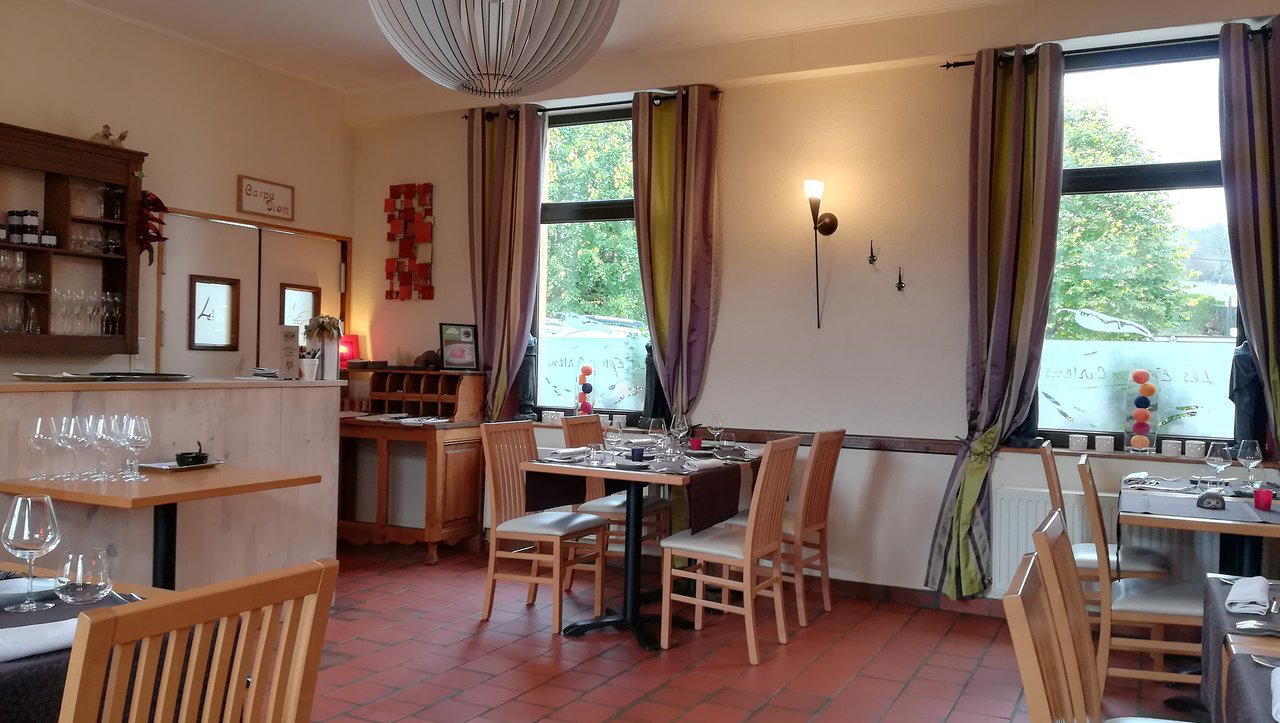
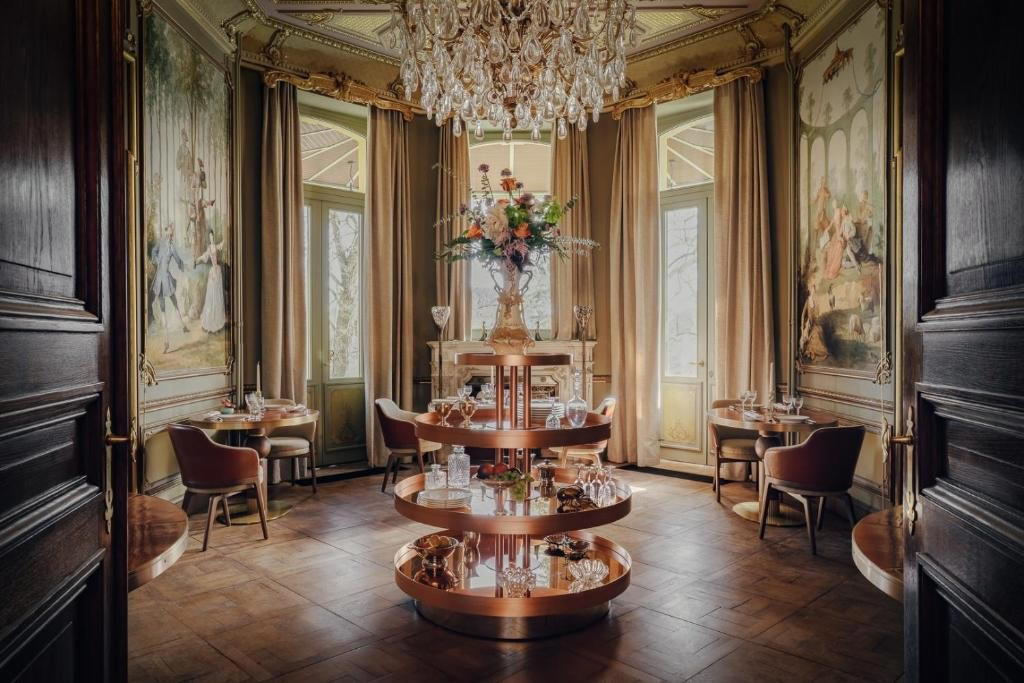
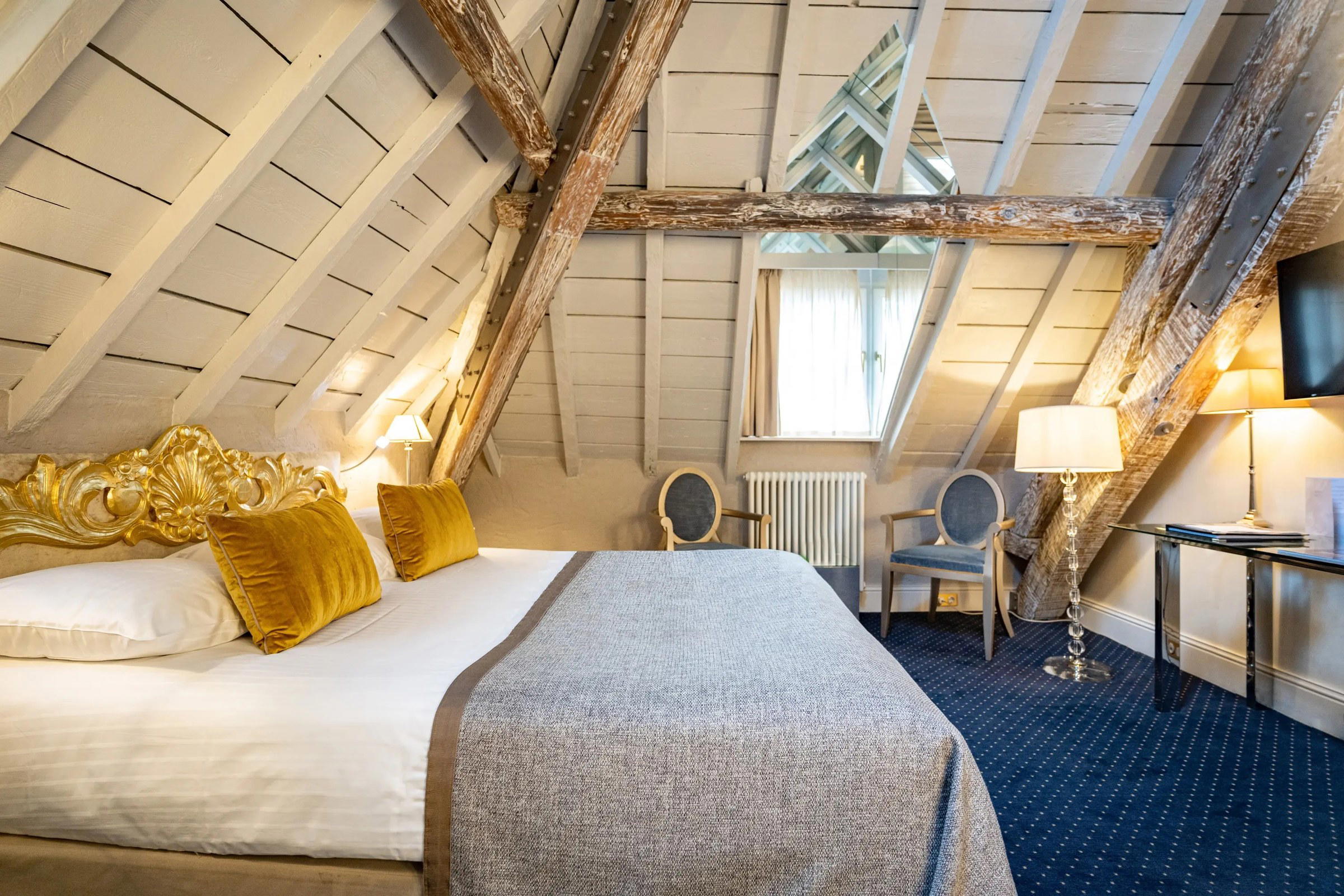
Cozy and refined ambiance with warm, family-friendly atmosphere in an atypical setting.