Bistrot du Boeuf Rouge


A Michelin Plate-recognised brasserie on Rue Docteur-Alfred-Vincent, Bistrot du Boeuf Rouge brings old-style Parisian dining to Geneva's hotel quarter, sitting midway between the Cornavin train station and the lake. It occupies a distinct position in the city's mid-range dining scene: a place that values ritual over reinvention, where the format is the philosophy.
Pearl is the En Primeur Club membership app — saves, bookings, and concierge access live there. Same editors, same standards.
- Address
- Rue Docteur-Alfred-Vincent 17, 1201 Genève, Switzerland
- Phone
- +41 22 732 75 37
- Website
- boeufrouge.ch
- Directions
- Get directions
 Saves & bookings on Pearl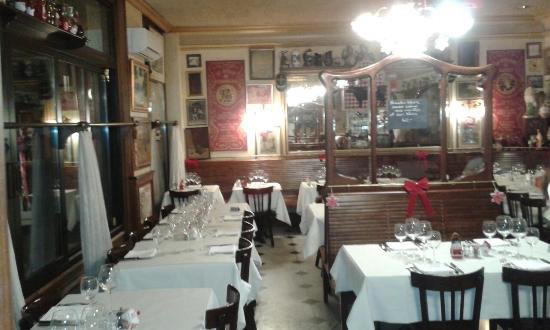
A Brasserie Format That Geneva Has Made Its Own
Between Geneva's Cornavin rail hub and the lakefront, the streets running through the hotel district rarely reward slow walking. The area is functional by design: transit hotels, exchange offices, a density of arriving and departing guests. Yet it is precisely here, on Rue Docteur-Alfred-Vincent, that one of the city's more deliberately traditional dining rooms operates. Bistrot du Boeuf Rouge occupies the architectural and cultural register of a classic Parisian brasserie: banquette seating, a room that rewards observation, and a rhythm of service calibrated to a full, unhurried meal rather than a quick plate between meetings.
That format matters more than it might seem. Geneva sits at a culinary crossroads where French technique, Swiss precision, and an exceptionally international dining population shape the dining scene. The city's top tier, venues like L'Atelier Robuchon, holding two Michelin stars, and Il Lago, with one, operate at the furthest edge of that ambition. Bistrot du Boeuf Rouge argues from a different position entirely: that some formats survive not by reinventing themselves but by executing their original premise with consistency. A Michelin Plate recognition in both 2024 and 2025 signals consistency.
The Ritual of the Meal, Not the Architecture of a Menu
What the brasserie format does, structurally, is impose a particular kind of discipline on both kitchen and guest. There is a correct order to things: aperitif, starter, plat principal, a cheese course, dessert, coffee. The meal has a grammar. In an era when tasting menus increasingly dissolve the line between food and performance, a brasserie that honours its own tradition asks the diner to slow down and submit to a different kind of structure, one that feels inherited rather than engineered.
This pacing is the point. The traditional French brasserie evolved as a civic institution, a place where business, pleasure, and the simple act of eating a proper meal occupied the same space without hierarchy. Its interior conventions, mirrors, closely set tables, white-aproned service, exist to facilitate a specific social contract: that a table, once sat, belongs to the guest for the duration of the meal. Geneva, with its long-established French cultural gravitational pull, has always had room for this model, and the neighbourhood around Cornavin provides a steady, mixed clientele that sustains it.
For comparison within Geneva's mid-price bracket, venues like L'Aparté and La Micheline work in Modern French and Mediterranean registers respectively, each with a more contemporary editorial voice in the kitchen. Arakel offers Modern Cuisine at the same price point with a different set of ambitions.
Traditional Cuisine in the Swiss Context
Bistrot du Boeuf Rouge is classified as Traditional Lyonnaise Bistro. At one end, it can mean regional cooking rooted in Alpine ingredients and technique. At the other, it describes the French classical tradition applied with rigour and without flourish. The restaurant aligns clearly with the latter, and the Parisian brasserie reference embedded in descriptions of the room confirms it: this is a French house, operating in Geneva, making no apologies for the source material.
Switzerland's broader fine dining architecture trends toward intensity. Hotel de Ville Crissier in Crissier, Schloss Schauenstein in Fürstenau, and Cheval Blanc by Peter Knogl in Basel each represent a mode of Swiss fine dining that requires significant planning, early reservations, appropriate occasion, extended time. Memories in Bad Ragaz and 7132 Silver in Vals operate in similarly rarefied territory. Within Geneva itself, the starred tables ask for comparable commitment. The brasserie format, priced at the €€ tier, offers something structurally different: a complete, properly paced traditional meal without the occasion overhead.
Internationally, the traditional brasserie model finds close parallels in a small set of regionally-anchored restaurants. Auberge Grand'Maison in Mûr-de-Bretagne and Auga in Gijón each represent the kind of rooted, place-specific traditional cooking that rejects trend as a matter of principle. The family resemblance is one of attitude as much as technique.
Planning a Visit: Location, Booking, and the Right Expectations
The address at Rue Docteur-Alfred-Vincent 17 places the restaurant within walking distance of Gare de Cornavin, Geneva's main rail station, making it accessible from most parts of the city as well as for guests arriving by train from across Switzerland or from France via the TGV connection. The surrounding hotel concentration means the room serves a genuinely mixed crowd: residents who treat it as a neighbourhood institution alongside travellers who discover it through proximity.
At the €€ price tier, the restaurant sits comfortably within reach for a midweek dinner or a weekend lunch, without the financial and temporal commitment that Geneva's starred tables require. The Michelin Plate recognition across two consecutive years provides a quality signal that justifies the trip without overpromising on what a brasserie should deliver. A Plate, in Michelin's current framework, indicates a kitchen preparing food to a sound standard, it is an assurance rather than a destination marker, and that framing suits the format exactly.
Reservation is essential. The hotel quarter's foot traffic ensures the room fills reliably during peak hours.
For those building a broader Geneva itinerary, the city's restaurants guide maps dining options from brasserie through to starred contemporary. For Swiss dining beyond the city, Colonnade in Lucerne offers another reference point in the country's broader mid-tier dining conversation.
Category Peers
Comparable venues nearby, for context on price, style, and recognition.
| Venue | Cuisine | Price | Awards | Notes |
|---|---|---|---|---|
| Bistrot du Boeuf RougeThis venue — the venue you are viewing | Traditional Lyonnaise Bistro | $$$ | Michelin Plate | Not listed |
| Vieux-Bois | Modern French Bistro | $$$ | Michelin Plate | Varembe |
| La Cantine des Commerçants | French Neo-Bistro with Basque Influences | $$$ | Michelin Plate | Les Delices |
| Café des Banques | Modern French Bistro | $$$ | Michelin Plate | Saint-Gervais |
| L'Agape | Modern French Bistronomic | $$$ | Bib Gourmand | La Cluse |
| Le Bologne | French Bistro | $$$$ | Bib Gourmand | Mont-Blanc |
Recognition history
Dated appearances from independent guides and award organizations, with the underlying list record or original source where available.
Star Wine List
Star Wine List
Michelin Plate
Michelin
Michelin Plate
Michelin
Continue exploring
More in Geneva
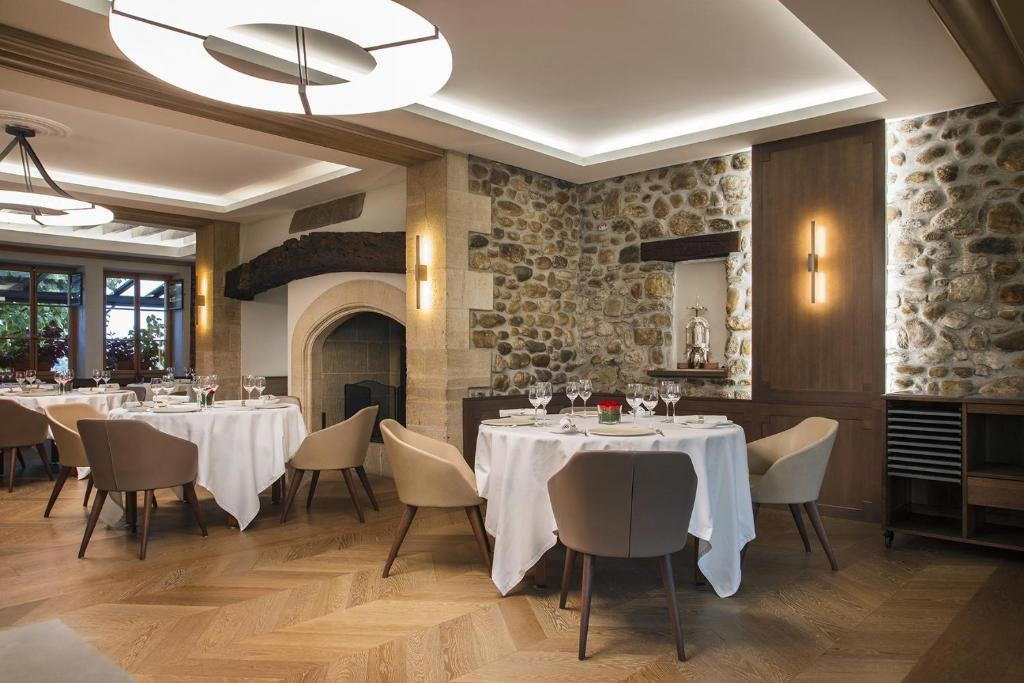
Restaurants in Geneva
Browse all →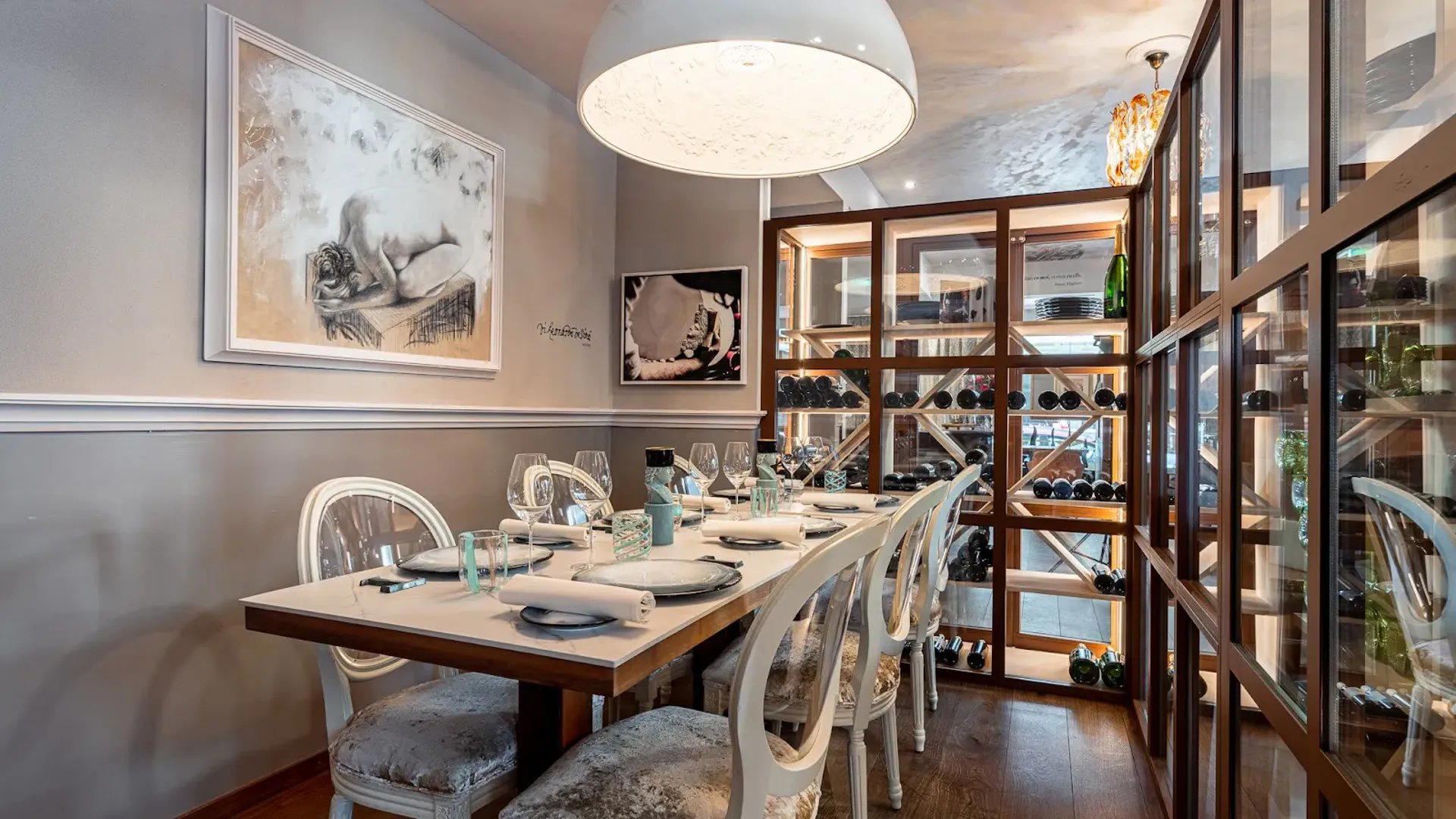
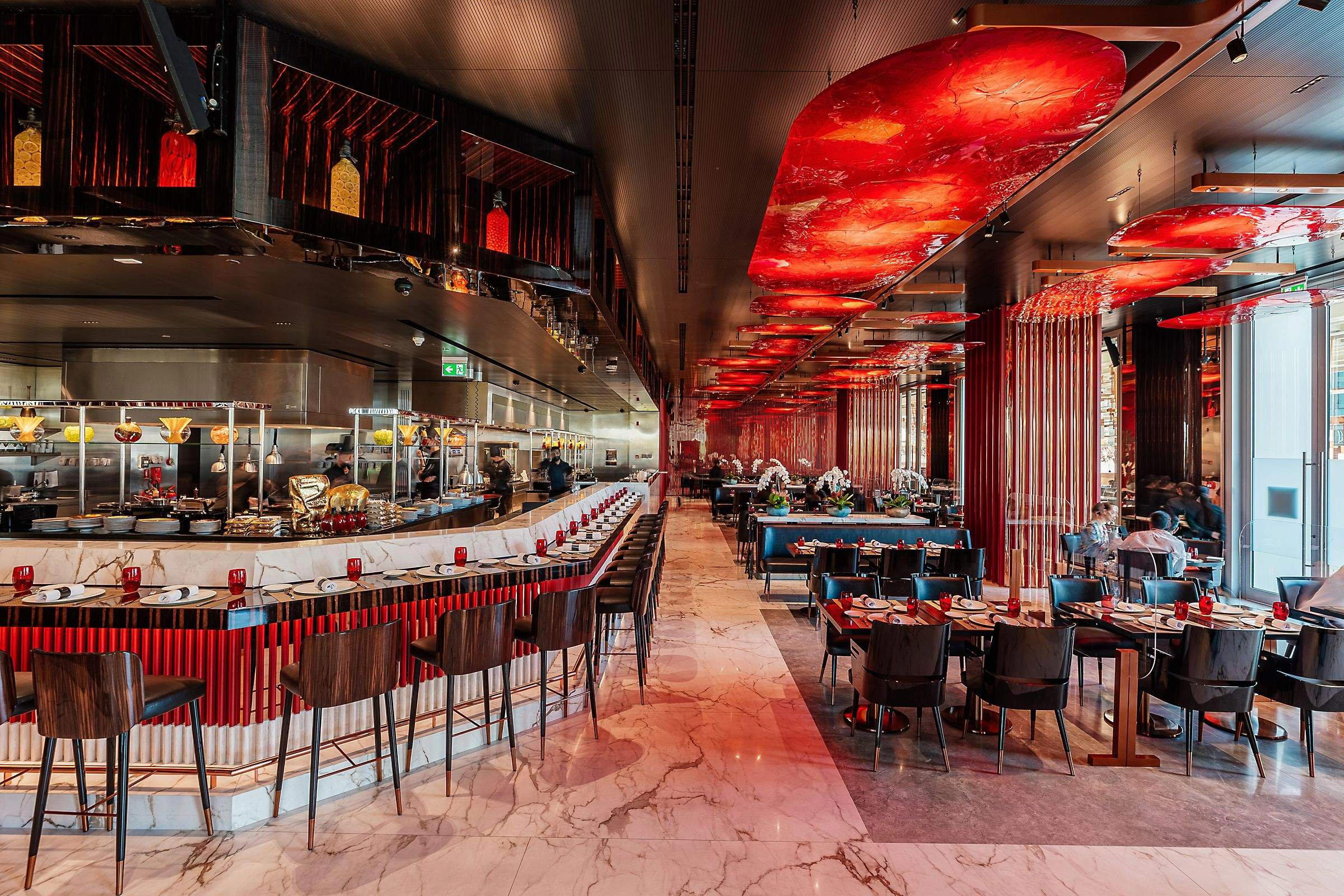
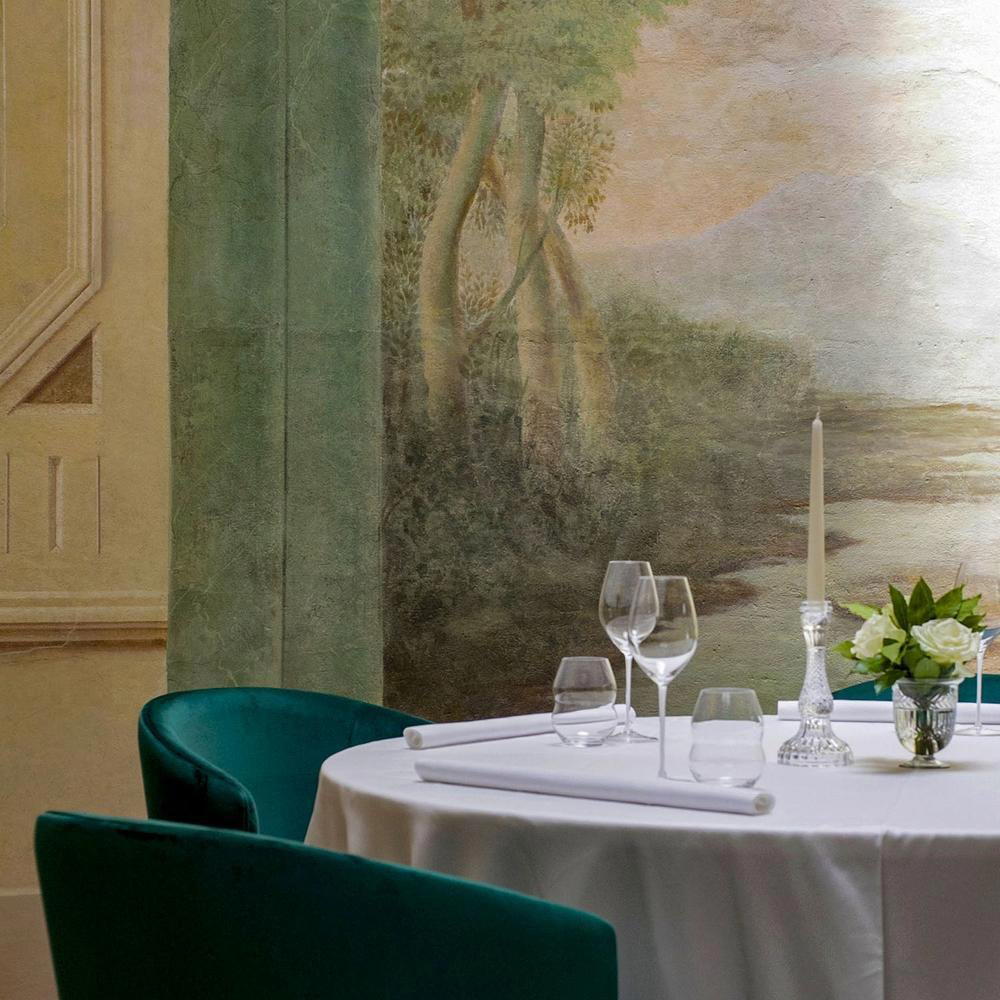
Bars in Geneva
Browse all →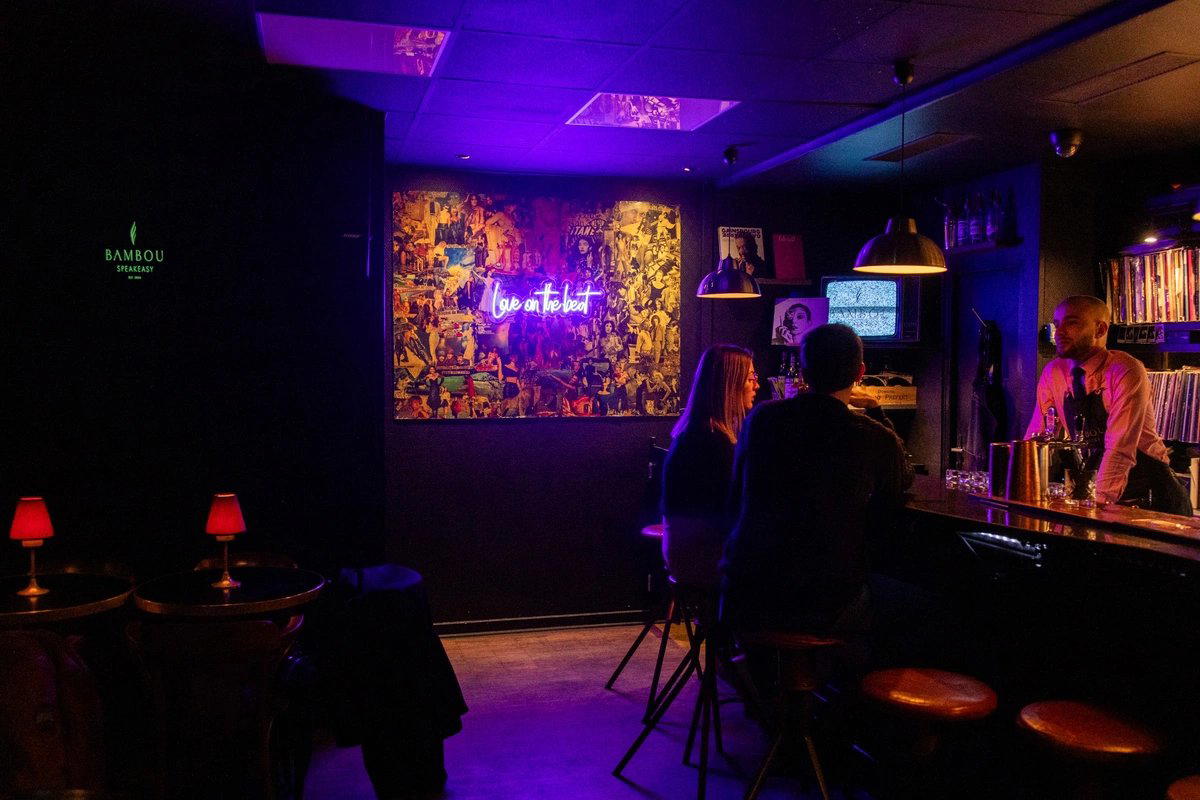
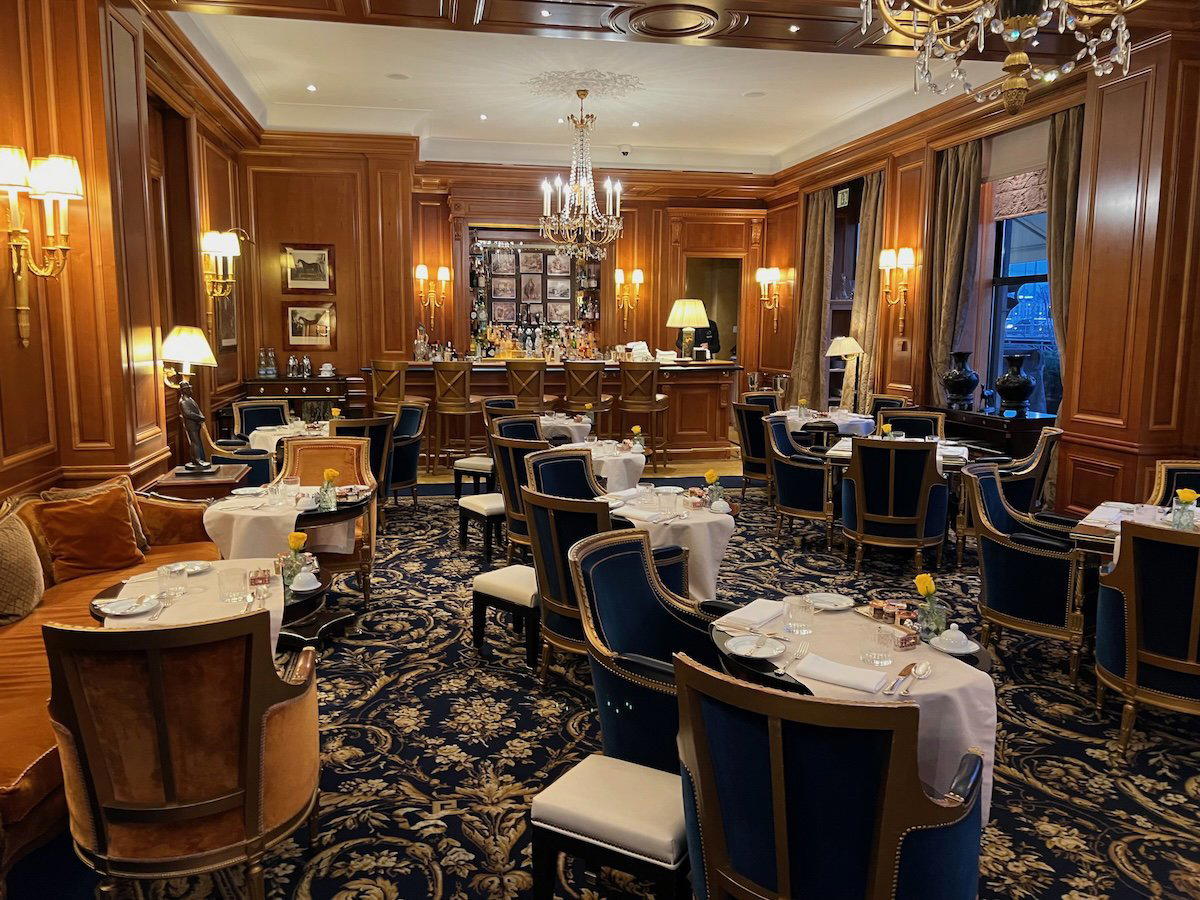
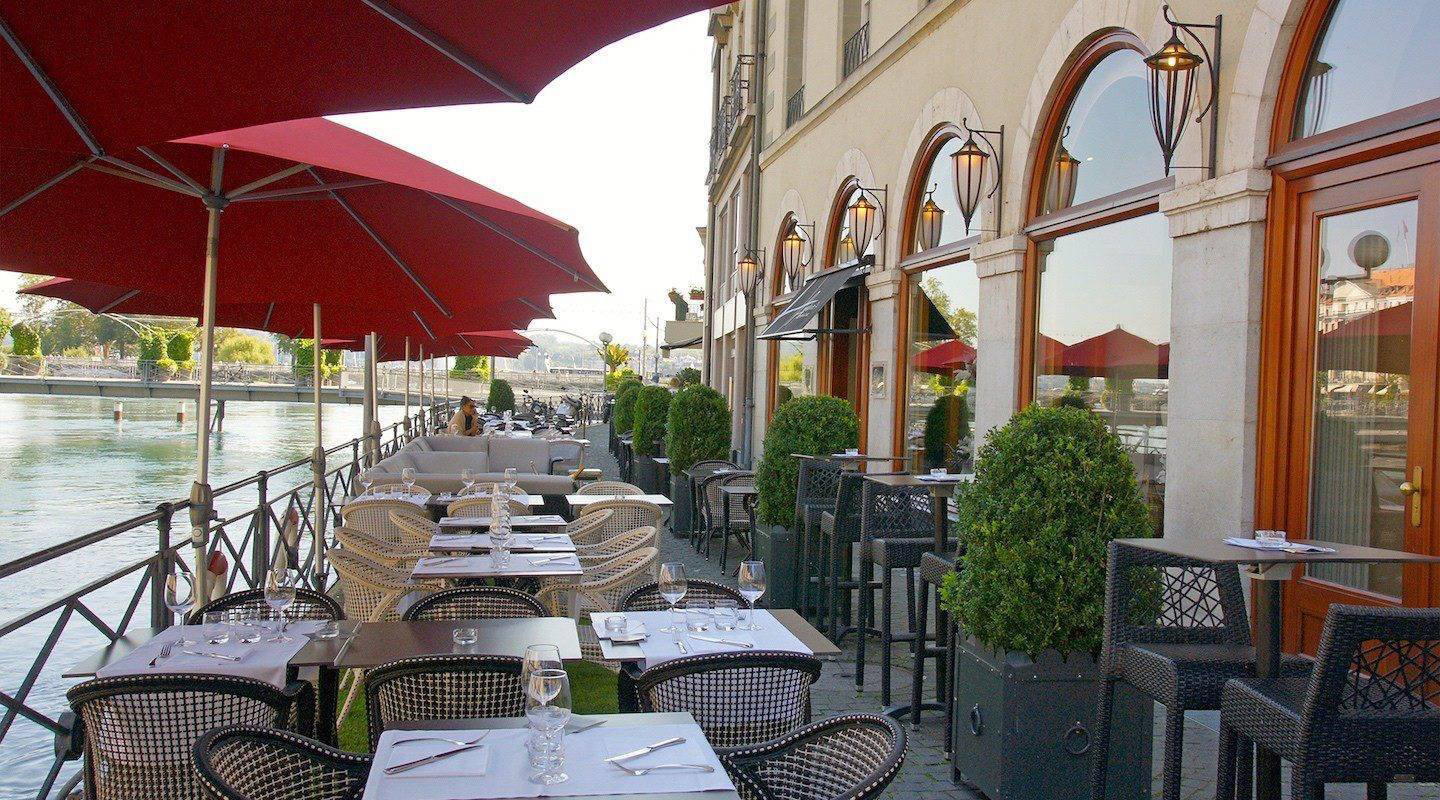
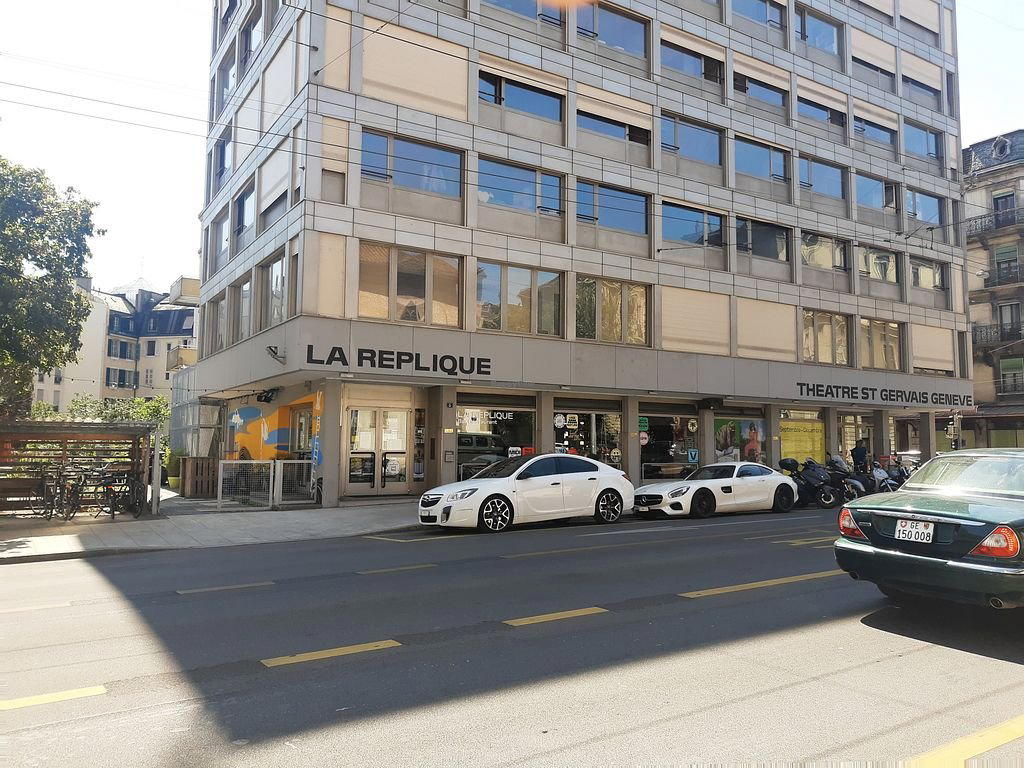
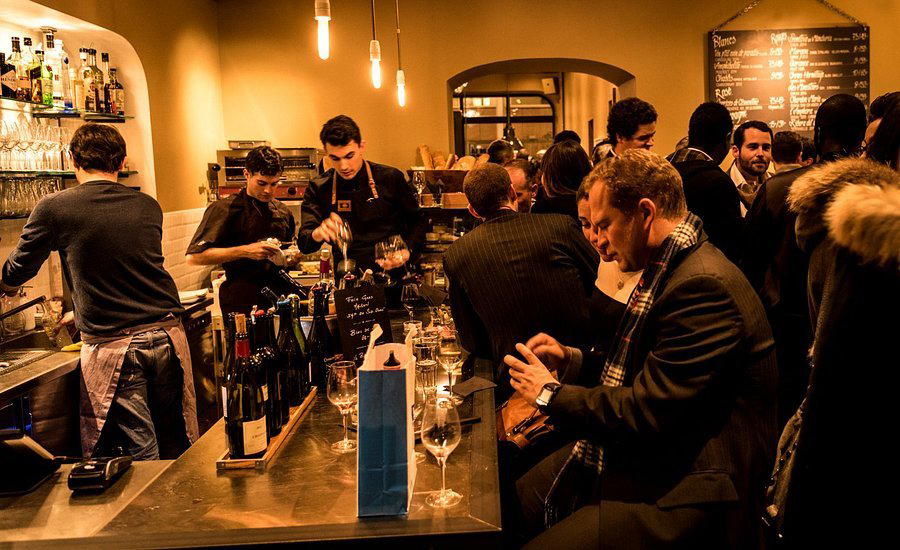
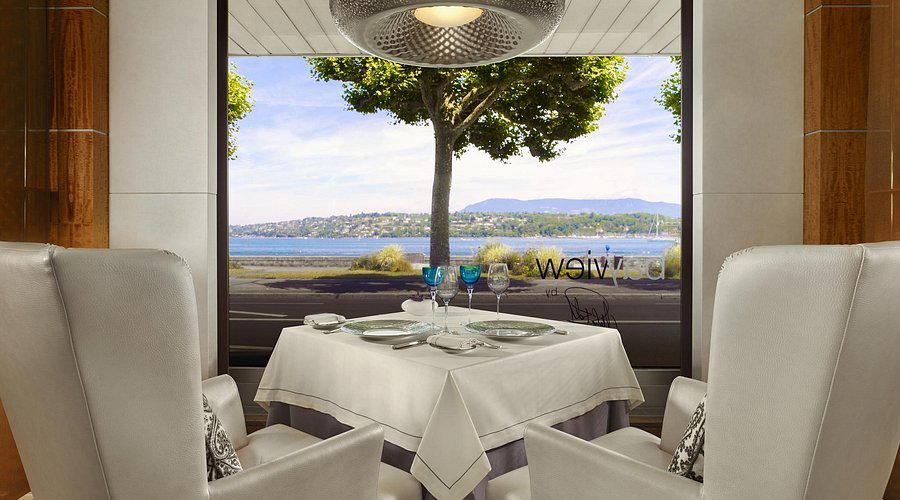
Hotels in Geneva
Browse all →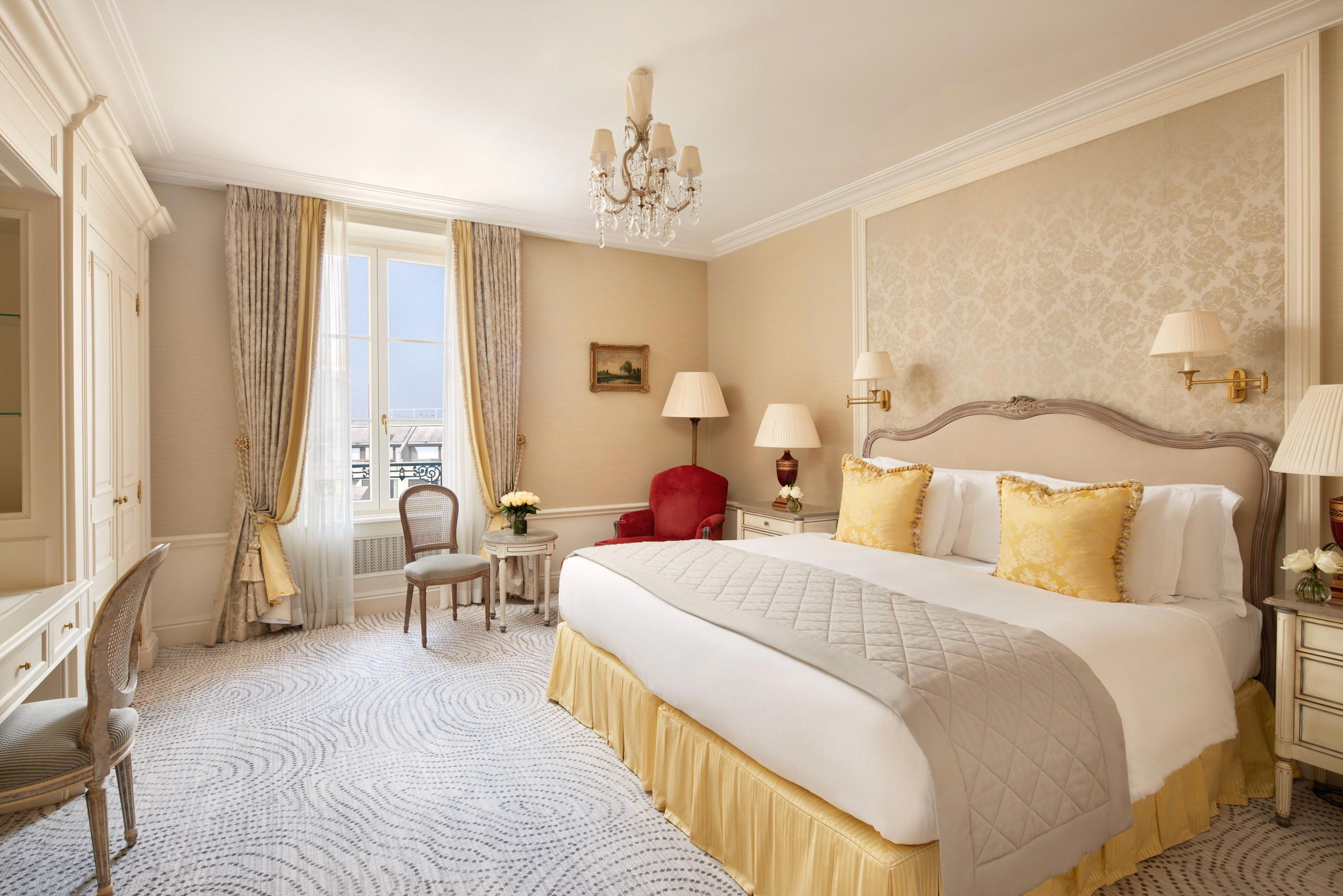

At a Glance
- Cozy
- Classic
- Rustic
- Intimate
- Business Dinner
- Date Night
- Special Occasion
- Historic Building
- Extensive Wine List
Current opening hours
- Monday
- 11:45 AM–3:15 PM, 6:45–11:30 PM
- Tuesday
- 11:45 AM–3:15 PM, 6:45–11:30 PM
- Wednesday
- 11:45 AM–3:15 PM, 6:45–11:30 PM
- Thursday
- 11:45 AM–3:15 PM, 6:45–11:30 PM
- Friday
- 11:45 AM–3:15 PM, 6:45–11:30 PM
- Saturday
- Closed
- Sunday
- Closed
Hours can change for holidays and private events. Last verified .
Jovial and cosy atmosphere with attractive old-fashioned decor, professional yet friendly service, and no pretension.