Biriyani Kabob House

LA Times 101 Best Restaurants #70
Our verdict
Biriyani Kabob House on Koreatown's West 3rd Street has built a steady following for Hyderabadi-style lamb biryani and halal Pakistani and Indian cooking in a neighborhood better known for Korean BBQ and late-night pojangmacha. Family-owned and focused on traditional methods, it represents a slice of the subcontinent's cooking traditions transplanted into one of Los Angeles's most culinarily layered districts.

Pearl is the En Primeur Club membership app — saves, bookings, and concierge access live there. Same editors, same standards.
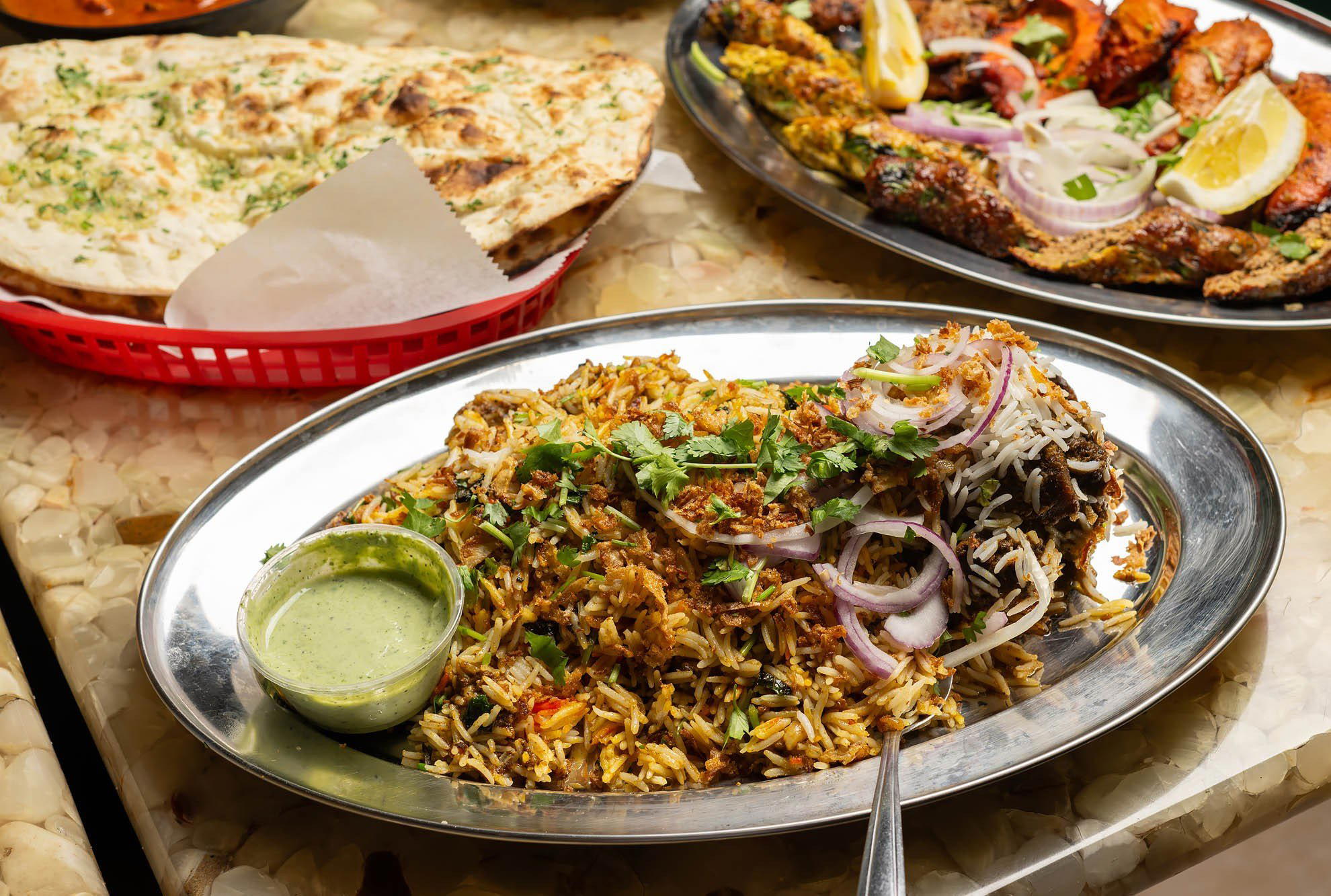
The menu
What to order
- Hyderabadi Lamb Biriyani
- Lamb Shank Curry
- Chicken Karahi
Where Koreatown's Culinary Overlap Gets Interesting
Los Angeles's dining map has never respected ethnic boundaries, and Koreatown is the clearest proof of that. The neighborhood's concentration of Korean restaurants is well-documented, but the district has long absorbed waves of South Asian, Central American, and Middle Eastern cooking alongside it. West 3rd Street, where Biriyani Kabob House occupies its storefront at 3525, sits in that overlap zone — a stretch where a single block can contain Korean tofu stew, a halal butcher, and a Salvadoran pupuseria. For the Pakistani and Indian diaspora communities that have established themselves in this part of Los Angeles, the address makes practical sense. For anyone else, it is an argument that Koreatown's food identity is considerably more layered than its name suggests.
The physical approach to Biriyani Kabob House is modest. There is no design statement, no ambient soundtrack curated for atmosphere. What you encounter instead is the kind of space built around function: getting Hyderabadi biryani and traditional halal cooking in front of people who know what they are there for. That directness has its own appeal in a city where dining concepts frequently carry as much visual weight as culinary substance.
The Tradition Behind the Biryani
Hyderabadi biryani occupies a specific and historically significant position within the broader biryani canon. The style traces its origins to the Nizamate of Hyderabad, where Persian, Mughal, and South Indian culinary influences converged over centuries. The defining technical characteristic is the dum method: raw or parboiled rice and marinated meat are layered in a sealed vessel and slow-cooked together, allowing the rice to absorb the fat, spice, and aromatics of the meat rather than being cooked separately and combined afterward. The result is a dish where the grain and protein are genuinely integrated rather than merely assembled.
What Biriyani Kabob House has become known for is its lamb biryani prepared in this tradition. In the context of Los Angeles's halal South Asian dining scene, which spans a wide range of quality and authenticity, the restaurant has accumulated a reputation for approaching the dish with the appropriate patience. The lamb biryani here draws the kind of repeat visitors who are comparing it against a mental reference for the style rather than encountering it fresh — a reliable indicator of how the kitchen calibrates its work.
Alongside the biryani, the menu includes haleem, the slow-cooked meat and lentil porridge that is especially associated with Hyderabadi and broader South Asian Muslim culinary tradition, and hariyali chicken, prepared with a green herb marinade. These are not supplementary items designed to broaden appeal. They are core dishes within a coherent regional cooking tradition, and their presence alongside the biryani signals a menu built around category depth rather than breadth.
A Family Operation in a City of Large Restaurant Groups
Los Angeles's restaurant industry has consolidated significantly over the past decade. The city's most visible dining addresses increasingly belong to multi-unit operators, hospitality groups, or chef-driven concepts with financial backing that supports design investment, PR, and media coverage. Against that backdrop, family-owned single-location restaurants occupy a different structural position entirely. They do not scale by design, and their reputations tend to build through community word-of-mouth and repeat patronage rather than editorial cycles.
This is not a recent phenomenon for South Asian halal dining in Los Angeles, but it is worth naming explicitly. The restaurant's continued presence on West 3rd Street reflects the kind of neighborhood-anchored loyalty that sustains independent operations in the city. For visitors to Los Angeles who spend their time at the Michelin-tracked end of the spectrum, at counters like Hayato, contemporary programs like Kato, or the ambitious tasting-menu formats tracked in our full Los Angeles restaurants guide, Biriyani Kabob House represents a genuinely different point on the city's dining range. The comparison is not competitive; it is categorical. The same city that produced Somni and Osteria Mozza also sustains this kind of focused, community-embedded operation, and both facts describe Los Angeles accurately.
The Evolution of Halal Dining in Los Angeles
The halal South Asian dining scene in Los Angeles has shifted meaningfully over the past fifteen years. Early establishments in neighborhoods like Little Pakistan on Vermont Avenue operated primarily as community infrastructure, serving a diaspora population with limited crossover interest from outside those communities. As Los Angeles's dining culture has broadened its reference points, and as younger South Asian Angelenos have become more vocal about the quality standards they expect from the cooking of their own heritage, the better halal restaurants have faced both higher expectations and a larger potential audience.
Biriyani Kabob House sits in that evolved context. Its focus on traditional preparation methods and authentic regional specificity, Hyderabadi rather than generic "Indian food", reflects a sharpening of identity that characterizes the better end of this category citywide. The emphasis on fresh ingredients and traditional cooking methods is not a marketing position; it is the baseline expectation of the customer base these kitchens serve.
For visitors arriving in Los Angeles from cities with their own established South Asian dining scenes, whether that is New York, Chicago, or internationally, the point of reference shifts accordingly. The question is not whether Los Angeles has South Asian halal cooking, but where within that spectrum the most committed kitchens are operating. Biriyani Kabob House has earned a position in that conversation through consistent execution of a specific regional tradition rather than through the kind of institutional recognition that attaches to restaurants like Le Bernardin in New York City or Alinea in Chicago.
Planning Your Visit
Biriyani Kabob House is located at 3525 W 3rd St in Koreatown, accessible by Metro or by car with street parking available in the surrounding blocks. The restaurant is family-owned and operates without the reservation infrastructure of larger dining operations, so arrival logistics are leading treated accordingly, earlier visits during service tend to be less pressured than peak weekend dinner hours. Hours and current contact details are not listed here, so confirming directly before visiting is the practical move. For broader orientation to the city's dining options across all price points, our full Los Angeles restaurants guide covers the range. If your visit extends to bars, accommodation, or experiences, our Los Angeles bars guide, hotels guide, and experiences guide provide additional coverage of the city.
Frequently asked questions
What dish is Biriyani Kabob House famous for?
What should I expect atmosphere-wise at Biriyani Kabob House?
Can I bring kids to Biriyani Kabob House?
Do they take walk-ins at Biriyani Kabob House?
Peers in This Market
Comparable venues nearby, for context on price, style, and recognition.
| Venue | Cuisine | Price | Awards | Notes |
|---|---|---|---|---|
| Biriyani Kabob HouseThis venue (the venue you are viewing) | Pakistani & Indian Biriyani and Curries | $10–20 | LA Times 101 Best Restaurants #70 | Not listed |
| Roots Indian Bistro | Modern Indian Fusion Bistro | $20–30 | Not listed | Melrose |
| Anarbagh | Traditional Indian | $20–30 | Not listed | Woodland Hills |
| Saby’s | Mexican Comfort Food | $10–20 | LA Taco Best Tacos in LA #60 | South Robertson |
| Birria Pa La Cruda | Birria Tacos | $10–20 | LA Taco Best Tacos in LA #46 | Boyle Heights |
| Balam Mexican Kitchen | Mexican Fusion Tacos | $10–20 | LA Taco Best Tacos in LA #52 | Lynwood |
Recognition history
Dated appearances from independent guides and award organizations, with the underlying list record or original source where available.
LA Times 101 Best Restaurants #70
LA Times
Continue exploring
More in Los Angeles
Restaurants in Los Angeles
All restaurants in Los Angeles →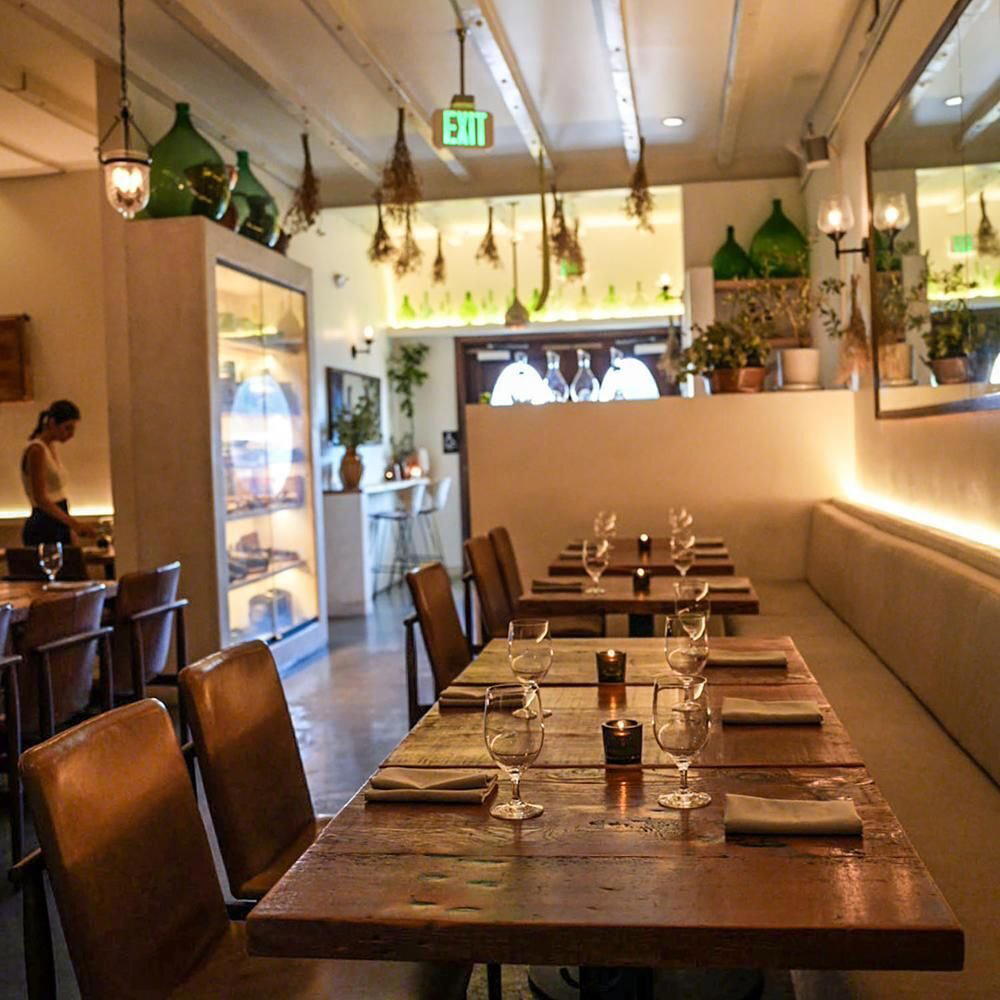
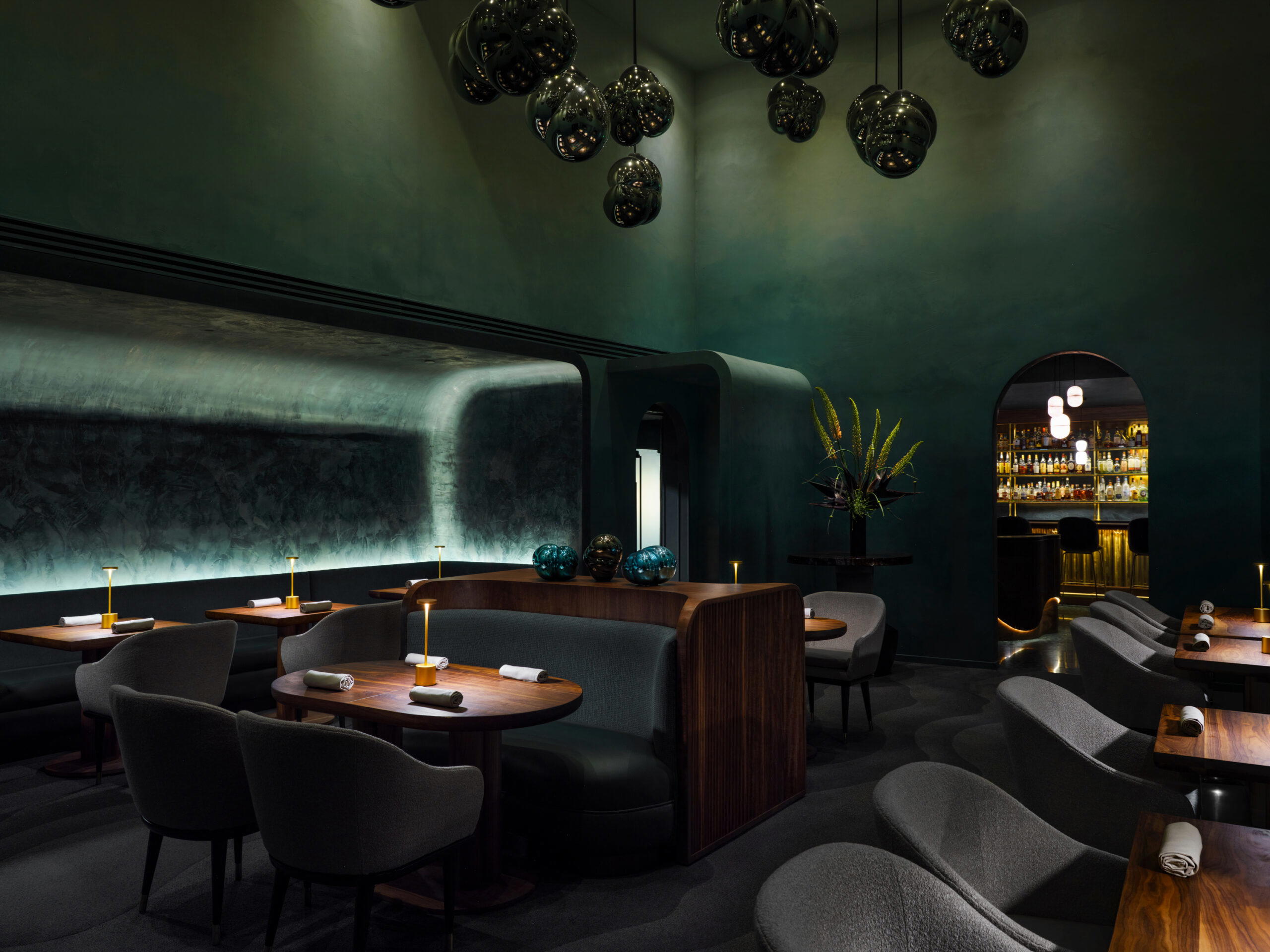
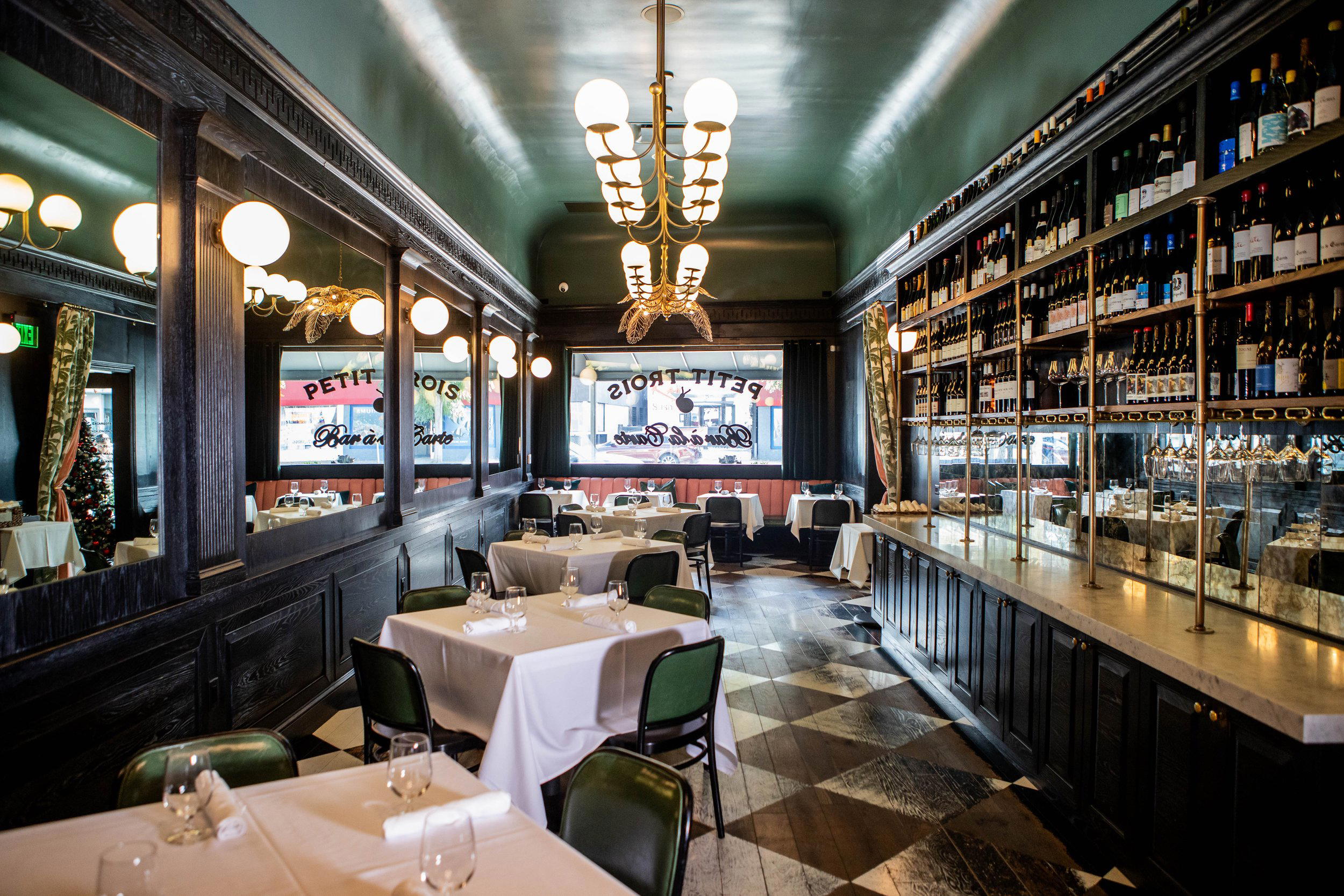
Bars in Los Angeles
All bars in Los Angeles →

Hotels in Los Angeles
All hotels in Los Angeles →

Wineries in Los Angeles
All wineries in Los Angeles →
Details
- Cozy
- Casual Hangout
- Family
- Standalone
- A La Carte
- Vegetarian Friendly
Current opening hours
- Monday
- 11 AM–11 PM
- Tuesday
- 11 AM–11 PM
- Wednesday
- 11 AM–11 PM
- Thursday
- 11 AM–11 PM
- Friday
- 11 AM–11 PM
- Saturday
- 11 AM–11 PM
- Sunday
- 11 AM–11 PM
Hours can change for holidays and private events. Last verified .
Casual, inviting hole-in-the-wall with friendly owner interaction and comfortable family-friend atmosphere.