Bio Kulinarium belongs to the quieter side of Tyrolean dining, where ingredient sourcing matters more than spectacle. In Obsteig, on the Mieming Plateau, the appeal is the agricultural setting: a restaurant context shaped by farms, forests, dairy, game, and the seasonal logic of the Alps rather than urban tasting-menu theatre.
Pearl is the En Primeur Club membership app — saves, bookings, and concierge access live there. Same editors, same standards.
- Address
- Holzleiten 84, 6416 Obsteig (main dining area)
- Directions
- Get directions
 Saves & bookings on Pearl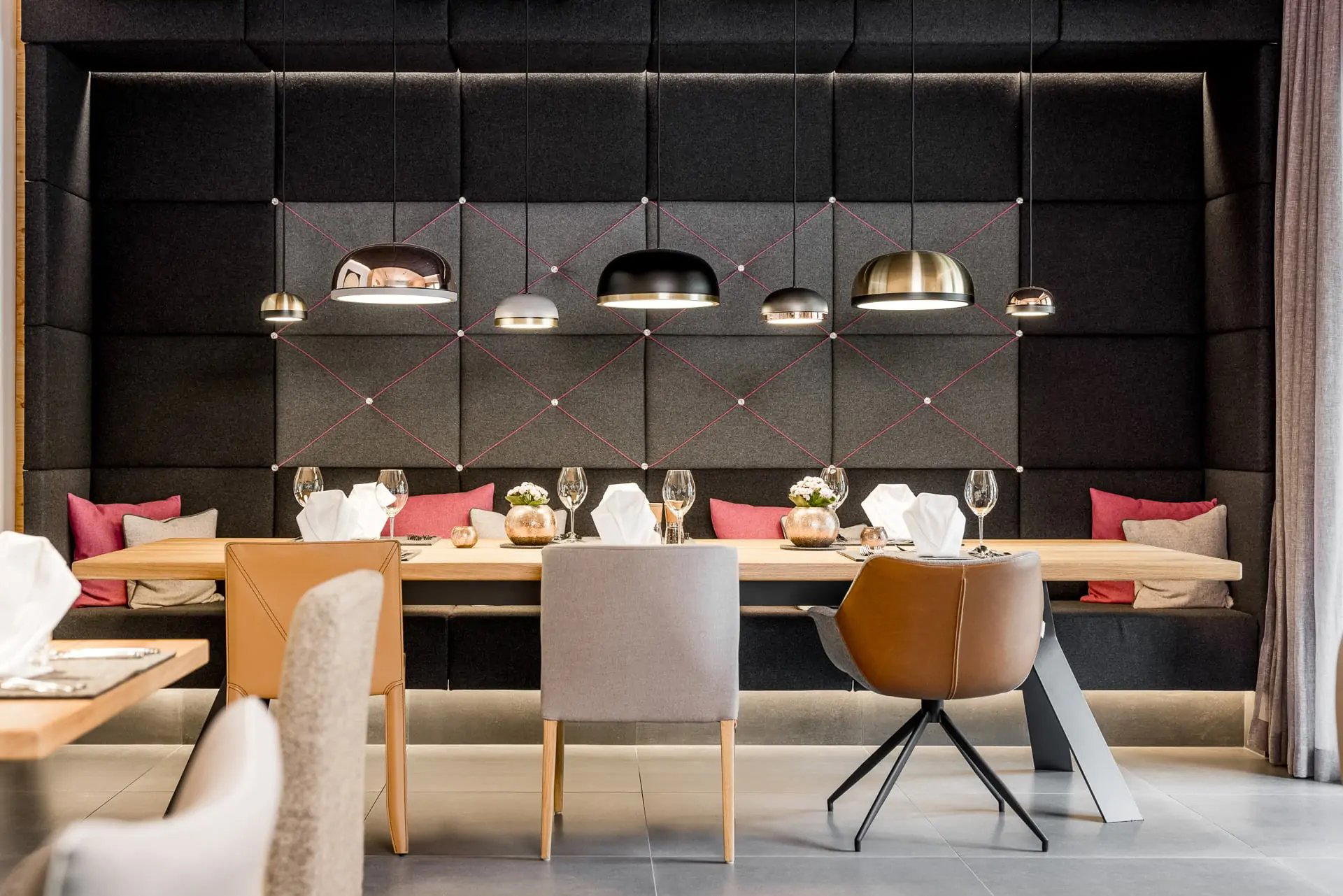
Approaching dining in Obsteig means leaving behind the usual Austrian city rhythm. The Obsteig setting works at a slower register: open pasture, forest edges, village roads, and the hard seasonal turn that defines cooking in this part of Tyrol. Bio Kulinarium fits that context because the point is not metropolitan novelty; it is the relationship between a kitchen and a rural supply chain. In alpine Austria, that can be more revealing than another polished room in a capital city.
Tyrolean food culture has always been tied to preservation, dairy, grains, herbs, and the economics of short growing seasons. The modern version is less about nostalgia than sourcing discipline. A rural restaurant can make a stronger argument for organic produce and regional buying than a city restaurant importing the same language for effect. The question for a diner is not whether the format is grand, but whether the plate feels accountable to its surroundings.
Organic sourcing carries more weight in Obsteig
The word “bio” has different force in Austria than it does in many travel markets. It is not merely a lifestyle label; it sits inside a national food culture with high organic literacy and a strong farm-to-table infrastructure. In Obsteig, that context matters. A kitchen working from this position is judged by restraint, seasonality, and how clearly it lets regional ingredients do the work.
That places Bio Kulinarium in a different conversation from Austria’s more urban dining rooms. City restaurants can support technical tasting menus and international luxury cues, while mountain and rural regions tend to reward clarity: vegetables that follow the season, dairy with a local signature, and produce chosen for proximity rather than novelty. For readers comparing Austrian dining beyond Tyrol, the contrast is useful: capital-city dining speaks to one register, while regional rooms show how Austrian hospitality changes when landscape, season, and local supply become the frame.
The comparison inside Tyrol is equally useful. Restaurant 141 by Joachim Jaud, Die Poscht, Schwarz Genusswelt, Greenvieh, and Schwarzfischer all point to the broader out-of-metro field around this part of Austria. Bio Kulinarium reads less as a prestige counter and more as a sourcing-led rural table, a category where credibility comes from fit with place rather than from visible ceremony.
A rural Austrian table rather than a city performance
Obsteig is not a dining district built for restaurant-hopping. It is a base for mountain days, hotel stays, road travel, and longer Tyrolean itineraries. That changes how a meal functions. In cities, dinner often competes with bars, galleries, and late-night options. Here, the meal is part of the day’s geography: where the ingredients come from, how the kitchen reads the season, and whether the setting matches the food’s scale.
For that reason, Bio Kulinarium is better understood through the ingredient economy of the region than through awards language. The restaurant sits in an Obsteig context where organic sourcing and alpine seasonality are the relevant markers. Diners expecting a long-form luxury format should calibrate accordingly; those interested in the way Tyrol translates rural produce into contemporary hospitality will find the premise clear.
Austria’s restaurant map can be misleading if read only through major cities and famous resorts. Resort destinations have a different demand pattern, with some venues shaped by high-season travel and luxury expectations. Salzburg, Graz, Lower Austria, and Upper Austria pull in other directions again, from casual city stops to more formal regional dining rooms. Obsteig’s value is different: it is quieter, more rural, and more dependent on whether the kitchen understands the place around it.
How to place it in an Obsteig itinerary
Bio Kulinarium makes sense as part of a stay rather than a standalone detour built around ceremony. Use Our full Obsteig restaurants guide to see how it fits the local dining field, then pair it with Our full Obsteig hotels guide if the plan is a mountain base rather than a quick meal stop. The wider area is better for daytime walking, driving, and spa-hotel pacing than for dense nightlife; Our full Obsteig bars guide, Our full Obsteig wineries guide, and Our full Obsteig experiences guide help set expectations before committing to the route.
For travellers building a broader Austrian food itinerary, the useful move is contrast. Pair a rural Tyrolean meal with other dining in Obsteig or with more formal alpine and resort-driven rooms elsewhere in Austria. International outliers in a wider restaurant guide underline the point by contrast: Bio Kulinarium is not about transplanting global formats into Tyrol. Its interest lies in how an organic, regionally grounded table behaves in Obsteig, where sourcing is not a slogan but the basic grammar of the place.
How Bio Kulinarium Obsteig compares with similar nearby venues.
| Venue | Cuisine | Price |
|---|---|---|
| Restaurant 141 by Joachim Jaud | Creative | €€€€ |
Continue exploring
More in Obsteig
Restaurants in Obsteig
Browse all →
Bars in Obsteig
Browse all →
Hotels in Obsteig
Browse all →

At a Glance
- Cozy
- Classic
- Rustic
- Elegant
- Scenic
- Date Night
- Special Occasion
- Group Dining
- Family
- Hotel Restaurant
- Garden
- Panoramic View
- Private Dining
- Extensive Wine List
- Farm To Table
- Organic
- Local Sourcing
- Sustainable Seafood
- Mountain
- Garden
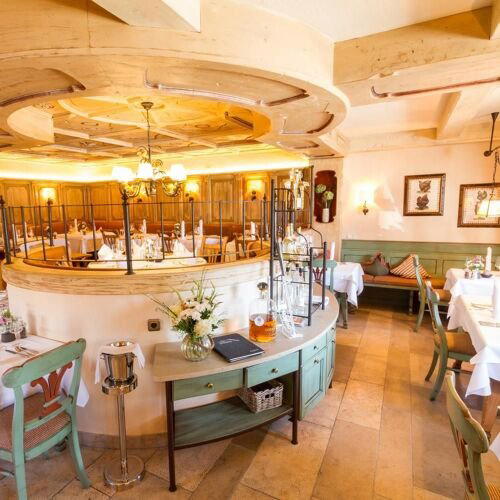
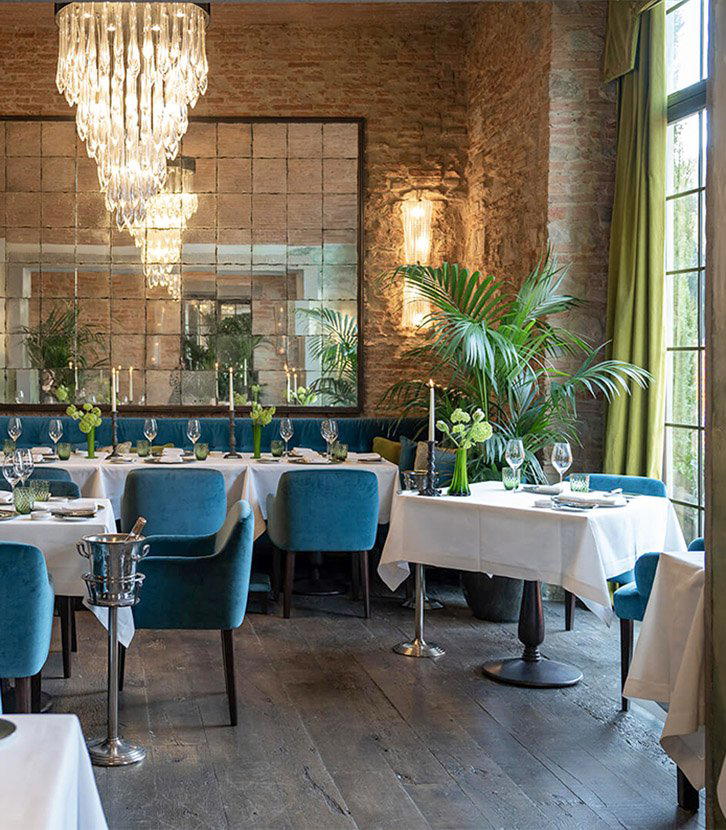
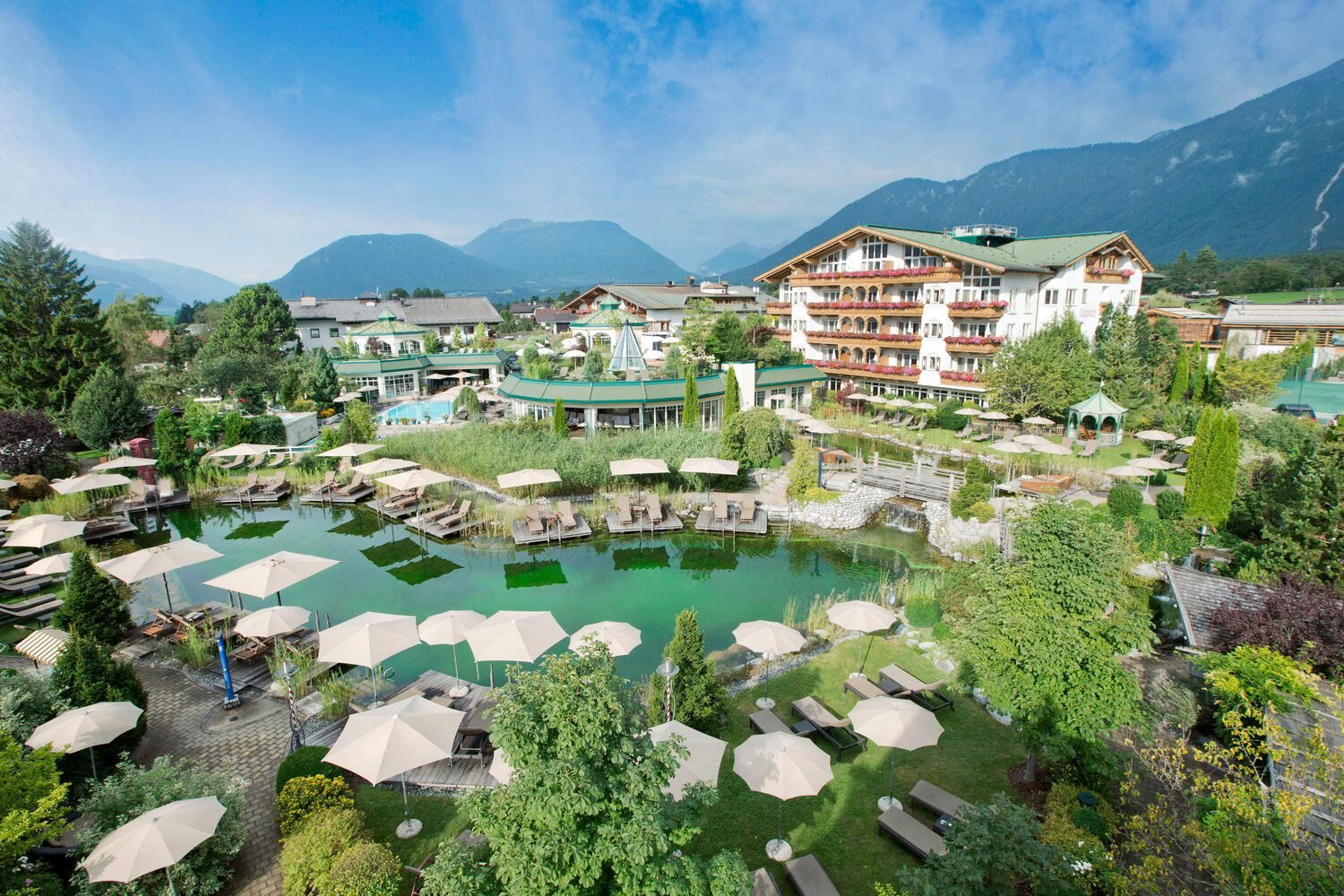
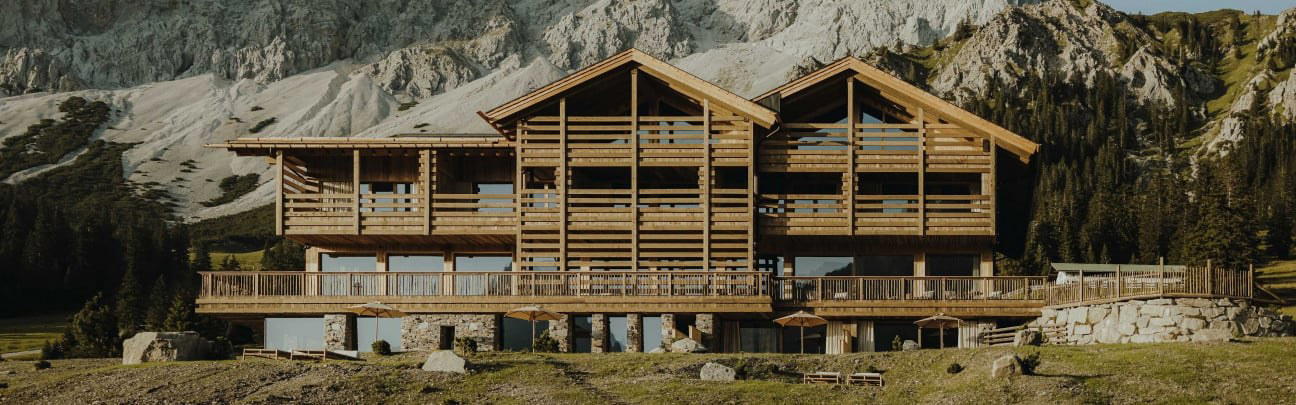
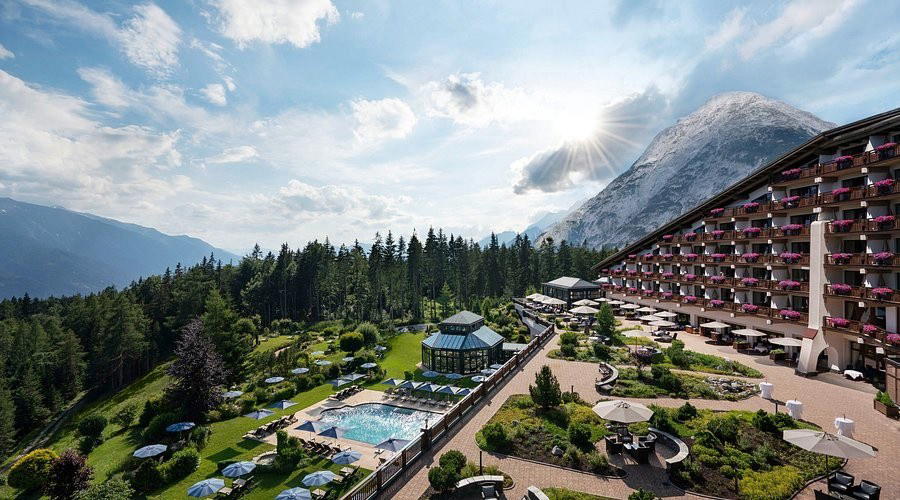
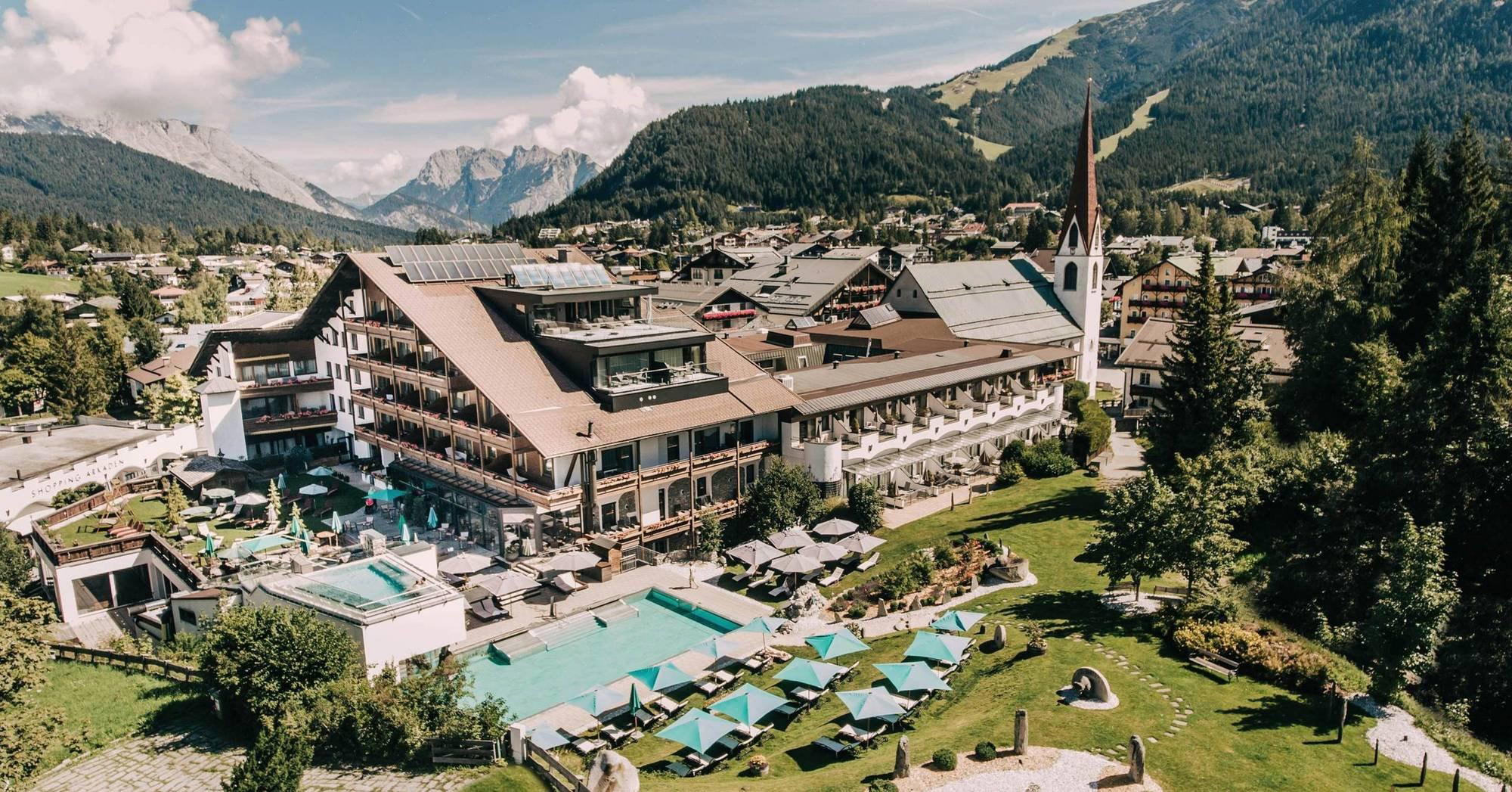
Warm Tyrolean dining rooms and a winter garden combine traditional farmhouse coziness with modern table culture, creating a relaxed but refined atmosphere with friendly, family-style service.
Know Before You Go
- Reservations
- Recommended
- Dress code
- Smart casual
- Getting there
- Holzleiten 84, 6416 Obsteig (main dining area)