
Das Walters sits in the Tyrolean village of Biberwier, serving an ingredient-focused menu built on regional sourcing and open-kitchen transparency. The atmosphere splits between rustic wood finishes and modern accents, and dishes such as marinated Biberwier salmon trout or guinea fowl with chanterelles anchor a short, seasonal rotation.
Pearl is the En Primeur Club membership app — saves, bookings, and concierge access live there. Same editors, same standards.
- Address
- Schmitte 8, Biberwier, Tirol, 6633, AUT
- Website
- das-walters.at
- Directions
- Get directions
 Saves & bookings on Pearl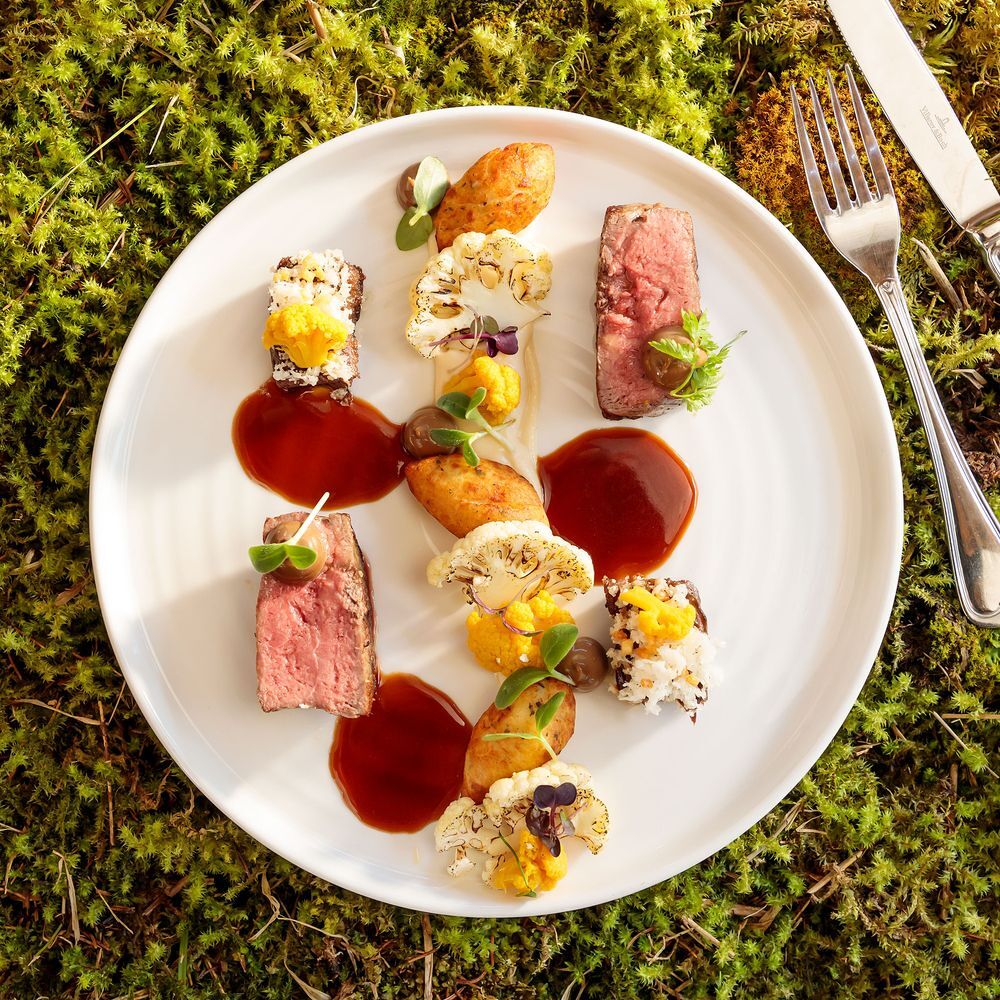
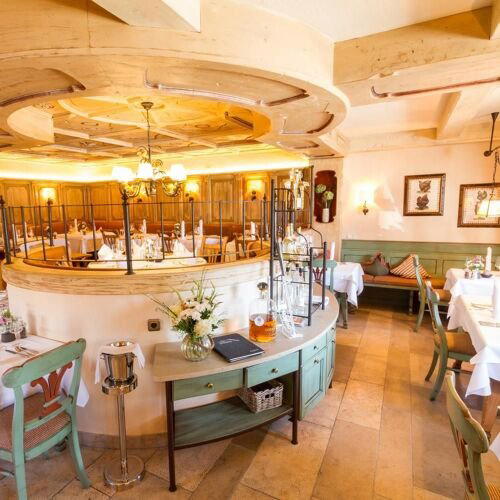
Step through the door at Das Walters and the first signal is wood, not the high-gloss paneling of ski-resort dining rooms, but the kind of aged timber that speaks to Tyrolean farmhouse architecture without leaning on cliché. The modern accents, minimal lighting, clean lines, keep the room from reading as costume, and the open kitchen adds a current of transparency that defines the cooking as much as the sourcing. Biberwier itself is a small village in the Zugspitz Arena, better known for ski lifts and access to Lermoos than its restaurant density, which makes Das Walters something of an outlier: a kitchen that takes ingredient provenance seriously in a place where many operations lean on convenience and volume.
Regional sourcing and open-kitchen discipline
The awards note makes clear what the kitchen priorities are: select ingredients, sourced predominantly in the region, handled in an open format where technique is visible rather than hidden behind swinging doors. The format matters because it constrains ambition, you cannot fake precision when diners watch prep and plating in real time. The current menu lists dishes such as Biberwier salmon trout, marinated and flambéed, paired with Granny Smith apple, beetroot, buttermilk, and chives, alongside crispy guinea fowl breast with chanterelles, green asparagus, polenta, and broccoli. Both plates reflect a wider shift in Alpine cooking: away from cream-heavy tradition toward ingredient clarity, seasonal produce, and lighter execution. The salmon trout, a cold-water species native to Tyrolean lakes and streams, arrives on the plate as a marker of hyper-local sourcing rather than imported farmed stock. The guinea fowl signals free-range poultry from regional farms, and the chanterelles anchor the menu to late-summer and autumn availability rather than year-round freezer inventory. This is not a kitchen that chases complexity for its own sake, but one that trusts produce to carry flavor when handled with restraint.
The open-kitchen format also disciplines pacing and service style. Staff move between prep station and table with the kind of attentive rhythm that comes from clear hierarchy and muscle memory, and the awards text highlights the charming, attentive service as part of the overall draw. In a mountain village where dining options skew heavily toward après-ski volume operations, that combination, technique, sourcing, and service, positions Das Walters as a mid-tier option for diners who want more than fondue and schnitzel but are not chasing Michelin-star formality.
Atmosphere and the summer terrace advantage
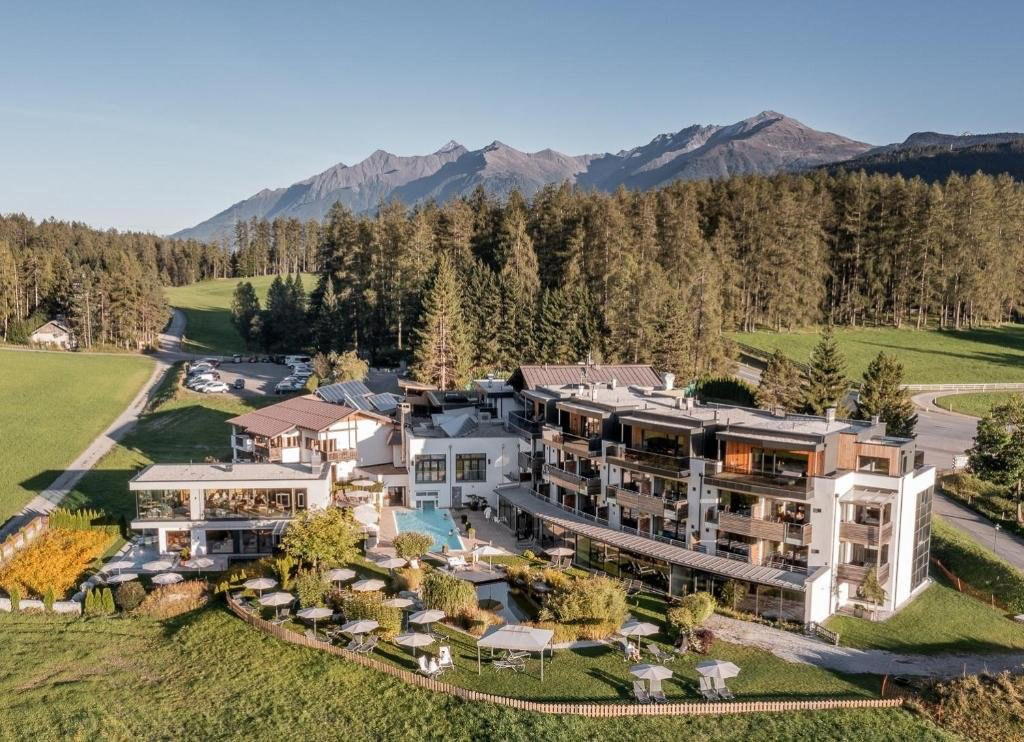
Dining room splits between rustic warmth and modern restraint, a balance that reads more carefully calibrated than many Alpine restaurants that overcommit to one aesthetic or the other. The verdict lies in how wood, lighting, and furnishings work together: enough tradition to feel rooted in place, enough editing to avoid museum-piece stiffness. The terrace, however, changes the equation in warm months. Surrounded by verdant Tyrolean landscape, meadows, forest, and the Zugspitze massif visible in the distance, the outdoor seating becomes the preferred option from late spring through early autumn. That shift is common in Alpine dining: indoor formality gives way to outdoor ease, and kitchens often adjust menus to lighter preparations and faster service when the terrace fills. The awards text singles out the terrace as a popular spot in summer, which suggests that seasonal timing matters for the full experience. Winter visits offer cozy interior ambiance and a menu weighted toward richer preparations, while summer visits prioritize outdoor setting and lighter plates.
Biberwier itself does not appear in the upper tier of Tyrolean food destinations, Kitzbühel, Innsbruck, and Lech hold that position, but it sits within easy reach of Lermoos and the Zugspitz Arena ski region, which brings a steady flow of visitors who stay longer than a single après-ski meal. Das Walters benefits from that dynamic: it is not a resort-hotel dining room with captive guests, nor is it a roadside stop relying on transient traffic. Instead, it occupies a middle ground where repeat visitors and locals overlap, and the kitchen can afford to change the menu with seasons rather than chase static crowd-pleasers. For context within Austria's broader dining scene, consider that restaurants such as 's Paul Restaurant in Traunkirchen and [aend] in Vienna operate at higher recognition levels, while 1er Beisl im Lexenhof in Nußdorf am Attersee and 1st Lobster in Kitzbühel sit in comparable mountain-resort tiers with different menu angles.
Das Walters does not chase the same international visibility as urban fine-dining operations or resort flagships, but it holds a clear position within Biberwier's limited dining landscape. The open kitchen, regional sourcing, and seasonal terrace advantage give it enough differentiation to justify a detour for diners staying in Lermoos or Ehrwald who want a meal that moves past resort-hotel predictability without requiring a drive to Innsbruck. If you are in Biberwier for skiing or hiking and want a kitchen that takes its ingredient sourcing seriously, this is the clearest option in the immediate area. For a fuller picture of the region's dining options, see our full Biberwier restaurants guide, and for lodging, hotels, bars, wineries, and experiences, check our full Biberwier hotels guide, our full Biberwier bars guide, our full Biberwier wineries guide, and our full Biberwier experiences guide. Elsewhere in Austria, 2Stein in Krems, 7burger in Salzburg, À la carte restaurant Leni's in Going am Wilden Kaiser, AD VINUM in Sölden, Adelphia in Graz, Adria Fischrestaurant in Wels, and AELIUM in St Polten offer different format and price tiers. For comparison outside Austria, Jōdo Saké Bar in Los Angeles and Onigiri Time in Pasadena represent ingredient-focused operations in a different culinary context.
- Walters Wiener Schnitzel vom Kalb
- Biberwierer Lachsforelle mit Morcheltascherl
- Lammrücken im Kräutermantel
- Zweierlei vom Angusrind
- Klara's Gerstlrisotto
- Valrhona Schokoladenbrownie
How Das Walters Biberwier compares with similar nearby venues.
| Venue | Awards |
|---|---|
| Das Walters | Michelin Plate (2026) |
Recognition history
Dated appearances from independent guides and award organizations, with the underlying list record or original source where available.
Michelin Plate
Michelin
Continue exploring
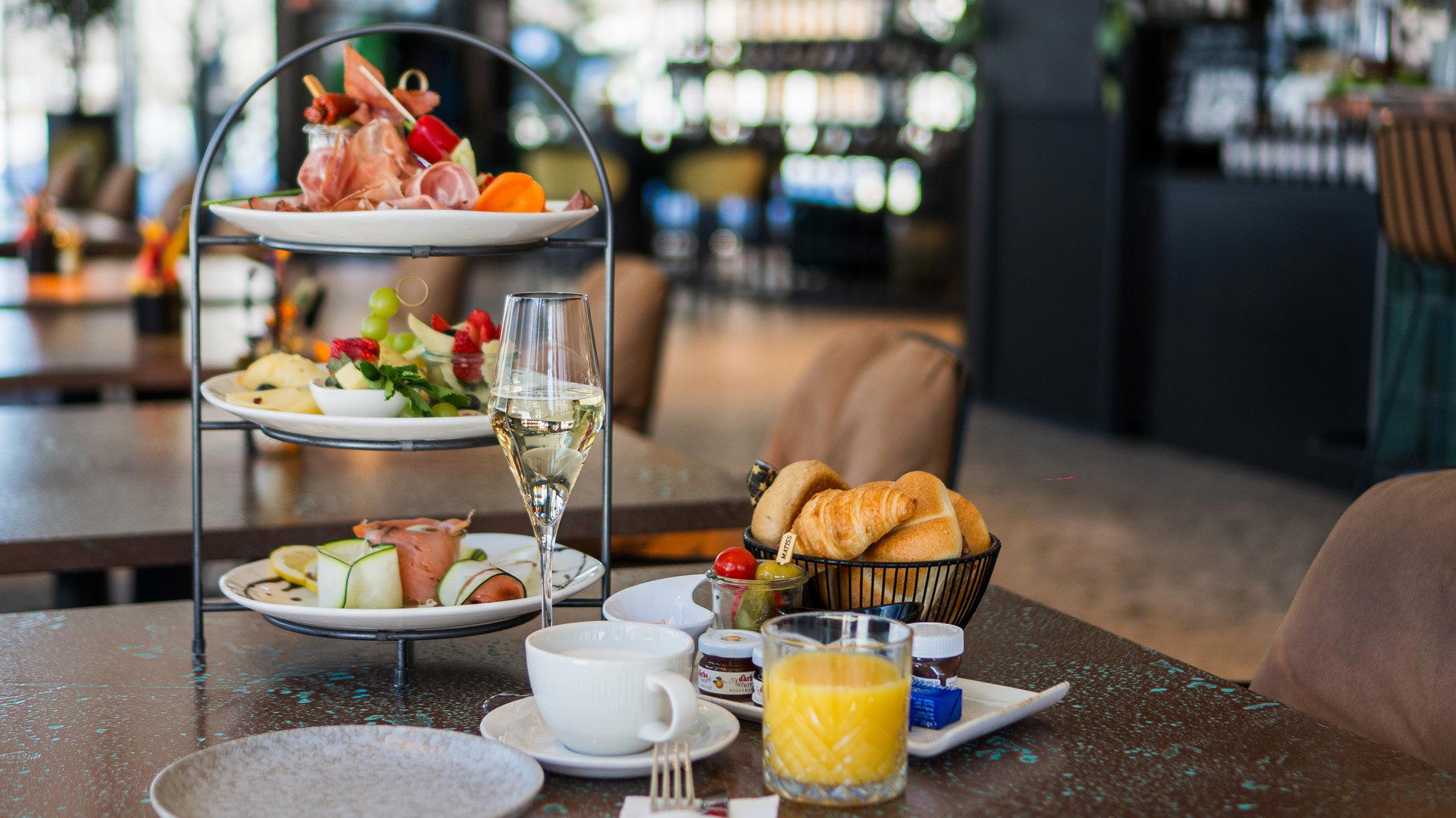
More in Biberwier
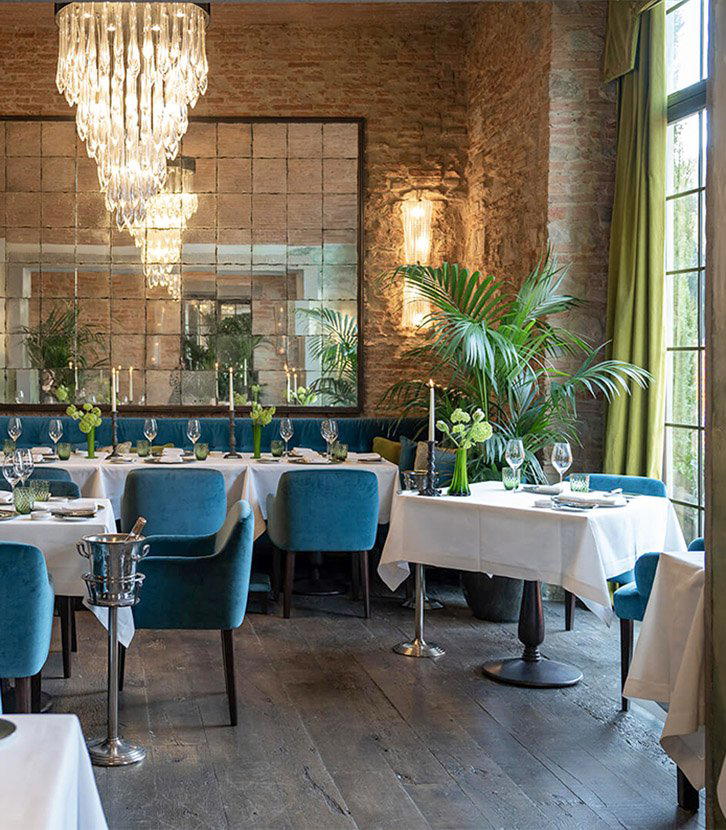
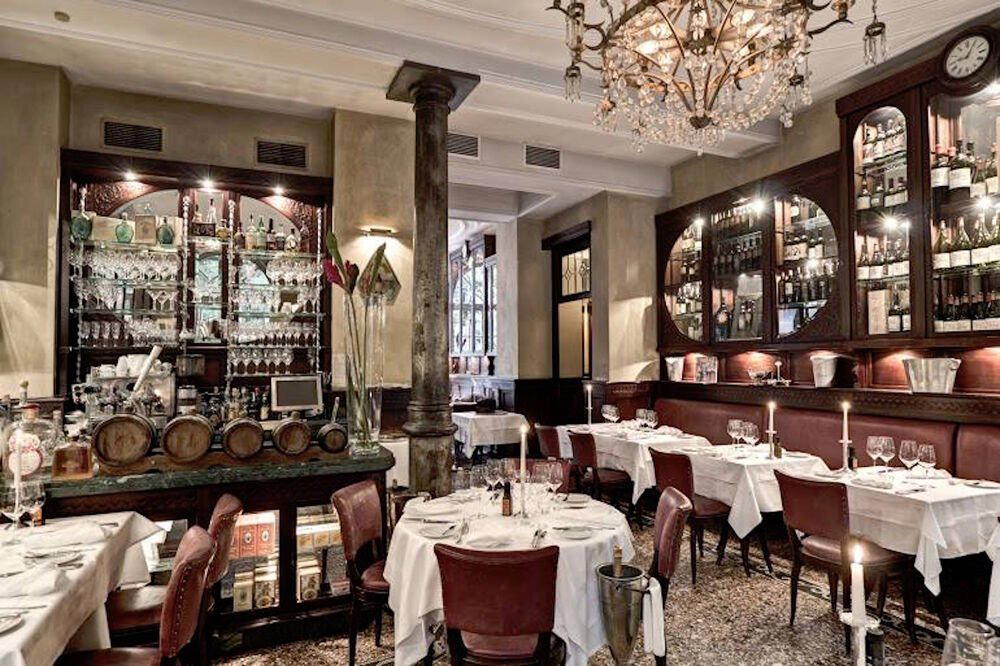
Restaurants in Biberwier
Browse all →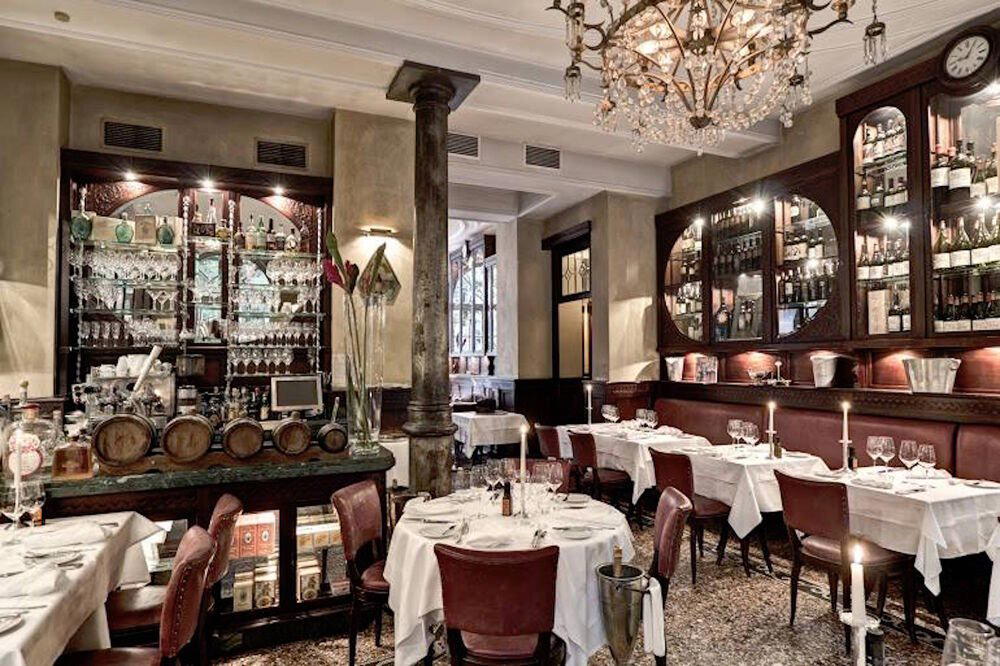
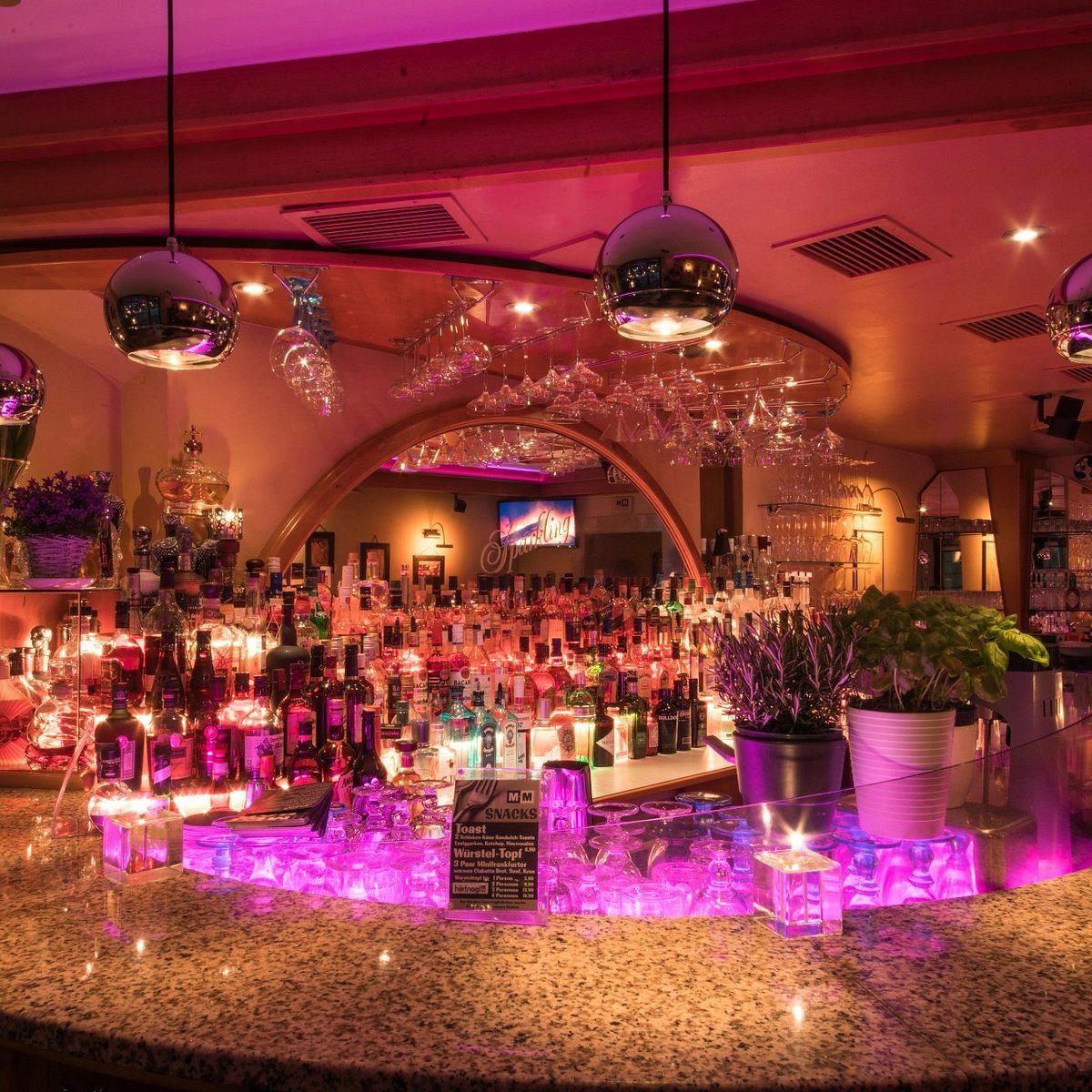
Bars in Biberwier
Browse all →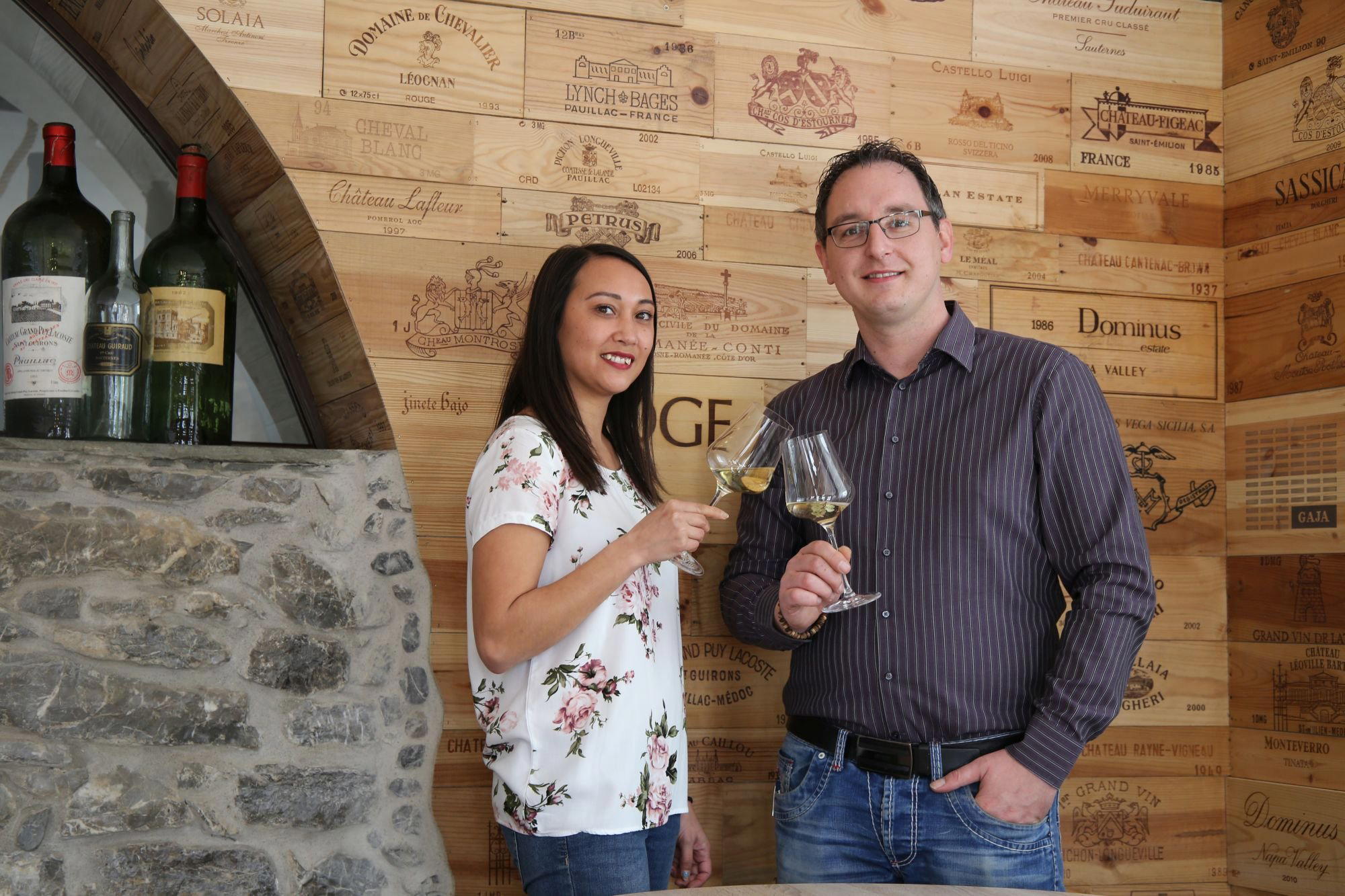
Hotels in Biberwier
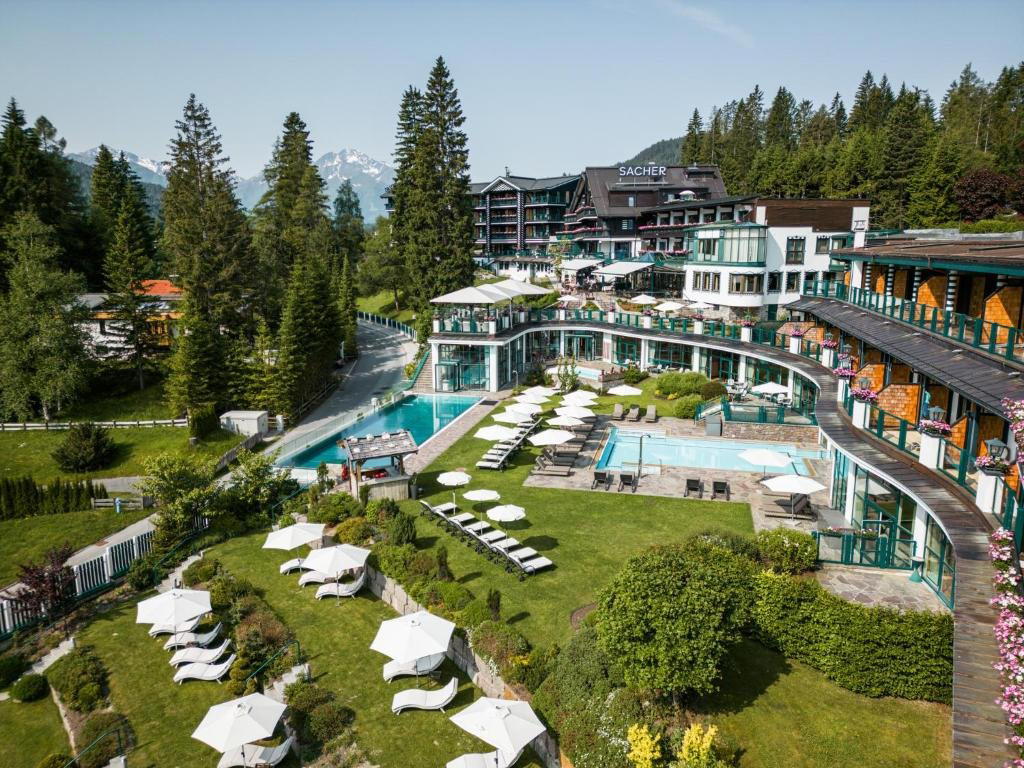
Browse all →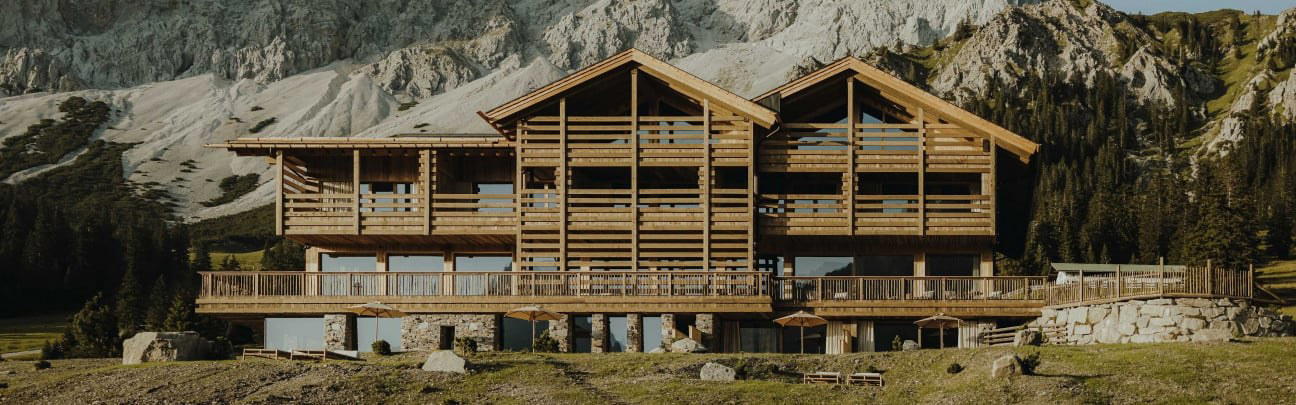

At a Glance
- Cozy
- Elegant
- Rustic
- Romantic
- Sophisticated
- Date Night
- Special Occasion
- Celebration
- Business Dinner
- Hotel Restaurant
- Design Destination
- Panoramic View
- Standalone
- Extensive Wine List
- Craft Cocktails
- Local Sourcing
- Farm To Table
- Sustainable Seafood
- Mountain
Current opening hours
- Monday
- 6–11 PM
- Tuesday
- Closed
- Wednesday
- Closed
- Thursday
- 6–11 PM
- Friday
- 6–11 PM
- Saturday
- 6–11 PM
- Sunday
- 6–11 PM
Hours can change for holidays and private events. Last verified .
A small, cozy and elegant dining room where rustic wood and chalet elements are paired with modern accents, slow-paced fine dining service, and a relaxed but polished atmosphere that feels like an upscale mountain hideaway.
Know Before You Go
- Reservations
- Essential
- Dress code
- Smart casual
- Getting there
- Schmitte 8, Biberwier, Tirol, 6633, AUT