Billy's
Our verdict
Billy's occupies a quietly compelling position in Hawkshead, a village whose compact streets and fell-facing aspect have made it one of the Lake District's most characterful dining addresses. Sitting within Ambleside's broader culinary orbit, the restaurant draws on the region's strong tradition of sourcing from local farms, waters, and producers — placing it alongside a generation of Cumbrian kitchens that treat provenance as craft rather than marketing.

Pearl is the En Primeur Club membership app — saves, bookings, and concierge access live there. Same editors, same standards.
- Address
- The Croft, North Lonsdale Road, Hawkshead, Ambleside LA22 0QS, United Kingdom
- Phone
- +441539436265
- Hours
- Mon–Tue ClosedWed–Sun 11 AM–8:30 PM
- Website
- billys.restaurant
- Directions
- Get directions
- Booking
- Book on the venue's website
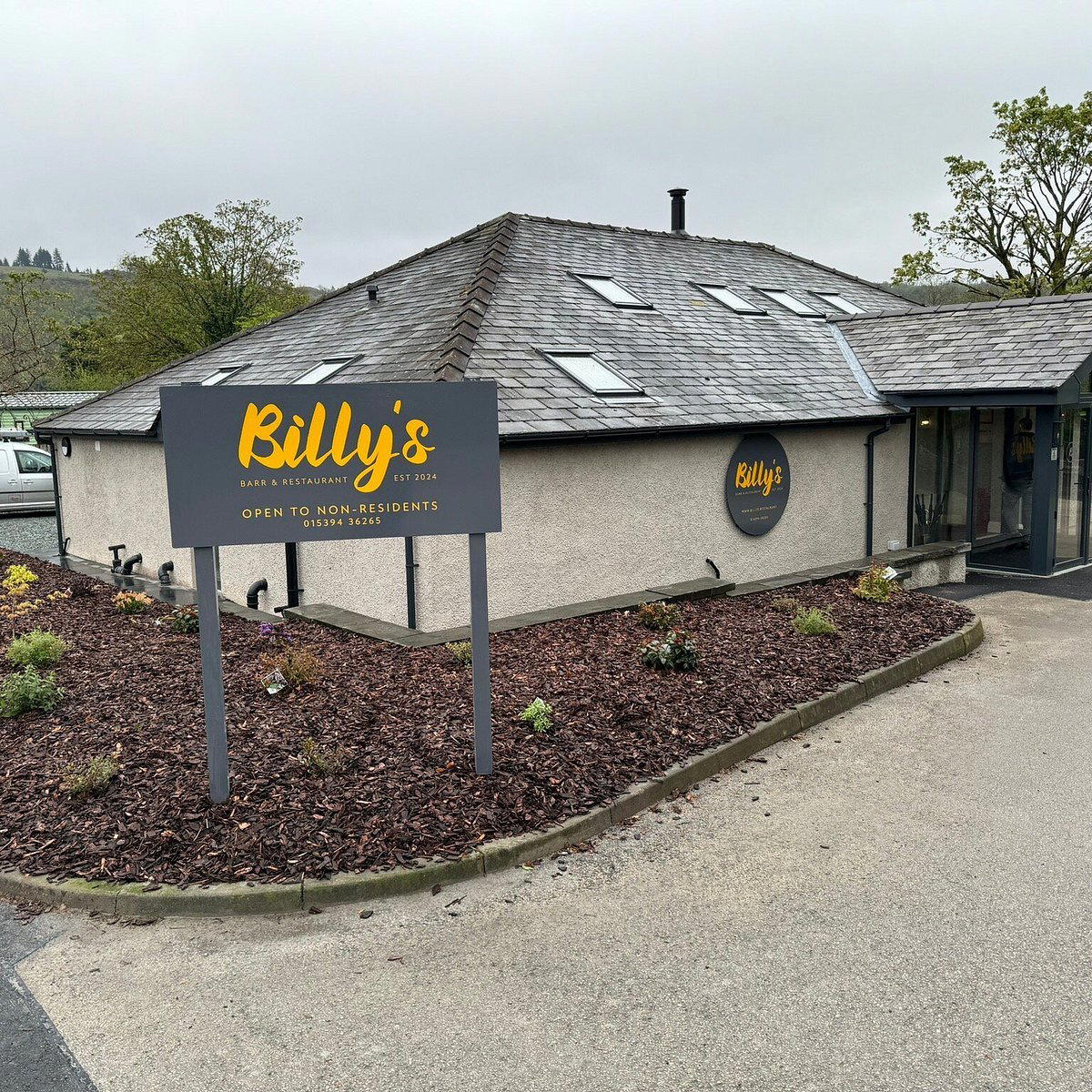
Hawkshead and the Lake District's Ingredient Tradition
The Lake District's culinary identity has always been shaped less by urban ambition than by what the land and water immediately surrounding it can offer. Herdwick lamb raised on open fell, Windermere char pulled from cold glacial water, wild garlic from woodland margins in April — these are the raw materials that define what serious kitchens in this corner of Cumbria are actually doing. Billy's, addressed at The Croft on North Lonsdale Road in Hawkshead, sits within that broader tradition. Hawkshead itself is a small, stone-built village a short drive from Ambleside, compact enough that its dining options carry genuine weight: there is little noise here to hide behind, and the proximity to working farms and open country sets an expectation that sourcing should be close and considered.
This matters because the Lake District's leading kitchens — from L'Enclume in Cartmel to Moor Hall in Aughton, have built their reputations partly on the argument that the North of England's produce is not a compromise but a competitive advantage. Billy's occupies a comparable regional context, even if its scale and formal recognition differ from those flag-bearing addresses.
The Setting: What Hawkshead Asks of a Restaurant
Approaching Billy's through Hawkshead's lanes gives you a sense of what the physical environment demands. The village has no bypasses or arterial roads to dilute it; visitors arrive deliberately. The Croft address places the restaurant at a remove from the more tourist-facing centre, which tends to filter the clientele toward those who have sought it out rather than stumbled in. That self-selection shapes the atmosphere in ways that distinguish it from, say, a lakeside terrace in Ambleside town or the hotel dining rooms that punctuate the B5286.
In the broader Ambleside dining scene, which runs from the relaxed afternoon format of Mathilde's Café through the gastropub register of Drunken Duck Inn and up to the fine-dining ambition of Lake Road Kitchen and The Samling What we can say is that Hawkshead rewards restaurants willing to commit to their specific place, and the address itself carries a certain logic for a kitchen serious about regional ingredients.
What Regional Sourcing Means in This Corner of Cumbria
The argument for provenance-led cooking in the Lake District is easier to make here than in most parts of England. The fells produce some of the country's most characterful lamb; the lakes and becks yield fish that rarely appear on menus further south; the surrounding estates and smallholdings supply game, heritage vegetables, and foraged material across a genuinely long season. This is the culinary geography that places like Rothay Manor have historically drawn on, and it is the same geography that gives any serious Hawkshead kitchen its clearest competitive argument.
The contrast with destination restaurants elsewhere in the UK is instructive. At Waterside Inn in Bray or Gidleigh Park in Chagford, the surrounding landscape is part of the proposition but the kitchen's supply chain extends nationally and internationally. In Cumbria, the geographic density of quality produce is tight enough that a committed kitchen need not reach far. The discipline, then, is not in the sourcing radius alone but in understanding which producers in that radius are doing something worth building a menu around, and changing accordingly with the season.
Kitchens that get this right tend to show it in consistent seasonal rotation rather than in a fixed menu that gestures toward local provenance in the headings but remains unchanged across months. That pattern holds across the wider region: Ynyshir Hall in Machynlleth, operating in a similarly rural Welsh context, has made hyper-locality and seasonal aggression a signature of its format.
How Billy's Fits the Ambleside Tier Structure
Among Ambleside-area restaurants with confirmed price positioning, the range is genuinely wide. Drunken Duck Inn and Mathilde's Café occupy the more accessible registers (££ and below). Rothay Manor sits in the middle tier at £££. Lake Road Kitchen and The Samling, both at ££££, represent the area's highest confirmed price points alongside the most developed wine and tasting-menu formats. Billy's available data does not confirm a price tier, which makes direct comparison speculative, but the Hawkshead address, the village-specific clientele dynamic, and the regional sourcing tradition it operates within all suggest a kitchen with more in common with the considered mid-range than with the high-volume or the destination-tasting-menu ends of the market.
For comparable cooking ambition at the national level, the reference points stretch outward: Hand and Flowers in Marlow demonstrates how a pub-format kitchen can carry genuine culinary weight without the formal trappings of fine dining. hide and fox in Saltwood and Midsummer House in Cambridge show the range of formats through which serious regional cooking can operate. Opheem in Birmingham offers a parallel case of a kitchen using a specific local identity to build something nationally legible. The Hawkshead context is different from all of these, but the structural question, how does a kitchen make its specific place count? is the same.
Planning a Visit
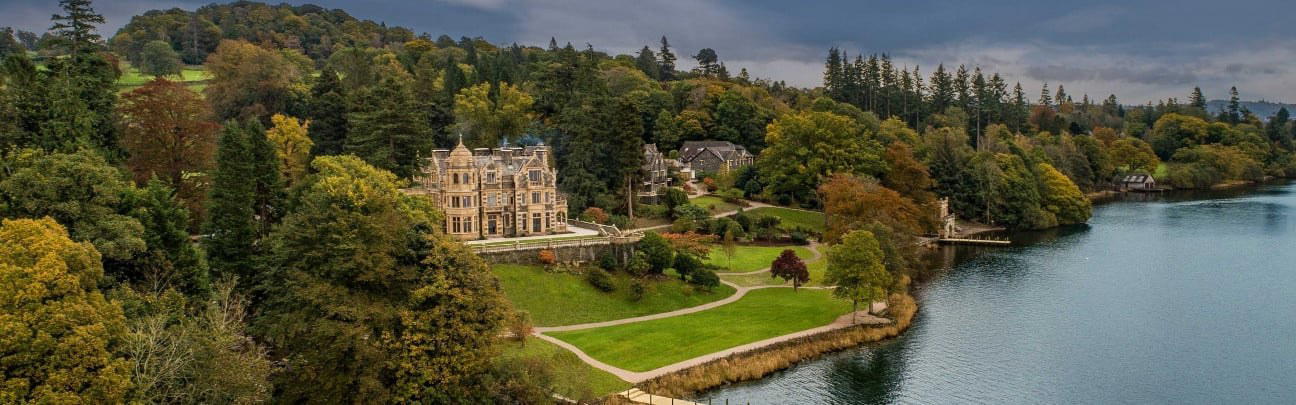
Hawkshead sits roughly four miles from Ambleside town along narrow Lakeland roads, and the drive is not one to rush on a dark winter evening. Arriving in daylight, particularly in spring or autumn when the fell colours are at their most pronounced, adds something to the experience that the meal alone cannot supply. Public transport connections to Hawkshead from Ambleside are limited, so most visitors arriving without a car will rely on local taxi services. Advance booking is the sensible approach for any evening visit, given the village's limited dining capacity overall, when a handful of restaurants share the available footfall on a peak summer weekend, seats fill faster than the size of the place might suggest. Those exploring the wider Ambleside scene can use our full Ambleside restaurants guide to map a multi-day itinerary across the area's price tiers and formats.
Frequently asked questions
Does Billy's work for a family meal?
Hawkshead itself is a village setting with a slower, quieter pace, and Billy's address on North Lonsdale Road places it away from any main road pressure. The environment tends to suit relaxed dining rather than high-tempo service formats. Families visiting the Lake District with children who are comfortable sitting down to a proper meal should find it workable, though checking current arrangements directly before visiting is advisable given the limited public booking information available.
What's the overall feel of Billy's?
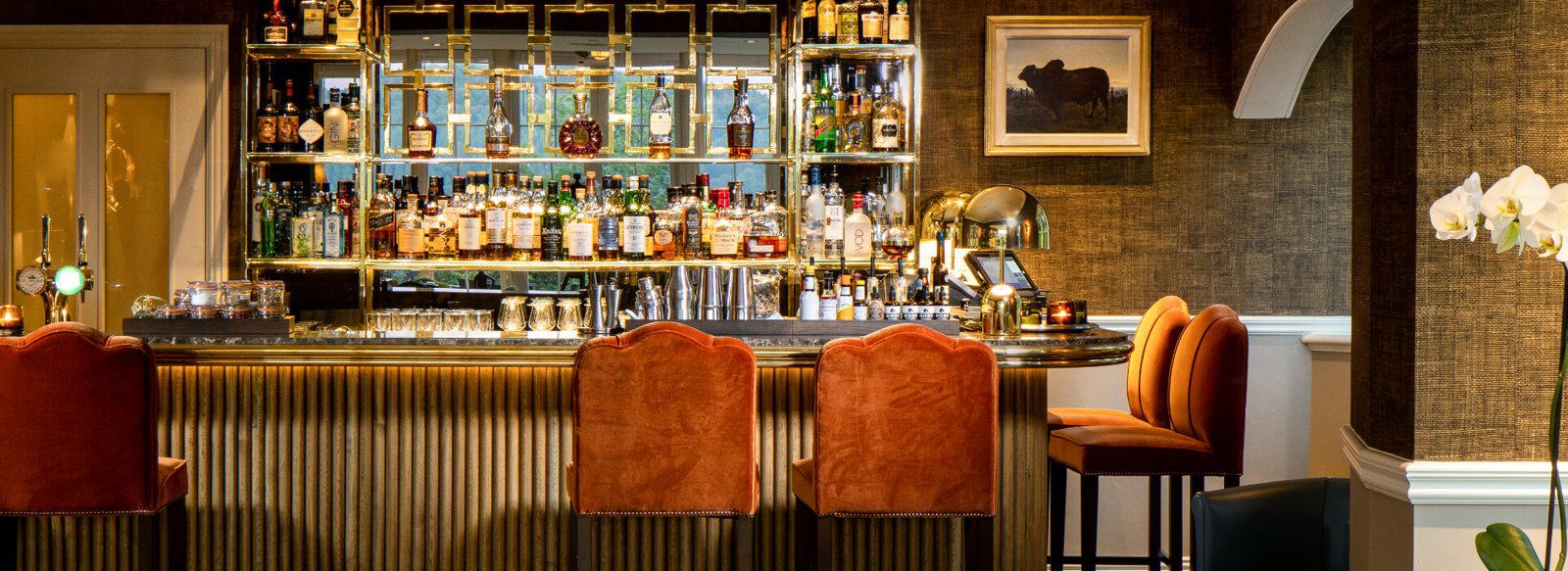
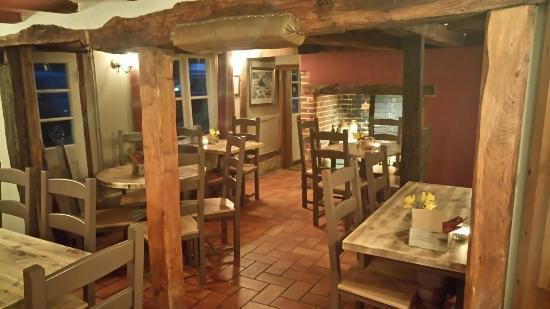
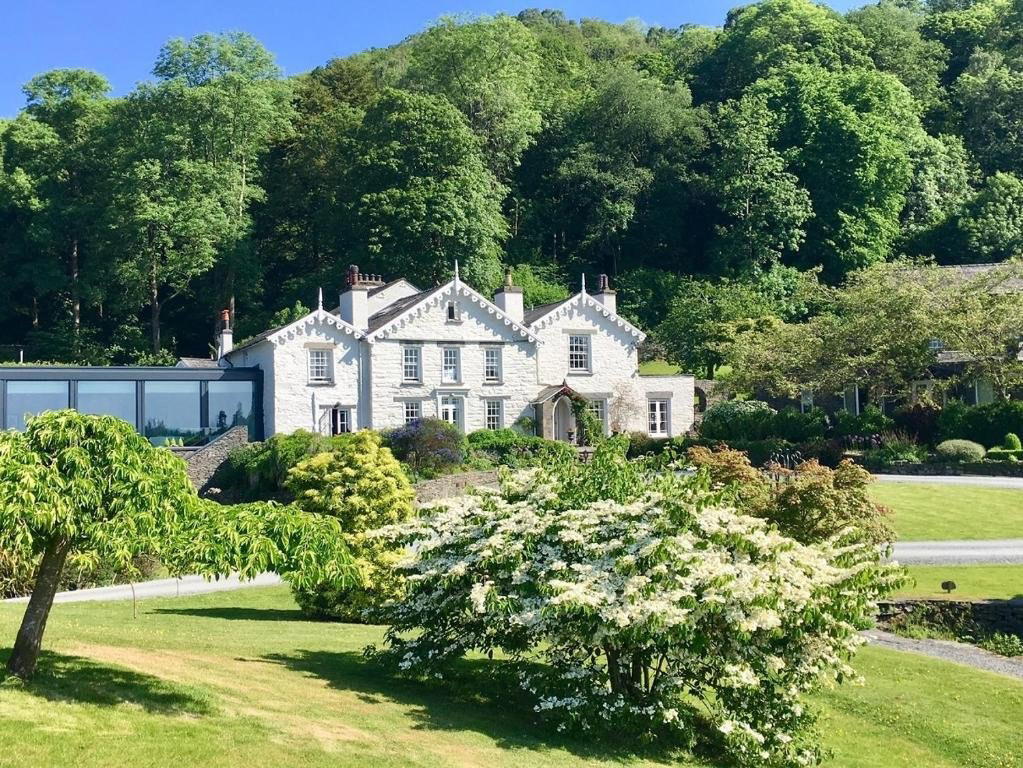
Billy's sits in Hawkshead, a village of medieval lanes and whitewashed buildings that sets the register before you arrive at the door on North Lonsdale Road. The surrounding Lake District context, four miles from Ambleside, shapes expectations toward something grounded rather than urban. The feel is less destination-tasting-menu and more in keeping with the kind of ingredient-honest cooking the Cumbrian fells and waters have historically supported.
Is Billy's in Hawkshead close to Ambleside, and how do you get there?
Billy's is located at The Croft, North Lonsdale Road, Hawkshead, approximately four miles from Ambleside town. The route runs along narrow Lakeland roads rather than any dual carriageway, so allow extra time in poor weather or on busy summer weekends. Arriving by car is the practical option for most visitors, and parking in Hawkshead village is available nearby.
What's the best thing to order at Billy's?
What the Hawkshead and broader Cumbrian context does suggest is that seasonal, locally sourced produce from the fells and lakes forms the foundation of cooking in this corner of the Lake District. Arriving with that orientation, and asking what is freshest that day, is a reasonable approach at any restaurant in this tier.
Where exactly is Billy's?
Billy's is located at The Croft, North Lonsdale Road, Hawkshead, Ambleside LA22 0QS, United Kingdom, Ambleside.
Quick Comparison
Comparable venues nearby, for context on price, style, and recognition.
| Venue | Cuisine | Price | Awards | Notes |
|---|---|---|---|---|
| Billy'sThis venue — the venue you are viewing | Modern British Comfort Food | $20–30 | Not listed | Not listed |
| Mathilde's Café | Scandinavian-Inspired Brunch & Cafe | $20–30 | Not listed | Grasmere |
| The Apple Pie Café | Traditional British Bakery Cafe | $10–20 | Not listed | Ambleside |
| Drunken Duck Inn | British Gastropub with Game | Not listed | Michelin Plate · The Good Food Guide GFG Good | Ambleside |
| Rowan | Modern British Fine Dining | $50–100 | Michelin Plate | Ambleside |
| The Old Stamp House | Modern British Fine Dining | $150–200 | 1 Michelin Star · La Liste Top Restaurants | Ambleside town centre |
Continue exploring
More in Ambleside
Restaurants in Ambleside
Browse all →
Bars in Ambleside
Browse all →
Details
- Cozy
- Rustic
- Casual Hangout
- Family
- Standalone
- Local Sourcing
- A La Carte
Current opening hours
- Monday
- Closed
- Tuesday
- Closed
- Wednesday
- 11 AM–8:30 PM
- Thursday
- 11 AM–8:30 PM
- Friday
- 11 AM–8:30 PM
- Saturday
- 11 AM–8:30 PM
- Sunday
- 11 AM–8:30 PM
Hours can change for holidays and private events. Last verified .
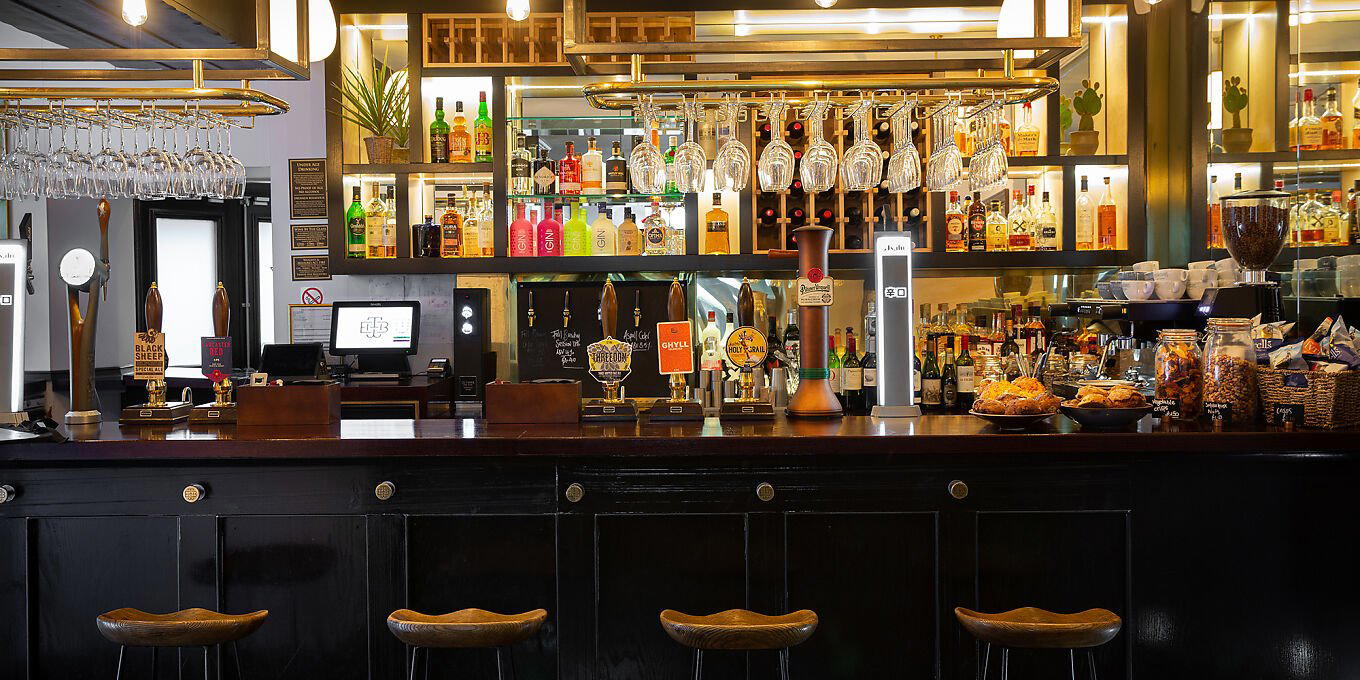
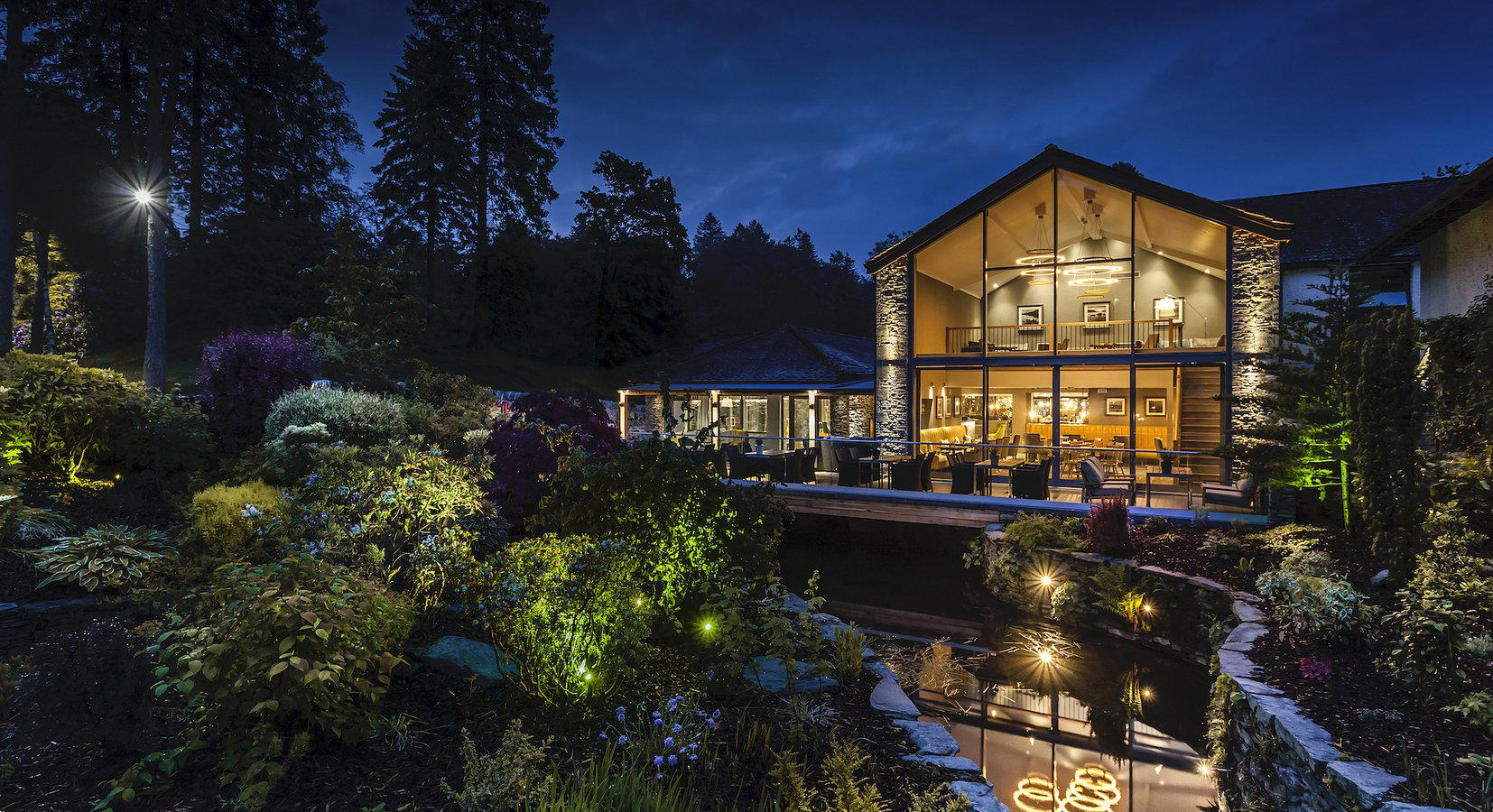
Cozy and welcoming bar atmosphere ideal for unwinding after walks.