Bibi Ji

Bibi Ji brings regional Indian cooking to State Street with enough seriousness to earn back-to-back Michelin Plate recognition in 2024 and 2025. The mid-range price point and casual format make it one of the more accessible Michelin-acknowledged addresses in Santa Barbara, sitting well apart from the city's surf-and-taco defaults and the handful of high-end Californian tables that dominate local conversation.
Pearl is the En Primeur Club membership app — saves, bookings, and concierge access live there. Same editors, same standards.
- Address
- 1213 State St B, Santa Barbara, CA 93101
- Phone
- (805) 560-6845
- Website
- bibijisb.com
- Directions
- Get directions
 Saves & bookings on Pearl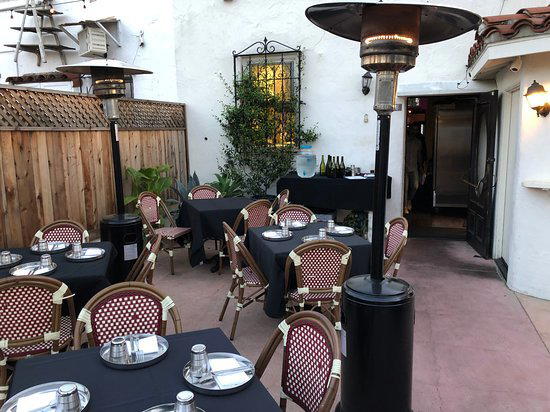
Indian Regional Cooking on California's Central Coast
Bibi Ji is an Indian restaurant at 1213 State St B, Santa Barbara, CA 93101. Indian restaurants of any ambition are scarce on the Central Coast, which makes the Michelin Plate recognition that Bibi Ji has carried in both 2024 and 2025, a consistent signal of quality in the city. In a city where the dining conversation tends to orbit Californian produce tables like Barbareño and high-format rooms like Blackbird, a mid-priced Indian address earning consistent inspector attention is a genuine marker of quality.
The Regional Argument: Why Provenance Matters Here
Indian cuisine in the United States has spent decades being flattened into a single, pan-subcontinental register: tikka masalas calibrated for American palates, naan arriving in baskets beside dishes that would never be served that way in their regions of origin. The more interesting current in American Indian dining pulls in the opposite direction, toward the kind of regional specificity that distinguishes a Keralan fish curry from a Goan vindalho, or a Punjabi dal makhani from a Bengali mustard preparation. That specificity is what separates places like Trèsind Studio in Dubai and Opheem in Birmingham from the generic Indian restaurant tier, and it's the lens through which Bibi Ji reads most clearly in its Santa Barbara context.
The name itself is a signal. "the restaurant" is a term of respectful address used across Punjab and parts of northern India for an elder woman, carrying connotations of home cooking, warmth, and food passed down through domestic rather than restaurant tradition. That framing points toward a north Indian register, one rooted in the tandoor traditions of the Punjab, the dairy-rich gravies of the Mughal-influenced kitchen, and the spice vernacular of the Himalayan foothills rather than the coconut and tamarind belt of the south.
What the Michelin Plate Signals
The Michelin Plate is not a star. That distinction is worth holding onto. The Plate designation, introduced by Michelin to mark restaurants serving "good cooking" without reaching star territory, functions as a quality floor rather than a quality ceiling. In a market like Santa Barbara, where the total Michelin footprint is modest compared to Los Angeles or San Francisco, earning the Plate in consecutive years (2024 and 2025) across the full regional guide cycle is a meaningful consistency signal. It places the restaurant in the same inspector-vetted tier as other acknowledged addresses in the city, while its $$ price point puts it at a different accessibility level than starred rooms further up the California coast like Lazy Bear in San Francisco or Single Thread Farm in Healdsburg.
Within Santa Barbara's current dining tier, the comparison set is instructive. The city has a strong mid-range casual layer, represented by addresses like Bettina in the Montecito-adjacent market and Ca'Dario for Italian, but little in the way of recognized non-European cooking at the $$ bracket.
The Room and the Register
The restaurant sits at 1213 State Street, Suite B, slightly off the main street flow. That physical positioning, away from the direct pavement frontage, tends to filter walk-in traffic and shift the composition of the room toward diners who arrived with intent. The atmosphere implied by the name and price point is casual rather than formal: a room geared toward shared plates and relaxed pacing rather than the timed progression of a tasting counter.
For reference on how Indian cooking is being treated at the high-format end of the American market, the gap between the restaurant's register and something like the modernist Indian programming at Trèsind Studio is considerable. But that gap is the point. The home-cooking framing that "the restaurant" implies positions the restaurant against a different tradition entirely: the handed-down recipe, the slow-cooked dal, the bread pulled from a clay oven. That tradition has its own rigour, and Michelin's inspectors clearly found it worth noting twice.
Planning Your Visit
The restaurant's $$ pricing places it among the more accessible addresses on State Street, broadly comparable to Bettina on price per head. For a city that draws substantial weekend visitor traffic from Los Angeles, the combination of Michelin recognition and mid-range pricing creates a demand profile that can push availability on Friday and Saturday evenings. Booking ahead is the prudent call, particularly for groups larger than two. The State Street address is within the central walkable district, accessible from the main hotel corridor and from the waterfront in under ten minutes on foot. For visitors building a broader Santa Barbara itinerary, the full Santa Barbara restaurants guide covers the wider field, while the hotels guide, bars guide, wineries guide, and experiences guide cover the rest of the city's premium tier. For those treating Santa Barbara as part of a California dining circuit, the high-end reference points further afield include The French Laundry in Napa, Alinea in Chicago, Le Bernardin in New York City, and Emeril's in New Orleans, though the restaurant operates in a deliberately different register from all of them. The more useful local counterpoint for a contrast-driven evening is Silvers Omakase, which represents the high-format, high-price pole of Santa Barbara's current Michelin-recognized dining.
Style and Standing
Comparable venues nearby, for context on price, style, and recognition.
| Venue | Cuisine | Price | Awards | Notes |
|---|---|---|---|---|
| Bibi JiThis venue — the venue you are viewing | Modern Indian | $$$ | Michelin Plate | Not listed |
| Blackbird | Hyper-local New American | $$$ | Michelin Plate | Lower State |
| Sushi by Scratch Restaurants: Montecito | Modern Omakase Sushi | $$$$ | Michelin Plate | Coast Village |
| Arigato Sushi | Modern Japanese Sushi Fusion | $$$ | Not listed | Downtown |
| Olio e Limone Ristorante | Artisanal Italian with Sicilian Specialties | $$$ | Not listed | Downtown |
| Stella Mare's | French Country Bistro | $$$ | Not listed | Eucalyptus Hill |
Recognition history
Dated appearances from independent guides and award organizations, with the underlying list record or original source where available.
Michelin Plate
Michelin · 2026 Michelin Plate
Michelin Plate
Michelin
Michelin Plate
Michelin
Continue exploring
More in Santa Barbara
Restaurants in Santa Barbara
Browse all →
Bars in Santa Barbara
Browse all →
Hotels in Santa Barbara
Browse all →
At a Glance
- Lively
- Trendy
- Modern
- Energetic
- Date Night
- Special Occasion
- Group Dining
- Open Kitchen
- Natural Wine
- Sommelier Led
- Local Sourcing
Current opening hours
- Monday
- 5–10 PM
- Tuesday
- Closed
- Wednesday
- Closed
- Thursday
- 5–10 PM
- Friday
- 5–10 PM
- Saturday
- 5–10 PM
- Sunday
- 5–10 PM
Hours can change for holidays and private events. Last verified .
Lively and electrifying atmosphere with eclectic decor, lively energy, colorful plating, and loud music.