Our verdict
Belmont Estate in Grenada's St. Patrick's Parish is one of the Caribbean's most directly sourced agricultural experiences, where cacao, spice, and produce grown on the estate grounds move from field to table with minimal distance between them.

Pearl is the En Primeur Club membership app — saves, bookings, and concierge access live there. Same editors, same standards.
- Address
- Belmont Estate, Belmont, St Patrick, Grenada, West Indies
- Directions
- Get directions
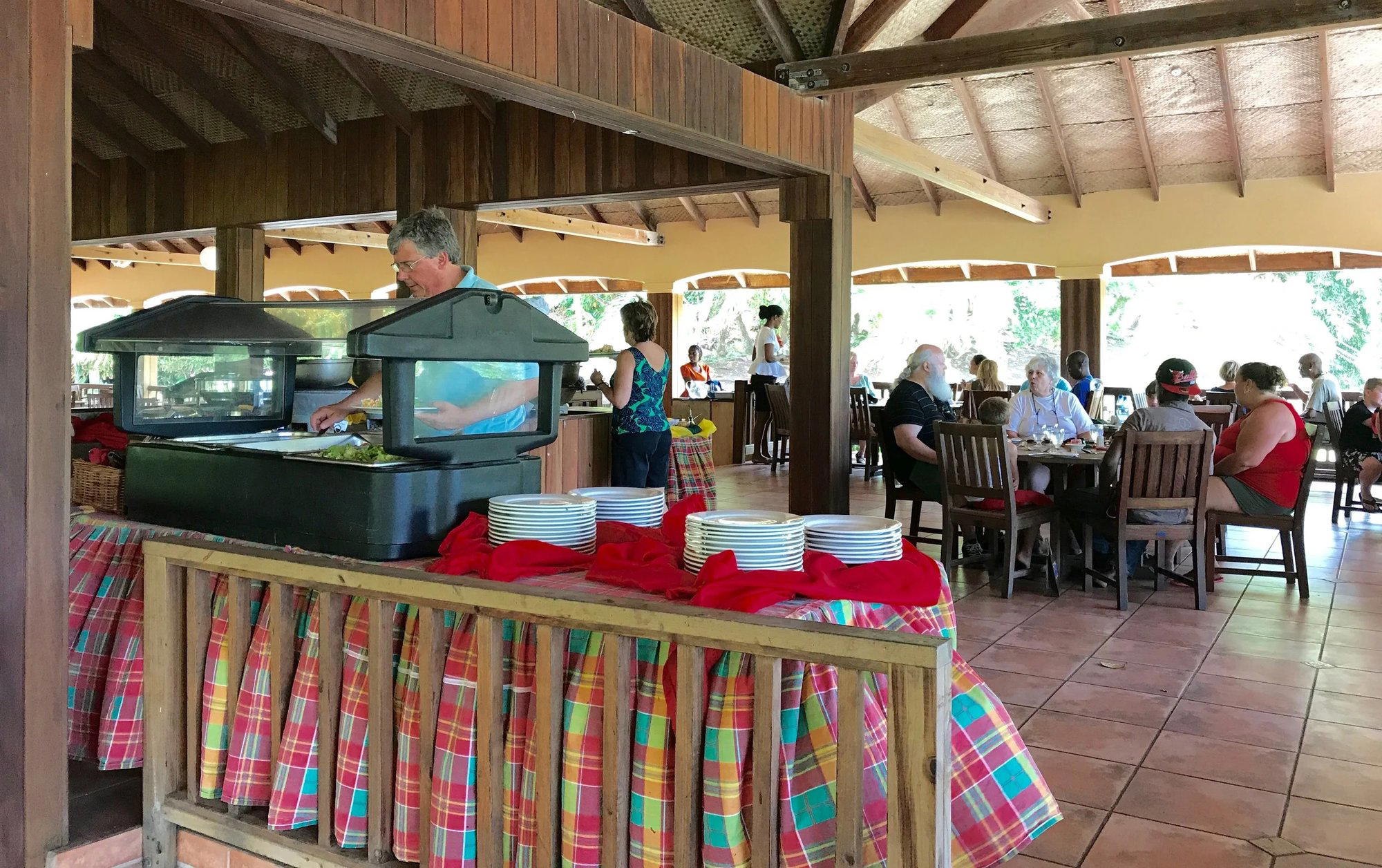
The menu
What to order
- Three-course lunch
- Local fish
- Chicken
- Beef
- Mutton
- Freshly-made rolls
Where the Farm Is the Restaurant
The road into Belmont Estate climbs through St. Patrick's Parish into a part of Grenada that most visitors to the island's southern beach resorts never reach. The parish sits in the island's agricultural north, where the landscape shifts from resort infrastructure to working land: nutmeg groves, cocoa trees, banana plantations, and the kind of soil that earns Grenada its designation as the Spice Isle. Arriving at Belmont, the estate's agricultural character is immediately legible. There is no effort to aestheticize the farm into something it is not. What you see are the actual working grounds of a property that has operated on this land for centuries.
That provenance is the central fact of the experience here. In an era when farm-to-table has become a marketing phrase that can mean almost anything, Belmont represents a more literal version of the concept: the farm precedes the table by a matter of metres, not supply chains. The cacao grown on the estate feeds both a chocolate-making operation and the kitchen. The organic garden supplies vegetables and herbs. The spices that define Grenadian cooking, nutmeg, mace, cinnamon, cloves, arrive at the kitchen from trees the estate cultivates rather than from a wholesaler.
The Sourcing Argument
Grenada's position in the cacao world is significant context for understanding what Belmont offers. The island produces Trinitario cacao, a hybrid variety with flavour complexity that places Grenadian chocolate in the fine-flavour category recognised by international chocolate trade bodies. Belmont's estate-grown cacao participates in that tradition, and the on-site processing, from fermentation through drying, is visible to visitors as part of the estate tour. This is not a reconstructed display but an active production process.
The sourcing logic extends beyond cacao. Grenada's agricultural diversity, the result of its volcanic soil and consistent rainfall, means that a well-managed estate in the north of the island can produce a wider range of ingredients than comparable properties on drier Caribbean islands. What Belmont grows reflects the island's genuine botanical richness rather than a curated selection of photogenic herbs. The kitchen's ingredient list is, in effect, constrained and defined by what the surrounding land produces seasonally, which imposes a discipline on the menu that imported-ingredient restaurants rarely have to observe.
For visitors accustomed to dining at properties where provenance is asserted but untraceable, the transparency here reads differently. The tour of the estate, which precedes the lunch experience, means that diners arrive at the table having seen where the food comes from. That sequencing changes the relationship between the dish and the eater in a way that no amount of menu copy can replicate. Restaurants such as Arpège in Paris or Atelier Crenn in San Francisco have built significant reputations around kitchen gardens and sourcing transparency, but those operate in urban fine-dining contexts where the farm is an extension of the restaurant. At Belmont, the relationship is inverted: the restaurant is an extension of the farm.
The Setting and the Experience Format
The dining experience at Belmont is structured around a lunch format, typically following an estate tour that covers the cocoa and spice operations. This is not a tasting-menu restaurant in the mode of Alinea in Chicago or Atomix in New York City, nor does it position itself within that competitive frame. The reference points are different: this is agricultural heritage hospitality, a category with its own logic and its own value proposition, where the depth of the land's history and the authenticity of the production process carry more weight than kitchen technique or tasting-menu architecture.
The physical environment reinforces this. The estate buildings retain their period character, set within grounds that communicate working purpose rather than decorative landscaping. The elevation of the site gives the lunch setting a view across agricultural land toward the northern coastline, a geography that contextualises the food being served beneath it. There are few dining situations in the Caribbean where the connection between view and plate is as direct. The village's restaurant scene, which includes Understanding Belmont requires some understanding of St. Patrick's Parish more broadly. The north of Grenada has historically been the island's agricultural engine, less developed for tourism than the southwestern parishes around St. George's, where options like Rhodes Restaurant in St. George's and Carib Sushi in St George's represent the island's more polished urban dining. Belmont draws visitors north for reasons that have nothing to do with that urban dining scene. The journey itself, through agricultural parishes rather than resort corridors, is part of the experience's meaning. The broader category of estate dining in the Caribbean is uneven. Many properties market agricultural heritage without substantiating it through active production. Belmont's continued operation as a working cocoa and organic farm, with processing infrastructure on site, places it in the smaller subset of Caribbean estates where the agricultural claim is verifiable by a visitor who spends any time on the grounds. That distinction matters for travellers whose appetite for authenticity is specific rather than general. The island's spice identity, which underpins Grenada's positioning in the Caribbean tourism market, is most legible at properties like Belmont, where the spices in question are growing in front of you rather than being referenced in a restaurant's marketing. Nutmeg, Grenada's most commercially significant spice crop, is a presence both in the estate's agricultural operations and in the flavour profile of the kitchen's output. That coherence between what the land produces and what the kitchen serves is the clearest argument for making the drive north. Patrick's, in the island's north, which places it roughly an hour from St. George's depending on road conditions and route. The experience is best approached as a half-day commitment rather than a quick lunch stop: the tour of the cocoa and spice operations provides context for the meal. Visitors travelling from the south of the island should account for road quality on mountain routes. The estate format suits those with enough time to engage with both the production side and the dining, making it a natural anchor for a day spent exploring the northern parishes rather than a quick detour from resort territory. Contact the estate directly through available channels before visiting.Grenada's Culinary Geography
Frequently asked questions
Is Belmont Estate good for families?
Belmont Estate works well for families, particularly those with children old enough to engage with a working farm. The estate tour covers cocoa and spice operations across St. Patrick's Parish, giving younger visitors a direct look at how cacao moves from tree to bar. The lunch format that follows is structured and unhurried, which suits groups travelling with children better than a conventional restaurant setting.
What kind of setting is Belmont Estate?
Belmont is a functioning agricultural estate in Hermitage, St. Patrick's, in Grenada's rural north. The setting is defined by working cocoa and spice plantations rather than resort infrastructure, placing it firmly in the agritourism category rather than fine dining. Visitors arrive after a climb through St. Patrick's Parish, well away from the southern beach corridors where most of Grenada's hotel dining is concentrated.
Does Belmont Estate produce its own chocolate, and can you buy it on-site?
Belmont Estate grows Trinitario cacao, the hybrid variety that forms the basis of Grenada's reputation in the specialty chocolate sector. The estate has historically processed cacao through on-site facilities, making it one of the few places in the Caribbean where visitors can observe production from tree through to finished product in a single visit. Whether specific chocolate products are available for purchase on the day of your visit is worth confirming with the estate in advance, as availability can shift with production cycles.
What do regulars order at Belmont Estate?
The menu at Belmont draws on Grenadian produce grown or sourced through the estate's agricultural operations, with the lunch offering typically anchored in local staples from St. Patrick's Parish. Because the format is tied to the estate tour, the meal is not an à la carte selection in the conventional sense; dishes reflect what the farm and the island's northern growing region produce at a given time. Specific dish details are best confirmed directly with the estate before visiting.
Fast Comparison
| Venue | Cuisine | Price | Awards |
|---|---|---|---|
| Belmont EstateThis venue — the venue you are viewing | Grenadian Caribbean Creole | $30–50 | Not listed |
| Rhodes Restaurant | Modern Caribbean Fine Dining | $50–100 | Relais Chateaux Award |
| Santa Fe | Traditional Mexican & Southwestern | $30–50 | Not listed |
| Carib Sushi | Caribbean Fusion Sushi | $20–30 | Not listed |












Details
- Scenic
- Rustic
- Classic
- Family
- Group Dining
- Casual Hangout
- Brunch
- Garden
- Historic Building
- Standalone
- Zero Proof
- Local Sourcing
- Garden
- Prix Fixe
- Buffet
- Set Menu
- Fresh Juices
- Vegetarian Friendly
- Vegan Options
- Gluten Free Options
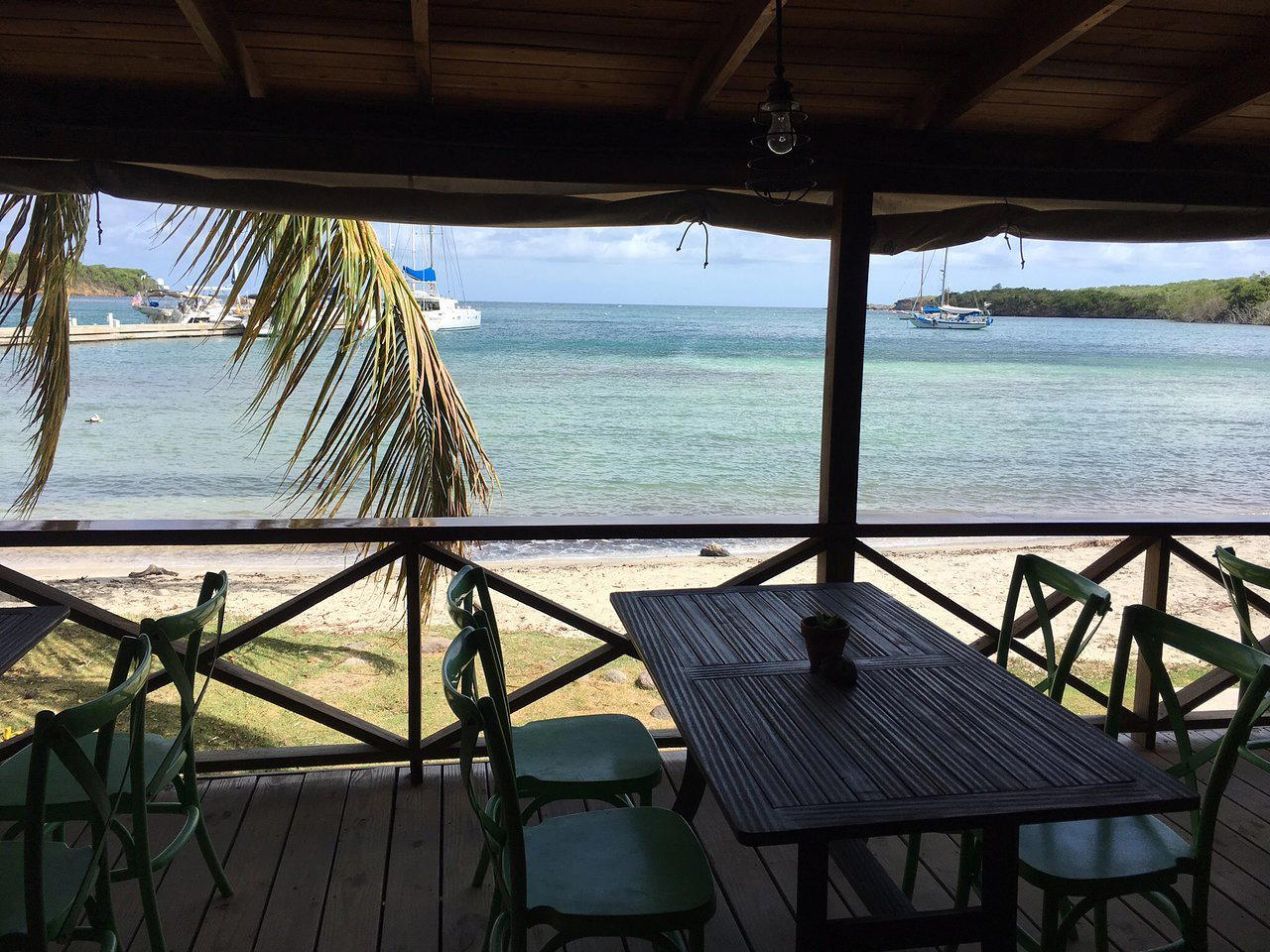
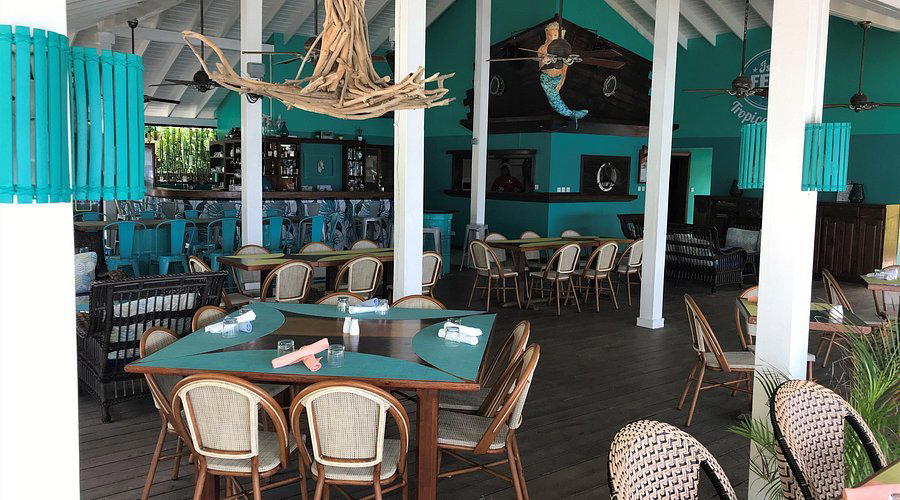
Open-air, breezy, pastoral, and scenic, with a rustic plantation setting and views over farm scenery, animals, cocoa, river, and gardens.