
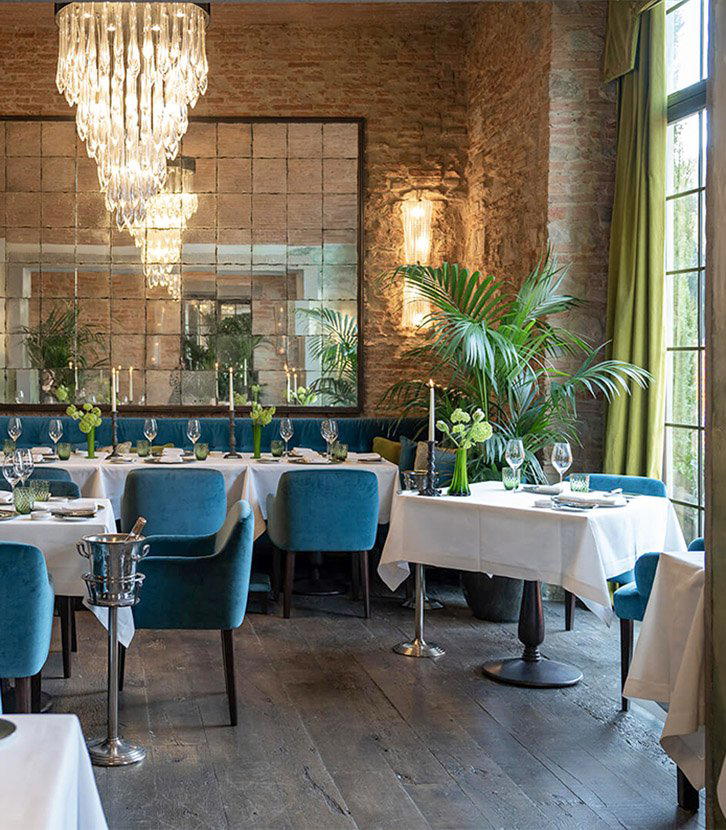
A Michelin Plate recipient in Milan's Zona Tortona district, Belé delivers Italian contemporary cooking in a room defined by a crystal chandelier that scatters shifting patterns across warm, conversation-ready interiors. it occupies a confident mid-market position in one of Milan's most design-conscious neighbourhoods.
Pearl is the En Primeur Club membership app — saves, bookings, and concierge access live there. Same editors, same standards.
- Address
- Via Angelo Fumagalli, 3, 20143 Milano MI, Italy
- Phone
- +39 02 3664 2933
- Website
- beleristorante.com
- Directions
- Get directions
 Saves & bookings on Pearl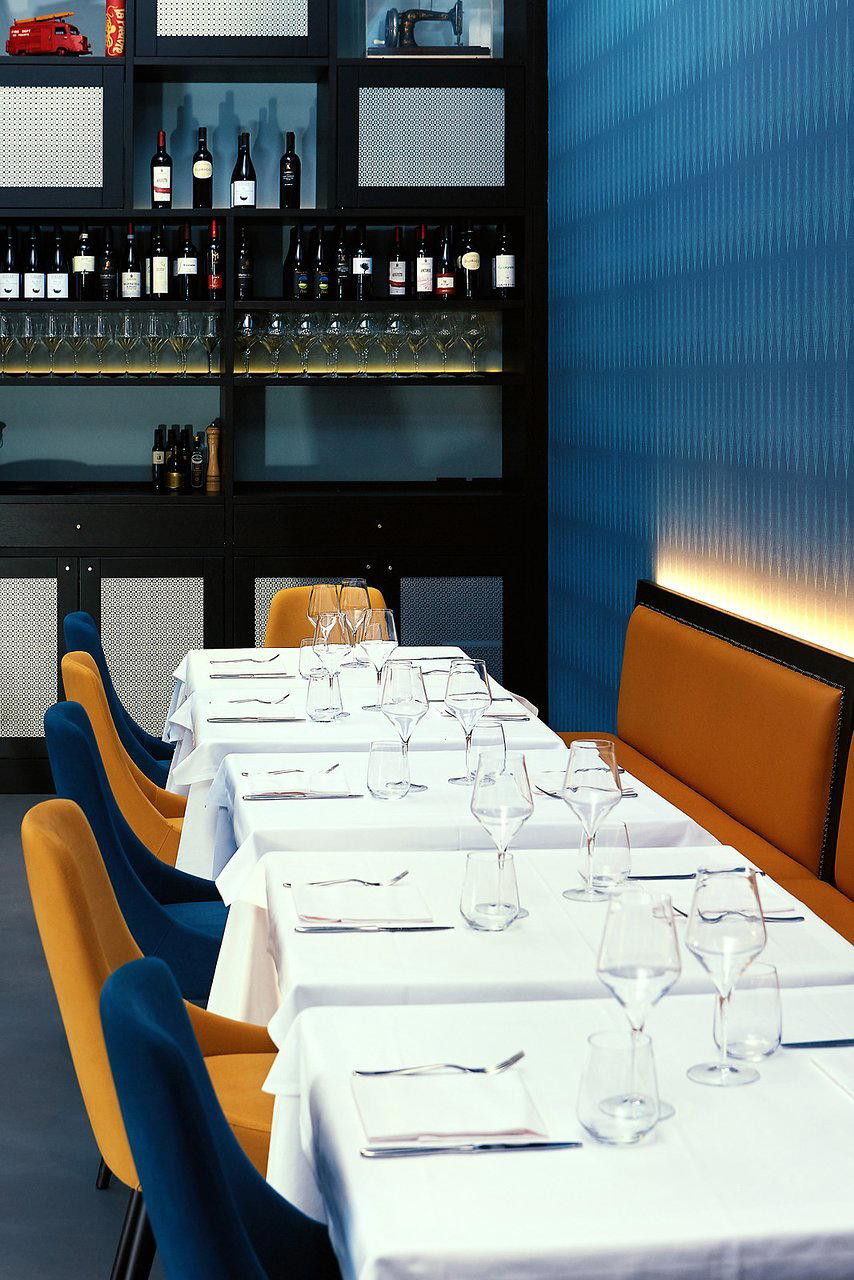
Light, Room, and the Logic of a Chandelier
There is a school of restaurant design in Milan that treats the dining room as a mood argument rather than a backdrop. Belé is a restaurant in Milan's Zona Tortona district, serving Modern Italian Fine Dining at about $80 per person. Belé, on Via Angelo Fumagalli in the Zona Tortona district, makes that argument through a single overhead fixture: an old-fashioned chandelier whose crystal pieces fracture the light into shifting, lace-like patterns across the ceiling and walls. The effect changes as the evening moves and as the room fills. It is a design choice that does something useful, it gives the space texture without demanding attention, so conversation stays at the table where it belongs. The acoustics reinforce that intent; the room absorbs sound rather than amplifying it, which in a city where aperitivo-hour venues routinely operate at nightclub volume counts as a deliberate editorial decision about what kind of restaurant this is.
The colour palette is contemporary without being cold: warm tones, comfortable armchairs, proportions that work for a business lunch or an unhurried dinner. In Milanese dialect, belé means beautiful, and the room earns the name without overreaching. It belongs to a cohort of mid-market Milanese restaurants that treat physical environment as a first signal about what the kitchen intends, namely, something considered and modern rather than either aggressively avant-garde or lazily traditional.
Italian Contemporary at the Mid-Market Tier
At the leading sits a cluster of starred addresses, Enrico Bartolini at four Michelin stars, Il Luogo Aimo e Nadia, Andrea Aprea, and Seta at two stars each, Cracco in Galleria and Contraste at one, operating at price points that push dinners well into the €€€€ bracket and above. Below that, the city has a thinner middle register than most comparable European capitals: venues that take the kitchen seriously, carry awards recognition, and price at €€ without pretending to compete with the starred tier on either ambition or ceremony.
Belé operates in that middle register. Its Michelin Plate recognition in both 2024 and 2025 signals that the Guide's inspectors found cooking worth noting, the Plate designates good cooking without the full star apparatus, and it appears on fewer menus than its relative modesty might suggest. At the €€ price range, Belé sits alongside rather than beneath peers like Sine by Di Pinto and Casa Camperio, and well below the ceremony and spend of DaV by Da Vittorio Louis Vuitton or DanielCanzian. That positioning is not a compromise, it reflects a specific audience: the Milanese professional or design-world visitor who wants a kitchen applying modern technique to Italian foundations without the prix-fixe formality of the starred tier.
The cuisine category, Italian Contemporary, covers a wide range of approaches across the country. At Osteria Francescana in Modena, it means conceptual deconstruction of regional memory. At Piazza Duomo in Alba, it means hyper-local ingredient sourcing pushed to an almost philosophical extreme. At Le Calandre in Rubano or Enoteca Pinchiorri in Florence, the contemporary register operates alongside deep wine programs and multi-decade institutional authority. Belé does none of those things, nor does it attempt to. Its version of Italian contemporary is closer to the urban trattoria evolved: classical Italian structure updated with lighter technique and modern plating sensibility, served in a room designed for return visits rather than single-occasion spectacle.
For readers exploring Italian contemporary outside the city, Agli Amici Rovinj and L'Olivo in Anacapri offer useful comparators for how the category shifts when coastal and regional contexts replace the metropolitan one. The contrast underscores what makes Belé specifically Milanese: the room's design-forward sensibility, the efficient urban pace, and the assumption that the guest knows what they want and does not need it explained at length.
The Zona Tortona Setting
Via Angelo Fumagalli sits in the southwestern quadrant of central Milan, in the Zona Tortona district that has shifted over the past two decades from former industrial terrain into one of the city's denser concentrations of design studios, showrooms, and creative businesses. During Salone del Mobile and the associated design weeks, the area functions as the commercial and social hub of a global industry. Outside those periods, it operates as a working neighbourhood with restaurants and bars that serve a professional local clientele rather than tourist flows. That context shapes what Belé is asked to do: perform reliably across lunch and dinner, hold its standards against regulars who will notice inconsistency, and maintain an atmosphere that is conducive to the kind of conversation that the design and fashion industries run on.
For visitors, the neighbourhood is direct to reach from the city centre and sits close to several of Milan's design institutions, making it a natural dinner stop around a day spent in that part of the city. Reservations are essential, especially for weekend dinners or visits during the design weeks in April.
Where Belé Sits in the Milan Conversation
For those whose Italian itinerary extends beyond Milan, Atelier Moessmer Norbert Niederkofler in Brunico and Dal Pescatore in Runate represent the country's multi-starred register at a different scale and register entirely.
What it offers is more specific: a well-regarded kitchen, a room with genuine sensory intention behind its design, and a price point that makes it a practical choice for the kind of evening that is as much about the conversation as the cooking. In a city that can make dining feel like an occasion that requires advance planning and significant expenditure, that is a position worth holding.
Category Peers
Comparable venues nearby, for context on price, style, and recognition.
| Venue | Cuisine | Price | Awards | Notes |
|---|---|---|---|---|
| BeléThis venue — the venue you are viewing | Modern Italian Fine Dining | $$$ | Michelin Plate | Not listed |
| Innocenti Evasioni | Modern Italian Fine Dining | $$$ | Michelin Plate | Parco Sempione |
| Il Liberty | Modern Italian Mediterranean | $$$ | Michelin Plate | Porta Garibaldi - Porta Nuova |
| Nebbia | Modern Milanese Trattoria | $$$ | Not listed | Porta Ticinese - Conca Del Naviglio |
| Manna | Modern Italian Fine Dining | $$$ | Michelin Plate | Padova - Turro - Crescenzago |
| Casa Camperio | Modern Italian with Japanese Influences | $$$ | Michelin Plate | Duomo |
Recognition history
Dated appearances from independent guides and award organizations, with the underlying list record or original source where available.
Michelin Plate
Michelin
Michelin Plate
Michelin
Michelin Plate
Michelin
Continue exploring
More in Milan
Restaurants in Milan
Browse all →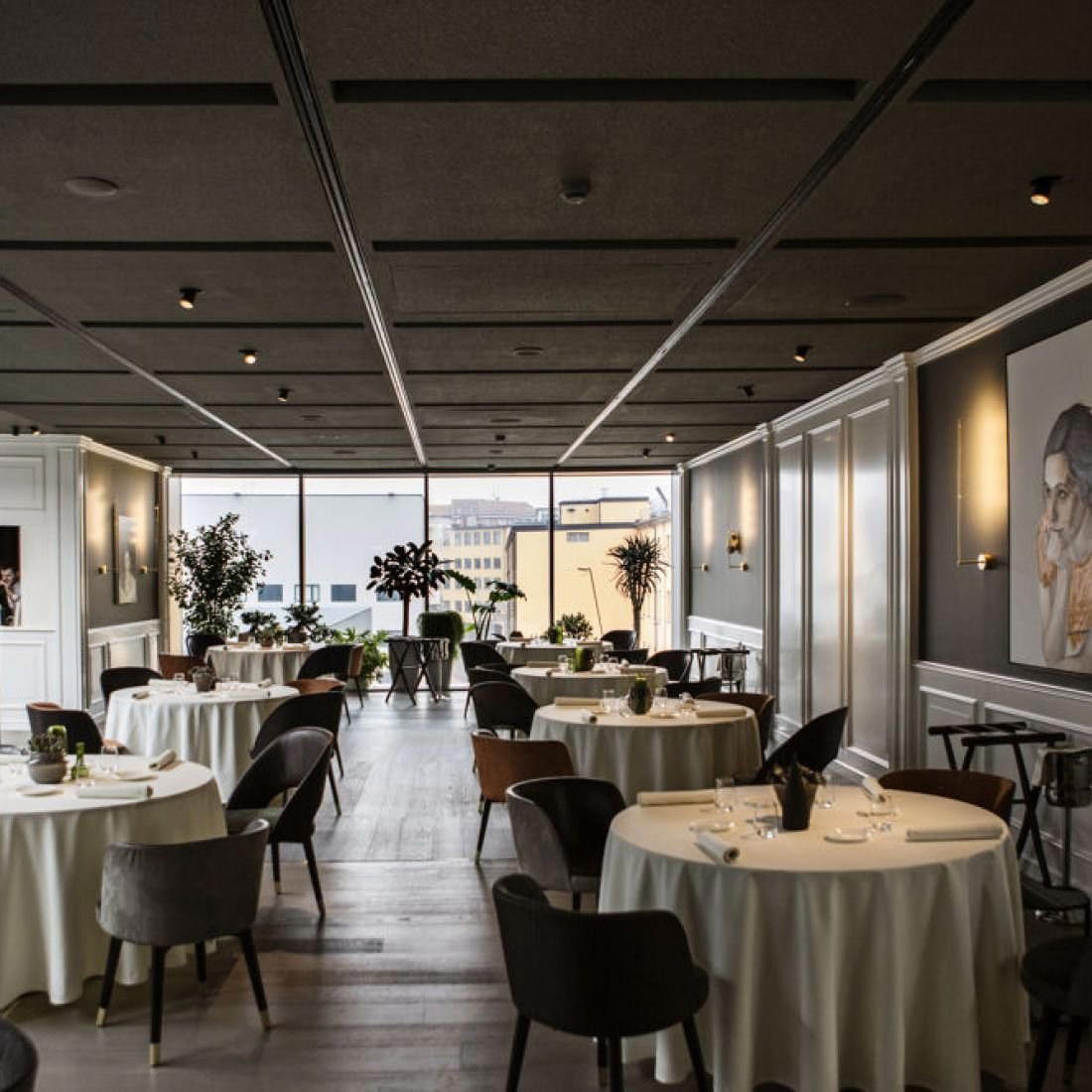
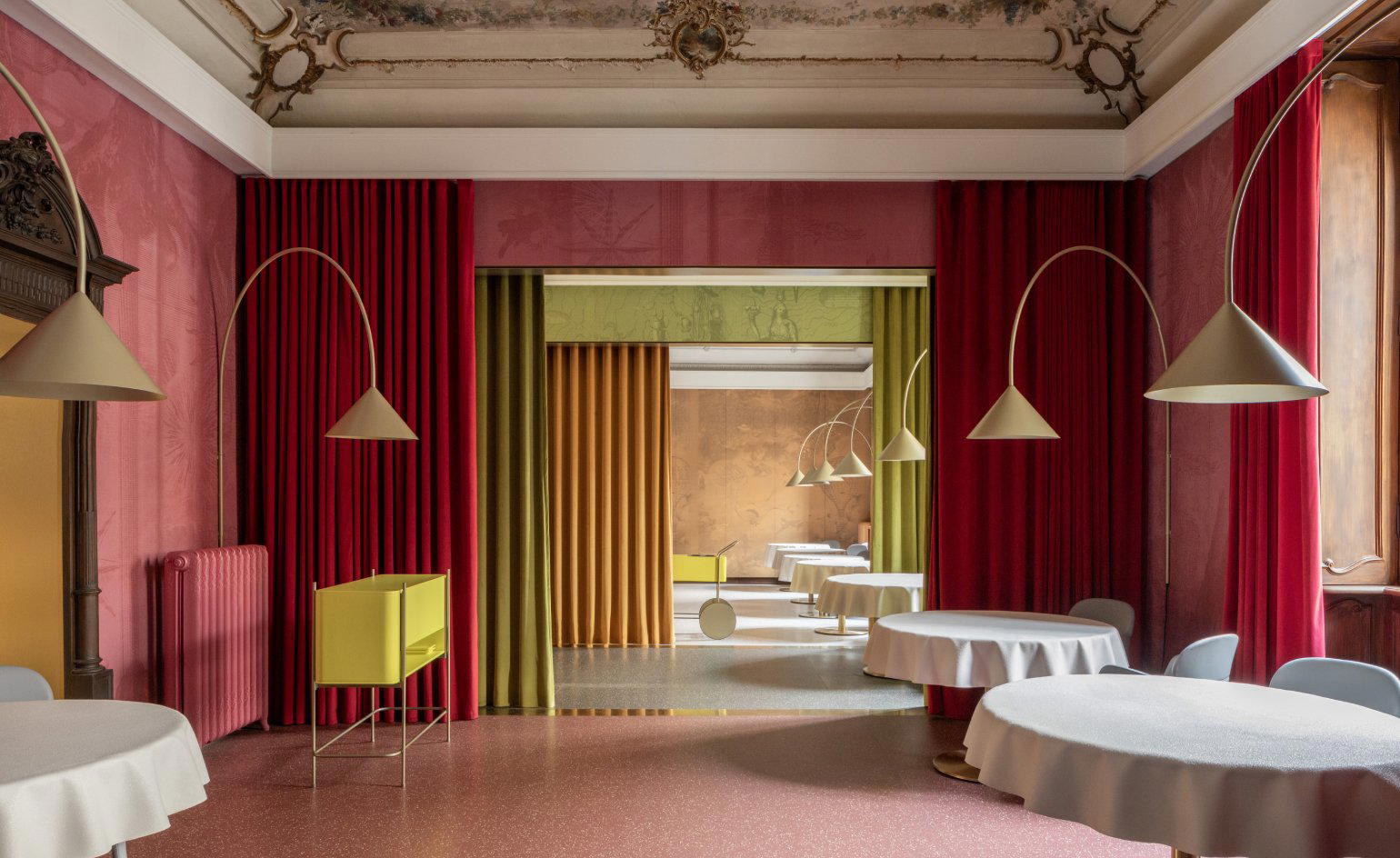
Bars in Milan
Browse all →
Hotels in Milan
Browse all →

At a Glance
- Elegant
- Sophisticated
- Intimate
- Quiet
- Date Night
- Special Occasion
- Celebration
- Business Dinner
- Standalone
- Design Destination
- Private Dining
- Extensive Wine List
- Sommelier Led
- Local Sourcing
Current opening hours
- Monday
- 7:30–11 PM
- Tuesday
- 7:30–11 PM
- Wednesday
- 7:30–11 PM
- Thursday
- 7:30–11 PM
- Friday
- 7:30–11 PM
- Saturday
- 12:30–3:30 PM, 7:30–11 PM
- Sunday
- 12:30–3:30 PM, 7:30–11 PM
Hours can change for holidays and private events. Last verified .
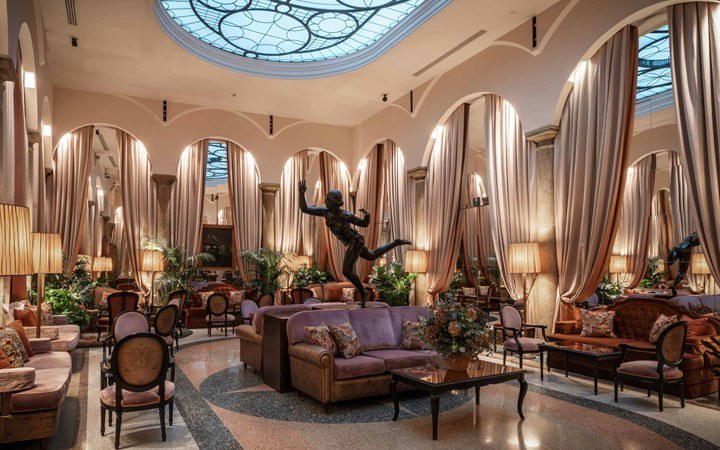
Charmingly lit by an old-fashioned crystal chandelier creating intricate light patterns; contemporary colors with comfortable armchairs; acoustics well-suited for conversation; warm, welcoming modern room with sophisticated yet unpretentious atmosphere.