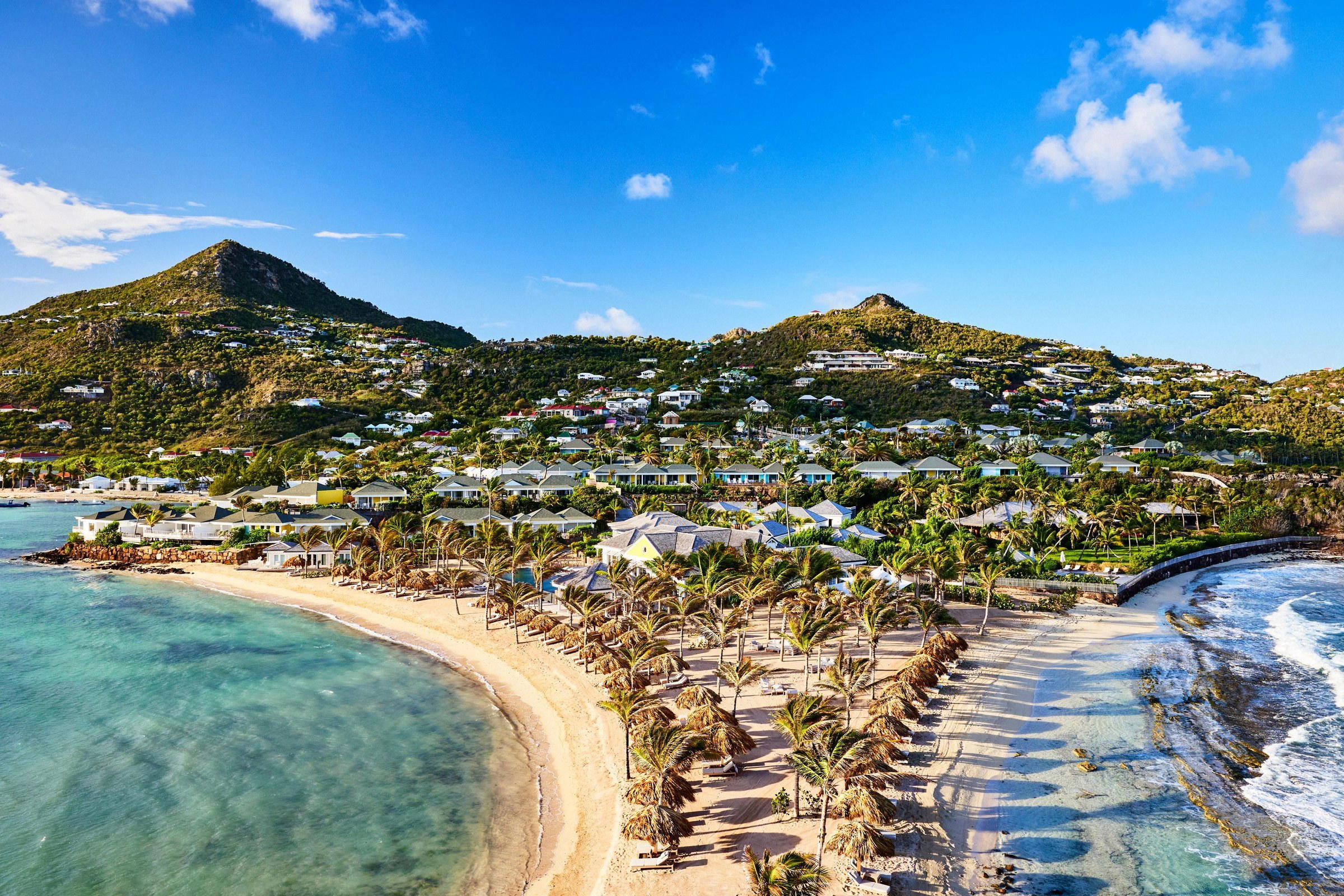
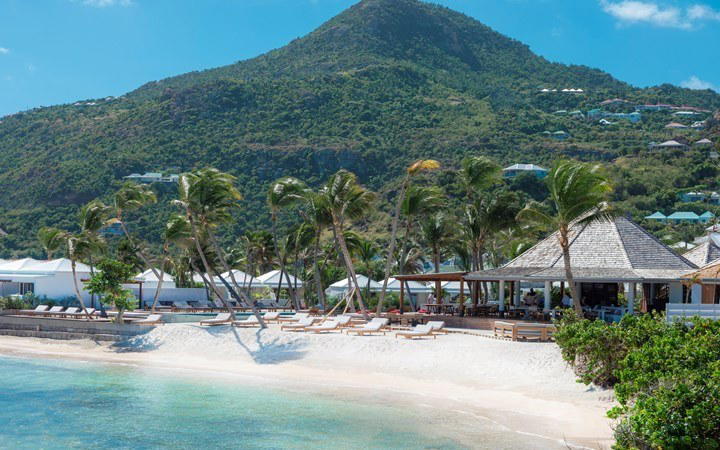
Beach House St. Barth belongs to the Grand Cul-de-Sac side of the island, where lagoon-front dining is less about spectacle than pace, salt air and supply discipline. With no public award or chef narrative defining the room, the useful read is contextual: this is a St. Barts beach restaurant to judge by sourcing, setting and how it fits among the island’s resort-side tables.
Pearl is the En Primeur Club membership app — saves, bookings, and concierge access live there. Same editors, same standards.
- Address
- D209 Anse de Grand Cul-de-Sac Saint Barthelemy, D209, 97133, St. Barthélemy
- Phone
- +590 590 52 90 01
- Website
- rosewoodhotels.com
- Directions
- Get directions
 Saves & bookings on Pearl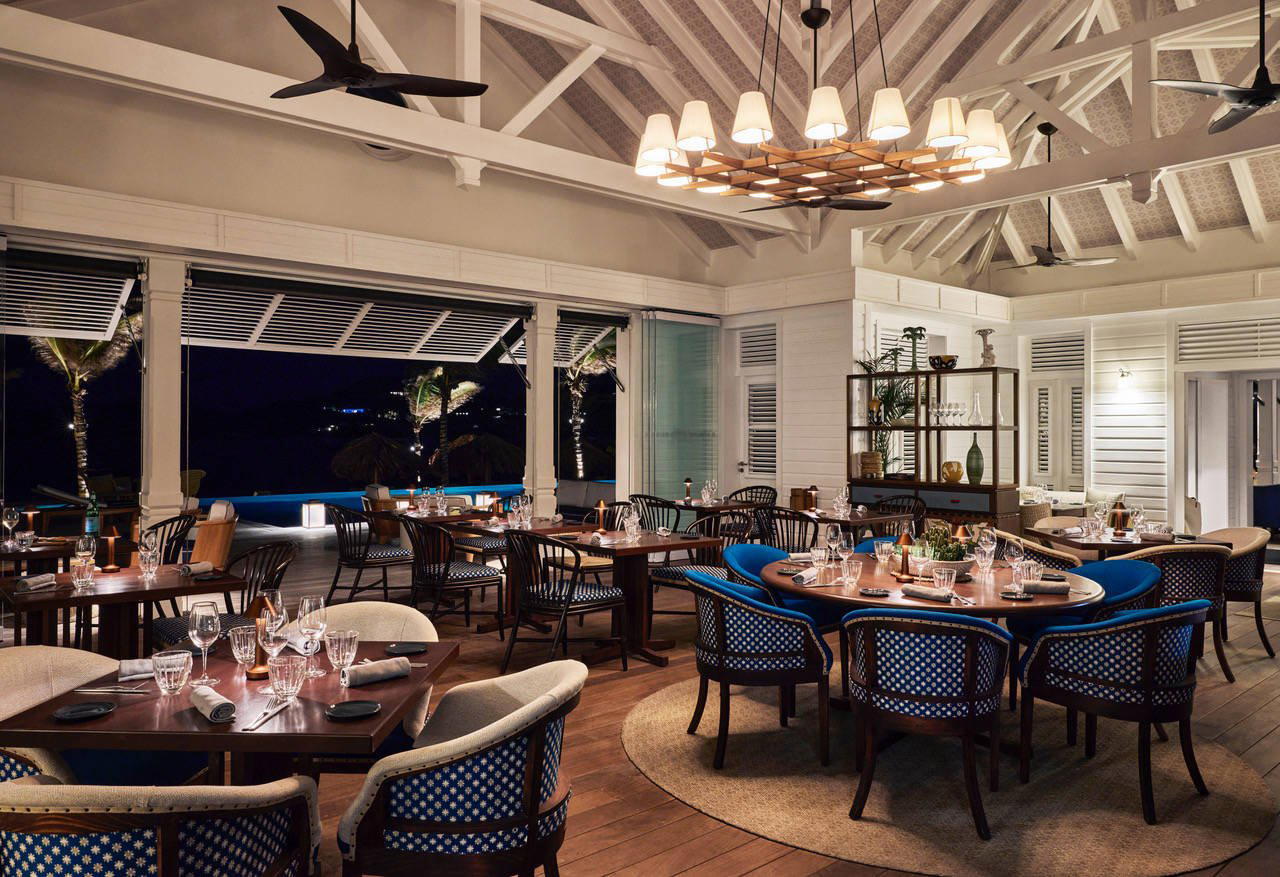
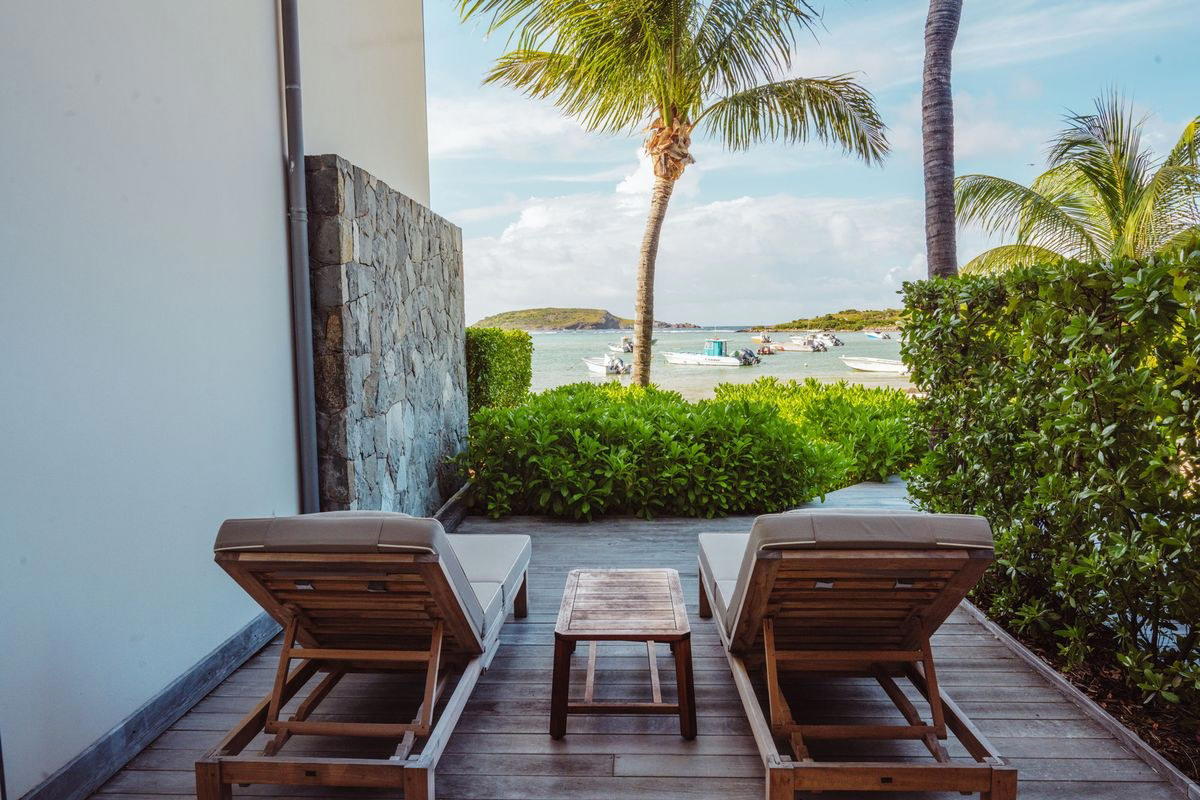
Grand Cul-de-Sac changes the tempo before the first plate arrives. The water is shallow, pale and protected, the sort of lagoon where lunch can feel closer to a tide chart than a timetable. In St. Barts, that setting matters because the island’s restaurant culture is shaped by constraint: imported luxury ingredients, Caribbean seafood, French technique, resort infrastructure and a clientele that expects polish without wanting the room to feel stiff. Beach House St. Barth sits inside that equation rather than outside it.
The sharper way to read a beach restaurant here is through sourcing. St. Barts is not a large agricultural island, and its dining rooms tend to work from a split pantry: what can be pulled from regional waters, what can be supplied through French-Caribbean channels, and what is flown or shipped in to satisfy a luxury market. That mix creates a different kind of discipline from mainland restaurants. Menus have to balance freshness, freight, weather and guest expectation; the strongest lagoon-side cooking usually avoids pretending the island is something it is not.
Grand Cul-de-Sac dining is defined by water, supply and restraint
Beach House St. Barth’s location on Anse de Grand Cul-de-Sac places it in one of the island’s gentler dining zones. Gustavia brings yacht traffic and late-night volume; Saint-Jean brings beach-club energy; Grand Cul-de-Sac is more protected, more resort-facing, and better suited to meals where the view does part of the work. That does not excuse lazy cooking. It raises the sourcing question more directly: when a restaurant is built around the water, seafood and produce choices have nowhere to hide.
St. Barts restaurants often speak a hybrid language: French menu structure, Caribbean setting, Mediterranean habits, and a luxury-island tolerance for imported ingredients when the result justifies the carbon and cost. The difference between a serious beach table and a decorative one is usually not the presence of lobster, tuna or citrus; it is whether the kitchen treats those categories with restraint. A lagoon restaurant should not need heavy sauces or theatrical plating to explain itself. The scene asks for clean seasoning, clear temperature control and enough acidity to keep the meal from sliding into resort softness.
Within the island’s restaurant map, the useful comparisons are nearby rather than global. Le Sereno Al Mare Restaurant works the same Grand Cul-de-Sac geography through a hotel-dining lens, while Amis St. Barth and Abyss show how St. Barts’ resort tables can lean into different versions of polish. The question for Beach House St. Barth is not whether it competes on ceremony; it is whether its beach setting translates into a menu that feels edited rather than padded.
The island's luxury restaurants split between beach ease and destination dining
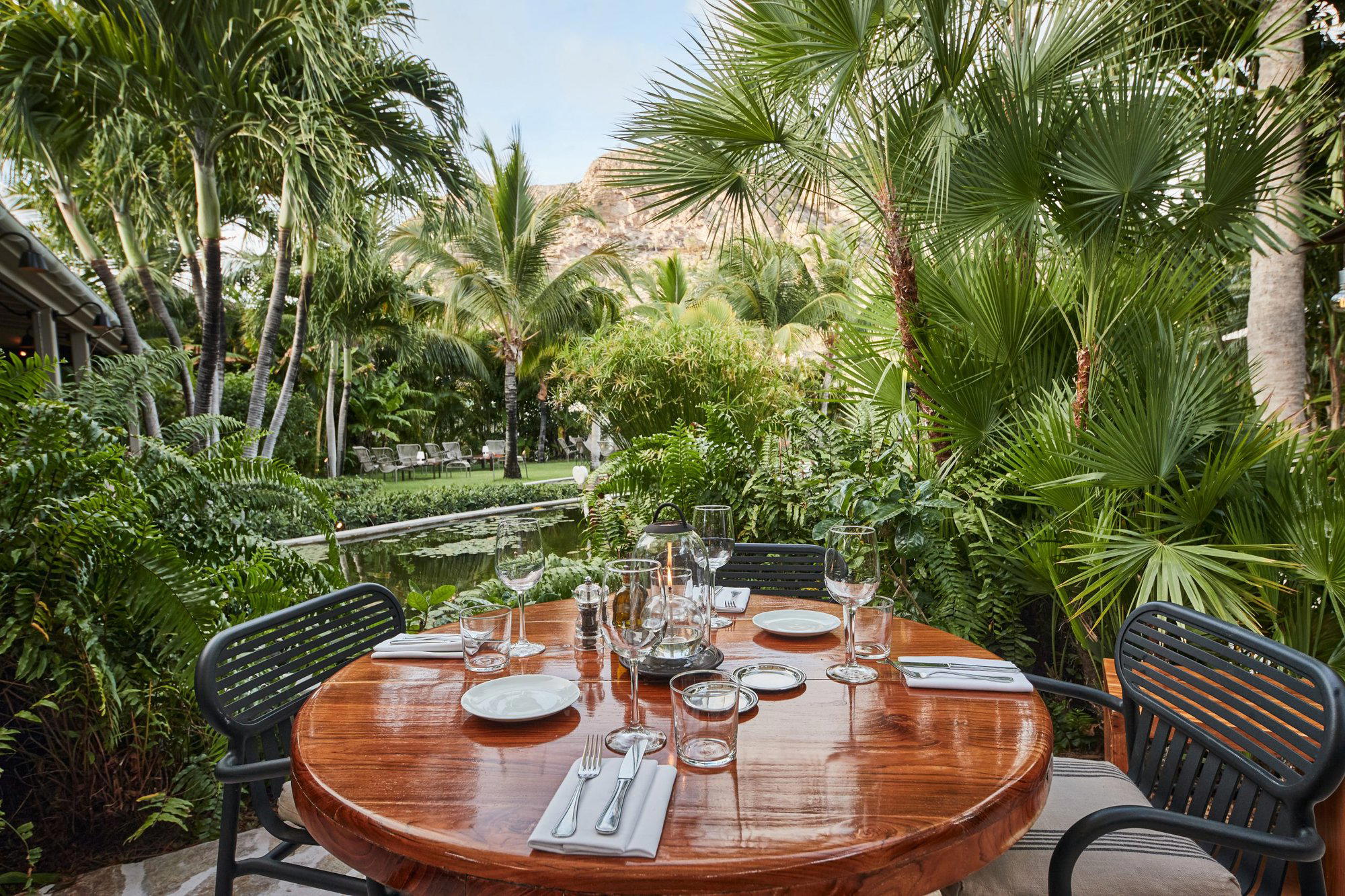
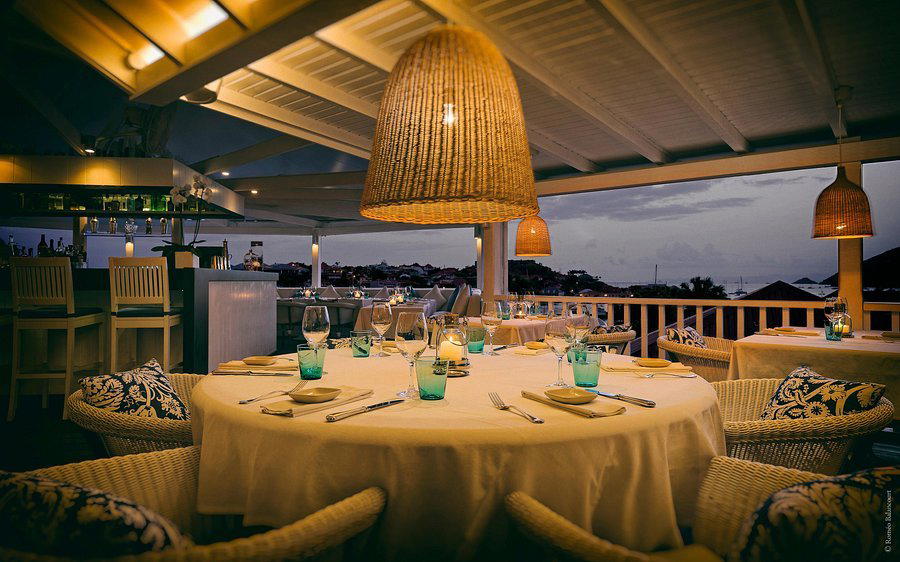
St. Barts has a compact but demanding dining field. Some rooms sell the party, some sell the hotel view, and some sell the chef’s room as an evening destination. The restaurant belongs to the beach-ease side of that divide, a category where service rhythm and ingredient handling matter more than formal theatrics. That position can be a strength. At lunch or early evening, a Grand Cul-de-Sac address gives the meal a natural frame: lagoon, breeze, low horizon, and a pace that suits seafood, salads, grilled preparations and lighter island cooking.
The island’s other dining poles help clarify the choice. La Cabane and La Case sit in the high-gloss resort conversation; Bagatelle St. Barth in St Barthelemy belongs to the social-dining circuit; Beefbar St Barths in Gustavia answers a different craving entirely, built around a meat-led international format. For a greener, garden-framed counterpoint, Gyp Sea Plantation in Saint-Jean and Le Tamarin in Saint Barthelemy show how the island uses landscape and foliage rather than open water. On the Rocks in St. Jean and Restaurant Le Toiny in Toiny pull the conversation toward view-driven destination dining. The restaurant is better understood against those categories than as a standalone address.
That context also keeps expectations honest. There are no public awards attached here, no listed chef to anchor a biographical reading, and no published price range in the supplied details. In a market as expensive and image-conscious as St. Barts, a beach restaurant earns attention by keeping the meal coherent: clear ingredient priorities, service that understands resort pacing, and a room that lets the lagoon remain the main visual fact.
How to place it within a St. Barts itinerary
For travellers building a food-led stay, the restaurant works as the quieter counterweight to the island’s higher-theatre rooms. It makes the strongest editorial sense when paired with a broader look at the island’s categories: the full restaurant field in Our full St. Barts restaurants guide, the hotel ecosystem in Our full St. Barts hotels guide, the after-dark circuit in Our full St. Barts bars guide, cellar and producer context in Our full St. Barts wineries guide, and island programming in Our full St. Barts experiences guide.
The verdict is category-specific: this is a Grand Cul-de-Sac beach restaurant to consider when the meal should track the water rather than the room. Diners chasing awards, named-chef storytelling or a formal tasting-menu structure have clearer targets elsewhere on the island. Diners who want the St. Barts beach idiom at its most legible should judge the restaurant by the basics that count here: seafood freshness, produce handling, pacing, and whether the kitchen resists the island habit of turning every meal into a performance.
For readers comparing formats beyond the Caribbean, the contrast is useful. A tightly edited Japanese drinking-and-food program such as Jōdo Saké Bar in Los Angeles or a focused casual specialist like Onigiri Time in Pasadena operates by concentration and repetition. St. Barts beach dining operates by setting, logistics and supply. The restaurant belongs to the second model, where the critical question is not how elaborate the concept becomes, but how well the kitchen lets the place make sense.
Quick Comparison
Comparable venues by cuisine and price in the same metro.
| Venue | Cuisine |
|---|---|
| Beach House St. Barth | This venue |
Continue exploring
More in St. Barts
Restaurants in St. Barts
Browse all →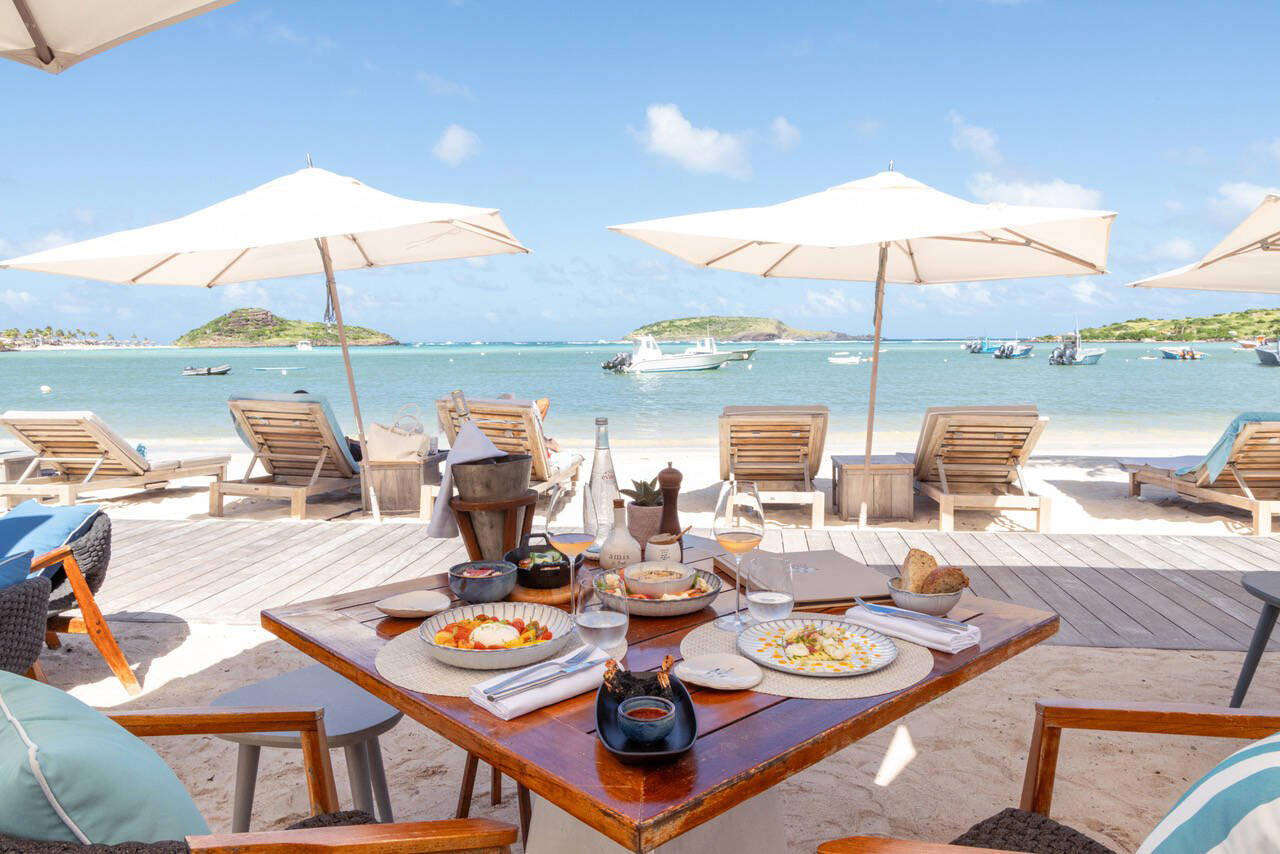
Bars in St. Barts
Browse all →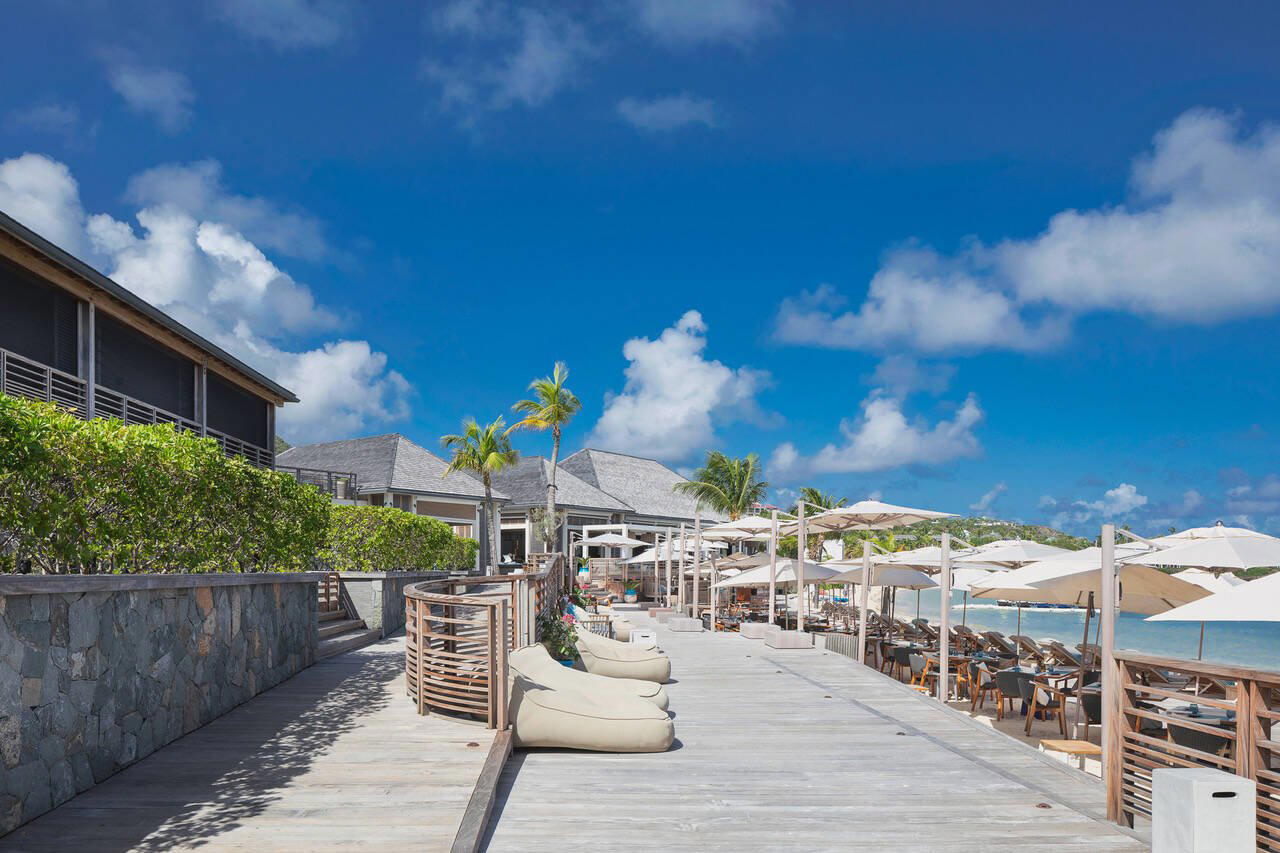
At a Glance
- Scenic
- Elegant
- Romantic
- Sophisticated
- Intimate
- Date Night
- Family
- Group Dining
- Brunch
- Special Occasion
- Waterfront
- Open Kitchen
- Terrace
- Hotel Restaurant
- Craft Cocktails
- Sommelier Led
- Local Sourcing
- Waterfront
Current opening hours
- Monday
- 7:30 AM–10:30 PM
- Tuesday
- 7:30 AM–10:30 PM
- Wednesday
- 7:30 AM–10:30 PM
- Thursday
- 7:30 AM–10:30 PM
- Friday
- 7:30 AM–10:30 PM
- Saturday
- 7:30 AM–10:30 PM
- Sunday
- 7:30 AM–10:30 PM
Hours can change for holidays and private events. Last verified .
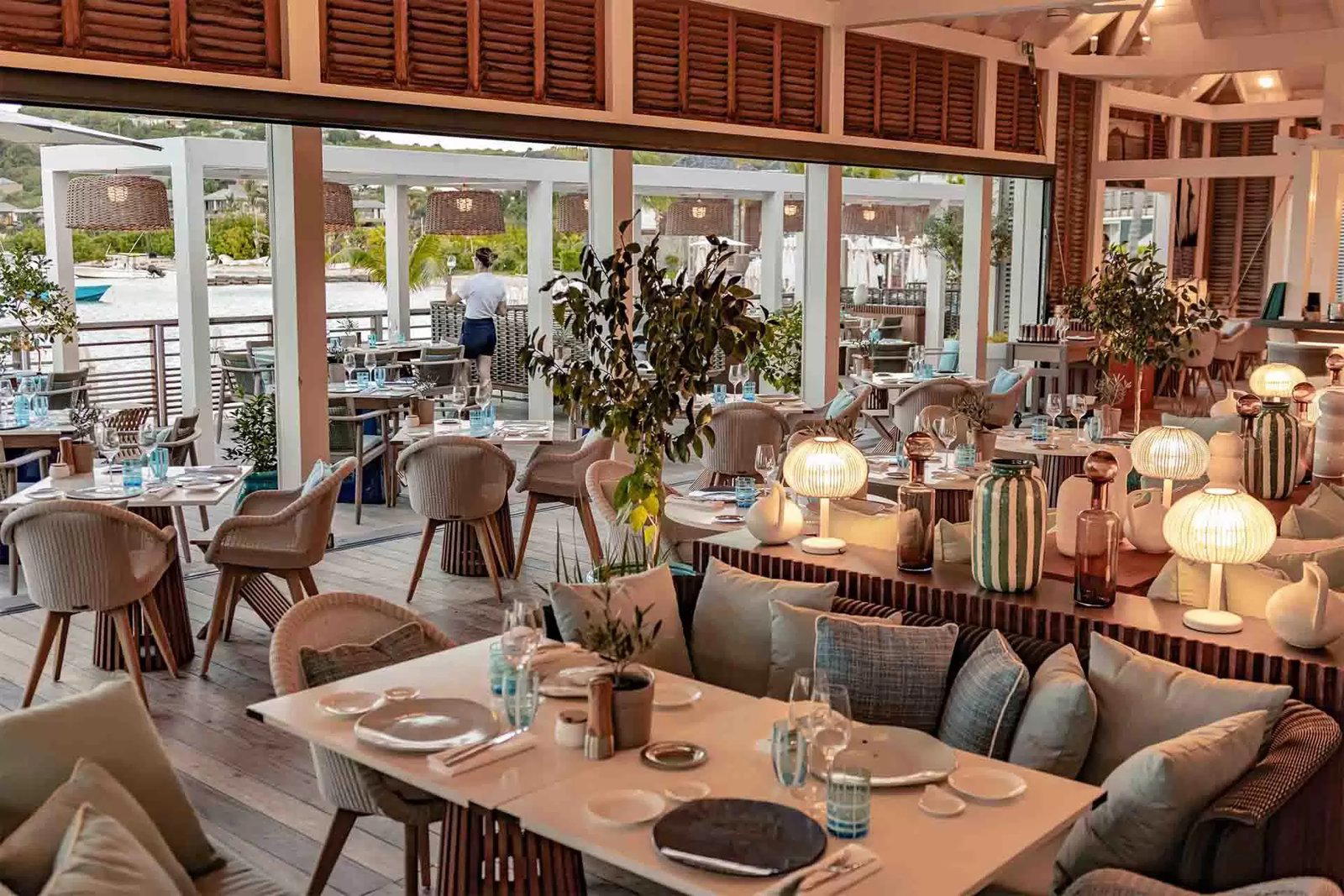
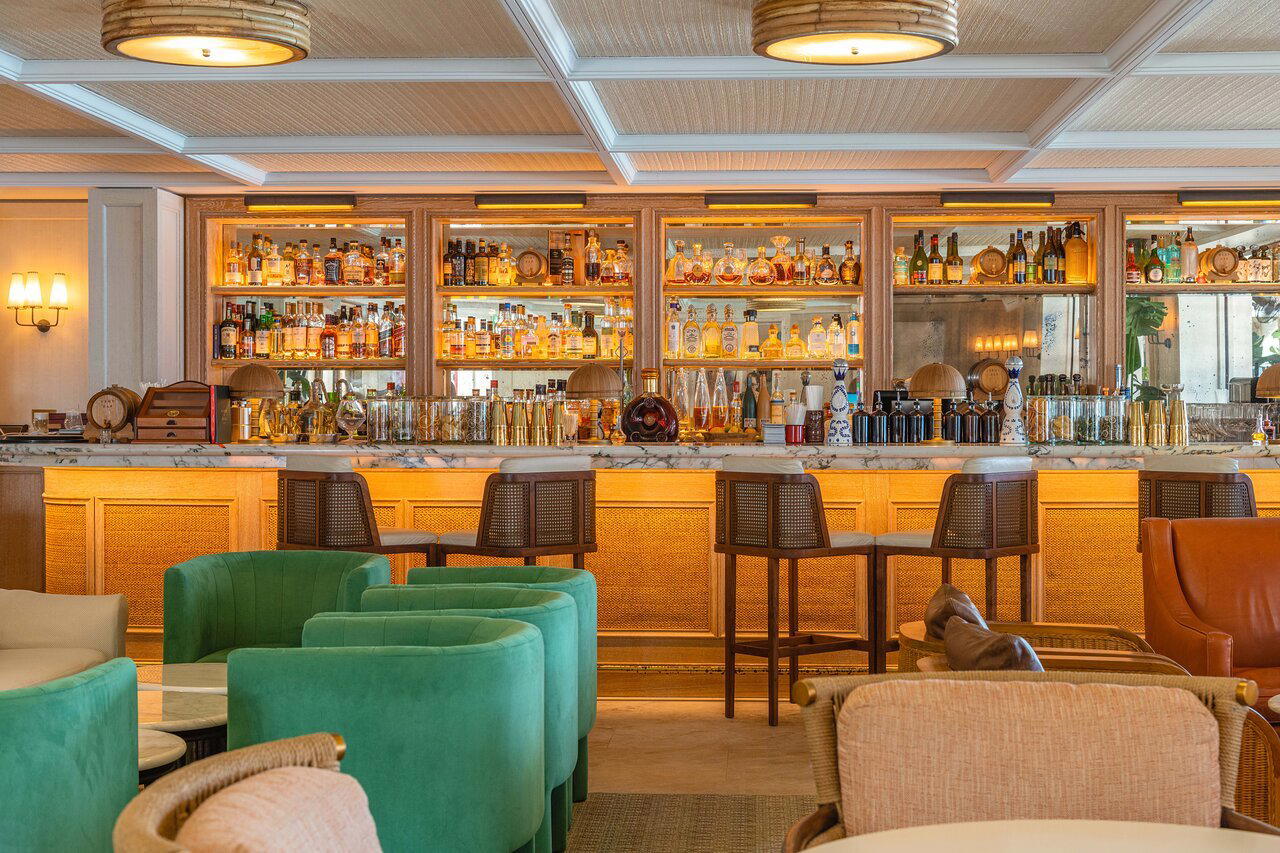
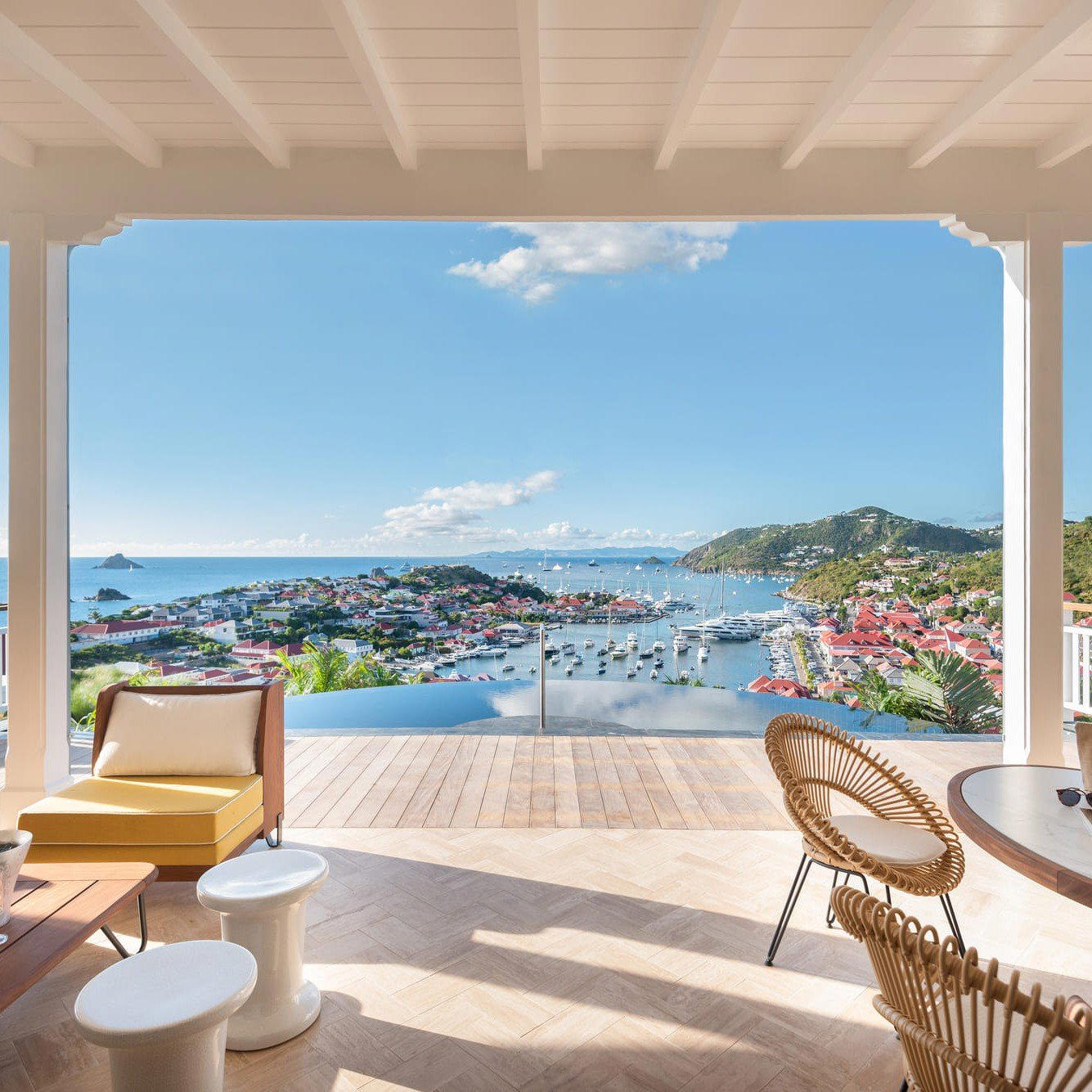
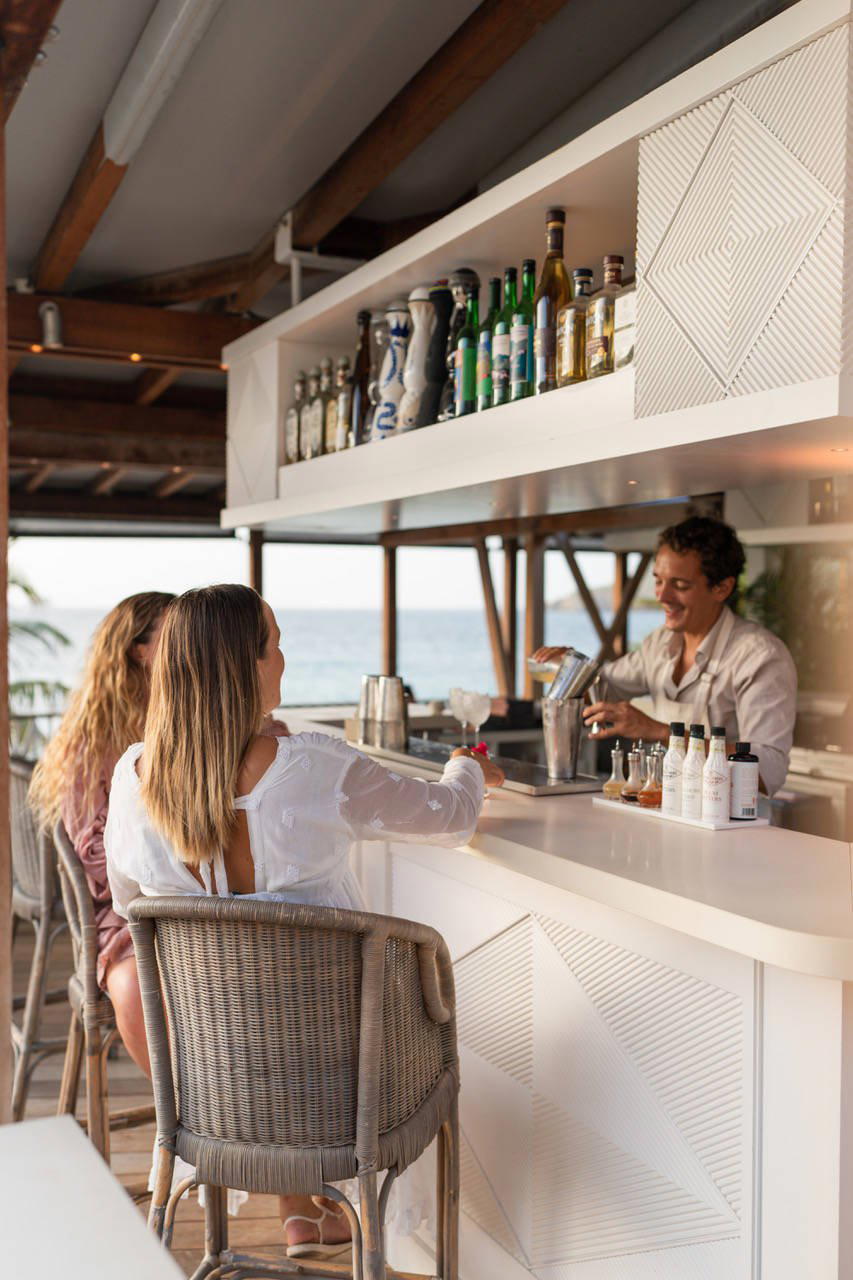
Elegant open-air beachfront setting with sand-and-surf views, combining Mediterranean cuisine, island charm, and a festive yet refined resort atmosphere.