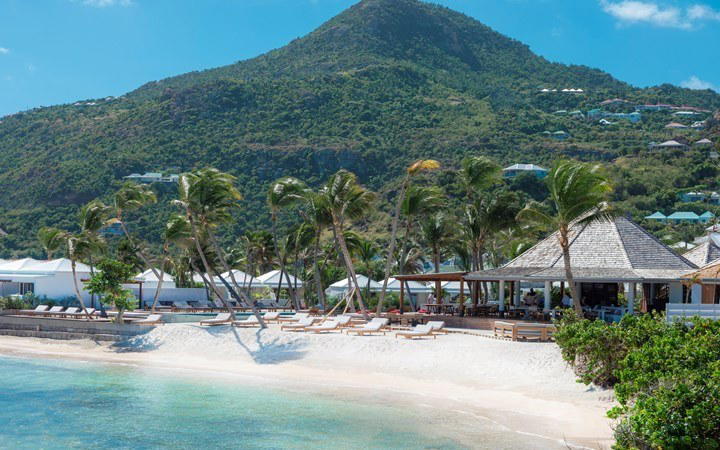
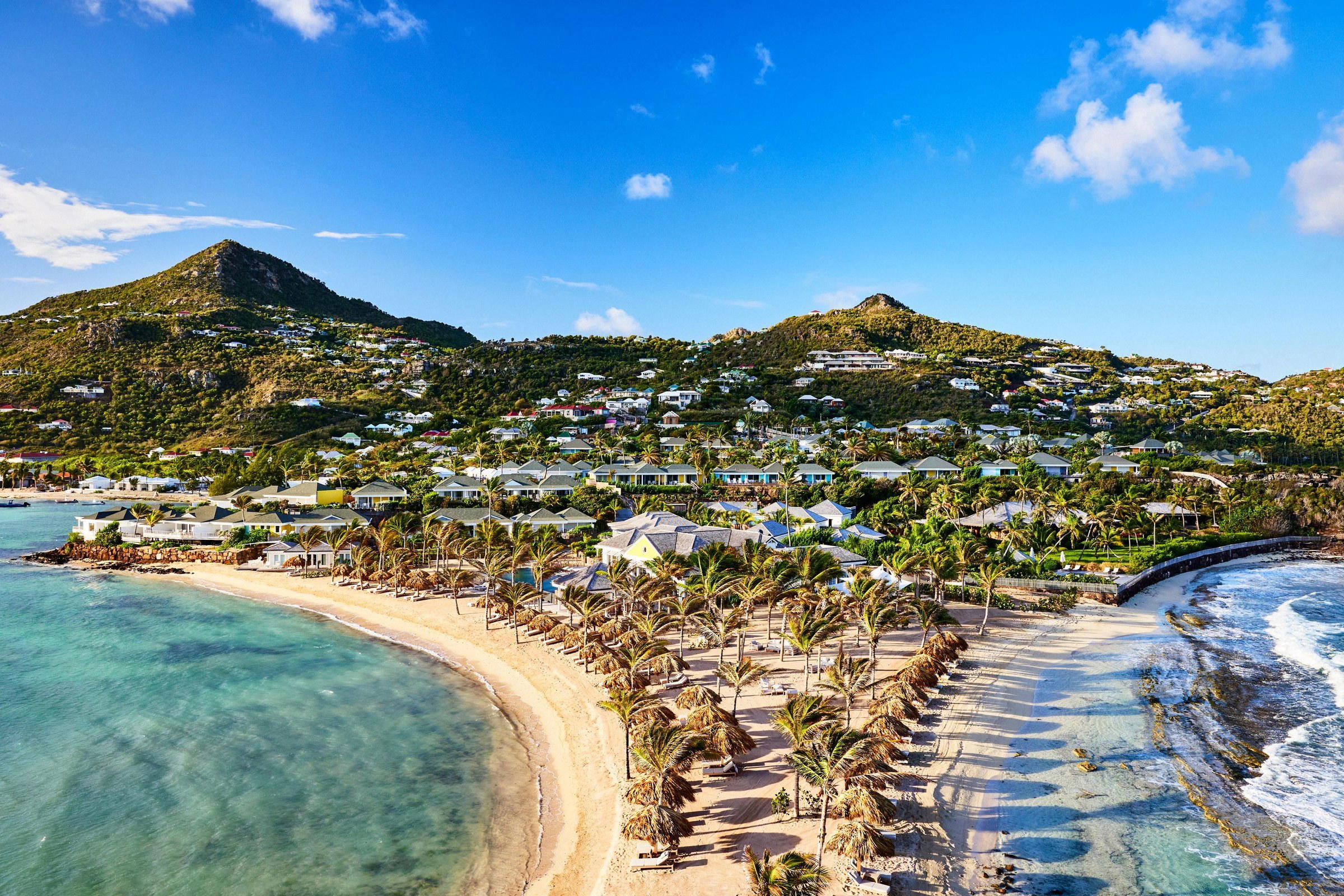
Amis St. Barth belongs to the Grand Cul de Sac side of the island, where lagoon-facing dining is shaped as much by trade winds, hotel rhythms, and imported produce as by the plate. With no public award, chef, price, or menu detail to lean on, the useful read is contextual: go for the beach-adjacent St. Barts mood, then compare it against the island’s sharper restaurant formats before planning the evening.
Pearl is the En Primeur Club membership app — saves, bookings, and concierge access live there. Same editors, same standards.
- Address
- Baie de Grand Cul de Sac Saint-Barthélemy, 97133, St. Barthélemy
- Phone
- +590 690 52 33 18
- Website
- amis.axo-corp.com
- Directions
- Get directions
 Saves & bookings on Pearl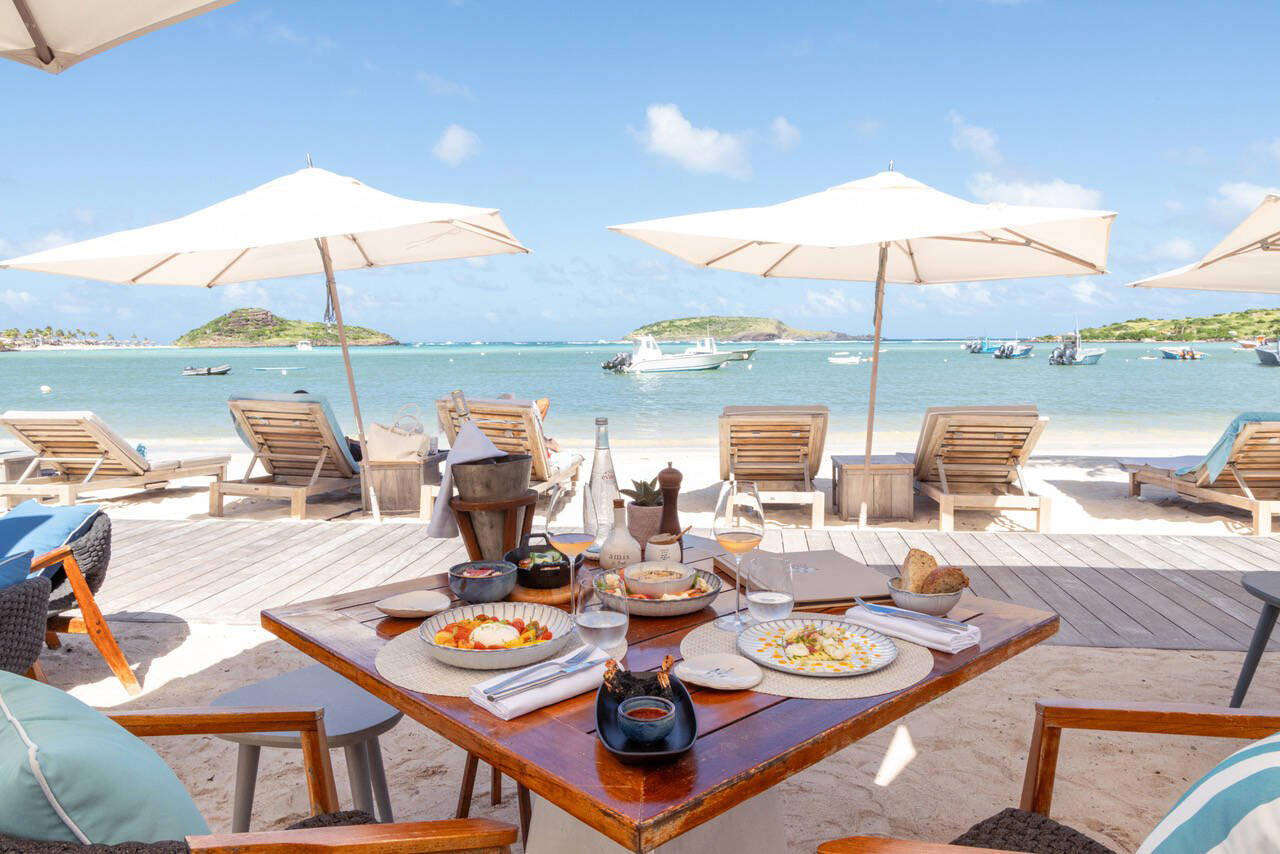
Grand Cul de Sac changes the tempo before a menu enters the conversation. The lagoon is shallow, pale, and wind-marked; the road in feels less theatrical than Gustavia and less resort-polished than Saint-Jean. Dining here is judged by a different island logic: not only what arrives from the kitchen, but how well the room handles salt air, late sun, swimwear-adjacent glamour, and the logistical reality of feeding a small Caribbean island that imports much of what it consumes.
That sourcing question matters in St. Barts. The island’s restaurant culture is built on a tension between French technique, Caribbean setting, and supply chains that run through air freight, maritime schedules, and regional produce. A restaurant in Grand Cul de Sac cannot pretend to be a market-town bistro with farms outside the door. Its credibility comes from how clearly it works within island constraints: seafood when the category makes sense, produce that travels well, and a service style calibrated to guests moving between beach, villa, and hotel dinner.
Grand Cul de Sac dining is about restraint, not Gustavia theatre
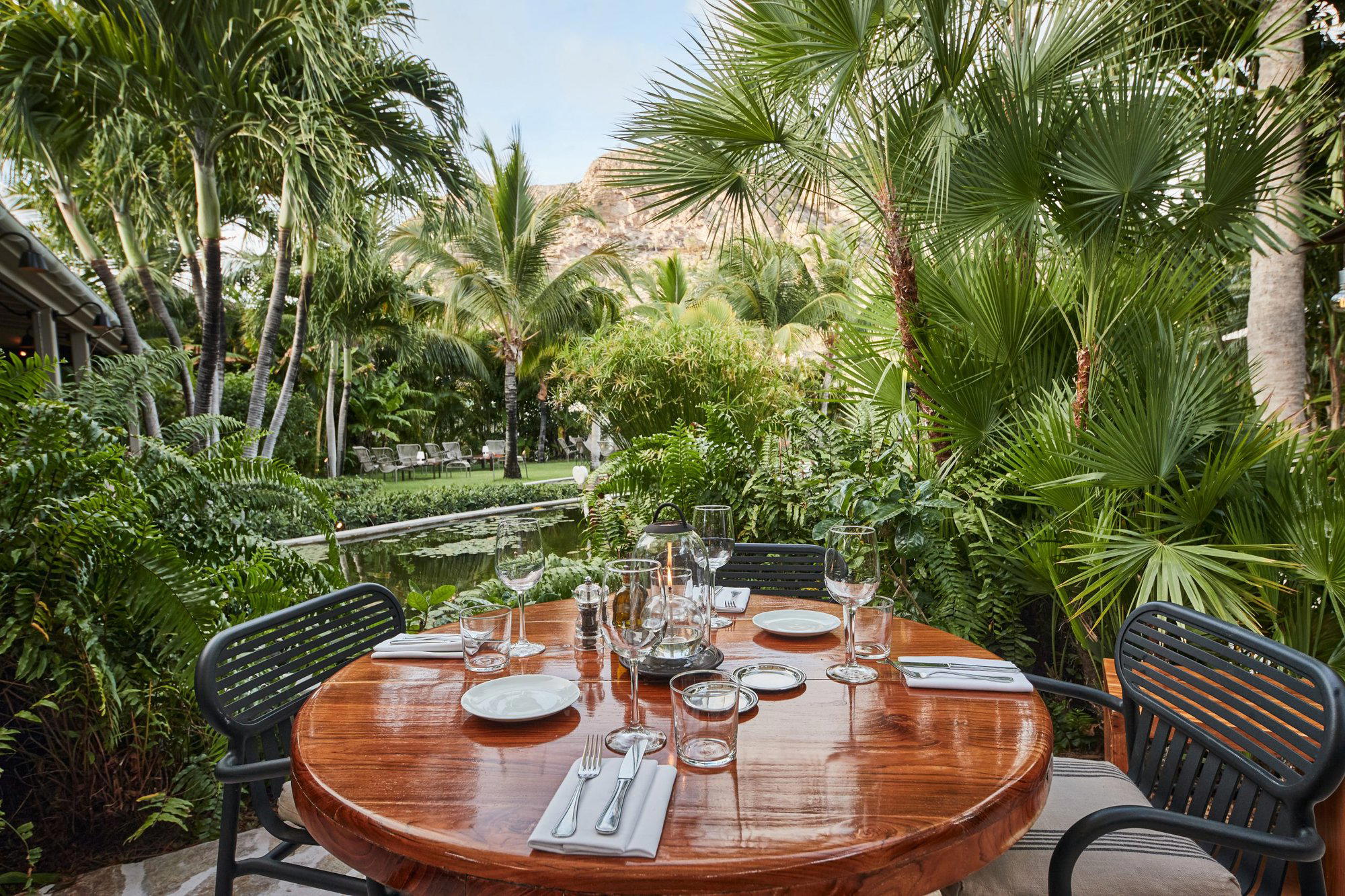
Amis St. Barth sits in Baie de Grand Cul de Sac, which places it in the lagoon circuit rather than the harbor-nightlife circuit. That distinction is useful. Gustavia restaurants often trade on arrival energy, boutique traffic, and the ritual of dinner before late drinks; Grand Cul de Sac leans toward longer meals, open-air pacing, and a softer transition from day to evening. The address alone signals a meal shaped by water and resort geography rather than street-level urban charge.
Within the island’s restaurant map, this puts Amis St. Barth closer in spirit to lagoon and beachside dining than to the more sceney dinner rooms that define parts of Saint-Jean and Gustavia. Readers comparing the area should look at Le Sereno Al Mare Restaurant, Beach House St. Barth, and La Cabane for the island’s different versions of seaside polish. Abyss and La Case occupy other points on the St. Barts spectrum, where the comparison becomes less about beach proximity and more about format, room tone, and dinner ambition.
The absence of public award data is not a weakness in itself; St. Barts has never been a dining culture organized solely around guidebook trophies. Its stronger signal is often positional: where a restaurant sits, which crowd it pulls, and whether it understands the island’s dual identity as a French-Caribbean address with luxury-hotel habits. Amis St. Barth is better read through that lens than through a checklist of accolades.
Ingredient sourcing on a small island rewards clarity
St. Barts restaurants operate under a practical sourcing regime that guests in larger food cities rarely notice. Fish, meat, wine, dairy, and produce move through constrained channels, and menu discipline matters because excess choice can expose weak logistics. The stronger island kitchens tend to keep the proposition legible: Mediterranean-leaning seafood, French-Caribbean references, grilled formats, salads and vegetable plates that survive travel, and wines selected for warm-weather drinking rather than cellar-room ceremony.
For the restaurant, the editorial question is not whether the kitchen can mimic Paris, New York, or the Riviera. The better question is whether the experience makes sense in Grand Cul de Sac. A lagoon-side meal should not feel as if it has been airlifted into the Caribbean without adjustment. It should read the climate, respect the pacing, and avoid burying island pleasure under imported formality. That is the standard to apply here.
This is also where St. Barts differs from cities with dense local agriculture or street-food depth. The island’s premium restaurants are expensive by structure before they are expensive by ambition: rent, staffing, imports, and seasonality all press on the plate. Price details for the restaurant are not publicly listed here, so the sensible approach is to treat it as part of the island’s upscale dining economy and compare it against neighboring formats rather than against mainland casual restaurants.
How to place it in a St. Barts itinerary
Grand Cul de Sac works particularly well when the meal follows a beach or lagoon day. It is less convincing as a rushed cross-island stop between unrelated plans. St. Barts roads are compact but slow in season, and the difference between a relaxed dinner and a strained one often comes down to choosing the right side of the island for the evening. If the day is built around the lagoon, the restaurant fits naturally; if the night is centered on Gustavia, the restaurant becomes a deliberate detour rather than a casual add-on.
For a fuller read on the island’s dining range, start with Our full St. Barts restaurants guide, then compare hotel dining through Our full St. Barts hotels guide and the after-dinner circuit via Our full St. Barts bars guide. The wider island context also sits in Our full St. Barts experiences guide and, for cellar-minded travelers, Our full St. Barts wineries guide.
Other island reference points sharpen the decision. Bagatelle St. Barth in St Barthelemy and Beefbar St Barths in Gustavia speak to a more brand-driven dining mode. Gyp Sea Plantation in Saint-Jean, Le Tamarin in Saint Barthelemy, On the Rocks in St. Jean, and Restaurant Le Toiny in Toiny show how quickly the island shifts between garden, cliff, beach, and hotel dining. For readers extending the same sourcing lens beyond St. Barts, Jōdo Saké Bar in Los Angeles and Onigiri Time in Pasadena offer a different lesson: in larger cities, specialization often replaces island atmosphere as the deciding factor.
The verdict is practical rather than breathless. The restaurant makes sense for travelers who want Grand Cul de Sac’s lagoon mood and are choosing dinner by geography, pacing, and island fit. It is not the page to read for trophy-chasing or chef biography. It is the page to read when the question is where a meal belongs within St. Barts, and whether the setting can carry the evening without pretending to be somewhere else.
Quick Comparison
Comparable venues by cuisine and price in the same metro.
| Venue | Cuisine | Price |
|---|---|---|
| Amis St. Barth | This venue | Not listed |
| Restaurant Le Toiny | French Caribbean | French Caribbean |
Continue exploring
More in St. Barts
Restaurants in St. Barts
Browse all →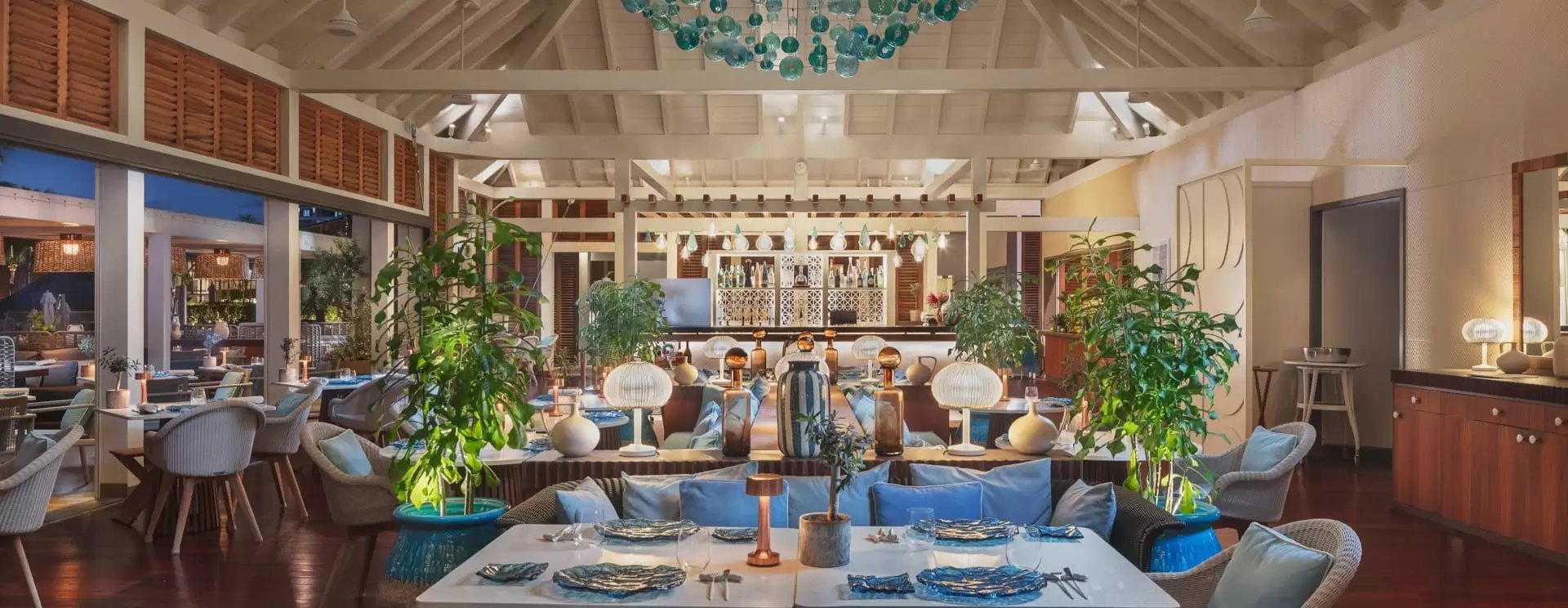
Bars in St. Barts
Browse all →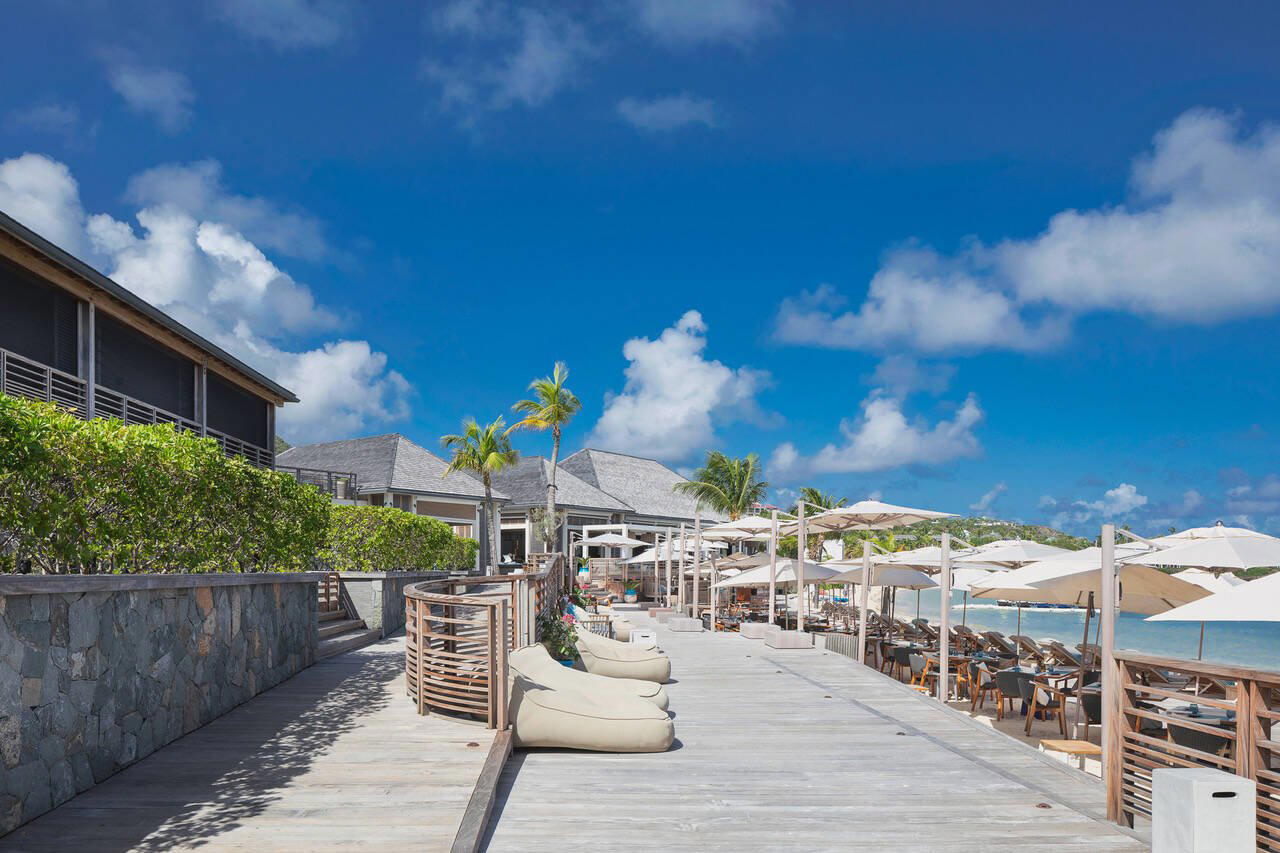
At a Glance
- Romantic
- Elegant
- Scenic
- Sophisticated
- Trendy
- Date Night
- Special Occasion
- Group Dining
- Business Dinner
- Waterfront
- Terrace
- Panoramic View
- Design Destination
- Hotel Restaurant
- Craft Cocktails
- Extensive Wine List
- Local Sourcing
- Sustainable Seafood
- Waterfront
Current opening hours
- Monday
- 12–10 PM
- Tuesday
- 12–10 PM
- Wednesday
- 12–10 PM
- Thursday
- 12–10 PM
- Friday
- 12–10 PM
- Saturday
- 12–10 PM
- Sunday
- 12–10 PM
Hours can change for holidays and private events. Last verified .
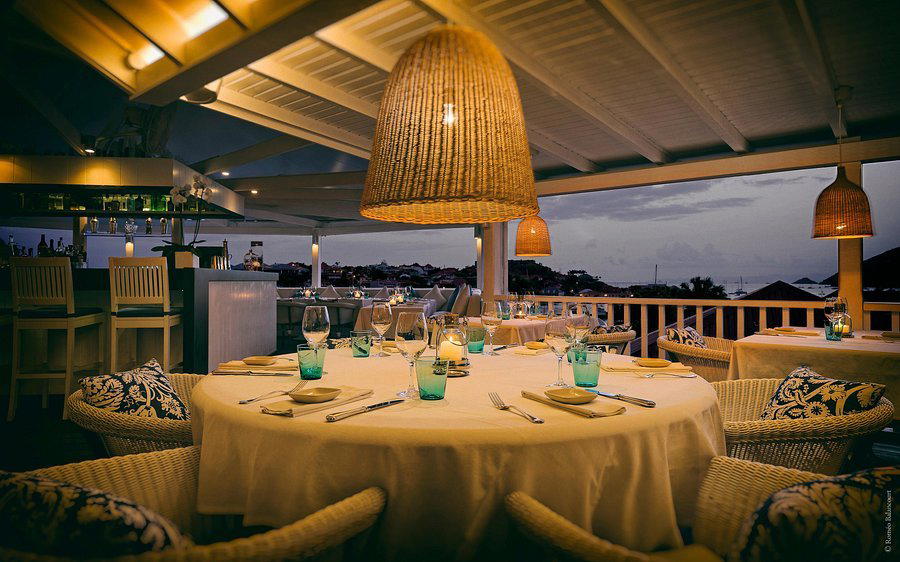
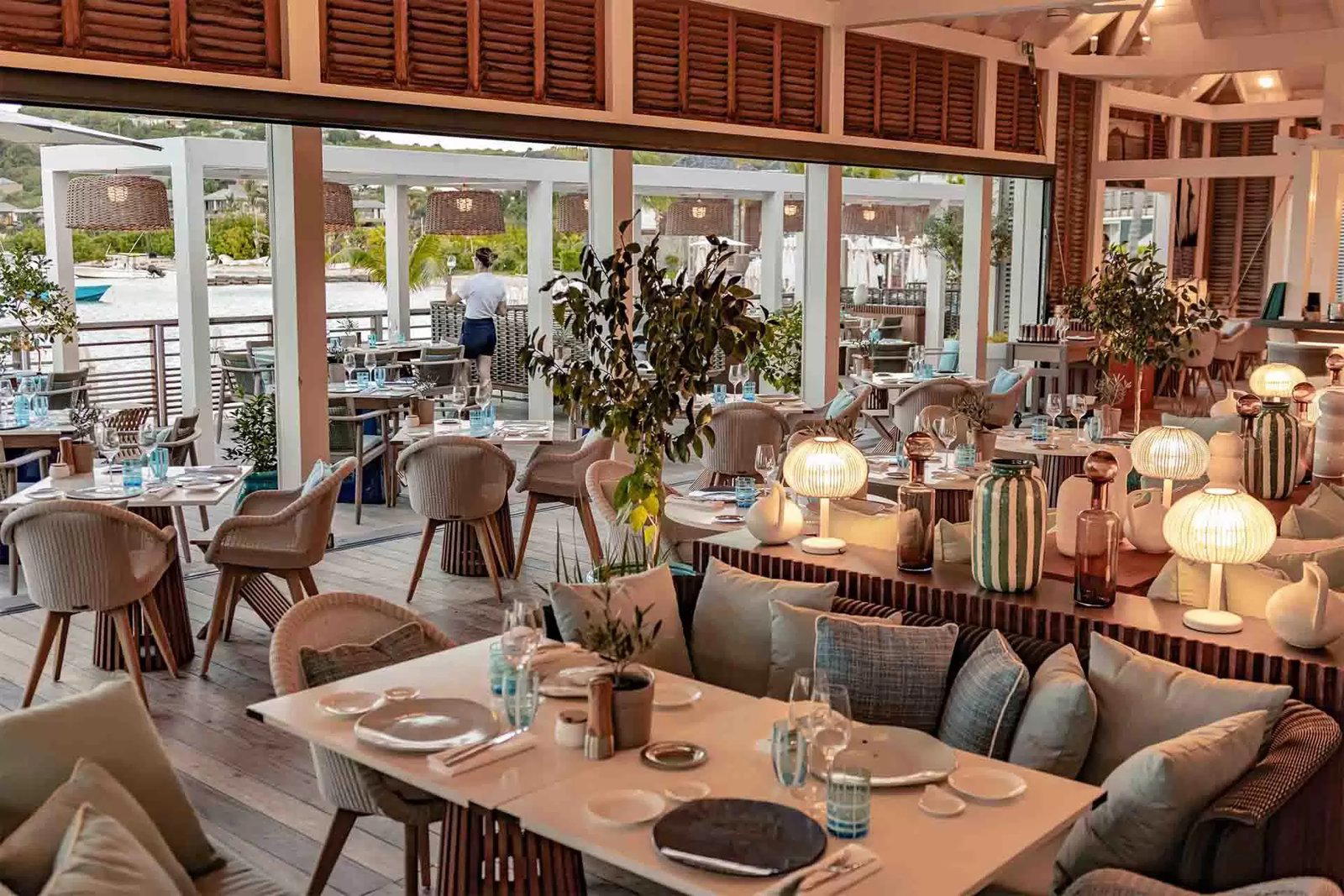
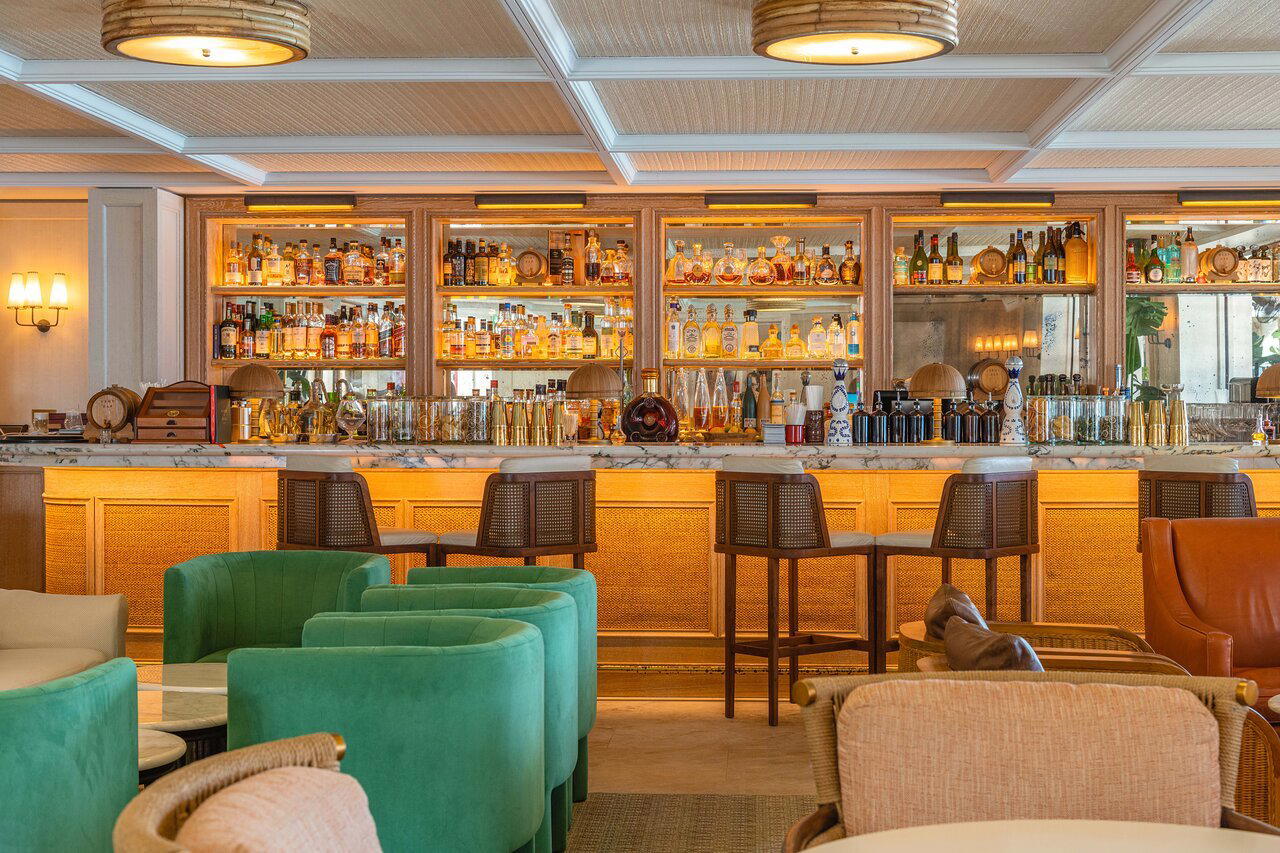
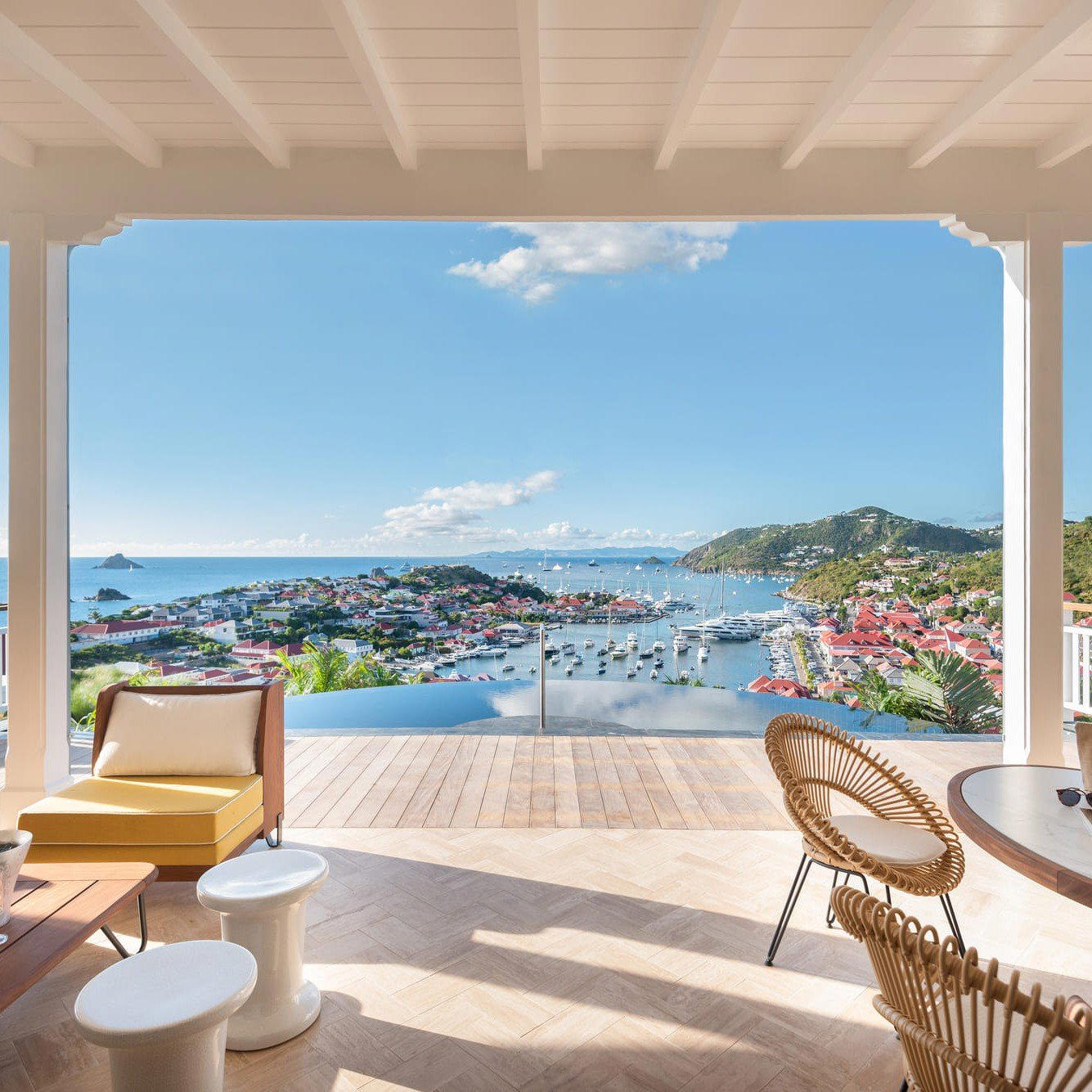
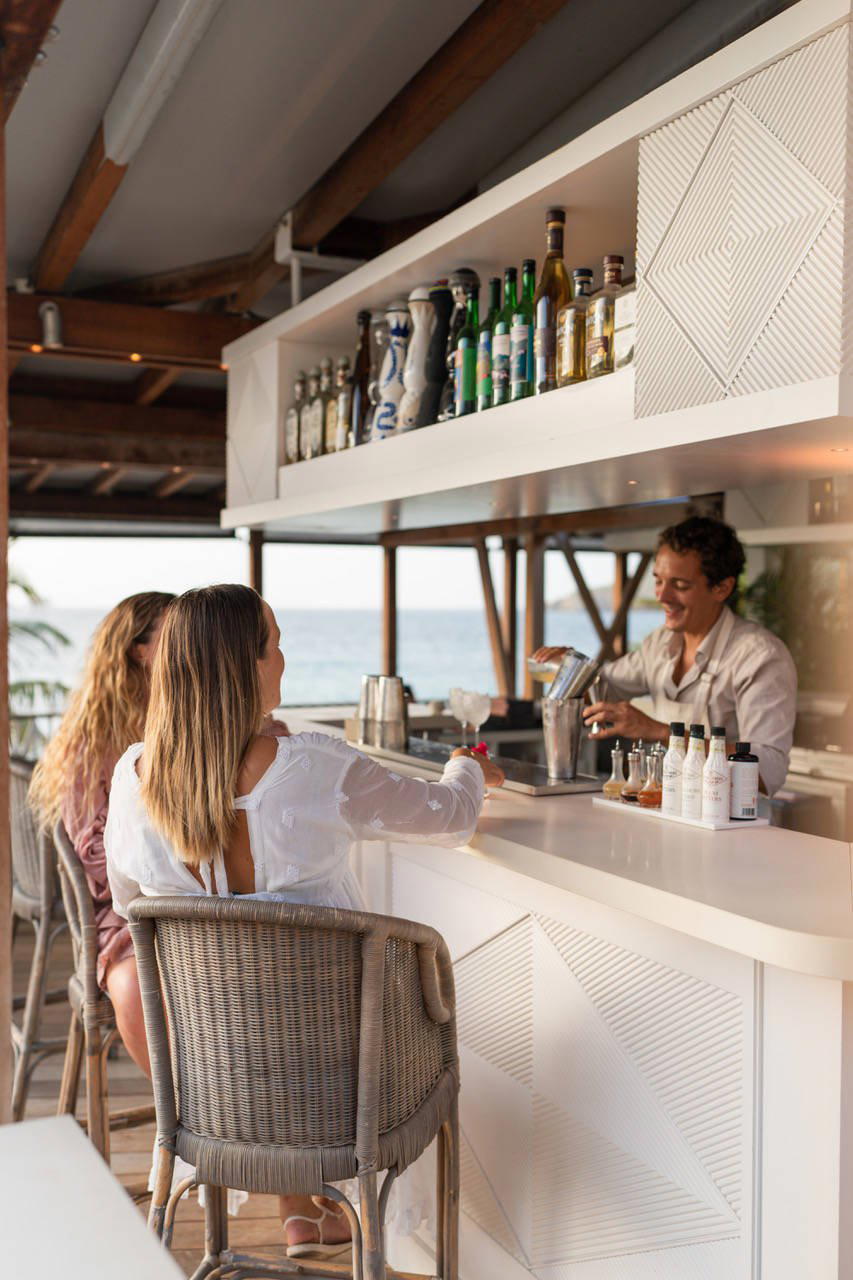
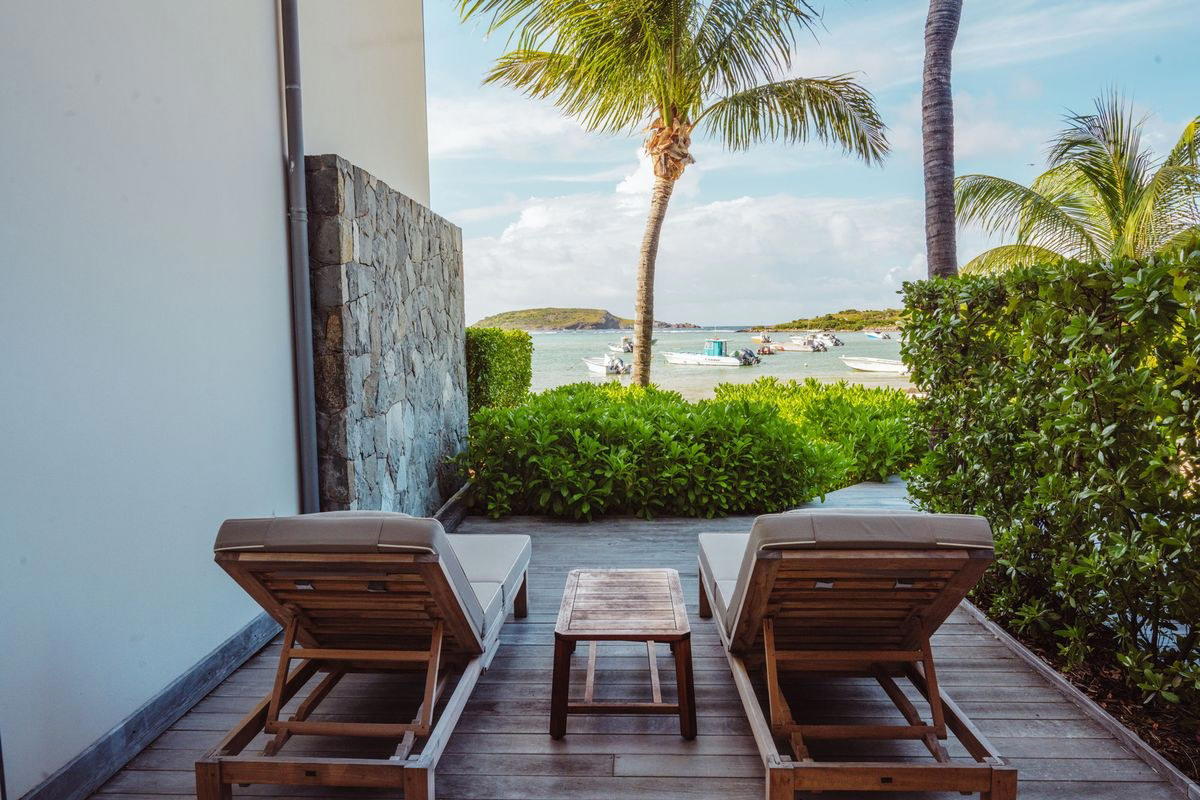
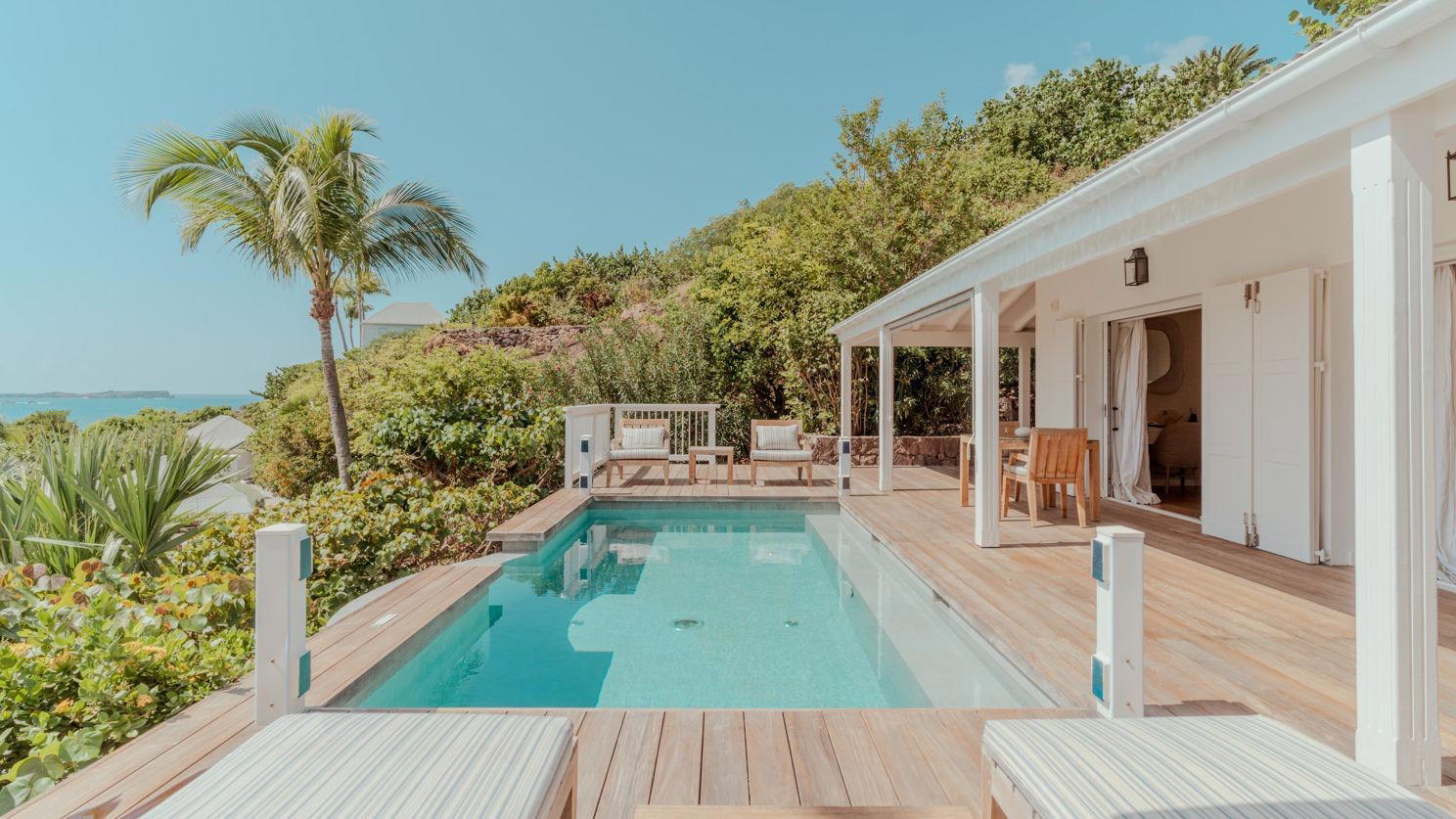
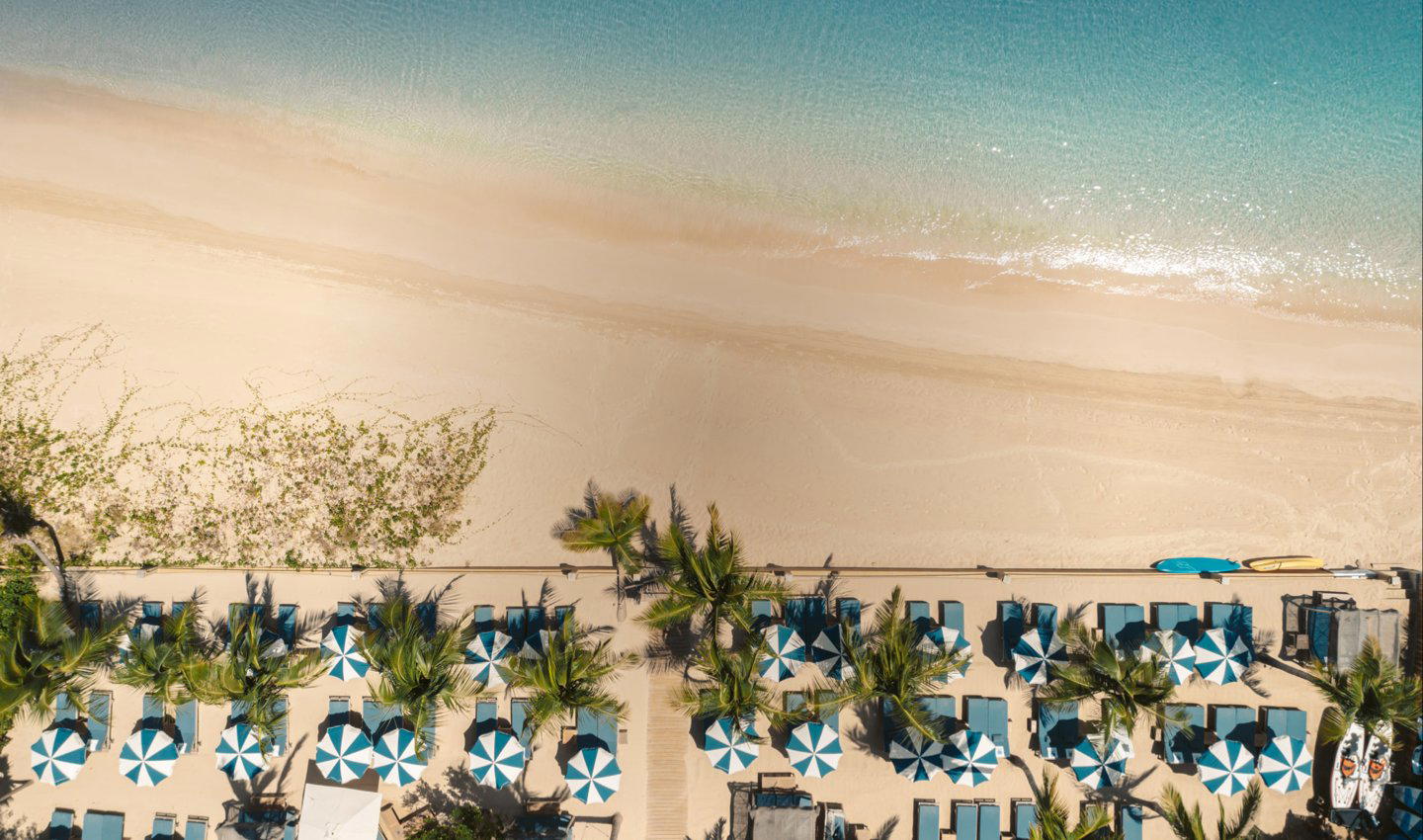
An elegant yet relaxed seaside setting directly on Grand Cul‑de‑Sac Bay, with open‑air dining, soft lighting, and a chic French‑Caribbean atmosphere that feels romantic at night and breezy and casual by day.