Barangaroo House
Barangaroo House sits along the western edge of Sydney's Barangaroo waterfront, occupying a multi-level address at 35 Barangaroo Avenue that draws from the precinct's broader identity as a destination for produce-led Australian dining. The venue operates across distinct floors, each calibrated to a different register of the harbour experience, from casual ground-level drinking to more considered dining above.
Pearl is the En Primeur Club membership app — saves, bookings, and concierge access live there. Same editors, same standards.
- Address
- 35 Barangaroo Ave, Barangaroo NSW 2000, Australia
- Phone
- +61 2 8587 5400
- Website
- barangaroohouse.com.au
- Directions
- Get directions
 Saves & bookings on Pearl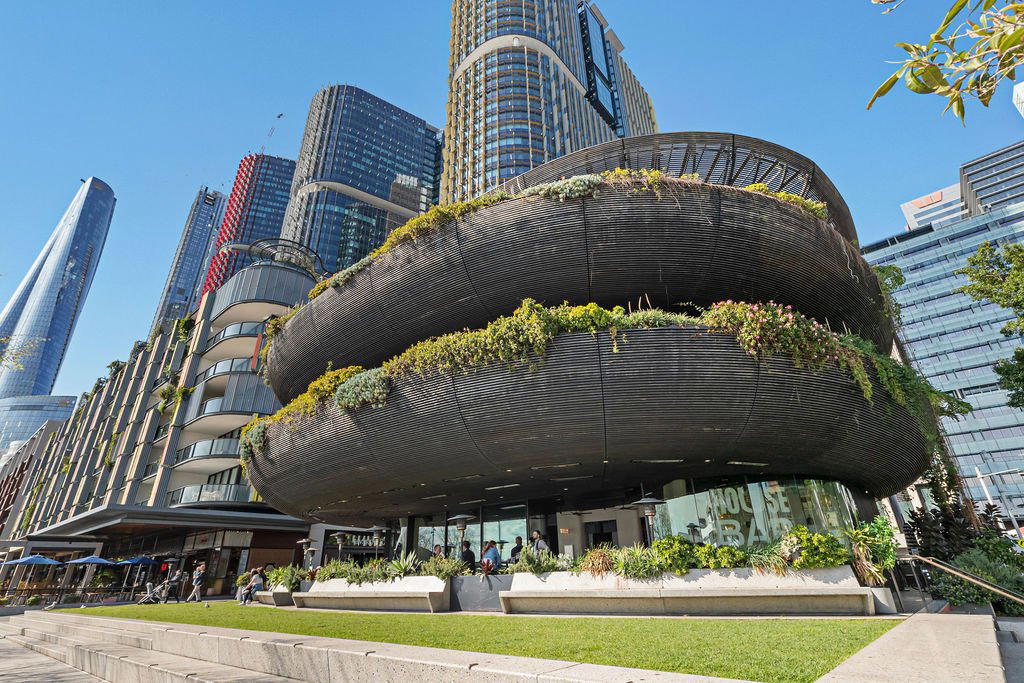
Where Sydney's Waterfront Meets the Produce Question
The western edge of the Barangaroo precinct has become one of Sydney's more contested dining addresses in recent years. Carved from former industrial port land and opened progressively since the mid-2010s, Barangaroo as a neighbourhood sits between the CBD's financial density and the harbour, giving it a dual character: suited professionals at lunch, harbour-walkers and visitors by evening. The dining that has established itself here reflects that tension, ranging from high-concept fine dining, represented at the leading end by Oncore by Clare Smyth (Modern British), to more layered, multi-format venues designed to work across an entire day and demographic. Barangaroo House sits firmly in the second category, and understanding what that means in practice is the more useful editorial frame than any single floor or menu section in isolation.
For a broader map of the precinct's options, our full Barangaroo restaurants guide covers the range from casual waterfront eating to tasting-menu formats in detail.
The Multi-Level Format and What It Actually Delivers
Multi-level hospitality venues carry a structural risk: each floor can feel like a different business with inconsistent ambition. In Sydney, the format has a mixed record. Barangaroo House addresses this by differentiating its floors along a clear gradient rather than trying to run separate restaurant concepts under one roof. The ground level functions as a bar and gathering point, oriented toward the water and suited to a drink before committing to a longer meal. Higher floors shift register, with a more deliberate food focus and harbour sightlines that reward the climb. The architecture of the building, a contemporary three-storey structure at 35 Barangaroo Avenue, is designed to read from the waterfront walk, which makes it a landmark within the precinct rather than a venue you locate by signage alone.
This kind of format has precedents in Australian dining. The shift toward multi-use venues that can hold a reservation-led dinner crowd and a drop-in drinks crowd simultaneously reflects a commercial reality for large waterfront sites: the rent demands more than one revenue stream. What separates the better examples from the worse is whether the kitchen program is coherent across formats, or whether it fragments into bar snacks and a separate fine dining menu that have no relationship to each other.
Ingredient Sourcing as the Editorial Argument
The more instructive frame for Barangaroo House is where Australian dining has moved on provenance in the decade since venues like Rockpool in Sydney established the benchmark for sourcing-led Australian cuisine. The national conversation around ingredient origin has matured considerably. Venues that were early adopters of named-farm sourcing and seasonal rotation now sit in a crowded field where those practices are baseline expectations rather than differentiators. The question for any serious Sydney venue in 2024 is not whether it sources well, but how specifically and how transparently it communicates that sourcing, and whether the kitchen has the technique to justify the premium on those ingredients.
In the broader Australian context, the most rigorous practitioners of provenance-led cooking are operating in regional settings where proximity to production is built into the model. Brae in Birregurra grows a significant proportion of its own produce on-site. Attica in Melbourne has built a program around indigenous Australian ingredients that draws on research and supplier relationships developed over years. Hentley Farm in Seppeltsfield and Botanic in Adelaide operate with analogous depth in South Australia. Against this reference class, a large-format urban waterfront venue like Barangaroo House is working with different structural constraints: supply volumes, throughput across multiple floors, and a price point calibrated to broader accessibility rather than the allocation-list model of destination fine dining.
This is not a criticism so much as a clarification of competitive set. Barangaroo House is not competing with Laura at Pt Leo Estate in Merricks or Pipit in Pottsville for the same reader. It is competing for a different moment: the Sydney harbour dinner that wants to be serious without the commitment architecture of a tasting menu. That category is real and underserved relative to its demand, and a venue that executes it credibly earns its place in the conversation.
The Waterfront Dining Tradition This Venue Inherits
Sydney's relationship with harbour-side dining is long and occasionally fraught. The waterfront premium has historically extracted a price in kitchen quality: venues that can sell the view have less commercial pressure to invest in the plate. The shift over the past decade, driven partly by the critical expectations set by venues like Ormeggio at The Spit in Mosman, has raised the floor on what harbour-adjacent Sydney dining needs to deliver technically. A comparable shift is visible in other Australian coastal markets, from Salt Water Restaurant in Cairns to Wills Domain in Yallingup, where location is no longer sufficient justification for price. Internationally, the model of a kitchen that earns its setting through technique rather than relying on the setting to carry the experience is leading exemplified by venues like Le Bernardin in New York City, where the room is deliberately restrained to keep attention on the food.
Barangaroo House operates in a different register from any of those references, but it inherits the same pressure: Sydneysiders who eat out regularly have calibrated expectations, and the waterfront location raises rather than lowers the standard they apply.
Planning a Visit: What to Know Before You Go
Barangaroo House sits at 35 Barangaroo Avenue, accessible from the waterfront walk that runs along the western harbour edge of the CBD. The Barangaroo light rail stop and nearby Wynyard Station both put the precinct within a short walk of central Sydney. Given the multi-floor format, it is worth deciding in advance whether you are coming for a drink at the bar level or a seated meal on the upper floors, as the two experiences have different booking dynamics. For comparable casual-to-serious dining flexibility in Sydney's broader orbit, venues like Blackwood Pantry in Cronulla offer a reference point for how that spectrum can work in a less central setting. Those seeking community-format dining experiences with a different energy might also consider the communal-table model explored at Lazy Bear in San Francisco as a contrast case for what format can do to the social experience of a meal. For remote Australian hospitality at the other end of the scale, Lizard Island Resort in Lizard Island and Aloft in Hobart represent very different expressions of Australian dining ambition. Provenance in Beechworth rounds out the picture of how regional Victoria approaches the same provenance questions that urban waterfront venues grapple with at higher volume.
Continue exploring
More in Barangaroo
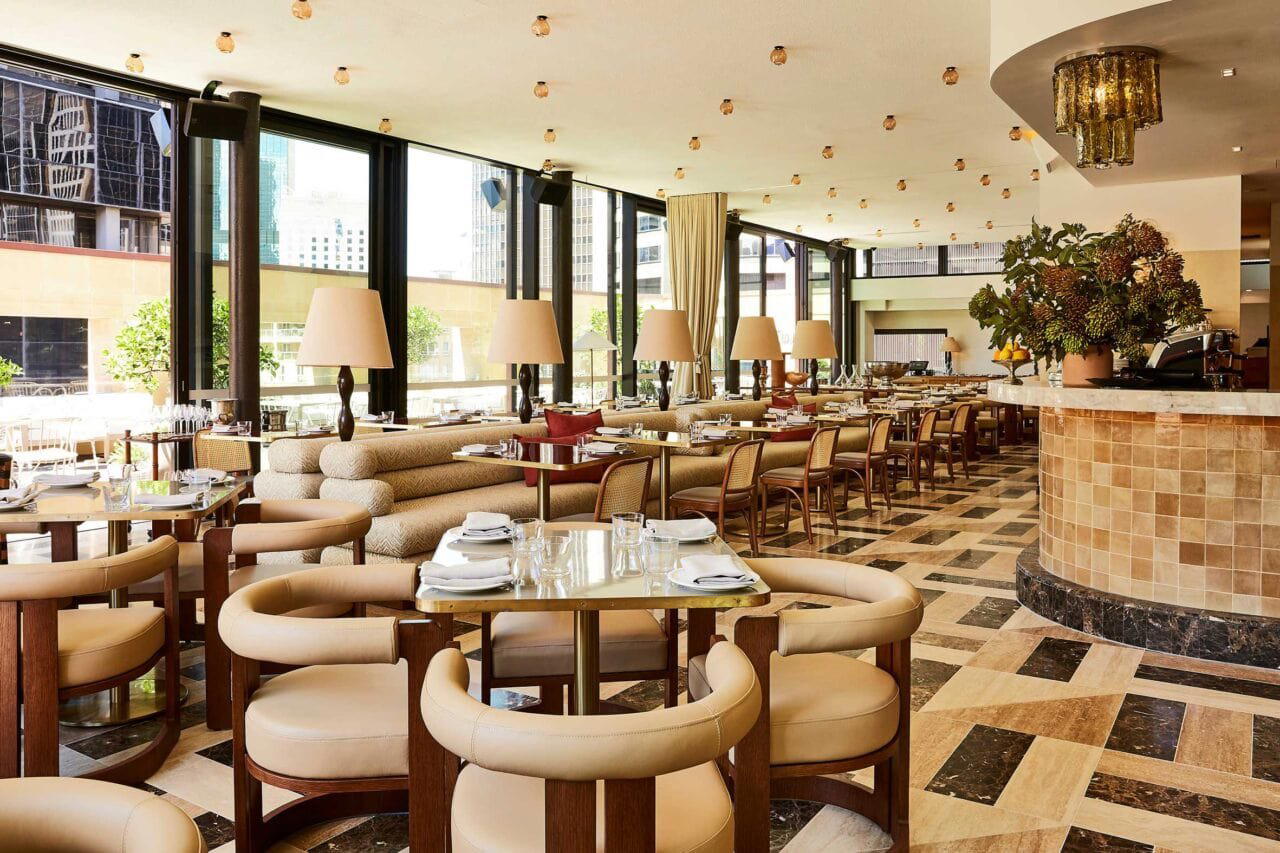
Restaurants in Barangaroo
Browse all →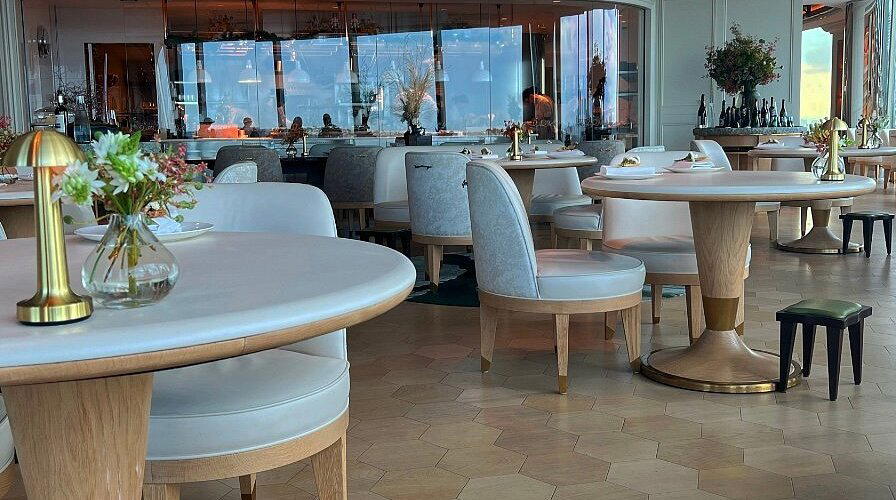
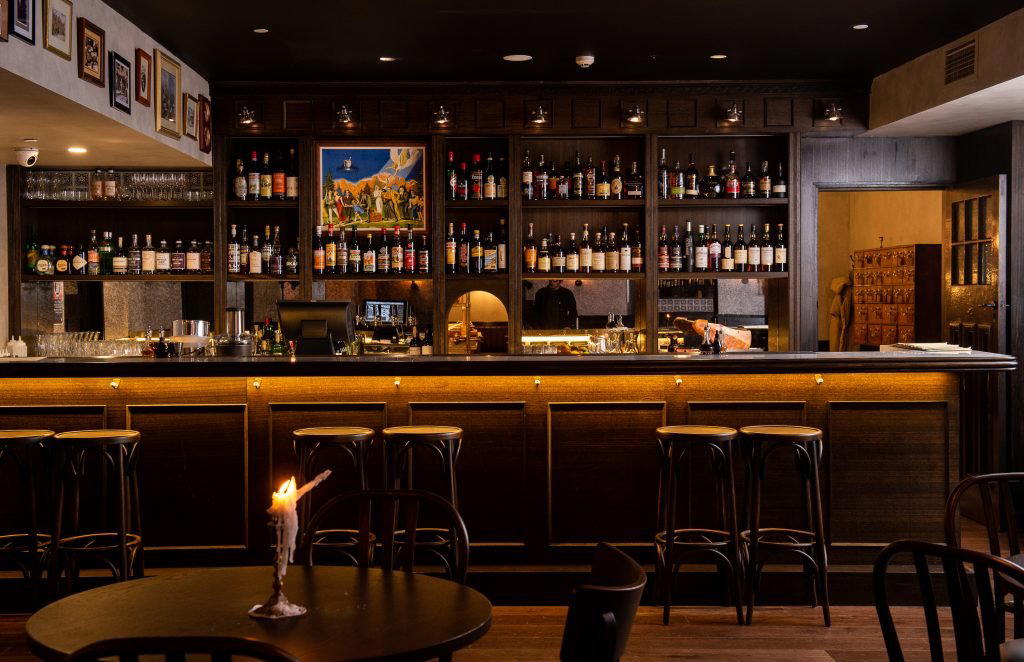
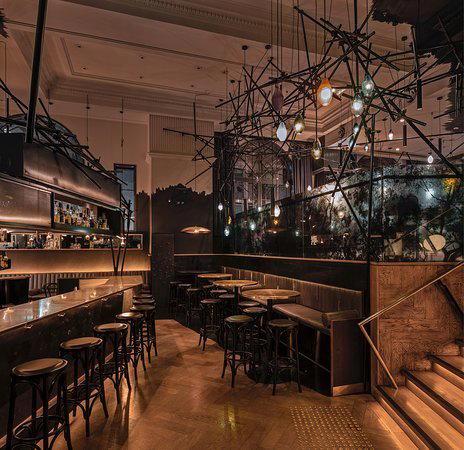
Bars in Barangaroo
Browse all →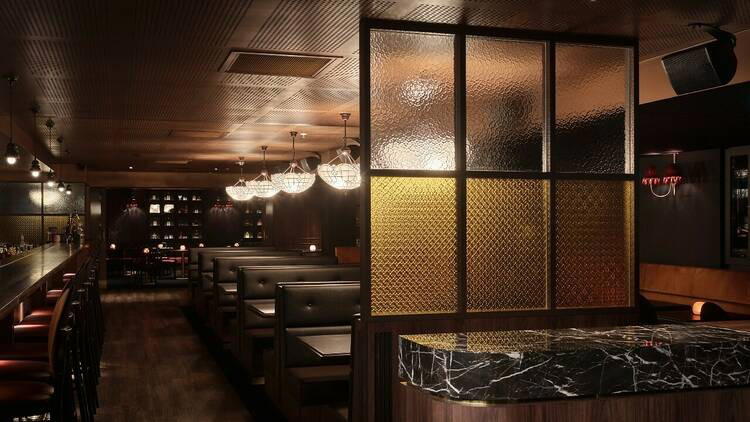
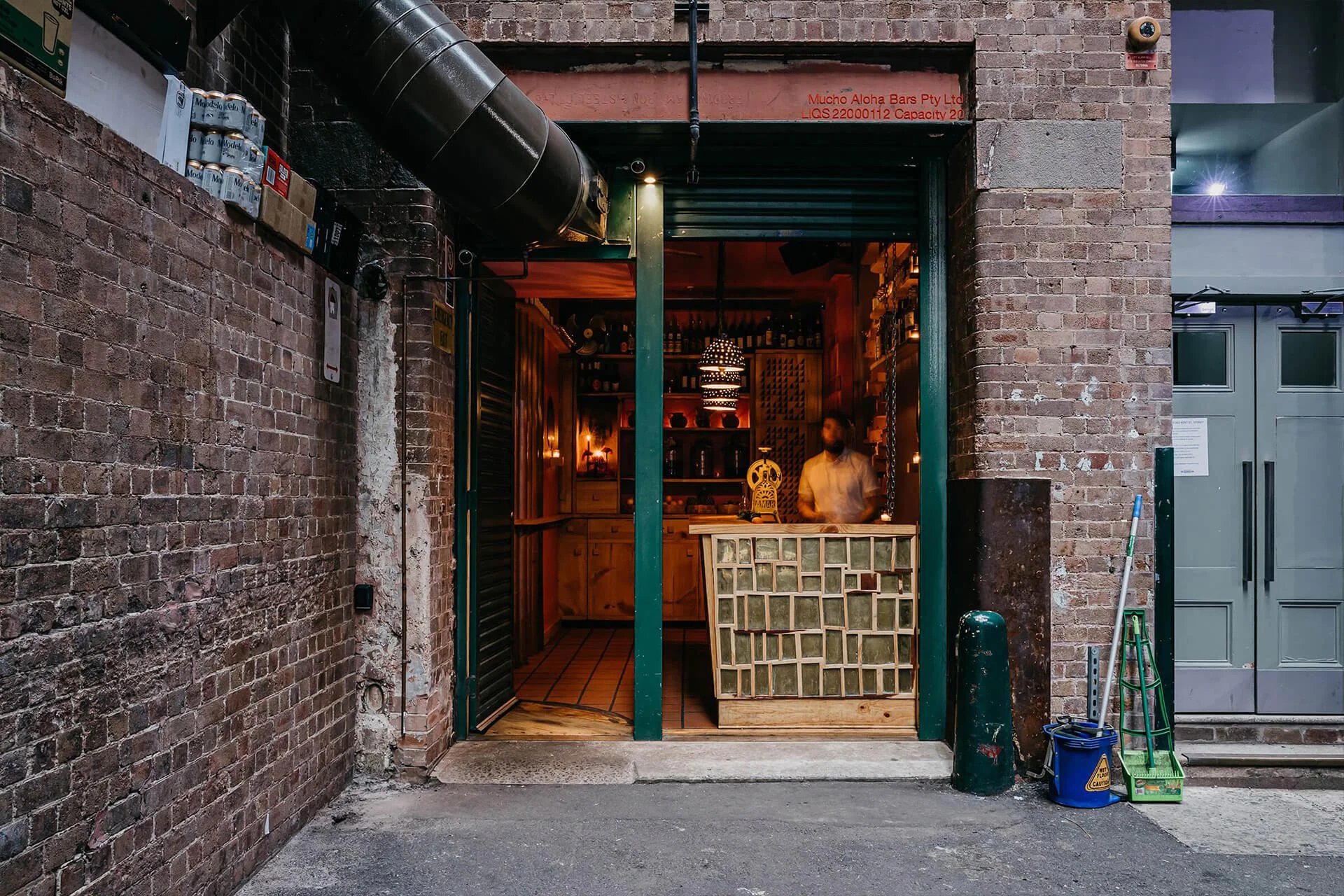
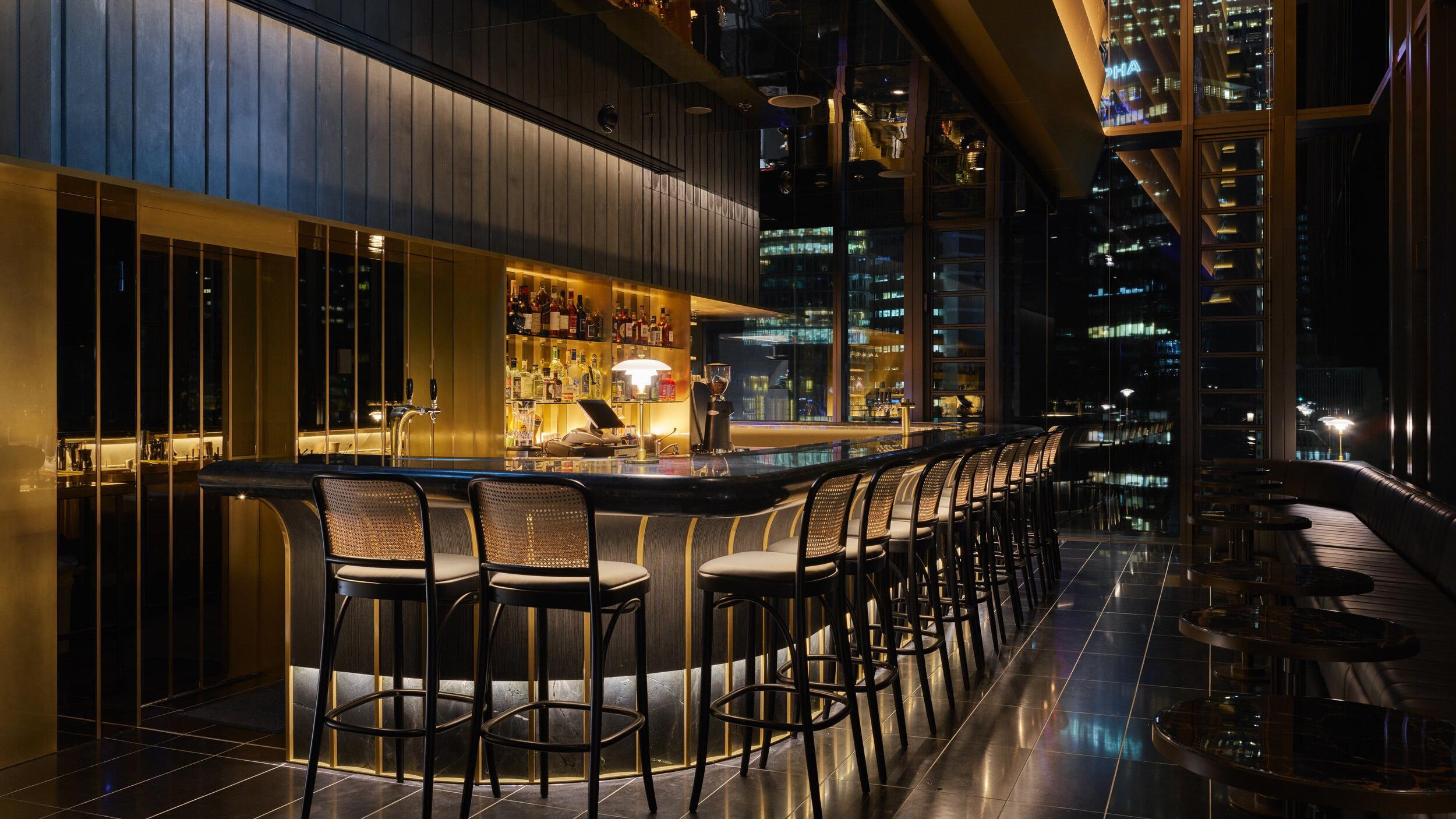
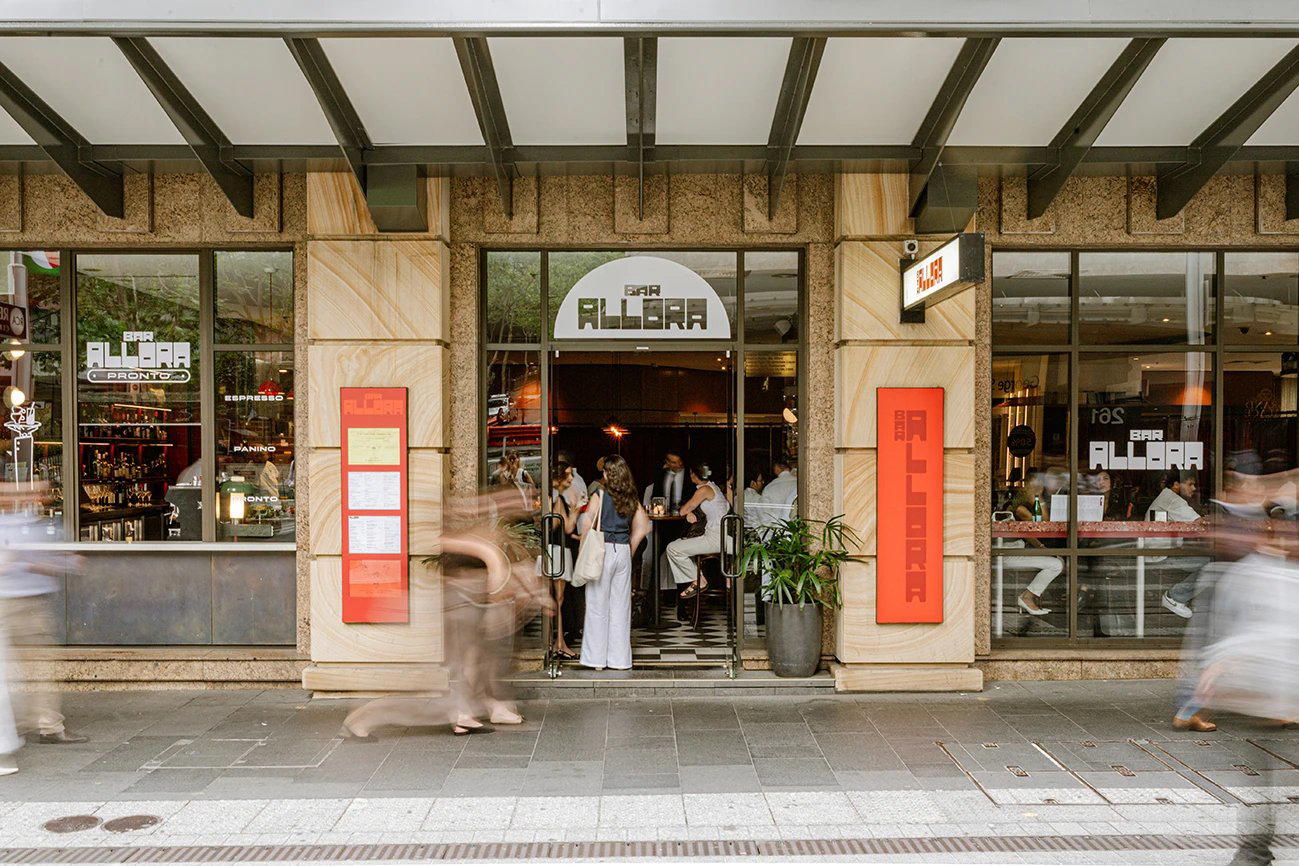
Hotels in Barangaroo
Browse all →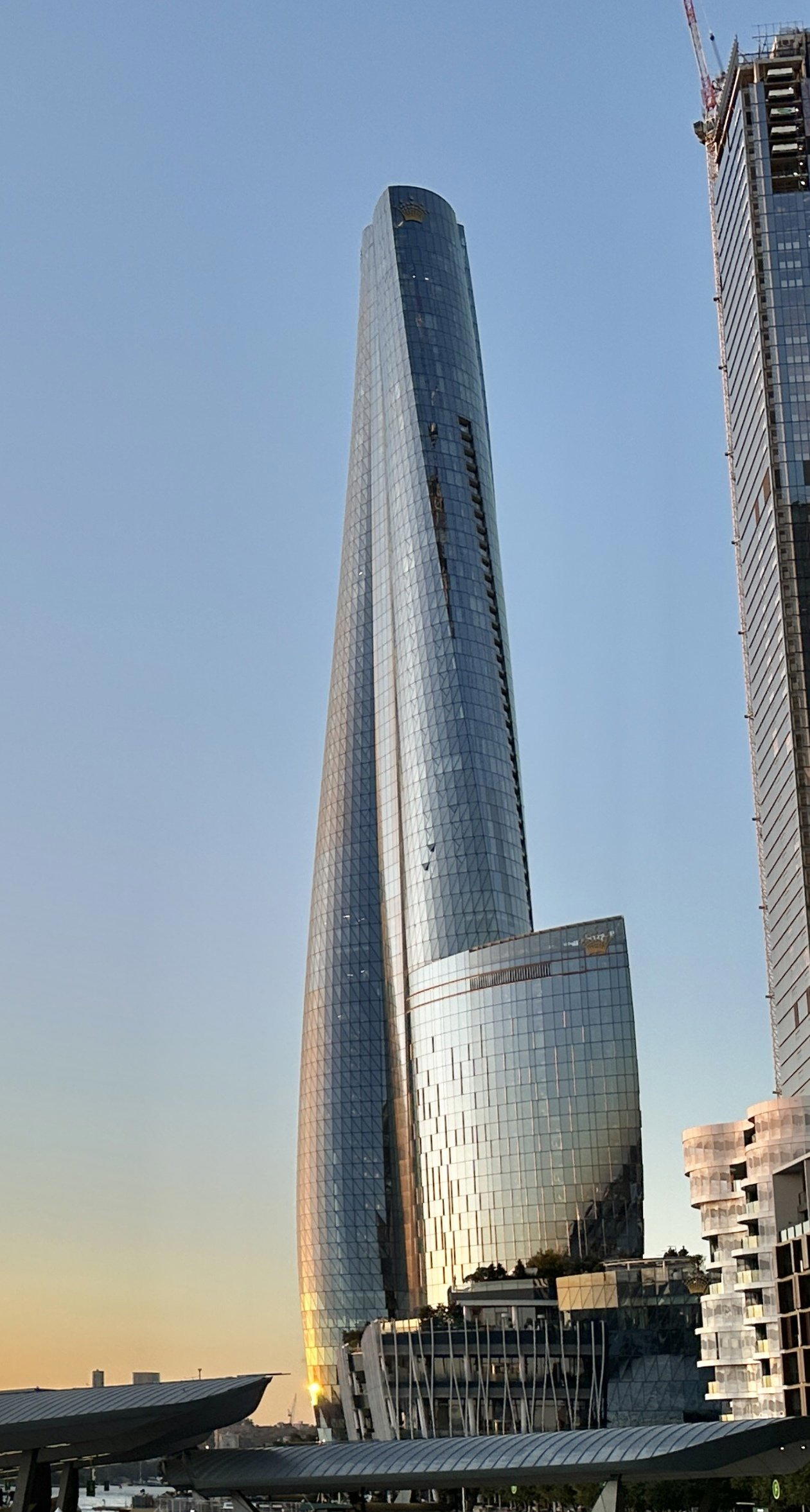
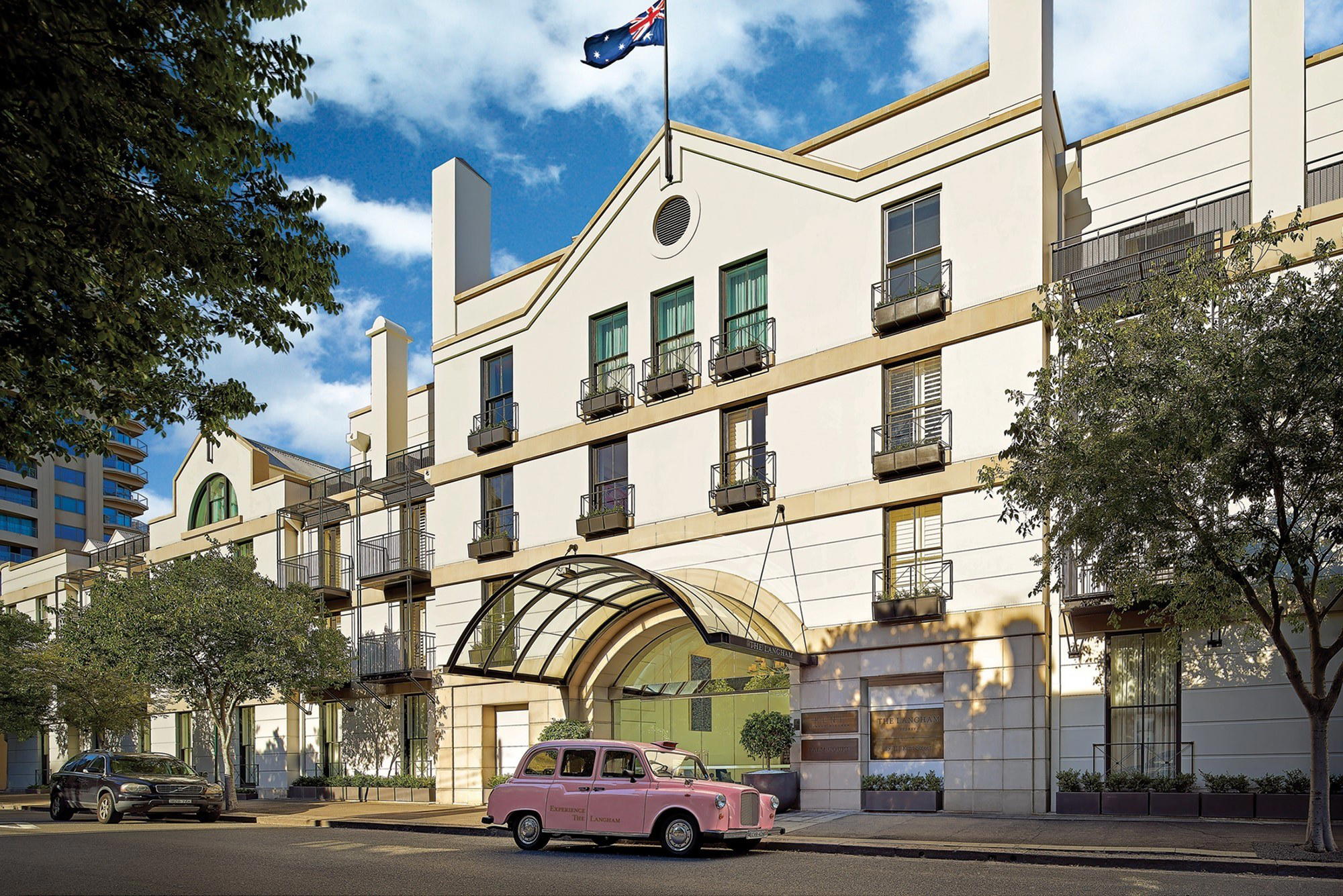
Wineries in Barangaroo
Browse all →

At a Glance
- Lively
- Trendy
- Sophisticated
- Elegant
- Date Night
- Group Dining
- Special Occasion
- After Work
- Rooftop
- Waterfront
- Terrace
- Open Kitchen
- Craft Cocktails
- Extensive Wine List
- Local Sourcing
- Waterfront
- Skyline
Current opening hours
- Monday
- 12–10 PM
- Tuesday
- 12–10 PM
- Wednesday
- 12 PM–12 AM
- Thursday
- 12 PM–12 AM
- Friday
- 11 AM–12 AM
- Saturday
- 11 AM–12 AM
- Sunday
- 12–10 PM
Hours can change for holidays and private events. Last verified .
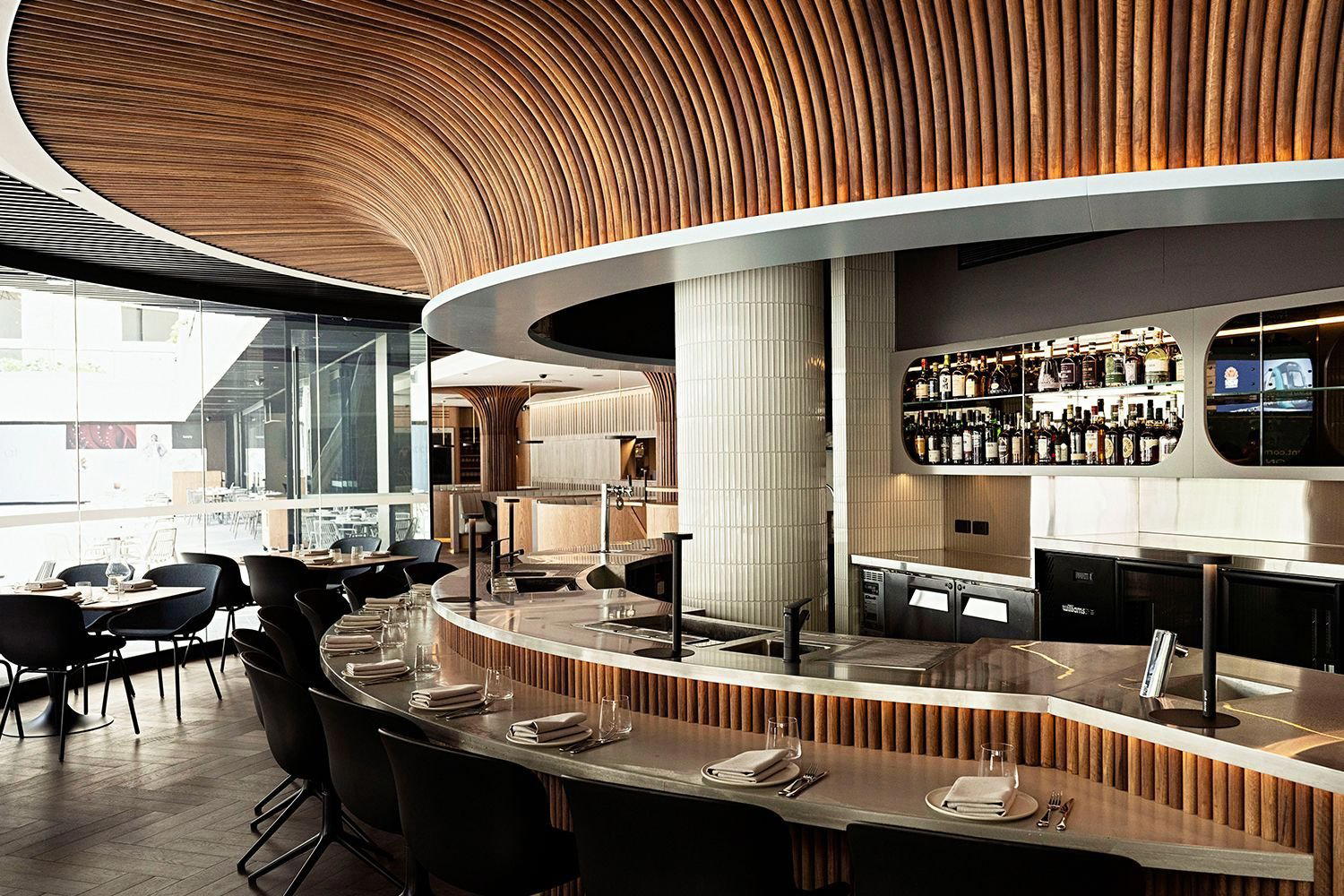
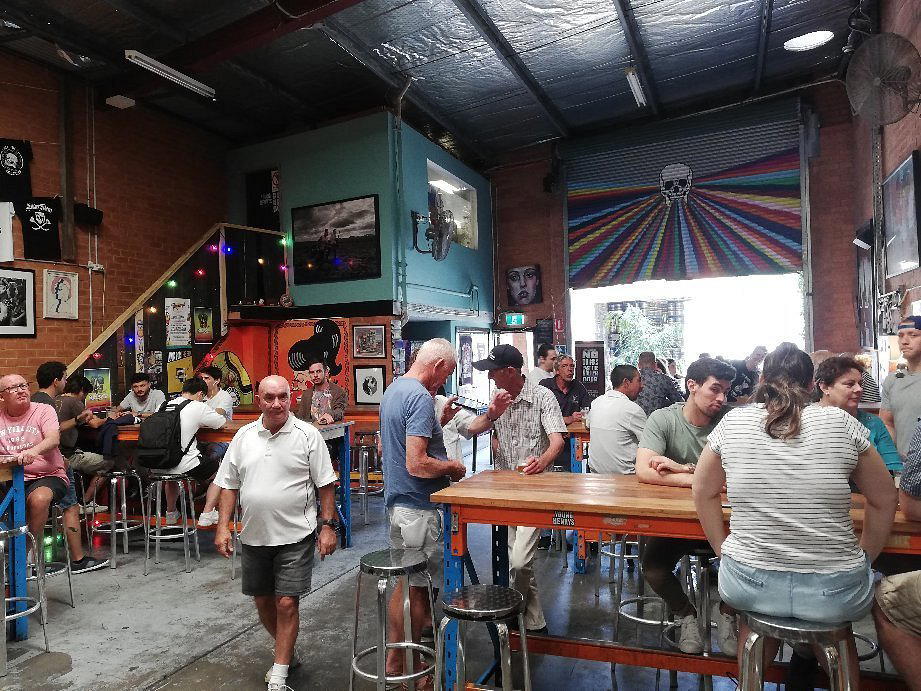
Dark, sophisticated interiors with curved timber and lush hanging gardens, transitioning to sun-drenched waterfront terraces and low-lit romantic rooftop settings.
Know Before You Go
- Getting there
- 35 Barangaroo Ave, Barangaroo NSW 2000, Australia