Our verdict
Bangkok Trading Post sits in Watthana, a district where Bangkok’s international dining habits meet the city’s produce-driven, market-aware food culture. The useful way to read it is not through awards or chef mythology, but through location: Sukhumvit 39 places it among restaurants shaped by expat demand, Thai supply chains, and the city’s restless appetite for casual all-day dining.

Pearl is the En Primeur Club membership app, where members save venues, book tables and use the concierge.
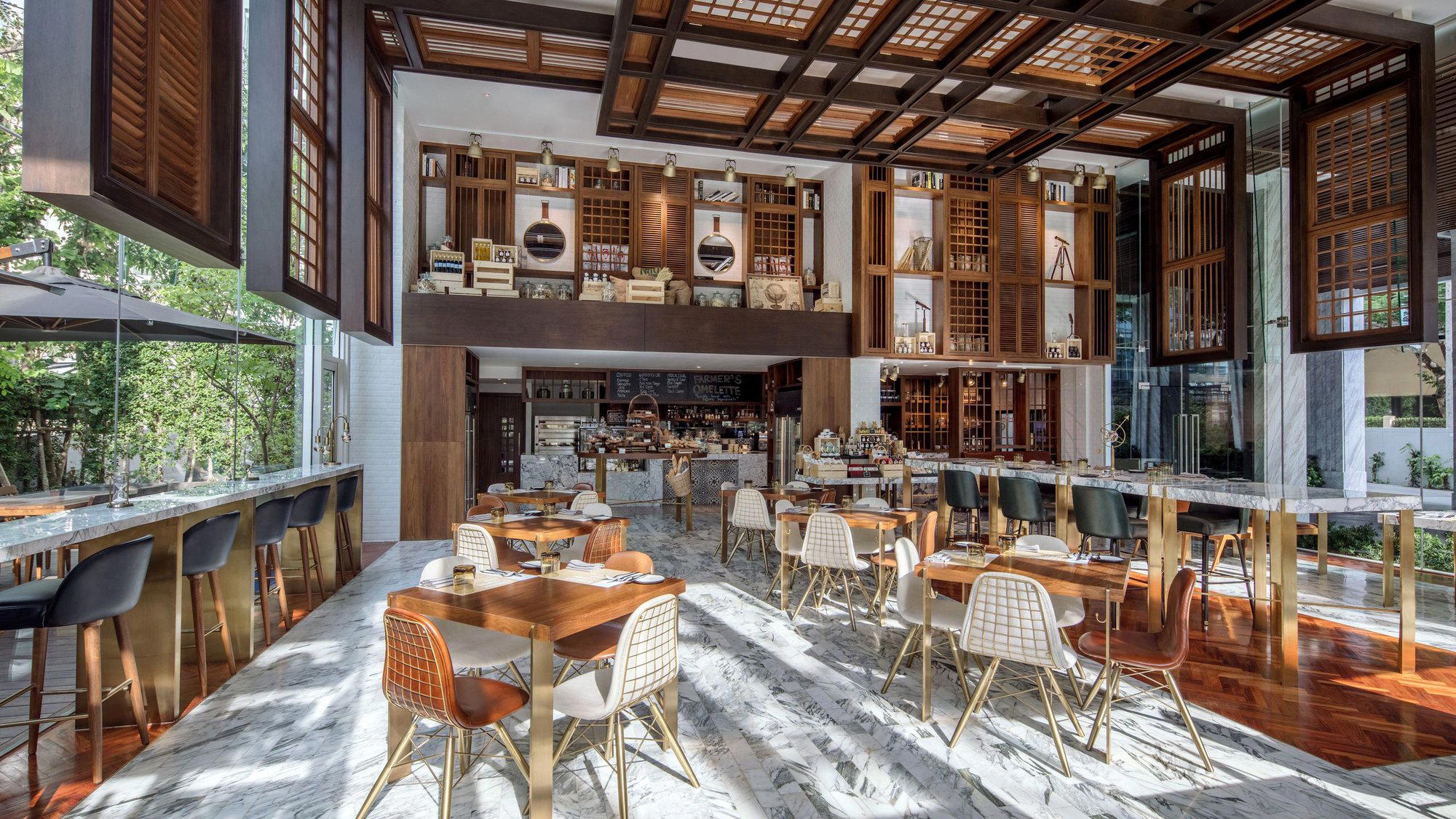
The menu
What to order
- Sweet Potato Cake
- Triple Chocolate Texture
- Baked Eggs in Potatoes
- Jackfruit Tamarind Curry
Approaching Bangkok Trading Post, the mood shifts from Bangkok’s arterial rush to the more everyday rhythm of the city: cafés, hotel dining rooms, residential entrances, and restaurants built for repeat local use rather than ceremonial destination dining. Bangkok Trading Post belongs to that part of the city’s food culture, where comfort, accessibility, and ingredient familiarity matter more than a trophy-counter format. In a capital often discussed through tasting menus and street-food pilgrimage routes, this middle register is easy to underrate. It is also where many visitors actually eat between temple mornings, shopping afternoons, and late drinks.
The ingredient question in Bangkok is never abstract. Local kitchens sit close to wet markets, fruit supply chains, seafood routes, and a deep network of producers feeding the city. Even restaurants with international framing are judged against that backdrop. Fresh herbs, tropical fruit, rice, noodles, seafood, pork, poultry, and chili pastes move through Bangkok with a speed and variety that give casual dining a higher baseline than in many larger capitals. A restaurant in Bangkok does not need ceremony to benefit from that ecosystem; it needs enough discipline not to flatten those materials into generic hotel food.
Bangkok's casual dining tier is where the city eats between occasions
Bangkok’s restaurant conversation often splits into two loud camps: highly technical dining rooms and street-level specialists with one narrow dish. The city also adds a third category, built around mixed groups, flexible timing, and menus that can absorb different appetites at one table. That matters for travellers because the city’s dining day is rarely linear. A serious lunch might follow a market crawl; dinner may need to sit before a cocktail run or after a long transfer across town.
Within that context, Bangkok Trading Post reads as part of Bangkok’s practical luxury rather than its most ceremony-driven tier. The setting places it in a city where polished but relaxed dining competes with specialists, contemporary rooms, and international anchors. That spread tells the real story of Bangkok dining: not a single cuisine identity, but a demand for restaurants that can handle residents, business travellers, families, and food-focused visitors without turning every meal into an event.
The sourcing story is Bangkok itself, not a chef biography
Ingredient-led dining in Bangkok does not always announce itself through farm names or tasting-menu footnotes. Often it appears in how a kitchen treats ripeness, texture, heat, and freshness, all shaped by a city where high-quality produce and regional staples are part of the everyday supply chain. For a venue where a public chef biography is not the point of the available record, the more useful assessment is category fit: does it sit in a part of the city where reliable sourcing, polished expectations, and broad menus have to work together? In Bangkok, the answer is structural. Restaurants here survive by being usable more than theatrical.
That makes the comparison with Bangkok’s specialist addresses instructive. Dessert rooms, regional specialists, and tightly focused counters pull diners toward sharper identity, while Bangkok Trading Post occupies a softer lane: useful when the party does not want a narrow brief, when the next stop is undecided, or when the meal needs to sit comfortably inside a Bangkok day rather than dominate it. For broader planning, Our full Bangkok restaurants guide gives the sharper contrast between specialist dining and all-day convenience.
Bangkok’s wider travel ecosystem reinforces that reading. Hotels across the city create steady demand for restaurants with approachable formats, while the city’s bar culture has trained visitors to think in sequences rather than single reservations. Pair the restaurant search with Our full Bangkok hotels guide and Our full Bangkok bars guide if the evening needs to move across categories.
Use it as a Bangkok anchor, then build the day around the city
The strongest case for Bangkok Trading Post is logistical and editorial rather than ceremonial: it gives Bangkok a dependable dining anchor in a city where visitors often need one. It is not the address to choose for a chef-driven thesis or a named-award checklist. It is the address to consider when the Bangkok plan needs a flexible meal, especially when the wider day includes hotels, bars, shopping, or movement across the city. For category planning beyond restaurants, keep Our full Bangkok wineries guide and Our full Bangkok experiences guide in the same file.
Frequently asked questions
Where do I go for Bangkok Trading Post?
Bangkok.
Do I need a reservation for Bangkok Trading Post?
The venue is in Bangkok, so planning ahead makes sense if the table has to fit a larger city itinerary. Check the venue's official channels for the latest details.
What's the signature at Bangkok Trading Post?
No signature dish is listed in the public record. The clearer draw is its role as a practical Bangkok option for an easy meal between other plans. Check the venue's official channels for the latest details.
How does Bangkok Trading Post handle allergies?
No allergy policy is listed for Bangkok Trading Post. Guests with restrictions should confirm directly before ordering, since Bangkok restaurant kitchens vary widely in how they handle substitutions.
Is Bangkok Trading Post okay with children?
Nothing in the public record suggests a formal adults-only format, and the venue reads as a practical Bangkok restaurant rather than a strict tasting-room setup. That usually makes it a reasonable option for family dining in Bangkok. Check the venue's official channels for the latest details.
What should I expect atmosphere-wise at Bangkok Trading Post?
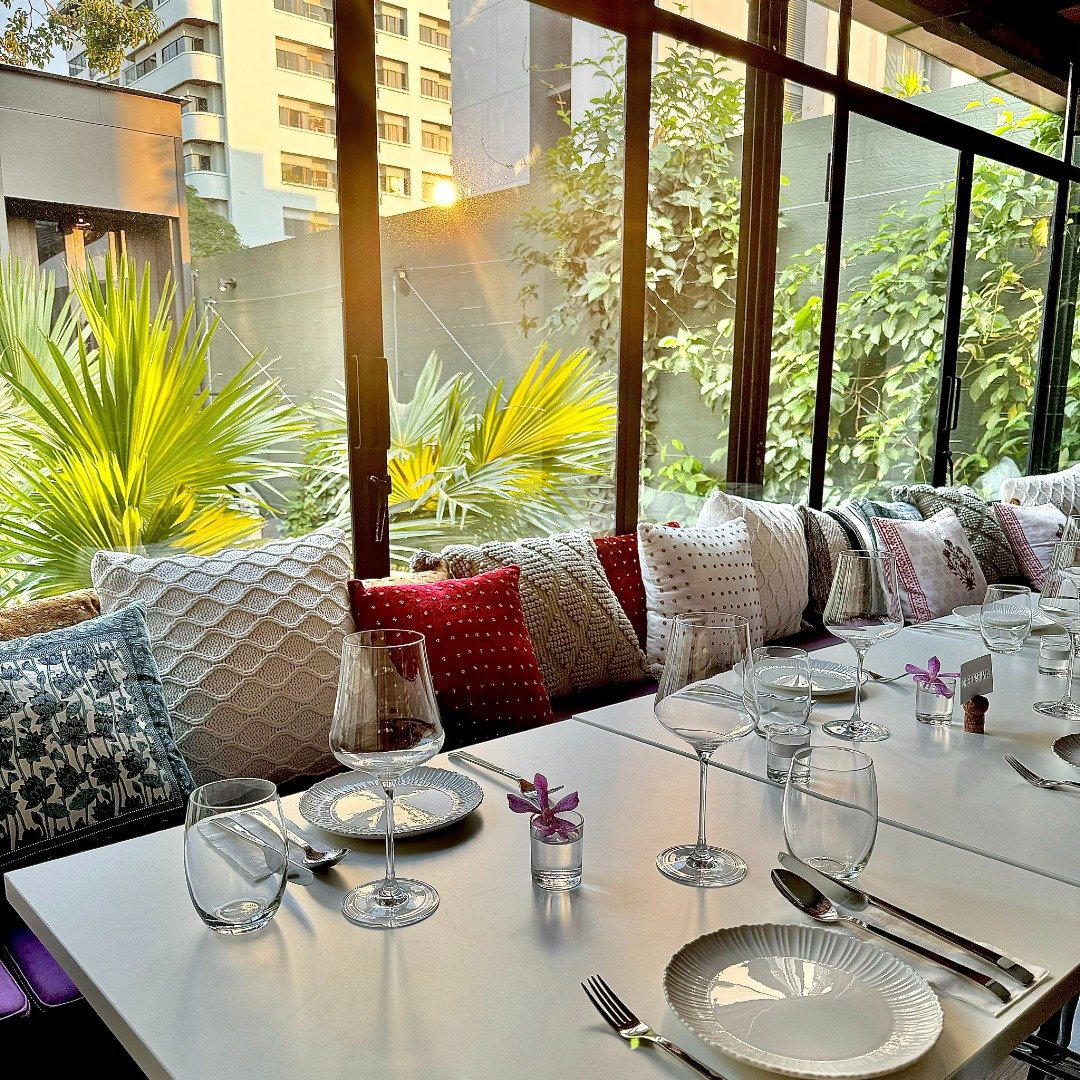
Expect a casual dining room in Bangkok, not a ceremonial counter or tasting-menu setting. The venue fits dependable city dining rather than destination ritual.
How It Stacks Up
Nearby venues at a similar price tier for orientation.
| Venue | Cuisine | Price | Notes |
|---|---|---|---|
| Bangkok Trading PostThis venue (the venue you are viewing) | International comfort food bistro & café | $10–20 | Not listed |
| Nimitr | Modern Thai Rooftop Dining | Not listed | Not listed |
| Sri Trat Restaurant and Bar | Eastern Thai Seafood from Trat | $20–30 | Thai |
| Peppina | Authentic Neapolitan Pizza | $20–30 | Not listed |
| SWD | Global Comfort Food | Not listed | Not listed |
| Appia Trattoria | Roman Trattoria | $50–100 | Not listed |
Continue exploring
More in Bangkok
Restaurants in Bangkok
All restaurants in Bangkok →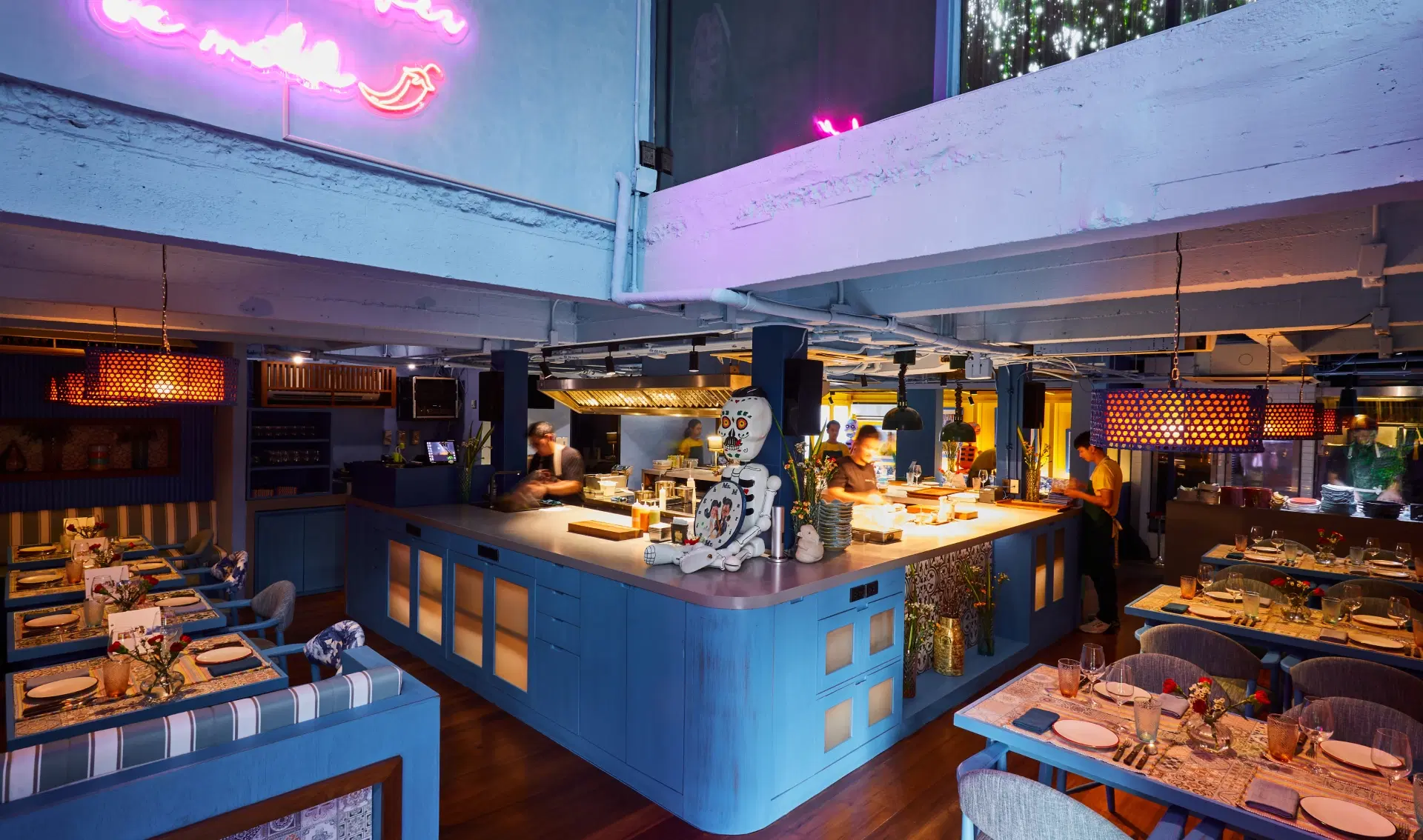
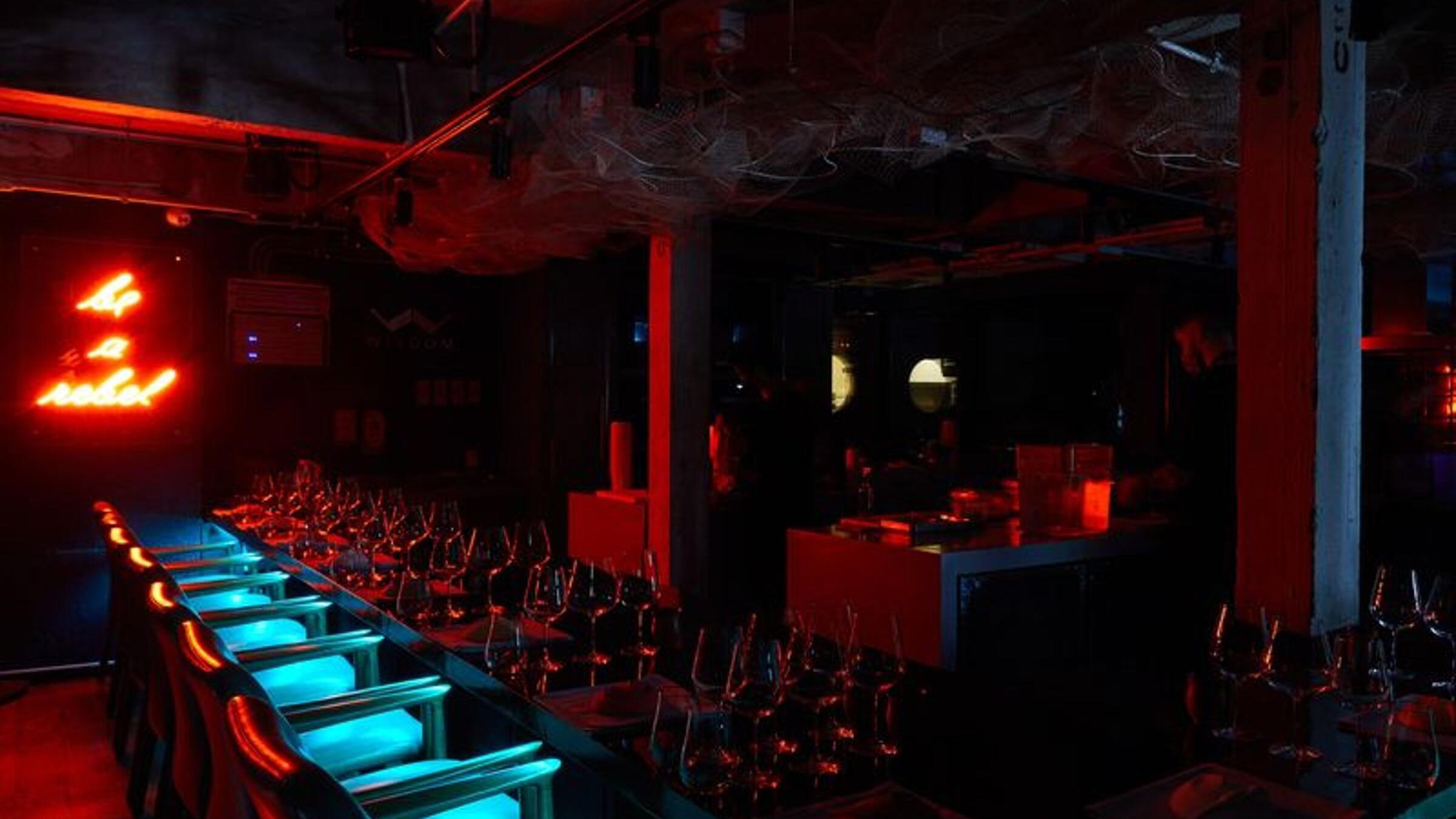
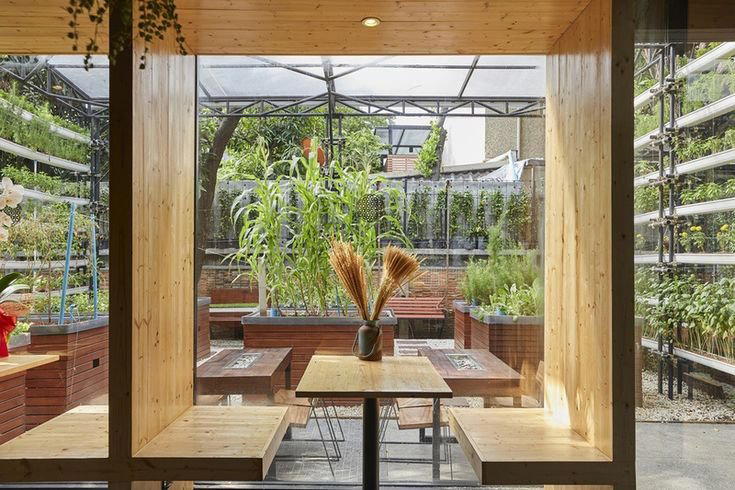
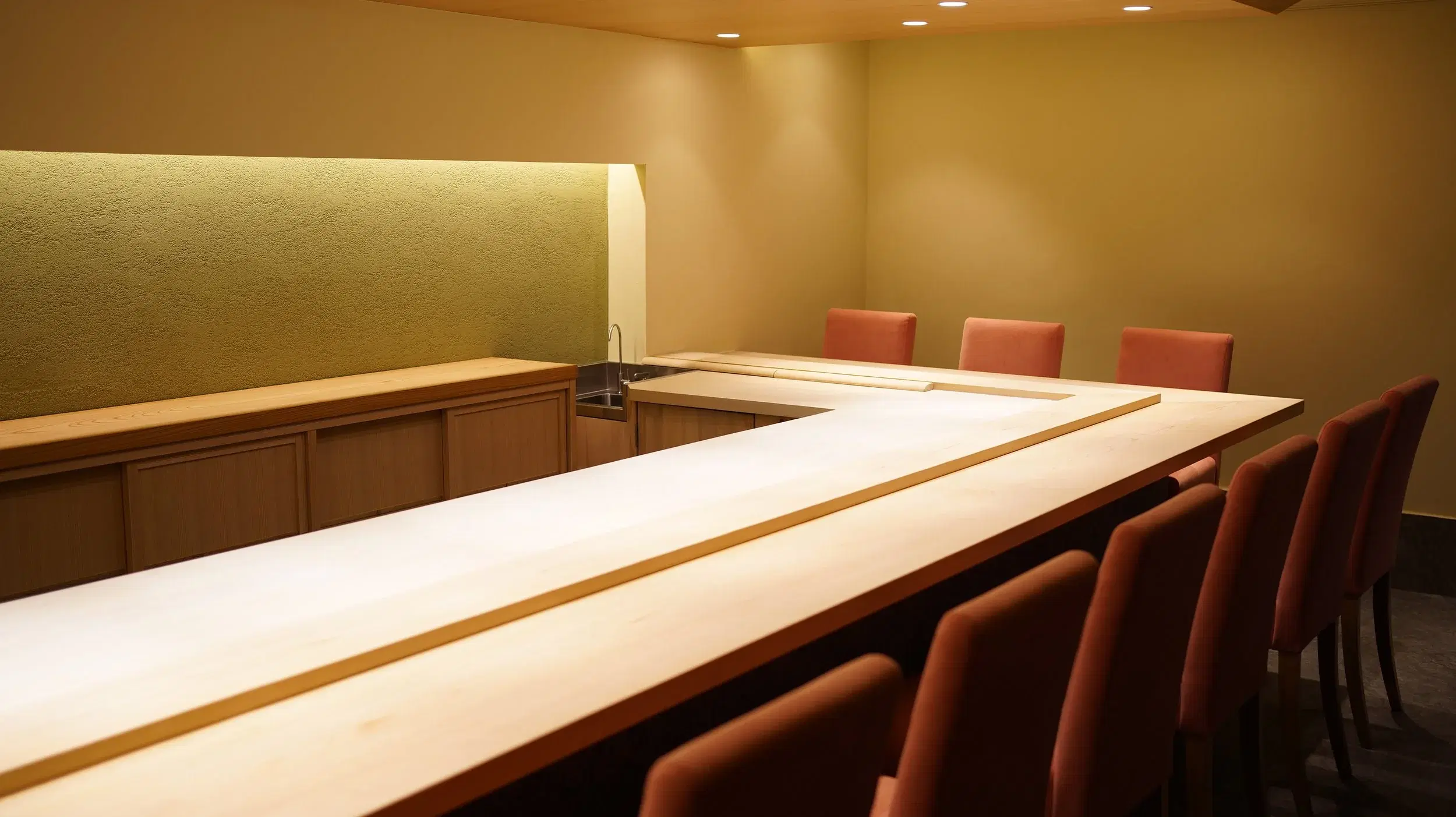
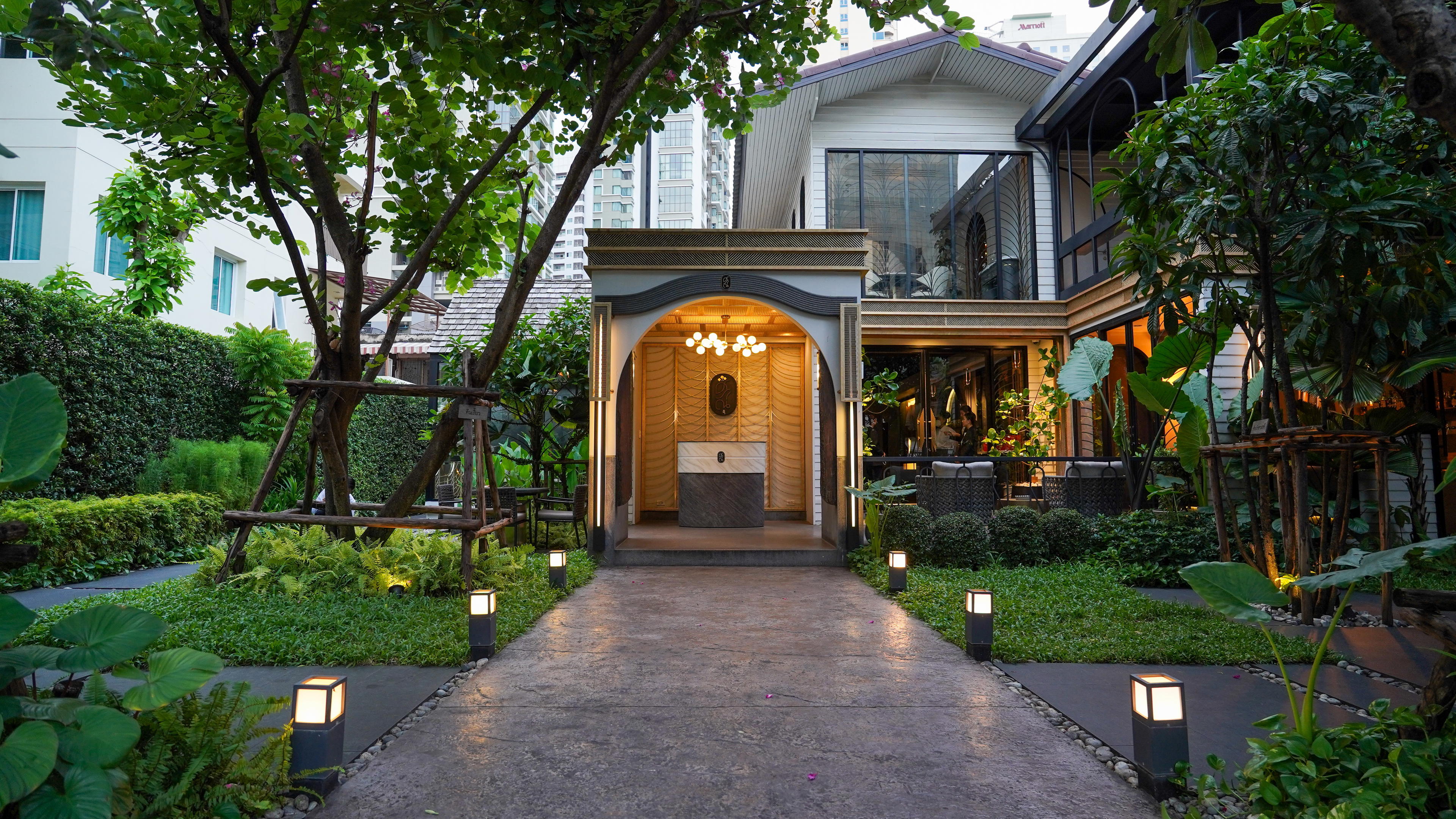
Bars in Bangkok
All bars in Bangkok →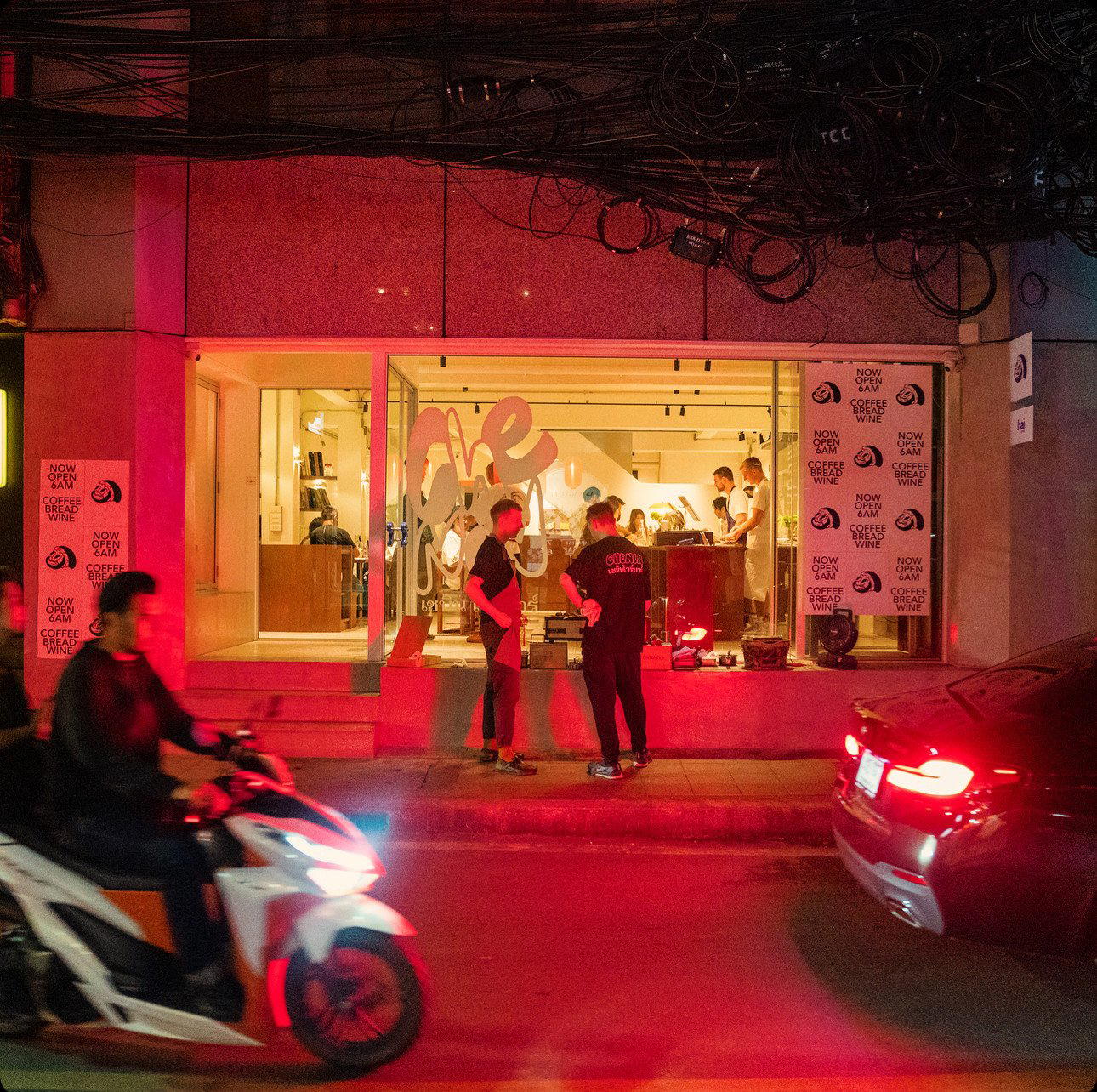
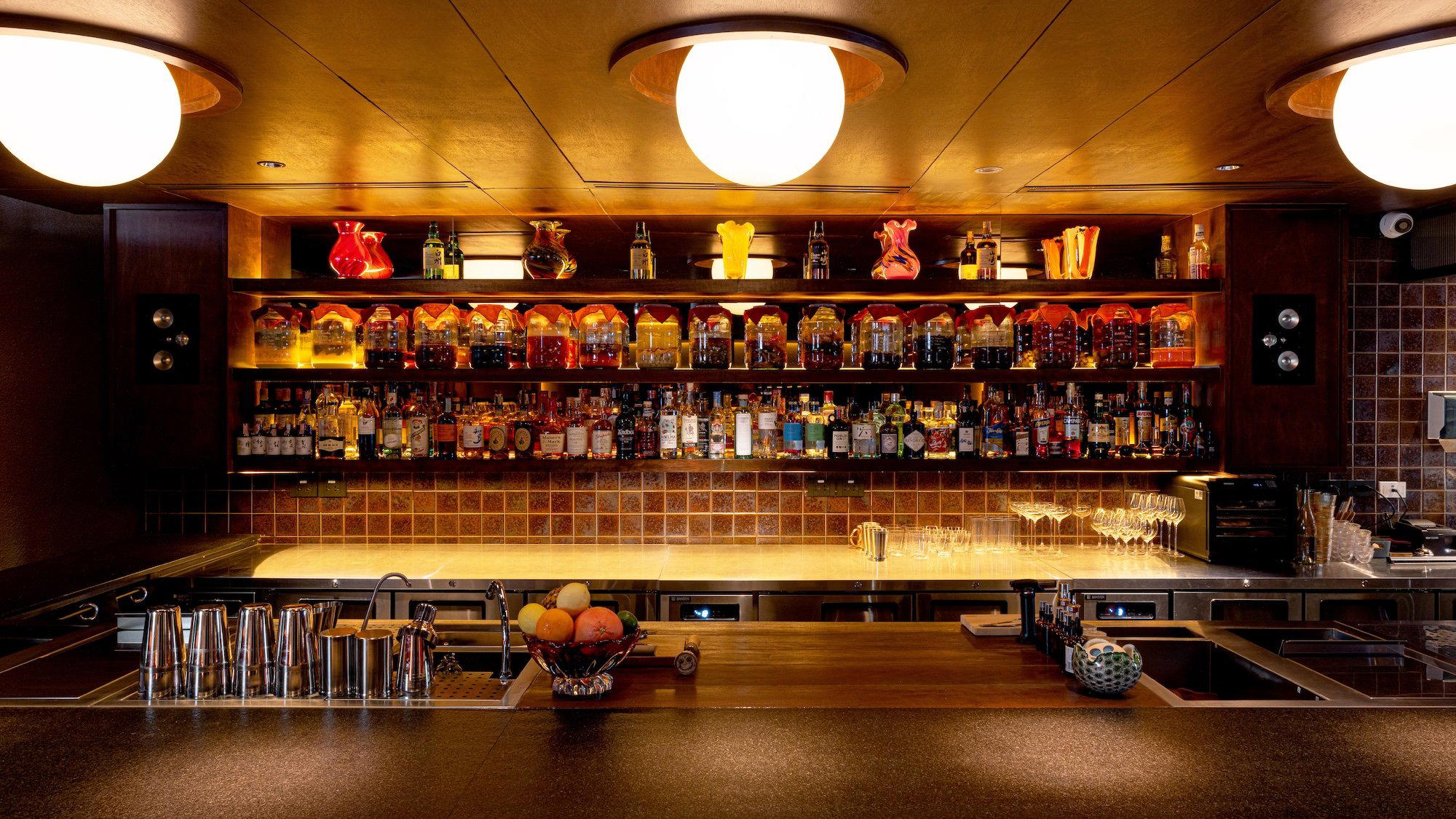
Details
- Modern
- Cozy
- Trendy
- Brunch
- Casual Hangout
- Family
- After Work
- Group Dining
- Hotel Restaurant
- Terrace
- Design Destination
- Craft Cocktails
- Beer Program
- Street Scene
- A La Carte
- Coffee
- Cocktails
- Beer
- Wine
- Vegetarian Friendly
- Vegan Options
Current opening hours
- Monday
- 6 AM–10 PM
- Tuesday
- 6 AM–10 PM
- Wednesday
- 6 AM–10 PM
- Thursday
- 6 AM–10 PM
- Friday
- 6 AM–10 PM
- Saturday
- 6 AM–10 PM
- Sunday
- 6 AM–10 PM
Hours can change for holidays and private events. Hours as of .
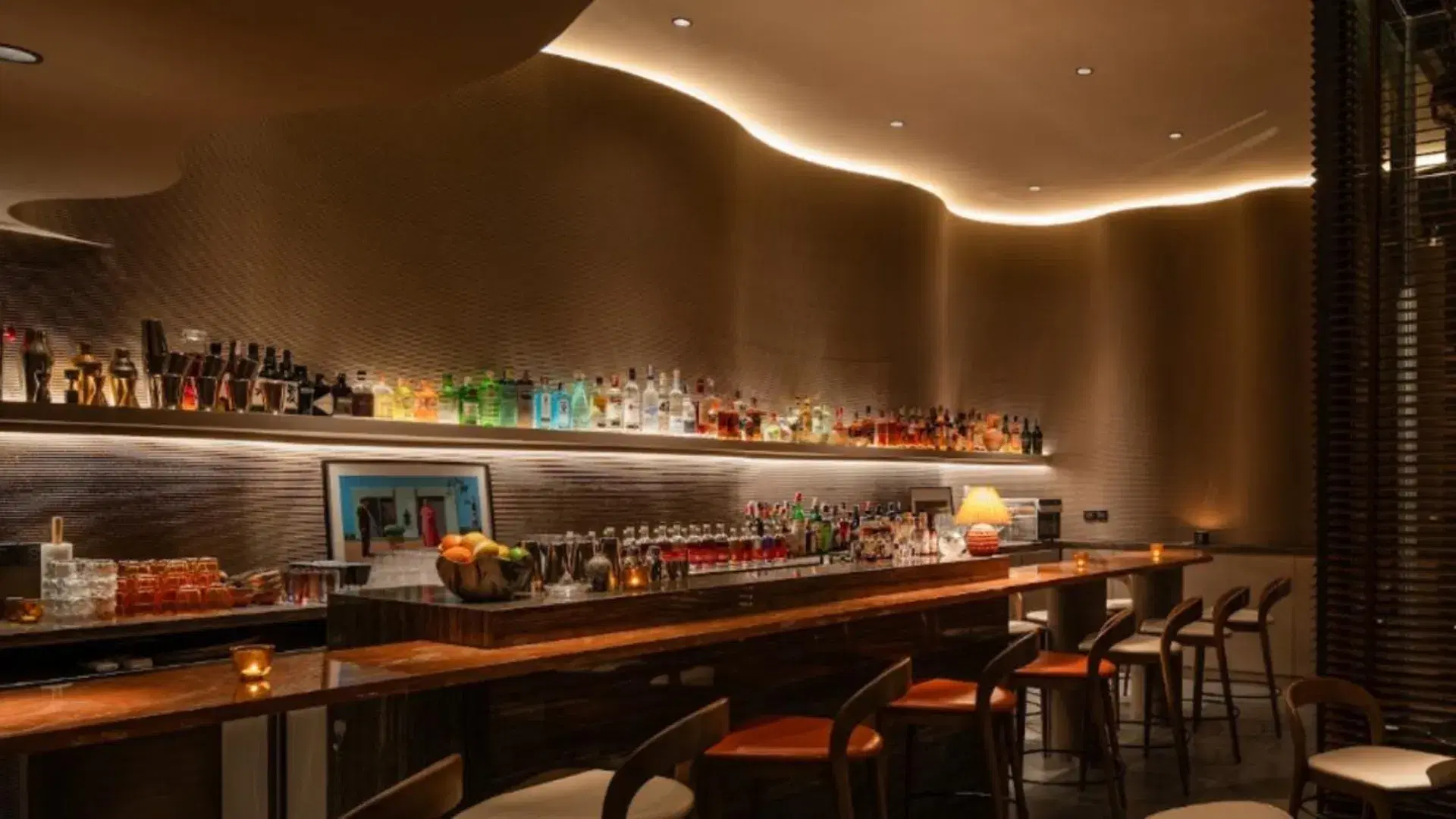
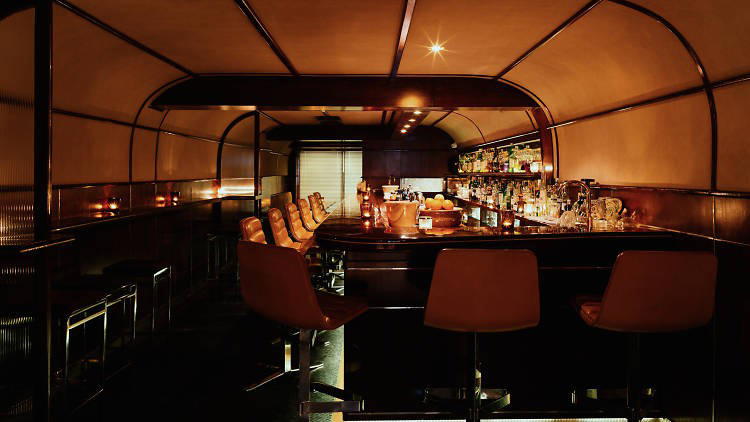
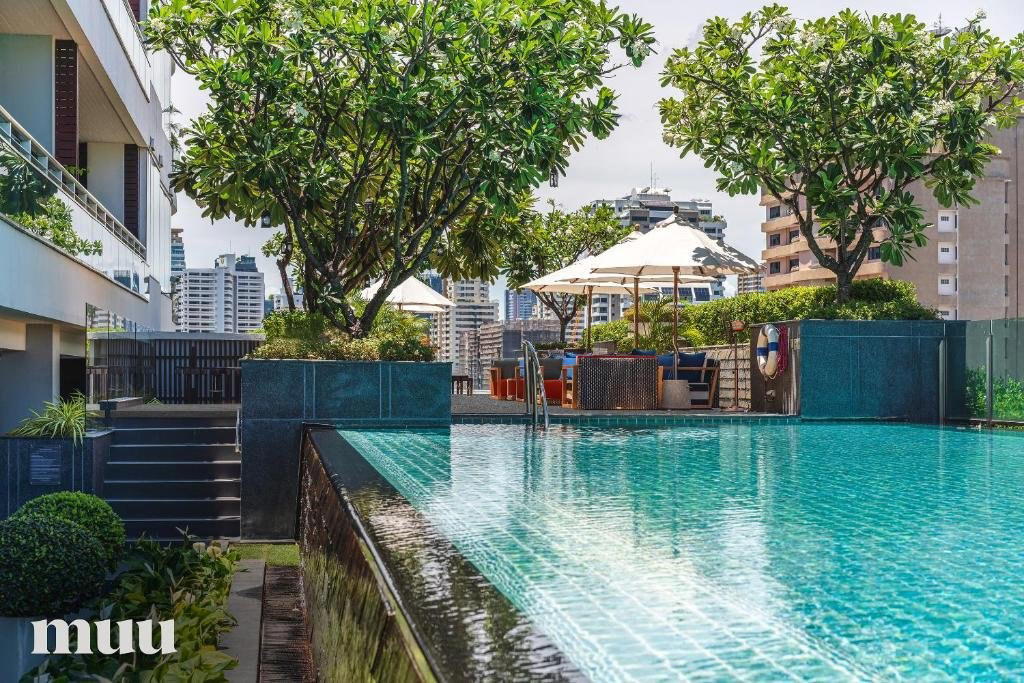
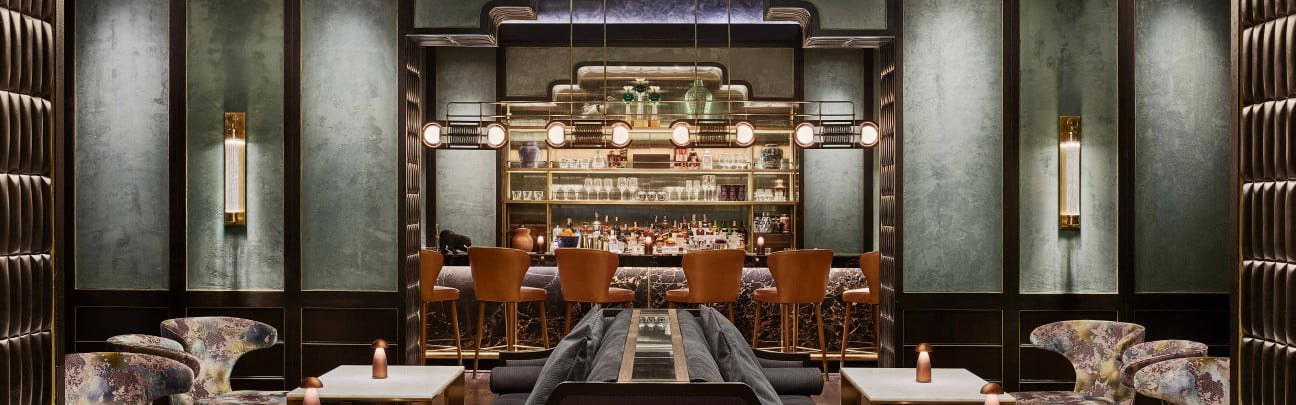
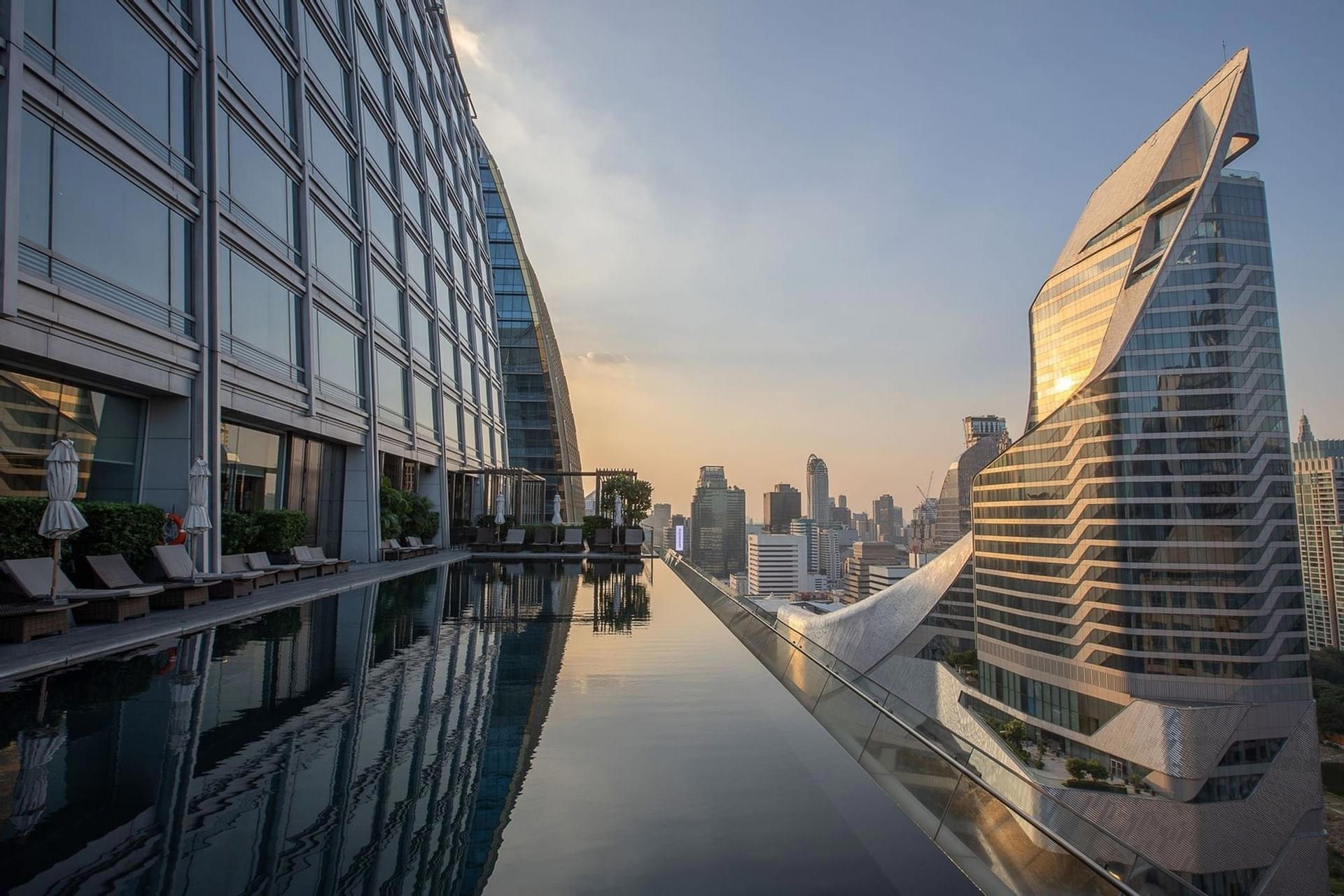
Casual and cozy bistro vibe with modern décor, hotel-lobby brightness by day and a more intimate, relaxed atmosphere in the evening; suitable for brunch meetups, laptop coffee sessions, and laid-back dinners.