Bang Bang Sushi
Our verdict
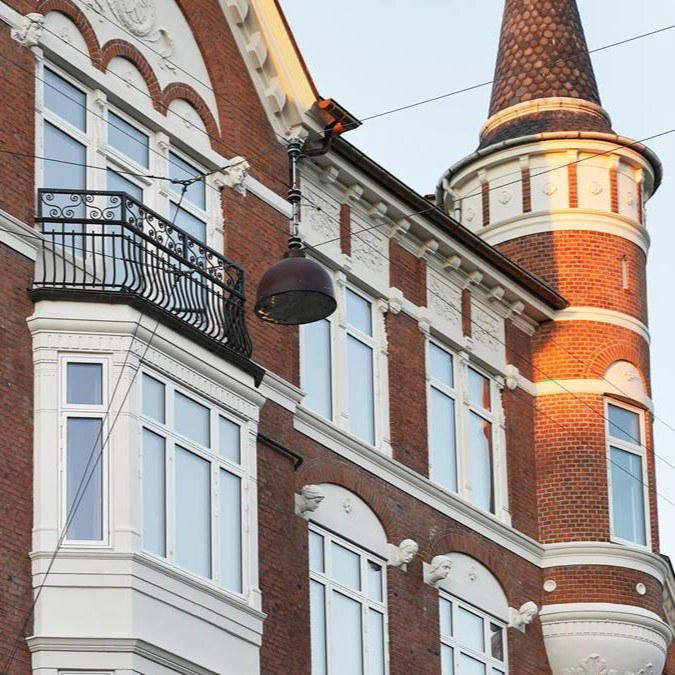
Bang Bang Sushi on Smallegade brings Japanese sushi culture to Frederiksberg's residential dining scene, operating as a neighbourhood counter in a borough better known for Nordic fine dining. The address places it within easy reach of Frederiksberg's compact restaurant corridor, where a growing number of independently operated kitchens are defining the area's culinary character away from central Copenhagen.

Pearl is the En Primeur Club membership app, where members save venues, book tables and use the concierge.
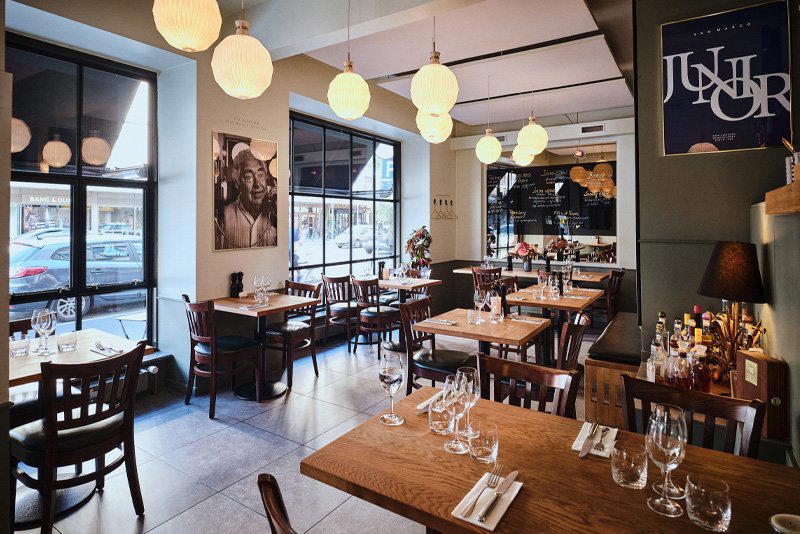
Sushi in a Nordic Borough: What Frederiksberg's Appetite for Japanese Technique Looks Like
Smallegade is the kind of street that rewards the visitor who arrives without a reservation at the grand address and ends up somewhere better for it. Frederiksberg's dining scene has, over the past decade, moved from being a quieter annexe of Copenhagen's restaurant culture to something more independently formed: a collection of neighbourhood kitchens that draw locals rather than tourists, and that trade on consistency and accessibility rather than spectacle. Bang Bang Sushi at Smallegade 2 occupies that register. It is a sushi address in a borough where the dining conversation is more often about New Nordic technique and Scandinavian produce, which places it in an interesting position, serving a cuisine whose cultural logic runs almost entirely counter to its surroundings.
That contrast is worth sitting with. Japanese sushi culture, at its most considered, is built around restraint, precision, and the relationship between a handful of ingredients. It is a cuisine where the quality of the rice can outweigh the quality of the fish in determining overall success, and where the temperature of a piece of nigiri as it leaves the hand matters as much as the provenance of the neta. When sushi restaurants open outside Japan, they exist on a spectrum between faithful technical reproduction and localised adaptation. In Copenhagen and its surrounding boroughs, the more serious Japanese counters have tended to sit closer to the faithful end of that spectrum, partly because Scandinavian dining culture already prizes exactness, seasonality, and the integrity of raw ingredients, values that translate well across the two traditions.
Where Bang Bang Sushi Sits in Frederiksberg's Current Restaurant Picture
Frederiksberg's restaurant corridor along and around Smallegade draws comparison to similar streets in inner Copenhagen, but the atmosphere operates at a lower register of formality. Venues like Auren's Deli, Gensyn, and Melee have helped define the street as a zone for independently run, quality-focused eating rather than destination fine dining. Bjørnekælderen and Fasangården extend that character further through the borough. Bang Bang Sushi occupies the Japanese corner of that picture, which in a European neighbourhood context means it is likely serving a format somewhere between casual roll-based dining and more considered nigiri work, the two dominant modes in which Japanese food culture reaches European residential streets.
The broader Danish fine dining world against which any serious food address in the country gets measured includes names like Jordnær in Gentofte and Geranium in Copenhagen, alongside regional anchors like Frederikshøj in Aarhus, Henne Kirkeby Kro in Henne, Ti Trin Ned in Fredericia, and Dragsholm Slot Gourmet in Hørve. Bang Bang Sushi is not competing in that category.
For context on how sushi culture translates into neighbourhood formats further afield, the difference between a technical counter program, the kind you find at serious Japanese-trained kitchens in cities like New York, where Le Bernardin represents the highest tier of seafood-focused discipline, or San Francisco, where Lazy Bear shows how counter formats can operate at high creative ambition, and a neighbourhood sushi address is not simply a matter of price. It is a matter of format intent. The neighbourhood address is built for frequency and familiarity; the counter destination is built for singular occasion.
The Cultural Logic Behind Sushi as a Neighbourhood Staple in Northern Europe
Sushi's integration into European neighbourhood dining is one of the more interesting crossings in contemporary food culture. What arrived in Western cities as an exotic and expensive format in the 1980s and 1990s has, by the 2020s, become a baseline expectation in most urban residential areas of reasonable size. The question that separates one neighbourhood sushi address from another is how much of the original technical discipline travels with the adaptation. Fish sourcing, rice preparation, and the absence of unnecessary sauce additions are the most legible signals.
In Denmark specifically, access to excellent cold-water fish gives local sushi kitchens a genuine advantage in sourcing. The same supply chains that feed New Nordic kitchens, North Sea cod, fjord-raised salmon, Danish langoustine, are accessible to any kitchen willing to work with seasonal availability rather than importing standardised product. Whether a given neighbourhood address chooses that route or opts for the more globally standardised sushi supply is, in most cases, the difference between a kitchen that is interesting and one that is merely convenient. Frederiksberg's dining culture has generally trended toward the former, which is part of what makes the address worth noting within the our full Frederiksberg restaurants guide.
Other independently-minded destinations across Denmark, from Frederiksminde in Præstø to LYST in Vejle, Tri in Agger, and Pearl by Paul Proffitt in Kruså, demonstrate that the country's appetite for considered, place-specific cooking extends well beyond the capital. Frederiksberg's neighbourhood addresses, Bang Bang Sushi among them, reflect a version of that same appetite at a more accessible and repeatable scale.
Practical Notes for Visitors
Bang Bang Sushi is located at Smallegade 2 in Frederiksberg, reachable by metro and bus from central Copenhagen in under fifteen minutes. The address functions within Frederiksberg's residential dining character, which means walk-in traffic is part of the model, though for weekend visits it is worth contacting the venue directly to gauge availability. Pricing and booking specifics are best confirmed at the address itself, as published details are limited. The venue sits within a neighbourhood where the surrounding street offers several additional independently run options for an evening that begins or ends with a different register of food.
Frequently asked questions
What's Bang Bang Sushi's location?
Bang Bang Sushi is located at Smallegade 2, 2000 Frederiksberg, Denmark, Frederiksberg.
Is Bang Bang Sushi a good option for sushi near central Copenhagen?
Frederiksberg sits directly adjacent to Copenhagen and is reachable from the city centre by metro or bus in under fifteen minutes, making Smallegade 2 a practical alternative to central Copenhagen sushi addresses. The borough has a residential dining culture distinct from the tourist-facing venues in the inner city.
What do regulars order at Bang Bang Sushi?
Ordering a selection across both formats is a reasonable way to read what any sushi spot prioritises technically. The Smallegade 2 location draws a local crowd that tends to know its preferences well.
Do I need a reservation for Bang Bang Sushi?
As a neighbourhood address on Smallegade in Frederiksberg, walk-in availability will depend on time of day and day of week. Contacting the venue directly before visiting is the most reliable approach, particularly for weekend evenings.
What's Bang Bang Sushi best at?
Bang Bang Sushi operates as a neighbourhood sushi address in Frederiksberg, a borough that has developed a consistent appetite for Japanese technique in an informal format. The Smallegade 2 location positions it within a local dining corridor that rewards straightforward, competent execution over ceremony.
Budget and Context
Comparable venues nearby, for context on price, style, and recognition.
| Venue | Cuisine | Price | Awards | Notes |
|---|---|---|---|---|
| Bang Bang SushiThis venue (the venue you are viewing) | Japanese Sushi | $20–30 | Not listed | Not listed |
| Promenaden 1932 | Traditional Danish Smørrebrød Bistro | Not listed | Star Wine List | Frederiksberg, Traditional Danish Smørrebrød Bistro |
| Melee | French Bistro | Not listed | Michelin Bib Gourmand · Star Wine List | Frederiksberg, French Bistro |
| Auren's Deli | Organic Farm-to-Table Deli | $20–30 | Not listed | Frederiksberg, Organic Farm-to-Table Deli |
| Fasangården | Modern Danish Seasonal | $30–50 | Michelin Plate · Star Wine List | Frederiksberg, Modern Danish Seasonal |
Continue exploring
More in Frederiksberg
Restaurants in Frederiksberg
All restaurants in Frederiksberg →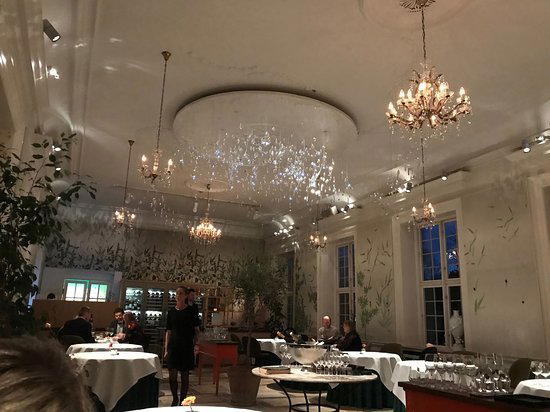
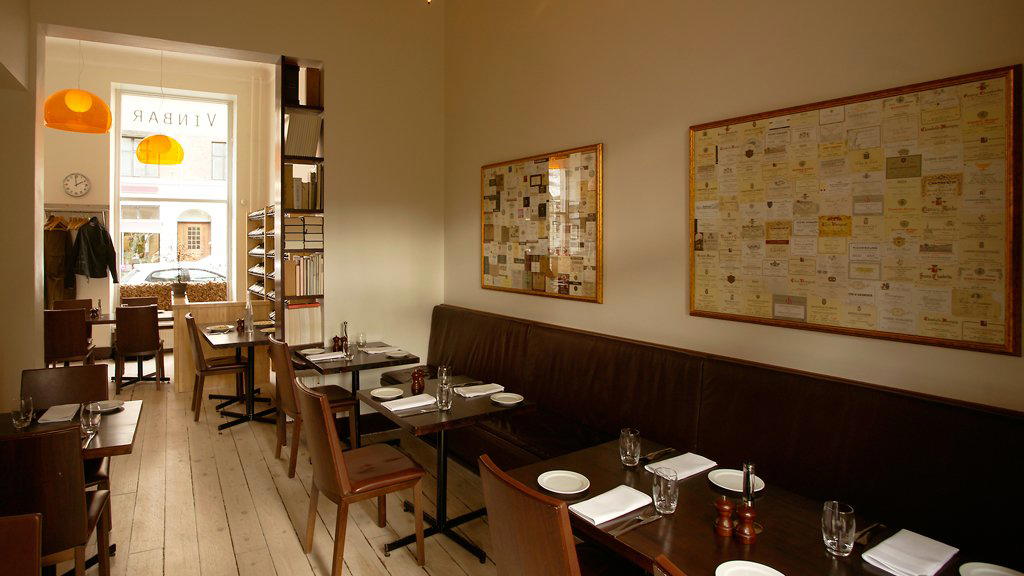
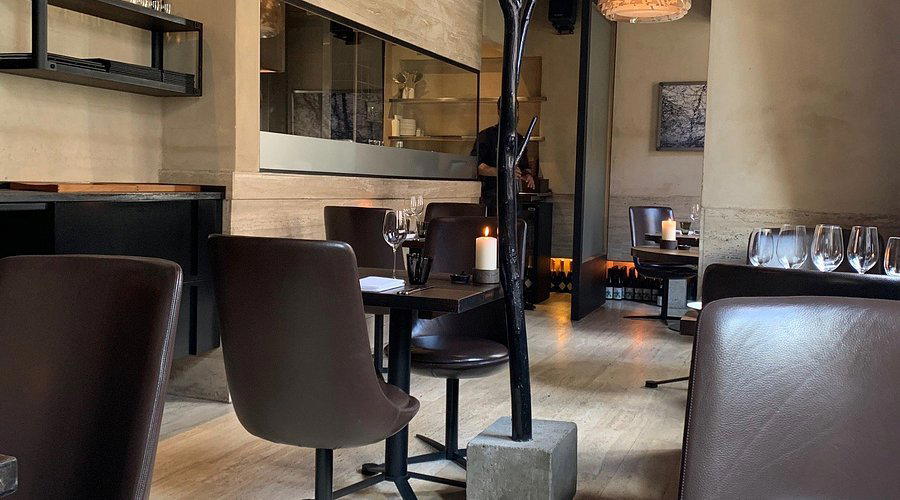
Bars in Frederiksberg
All bars in Frederiksberg →


Details
- Minimalist
- Modern
- Casual Hangout
- A La Carte
- Vegetarian Friendly
Current opening hours
- Monday
- Closed
- Tuesday
- Closed
- Wednesday
- Closed
- Thursday
- 5–10 PM
- Friday
- 5–10 PM
- Saturday
- 5–10 PM
- Sunday
- 5–10 PM
Hours can change for holidays and private events. Hours as of .
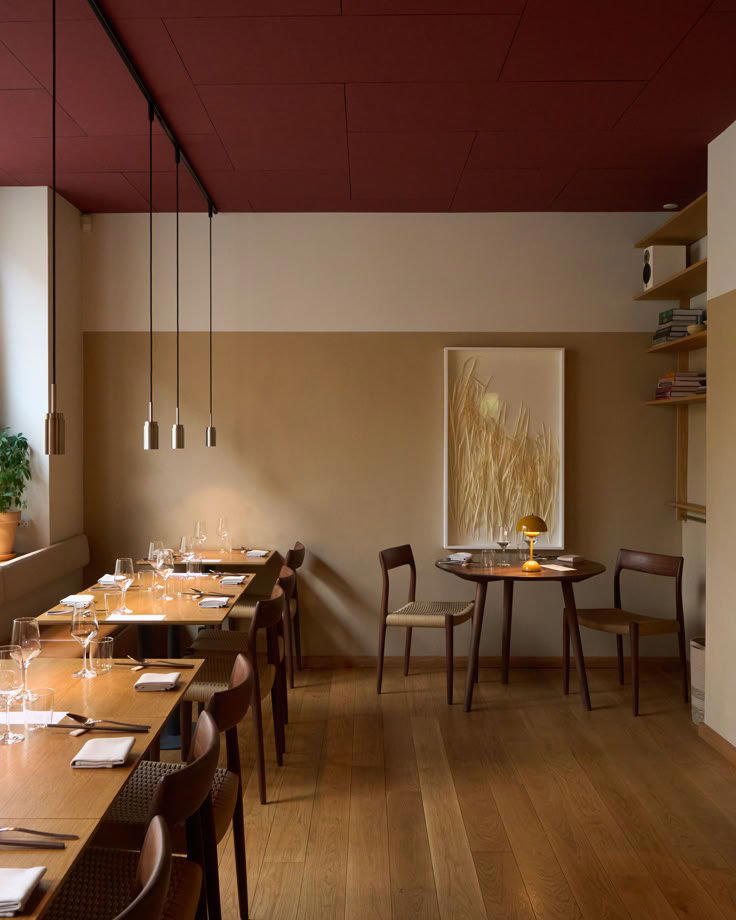
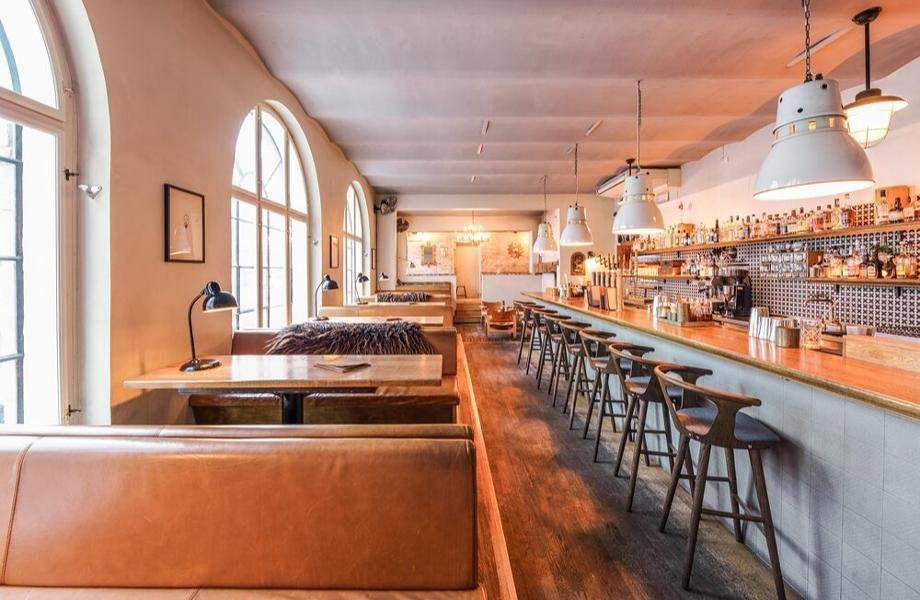
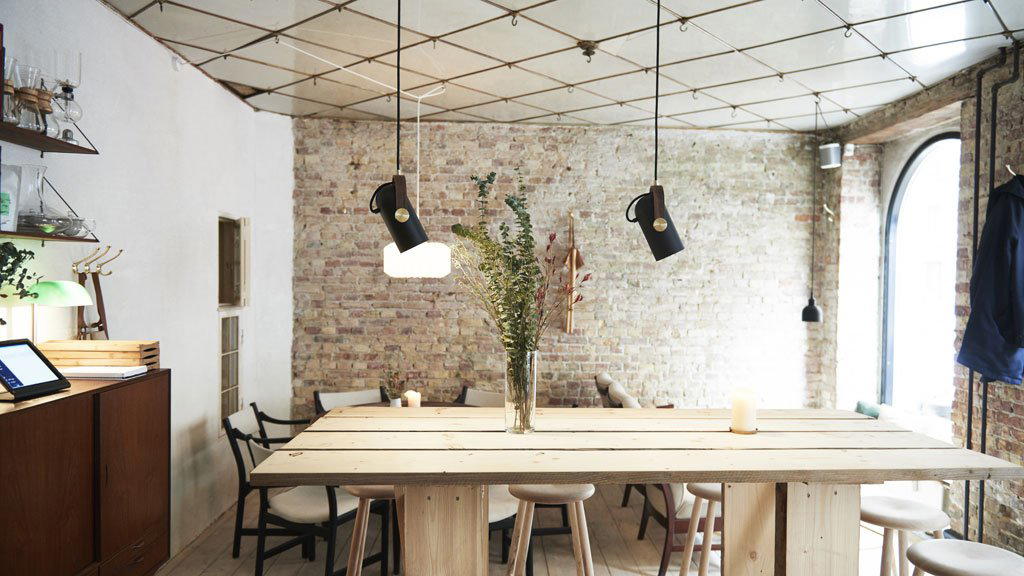
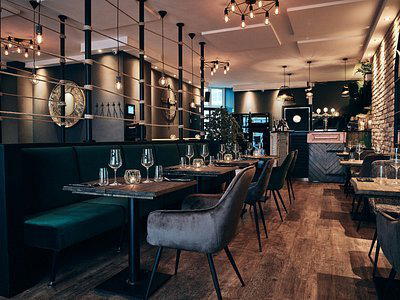
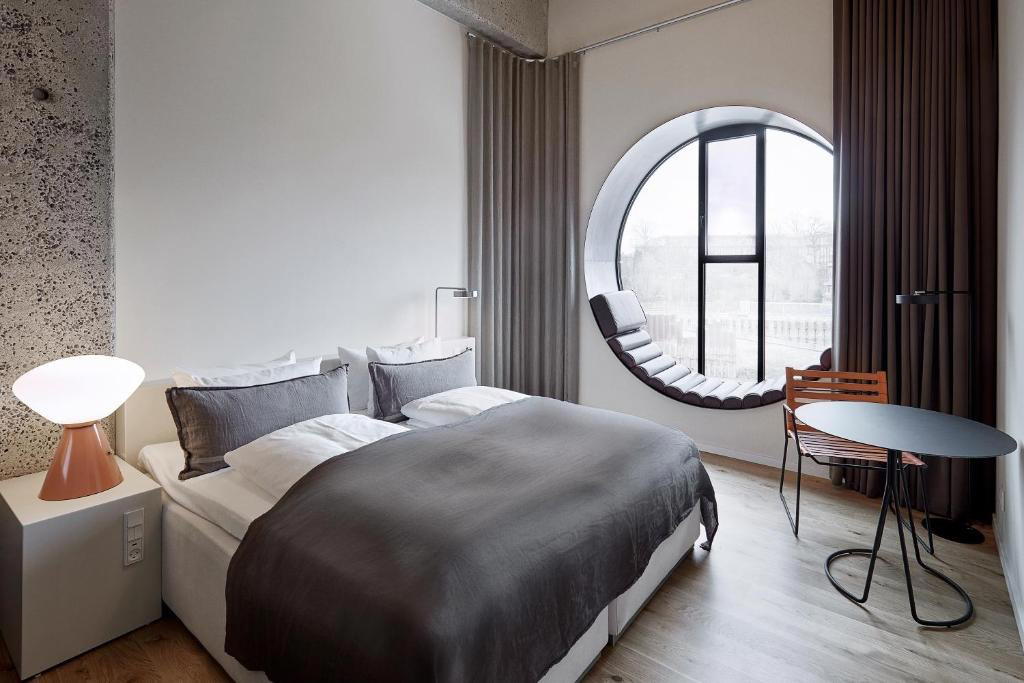
Minimalist interior with elegance and clean lines evoking hidden Tokyo streets.